Hikosan Jingu
Hikosan
Researched and translated with AI assistance. Every claim is linked to its source, but errors get through, so check the official site for opening times, fees and closures.About
In short
A mountain shrine that began as “the mountain of the sun’s child” and had its name altered twice by imperial act, in 819 and again in 1729; its virtues are the guarding of farming, mines and factory safety, and fortune in winning.
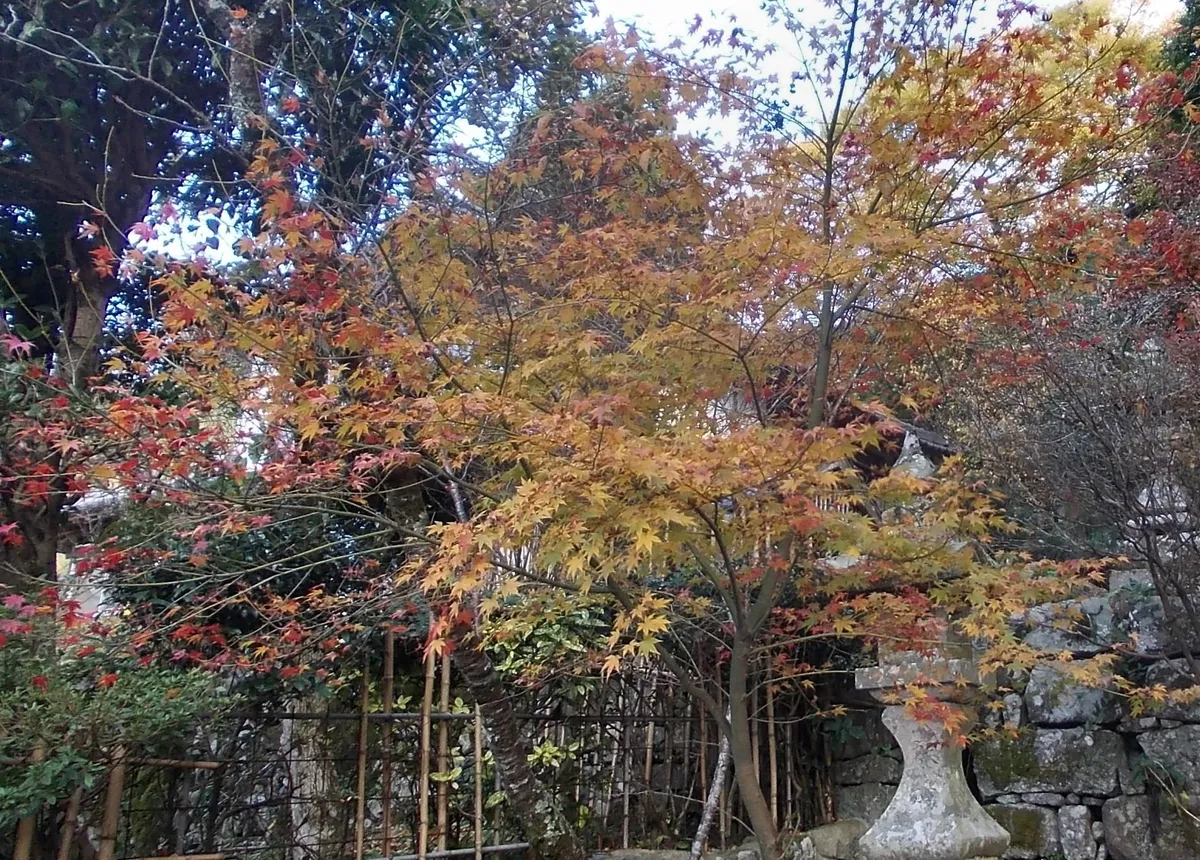
Quick facts
- Address
- 1 Hikosan, Soeda, Tagawa, Fukuoka
- Spiritual entities
- Izanagi (伊邪那岐命) · Izanami (伊邪那美命)
About this place
Hikosan Jingu is in Soeda, Fukuoka. Its chief deity is Masakatsu Akatsu Kachihayahi Ame no Oshihomimi, with Izanagi and Izanami enshrined alongside. The mountain was once called the mountain of the sun’s child, Hikosan written with those characters; in 819, under Emperor Saga, those two characters were changed to a single character also read hiko, and in 1729, by the decree of the retired Emperor Reigen, the character for “excellent” was granted, giving Hikosan its present written form. From the medieval period Buddhism was joined to the worship of the deity here, and the mountain flourished as a Shugendo training hall under the name of its gongen; with the separation of gods and buddhas at the Meiji Restoration it became Hikosan Shrine, and on 24 June 1975, with the emperor’s permission, it was renamed a jingu, the third in the country to be so named after the war. Its stated virtues are as guardian deity of agricultural production, of mines and of safety in factories, and as a deity of fortune in winning.
Origin and history
The mountain was once called the mountain of the sun’s child. In 819, under Emperor Saga, the two characters of that name were changed to a single one, and in 1729, by the decree of the retired Emperor Reigen, the character for “excellent” was granted, giving the present written form.
From the medieval period Buddhism was joined to the worship of the deity here, and the mountain flourished as a Shugendo training hall under the name of its gongen. With the separation of gods and buddhas at the Meiji Restoration it became Hikosan Shrine, and on 24 June 1975, with the emperor’s permission, it was renamed a jingu, the third in the country to be so named after the war.
The chief deity is Masakatsu Akatsu Kachihayahi Ame no Oshihomimi, with Izanagi and Izanami alongside. Its virtues are as guardian of agricultural production, of mines and of safety in factories, and as a deity of fortune in winning.
What it is locally associated with
Renamed twice
The two characters of the old name were changed to one in 819, and in 1729 a decree granted a further character, giving the present written form.
documented historyGuardian of fields, mines and factories
Its virtues are as guardian deity of agricultural production, of mines and of safety in factories, and as a deity of fortune in winning.
documented historyFrom gongen to shrine to jingu
It flourished as a Shugendo hall, became Hikosan Shrine at the separation of gods and buddhas, and was renamed a jingu on 24 June 1975.
documented history
This mountain has had its name altered twice. It was the mountain of the sun’s child; in 819 Emperor Saga replaced two of its characters with one, and in 1729 a decree of the retired Emperor Reigen granted it a further character meaning “excellent”. Both changes came from above, and both are dated. Temples on this list changed names by moving; a mountain, which does not move, having its name rewritten twice by decree happens only here.
The list of virtues is unusual too. Guardian of agricultural production, of mines, of safety in factories — fields, mines and factories in the same line. Taking on the safety of a particular trade is the shape of Himuro Shrine in Nara, which belongs to the ice makers, and of Sukunahikona Shrine in Osaka, which belongs to the pharmacists’ street. What differs here is that factories are among them.
The shrine also writes down its own institutional breaks. It flourished as a Shugendo hall under its gongen name; the separation of gods and buddhas made it Hikosan Shrine; and on 24 June 1975 it was renamed a jingu. A form that flourished was cut off, and the name changed again. Tamaki Shrine in Nara and Nanzo-in in Fukuoka record their own discontinuities in the same way.
Claims and evidence levels 3
- The mountain’s name was altered by Emperor Saga in 819 and again by decree of the retired Emperor Reigen in 1729. documented history
- It flourished as a Shugendo training hall, became Hikosan Shrine at the separation of gods and buddhas, and was renamed a jingu on 24 June 1975. documented history
- Its stated virtues are guarding agricultural production, mines and safety in factories, and fortune in winning. documented history
Related guides
- What a "power spot" actually isA modern Japanese coinage, not a traditional religious category. Where the word came from, what it does and does not claim, and why this site uses it anyway.
Sources
- 御祭神と由来 — Hikosan Jingu (accessed 2026-08-15)
Last updated:
Similar places
8 places
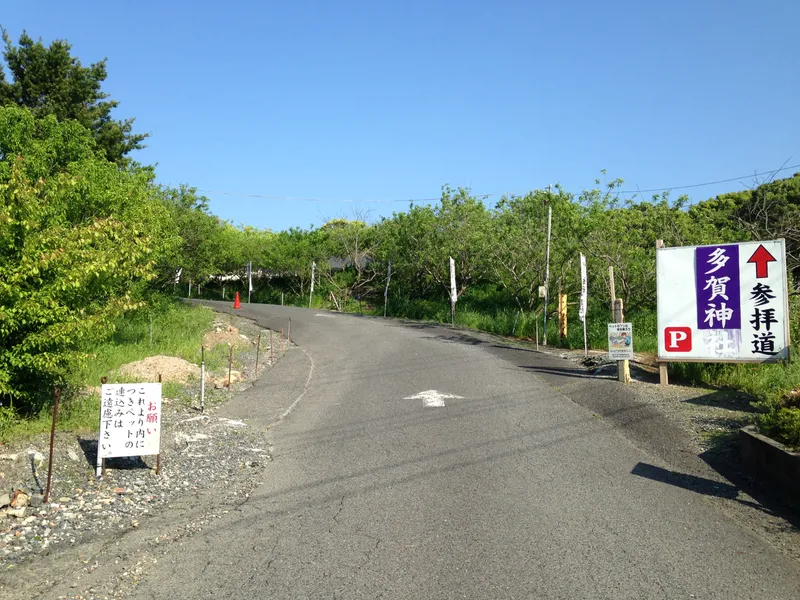 Shrine
Taga Shrine
- Fertility & Children
- Health & Healing
- Love & Romance
A shrine to Izanagi and Izanami, the married pair who made the land and bore the eight million deities, where prayers run from long life to safety on a worksite.
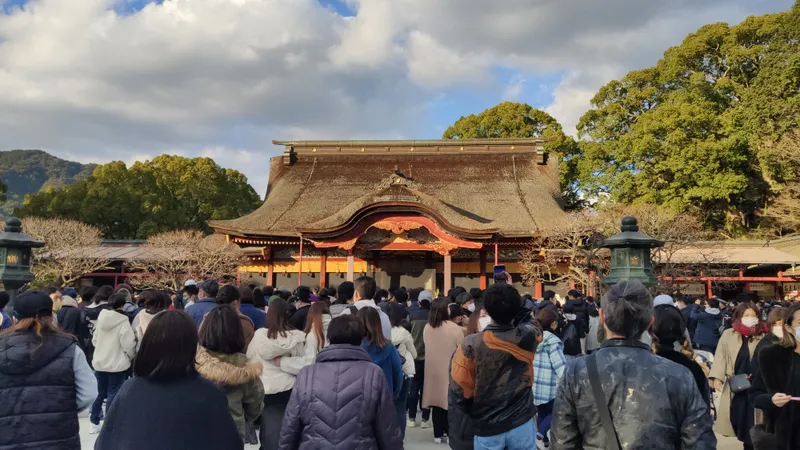 Shrine
Dazaifu Tenmangu
- Career & Work
- Exams & Study
- Fertility & Children
The shrine stands over Sugawara no Michizane’s grave, on the spot where the ox drawing his funeral cart lay down and would not move; prayers here begin with passing an entrance examination.
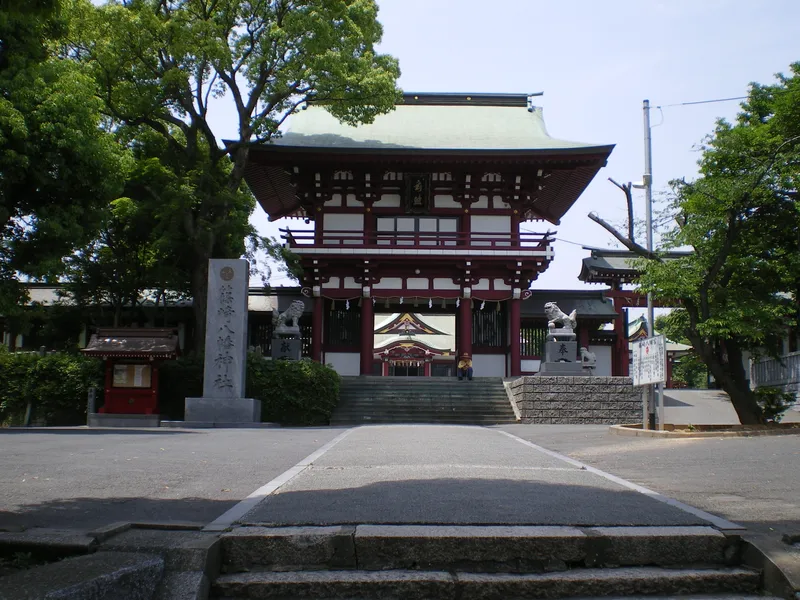 Shrine
Shinozaki Hachiman Shrine
- Career & Work
- Fertility & Children
- Love & Romance
It begins with Empress Jingu giving birth to Emperor Ojin at Umi, and a division of the deity was brought from Usa Hachimangu in 730; two stones in the precinct carry different prayers.
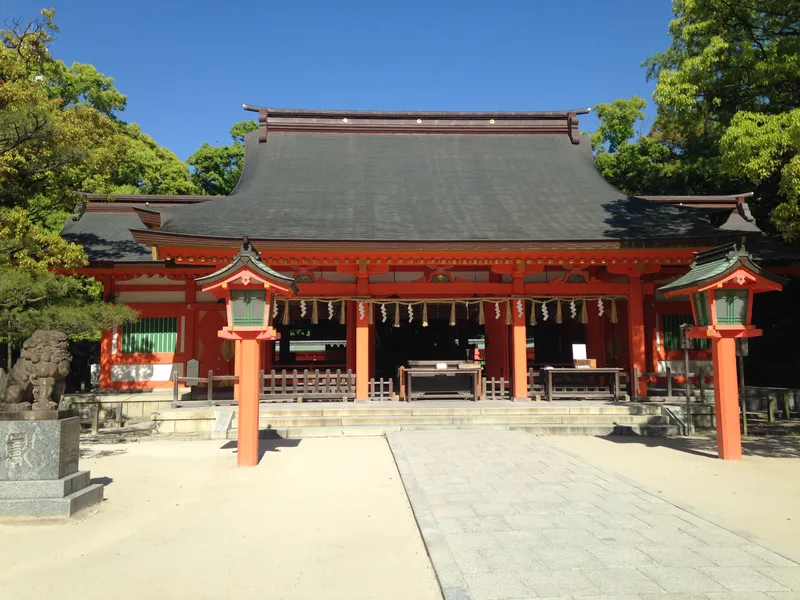 Shrine
Sumiyoshi Shrine
- Protection & Safety
- Purification
Said to be the first of the 2,129 Sumiyoshi shrines in the country, and revered as a deity who guards against every calamity by means of purity of body and mind.
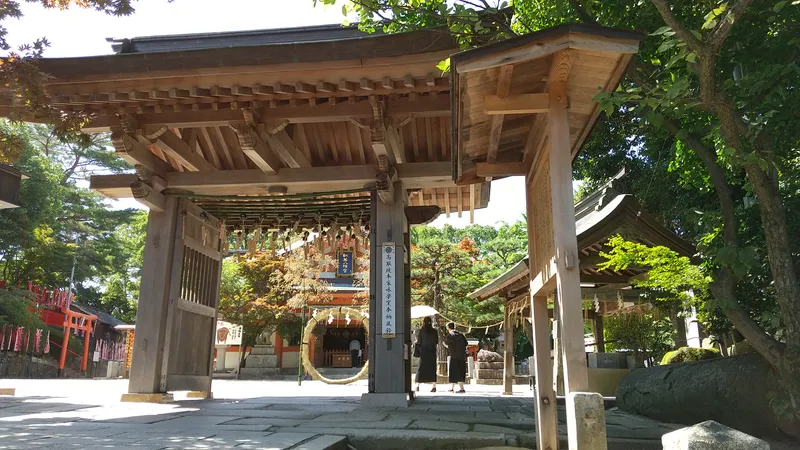 Shrine
Momiji Hachimangu
- Career & Work
- Fertility & Children
- Love & Romance
Twelve deities are enshrined here, among them Empress Jingu, Emperor Ojin and Prince Uji no Wakiiratsuko, and the devotion runs to safe birth, the keeping of children, warding off misfortune, bonds and advancement.
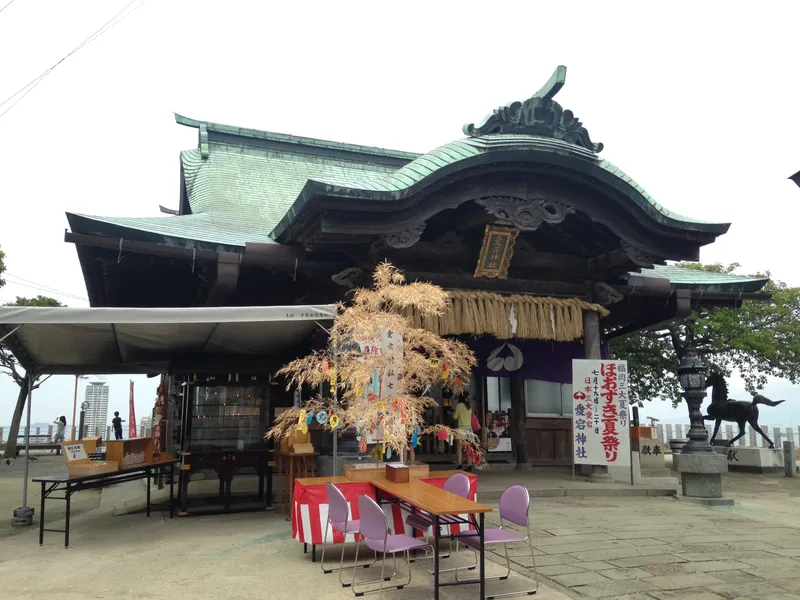 Shrine
Washio Atago Shrine
Transmitted as founded some nineteen hundred years ago, it took its present name in 1901 when Washio Shrine and Atago Shrine became one; it is one of the three great Atago shrines.
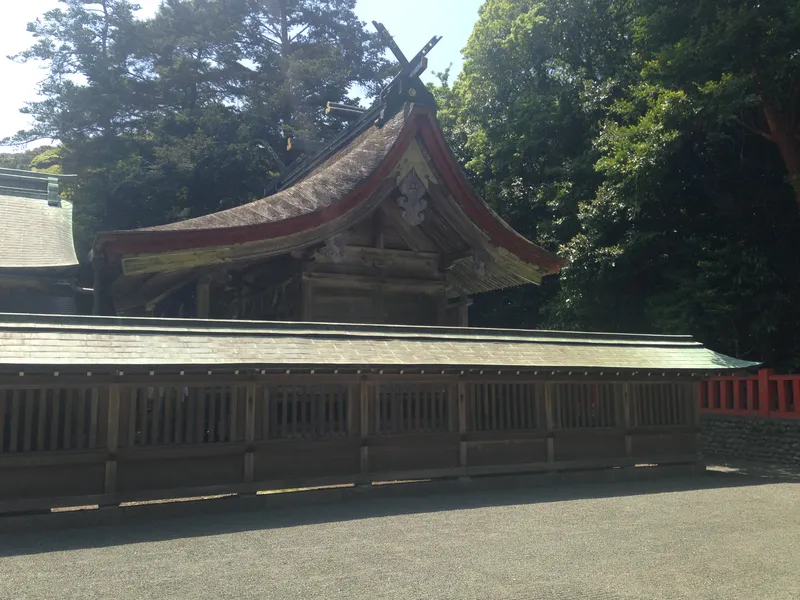 Shrine
Munakata Taisha Nakatsu-gu
One of the three halls of Munakata Taisha, standing on the island of Oshima, where Tagitsuhime is enshrined and the weaver and the herdsman each have a shrine of their own.
 Shrine
Fuuji Hachimangu
- Money & Prosperity
- Protection & Safety
From Ita no Okami to Kaze no Miya to Ita Tenaga Taisha and at last Fuuji Hachimangu — a name two lords each added a character to.
No places match your filters