Kitano Tenmangu
Tenjin-san
Researched and translated with AI assistance. Every claim is linked to its source, but errors get through, so check the official site for opening times, fees and closures.About
In short
Head shrine of some twelve thousand Tenmangu shrines, widely venerated for success in entrance examinations and in study.
Quick facts
- Address
- Bakuro-cho, Kamigyo-ku, Kyoto
- Spiritual entities
- Tenjin (天神, Sugawara no Michizane)
About this place
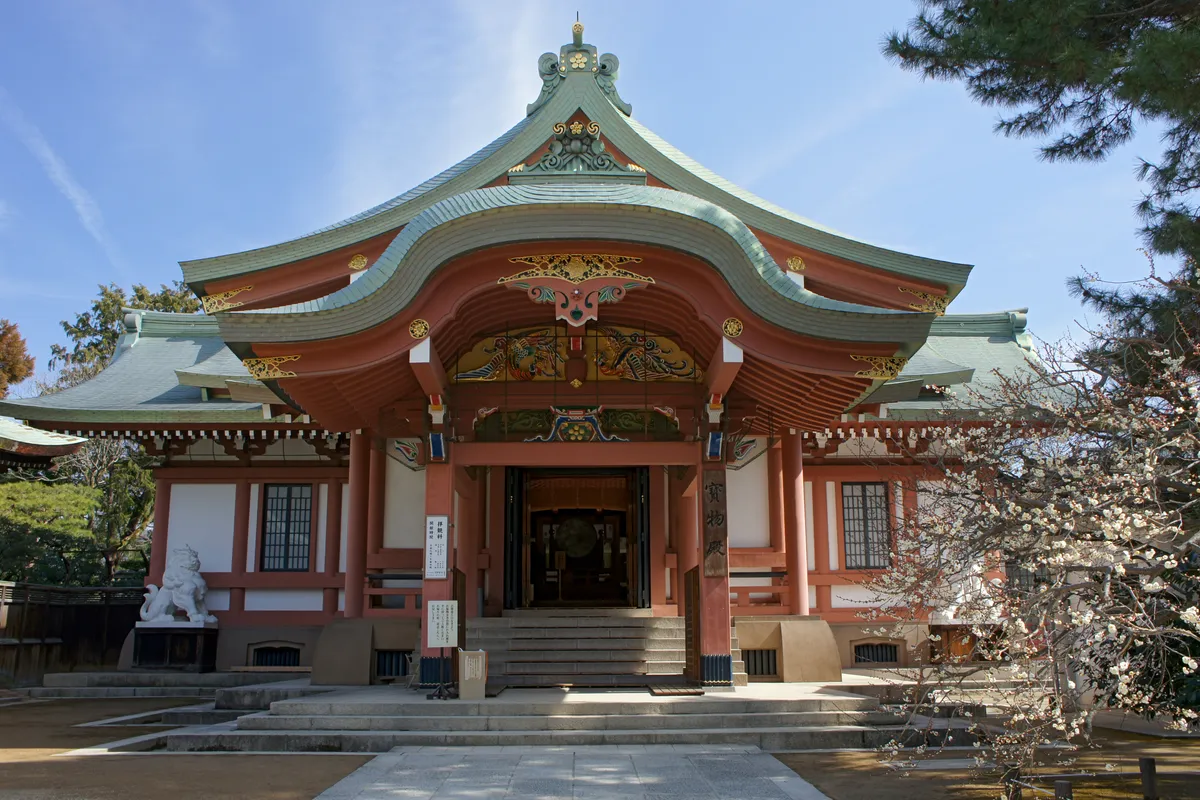
Kitano Tenmangu, in Kamigyo, Kyoto, enshrines Sugawara no Michizane and is head shrine to the roughly twelve thousand Tenmangu and Tenjin shrines across Japan. As the shrine where Tenjin devotion began, it was founded in 947 by oracle at Kitano, the "heaven gate" — the north-west quarter — of the Heian capital. It is widely venerated as a shrine for success in entrance examinations, achievement in study, the cultural arts, and warding off misfortune.
Origin and history
Kitano Tenmangu records that, as the shrine where Tenjin devotion began, it was founded rather more than a thousand years ago — in 947, the first year of Tenryaku under Emperor Murakami — when an oracle had Michizane enshrined at Kitano, the north-west "heaven gate" of the Heian capital.
Michizane composed waka at five, Chinese verse at eleven, and was hailed a prodigy at fourteen or fifteen; later he was revered as the great ancestor of letters and the sovereign of wind and moon.
What it is locally associated with
Entrance exams and study
The shrine records that it is widely venerated for passing entrance examinations, achievement in study, the cultural arts and warding off misfortune.
documented historyHead to twelve thousand shrines
It is head shrine to the roughly twelve thousand Tenmangu and Tenjin shrines across Japan.
documented history947, at the heaven gate
Founded in 947 by oracle at Kitano, the north-west "heaven gate" of the Heian capital.
documented history
Why this is a shrine of learning lies in the life of the man enshrined. Someone who wrote waka at five, Chinese verse at eleven, and was called a prodigy at fourteen came to be revered as the great ancestor of letters. The god of study was a scholar — the logic is that plain.
The shrine names four things asked of it: passing entrance examinations, achievement in study, the cultural arts, and the warding off of misfortune. Not only exams and learning, but the arts and protection too — that is the shrine’s range.
One of Michizane’s poems runs: though not the sea, to the very floor of the gathered water, the moon will light a clear heart. The shrine records that he kept that clear and honest heart all his life, exactly as the poem says.
Claims and evidence levels 3
- Kitano Tenmangu was founded in 947 by oracle at Kitano, the north-west quarter of the Heian capital, and is head shrine to some twelve thousand Tenmangu and Tenjin shrines. documented history
- The shrine records that it is widely venerated for entrance-exam success, achievement in study, the cultural arts and the warding off of misfortune. documented history
- Sugawara no Michizane composed waka at five and Chinese verse at eleven, and was later revered as the great ancestor of letters. documented history
Related guides
- How to visit a shrine or temple in JapanThe country-wide basics: purifying at the water basin, the two-bows-two-claps-one-bow form at shrines, and what temples do instead.
- What a "power spot" actually isA modern Japanese coinage, not a traditional religious category. Where the word came from, what it does and does not claim, and why this site uses it anyway.
- Shrine or temple?A shrine is Shinto and a temple is Buddhist, and you can usually tell at the gate. Why the line is cleaner on paper than on the ground, and what a government order in 1868 has to do with it.
- Omamori, ema, omikuji and goshuinThe four things you are most likely to receive, write, draw or be given at a shrine or temple, what each is actually for, and the one of them people most often get wrong.
Sources
- 北野天満宮について — 北野天満宮 — Kitano Tenmangu (accessed 2026-08-13)
Last updated:
Similar places
8 places
 Shrine
Osaka Tenmangu
- Exams & Study
- Money & Prosperity
- Protection & Safety
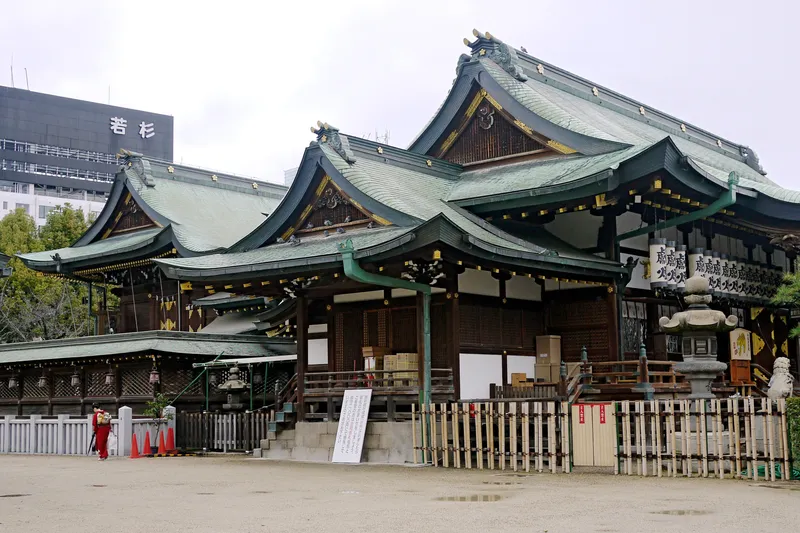
Built by imperial order on the spot where Sugawara no Michizane prayed for a safe journey to Dazaifu, after seven pines grew there overnight and shone each night.
 Shrine
Kamigamo Jinja
- Protection & Safety
- Skill & Mastery
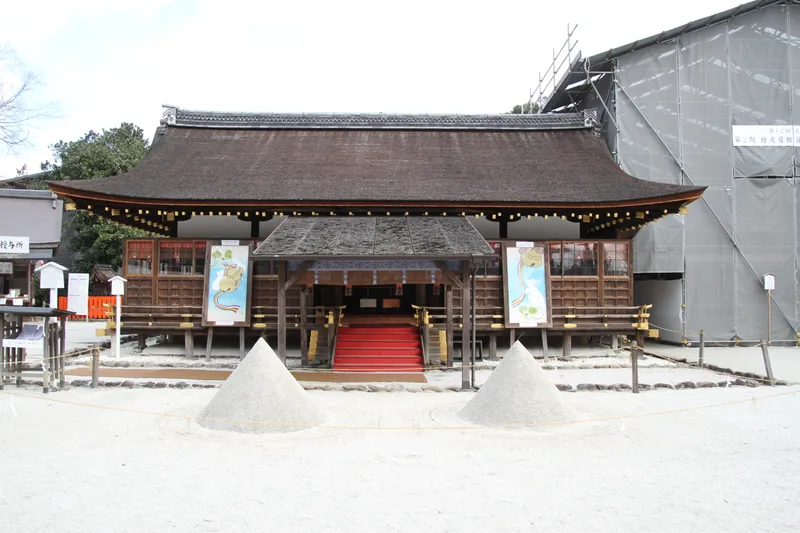
A shrine to Kamo Wakeikazuchi, whose listed benefits run from warding off lightning to guarding the electrical industry.
 Shrine
Nishiki Tenmangu
- Exams & Study
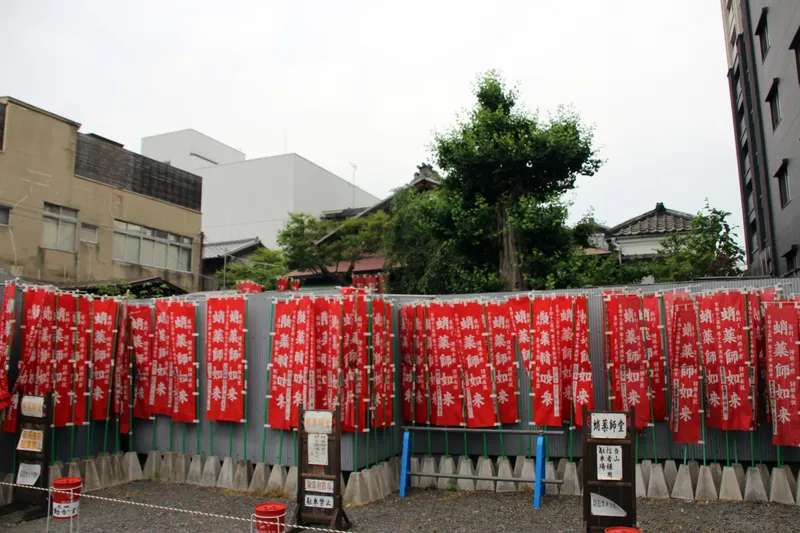
A shrine to Sugawara no Michizane, known as the deity of learning, standing in the middle of an arcade facing the Nishiki food market.
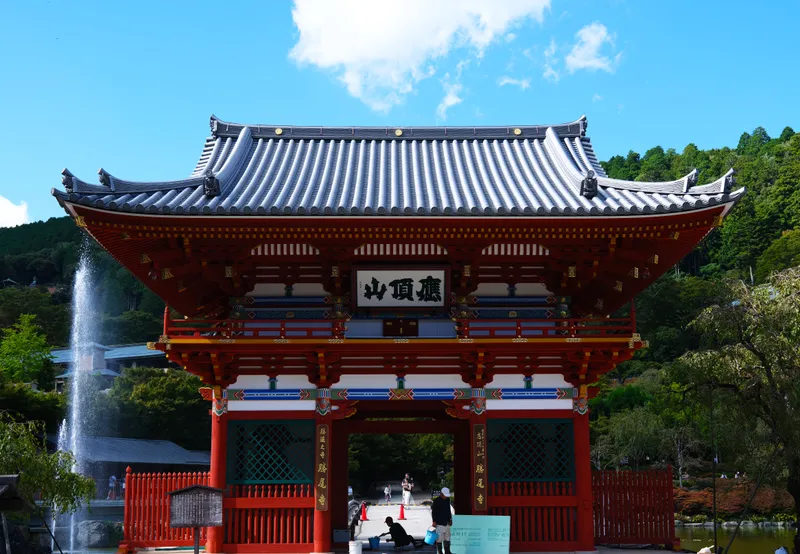 Temple
Katsuo-ji
- Exams & Study
- Health & Healing
- Protection & Safety
Begun in 727 when twin brothers built a hermitage on the mountain, and a temple of winning that defines winning as overcoming your own weak heart.
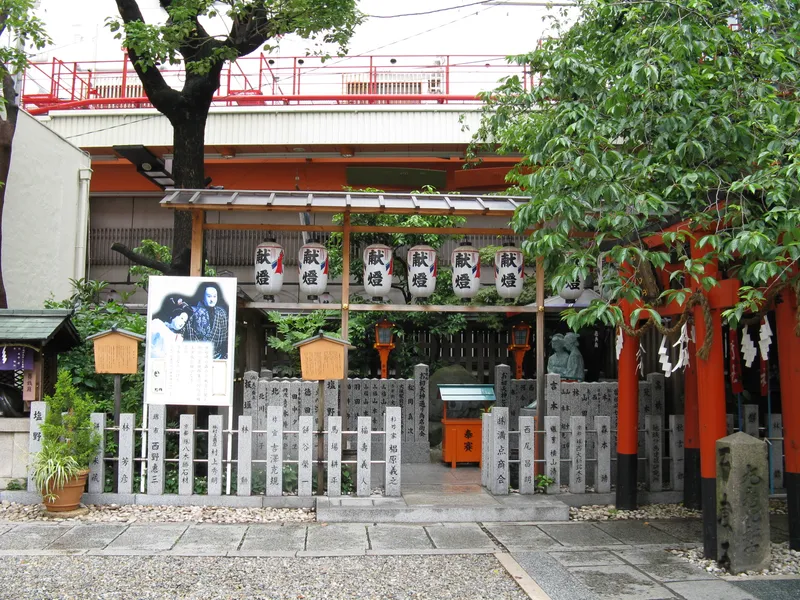 Shrine
Tsuyu no Tenjinsha
- Exams & Study
- Health & Healing
- Love & Romance
An old shrine of thirteen centuries whose grove was the scene of the double suicide behind Chikamatsu’s play, and where people now come to ask for love to come true.
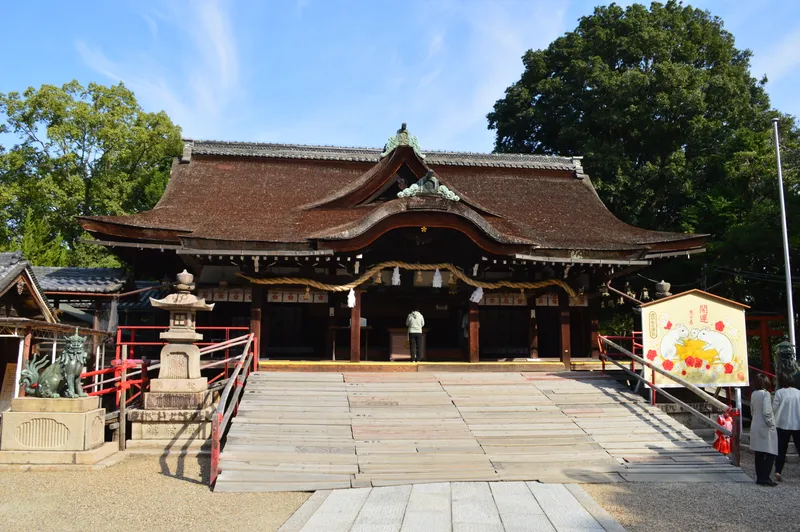 Shrine
Domyoji Tenmangu
- Exams & Study
It began when Nomi no Sukune, rewarded for inventing haniwa to replace the burial of the living, enshrined his distant ancestor here — and it now enshrines Sugawara no Michizane and his aunt.
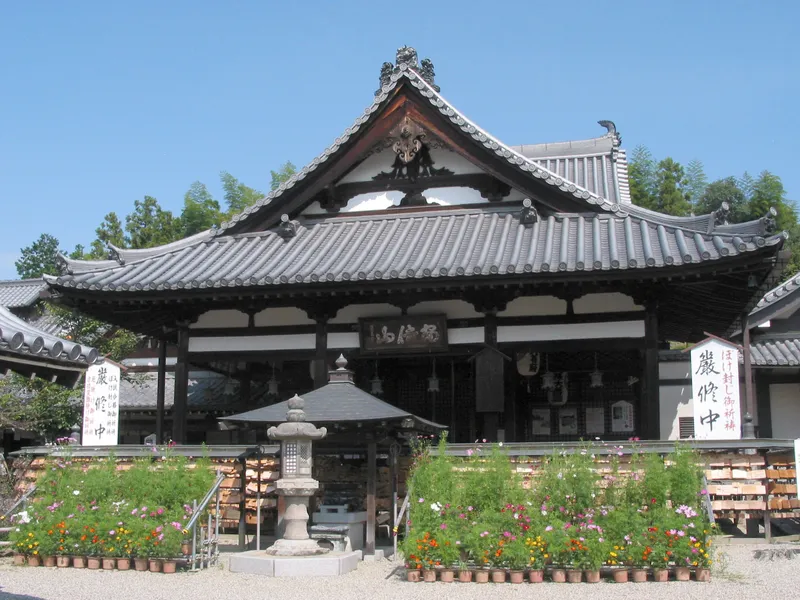 Temple
Abe Monju-in
- Exams & Study
- Fertility & Children
- Protection & Safety
Founded in 645 and one of the oldest temples in Japan, its principal image is the Monju of the proverb "three heads together make Monju’s wisdom", and prayers here begin with success in examinations.
 Temple
Oka-dera
- Exams & Study
- Fertility & Children
- Health & Healing
Founded by the priest Gien on the vow of Emperor Tenji, it calls itself the first site in Japan for warding off misfortune and is the seventh station of the Saikoku pilgrimage.
No places match your filters