Katsuo-ji
Ochosan Katsuo-ji
Researched and translated with AI assistance. Every claim is linked to its source, but errors get through, so check the official site for opening times, fees and closures.About
In short
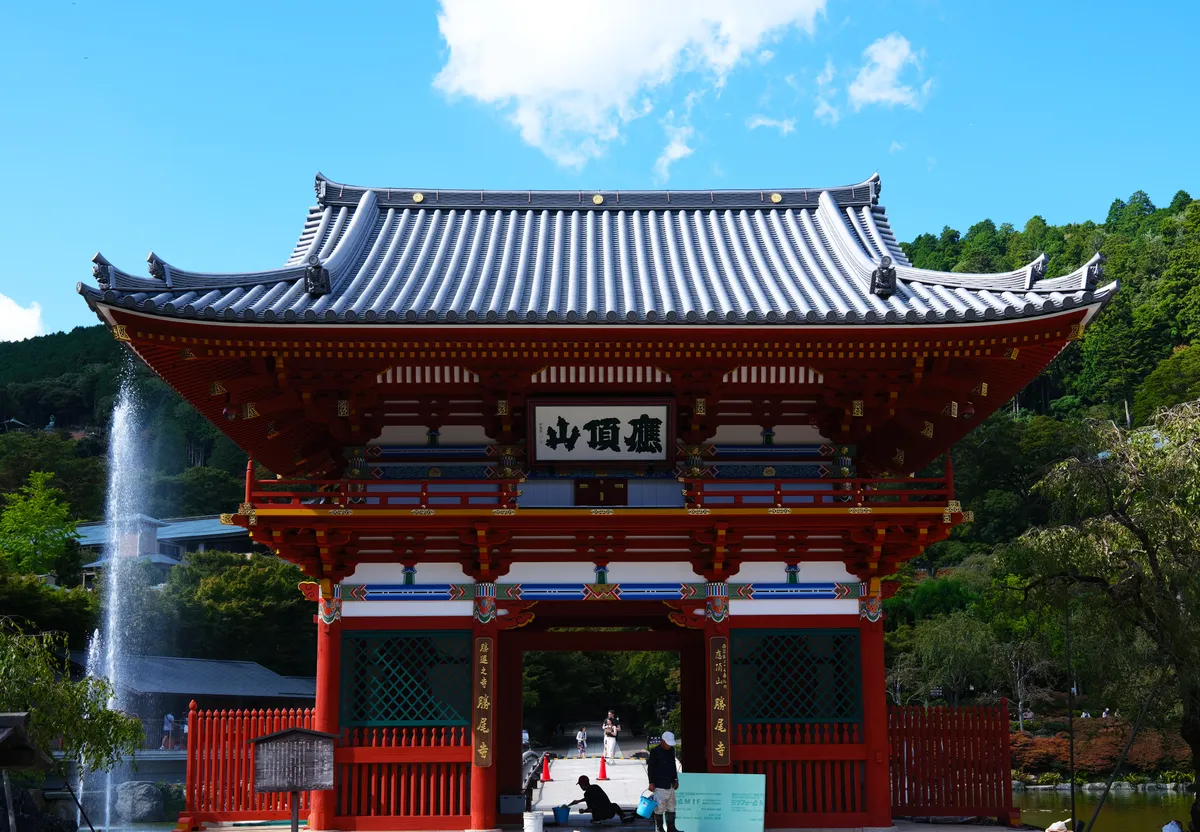
Begun in 727 when twin brothers built a hermitage on the mountain, and a temple of winning that defines winning as overcoming your own weak heart.
Quick facts
- Address
- 2914-1 Aomatani, Minoh, Osaka
About this place
Katsuo-ji is in Minoh, Osaka, and is the twenty-third station of the Saigoku pilgrimage. Twin brothers, Zenchu and Zenzan, born in Settsu province in 708, climbed the mountain and built a thatched hermitage for their practice in 727; that is the beginning of the thirteen hundred years of Katsuo-ji. The temple is worshipped as one that wins in every situation where fortune in winning matters, and prayers are made here for examinations, warding off misfortune, illness and sport. But the temple explains "winning" as facing yourself and overcoming your own weak heart. Its winning daruma is a self-pledge: you write your wish and ink one eye, and that is the signature.
Origin and history
In 708, twin brothers named Zenchu and Zenzan were born in Settsu province. They climbed the mountain and built a thatched hermitage for their practice. That was in 727, and it is the beginning of the thirteen hundred years of Katsuo-ji.
The temple is the twenty-third station of the Saigoku pilgrimage, and is worshipped as one that wins in every situation where fortune in winning matters — examinations, warding off misfortune, illness, sport, and the other turns of a life.
What it is locally associated with
Winning in every situation
Worshipped as a temple that wins in every situation where fortune in winning matters: examinations, warding off misfortune, illness and sport.
documented historyThe daruma is a self-pledge
Writing your wish and inking one eye is, the temple explains, signing a pledge to face yourself and overcome your own weak heart.
documented historyA hermitage built by twins
Twin brothers Zenchu and Zenzan, born in Settsu in 708, climbed the mountain and built a hermitage for practice in 727.
documented history
This temple defines its own sign. It is called a temple of winning, and what it means by winning is facing yourself and overcoming your own weak heart. It says so first, and only then lists the occasions: examinations, warding off misfortune, illness, sport.
And the asking has a procedure. You write your wish on a winning daruma and ink in one eye. The temple describes this as signing a self-pledge. You put down your aim and your target for three hundred and sixty-five days on, offer incense with your thanks, and ink the right eye as the signature of that promise. Then you look back on each day, and at the end you report at the main hall — a wish with a start, a deadline and a debrief.
It began with a hut on a mountain. The twin brothers born in 708 climbed up and built a thatched hermitage for their practice, in 727, and that is the start of the thirteen hundred years.
Claims and evidence levels 3
- Katsuo-ji began in 727, when the twin brothers Zenchu and Zenzan built a thatched hermitage on the mountain for their practice. documented history
- It is worshipped as a temple of winning, with prayers for examinations, warding off misfortune, illness and sport. documented history
- The temple defines winning as facing oneself and overcoming one’s own weak heart, and describes inking the daruma’s eye as signing a self-pledge. documented history
Related guides
- How to visit a shrine or temple in JapanThe country-wide basics: purifying at the water basin, the two-bows-two-claps-one-bow form at shrines, and what temples do instead.
- What a "power spot" actually isA modern Japanese coinage, not a traditional religious category. Where the word came from, what it does and does not claim, and why this site uses it anyway.
- Shrine or temple?A shrine is Shinto and a temple is Buddhist, and you can usually tell at the gate. Why the line is cleaner on paper than on the ground, and what a government order in 1868 has to do with it.
- Omamori, ema, omikuji and goshuinThe four things you are most likely to receive, write, draw or be given at a shrine or temple, what each is actually for, and the one of them people most often get wrong.
Sources
Last updated:
Similar places
8 places
 Temple
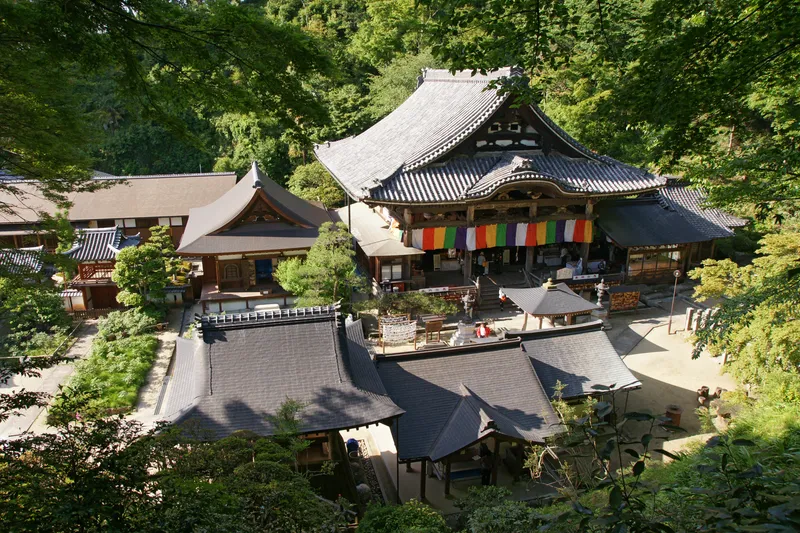
Oka-dera
- Exams & Study
- Fertility & Children
- Health & Healing
Founded by the priest Gien on the vow of Emperor Tenji, it calls itself the first site in Japan for warding off misfortune and is the seventh station of the Saikoku pilgrimage.
 Shrine
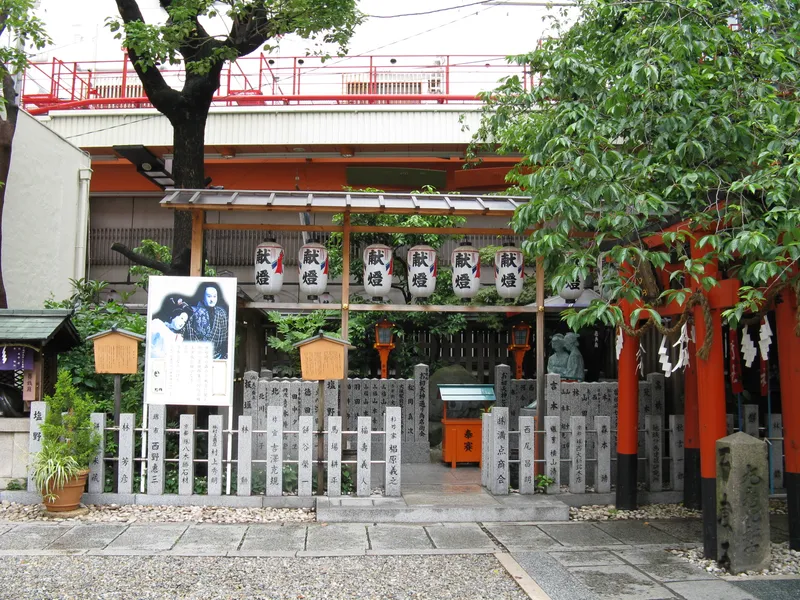
Tsuyu no Tenjinsha
- Exams & Study
- Health & Healing
- Love & Romance
An old shrine of thirteen centuries whose grove was the scene of the double suicide behind Chikamatsu’s play, and where people now come to ask for love to come true.
 Shrine
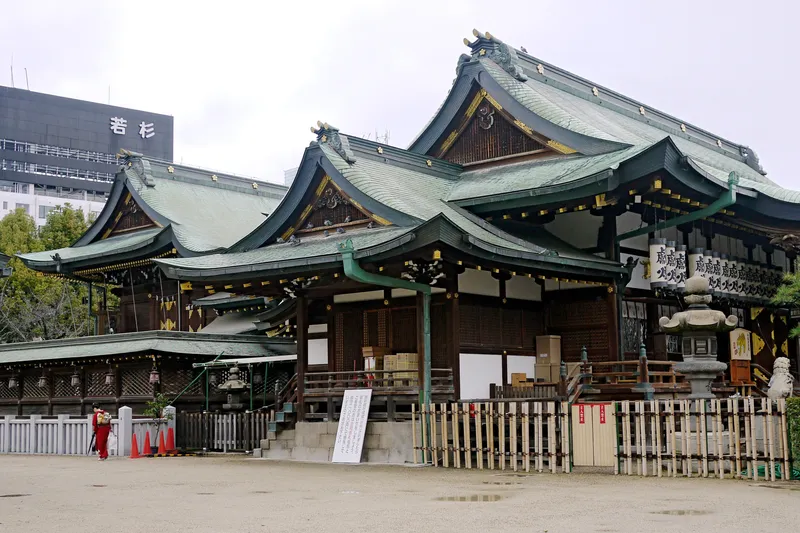
Osaka Tenmangu
- Exams & Study
- Money & Prosperity
- Protection & Safety
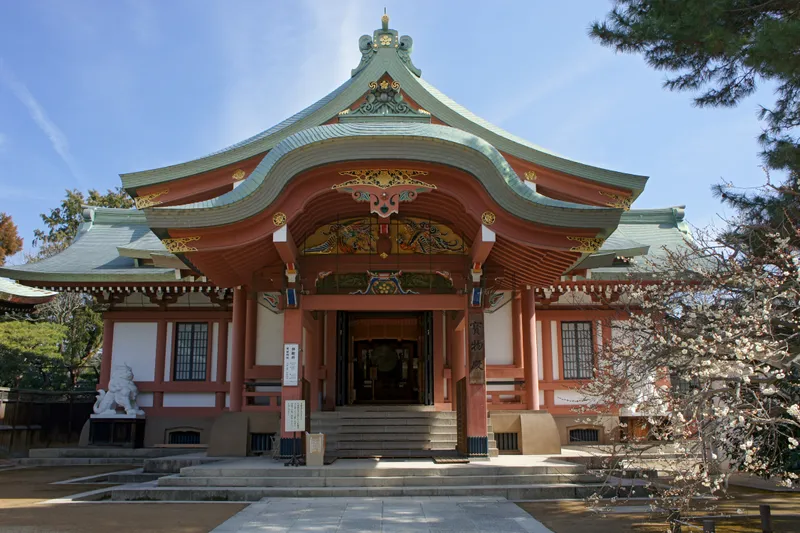
Built by imperial order on the spot where Sugawara no Michizane prayed for a safe journey to Dazaifu, after seven pines grew there overnight and shone each night.
 Shrine
Kitano Tenmangu
- Exams & Study
- Protection & Safety
- Skill & Mastery
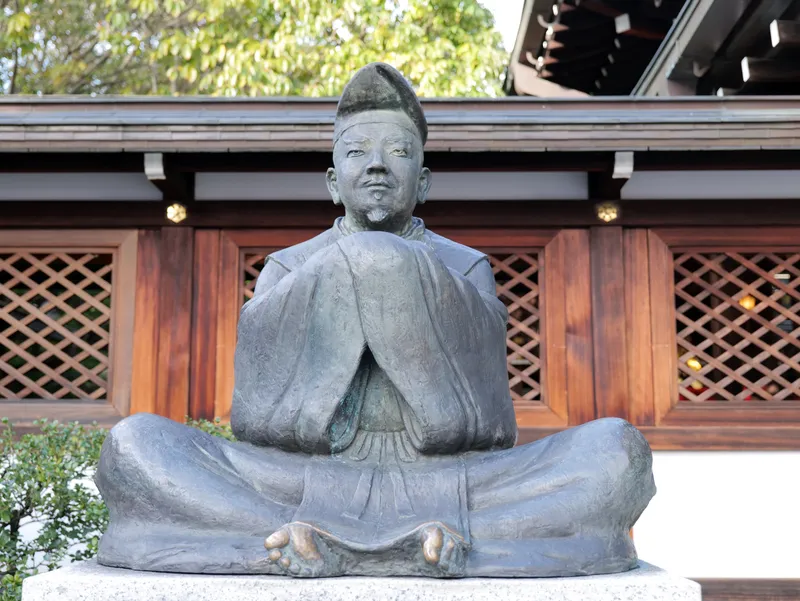
Head shrine of some twelve thousand Tenmangu shrines, widely venerated for success in entrance examinations and in study.
 Shrine
Seimei Jinja
- Health & Healing
- Protection & Safety
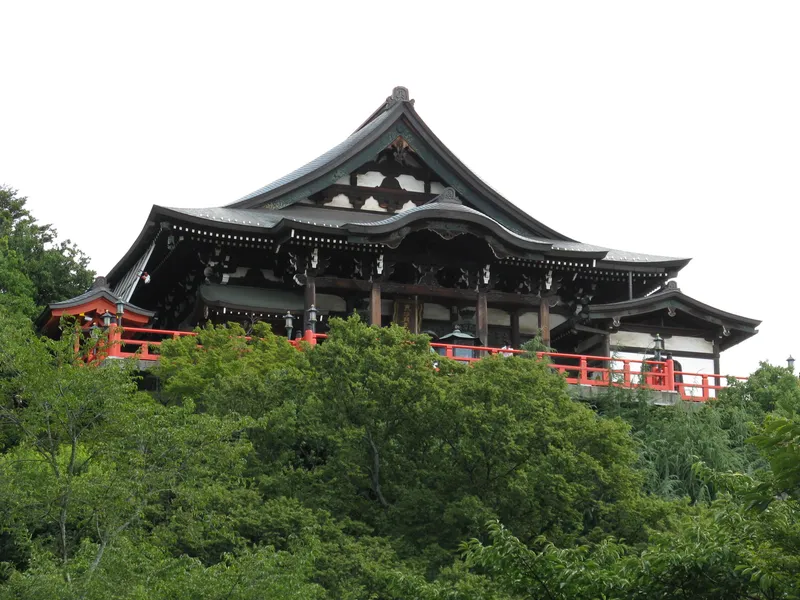
A shrine to Abe no Seimei, whose crest — the five-pointed star — the shrine describes as one of the onmyodo talismans he devised.
 Temple
Chogosonshi-ji
- Family & Home
- Health & Healing
- Protection & Safety
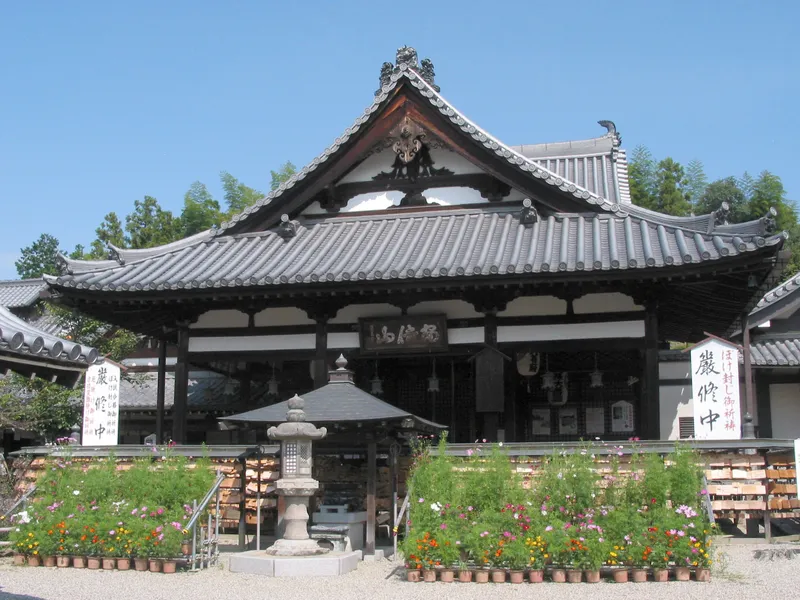
Prince Shotoku is said to have perceived Bishamonten on this mountain at the tiger hour of the tiger day of the tiger year, and the temple received its name when Emperor Daigo recovered from grave illness.
 Temple
Abe Monju-in
- Exams & Study
- Fertility & Children
- Protection & Safety
Founded in 645 and one of the oldest temples in Japan, its principal image is the Monju of the proverb "three heads together make Monju’s wisdom", and prayers here begin with success in examinations.
 Shrine
Tanzan Shrine
- Family & Home
- Health & Healing
- Money & Prosperity
A shrine to Fujiwara no Kamatari on the hill where he and Prince Naka no Oe held the secret conference that led to the Taika Reform.
No places match your filters