Dazaifu Tenmangu
Researched and translated with AI assistance. Every claim is linked to its source, but errors get through, so check the official site for opening times, fees and closures.About
In short
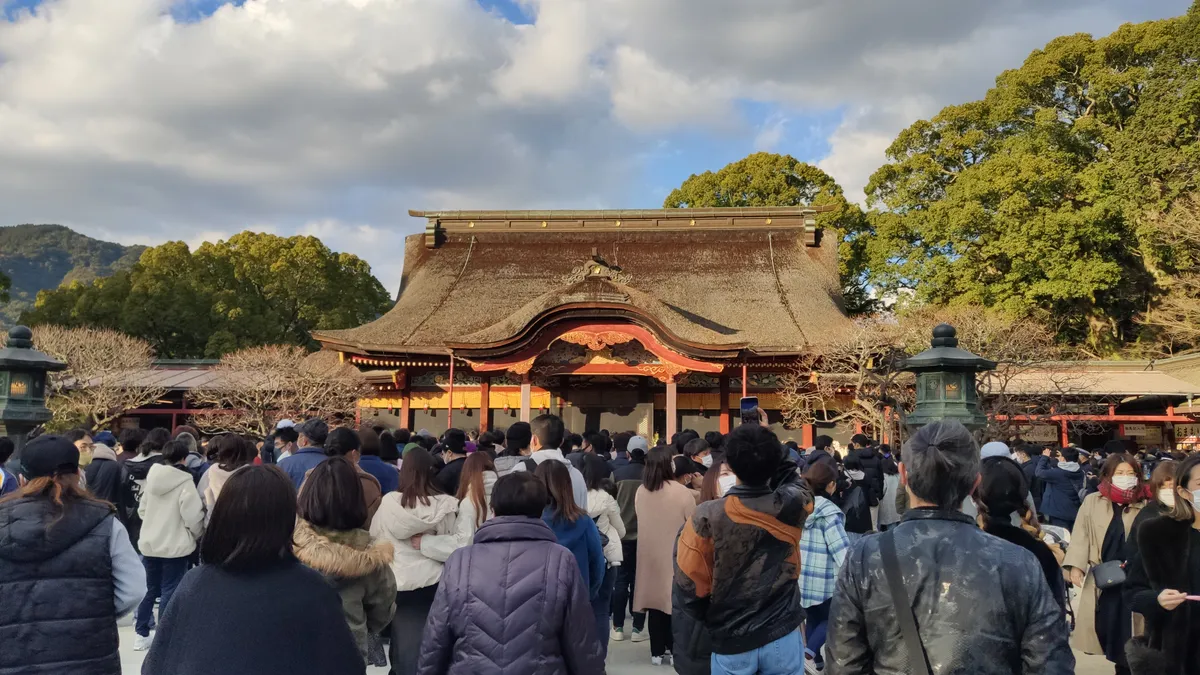
The shrine stands over Sugawara no Michizane’s grave, on the spot where the ox drawing his funeral cart lay down and would not move; prayers here begin with passing an entrance examination.
Quick facts
- Address
- 4-7-1 Saifu, Dazaifu, Fukuoka
- Spiritual entities
- Tenjin (天神, Sugawara no Michizane)
About this place
Dazaifu Tenmangu is in Dazaifu, Fukuoka, and its deity is Sugawara no Michizane. In 901 Michizane was demoted to Dazaifu through the scheming of the Fujiwara. On the twenty-fifth day of the second month of 903 he ended his fifty-nine years at the south hall of the Dazaifu government office, now Enoki-sha. By his testament his remains were to be buried in the land of Dazaifu; and as the funeral procession went northeast with the body borne on an ox cart, the ox suddenly lay down and would not move. His disciple Umasake no Yasuyuki buried him on that spot and raised a shrine hall there. In 919 a shrine building was raised by imperial command, and imperial messengers were sent many times afterwards, so that the shrine gathered the devotion of the imperial house. Prayers offered here include passing an entrance examination, progress in study, success in examinations and in finding employment, safety in traffic, warding off misfortune, warding off ill fortune from all directions, safe childbirth and first shrine visits, the seven-five-three, and the flying-plum prayer.
Origin and history
In 901 Michizane was demoted to the post of provisional governor-general of Dazaifu through the scheming of the Fujiwara.
On the twenty-fifth day of the second month of 903 he ended his fifty-nine years at the south hall of the Dazaifu government office, now Enoki-sha. By his testament his remains were to be buried in the land of Dazaifu; and as the funeral procession went northeast with the body borne on an ox cart, the ox suddenly lay down and would not move. His disciple Umasake no Yasuyuki buried him on that spot and raised a shrine hall there.
In 919 a shrine building was raised by imperial command, and imperial messengers were sent many times afterwards, so that the shrine gathered the devotion of the imperial house.
What it is locally associated with
The spot where the ox lay down
As the funeral procession went with the body on an ox cart, the ox suddenly lay down and would not move; his disciple buried him there and raised a hall.
folk traditionExaminations come first
Prayers here include passing an entrance examination, progress in study, success in examinations and employment, safety in traffic, warding off misfortune and safe childbirth.
documented historyTwo years from the demotion
Demoted in 901, he ended his fifty-nine years at the south hall of the Dazaifu government office on the twenty-fifth day of the second month of 903.
documented history
An ox decided where this shrine stands. The procession was going northeast with the body on an ox cart when the animal suddenly lay down and would not move; his disciple Umasake no Yasuyuki buried him on that spot and raised a hall there. The destination was not fixed in advance — an animal that stopped on the way settled it. Elsewhere on this list the deity of Kasuga Taisha arrives riding a white deer, and Kurama-dera’s founder is led up the mountain by a white horse. Animals choosing a place or a path recur here.
This shrine is also the end of a road. Osaka Tenmangu is where Michizane prayed for a safe journey; Hattori Tenjingu is where his legs failed him and he prayed to be healed; Domyoji Tenmangu is his aunt Kakujuni’s house, where he stayed. Three places carry stages of the way to Dazaifu. This is where the way ended, and where he is buried.
The list of prayers begins with passing an entrance examination, then progress in study, success in examinations and in finding employment, safety in traffic, warding off misfortune, warding off ill fortune from all directions, safe childbirth and first visits, the seven-five-three, and the flying-plum prayer. Of Michizane as the deity of learning, the shrine writes that he raised study for his own sake into learning for the sake of society.
Two years passed between the demotion and the death: demoted in 901, and dead on the twenty-fifth day of the second month of 903, at fifty-nine. The shrine building came sixteen years after that, in 919.
Claims and evidence levels 3
- Michizane was demoted to Dazaifu in 901 and died there on the twenty-fifth day of the second month of 903, aged fifty-nine. documented history
- The ox drawing his funeral cart lay down and would not move, and he was buried on that spot, where a shrine hall was raised. folk tradition
- A shrine building was raised by imperial command in 919, and prayers here begin with passing an entrance examination. documented history
Related guides
- How to visit a shrine or temple in JapanThe country-wide basics: purifying at the water basin, the two-bows-two-claps-one-bow form at shrines, and what temples do instead.
- What a "power spot" actually isA modern Japanese coinage, not a traditional religious category. Where the word came from, what it does and does not claim, and why this site uses it anyway.
- Shrine or temple?A shrine is Shinto and a temple is Buddhist, and you can usually tell at the gate. Why the line is cleaner on paper than on the ground, and what a government order in 1868 has to do with it.
- Omamori, ema, omikuji and goshuinThe four things you are most likely to receive, write, draw or be given at a shrine or temple, what each is actually for, and the one of them people most often get wrong.
Sources
Last updated:
Similar places
8 places
 Shrine
Hakozakigu
- Exams & Study
- Fertility & Children
- Money & Prosperity
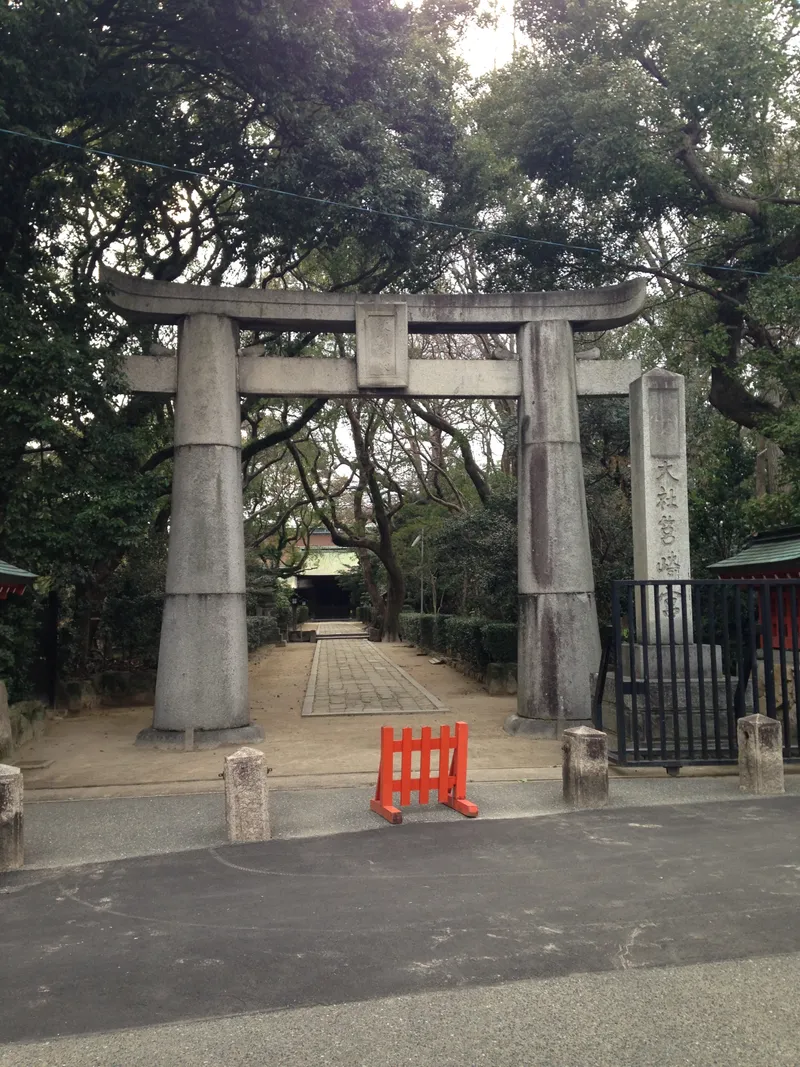
A Hachiman shrine built in 921 after Emperor Daigo, by divine instruction, handed down a piece of imperial calligraphy that the shrine still keeps as its first treasure.
 Shrine
Momiji Hachimangu
- Career & Work
- Fertility & Children
- Love & Romance
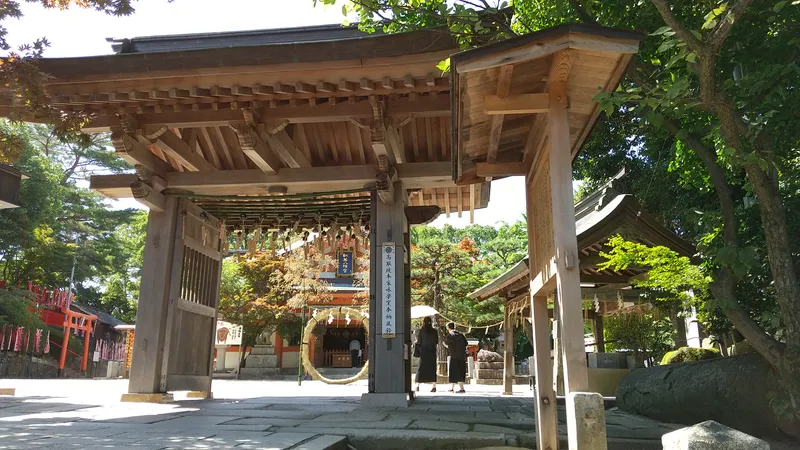
Twelve deities are enshrined here, among them Empress Jingu, Emperor Ojin and Prince Uji no Wakiiratsuko, and the devotion runs to safe birth, the keeping of children, warding off misfortune, bonds and advancement.
 Shrine
Shinozaki Hachiman Shrine
- Career & Work
- Fertility & Children
- Love & Romance
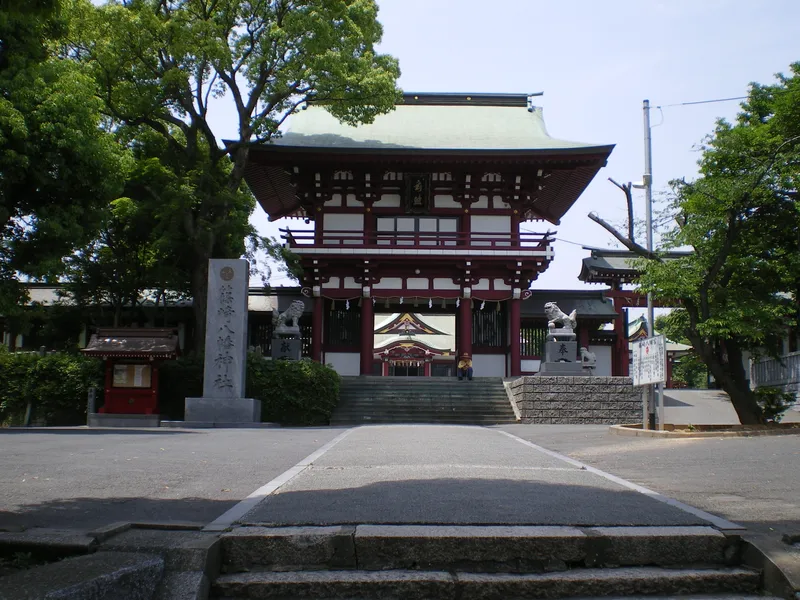
It begins with Empress Jingu giving birth to Emperor Ojin at Umi, and a division of the deity was brought from Usa Hachimangu in 730; two stones in the precinct carry different prayers.
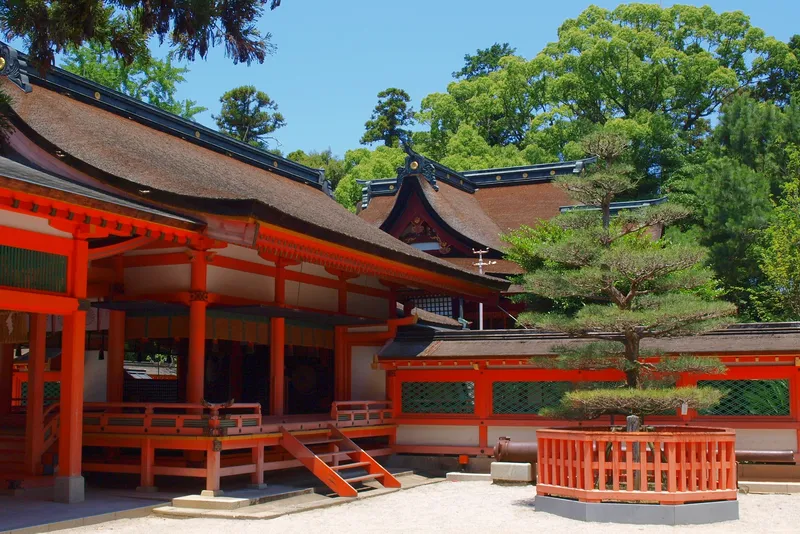 Shrine
Kashiigu
- Family & Home
- Fertility & Children
- Protection & Safety
It began when Empress Jingu built a shrine with her own hands for the spirit of her husband Emperor Chuai, and a second hall for the empress herself was later added on her own oracle.
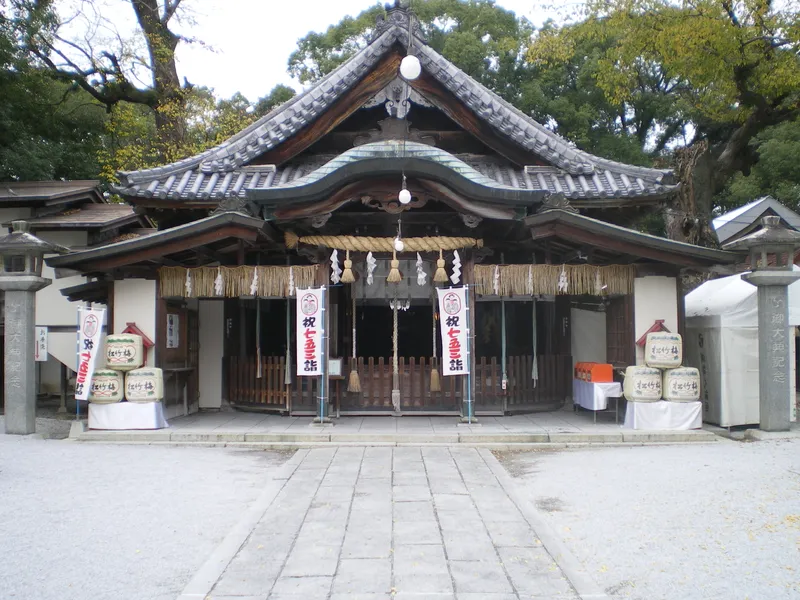 Shrine
Nouso Hachimangu
- Exams & Study
- Family & Home
- Money & Prosperity
It began when Empress Jingu, on her way back from the campaign in the three Han, chose the grove of Nouso as sacred ground; the word people spoke at the parting gave the town of Iizuka its name.
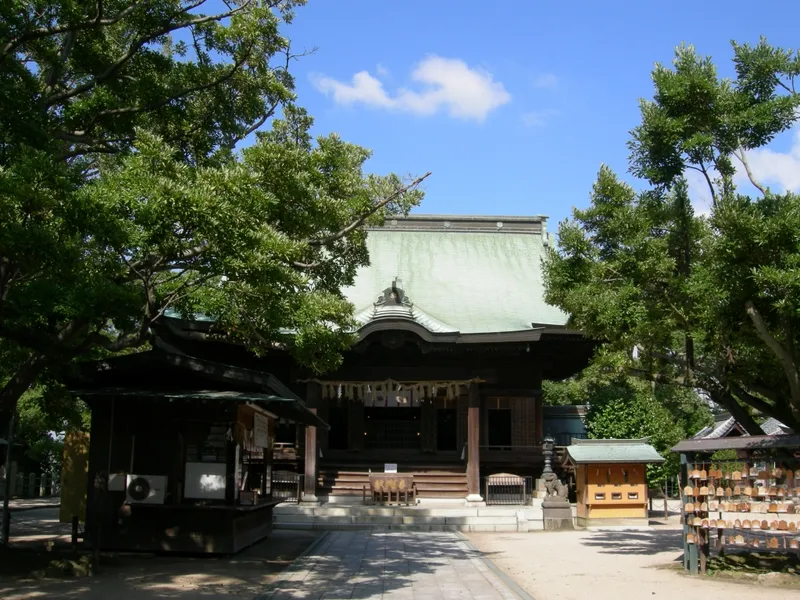 Shrine
Suitengu
- Fertility & Children
- Protection & Safety
The head shrine of all the Suitengu in Japan, enshrining Amenominakanushi together with Emperor Antoku, Kenreimon’in and Nii-no-Ama of the Taira, and known for safe birth and protection from drowning.
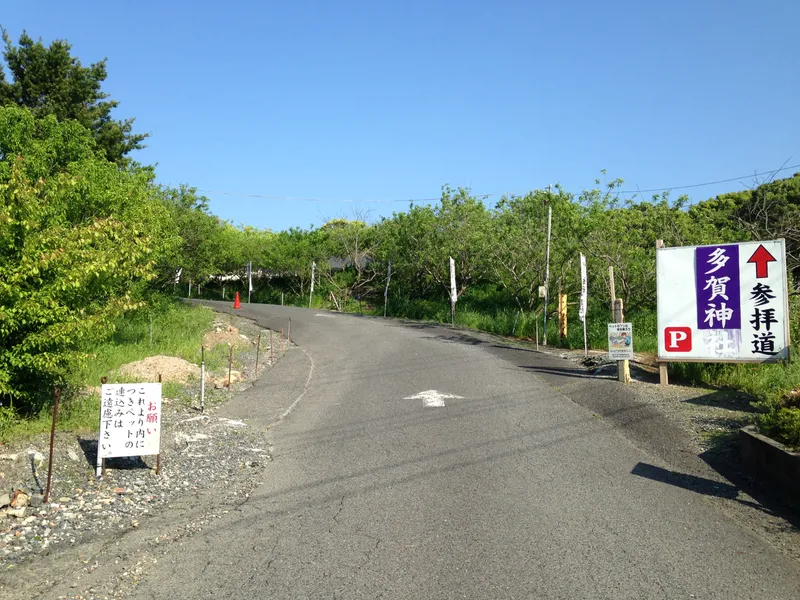 Shrine
Taga Shrine
- Fertility & Children
- Health & Healing
- Love & Romance
A shrine to Izanagi and Izanami, the married pair who made the land and bore the eight million deities, where prayers run from long life to safety on a worksite.
 Sacred Mountain
Hikosan Jingu
- Career & Work
- Protection & Safety
A mountain shrine that began as “the mountain of the sun’s child” and had its name altered twice by imperial act, in 819 and again in 1729; its virtues are the guarding of farming, mines and factory safety, and fortune in winning.
No places match your filters