Mibu-dera
Hodo Sanmai-ji
Researched and translated with AI assistance. Every claim is linked to its source, but errors get through, so check the official site for opening times, fees and closures.About
In short
Founded in 991 as a temple for warding off misfortune, whose February setsubun rite has about nine hundred years of history.
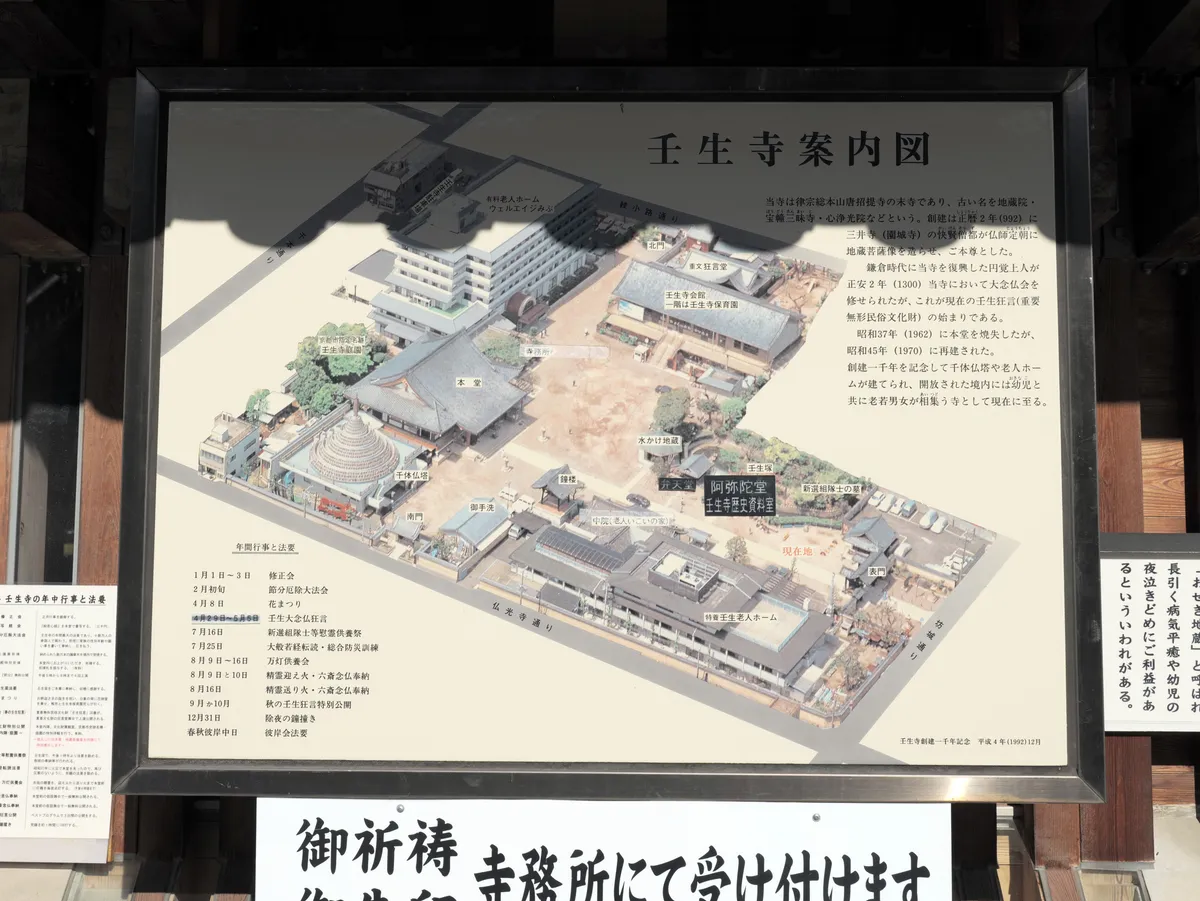
Quick facts
- Address
- 31 Mibunaginocho, Nakagyo-ku, Kyoto
About this place
Mibu-dera is in Nakagyo, Kyoto, founded in 991 by the priest Kaiken. Its principal image is a life-prolonging Jizo, an Important Cultural Property. It drew the devotion of ordinary people as a temple for warding off misfortune and opening fortune, and its February rite for warding off misfortune at setsubun is an observance with about nine hundred years of history. It is also known as a temple connected with the Shinsengumi of the late Edo period, and the graves of members stand in the Mibu mound within the grounds.
Origin and history
Mibu-dera was founded in 991 by the priest Kaiken. Its principal image is a life-prolonging Jizo, an Important Cultural Property.
It drew the devotion of ordinary people as a temple for warding off misfortune and opening fortune. Its February setsubun rite for warding off misfortune is an observance with about nine hundred years of history.
It is also known as a temple connected with the Shinsengumi of the late Edo period, and grave markers of members stand in the Mibu mound within the grounds.
What it is locally associated with
A temple for warding off misfortune
The temple records that it drew the devotion of ordinary people as a temple for warding off misfortune and opening fortune.
documented historyA setsubun rite of nine centuries
The February rite for warding off misfortune at setsubun has about nine hundred years of history.
documented historyFounded in 991
Founded in 991 by the priest Kaiken; the principal image is a life-prolonging Jizo.
documented history
The temple says itself who kept its devotion going: ordinary people. It drew the devotion of ordinary people as a temple for warding off misfortune — and set beside the imperial and shogunal foundations that fill most of this list, that phrasing is the difference in character.
That devotion survives as a number. The February setsubun rite has about nine hundred years of history. Not many places on this list state, flatly, that an observance has been running for nine centuries.
It is also known for the Shinsengumi, whose members’ grave markers stand in the mound within the grounds. But that is a fact about burial, not about asking for anything.
Claims and evidence levels 3
- Mibu-dera was founded in 991 by the priest Kaiken, and its principal image is a life-prolonging Jizo, an Important Cultural Property. documented history
- It drew the devotion of ordinary people as a temple for warding off misfortune and opening fortune, and its February setsubun rite has about nine hundred years of history. documented history
- It is known as a temple connected with the Shinsengumi, whose members’ grave markers stand in the Mibu mound within the grounds. documented history
Related guides
- How to visit a shrine or temple in JapanThe country-wide basics: purifying at the water basin, the two-bows-two-claps-one-bow form at shrines, and what temples do instead.
- What a "power spot" actually isA modern Japanese coinage, not a traditional religious category. Where the word came from, what it does and does not claim, and why this site uses it anyway.
- Shrine or temple?A shrine is Shinto and a temple is Buddhist, and you can usually tell at the gate. Why the line is cleaner on paper than on the ground, and what a government order in 1868 has to do with it.
- Omamori, ema, omikuji and goshuinThe four things you are most likely to receive, write, draw or be given at a shrine or temple, what each is actually for, and the one of them people most often get wrong.
Sources
- 壬生寺 — Mibu-dera (accessed 2026-08-13)
Last updated:
Similar places
8 places
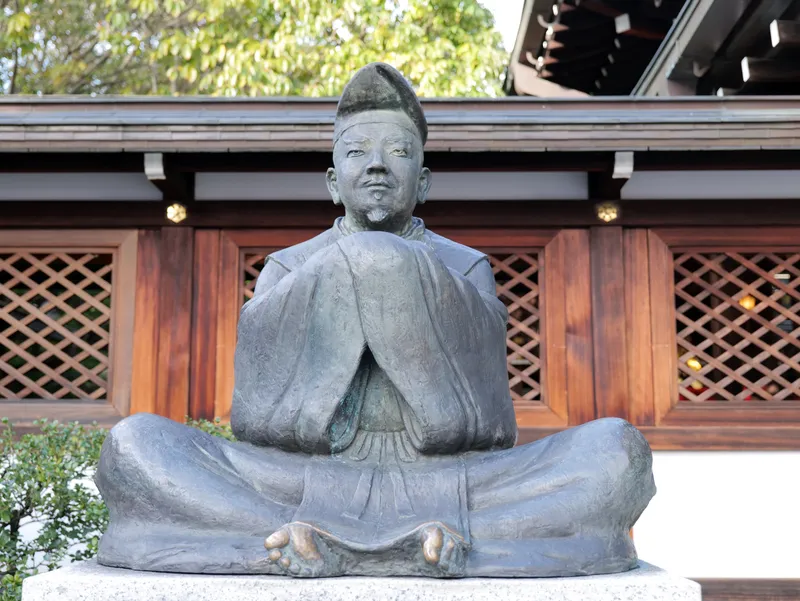 Shrine
Seimei Jinja
- Health & Healing
- Protection & Safety
A shrine to Abe no Seimei, whose crest — the five-pointed star — the shrine describes as one of the onmyodo talismans he devised.
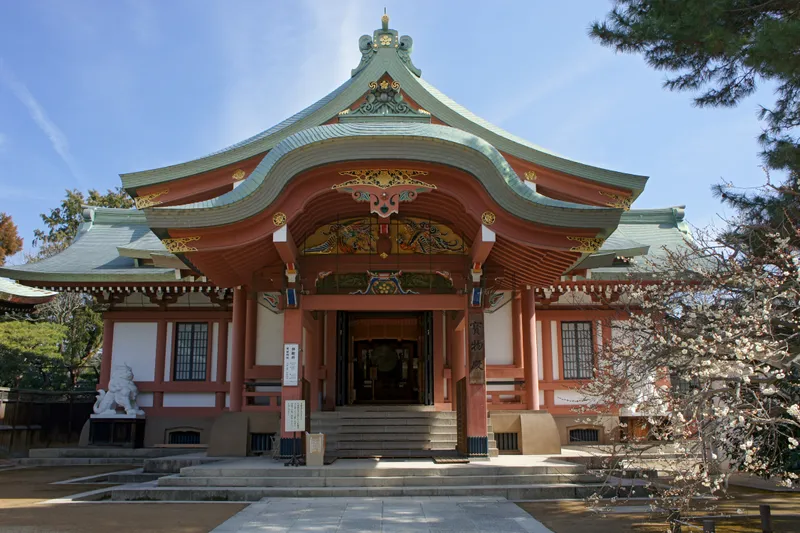 Shrine
Kitano Tenmangu
- Exams & Study
- Protection & Safety
- Skill & Mastery
Head shrine of some twelve thousand Tenmangu shrines, widely venerated for success in entrance examinations and in study.
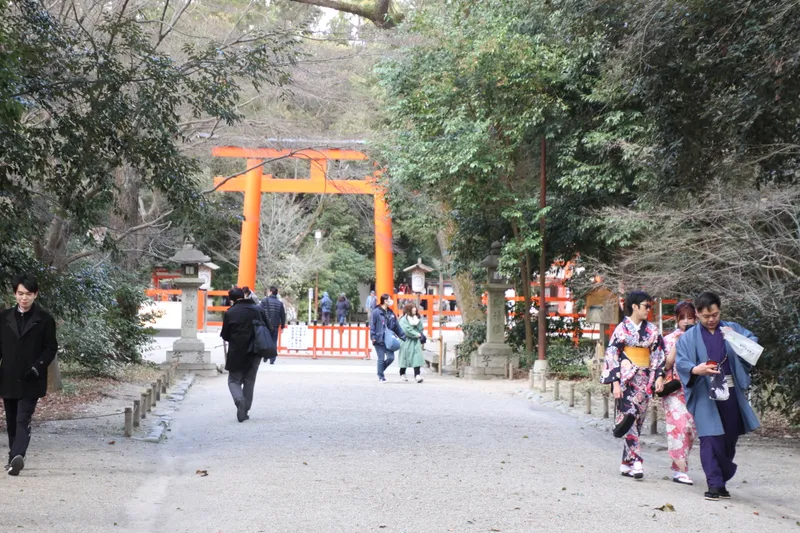 Shrine
Shimogamo Jinja
- Family & Home
- Fertility & Children
- Love & Romance
A shrine where people pray for protection, marriage, children, safe birth, raising a family and safe travel, in a wood that predates the city.
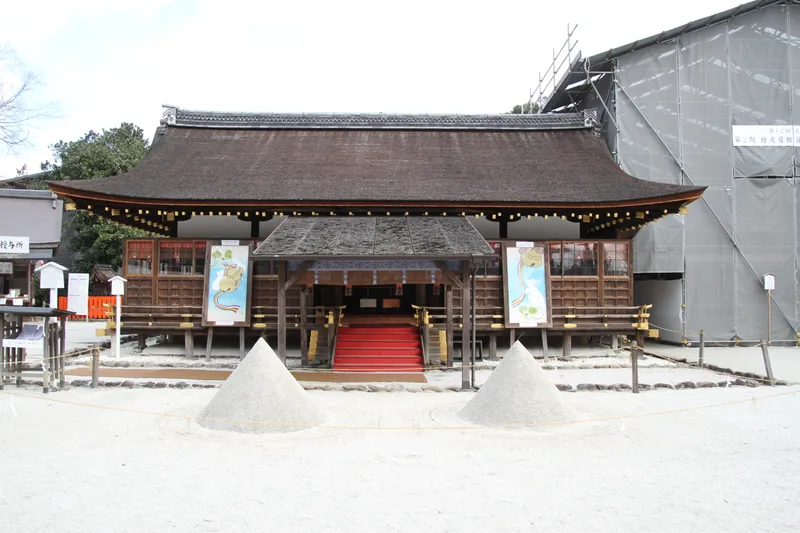 Shrine
Kamigamo Jinja
- Protection & Safety
- Skill & Mastery
A shrine to Kamo Wakeikazuchi, whose listed benefits run from warding off lightning to guarding the electrical industry.
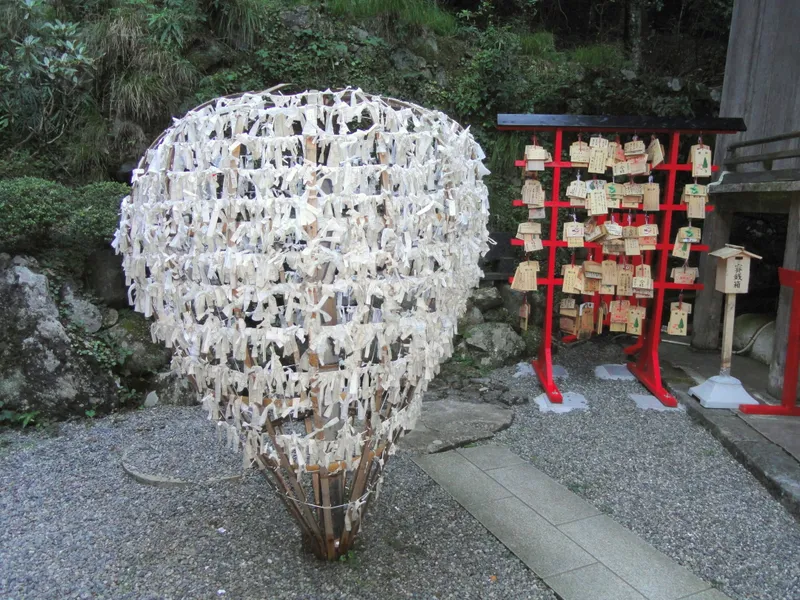 Shrine
Yuki Jinja
- Fertility & Children
- Love & Romance
- Money & Prosperity
Once kept inside the imperial palace as a guardian of the court, and the shrine whose fire festival re-enacts the night its deity was moved to Kurama.
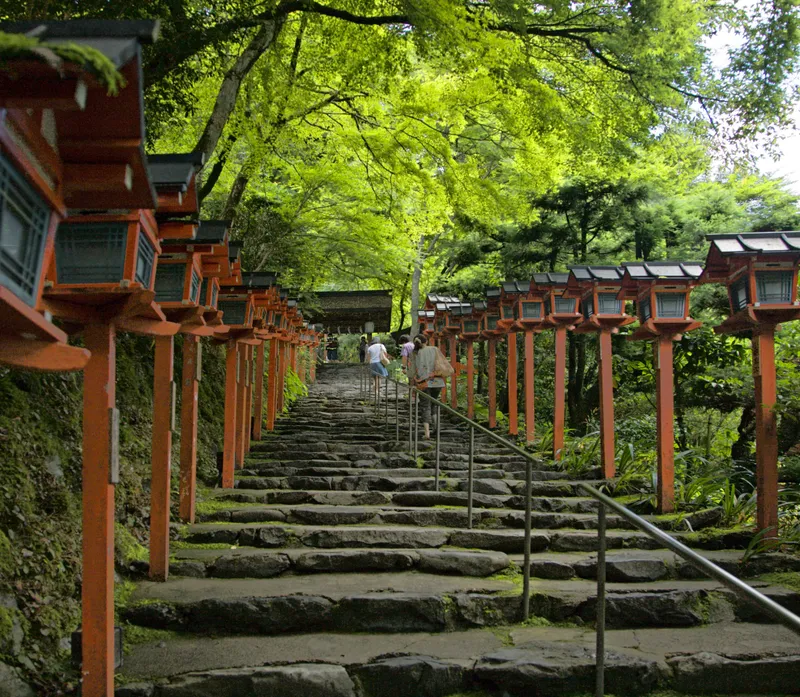 Shrine
Kifune Jinja
- Love & Romance
- Money & Prosperity
- Protection & Safety
A shrine to Kifune Okami, the deity governing the supply of water — and long famous as the shrine of love, with a subordinate shrine to a deity of matchmaking.
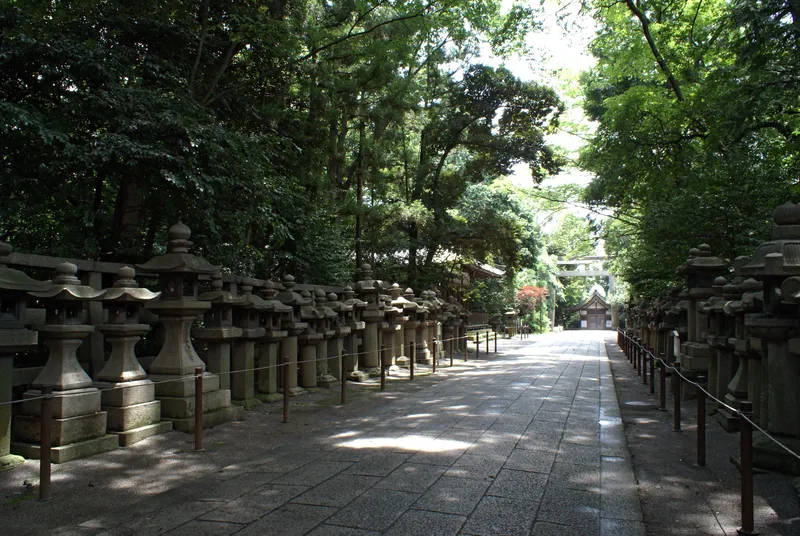 Shrine
Iwashimizu Hachimangu
- Protection & Safety
Founded in 859 on an oracle in which the deity said: I shall move to the peak of Otokoyama near the capital and protect the realm.
 Temple
Katsuo-ji
- Exams & Study
- Health & Healing
- Protection & Safety
Begun in 727 when twin brothers built a hermitage on the mountain, and a temple of winning that defines winning as overcoming your own weak heart.
No places match your filters