Yuki Jinja
Yuki Myojin
Researched and translated with AI assistance. Every claim is linked to its source, but errors get through, so check the official site for opening times, fees and closures.About
In short
Once kept inside the imperial palace as a guardian of the court, and the shrine whose fire festival re-enacts the night its deity was moved to Kurama.
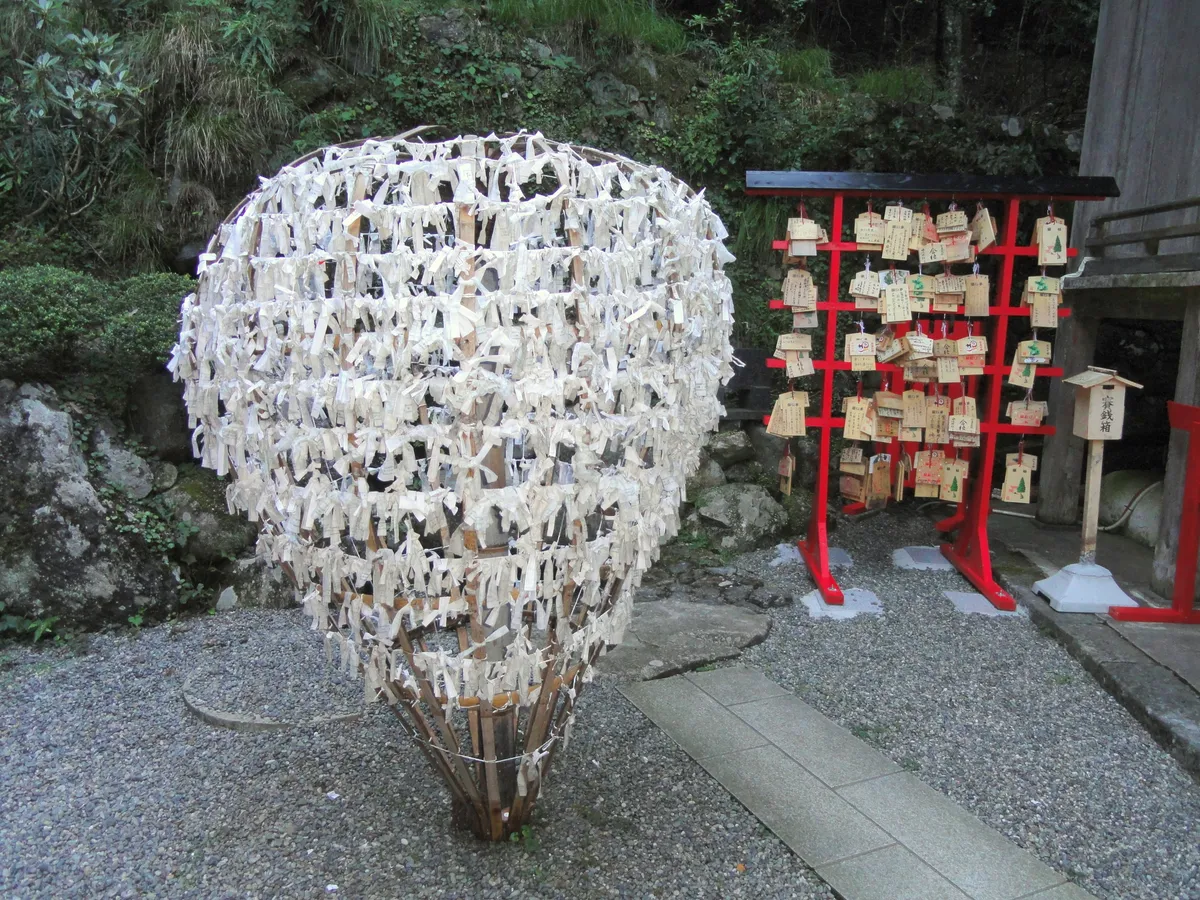
Quick facts
- Address
- 1073 Kuramahonmachi, Sakyo-ku, Kyoto
About this place
Yuki Jinja is at Kurama in Sakyo, Kyoto. In earlier times it was enshrined within the Kyoto imperial palace as a guardian of the imperial house. What re-enacts and preserves the procession by which the deity was moved to Kurama is the Kurama Fire Festival, counted among Japan’s three great fire festivals. It is held on the night of 22 October each year, and draws people from across the country as a spirited festival of a kind rarely seen in Kyoto. The shrine names its blessings as the granting of children and safe birth, prosperity in business, matchmaking, and the prevention of fire.
Origin and history
Yuki Jinja was in earlier times enshrined within the Kyoto imperial palace as a guardian of the imperial house.
What re-enacts and preserves the procession by which the deity was moved to Kurama is the Kurama Fire Festival, counted among Japan’s three great fire festivals. It is held on the night of 22 October each year and draws many from across the country as a spirited festival of a kind rarely seen in Kyoto.
The shrine names its blessings as the granting of children and safe birth, prosperity in business, matchmaking, and the prevention of fire.
What it is locally associated with
A festival that re-enacts the procession
The Kurama Fire Festival, one of Japan’s three great fire festivals, re-enacts the procession by which the deity was moved here. It is held on the night of 22 October.
documented historyThe prevention of fire
The shrine names the prevention of fire among its blessings — a shrine known for a fire festival, governing keeping fire down.
documented historyChildren, business, matchmaking
The shrine also names the granting of children and safe birth, prosperity in business, and matchmaking.
documented history
This shrine’s festival is not a commemoration but a re-enactment. The shrine once stood inside the imperial palace. When the deity was moved to Kurama, the shrine says, it is the appearance of that procession which the Kurama Fire Festival re-enacts and has preserved. Not a symbol of the move — the procession of that night, done again every year, on the night of 22 October.
One item in the list of blessings stands out: the prevention of fire. A shrine known for a festival of fire also governs keeping fire down. The line of torches and the warding of fire live at the same address.
The rest are the granting of children and safe birth, prosperity in business, and matchmaking — children, trade and marriage, the three of ordinary life.
Claims and evidence levels 3
- Yuki Jinja was in earlier times enshrined within the Kyoto imperial palace as a guardian of the imperial house. documented history
- The Kurama Fire Festival, counted among Japan’s three great fire festivals, re-enacts the procession by which the deity was moved to Kurama, and is held on the night of 22 October each year. documented history
- The shrine names its blessings as the granting of children and safe birth, prosperity in business, matchmaking, and the prevention of fire. documented history
Related guides
- How to visit a shrine or temple in JapanThe country-wide basics: purifying at the water basin, the two-bows-two-claps-one-bow form at shrines, and what temples do instead.
- What a "power spot" actually isA modern Japanese coinage, not a traditional religious category. Where the word came from, what it does and does not claim, and why this site uses it anyway.
- Shrine or temple?A shrine is Shinto and a temple is Buddhist, and you can usually tell at the gate. Why the line is cleaner on paper than on the ground, and what a government order in 1868 has to do with it.
- Omamori, ema, omikuji and goshuinThe four things you are most likely to receive, write, draw or be given at a shrine or temple, what each is actually for, and the one of them people most often get wrong.
Sources
- 由岐神社 — Yuki Jinja (accessed 2026-08-13)
Last updated:
Similar places
8 places
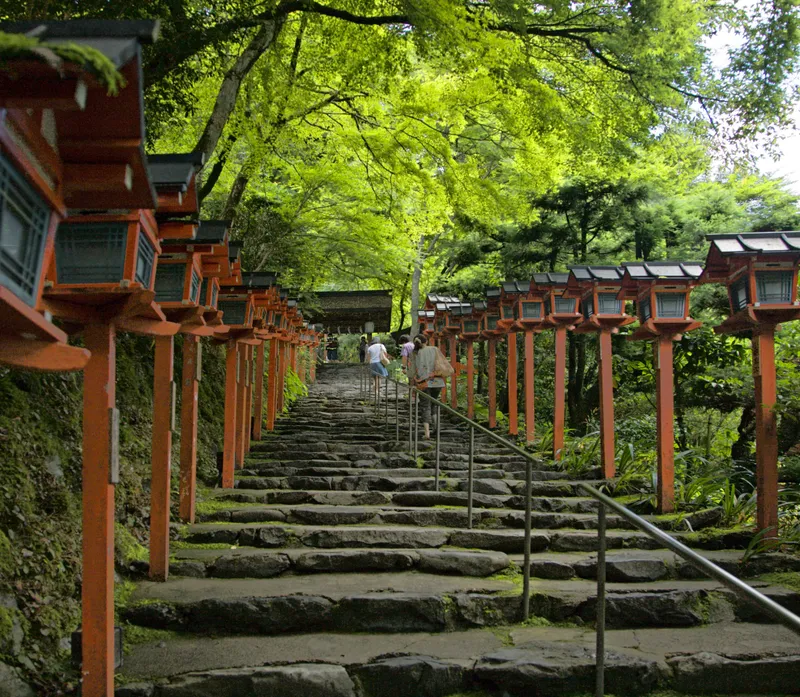 Shrine
Kifune Jinja
- Love & Romance
- Money & Prosperity
- Protection & Safety
A shrine to Kifune Okami, the deity governing the supply of water — and long famous as the shrine of love, with a subordinate shrine to a deity of matchmaking.
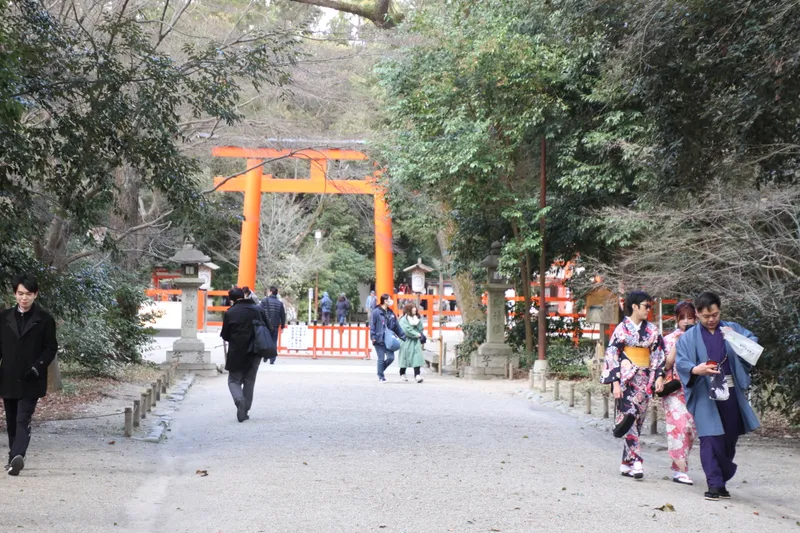 Shrine
Shimogamo Jinja
- Family & Home
- Fertility & Children
- Love & Romance
A shrine where people pray for protection, marriage, children, safe birth, raising a family and safe travel, in a wood that predates the city.
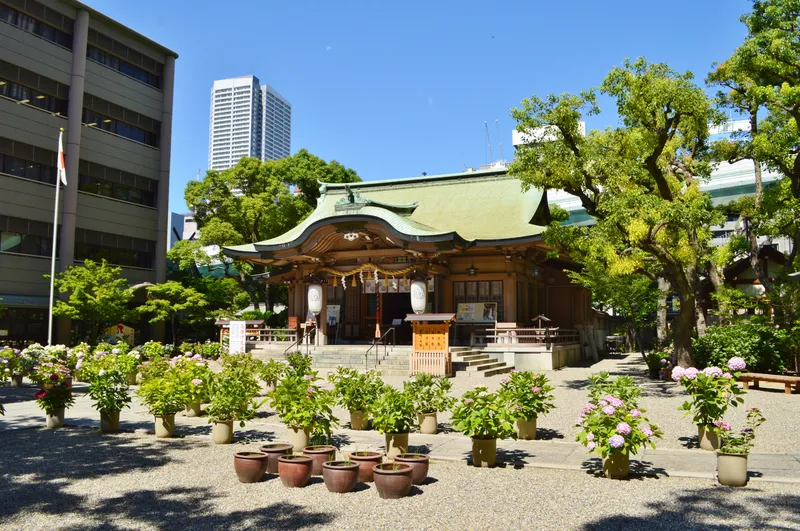 Shrine
Ikasuri Jinja
- Family & Home
- Fertility & Children
- Money & Prosperity
Because it is the deity of this ground, the shrine records, it governs safe childbirth, children’s safe growth and safety in trade.
 Shrine
Osaka Tenmangu
- Exams & Study
- Money & Prosperity
- Protection & Safety
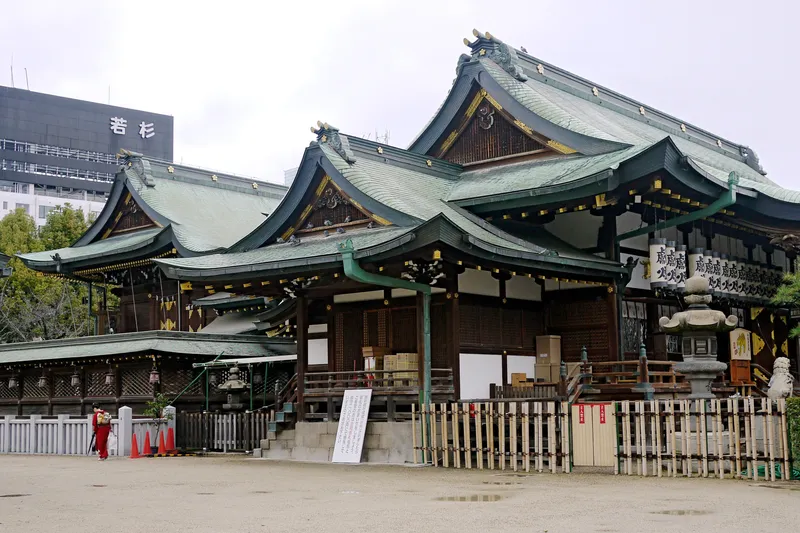
Built by imperial order on the spot where Sugawara no Michizane prayed for a safe journey to Dazaifu, after seven pines grew there overnight and shone each night.
 Shrine
Tsuyu no Tenjinsha
- Exams & Study
- Health & Healing
- Love & Romance
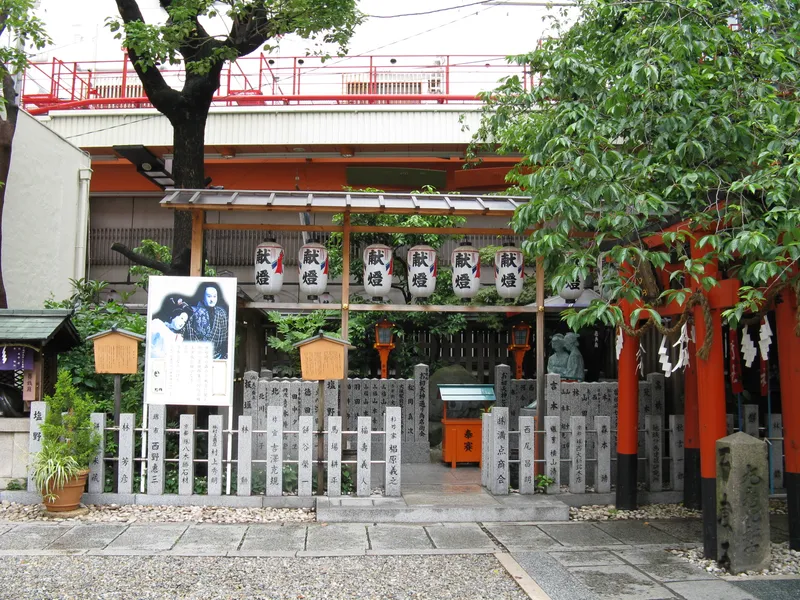
An old shrine of thirteen centuries whose grove was the scene of the double suicide behind Chikamatsu’s play, and where people now come to ask for love to come true.
 Shrine
Kozu-gu
- Fertility & Children
- Money & Prosperity
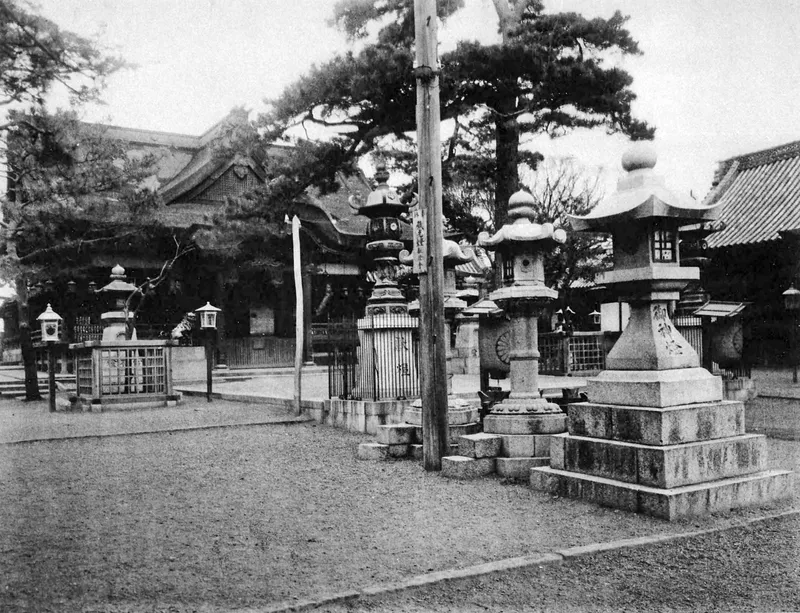
Founded in 866, when an imperial order sent a search for the ruins of the old capital and the shrine was built where they were found.
 Temple
Shoman-in Aizendo
- Love & Romance
- Money & Prosperity
- Bonds & Matchmaking
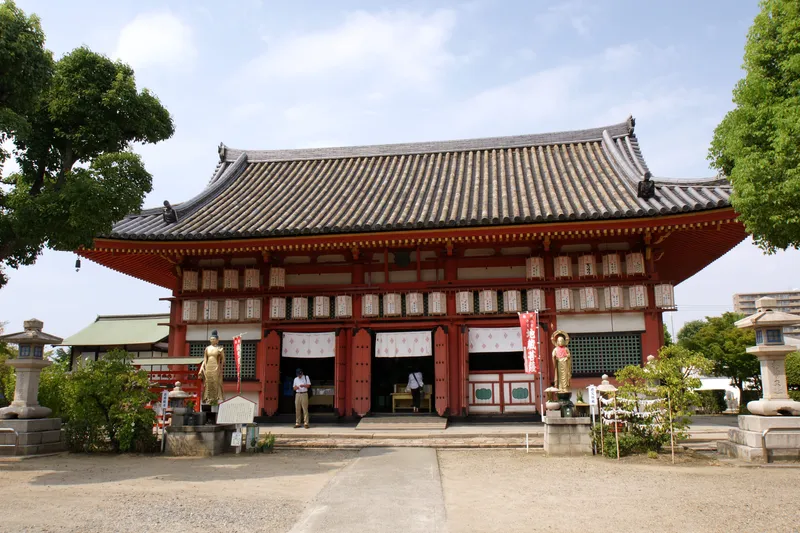
Founded by Prince Shotoku in 593 on the site of his dispensary — called the birthplace of welfare work — and known for the binding of ties and harmony between husband and wife.
 Shrine
Konda Hachimangu
- Fertility & Children
- Protection & Safety
It sits on the round rear mound of Emperor Ojin’s tomb, and its history began from the devotion of guarding and serving that tomb.
No places match your filters