Fertility & Children
Places associated with fertility and children.
This tag covers conception, safe childbirth and the raising of children, which the institutions themselves usually treat as one continuous concern. Some of the clearest cases here are temples of Kishimojin and shrines that perform childbirth prayers on the day of the dog. Each page records the specific rites the institution performs.
AI-assisted research. Check official sources before you travel.About
26 placesOpen in the full map
Places in this collection
 Shrine
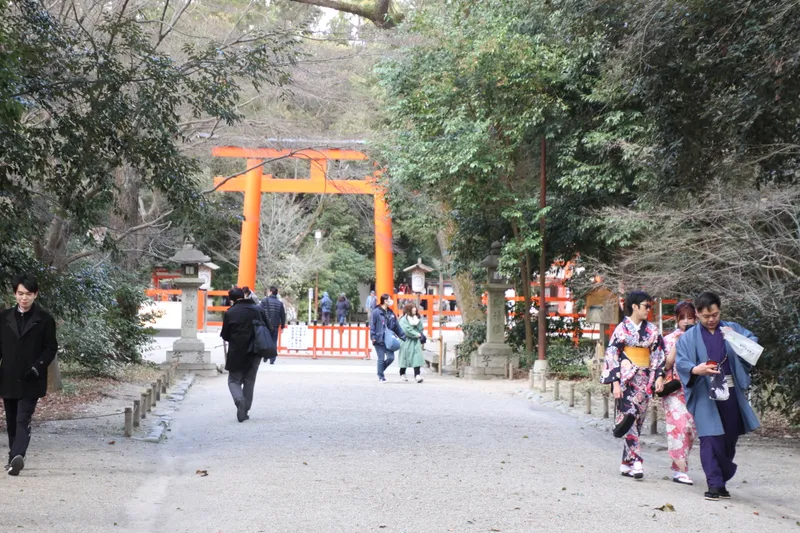
Shimogamo Jinja
- Family & Home
- Fertility & Children
- Love & Romance
A shrine where people pray for protection, marriage, children, safe birth, raising a family and safe travel, in a wood that predates the city.
 Shrine
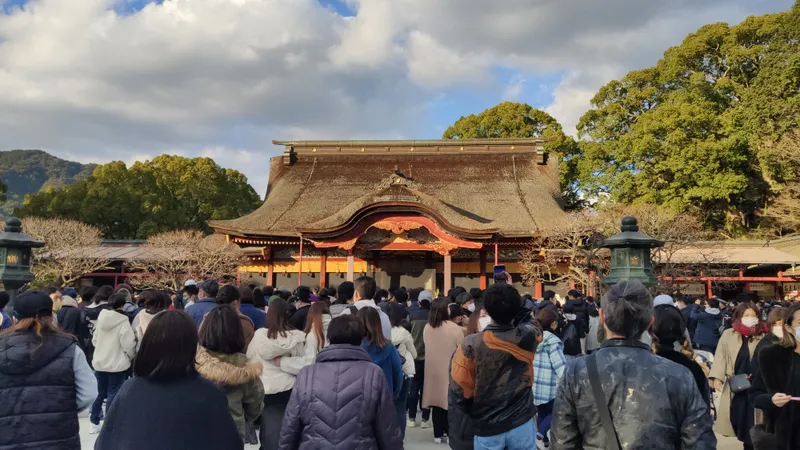
Dazaifu Tenmangu
- Career & Work
- Exams & Study
- Fertility & Children
The shrine stands over Sugawara no Michizane’s grave, on the spot where the ox drawing his funeral cart lay down and would not move; prayers here begin with passing an entrance examination.
 Temple
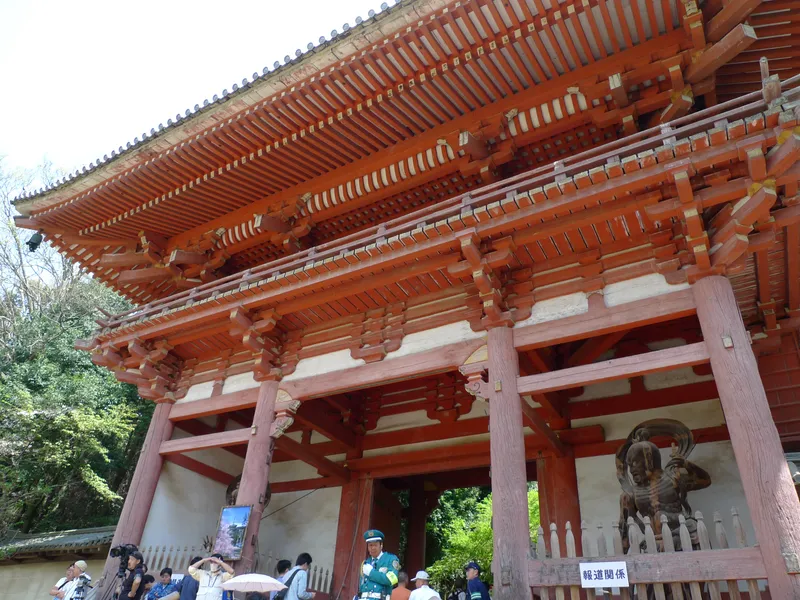
Daigo-ji
- Fertility & Children
Founded in 874, and the temple where Emperor Daigo obtained a son through prayer — then took the temple’s name as his own.
 Shrine
Hie Shrine
- Career & Work
- Fertility & Children
- Money & Prosperity
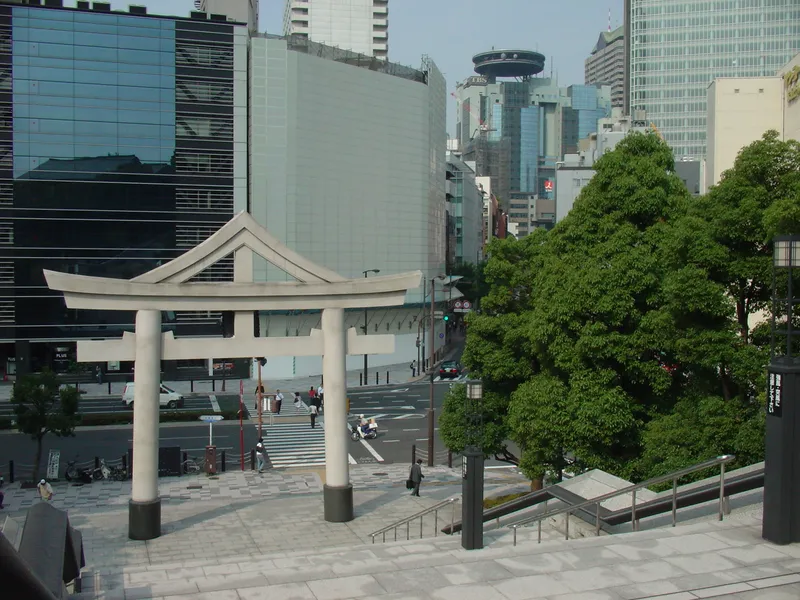
A shrine on a wooded rise in Nagatacho, once the guardian of Edo Castle, whose messenger is the monkey, a pun the shrine explains itself, connecting it to warding off evil, to winning, and to the tying of bonds.
 Shrine
Suitengu
- Family & Home
- Fertility & Children
- Protection & Safety
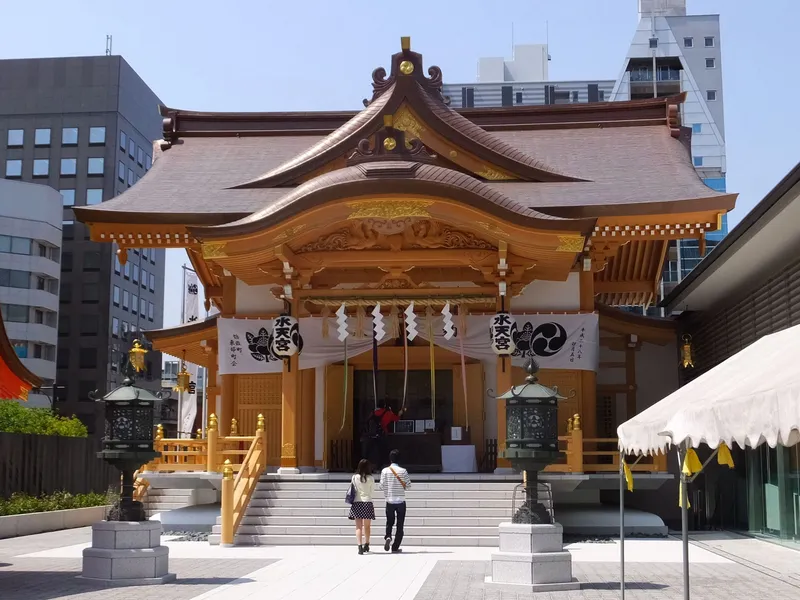
A Nihonbashi shrine long known for safe childbirth and for praying to conceive, whose safe-birth charm is a length of cotton worn as a belly band.
 Shrine
Nezu Shrine
- Career & Work
- Exams & Study
- Family & Home
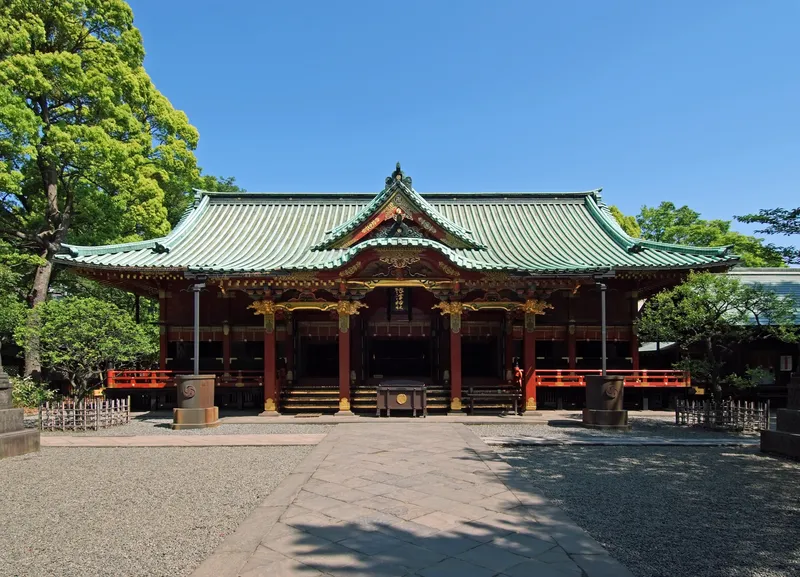
A Bunkyo shrine whose entire 1706 complex survives intact as an Important Cultural Property, rare in Tokyo, with an azalea hill and a tunnel of small red torii (鳥居).
 Shrine
Hakozakigu
- Exams & Study
- Fertility & Children
- Money & Prosperity
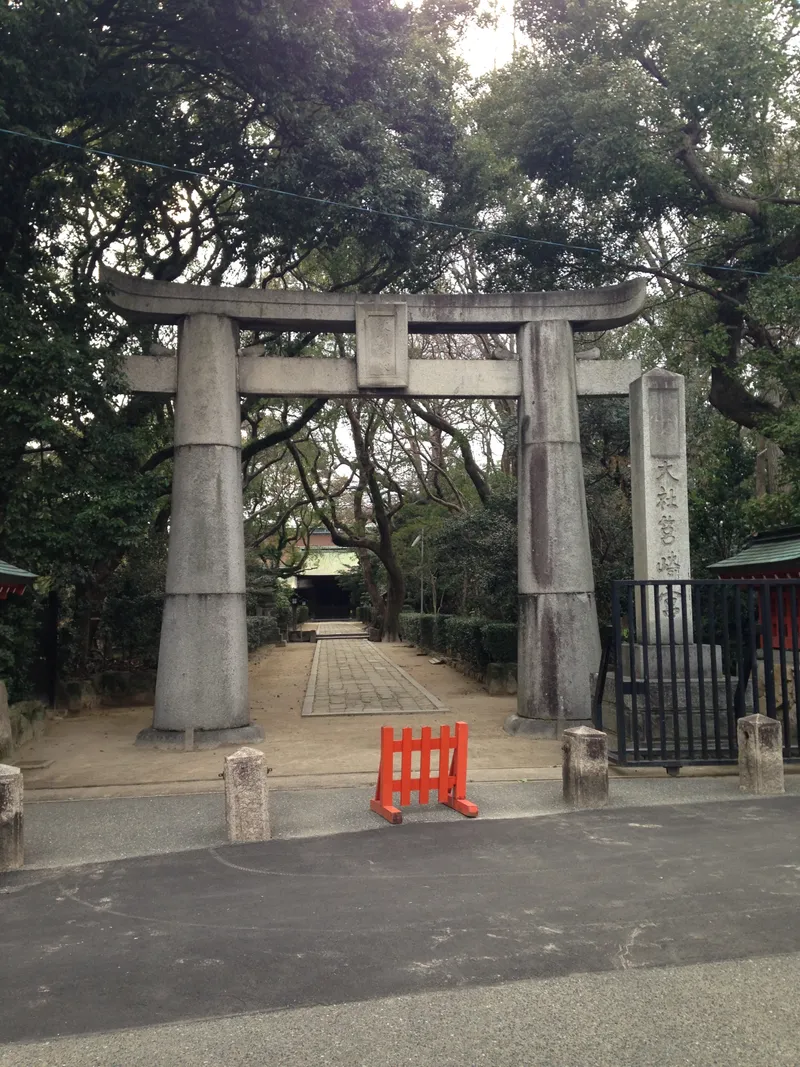
A Hachiman shrine built in 921 after Emperor Daigo, by divine instruction, handed down a piece of imperial calligraphy that the shrine still keeps as its first treasure.
 Shrine
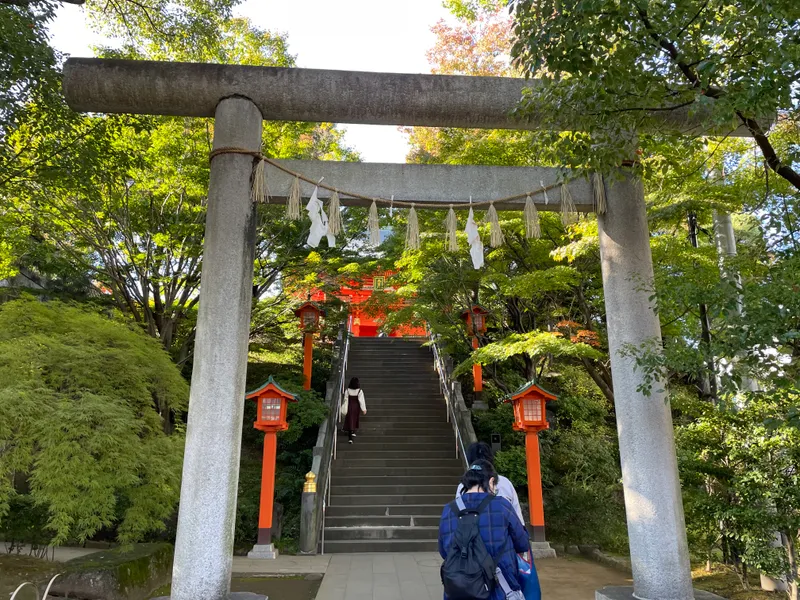
Ana Hachimangu
- Fertility & Children
- Money & Prosperity
- Skill & Mastery
A Waseda shrine named for a cave found in its hillside in 1641, which gives out an amulet for the circulation of money for six weeks each winter and nothing the rest of the year.
 Shrine
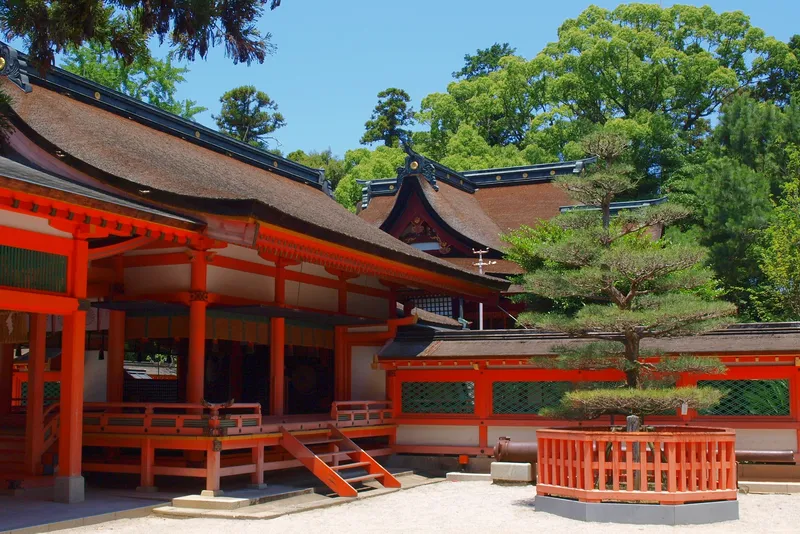
Kashiigu
- Family & Home
- Fertility & Children
- Protection & Safety
It began when Empress Jingu built a shrine with her own hands for the spirit of her husband Emperor Chuai, and a second hall for the empress herself was later added on her own oracle.
 Shrine
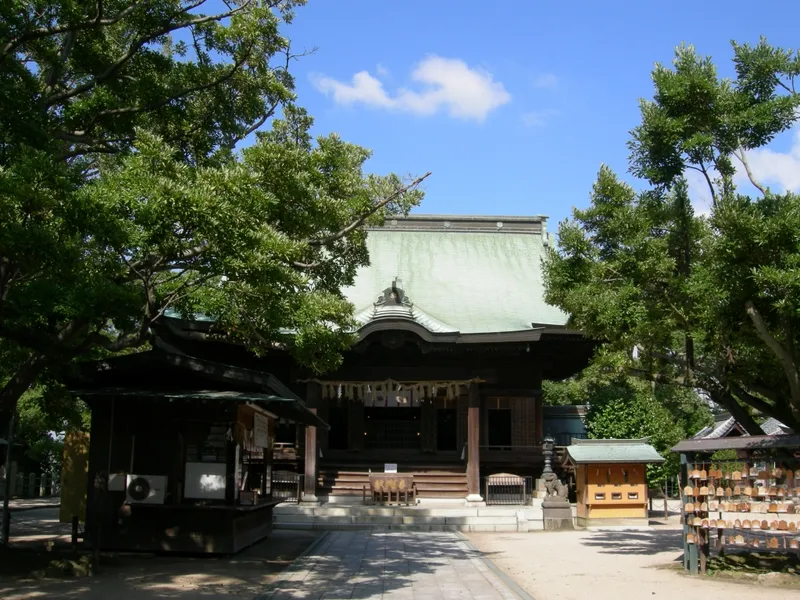
Suitengu
- Fertility & Children
- Protection & Safety
The head shrine of all the Suitengu in Japan, enshrining Amenominakanushi together with Emperor Antoku, Kenreimon’in and Nii-no-Ama of the Taira, and known for safe birth and protection from drowning.
 Shrine
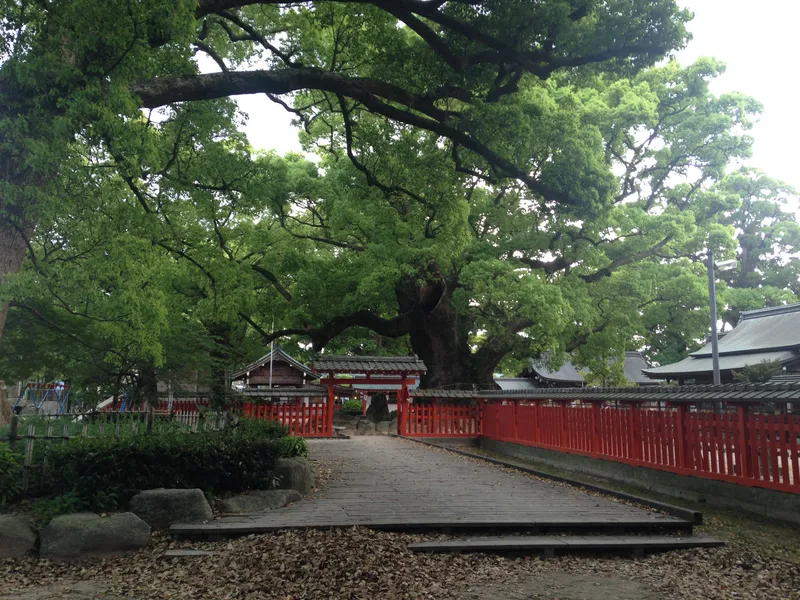
Umi Hachimangu
- Family & Home
- Fertility & Children
Empress Jingu gave birth to Emperor Ojin here, holding on to the branch of a pagoda tree, and the town’s name comes from that delivery.
 Temple
Oka-dera
- Exams & Study
- Fertility & Children
- Health & Healing
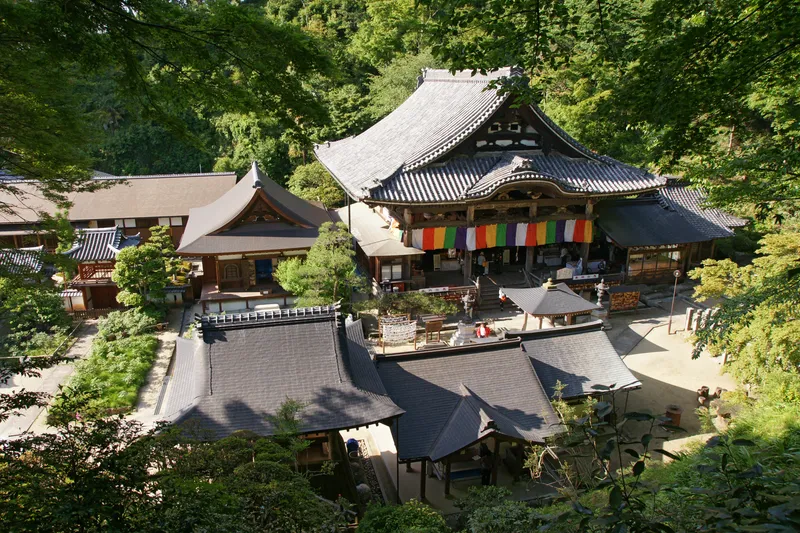
Founded by the priest Gien on the vow of Emperor Tenji, it calls itself the first site in Japan for warding off misfortune and is the seventh station of the Saikoku pilgrimage.
 Temple
Yonggungsa, Baegunsan
- Fertility & Children
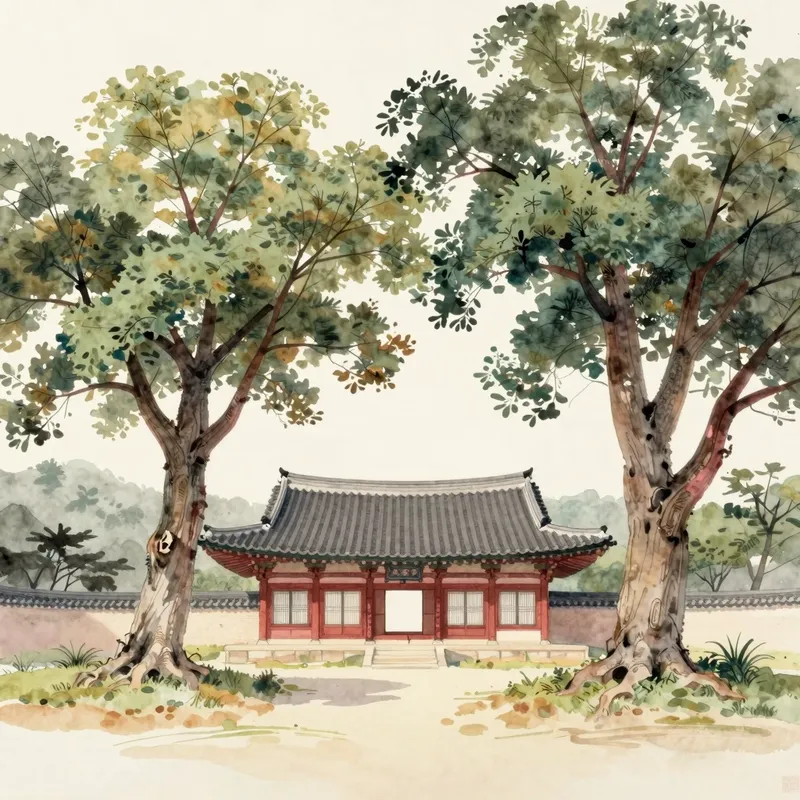
A temple renamed by the Heungseon Daewongun, with two zelkovas reckoned at about 1,300 years.
 Temple
Abe Monju-in
- Exams & Study
- Fertility & Children
- Protection & Safety
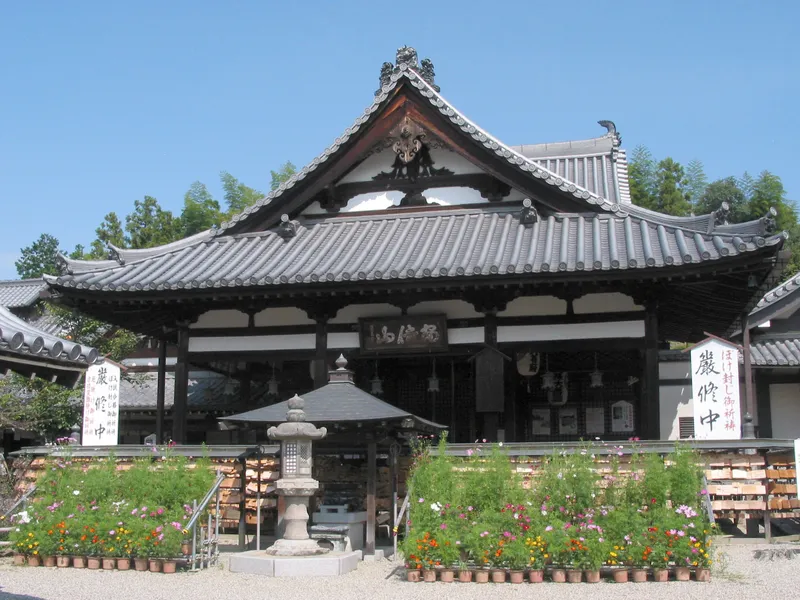
Founded in 645 and one of the oldest temples in Japan, its principal image is the Monju of the proverb "three heads together make Monju’s wisdom", and prayers here begin with success in examinations.
 Temple
Zoshigaya Kishimojin-do
- Fertility & Children
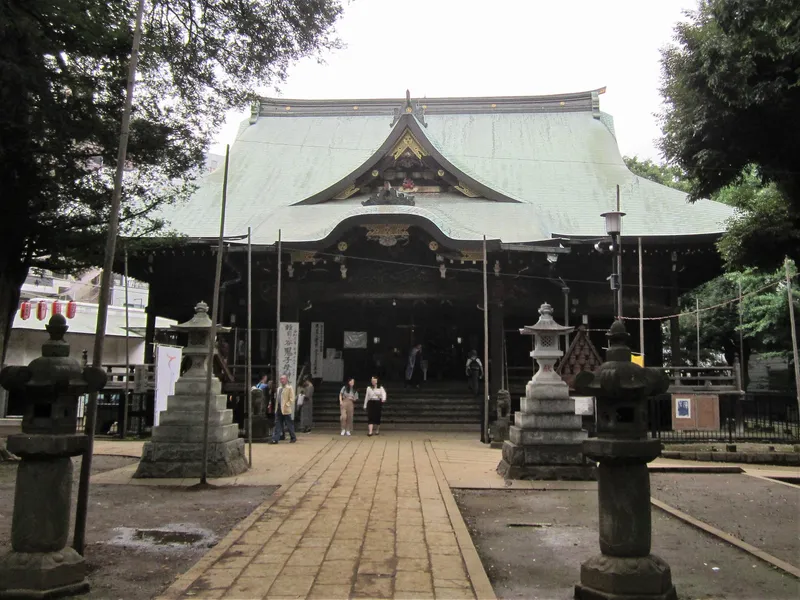
A hall in Zoshigaya, built in 1664 and now a National Important Cultural Property, enshrining a deity who was a child-stealing demon before the Buddha taught her what losing a child meant.
 Temple
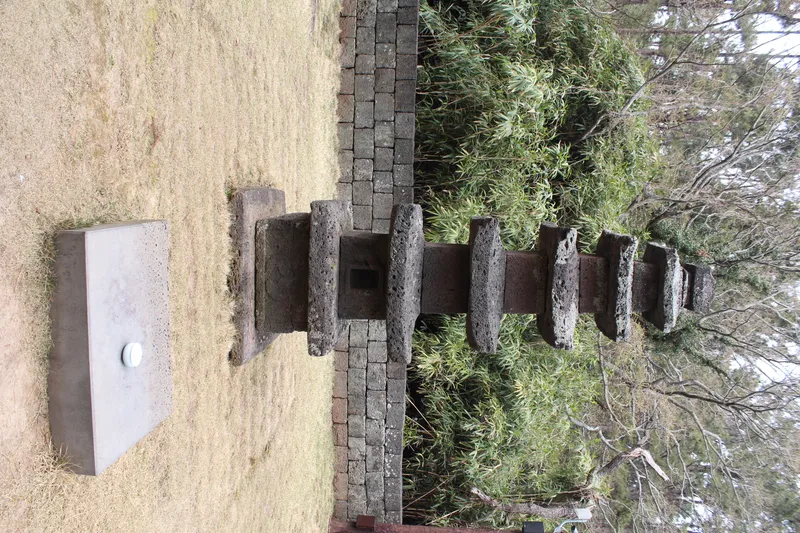
Bultapsa
- Fertility & Children
A temple on the site of Wondangsa, which Empress Gi is said to have built and sent an envoy to pray at, in order to obtain a son.
 Shrine
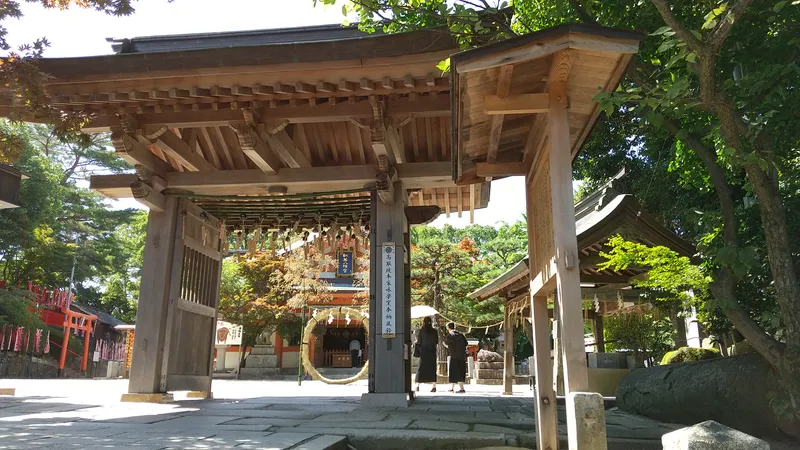
Momiji Hachimangu
- Career & Work
- Fertility & Children
- Love & Romance
Twelve deities are enshrined here, among them Empress Jingu, Emperor Ojin and Prince Uji no Wakiiratsuko, and the devotion runs to safe birth, the keeping of children, warding off misfortune, bonds and advancement.
 Shrine
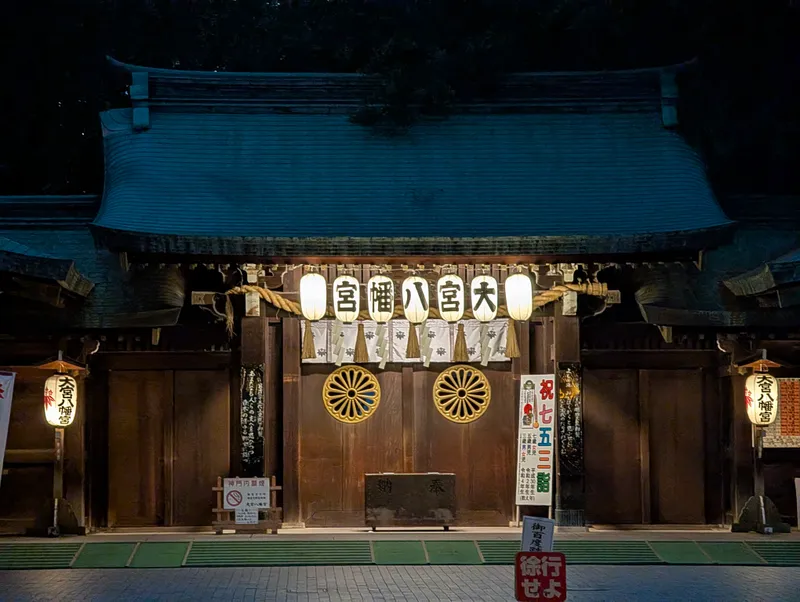
Omiya Hachimangu
- Fertility & Children
- Protection & Safety
- Bonds & Matchmaking
A large wooded shrine in Suginami, founded in 1063 by Minamoto no Yoriyoshi after he read a bank of white cloud as the banners of his own clan, and known for child-rearing and warding.
 Shrine
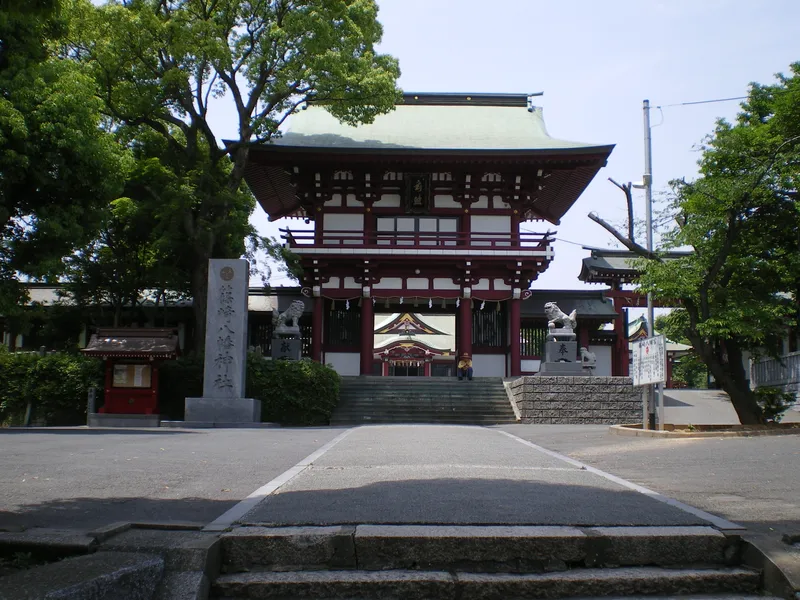
Shinozaki Hachiman Shrine
- Career & Work
- Fertility & Children
- Love & Romance
It begins with Empress Jingu giving birth to Emperor Ojin at Umi, and a division of the deity was brought from Usa Hachimangu in 730; two stones in the precinct carry different prayers.
 Shrine
Nishino Jinja
- Fertility & Children
- Health & Healing
- Love & Romance
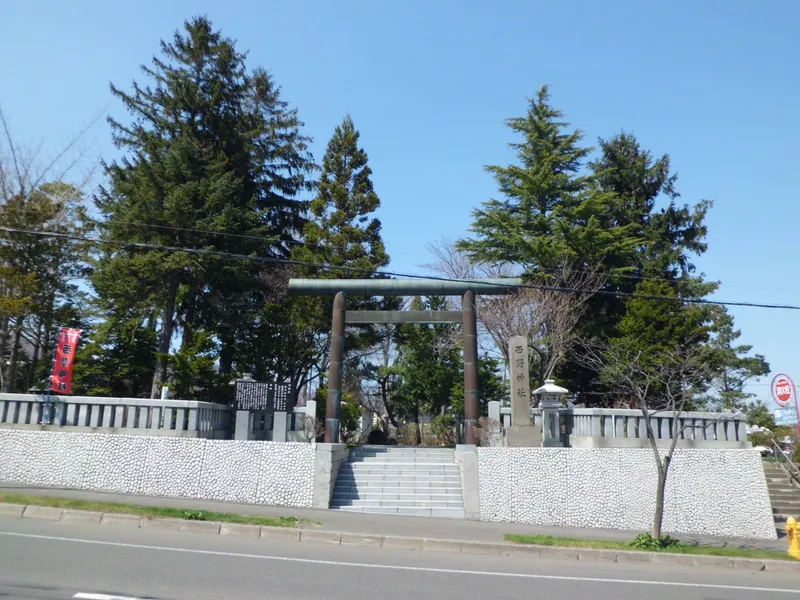
Begins with five settler households who crossed to Hokkaido in 1885 holding the guardian deity of the place they had left, and states safe childbirth, good matches, warding off misfortune and rising fortune as its benefits.
 Shrine
Taga Shrine
- Fertility & Children
- Health & Healing
- Love & Romance
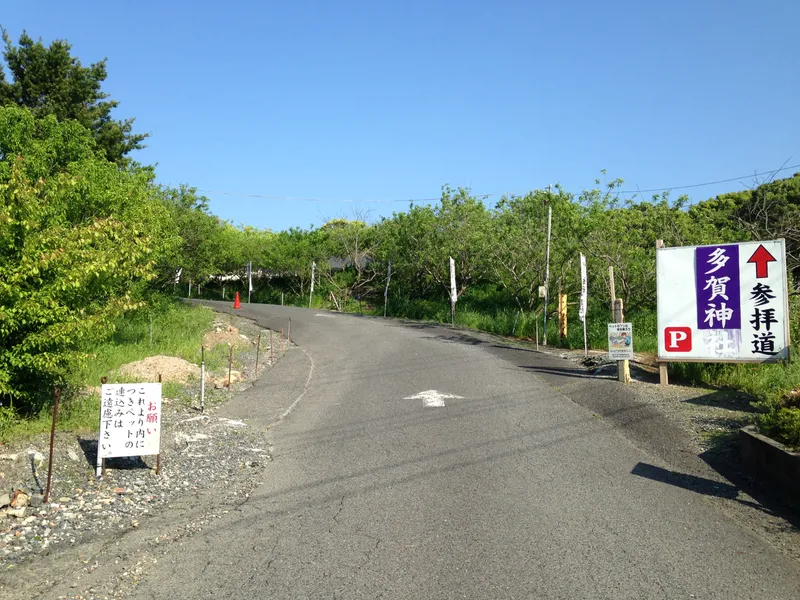
A shrine to Izanagi and Izanami, the married pair who made the land and bore the eight million deities, where prayers run from long life to safety on a worksite.
 Shrine
Yuki Jinja
- Fertility & Children
- Love & Romance
- Money & Prosperity
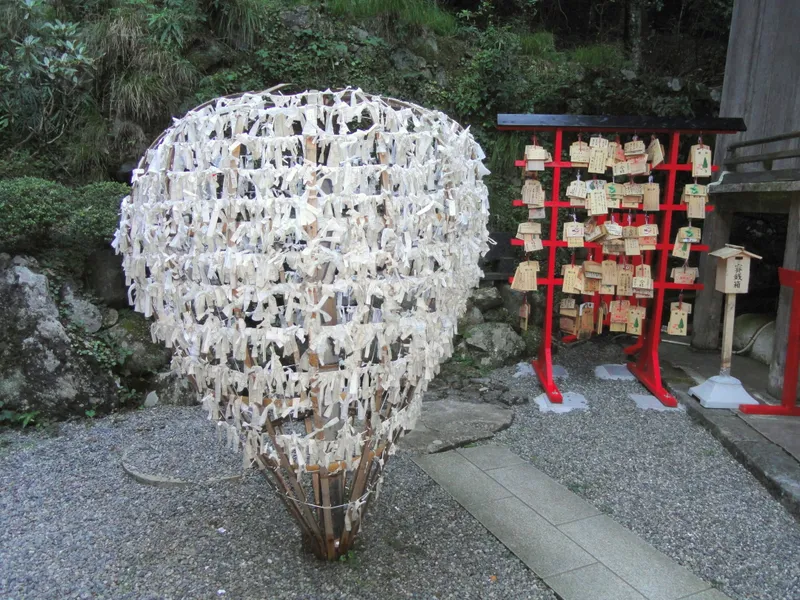
Once kept inside the imperial palace as a guardian of the court, and the shrine whose fire festival re-enacts the night its deity was moved to Kurama.
 Shrine
Guksadang, Inwangsan
- Fertility & Children
- Health & Healing
- Protection & Safety
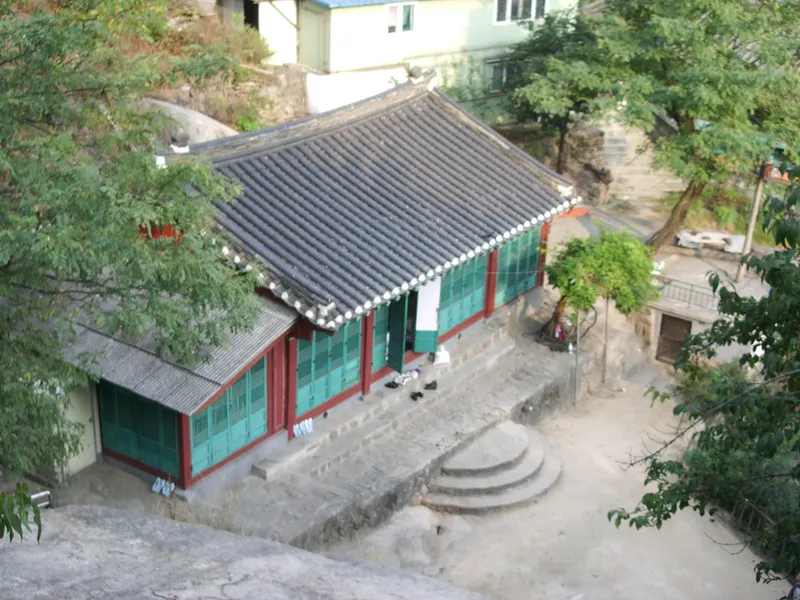
A shaman shrine moved from Namsan to the slope of Inwangsan in 1925 under Japanese pressure, where roughly a hundred gut rites are still held each year.
 Shrine
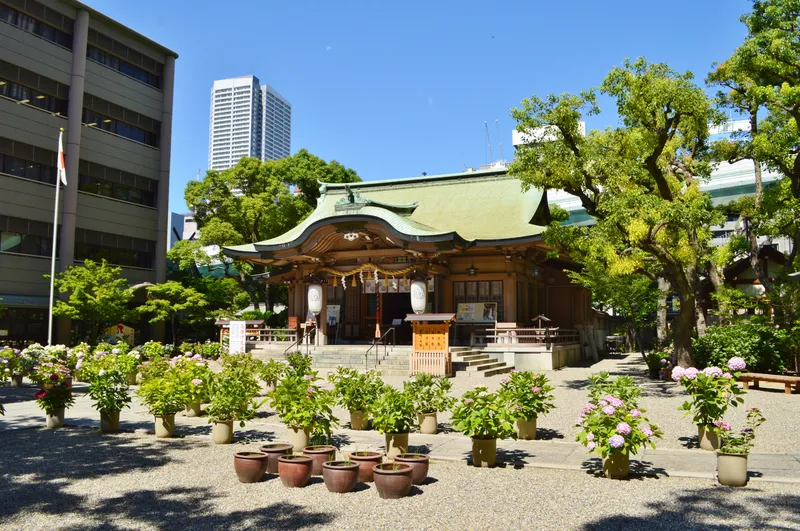
Ikasuri Jinja
- Family & Home
- Fertility & Children
- Money & Prosperity
Because it is the deity of this ground, the shrine records, it governs safe childbirth, children’s safe growth and safety in trade.
 Shrine
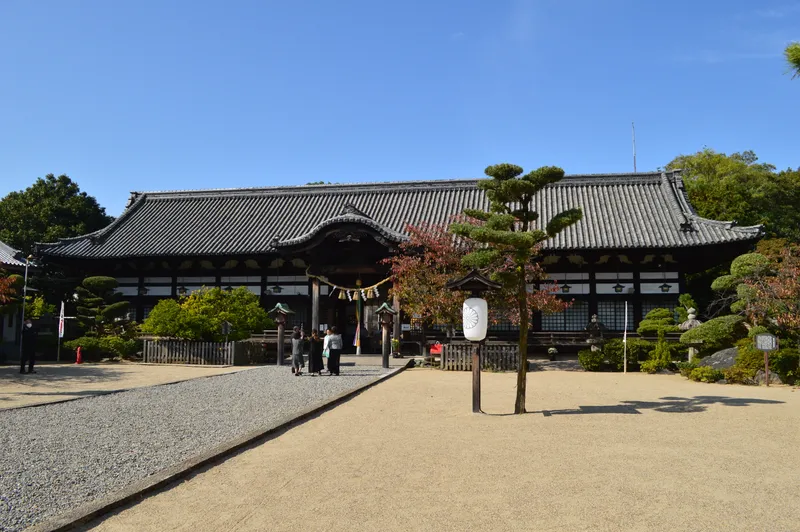
Konda Hachimangu
- Fertility & Children
- Protection & Safety
It sits on the round rear mound of Emperor Ojin’s tomb, and its history began from the devotion of guarding and serving that tomb.
 Shrine
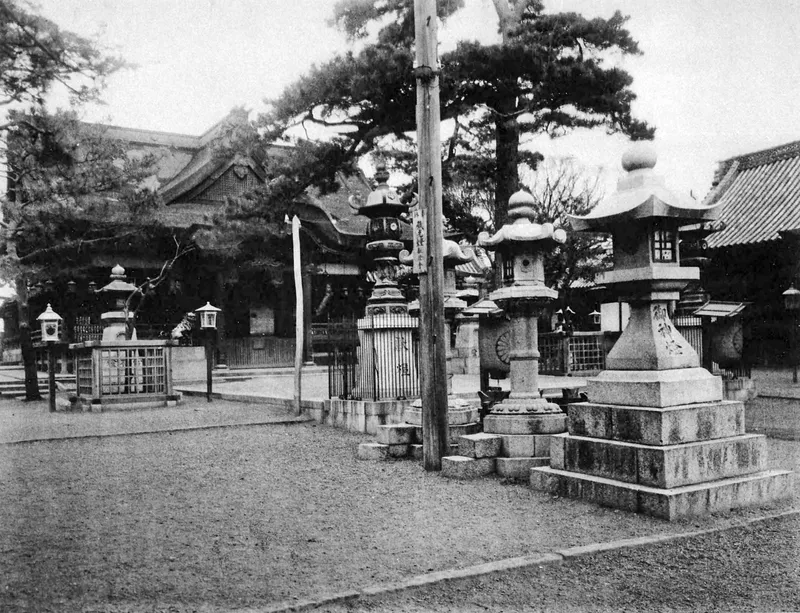
Kozu-gu
- Fertility & Children
- Money & Prosperity
Founded in 866, when an imperial order sent a search for the ruins of the old capital and the shrine was built where they were found.