Sapporo
The gods here were carried in. In 1869 the spirit-tokens of the three colonisation deities crossed by ship to Hakodate and came the rest of the way to Sapporo on a man’s back. The small shrines raised by the farmer-soldiers posted here, and by settlers who arrived holding the guardian deity of the village they had left, are the neighbourhood shrines of the city now.
AI-assisted research. Check official sources before you travel.About
41 placesOpen in the full map
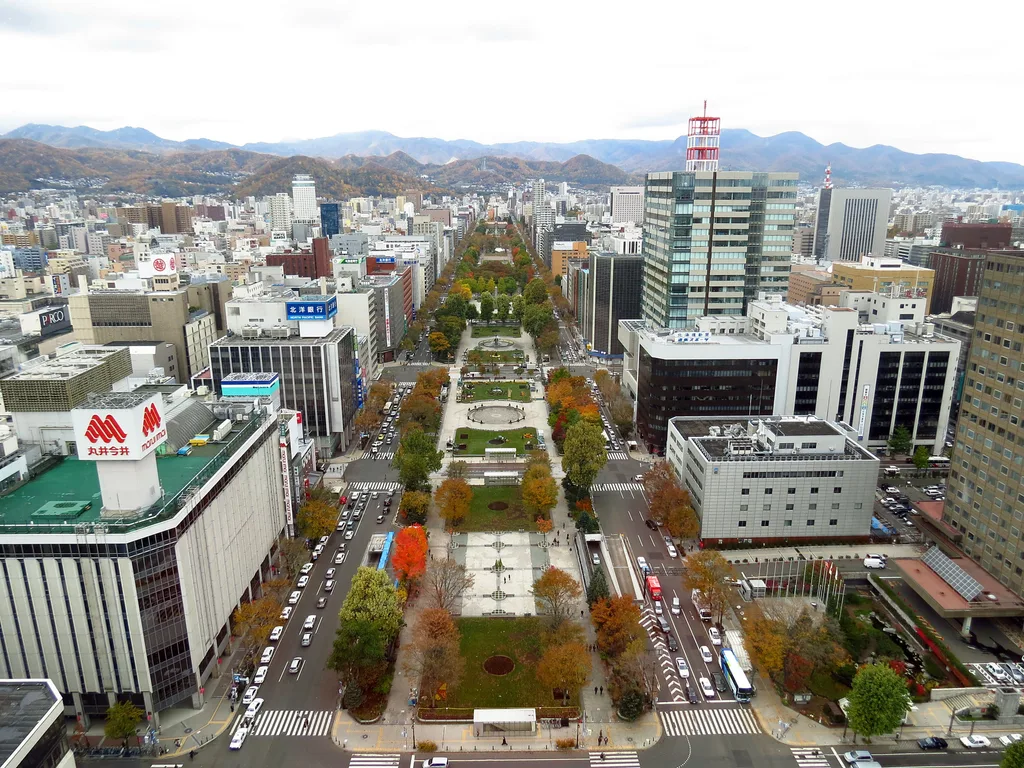
Places in this collection
 Shrine
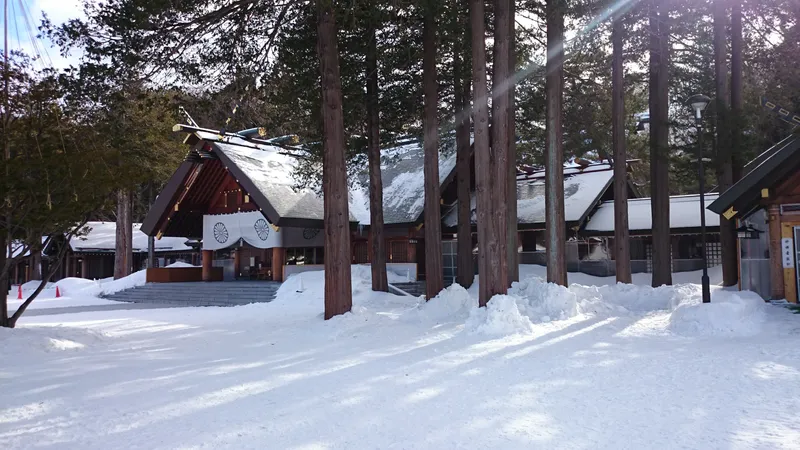
Hokkaido Jingu
A shrine that begins with three deities enshrined in Tokyo in 1869, shipped to Hakodate, and carried the rest of the way to Sapporo on the back of the colonisation magistrate Shima Yoshitake.
 Shrine
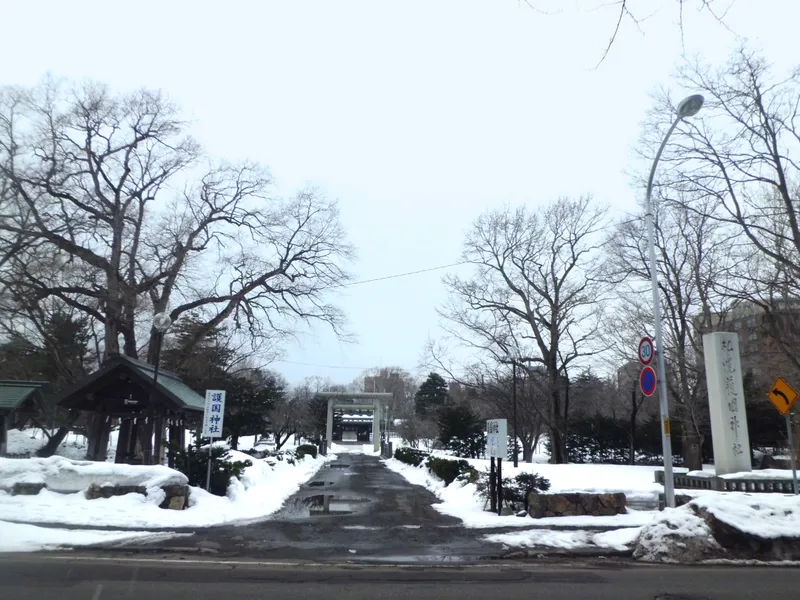
Sapporo Gokoku Jinja
Begins with rites for the colonial militia who died in the fighting or of illness in the campaign of 1877, and enshrines 25,548 spirits.
 Shrine
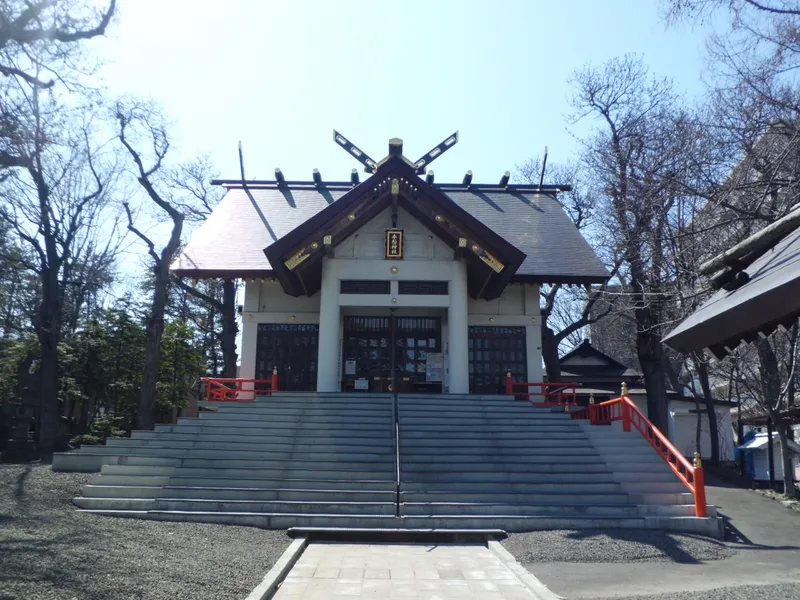
Teine Jinja
Began when 250 households, unable to reach Sapporo Jinja in winter or at harvest, petitioned for a place to worship it from a distance — and later became a shrine itself.
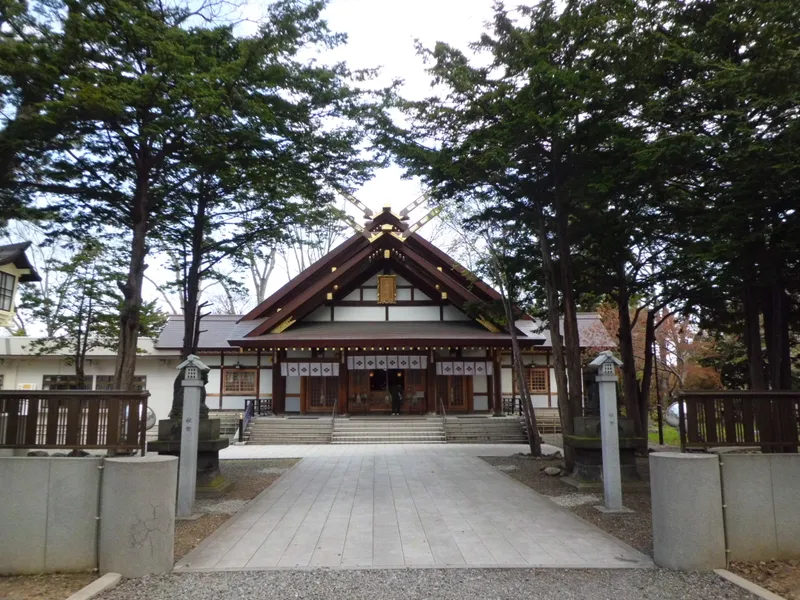 Shrine
Shinkotoni Jinja
Begins in 1887 when a company of army farmer-soldiers, newly settled, read the ground and chose a pure site where a clear spring rose, answering to the four guardian gods.
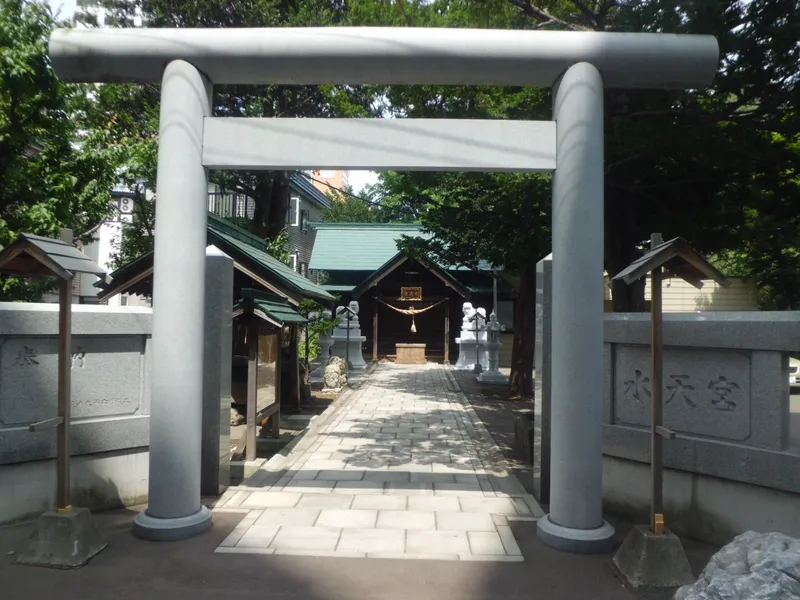 Shrine
Sapporo Suitengu
Begins in 1884 when Mizuno Genshirō, a former retainer of the Kurume domain, carried a divided spirit north from the head shrine of Suitengu at Kurume in Kyushu; it is Japan’s thirty-ninth branch shrine.
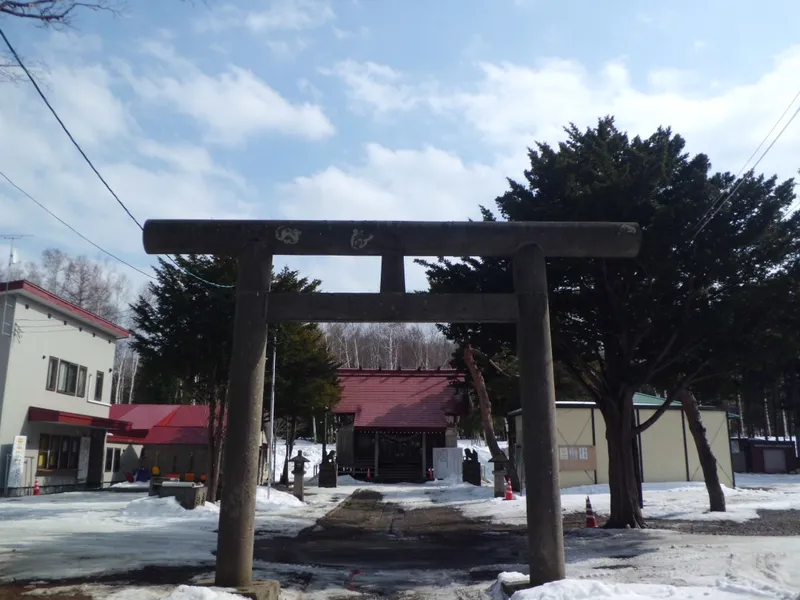 Shrine
Ishiyama Jinja
Begins with quarrymen and stone-cutters who settled in this soft-stone district and worshipped the gods of their home provinces at stone tablets raised in each quarter.
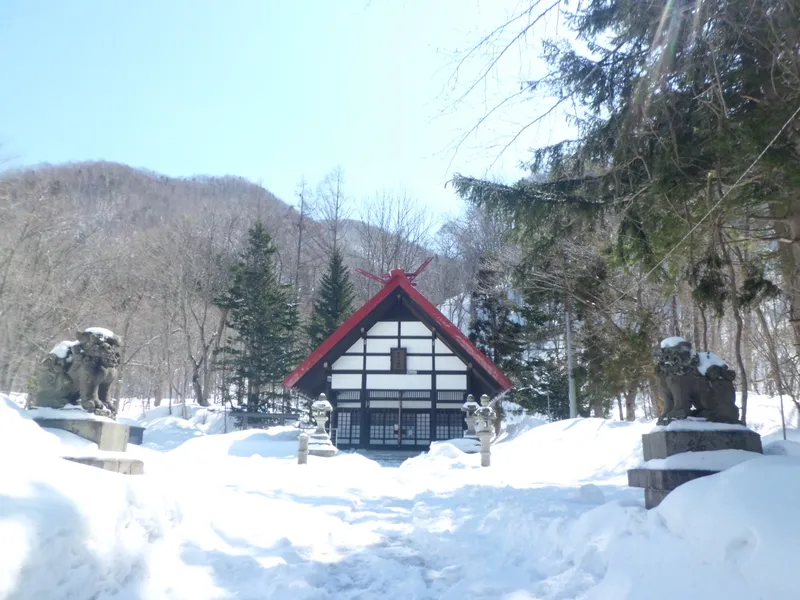 Shrine
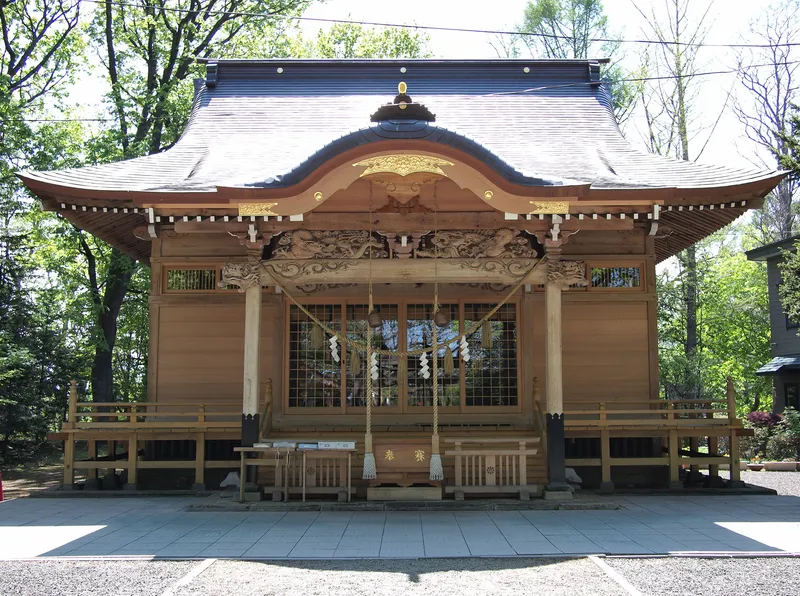
Jozankei Jinja
Enshrines Bisen Jozan — the man who found the hot spring and gave this valley its name — as the deity Bisen Jozan no Mikoto.
 Shrine
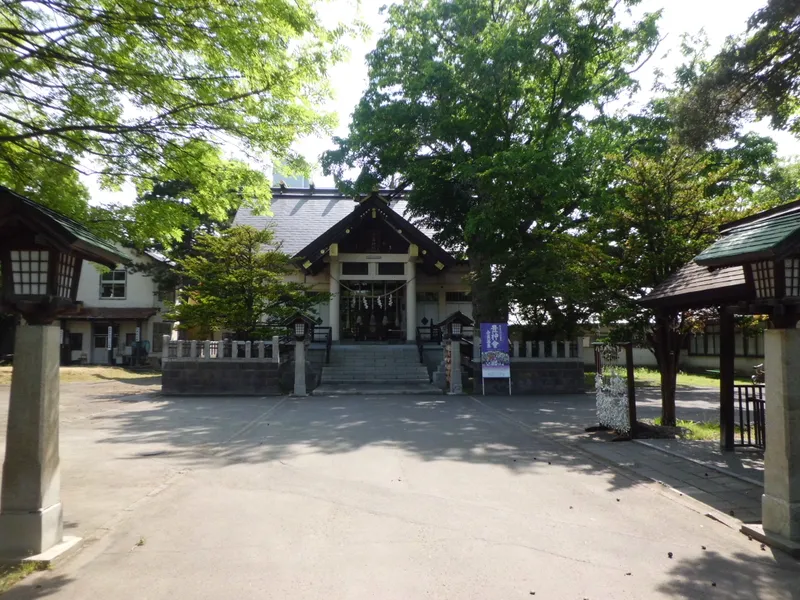
Soma Jinja
Begins in 1871 when settlers, chiefly former retainers of Mizusawa in Iwate, performed rites here as a distant-worship site facing Sapporo Jinja; a divided spirit from Soma in Fukushima came later and gave the shrine its name.
 Shrine
Toyohira Jinja
Founded when a district settled largely by migrants from Tōhoku enshrined the guardian deity of the home they had left, Kamitsukeno no Tamichi.
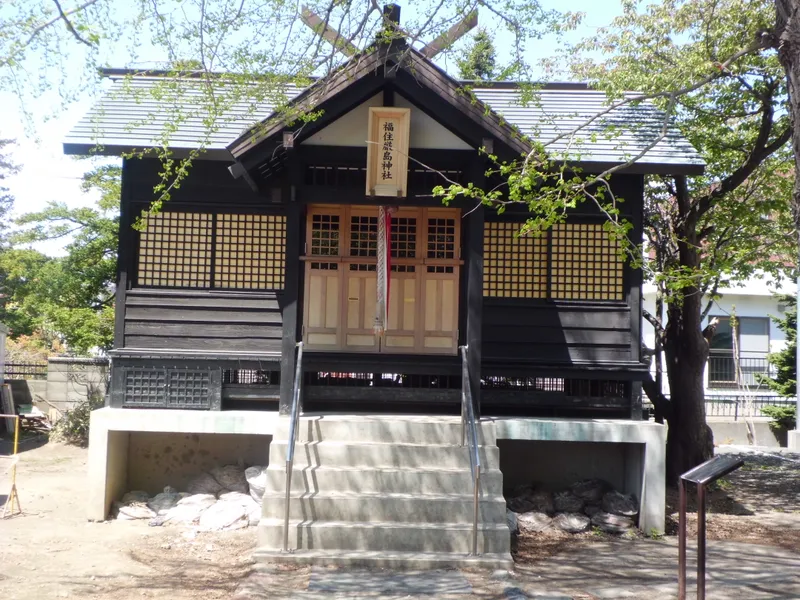 Shrine
Fukuzumi Itsukushima Jinja
Founded in 1884 by migrants from Hiroshima, and later given divided spirits from Itsukushima in Hiroshima, Fushimi Inari in Sapporo, and Kitano Tenmangu.
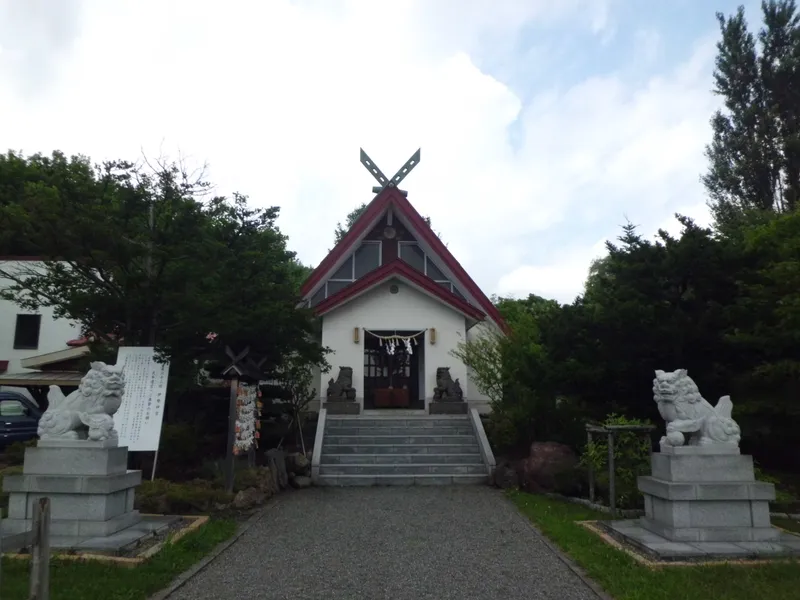 Shrine
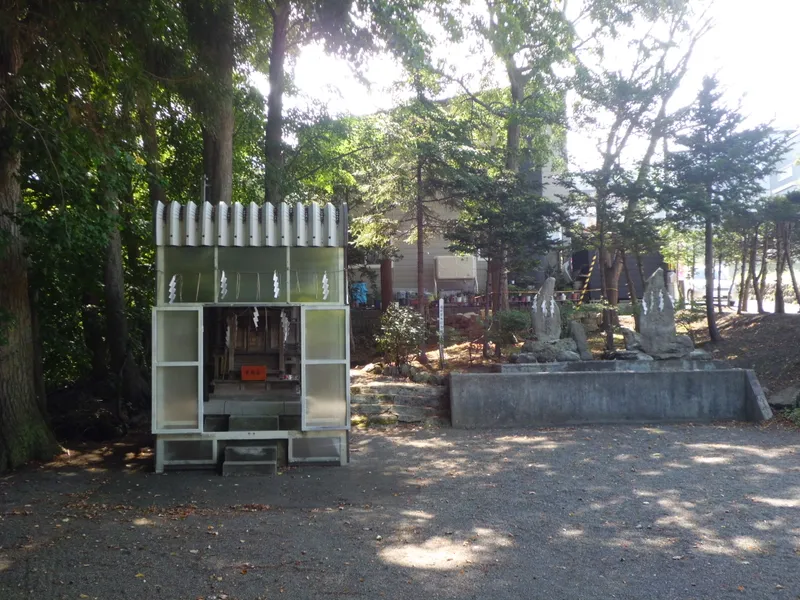
Kamiteine Jinja
Begins in 1876 when settlers from the Sendai domain raised a small shrine to Susanoo as their guardian, and keeps a memorial mound for oxen and horses in its precinct.
 Shrine
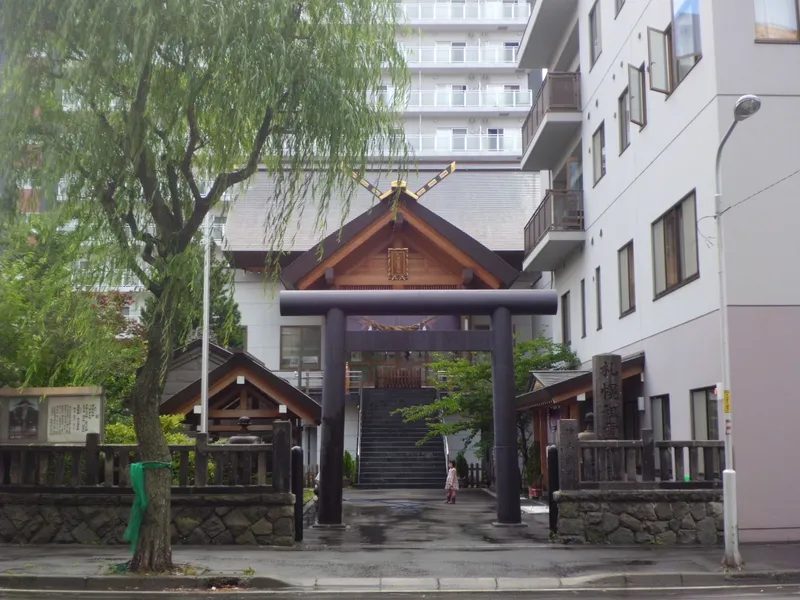
Maruyama-nishimachi Jinja
Its hall is the shrine that once stood on the roof of the Hokkaido Takushoku Bank’s head office, handed over in 1951.
 Shrine
Sapporo Sorei Jinja
Begins in 1871 with a spirit shrine built at the entrance to a communal burial ground.
 Shrine
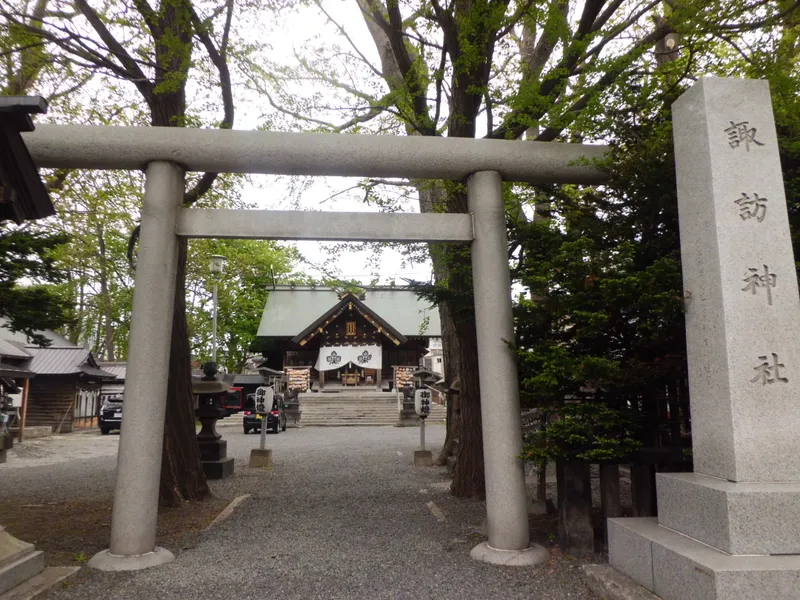
Sapporo Suwa Jinja
Thirty-odd settlers from Shinano began breaking ground here in 1878, and four years later, by the unanimous will of the settlers, sent for a divided spirit from Shinano’s first shrine.
 Shrine
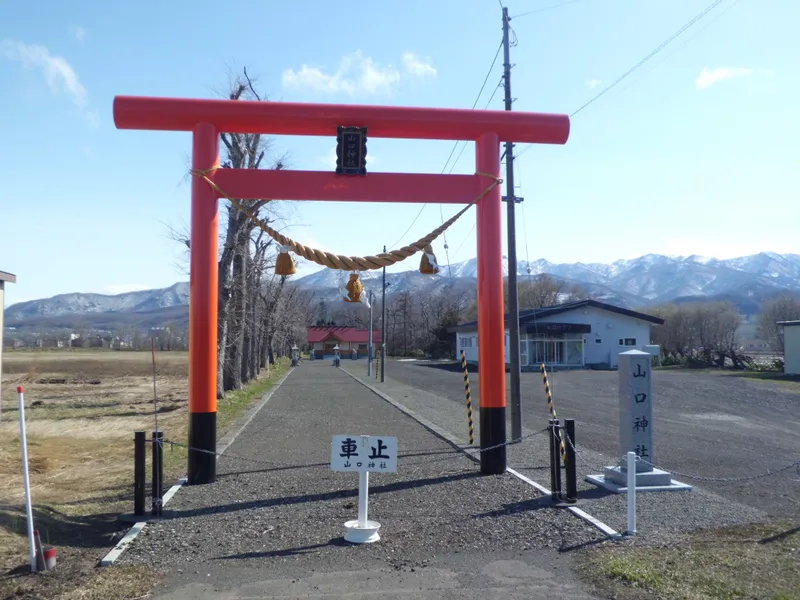
Yamaguchi Jinja
Begins in 1885 when migrants from Yamaguchi prefecture set up a place here for worshipping Ise from a distance; in 1902 it was permitted to be founded as Yamaguchi Jinja.
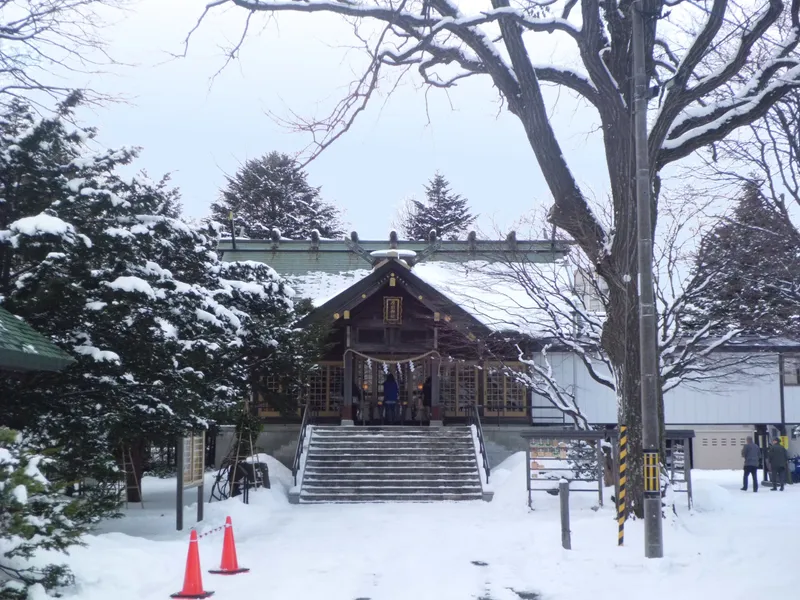 Shrine
Ashiribetsu Jinja
Begins in 1874 when Nagaoka Shigeharu made a small shrine in a corner of the land he had cleared and worshipped there morning and evening.
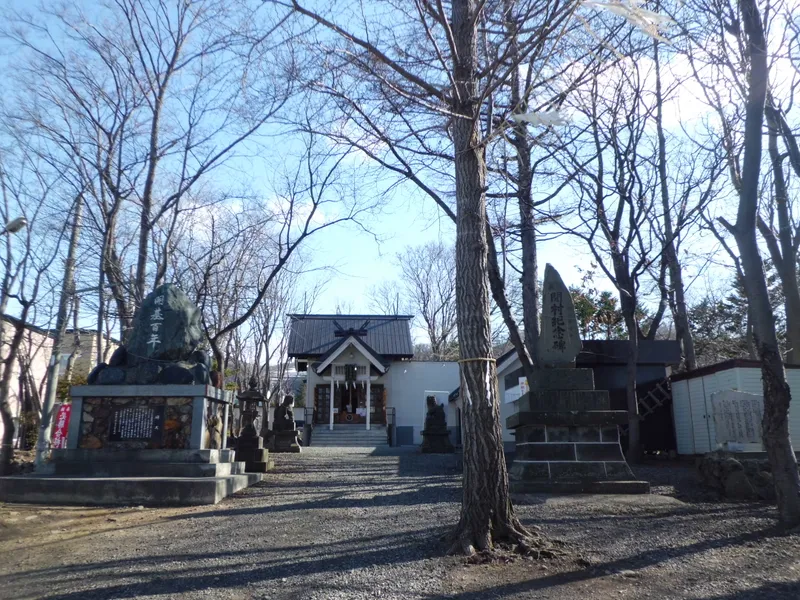 Shrine
Hoshioki Jinja
Begins in 1887, when settlers gathered from Hiroshima, Yamaguchi, Toyama and Aomori raised a small wooden shrine as something to hold in common through hardship and ease alike.
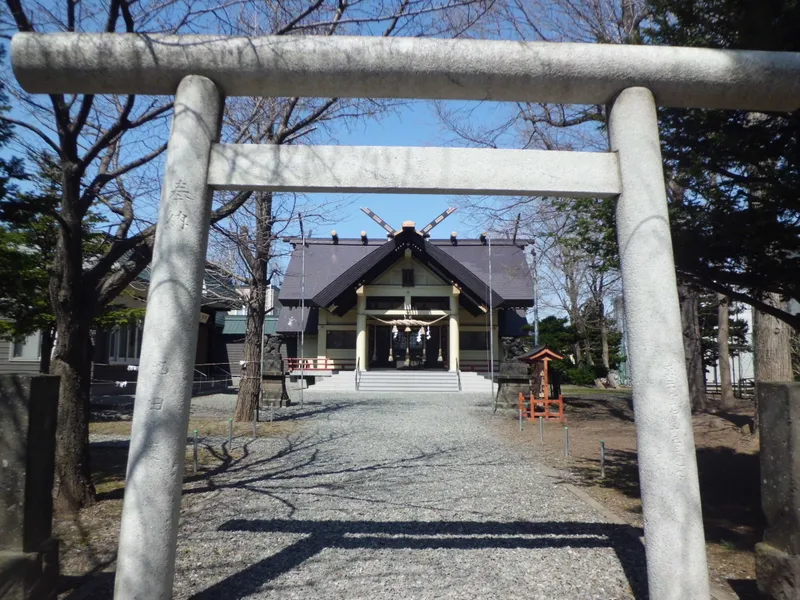 Shrine
Konan Jinja
Begins with 220 households — 1,056 people — of farmer-soldiers who landed on 14 July 1889 and reached this ground the next day; those two days are still the shrine’s festival.
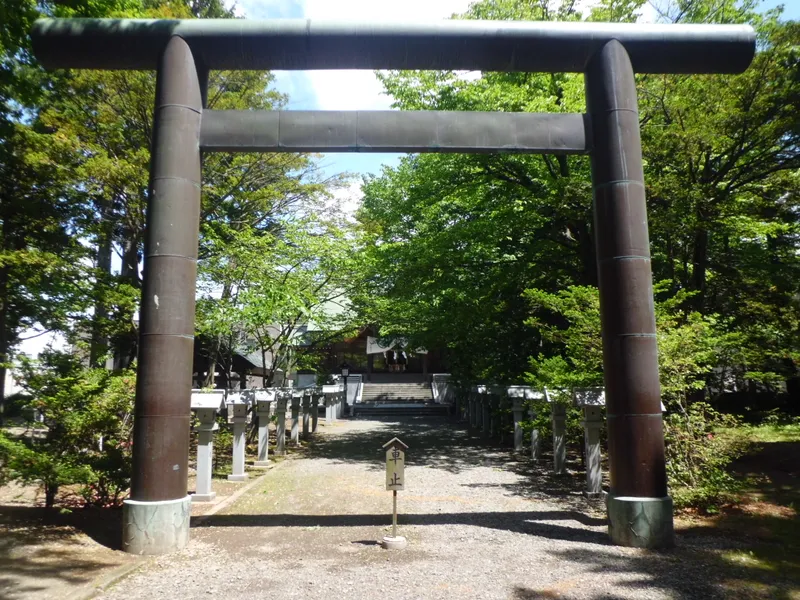 Shrine
Shinano Jinja
Kasai Yoshizō came from Kami-Suwa in Nagano with thirty households in 1881, and the next year a divided spirit from Suwa Taisha was received as something for the heart to rest on.
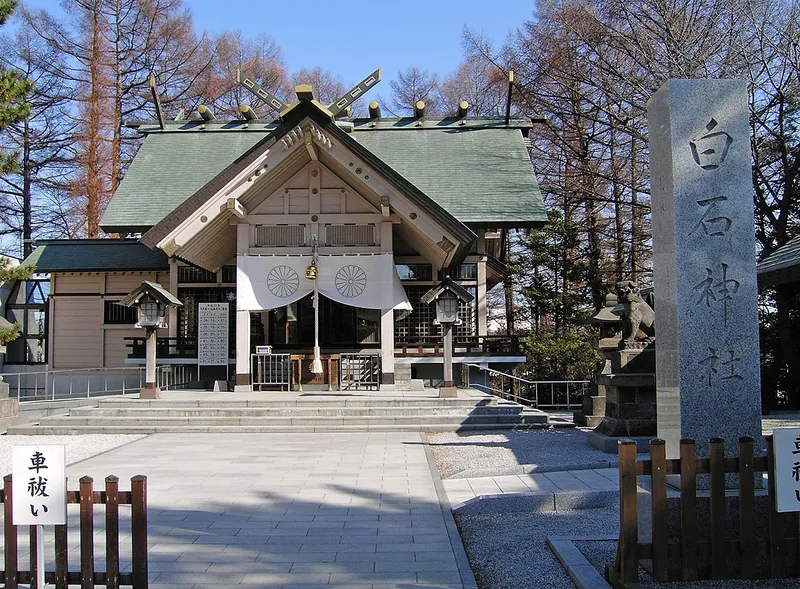 Shrine
Shiroishi Jinja
Begins with the hall that Sapporo Jinja left behind when it moved to Maruyama, taken down and re-erected here.
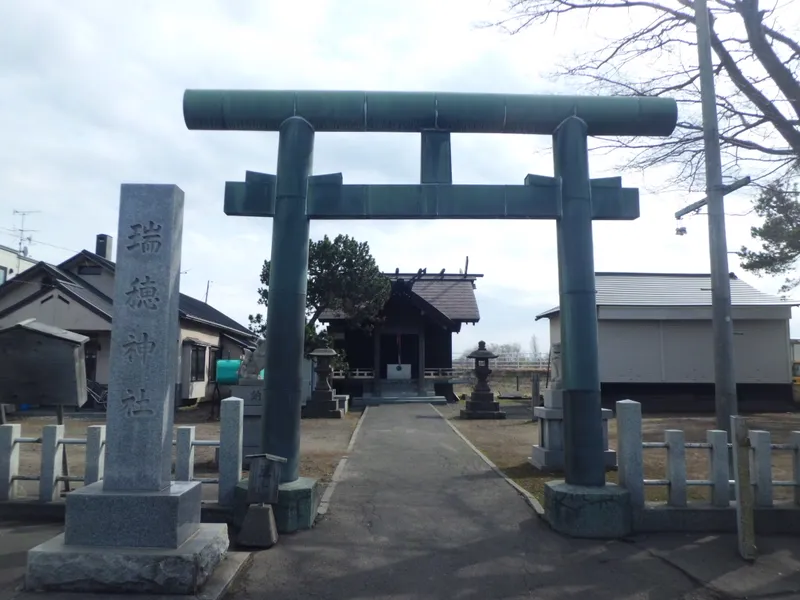 Shrine
Mizuho Jinja
Begins with a divided spirit of Sapporo Miyoshi Jinja enshrined in a shrine of less than one tsubo.
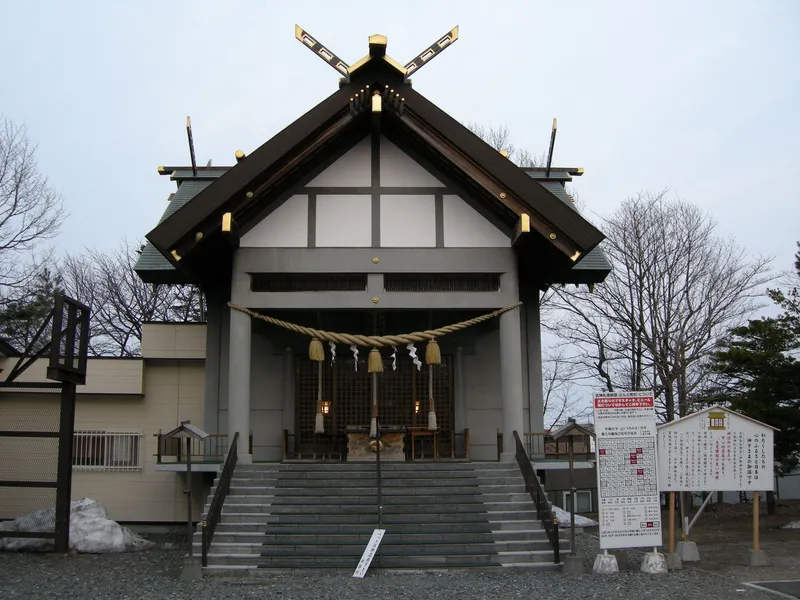 Shrine
Nishioka Hachimangu
Begins in 1890 when Mori Kinzō, a settler from Kōjiro village in Mihara district, Hyōgo, raised a small shrine on unnumbered land at Yakiyama and enshrined a divided spirit of his home village’s Hachiman shrine.
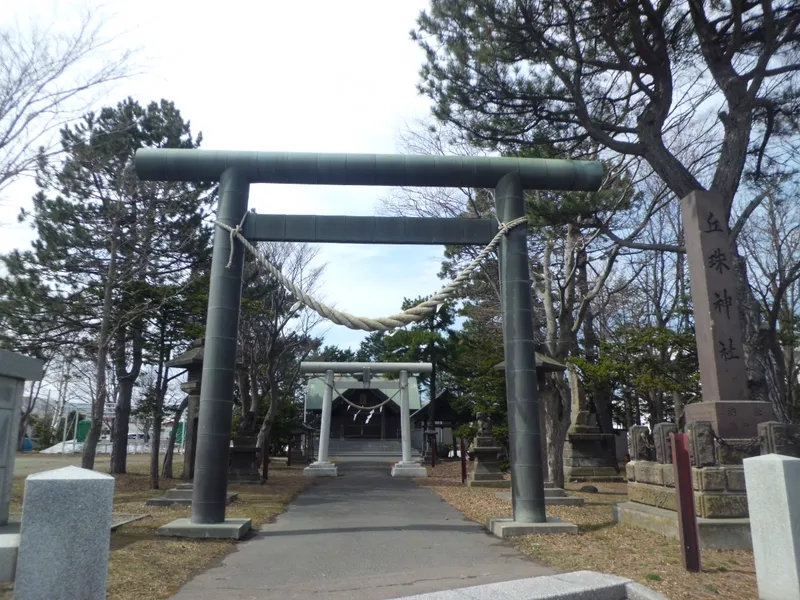 Shrine
Okadama Jinja
Grew out of an Ise confraternity formed by settlers in 1870; a small shrine was raised twelve years later, on 16 September 1882.
 Shrine
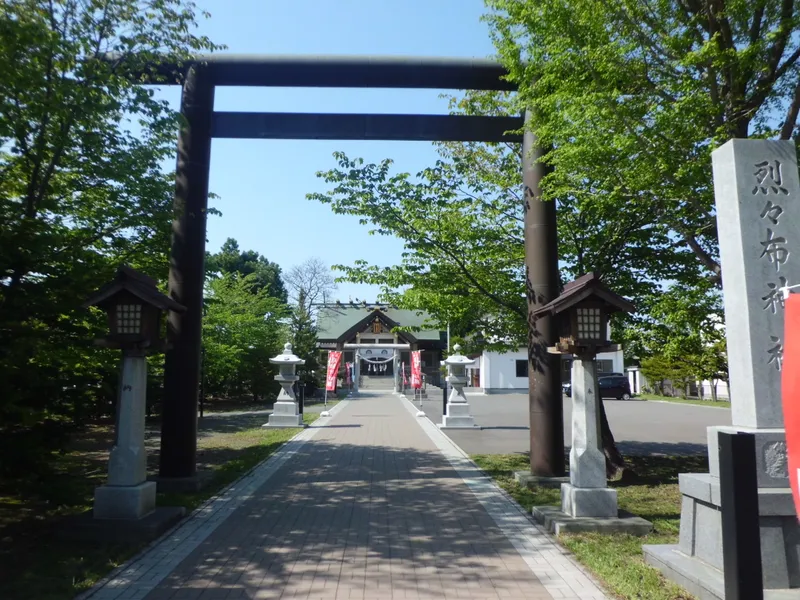
Reppupu Jinja
Named after its village, and in 1893 given three divided deities from Miyoshi Jinja in Sapporo.
 Shrine
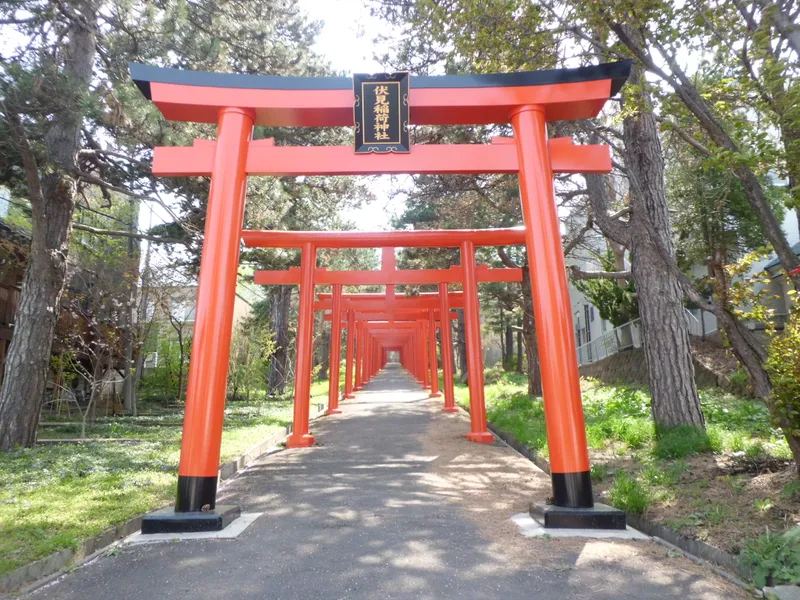
Sapporo Fushimi Inari Jinja
- Career & Work
- Money & Prosperity
Begins in 1884 with a divided spirit brought from Fushimi Inari Taisha in Kyoto, and holds its deity to be the progenitor of food, clothing and shelter, and guardian of harvests, industry and trade.
 Shrine
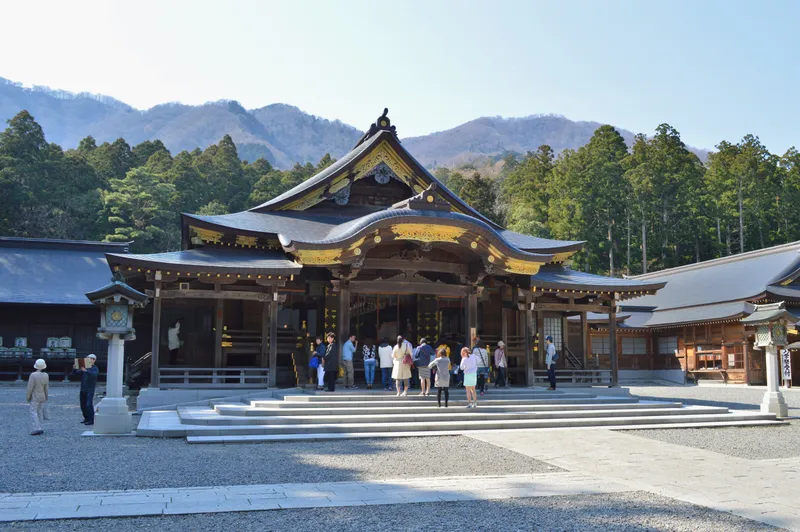
Iyahiko Jinja
A shrine with two parents: a divided spirit of Echigo’s first shrine, Yahiko, enshrined in 1912, and another received from Dazaifu Tenmangu in 1970.
 Shrine
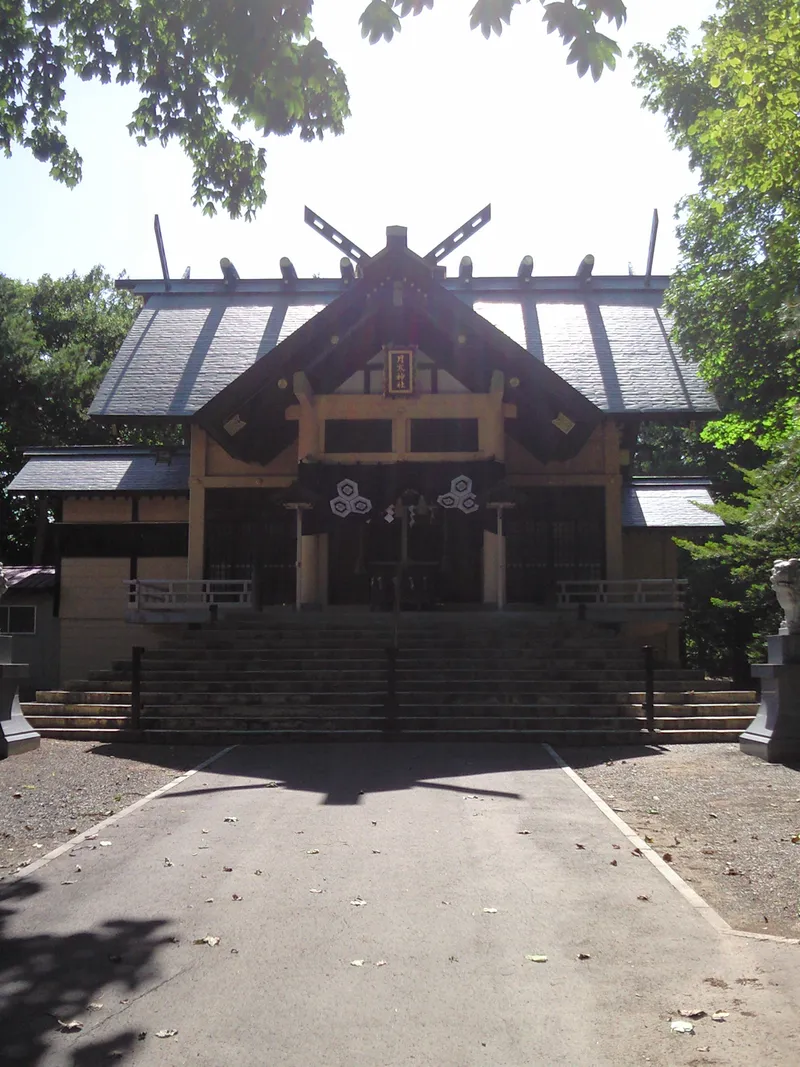
Tsukisamu Jinja
Permitted to be founded as Nishiyama Jinja, it reached its present site through one renaming and two relocations, each recorded with the date of petition and permit.
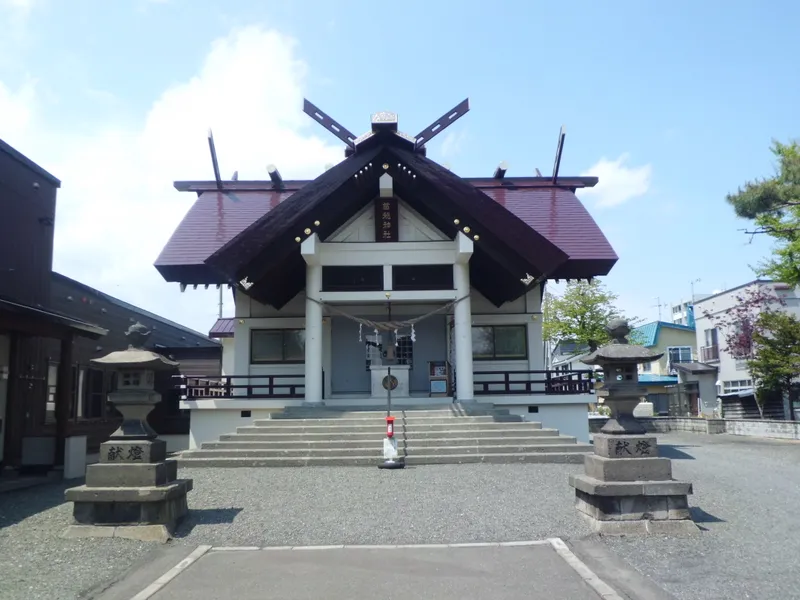 Shrine
Naebo Jinja
The land settled in 1870 was called “Kōgo Village No. 1” before being named Naebo in 1871; the shrine followed in 1897 with a divided spirit of Sukunahikona from Sapporo Jinja.
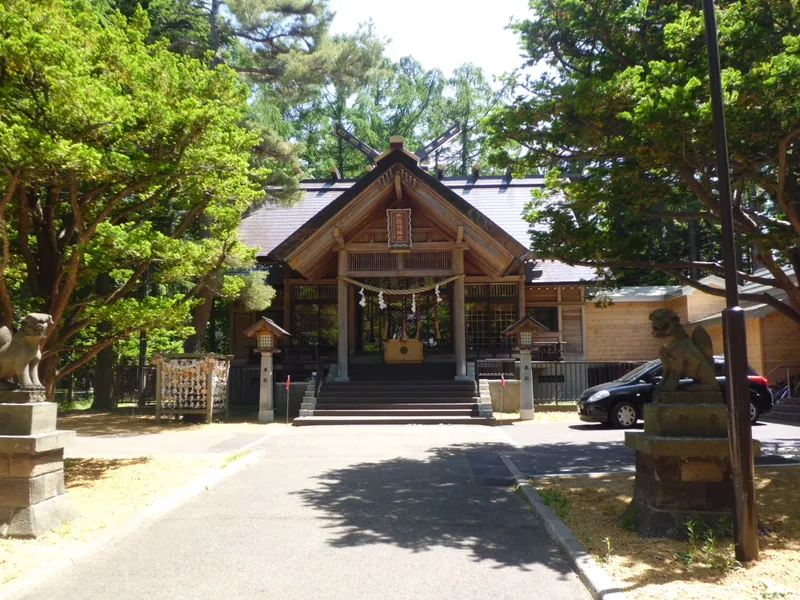 Shrine
Oyachi Jinja
Begins in 1884 with the forming of a founding representatives’ council, which took thirteen more years to reach a completion notice.
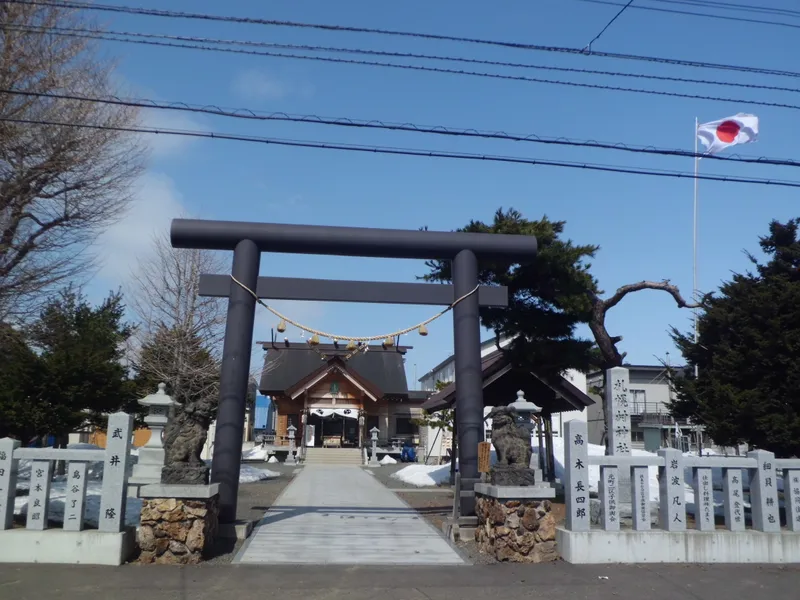 Shrine
Sapporo-mura Jinja
Founded under a name it did not choose: refused permission to be called Sapporo Jinja because a shrine of the highest imperial rank already bore that name, it added the word “village”.
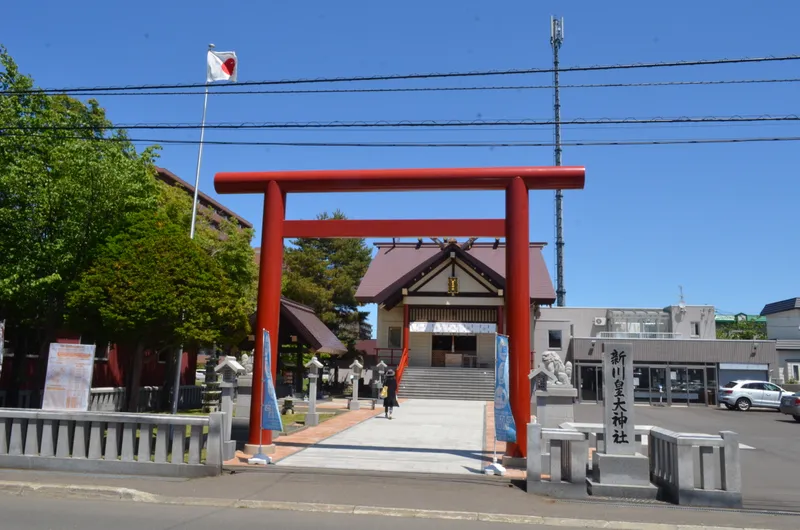 Shrine
Shinkawa Kotai Jinja
A shrine whose history records that seven promoters and thirty-seven parishioners served at its enshrinement rite in 1908.
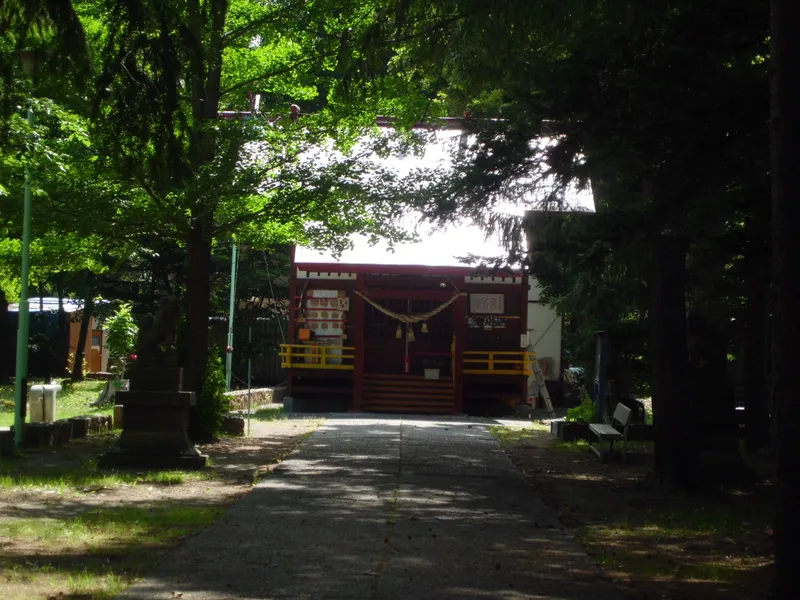 Shrine
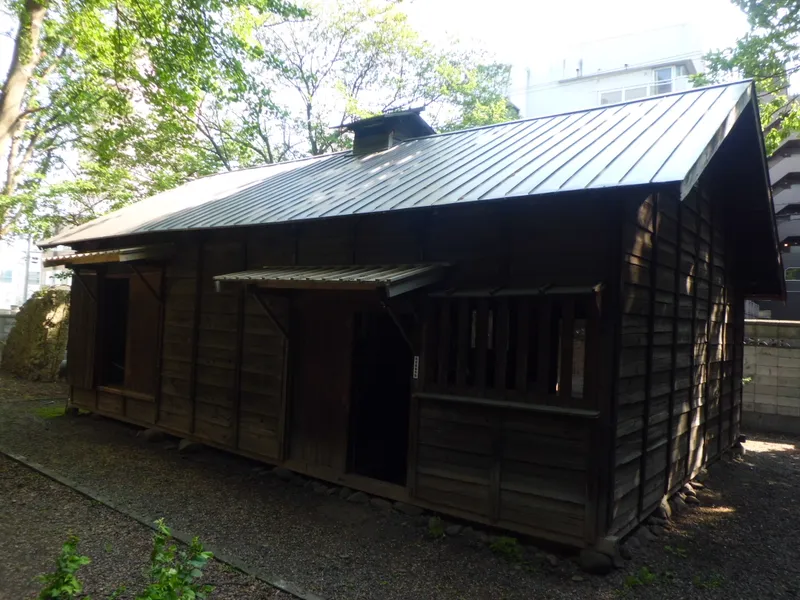
Hanaoka Jinja
A shrine whose own record of its founding is written as a guess — “probably”, “it seems”.
 Shrine
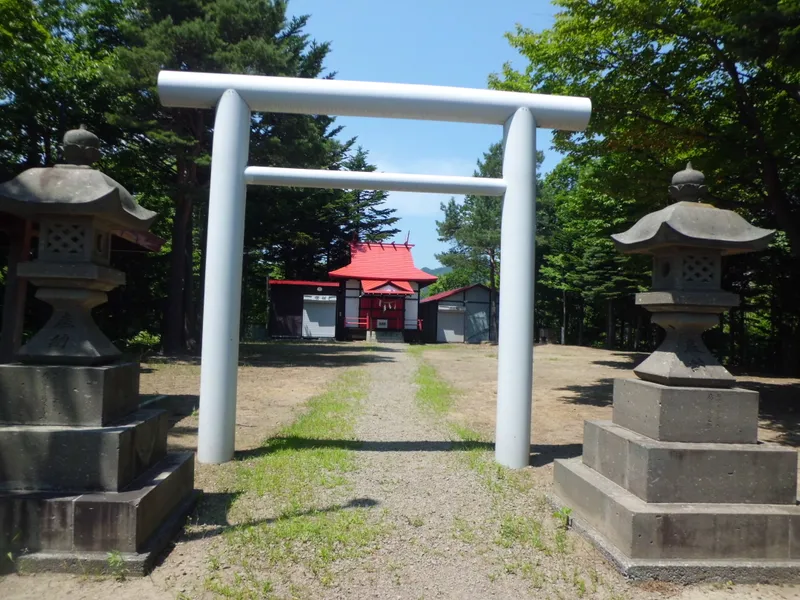
Kotoni Jinja
Founded by the 240 households of Hokkaido’s first farmer-soldiers, who gave their old domain’s founder a god’s name and built the shrine under it.
 Shrine
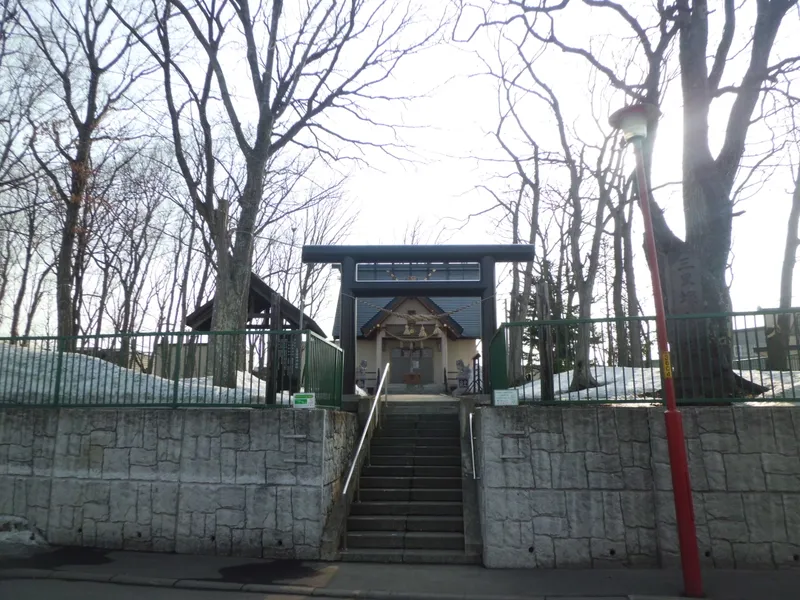
Sapporo Fujino Jinja
Begins in September 1961 when the people of the Nonozawa district raised a wooden marker post; a hall followed eleven years later.
 Shrine
Sanrizuka Jinja
A shrine whose annual festival has been held every year since 15 August 1897.
 Shrine
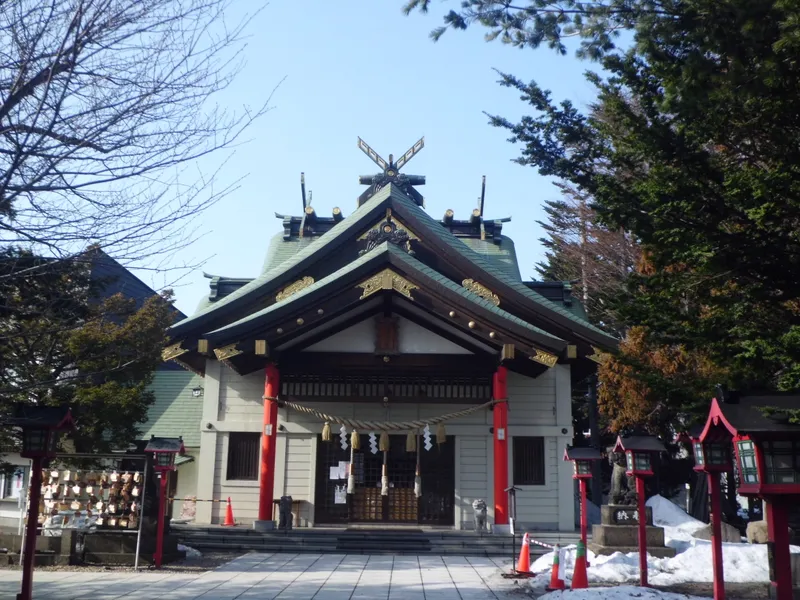
Hassamu Jinja
Begins in 1856 when Yamaoka Seijirō and sixteen others, sent under shogunal orders to develop Ezo, settled here and founded an Inari shrine.
 Shrine
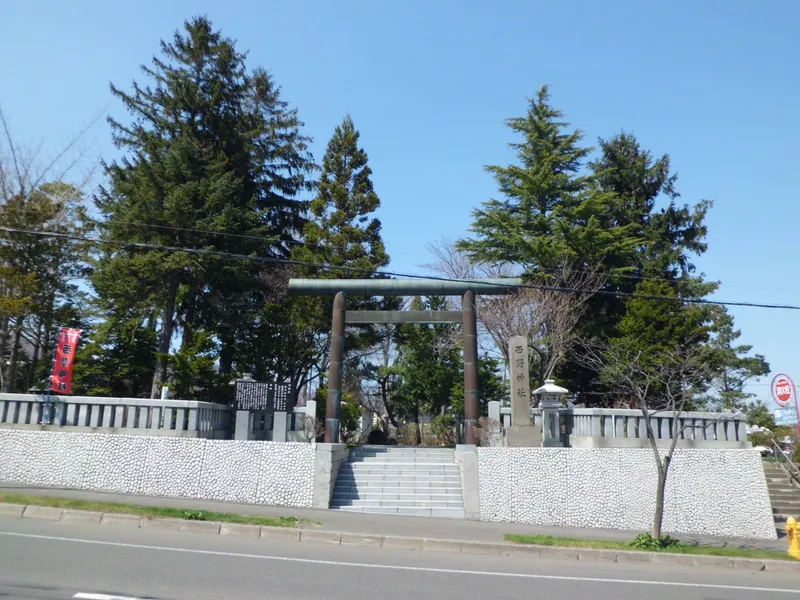
Nishino Jinja
- Fertility & Children
- Health & Healing
- Love & Romance
Begins with five settler households who crossed to Hokkaido in 1885 holding the guardian deity of the place they had left, and states safe childbirth, good matches, warding off misfortune and rising fortune as its benefits.
 Shrine
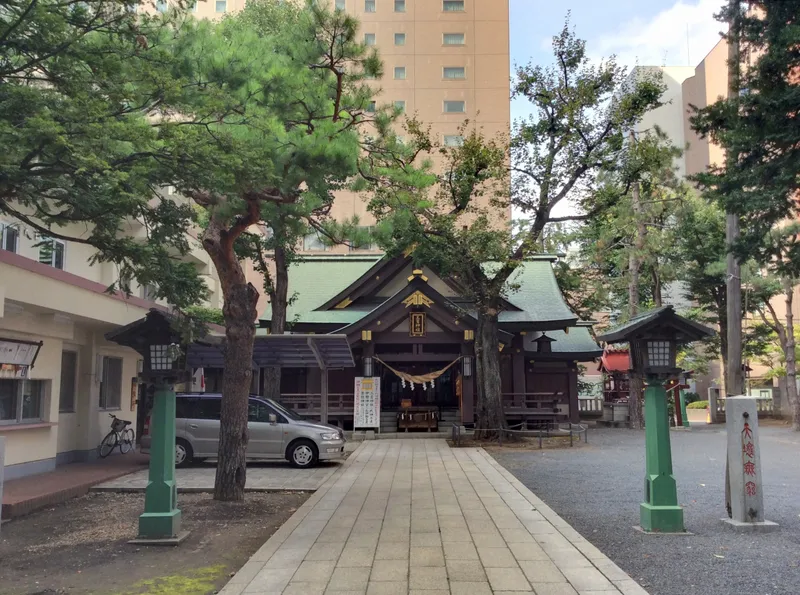
Sapporo Miyoshi Jinja
Begins in 1878 when Kimura Tōkichi, a man from Akita, enshrined a divided spirit of his home province’s Miyoshi Shrine on the east bank of the Toyohira river.
 Shrine
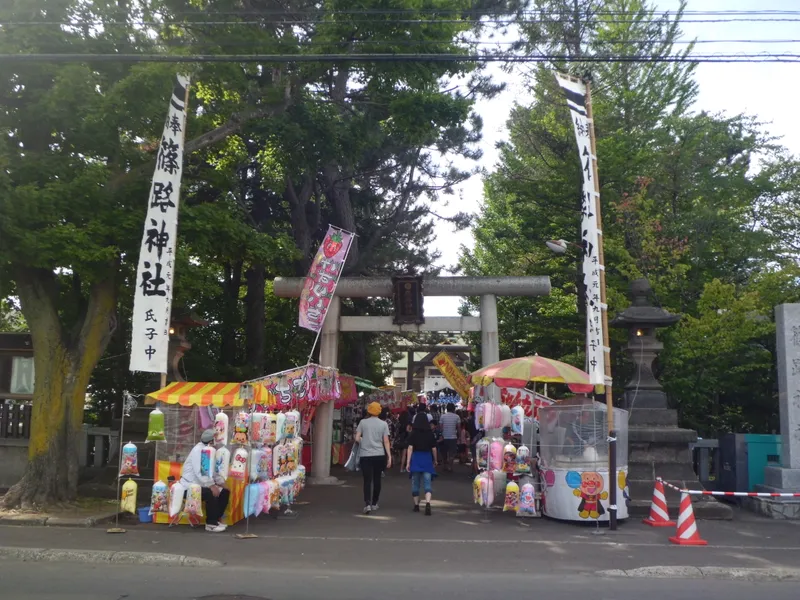
Shinoro Jinja
Founded in 1855 as Wakamiya Hachiman under the Tokugawa shogunate’s resident-settler system, which makes it among the oldest shrines in Sapporo.
 Shrine
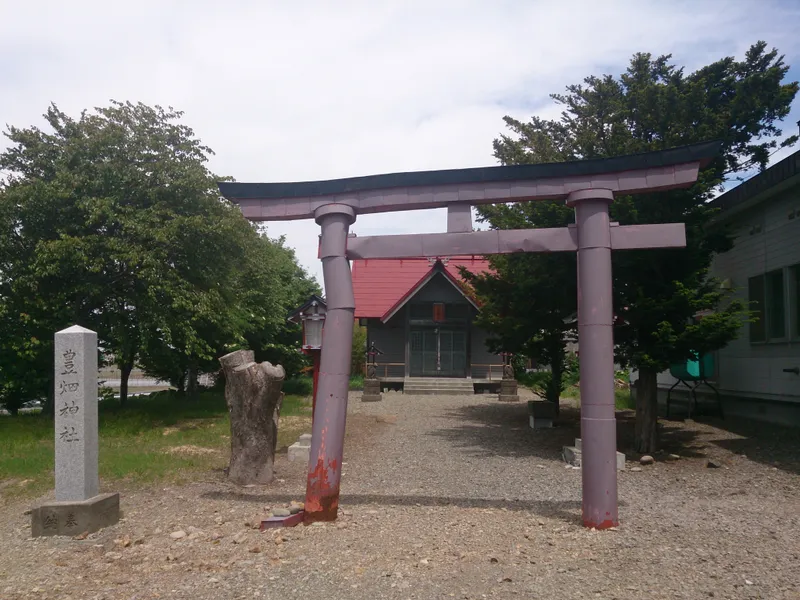
Toyohata Jinja
Begins with a squared timber, the god’s name cut into it, set upright and worshipped at.
 Shrine
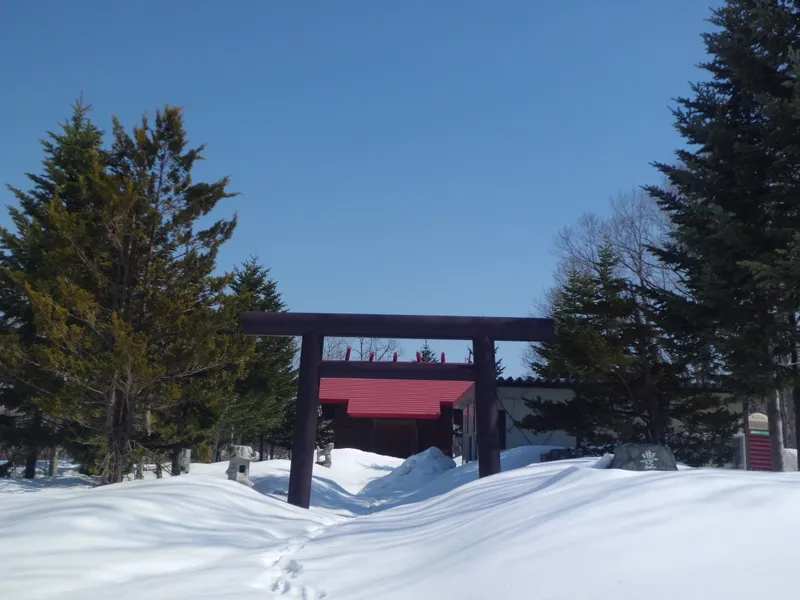
Toyotaki Jinja
Enshrined in September 1908, alongside a settlement that began on land held by a university forest.