Sapporo Suwa Jinja
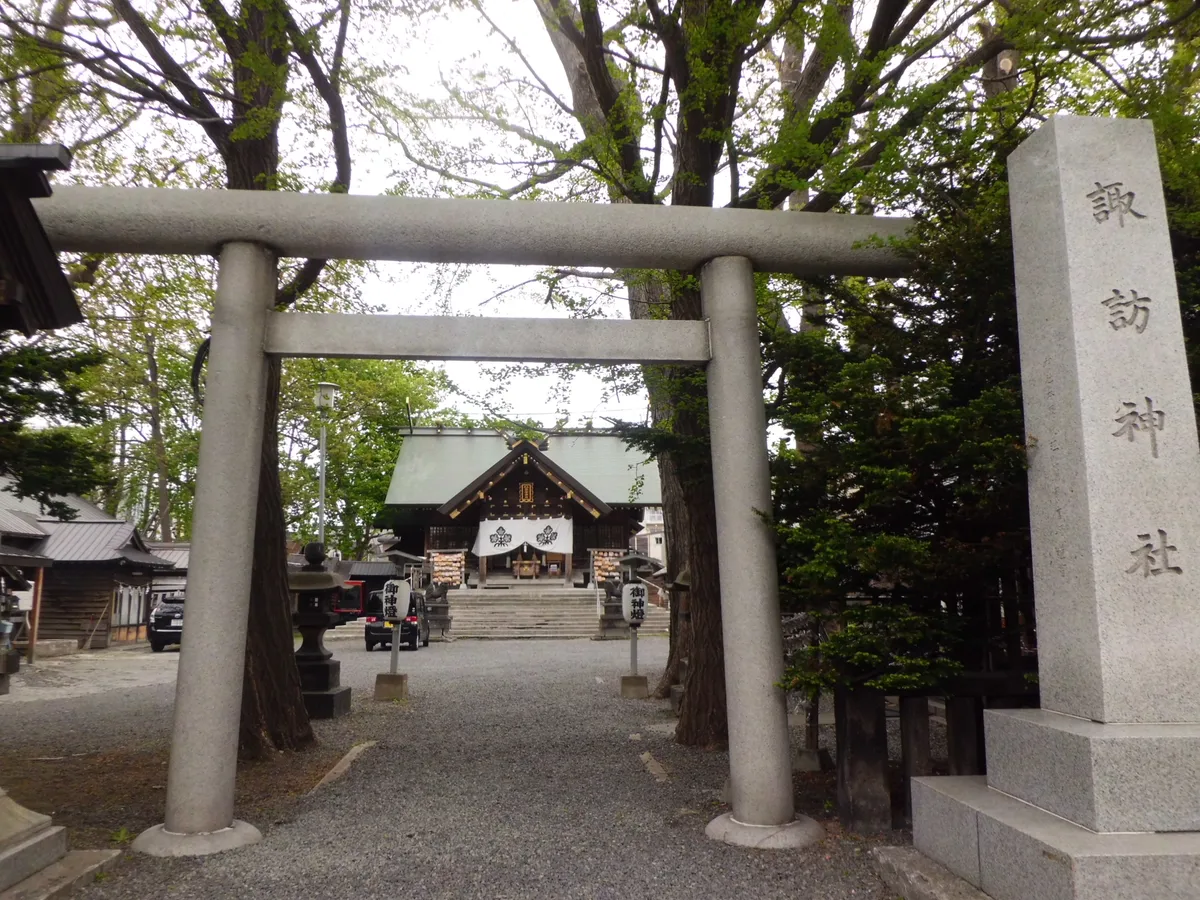
Suwa Jinja
Researched and translated with AI assistance. Every claim is linked to its source, but errors get through, so check the official site for opening times, fees and closures.About
In short
Thirty-odd settlers from Shinano began breaking ground here in 1878, and four years later, by the unanimous will of the settlers, sent for a divided spirit from Shinano’s first shrine.
Quick facts
- Address
- 12-1-1-10 Kita 12-jo Higashi, Higashi-ku, Sapporo, Hokkaido
About this place
Sapporo Suwa Jinja stands in Higashi-ku, Sapporo. Its deities are Takeminakata and Yasakatome. In 1878 Ueshima Tadashi and some thirty others, people of Shinano province, migrated here and began breaking ground. By the unanimous will of the settlers, on 12 March 1882 a divided spirit was invited from Suwa Jinja, the first shrine of Shinano province and a shrine of the highest imperial rank, and enshrined here. It was petitioned to the Home Ministry and ranked on 14 February 1898, raised to village-shrine rank on 19 April 1934, and applied for district rank in 1945. A new hall was built in 1966; the centenary of enshrinement was marked in 1982, the 110th in 1992, the 120th in 2002 and the 130th in 2012. The annual festival is 12 September, with the eve festival on 11 September. No benefit that may be prayed for is stated.
Origin and history
In 1878 Ueshima Tadashi and some thirty others, people of Shinano province, migrated here and began breaking ground.
By the unanimous will of the settlers, on 12 March 1882 a divided spirit was invited from Suwa Jinja, the first shrine of Shinano province and a shrine of the highest imperial rank, and enshrined here.
It was petitioned to the Home Ministry and ranked on 14 February 1898, raised to village-shrine rank on 19 April 1934, and applied for district rank in 1945. A new hall was built in 1966, the centenary was marked in 1982 and the 130th year in 2012.
What it is locally associated with
Invited by unanimous will
By the unanimous will of the settlers, on 12 March 1882 a divided spirit was invited from Suwa Jinja, the first shrine of Shinano province.
documented historyThirty-odd from Shinano
In 1878 Ueshima Tadashi and some thirty others, people of Shinano province, migrated here and began breaking ground.
documented historyA hundred and thirty years
A new hall was built in 1966; the centenary of enshrinement was marked in 1982 and the 130th year in 2012.
documented history
Here the people arrived four years ahead of the god. Ueshima Tadashi and some thirty others migrated and began breaking ground in 1878; the divided spirit was invited on 12 March 1882. Most of Sapporo’s shrines have the god travel with the people — Hokkaido Jingu’s three deities by ship and on a man’s back, Nishino Jinja’s five households holding their guardian deity, Miyoshi Jinja’s Kimura Tōkichi carrying a divided spirit from home. This one sent for it after arriving.
How it was sent for is also recorded: by the unanimous will of the settlers. Not one person’s doing, but the agreement of thirty-odd. Like Kotoni Jinja’s 240 households, Nishino Jinja’s five and Teine Jinja’s 250, a number stands at this shrine’s beginning — but the number does something different here. It is not the hands that carried, it is the heads that decided.
The spirit came from Suwa Jinja, first shrine of Shinano province. The origins of the gods carried into Sapporo on this list now run Miyagi, Akita, Aomori, Kyoto and Shinano. The map of where the settlers came from is also the pedigree of what they worship.
The chronology counts to a hundred and thirty years: ranked in 1898, a village shrine in 1934, a new hall in 1966, the centenary in 1982 and the 130th year in 2012.
Claims and evidence levels 2
- Settlers from Shinano began breaking ground in 1878 and invited a divided spirit from Shinano’s first shrine in 1882 by unanimous agreement. documented history
- It was ranked in 1898, made a village shrine in 1934, and marked its 130th year of enshrinement in 2012. documented history
Related guides
- How to visit a shrine or temple in JapanThe country-wide basics: purifying at the water basin, the two-bows-two-claps-one-bow form at shrines, and what temples do instead.
- What a "power spot" actually isA modern Japanese coinage, not a traditional religious category. Where the word came from, what it does and does not claim, and why this site uses it anyway.
- Shrine or temple?A shrine is Shinto and a temple is Buddhist, and you can usually tell at the gate. Why the line is cleaner on paper than on the ground, and what a government order in 1868 has to do with it.
- Omamori, ema, omikuji and goshuinThe four things you are most likely to receive, write, draw or be given at a shrine or temple, what each is actually for, and the one of them people most often get wrong.
Sources
- 諏訪神社 — 北海道神社庁札幌支部 (accessed 2026-08-16)
Last updated:
Similar places
8 places
 Shrine
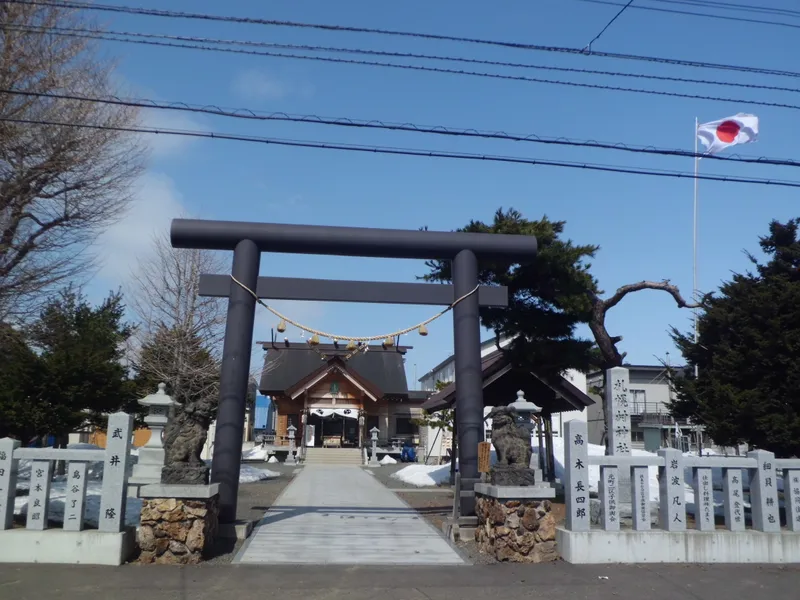
Sapporo-mura Jinja
Founded under a name it did not choose: refused permission to be called Sapporo Jinja because a shrine of the highest imperial rank already bore that name, it added the word “village”.
 Shrine
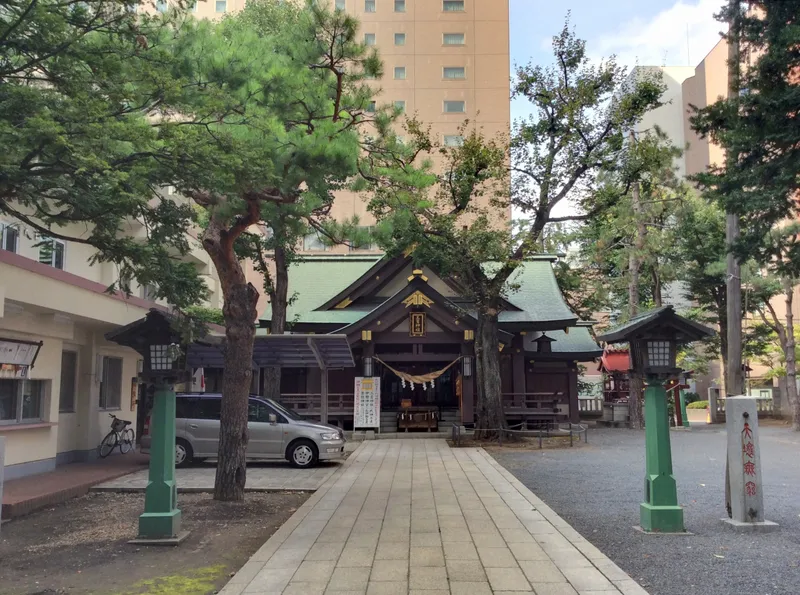
Sapporo Miyoshi Jinja
Begins in 1878 when Kimura Tōkichi, a man from Akita, enshrined a divided spirit of his home province’s Miyoshi Shrine on the east bank of the Toyohira river.
 Shrine
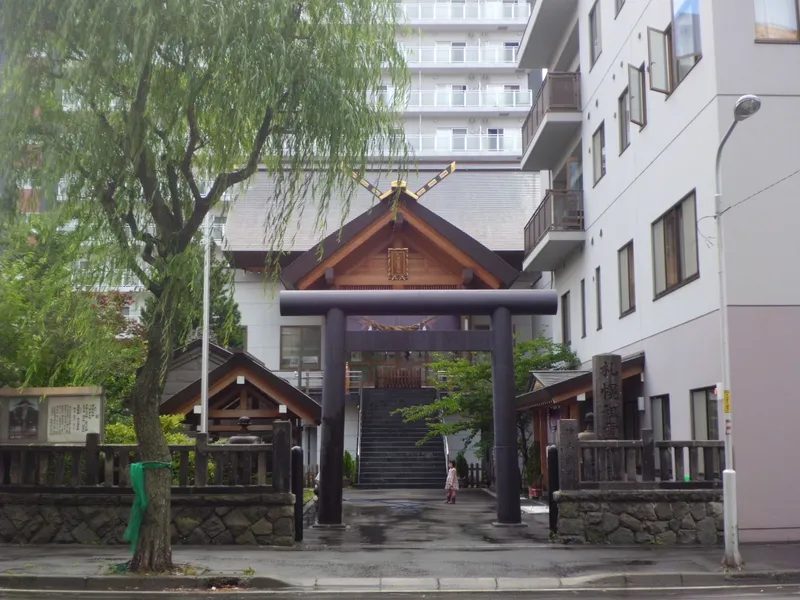
Sapporo Sorei Jinja
Begins in 1871 with a spirit shrine built at the entrance to a communal burial ground.
 Shrine
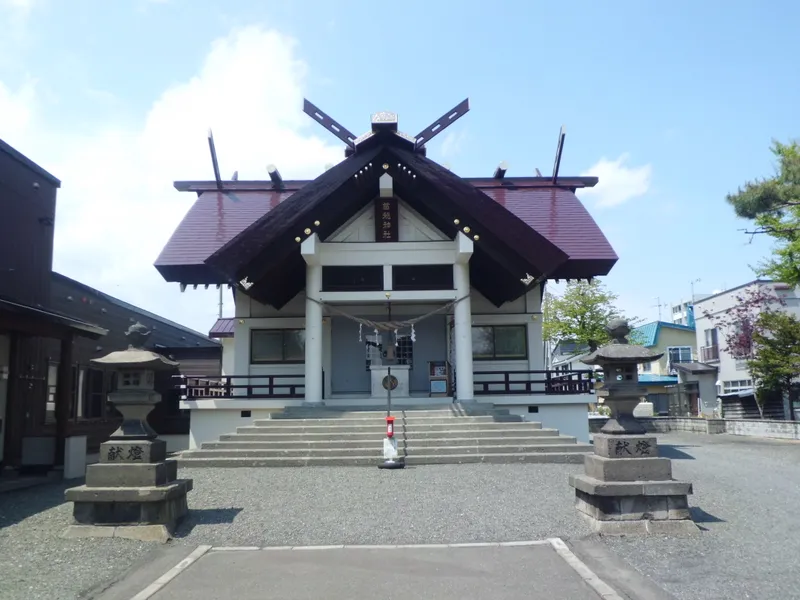
Naebo Jinja
The land settled in 1870 was called “Kōgo Village No. 1” before being named Naebo in 1871; the shrine followed in 1897 with a divided spirit of Sukunahikona from Sapporo Jinja.
 Shrine
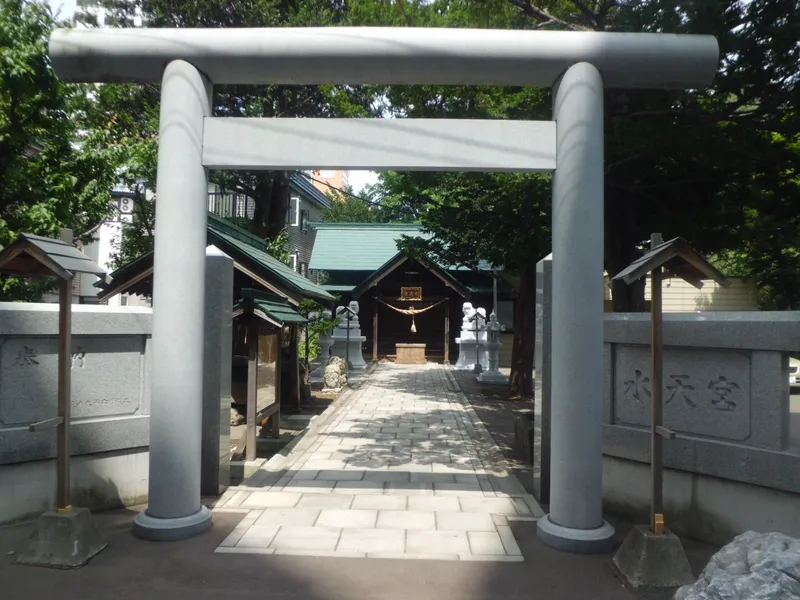
Sapporo Suitengu
Begins in 1884 when Mizuno Genshirō, a former retainer of the Kurume domain, carried a divided spirit north from the head shrine of Suitengu at Kurume in Kyushu; it is Japan’s thirty-ninth branch shrine.
 Shrine
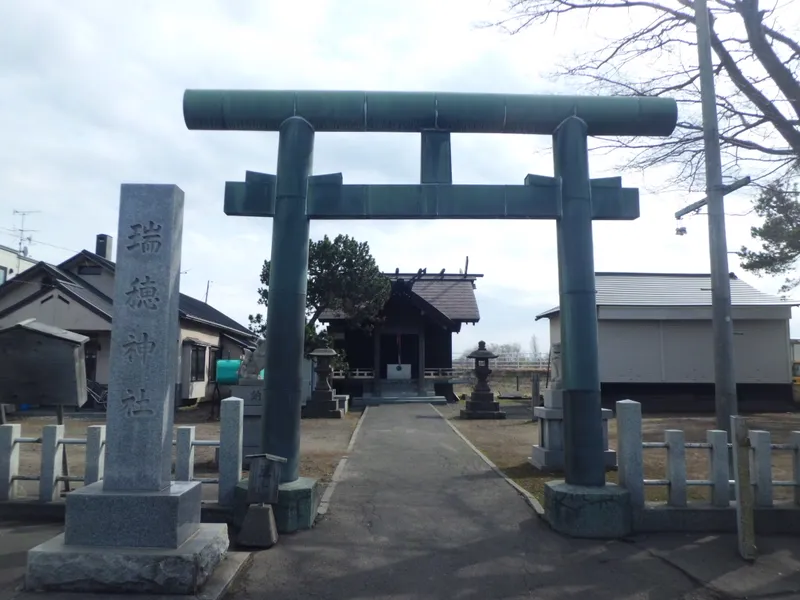
Mizuho Jinja
Begins with a divided spirit of Sapporo Miyoshi Jinja enshrined in a shrine of less than one tsubo.
 Shrine
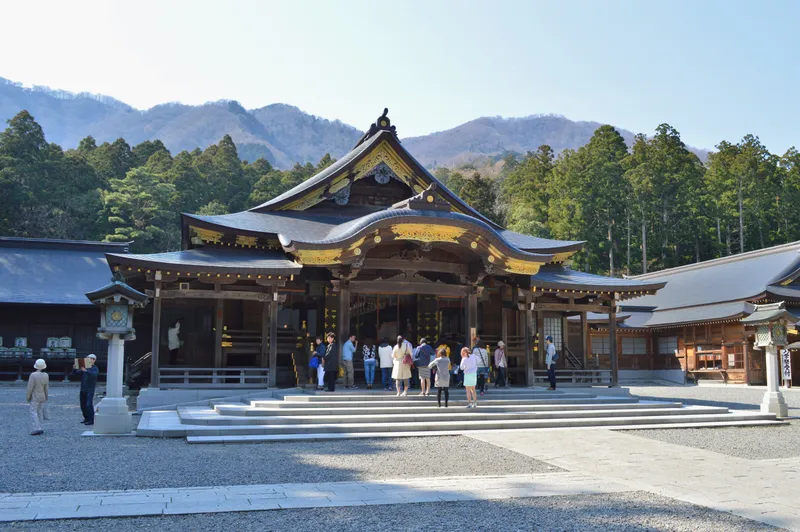
Iyahiko Jinja
A shrine with two parents: a divided spirit of Echigo’s first shrine, Yahiko, enshrined in 1912, and another received from Dazaifu Tenmangu in 1970.
 Shrine
Sapporo Gokoku Jinja
Begins with rites for the colonial militia who died in the fighting or of illness in the campaign of 1877, and enshrines 25,548 spirits.
No places match your filters