Ōkuninushi (大国主命)
The deity of Izumo Taisha, associated with country-building and with the tying of bonds.
Ōkuninushi, also called Ōnamuchi, is the deity enshrined at Izumo Taisha in Shimane. In the myths he descends from Susanoo, and with Sukunahikona he advances the building of the country, giving knowledge of agriculture, fishing, medicine and industry; the Izumo Fudoki calls him the great deity who made the land under heaven. He is widely associated with musubi, the tying of bonds, and shrines that enshrine him often carry that association for relationships of every kind rather than for couples alone.
AI-assisted research. Check official sources before you travel.About
24 placesOpen in the full map
Places in this collection
 Shrine
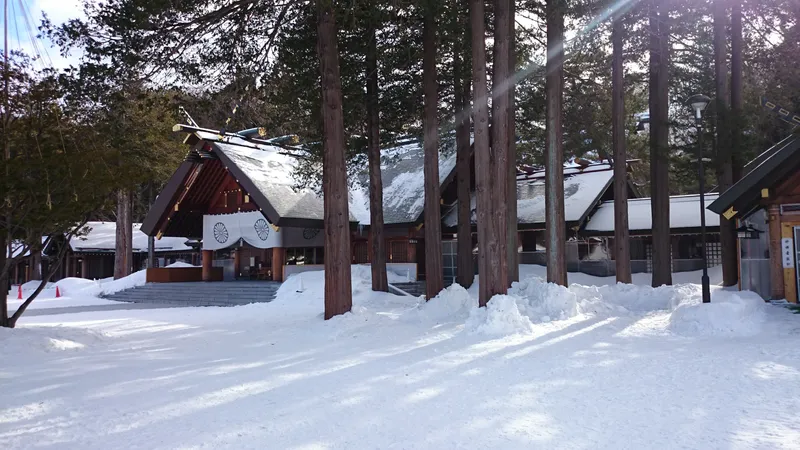
Hokkaido Jingu
A shrine that begins with three deities enshrined in Tokyo in 1869, shipped to Hakodate, and carried the rest of the way to Sapporo on the back of the colonisation magistrate Shima Yoshitake.
 Shrine
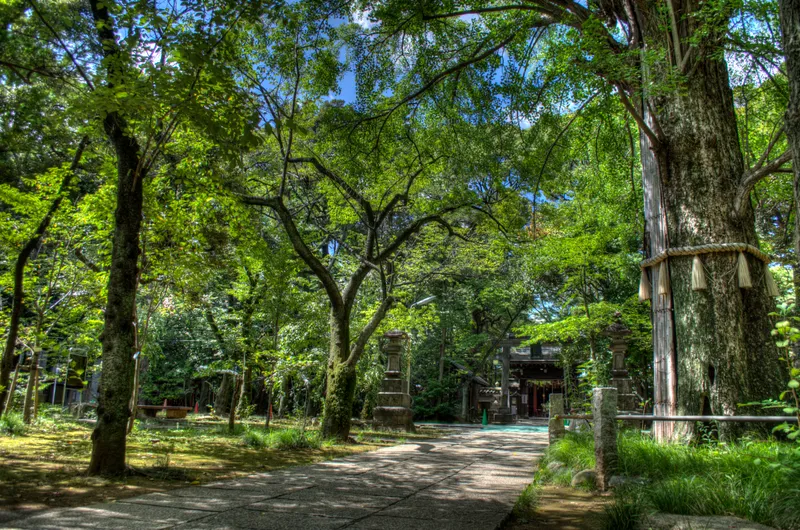
Akasaka Hikawa Shrine
- Family & Home
- Love & Romance
- Money & Prosperity
A Minato shrine founded in 951 whose Edo-period buildings survived both the earthquake and the war, known for warding off misfortune and for the tying of bonds, and the shrine explains why it is known for each.
 Shrine
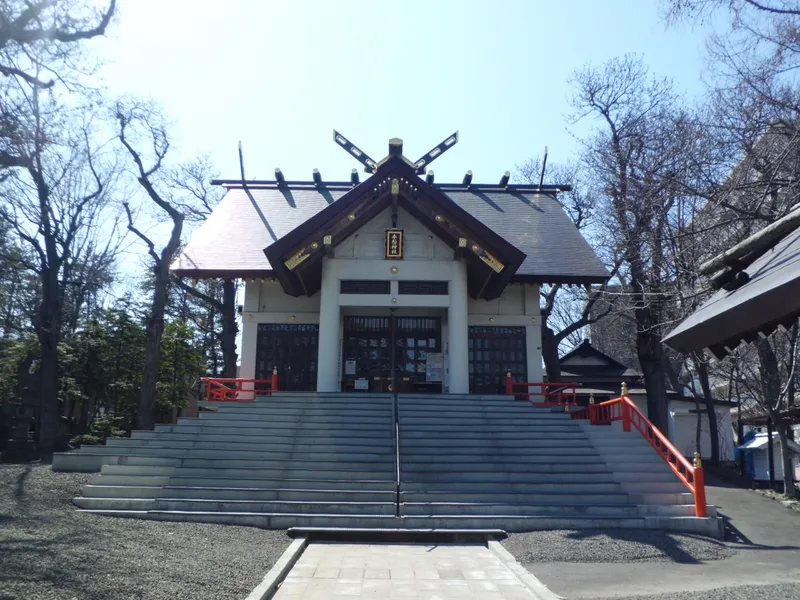
Teine Jinja
Began when 250 households, unable to reach Sapporo Jinja in winter or at harvest, petitioned for a place to worship it from a distance — and later became a shrine itself.
 Shrine
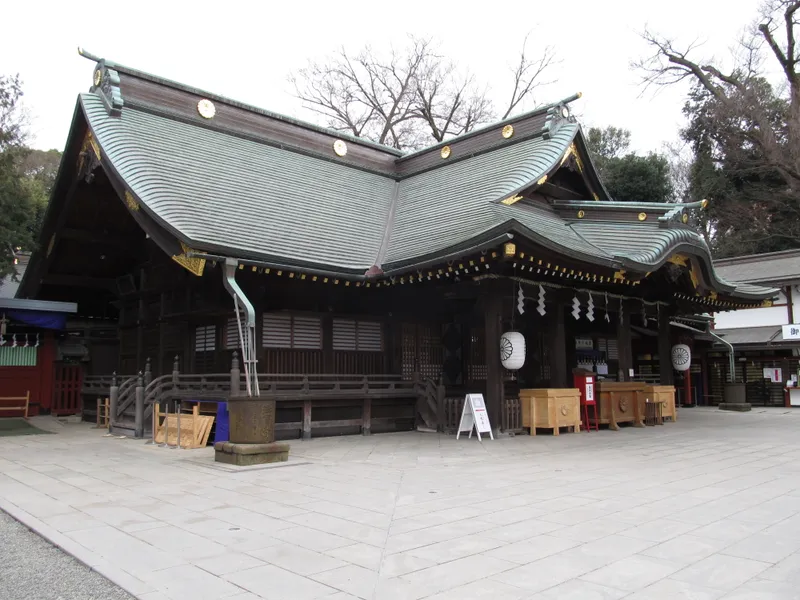
Okunitama Shrine
- Money & Prosperity
- Protection & Safety
- Bonds & Matchmaking
The provincial shrine of old Musashi, in Fuchu, which dates its founding to 111 and enshrines a deity it identifies with Ōkuninushi of Izumo.
 Shrine
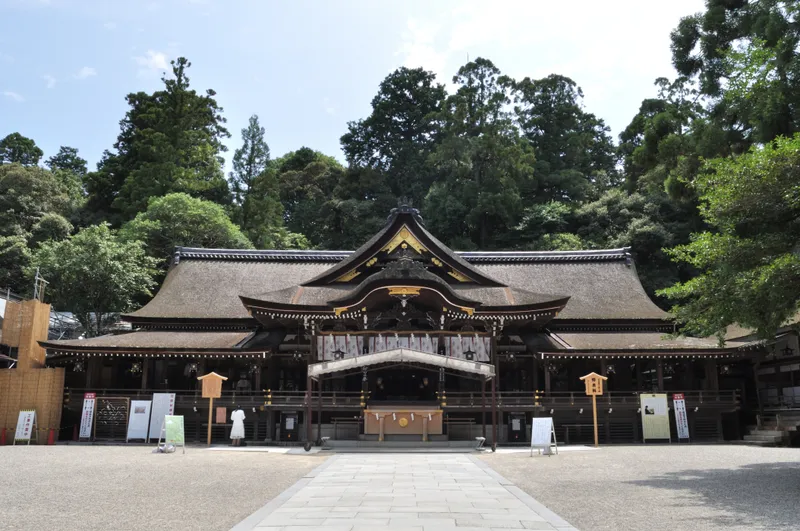
Omiwa Jinja
- Protection & Safety
It has no main hall, because its deity dwells in Mount Miwa — prayer is offered to the mountain directly, in the form worship took before shrine buildings existed.
 Shrine
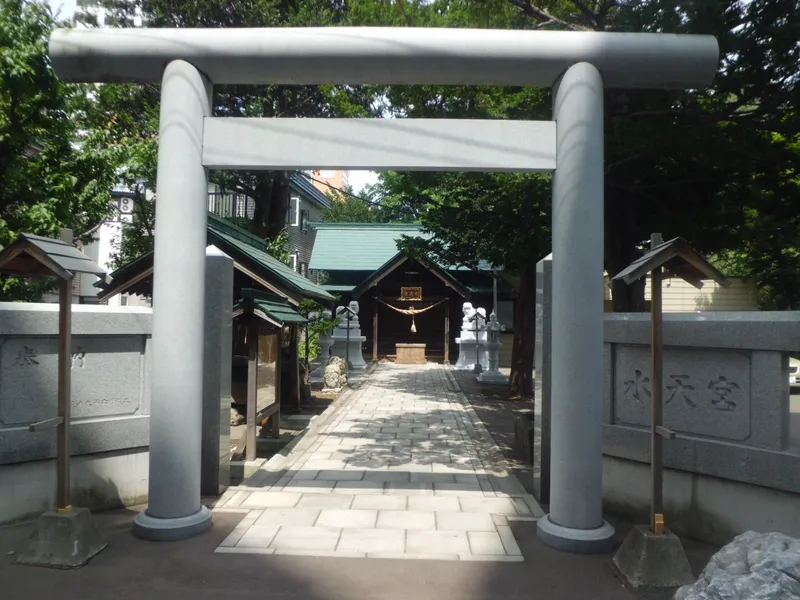
Sapporo Suitengu
Begins in 1884 when Mizuno Genshirō, a former retainer of the Kurume domain, carried a divided spirit north from the head shrine of Suitengu at Kurume in Kyushu; it is Japan’s thirty-ninth branch shrine.
 Shrine
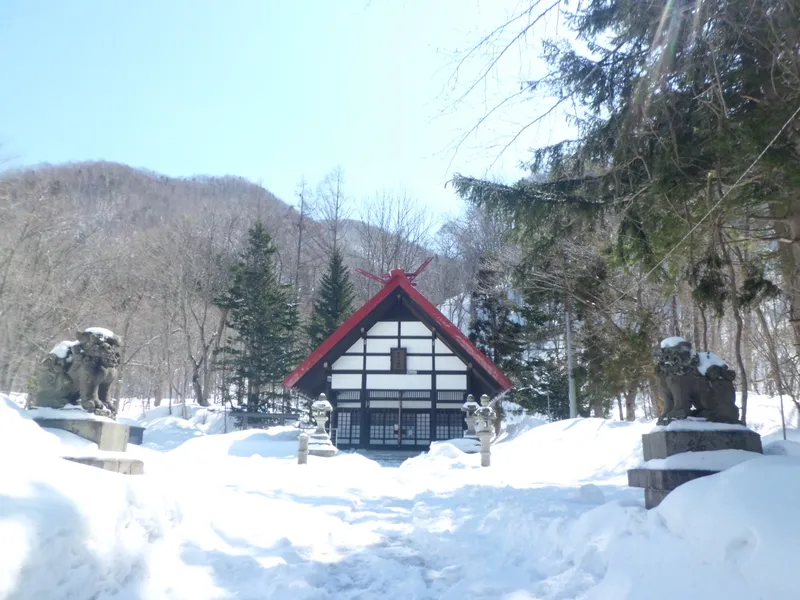
Jozankei Jinja
Enshrines Bisen Jozan — the man who found the hot spring and gave this valley its name — as the deity Bisen Jozan no Mikoto.
 Shrine
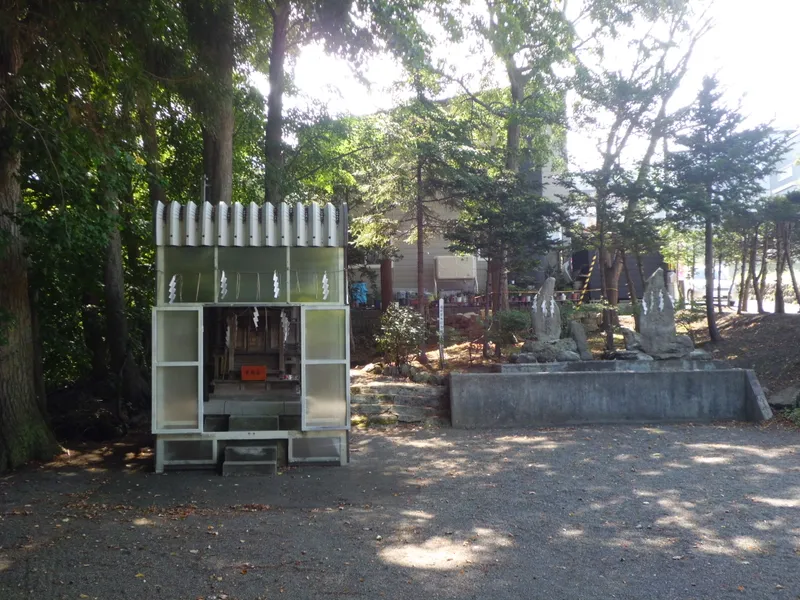
Maruyama-nishimachi Jinja
Its hall is the shrine that once stood on the roof of the Hokkaido Takushoku Bank’s head office, handed over in 1951.
 Shrine
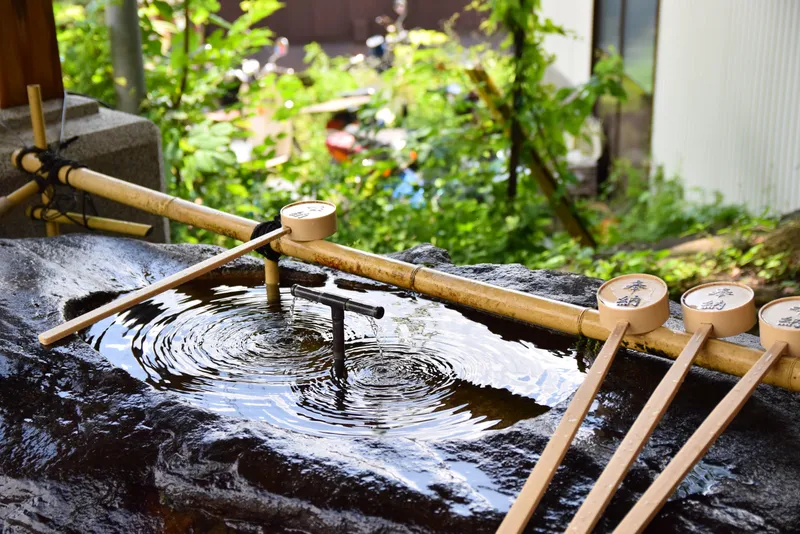
Musashi Mitake Shrine
- Protection & Safety
A mountain shrine above Ome whose guardian is a wolf, long turned to against theft and evil, and where dogs are now blessed year-round.
 Shrine
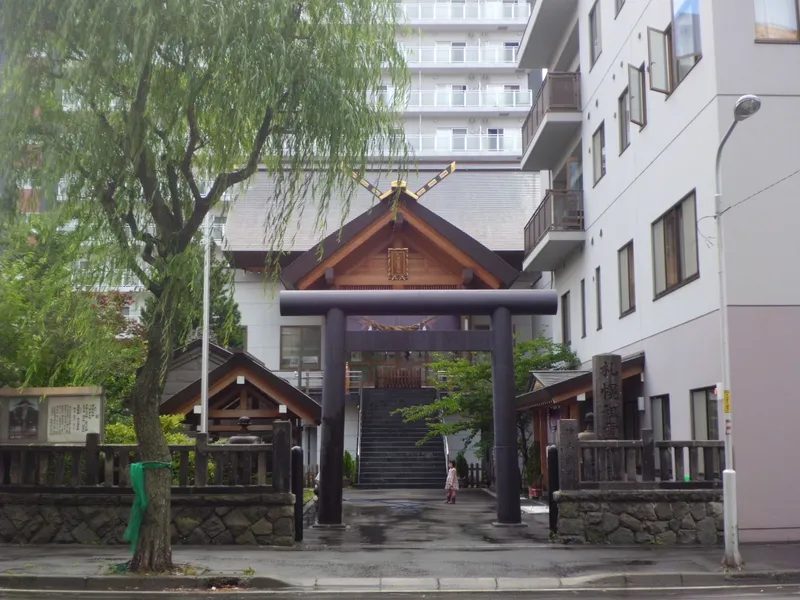
Sapporo Sorei Jinja
Begins in 1871 with a spirit shrine built at the entrance to a communal burial ground.
 Shrine
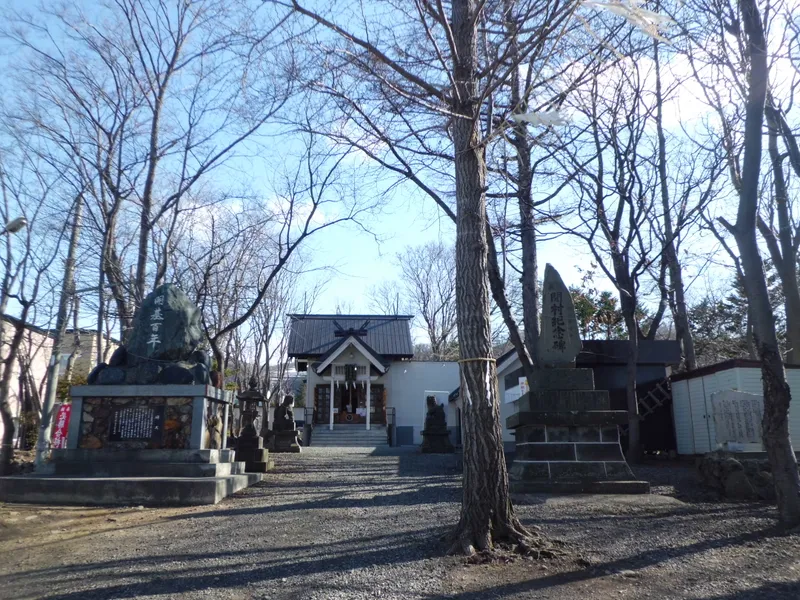
Hoshioki Jinja
Begins in 1887, when settlers gathered from Hiroshima, Yamaguchi, Toyama and Aomori raised a small wooden shrine as something to hold in common through hardship and ease alike.
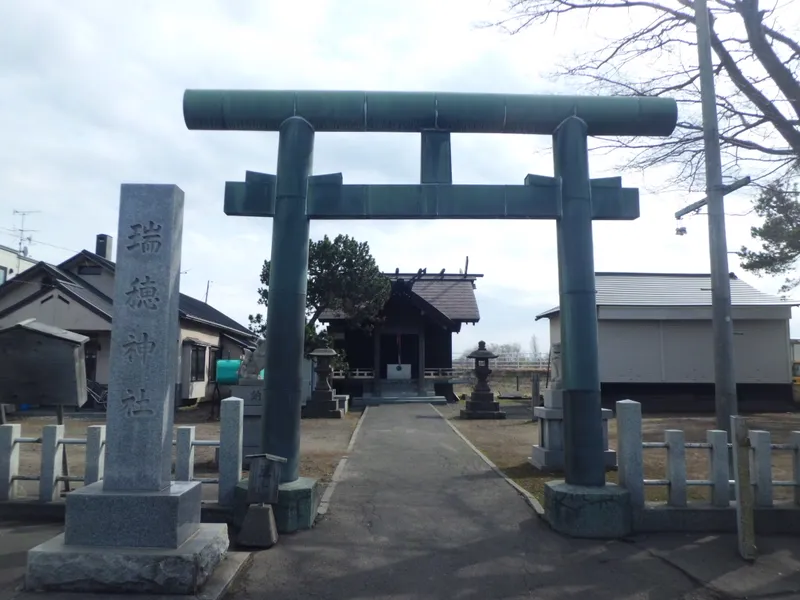 Shrine
Mizuho Jinja
Begins with a divided spirit of Sapporo Miyoshi Jinja enshrined in a shrine of less than one tsubo.
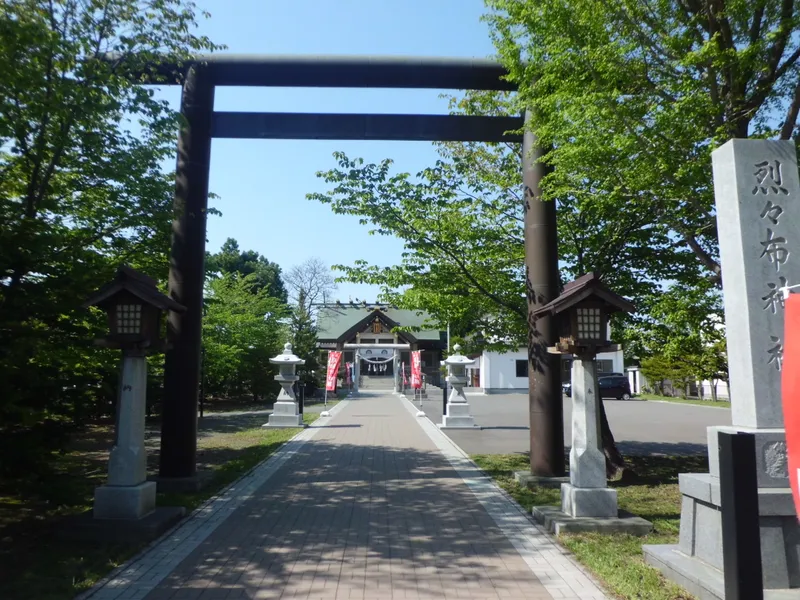 Shrine
Reppupu Jinja
Named after its village, and in 1893 given three divided deities from Miyoshi Jinja in Sapporo.
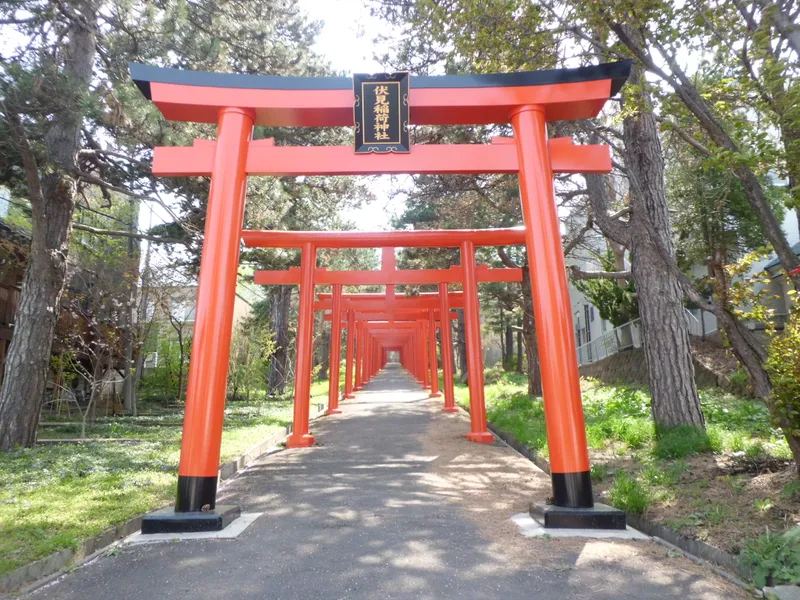 Shrine
Sapporo Fushimi Inari Jinja
- Career & Work
- Money & Prosperity
Begins in 1884 with a divided spirit brought from Fushimi Inari Taisha in Kyoto, and holds its deity to be the progenitor of food, clothing and shelter, and guardian of harvests, industry and trade.
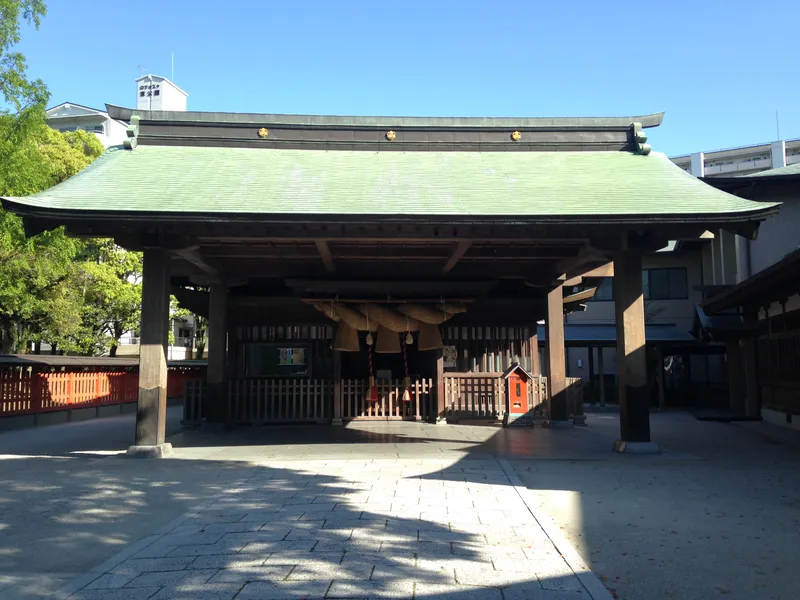 Shrine
Tooka Ebisu Shrine
- Family & Home
- Love & Romance
- Money & Prosperity
It began when a man walking home from Kashiigu and Hakozakigu picked an image of Ebisu up off the tide line, and a hall was built for it on the tenth day of the first month the following year.
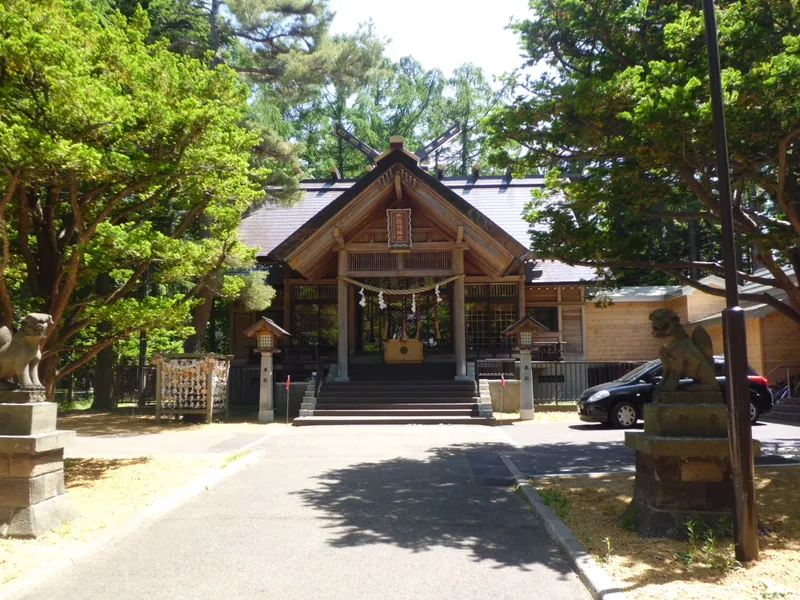 Shrine
Oyachi Jinja
Begins in 1884 with the forming of a founding representatives’ council, which took thirteen more years to reach a completion notice.
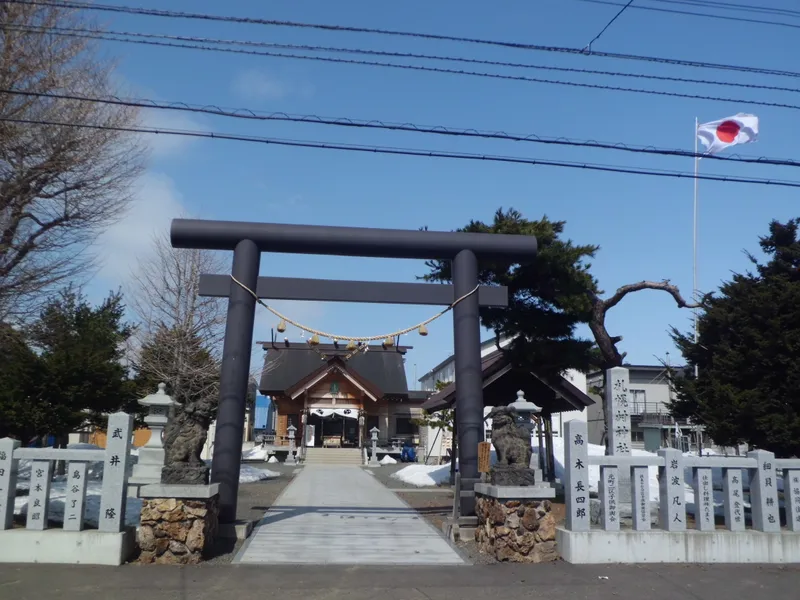 Shrine
Sapporo-mura Jinja
Founded under a name it did not choose: refused permission to be called Sapporo Jinja because a shrine of the highest imperial rank already bore that name, it added the word “village”.
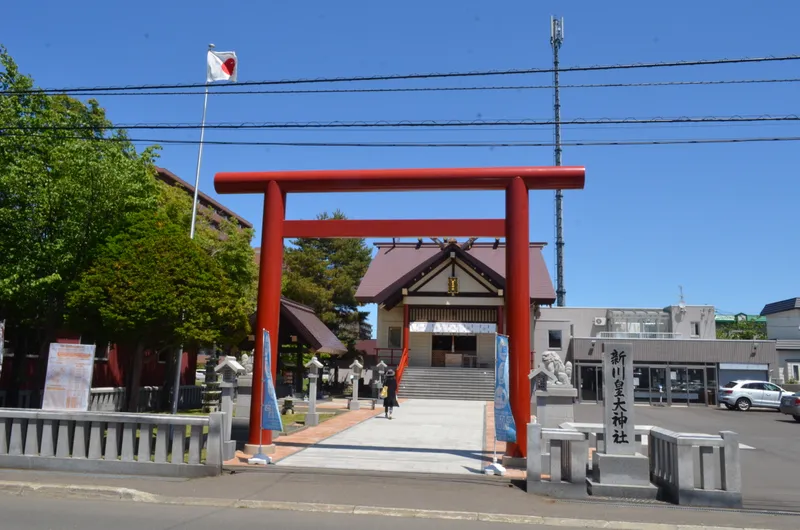 Shrine
Shinkawa Kotai Jinja
A shrine whose history records that seven promoters and thirty-seven parishioners served at its enshrinement rite in 1908.
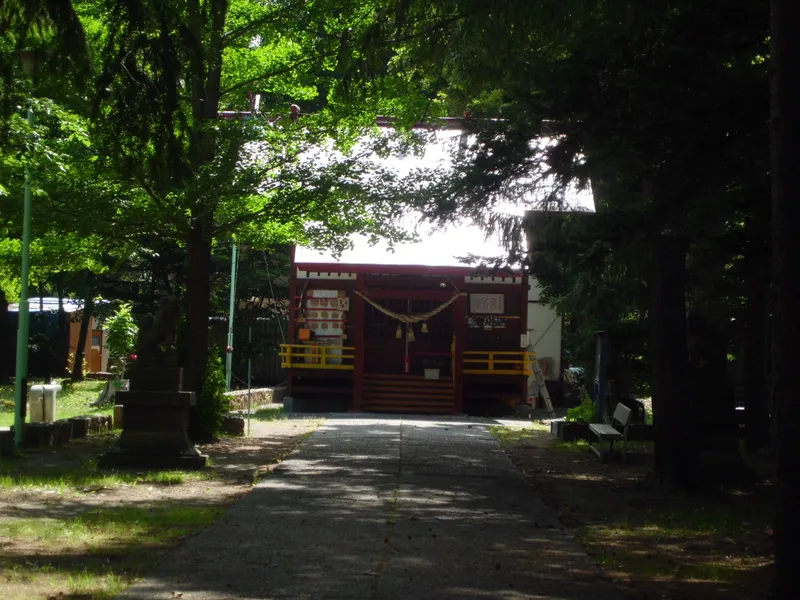 Shrine
Hanaoka Jinja
A shrine whose own record of its founding is written as a guess — “probably”, “it seems”.
 Shrine
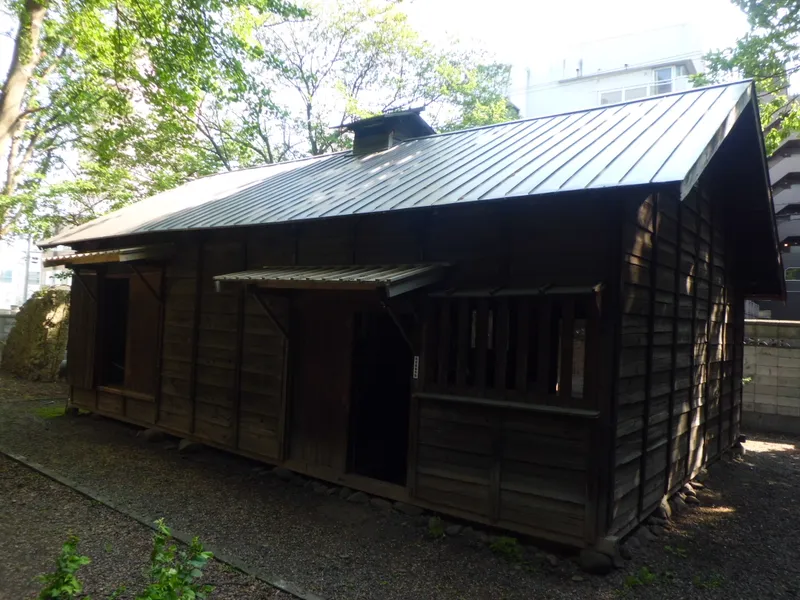
Kotoni Jinja
Founded by the 240 households of Hokkaido’s first farmer-soldiers, who gave their old domain’s founder a god’s name and built the shrine under it.
 Shrine
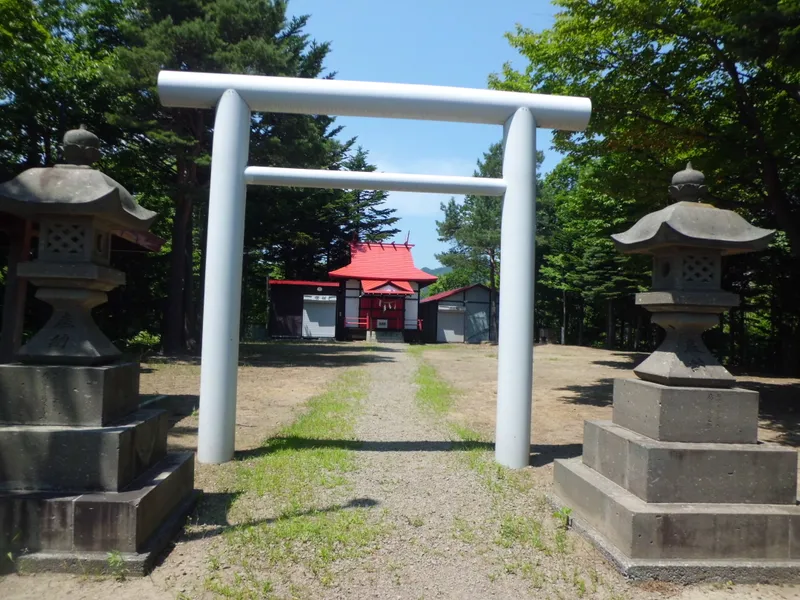
Sapporo Fujino Jinja
Begins in September 1961 when the people of the Nonozawa district raised a wooden marker post; a hall followed eleven years later.
 Shrine
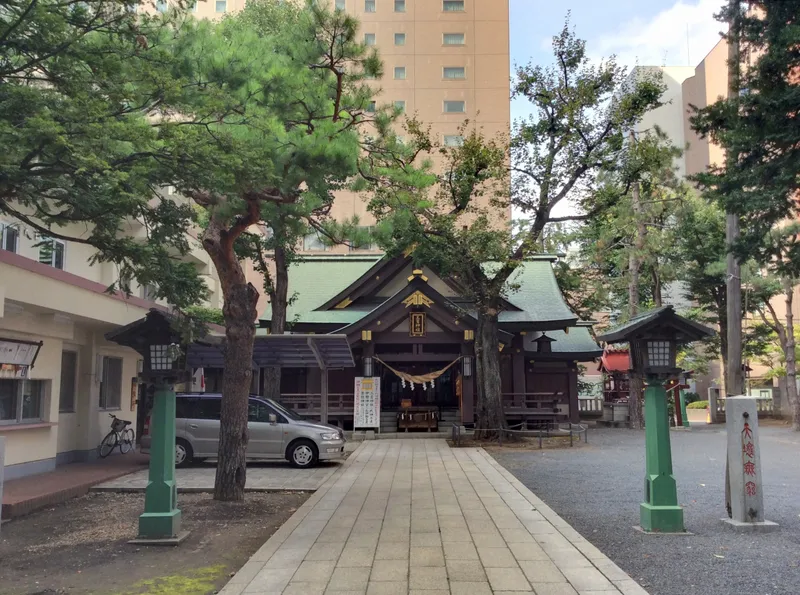
Sapporo Miyoshi Jinja
Begins in 1878 when Kimura Tōkichi, a man from Akita, enshrined a divided spirit of his home province’s Miyoshi Shrine on the east bank of the Toyohira river.
 Shrine
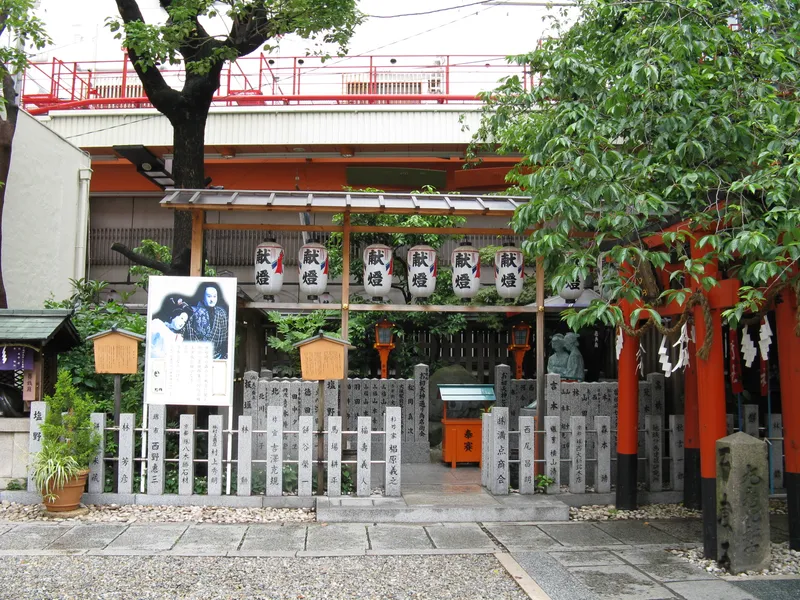
Tsuyu no Tenjinsha
- Exams & Study
- Health & Healing
- Love & Romance
An old shrine of thirteen centuries whose grove was the scene of the double suicide behind Chikamatsu’s play, and where people now come to ask for love to come true.
 Shrine
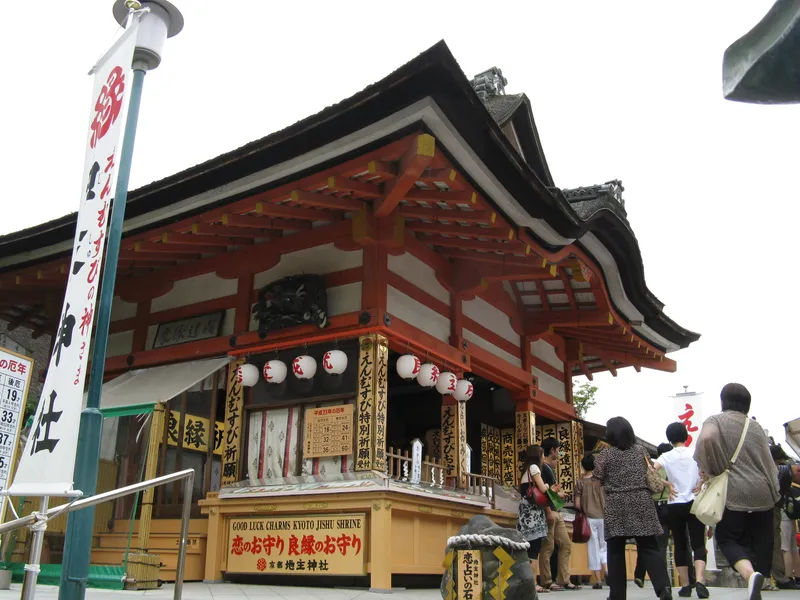
Jishu Jinja
- Love & Romance
A shrine to Okuninushi, the deity of matchmaking — currently closed for restoration of its buildings and grounds.