Oyachi Jinja
Researched and translated with AI assistance. Every claim is linked to its source, but errors get through, so check the official site for opening times, fees and closures.About
In short
Begins in 1884 with the forming of a founding representatives’ council, which took thirteen more years to reach a completion notice.
Quick facts
- Address
- 2-2-1 Oyachi-nishi, Atsubetsu-ku, Sapporo, Hokkaido
- Spiritual entities
- Ōkuninushi (大国主命)
About this place
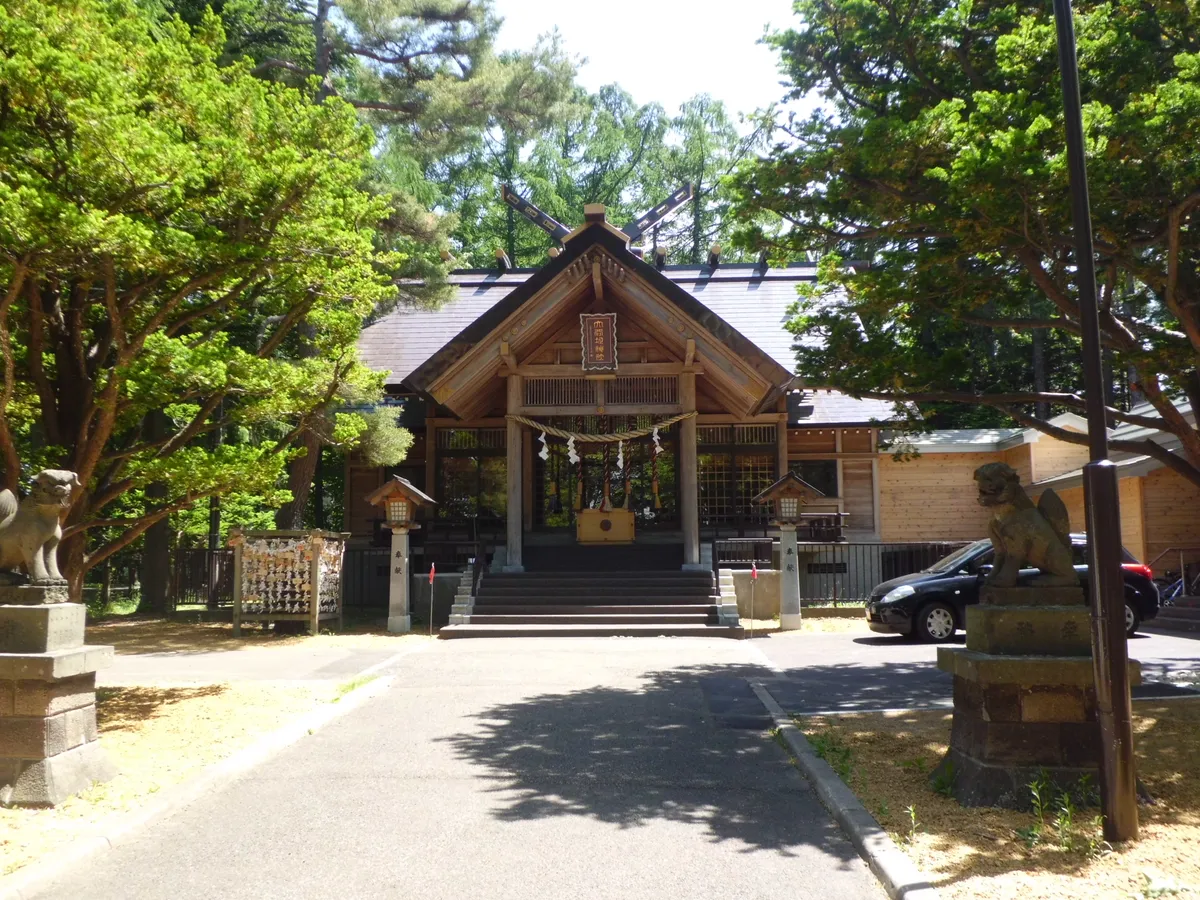
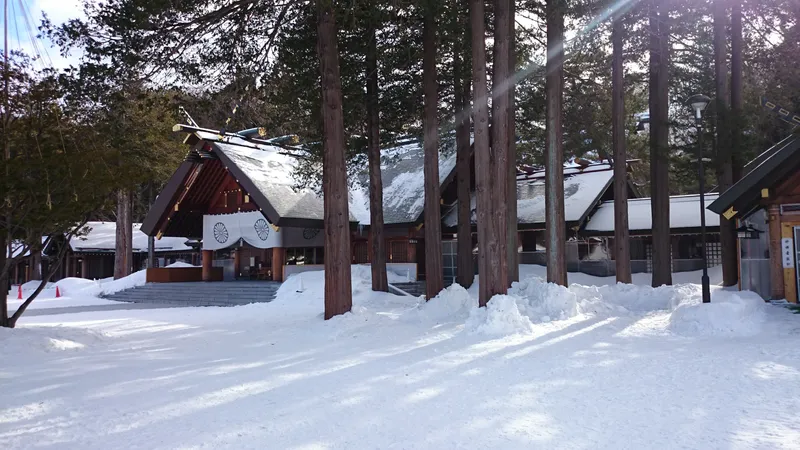
Oyachi Jinja stands in Atsubetsu-ku, Sapporo. Its deities are Okunitama, Onamuchi and Sukunahikona. In 1884 a founding representatives’ council was formed; revering the deity as the everlasting guardian of the people of Oyachi and praying that the country be at peace and the people blessed, the members conferred together and submitted a petition to the prefectural office in 1897, becoming an unranked shrine. A notice of completed founding was submitted in 1900. In 1946 it became the religious corporation Oyachi Jinja, with Mitsuhashi Kichishirō as its first chief priest. A hall was built in 1974, and in August of that year the transfer rite and the offering rite were performed, as they stand today. The annual festival is 22 September, with the eve festival on 21 September. No benefit that may be prayed for is stated.
Origin and history
In 1884 a founding representatives’ council was formed; revering the deity as the everlasting guardian of the people of Oyachi and praying that the country be at peace and the people blessed, the members conferred together and submitted a petition to the prefectural office in 1897, becoming an unranked shrine.
A notice of completed founding was submitted in 1900.
In 1946 it became the religious corporation Oyachi Jinja, with Mitsuhashi Kichishirō as its first chief priest. A hall was built in 1974, and in August of that year the transfer rite and the offering rite were performed.
What it is locally associated with
A founding representatives’ council
In 1884 a founding representatives’ council was formed, and after conferring together the members submitted a petition to the prefectural office in 1897.
documented historyPraying the country be at peace
The deity was revered as the everlasting guardian of the people of Oyachi, with prayer that the country be at peace and the people blessed.
documented historyIncorporation and a first priest
In 1946 it became the religious corporation Oyachi Jinja, with Mitsuhashi Kichishirō as its first chief priest.
documented history
This shrine begins with a committee. In 1884 a founding representatives’ council was formed — not a god, not a building, but a body of people constituted to bring a shrine into being. The petition reached the prefectural office in 1897 and the notice of completion in 1900, sixteen years after the council first met.
Sapporo’s shrines begin variously with a god carried here, a god chosen here, an Ise confraternity, a wooden marker post, one man’s morning and evening worship. What stands at the start of this one is a council. Okadama Jinja in the same city likewise grew out of an association, but that was a body for going to worship; this was a body for founding.
What was prayed for is recorded too: revering the deity as the everlasting guardian of the people of Oyachi, and praying that the country be at peace and the people blessed. The district’s protection and a prayer for the country stand in one sentence.
Its three deities are those of Hokkaido Jingu’s colonisation trio — Okunitama, Onamuchi and Sukunahikona. But this shrine does not claim to have received a divided spirit from it. Shinkawa Kotai Jinja in the same city likewise holds those three without claiming descent: chosen rather than inherited.
Claims and evidence levels 2
- A founding representatives’ council was formed in 1884 and the notice of completed founding was submitted in 1900. documented history
- It became a religious corporation in 1946, with Mitsuhashi Kichishirō as its first chief priest. documented history
Related guides
- How to visit a shrine or temple in JapanThe country-wide basics: purifying at the water basin, the two-bows-two-claps-one-bow form at shrines, and what temples do instead.
- What a "power spot" actually isA modern Japanese coinage, not a traditional religious category. Where the word came from, what it does and does not claim, and why this site uses it anyway.
- Shrine or temple?A shrine is Shinto and a temple is Buddhist, and you can usually tell at the gate. Why the line is cleaner on paper than on the ground, and what a government order in 1868 has to do with it.
- Omamori, ema, omikuji and goshuinThe four things you are most likely to receive, write, draw or be given at a shrine or temple, what each is actually for, and the one of them people most often get wrong.
Sources
- 大谷地神社 — 北海道神社庁札幌支部 (accessed 2026-08-16)
Last updated:
Similar places
8 places
 Shrine
Mizuho Jinja
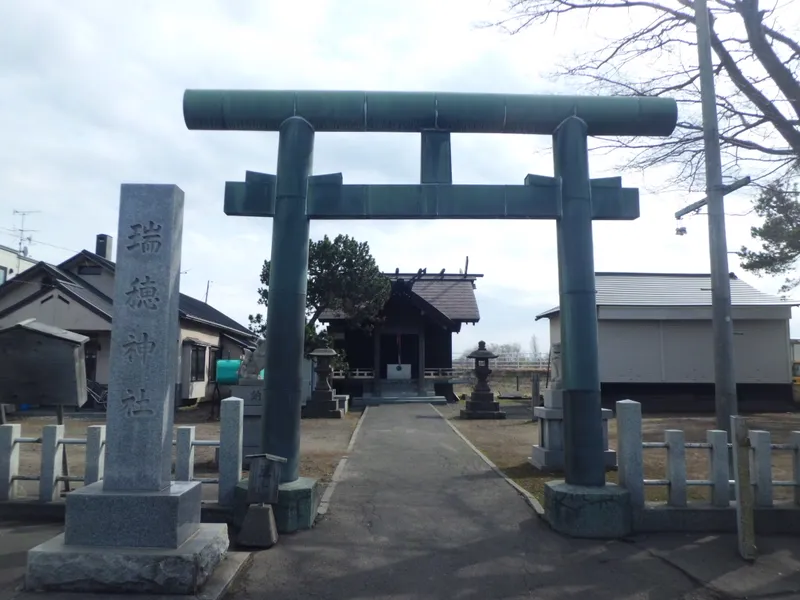
Begins with a divided spirit of Sapporo Miyoshi Jinja enshrined in a shrine of less than one tsubo.
 Shrine
Sapporo Suitengu
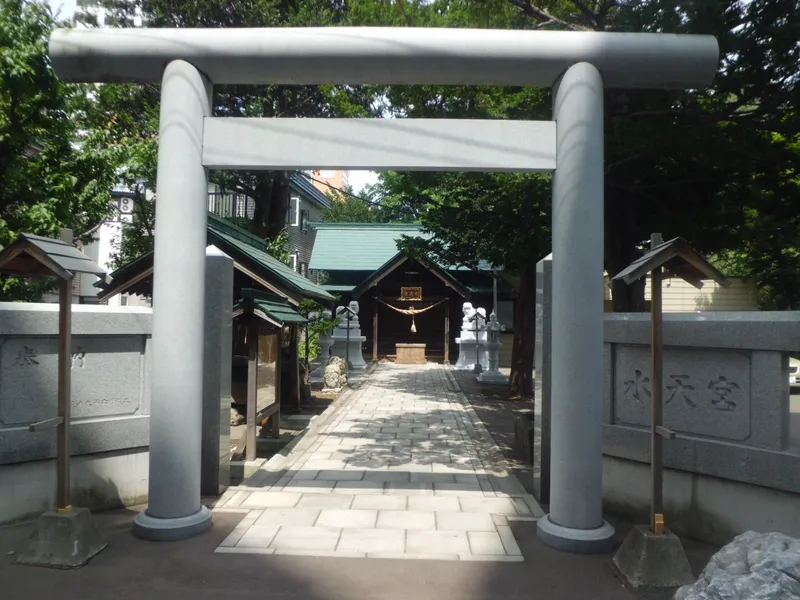
Begins in 1884 when Mizuno Genshirō, a former retainer of the Kurume domain, carried a divided spirit north from the head shrine of Suitengu at Kurume in Kyushu; it is Japan’s thirty-ninth branch shrine.
 Shrine
Sapporo Sorei Jinja
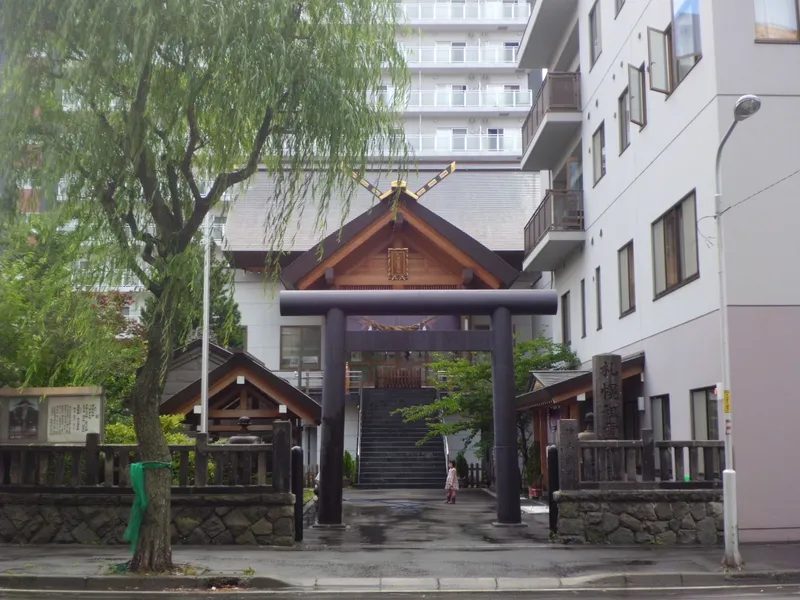
Begins in 1871 with a spirit shrine built at the entrance to a communal burial ground.
 Shrine
Sapporo-mura Jinja
Founded under a name it did not choose: refused permission to be called Sapporo Jinja because a shrine of the highest imperial rank already bore that name, it added the word “village”.
 Shrine
Sapporo Miyoshi Jinja
Begins in 1878 when Kimura Tōkichi, a man from Akita, enshrined a divided spirit of his home province’s Miyoshi Shrine on the east bank of the Toyohira river.
 Shrine
Sapporo Fushimi Inari Jinja
- Career & Work
- Money & Prosperity
Begins in 1884 with a divided spirit brought from Fushimi Inari Taisha in Kyoto, and holds its deity to be the progenitor of food, clothing and shelter, and guardian of harvests, industry and trade.
 Shrine
Maruyama-nishimachi Jinja
Its hall is the shrine that once stood on the roof of the Hokkaido Takushoku Bank’s head office, handed over in 1951.
 Shrine
Hokkaido Jingu
A shrine that begins with three deities enshrined in Tokyo in 1869, shipped to Hakodate, and carried the rest of the way to Sapporo on the back of the colonisation magistrate Shima Yoshitake.
No places match your filters