Jozankei Jinja
Researched and translated with AI assistance. Every claim is linked to its source, but errors get through, so check the official site for opening times, fees and closures.About
In short
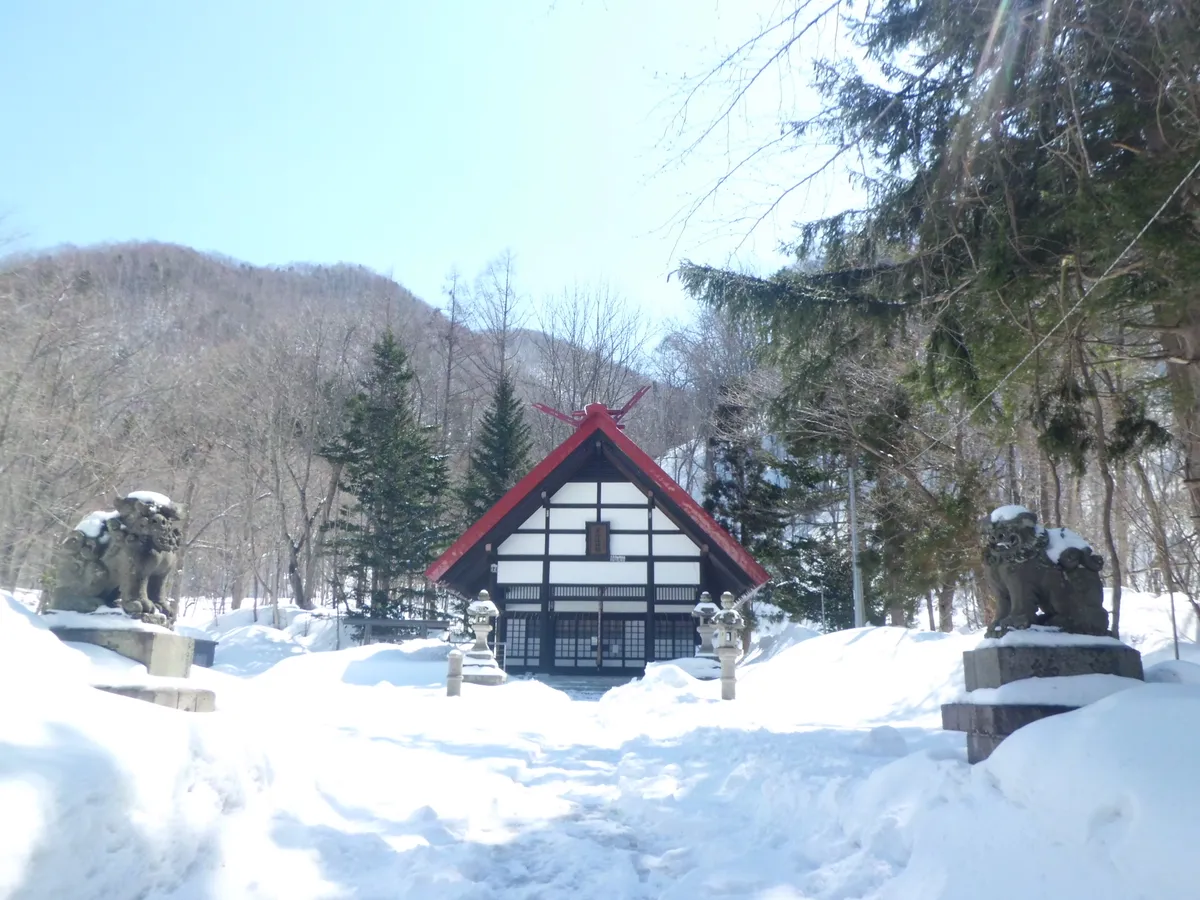
Enshrines Bisen Jozan — the man who found the hot spring and gave this valley its name — as the deity Bisen Jozan no Mikoto.
Quick facts
- Address
- 3-218 Jozankei-onsen, Minami-ku, Sapporo, Hokkaido
- Spiritual entities
- Ōkuninushi (大国主命)
About this place
Jozankei Jinja stands at Jozankei hot spring in Minami-ku, Sapporo. Its deities are Onamuchi, Sukunahikona, Oyamatsumi, Mizuhanome, Kanayamahiko and Bisen Jozan no Mikoto. It was founded on 6 September 1911. On 20 June 1953, after the war, the parish representatives met at the Shika-no-yu Club to discuss establishing a religious corporation, and registration as the religious corporation Jozankei Jinja was completed on 8 June 1956. Bisen Jozan was born in Okayama on the seventh day of the first month of 1815, crossed to Hokkaido in 1856, and came to this place in 1868, where he found the hot spring rising. In 1871 the Colonisation Commission appointed him keeper of the spring; he named this place Jozankei, provided for the convenience of bathers, and is the benefactor who laid the foundation of Jozankei’s settlement. The annual festival is 10 September. No benefit that may be prayed for is stated.
Origin and history
The shrine was founded on 6 September 1911.
Bisen Jozan was born in Okayama in 1815, crossed to Hokkaido in 1856, and came to this place in 1868, where he found the hot spring rising. In 1871 the Colonisation Commission appointed him keeper of the spring; he named this place Jozankei, provided for the convenience of bathers, and is the benefactor who laid the foundation of Jozankei’s settlement.
On 20 June 1953 the parish representatives met at the Shika-no-yu Club to discuss establishing a religious corporation, and registration was completed on 8 June 1956.
What it is locally associated with
He found the spring and named the valley
Bisen Jozan came here in 1868 and found the hot spring rising; in 1871 the Colonisation Commission appointed him keeper of the spring and he named this place Jozankei.
documented historyEnshrined as Bisen Jozan no Mikoto
The deities are Onamuchi, Sukunahikona, Oyamatsumi, Mizuhanome, Kanayamahiko and Bisen Jozan no Mikoto.
documented historyA meeting at the Shika-no-yu Club
On 20 June 1953 the parish representatives met at the Shika-no-yu Club, and registration as a religious corporation was completed on 8 June 1956.
documented history
The name of this place is the name of a man. Bisen Jozan came here in 1868 and found the hot spring rising; in 1871 the Colonisation Commission made him keeper of the spring, and he named this place Jozankei — Jozan’s valley. He found it, was given charge of it, and gave it his own name. He now stands among the shrine’s deities as Bisen Jozan no Mikoto.
This is the second time a person is enshrined as a god in Sapporo, and it runs the opposite way from the first. Kotoni Jinja gave Date Shigezane, founder of the old Watari domain, the name Takehaya-chio-no-kami — the lord of the place its settlers had left. This shrine deifies the man who made the place they arrived at. Reverence carried in, against reverence that began here.
The six deities follow the work of this ground: Onamuchi and Sukunahikona, Oyamatsumi of the mountains, Mizuhanome of water, Kanayamahiko of metals, and Bisen Jozan. A fitting company for a valley where hot water rises.
Even the path to incorporation is concrete. On 20 June 1953 the parish representatives met at the Shika-no-yu Club and discussed establishing a religious corporation, the shrine records. Few histories on this list preserve the name of the room where the meeting was held.
Claims and evidence levels 2
- Bisen Jozan found the hot spring here in 1868, was appointed its keeper in 1871, and named the place Jozankei. documented history
- He is enshrined among the shrine’s deities as Bisen Jozan no Mikoto. documented history
Related guides
- How to visit a shrine or temple in JapanThe country-wide basics: purifying at the water basin, the two-bows-two-claps-one-bow form at shrines, and what temples do instead.
- What a "power spot" actually isA modern Japanese coinage, not a traditional religious category. Where the word came from, what it does and does not claim, and why this site uses it anyway.
- Shrine or temple?A shrine is Shinto and a temple is Buddhist, and you can usually tell at the gate. Why the line is cleaner on paper than on the ground, and what a government order in 1868 has to do with it.
- Omamori, ema, omikuji and goshuinThe four things you are most likely to receive, write, draw or be given at a shrine or temple, what each is actually for, and the one of them people most often get wrong.
Sources
- 定山渓神社 — 北海道神社庁札幌支部 (accessed 2026-08-16)
Last updated:
Similar places
8 places
 Shrine
Hanaoka Jinja
A shrine whose own record of its founding is written as a guess — “probably”, “it seems”.
 Shrine
Sapporo Fujino Jinja
Begins in September 1961 when the people of the Nonozawa district raised a wooden marker post; a hall followed eleven years later.
 Shrine
Maruyama-nishimachi Jinja
Its hall is the shrine that once stood on the roof of the Hokkaido Takushoku Bank’s head office, handed over in 1951.
 Shrine
Sapporo Fushimi Inari Jinja
- Career & Work
- Money & Prosperity
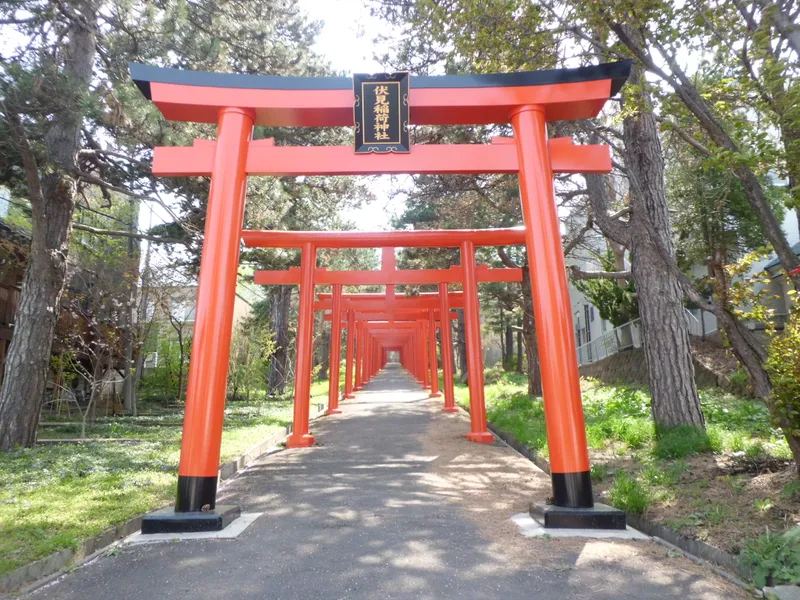
Begins in 1884 with a divided spirit brought from Fushimi Inari Taisha in Kyoto, and holds its deity to be the progenitor of food, clothing and shelter, and guardian of harvests, industry and trade.
 Shrine
Hokkaido Jingu
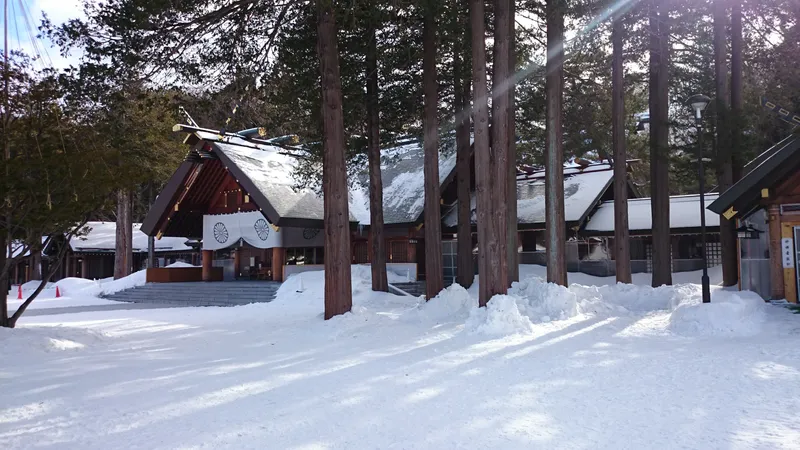
A shrine that begins with three deities enshrined in Tokyo in 1869, shipped to Hakodate, and carried the rest of the way to Sapporo on the back of the colonisation magistrate Shima Yoshitake.
 Shrine
Kotoni Jinja
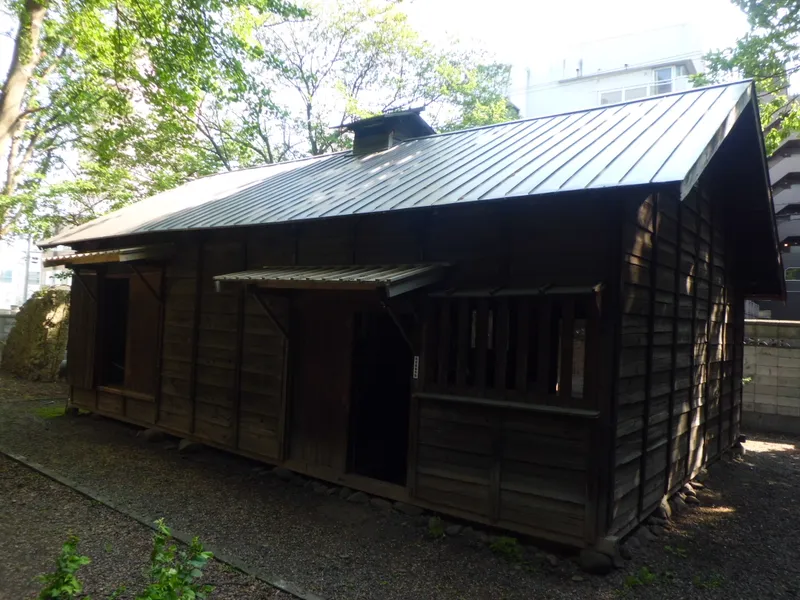
Founded by the 240 households of Hokkaido’s first farmer-soldiers, who gave their old domain’s founder a god’s name and built the shrine under it.
 Shrine
Sapporo Sorei Jinja
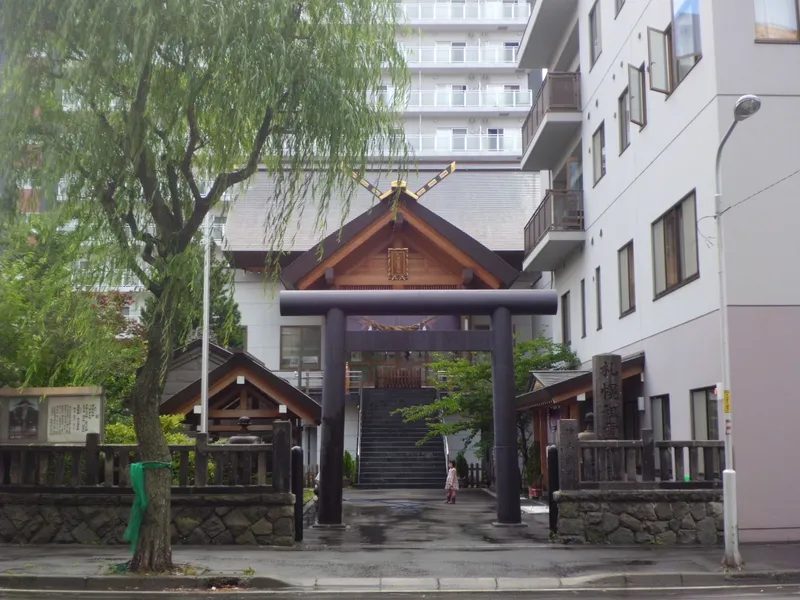
Begins in 1871 with a spirit shrine built at the entrance to a communal burial ground.
 Shrine
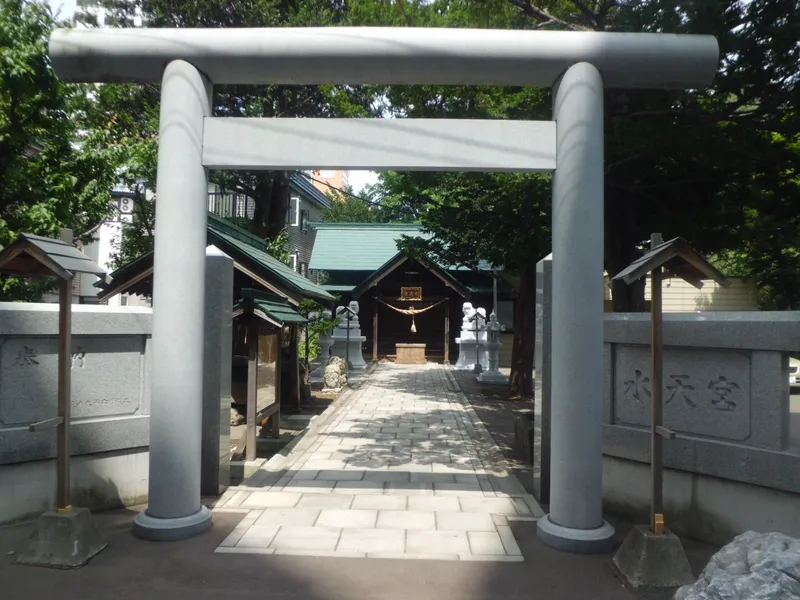
Sapporo Suitengu
Begins in 1884 when Mizuno Genshirō, a former retainer of the Kurume domain, carried a divided spirit north from the head shrine of Suitengu at Kurume in Kyushu; it is Japan’s thirty-ninth branch shrine.
No places match your filters