Amaterasu Ōmikami (天照大御神)
The sun deity of Shinto, enshrined at Ise and at shrines that branch from it.
Amaterasu is the sun deity of Shinto and the deity of the inner shrine at Ise. Shrines that allow worship of the Ise deities away from Ise itself are found across Japan; Tokyo Daijingu was founded in 1880 for exactly that purpose and is still called "Tokyo's O-Ise-sama". Where Amaterasu is enshrined, the deity of the outer shrine, Toyouke, is often enshrined alongside.
AI-assisted research. Check official sources before you travel.About
23 placesOpen in the full map
Places in this collection
 Shrine
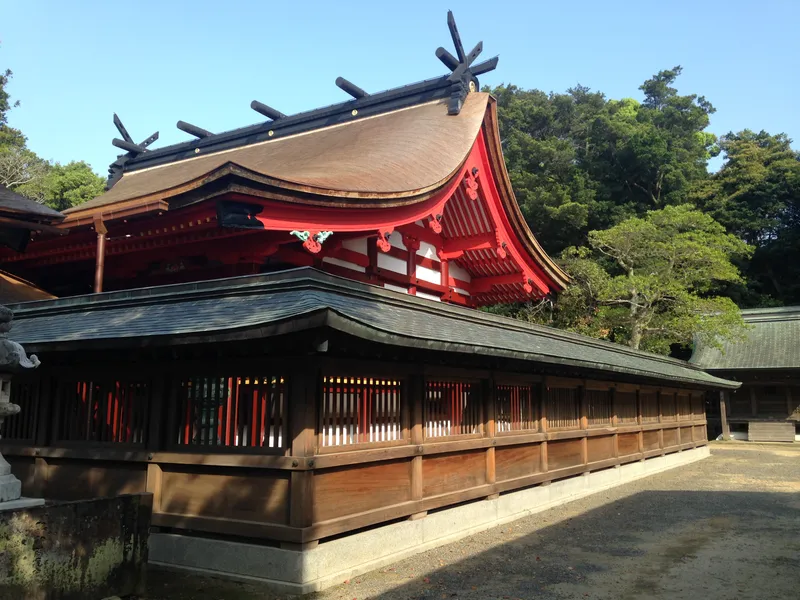
Munakata Taisha
Three goddesses, daughters of Amaterasu, enshrined across three halls, with some eighty thousand national treasures excavated from the island of Okinoshima confirming traces of state ritual.
 Shrine
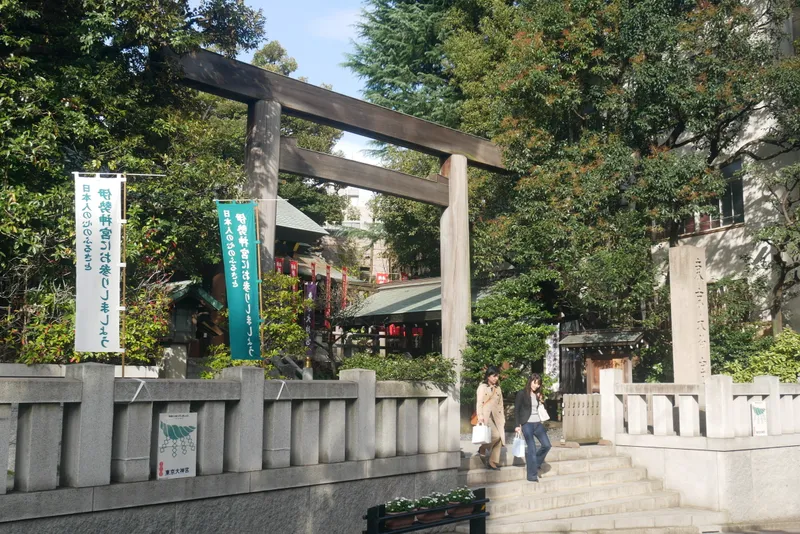
Tokyo Daijingu
- Family & Home
- Love & Romance
- Money & Prosperity
A Chiyoda shrine founded in 1880 as a Tokyo branch of Ise, known as "Tokyo's O-Ise-sama" and visited above all for prayers about relationships, an association the shrine itself explains through the three deities of creation enshrined here.
 Shrine
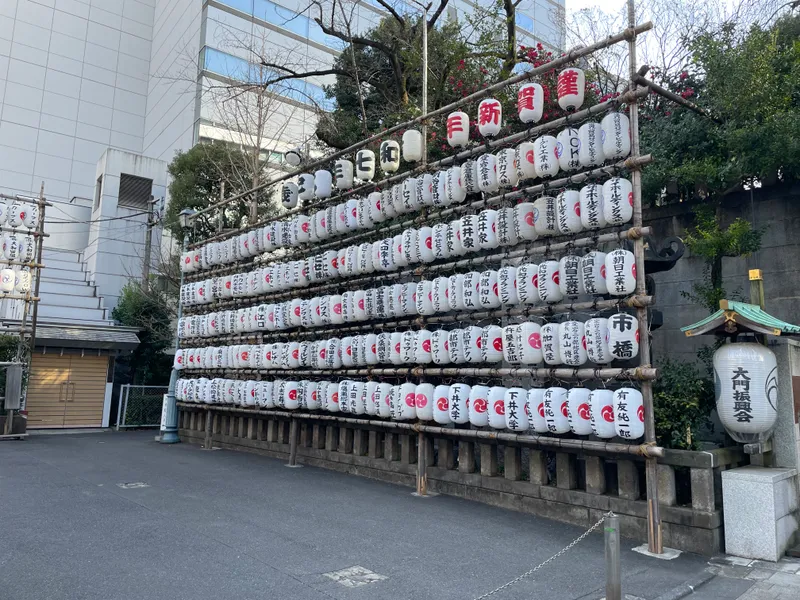
Shiba Daijingu
- Love & Romance
- Money & Prosperity
- Protection & Safety
A Minato shrine founded in 1005 that enshrines the two deities of Ise, known in the Edo period as the Ise of the Kanto and today for a box charm sold nowhere else.
 Shrine
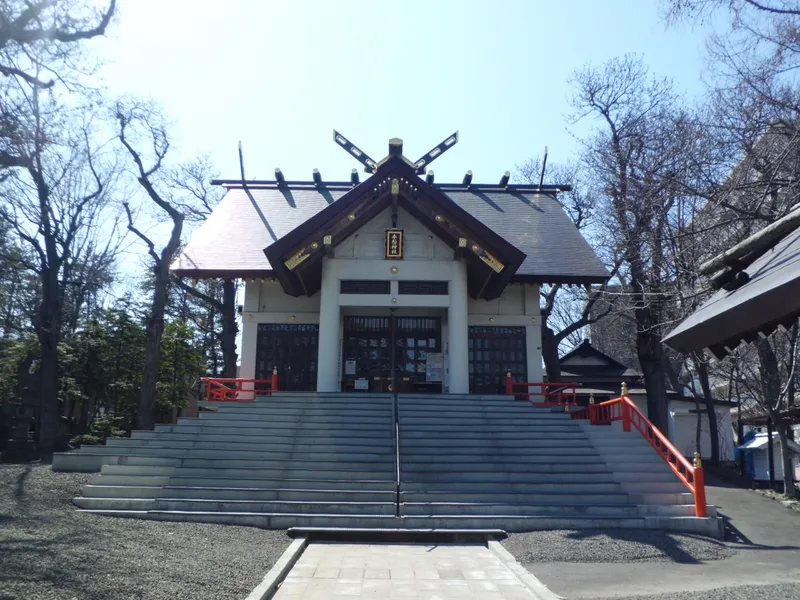
Teine Jinja
Began when 250 households, unable to reach Sapporo Jinja in winter or at harvest, petitioned for a place to worship it from a distance — and later became a shrine itself.
 Shrine
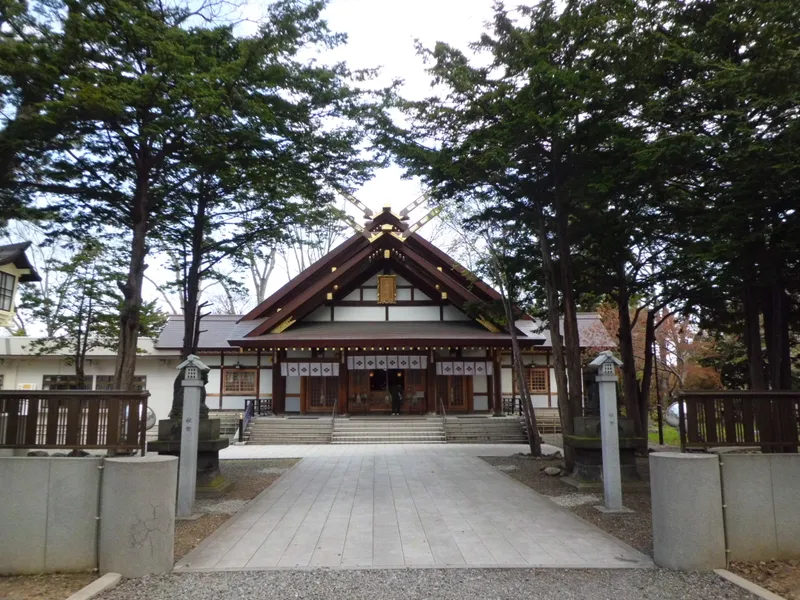
Shinkotoni Jinja
Begins in 1887 when a company of army farmer-soldiers, newly settled, read the ground and chose a pure site where a clear spring rose, answering to the four guardian gods.
 Shrine
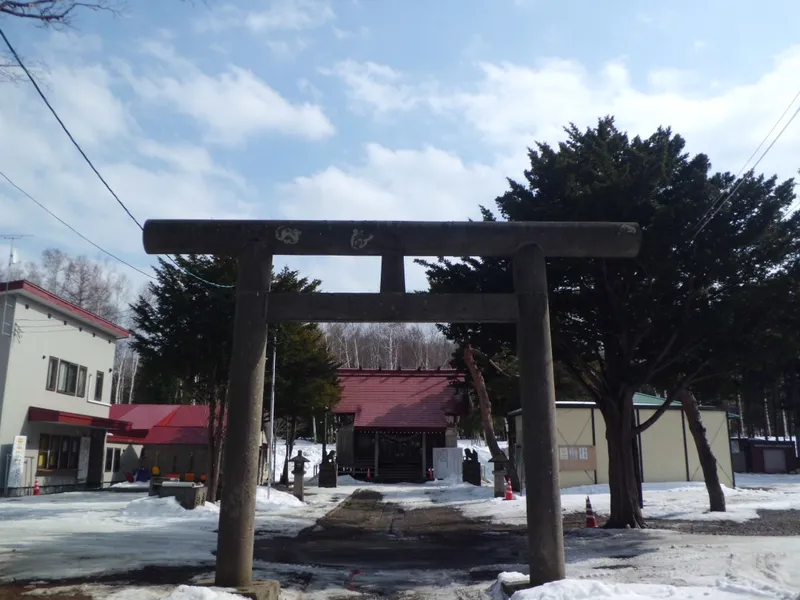
Ishiyama Jinja
Begins with quarrymen and stone-cutters who settled in this soft-stone district and worshipped the gods of their home provinces at stone tablets raised in each quarter.
 Shrine
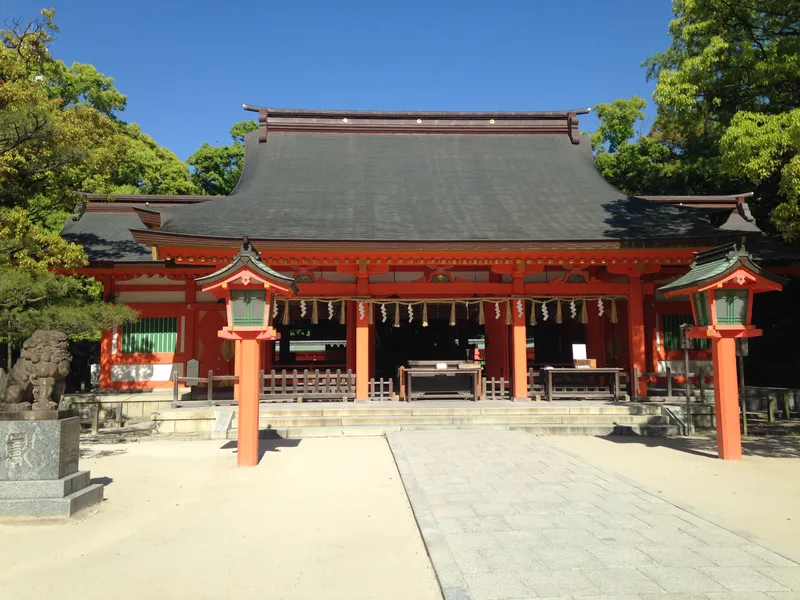
Sumiyoshi Shrine
- Protection & Safety
- Purification
Said to be the first of the 2,129 Sumiyoshi shrines in the country, and revered as a deity who guards against every calamity by means of purity of body and mind.
 Shrine
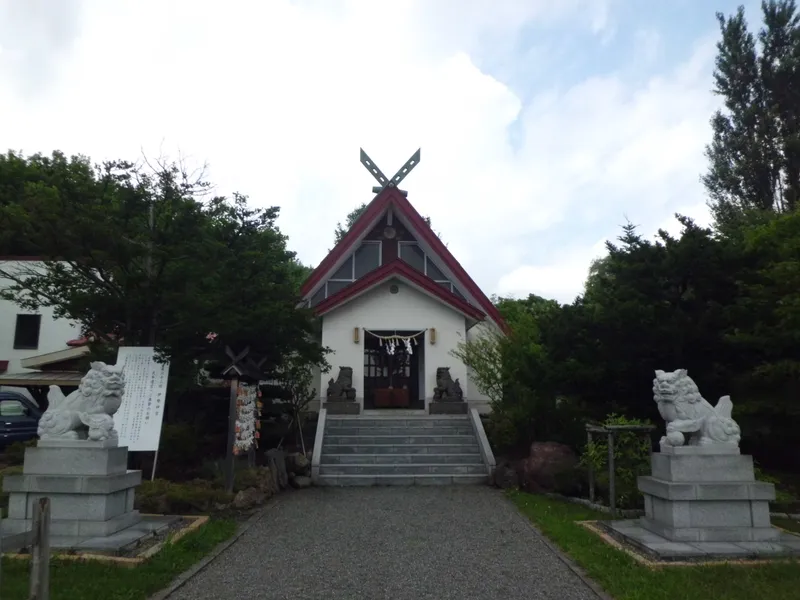
Kamiteine Jinja
Begins in 1876 when settlers from the Sendai domain raised a small shrine to Susanoo as their guardian, and keeps a memorial mound for oxen and horses in its precinct.
 Shrine
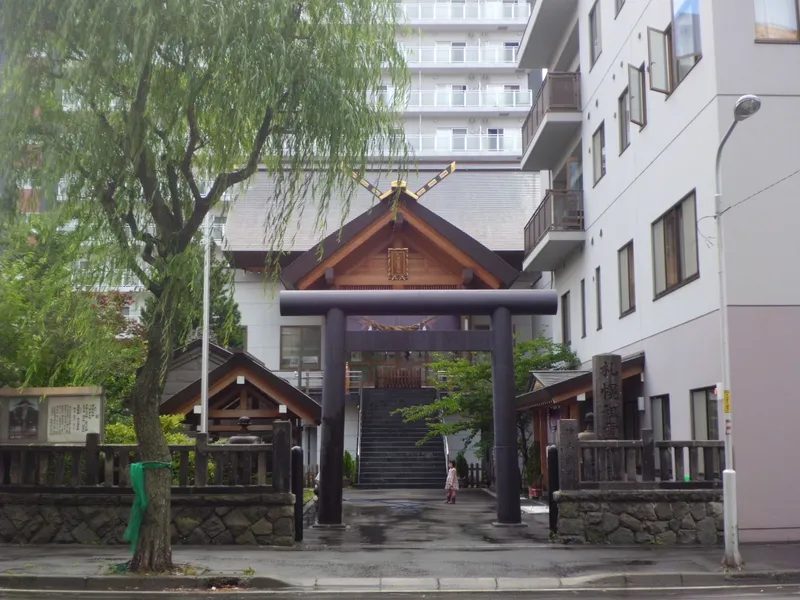
Sapporo Sorei Jinja
Begins in 1871 with a spirit shrine built at the entrance to a communal burial ground.
 Shrine
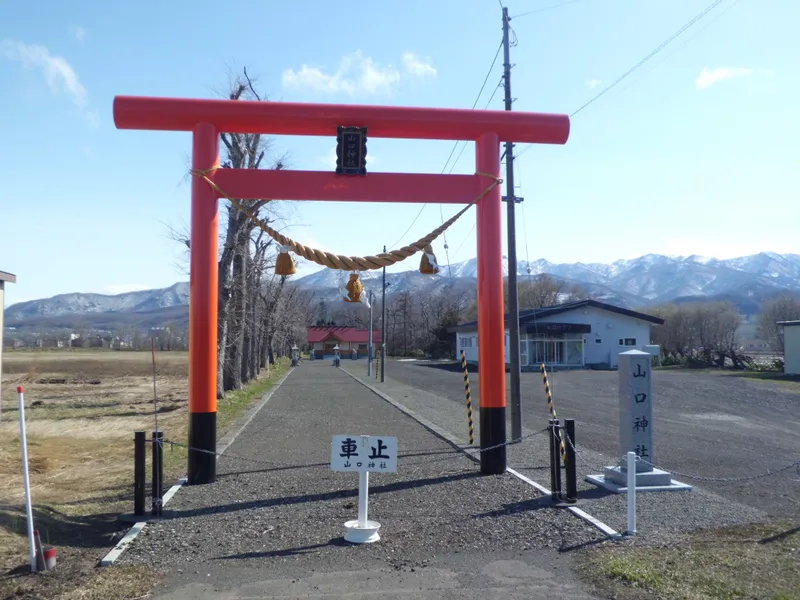
Yamaguchi Jinja
Begins in 1885 when migrants from Yamaguchi prefecture set up a place here for worshipping Ise from a distance; in 1902 it was permitted to be founded as Yamaguchi Jinja.
 Shrine
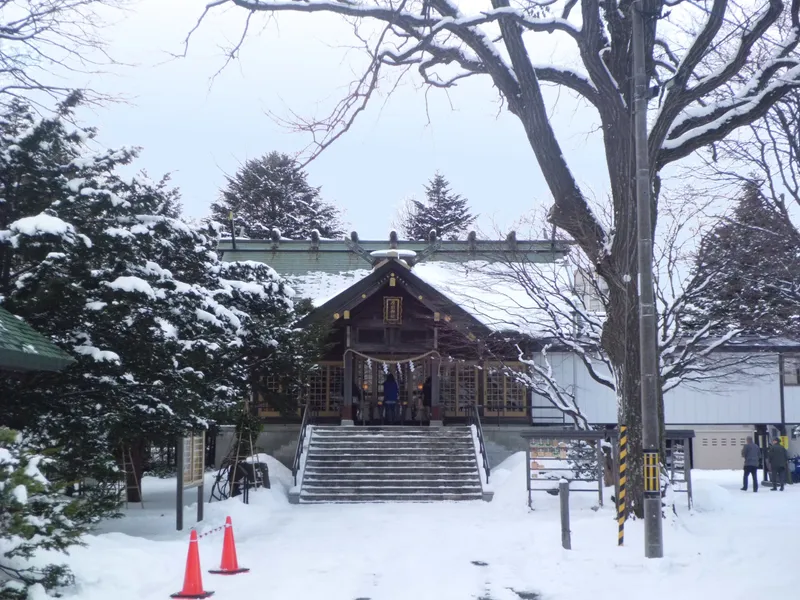
Ashiribetsu Jinja
Begins in 1874 when Nagaoka Shigeharu made a small shrine in a corner of the land he had cleared and worshipped there morning and evening.
 Shrine
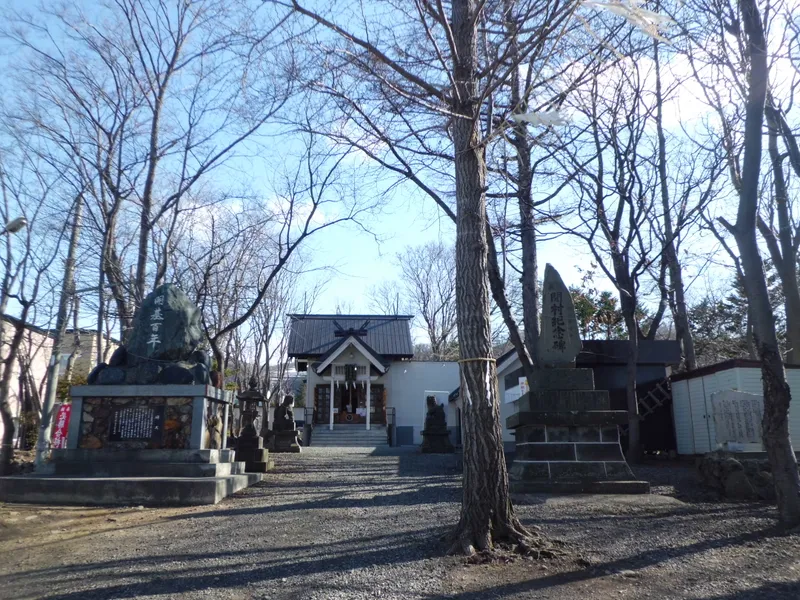
Hoshioki Jinja
Begins in 1887, when settlers gathered from Hiroshima, Yamaguchi, Toyama and Aomori raised a small wooden shrine as something to hold in common through hardship and ease alike.
 Shrine
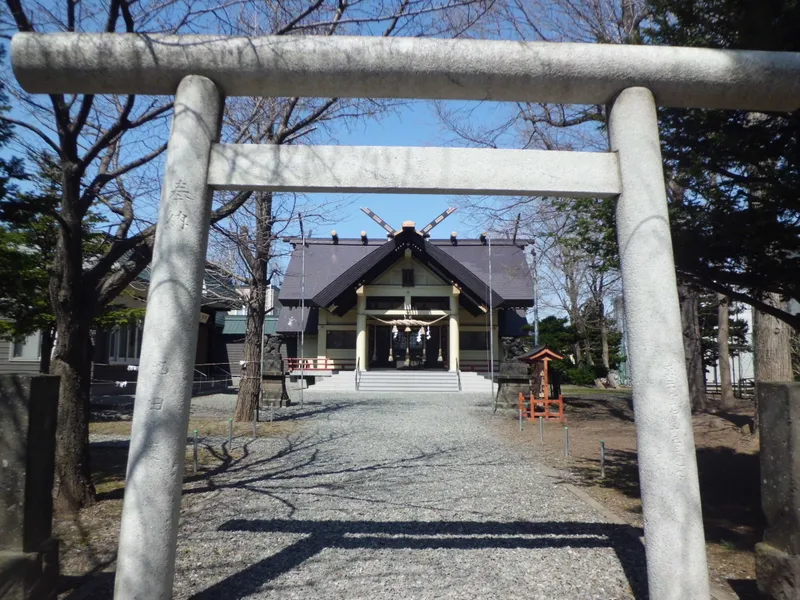
Konan Jinja
Begins with 220 households — 1,056 people — of farmer-soldiers who landed on 14 July 1889 and reached this ground the next day; those two days are still the shrine’s festival.
 Shrine
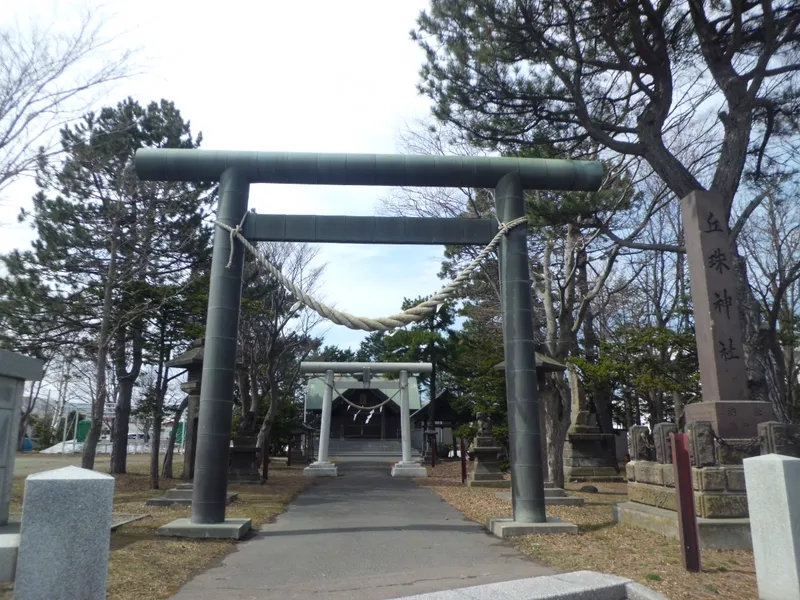
Okadama Jinja
Grew out of an Ise confraternity formed by settlers in 1870; a small shrine was raised twelve years later, on 16 September 1882.
 Shrine
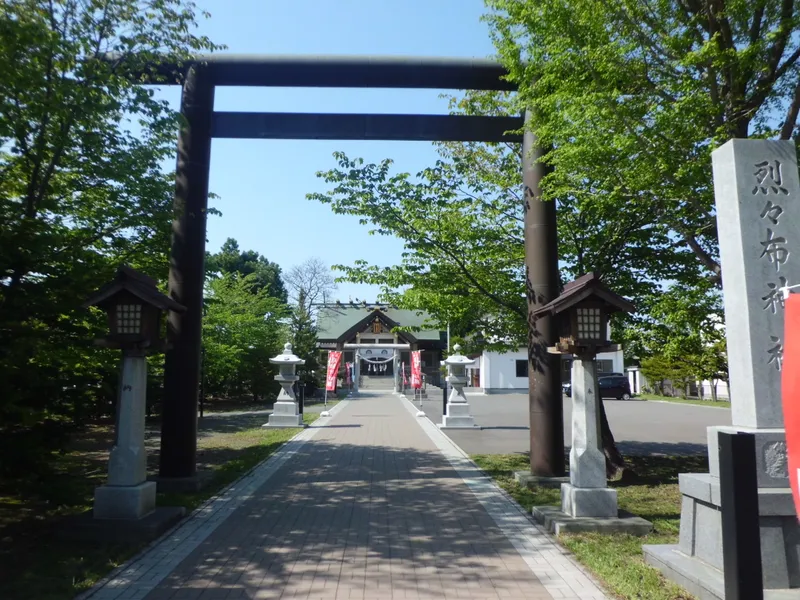
Reppupu Jinja
Named after its village, and in 1893 given three divided deities from Miyoshi Jinja in Sapporo.
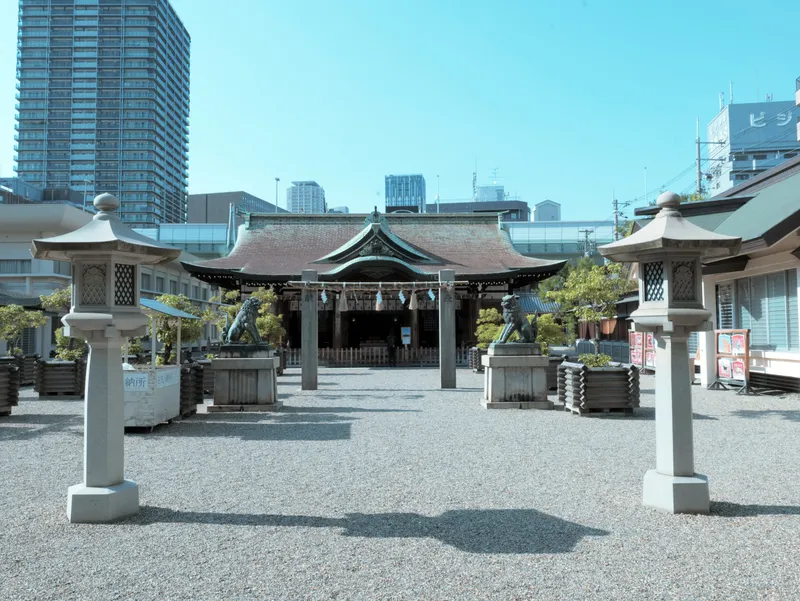 Shrine
Imamiya Ebisu Jinja
- Money & Prosperity
Founded in 600 as the guardian deity of a marketplace, and revered since as a protector of prosperous trade and full good fortune.
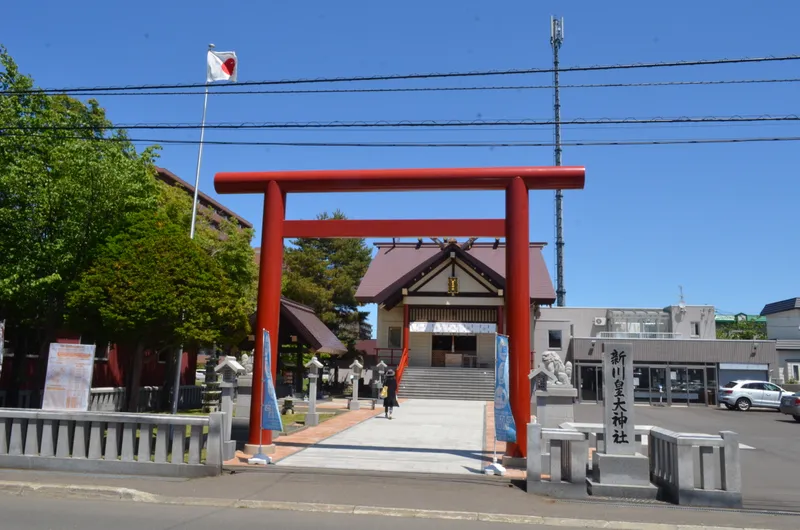 Shrine
Shinkawa Kotai Jinja
A shrine whose history records that seven promoters and thirty-seven parishioners served at its enshrinement rite in 1908.
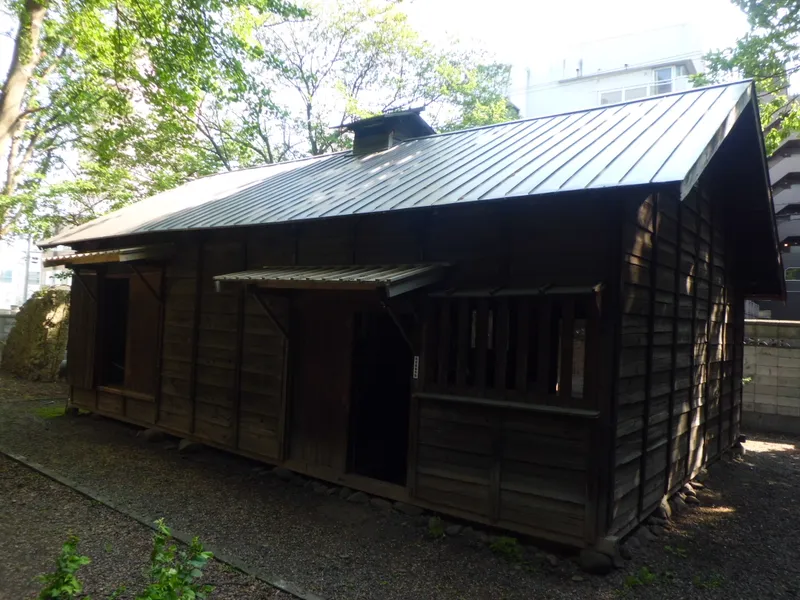 Shrine
Kotoni Jinja
Founded by the 240 households of Hokkaido’s first farmer-soldiers, who gave their old domain’s founder a god’s name and built the shrine under it.
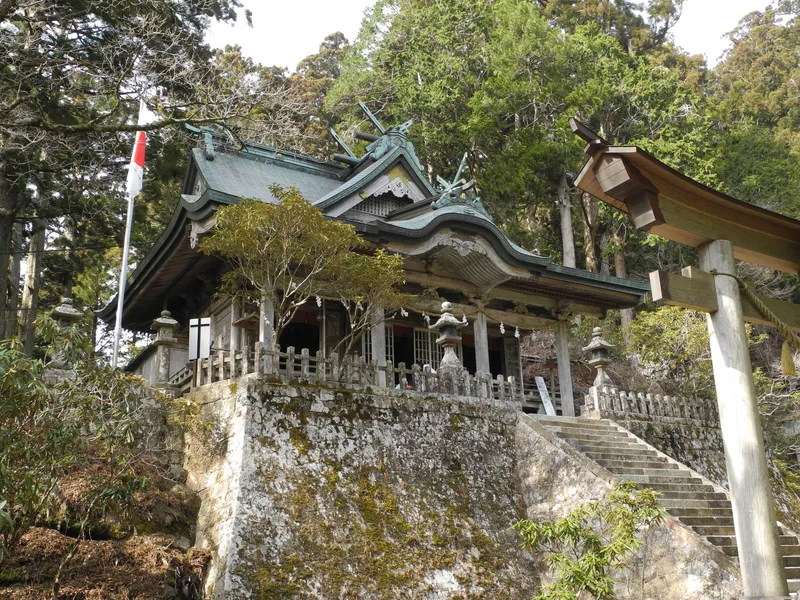 Shrine
Tamaki Shrine
- Protection & Safety
A shrine near the summit of Mount Tamaki, at 1,076 metres, transmitted as founded to enshrine Hayatama for the warding of fire from the palace and the driving off of evil.
 Shrine
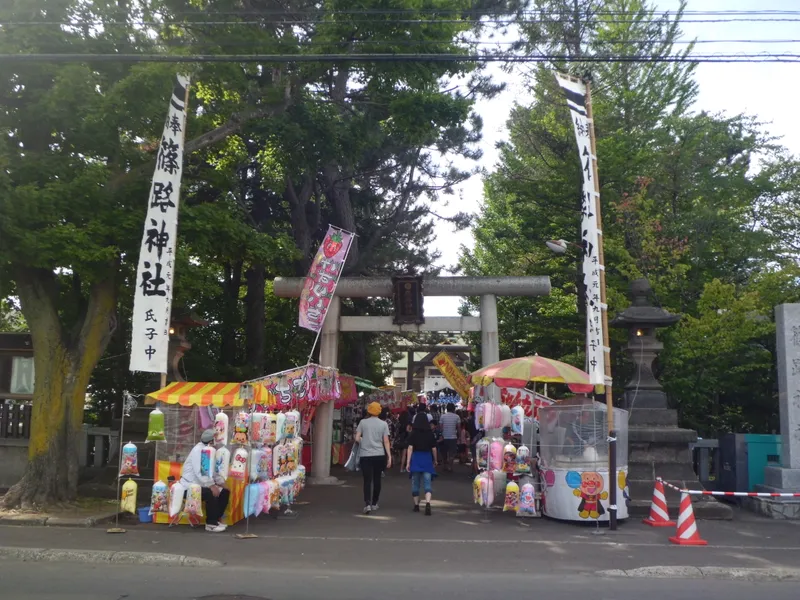
Shinoro Jinja
Founded in 1855 as Wakamiya Hachiman under the Tokugawa shogunate’s resident-settler system, which makes it among the oldest shrines in Sapporo.
 Shrine
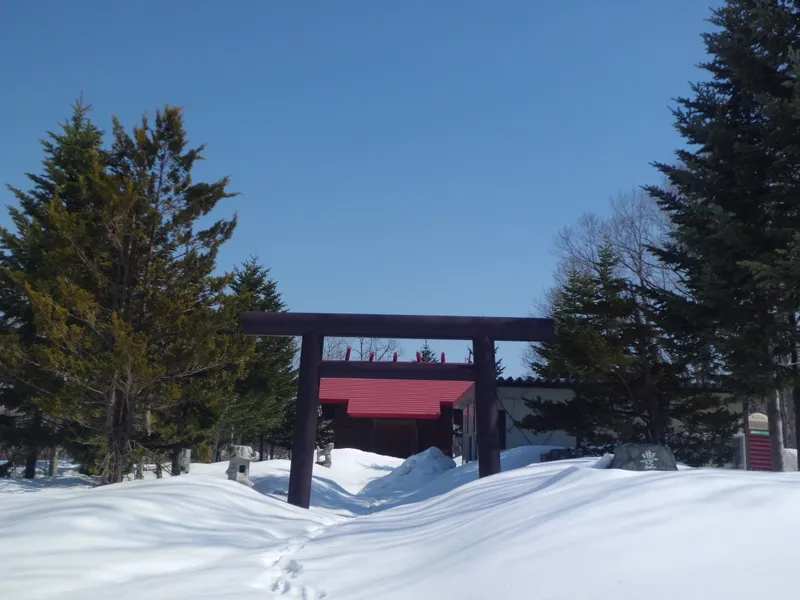
Toyotaki Jinja
Enshrined in September 1908, alongside a settlement that began on land held by a university forest.
 Shrine
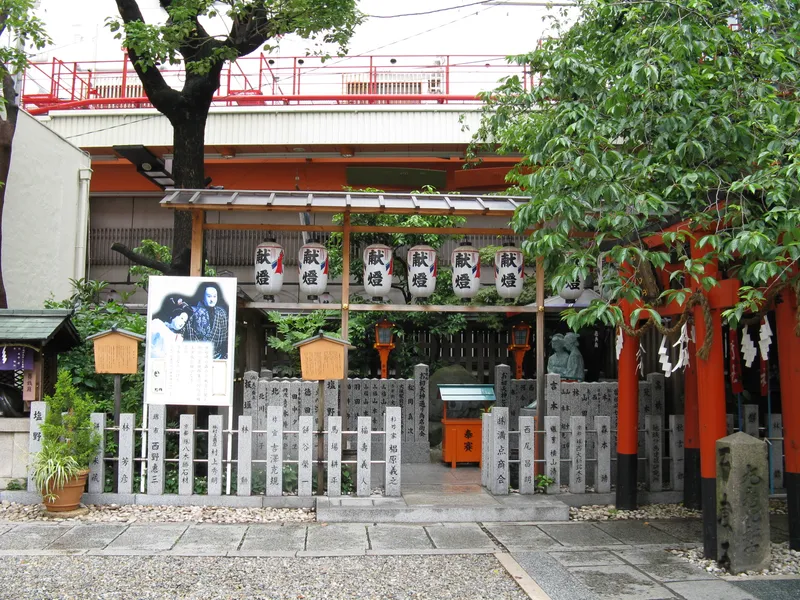
Tsuyu no Tenjinsha
- Exams & Study
- Health & Healing
- Love & Romance
An old shrine of thirteen centuries whose grove was the scene of the double suicide behind Chikamatsu’s play, and where people now come to ask for love to come true.
 Shrine
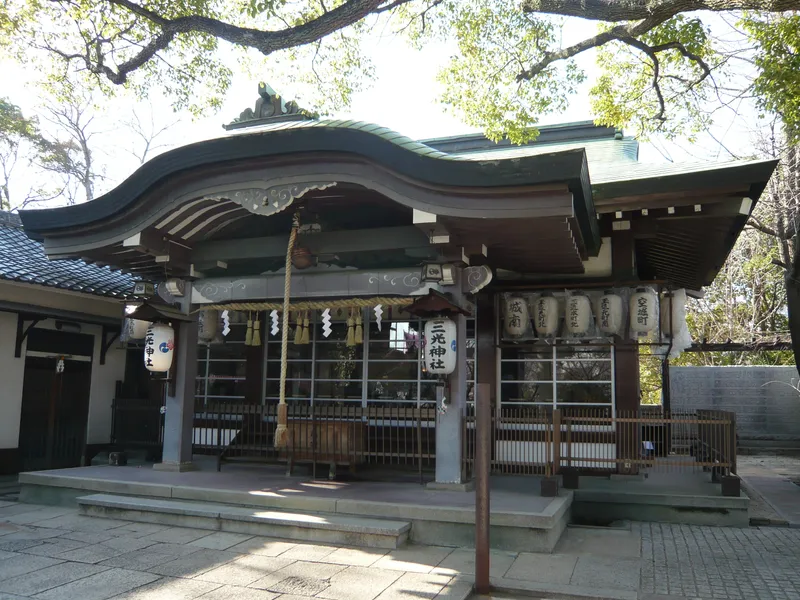
Sanko Jinja
- Health & Healing
Known since antiquity as the only deity in all Japan for warding off palsy, with its rite held for seven days from 1 June each year.