Teine Jinja
Sapporo Jinja Distant Worship Site
Researched and translated with AI assistance. Every claim is linked to its source, but errors get through, so check the official site for opening times, fees and closures.About
In short
Began when 250 households, unable to reach Sapporo Jinja in winter or at harvest, petitioned for a place to worship it from a distance — and later became a shrine itself.
Quick facts
- Address
- 2-3-4-28 Teine-honcho, Teine-ku, Sapporo, Hokkaido
- Spiritual entities
- Amaterasu Ōmikami (天照大御神) · Inari (稲荷大神) · Ōkuninushi (大国主命) · Tenjin (天神, Sugawara no Michizane)
About this place
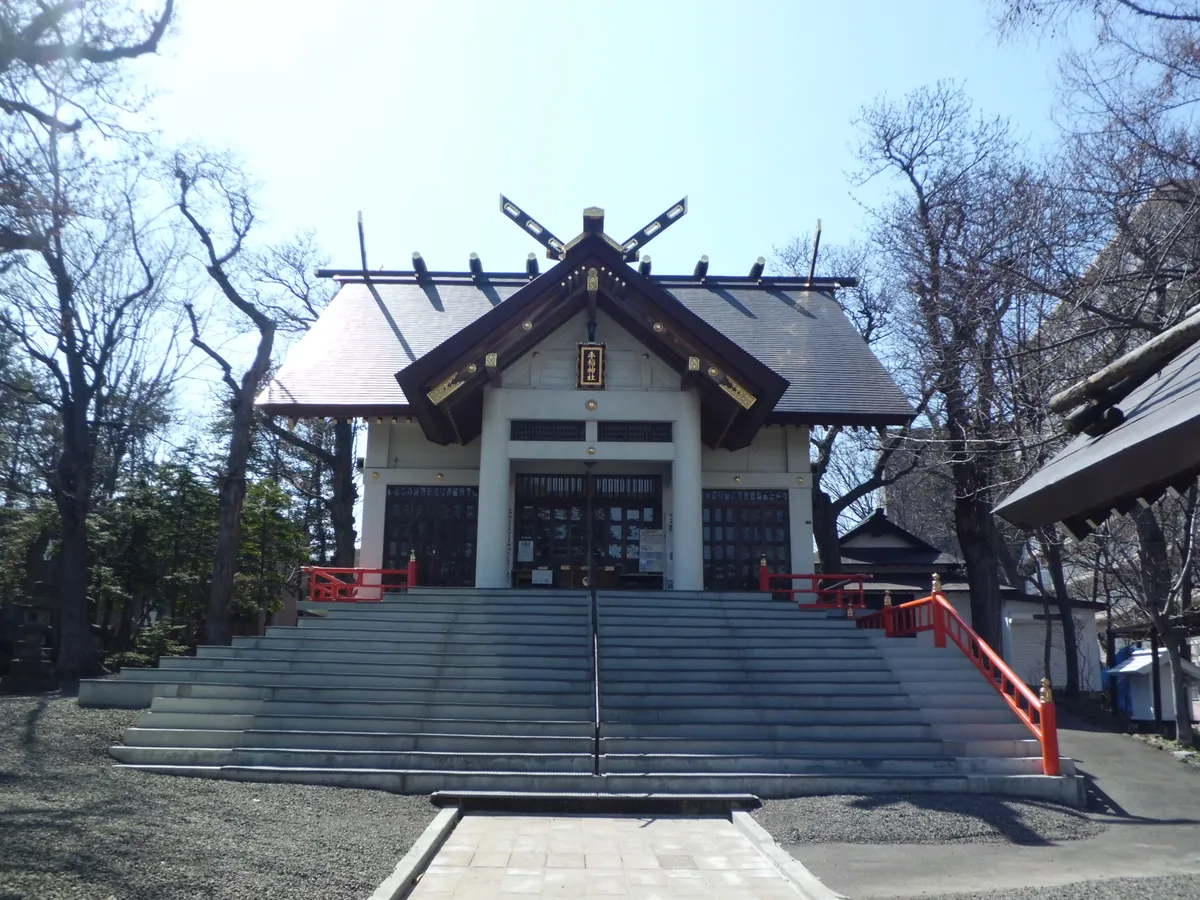
Teine Jinja stands in Teine-ku, Sapporo. Its deities are Okunitama, Onamuchi, Sukunahikona, Amaterasu, Toyouke, Ukanomitama and Sugawara no Michizane. The settlers of Teine village were accustomed to worshipping at Sapporo Jinja, but finding the journey inconvenient in winter and during the farming season, the village’s 250 households petitioned on 26 December 1896 for the establishment of an official distant-worship site facing Sapporo Jinja, and permission was granted on 4 September the following year. On 10 September 1898 they petitioned to have it converted into a shrine, and this was granted on 18 May 1899. It was ranked a village shrine on 23 August 1917 and a district shrine on 1 April 1941. Inaho Jinja was merged in 1912, Otarunaigawa Inari Jinja in 1972 and Shinkawa Jinja in 1973. An inner shrine was built on the summit of Mount Teine on 8 October 1947. The annual festival is 15 September. No benefit that may be prayed for is stated.
Origin and history
The settlers of Teine village were accustomed to worshipping at Sapporo Jinja, but finding the journey inconvenient in winter and during the farming season, the village’s 250 households petitioned on 26 December 1896 for the establishment of an official distant-worship site facing Sapporo Jinja, and permission was granted on 4 September the following year.
On 10 September 1898 they petitioned to have it converted into a shrine, and this was granted on 18 May 1899. It was ranked a village shrine on 23 August 1917 and a district shrine on 1 April 1941.
Inaho Jinja was merged in 1912, Otarunaigawa Inari Jinja in 1972 and Shinkawa Jinja in 1973. An inner shrine was built on the summit of Mount Teine on 8 October 1947.
What it is locally associated with
Petitioned as a distant-worship site
Finding the journey impractical in winter and at harvest, the village’s 250 households petitioned on 26 December 1896 for an official distant-worship site facing Sapporo Jinja; it was granted the following September.
documented historyFrom worshipping to worshipped
On 10 September 1898 they petitioned to convert it into a shrine, and this was granted on 18 May 1899.
documented historyAn inner shrine on Mount Teine
An inner shrine was built on the summit of Mount Teine on 8 October 1947.
documented history
This shrine began as a place for worshipping another shrine from a distance. The settlers of Teine village were used to worshipping at Sapporo Jinja, but the journey was impractical in winter and at harvest, so the village’s 250 households petitioned for a distant-worship site — applied for on 26 December 1896, granted on 4 September the next year. The shrine they faced, Sapporo Jinja, is today’s Hokkaido Jingu.
This is the second such site on this list. Munakata Taisha’s Okitsu-gu Yohaisho in Fukuoka exists because Okinoshima forbids entry to all but priests. There the barrier is a rule; here it was snow and the farming season. And there is a second difference: this one outgrew its barrier. In 1898 the villagers petitioned to convert it into a shrine, and the following year the place that worshipped became a place that is worshipped.
Two hundred and fifty households applied. Like Kotoni Jinja’s 240 and Nishino Jinja’s five, a Sapporo shrine tends to record how many families stood at its beginning. What is different here is what those 250 asked for: not a new god, but a shorter distance to a god already there.
Mergers and additions continued — Inaho Jinja in 1912, Otarunaigawa Inari Jinja in 1972, Shinkawa Jinja in 1973 — and an inner shrine was raised on the summit of Mount Teine in 1947. Seven deities are enshrined, the three colonisation deities standing beside those of Ise, Inari, and Sugawara no Michizane.
Claims and evidence levels 2
- The shrine began as a distant-worship site facing Sapporo Jinja, petitioned for by 250 households in 1896 because winter and the farming season made the journey impractical. documented history
- It was granted conversion into a shrine in its own right on 18 May 1899. documented history
Related guides
- How to visit a shrine or temple in JapanThe country-wide basics: purifying at the water basin, the two-bows-two-claps-one-bow form at shrines, and what temples do instead.
- What a "power spot" actually isA modern Japanese coinage, not a traditional religious category. Where the word came from, what it does and does not claim, and why this site uses it anyway.
- Shrine or temple?A shrine is Shinto and a temple is Buddhist, and you can usually tell at the gate. Why the line is cleaner on paper than on the ground, and what a government order in 1868 has to do with it.
- Omamori, ema, omikuji and goshuinThe four things you are most likely to receive, write, draw or be given at a shrine or temple, what each is actually for, and the one of them people most often get wrong.
Sources
- 手稲神社 — 北海道神社庁札幌支部 (accessed 2026-08-16)
Last updated:
Similar places
8 places
 Shrine
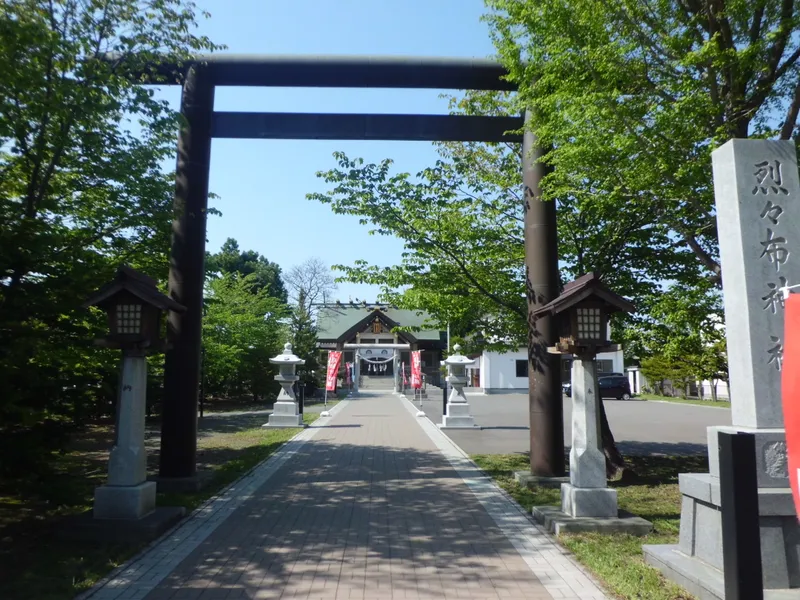
Reppupu Jinja
Named after its village, and in 1893 given three divided deities from Miyoshi Jinja in Sapporo.
 Shrine
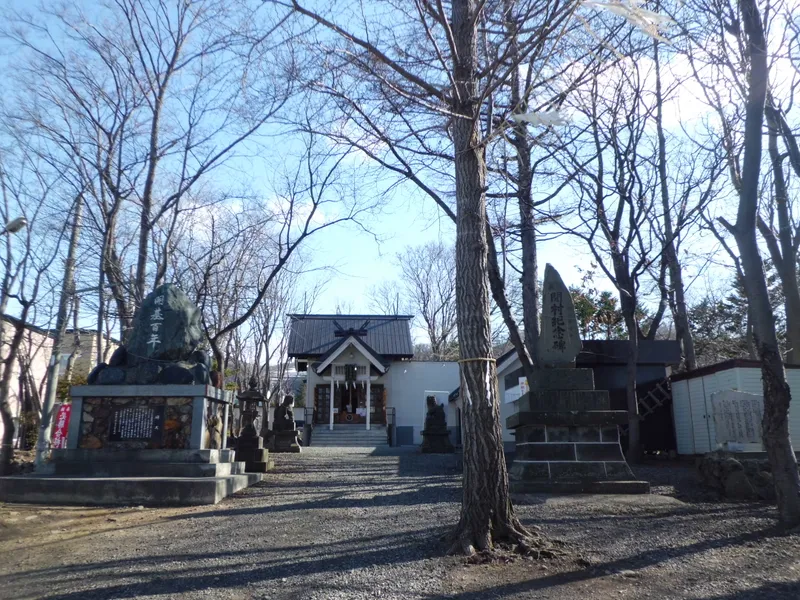
Hoshioki Jinja
Begins in 1887, when settlers gathered from Hiroshima, Yamaguchi, Toyama and Aomori raised a small wooden shrine as something to hold in common through hardship and ease alike.
 Shrine
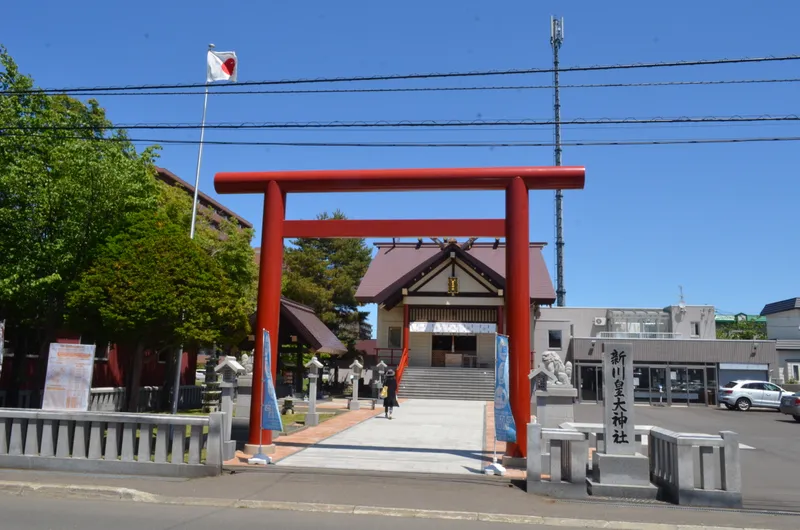
Shinkawa Kotai Jinja
A shrine whose history records that seven promoters and thirty-seven parishioners served at its enshrinement rite in 1908.
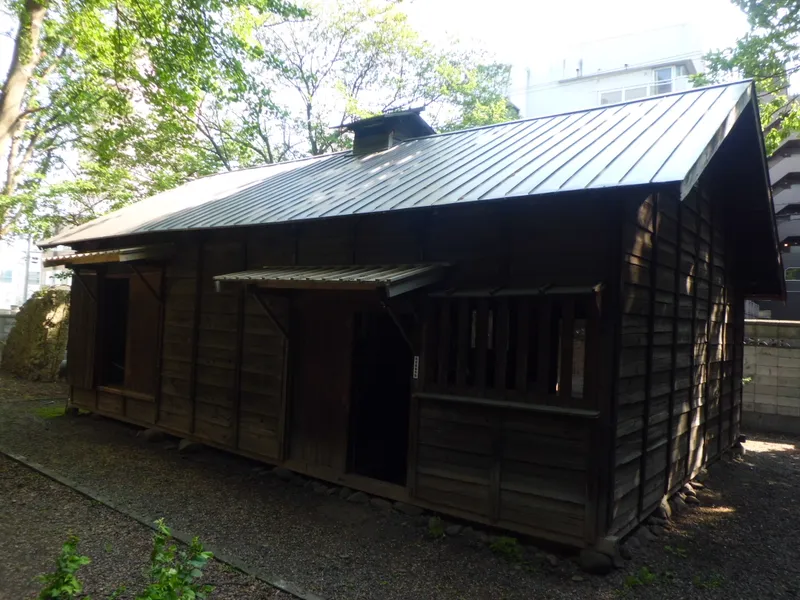 Shrine
Kotoni Jinja
Founded by the 240 households of Hokkaido’s first farmer-soldiers, who gave their old domain’s founder a god’s name and built the shrine under it.
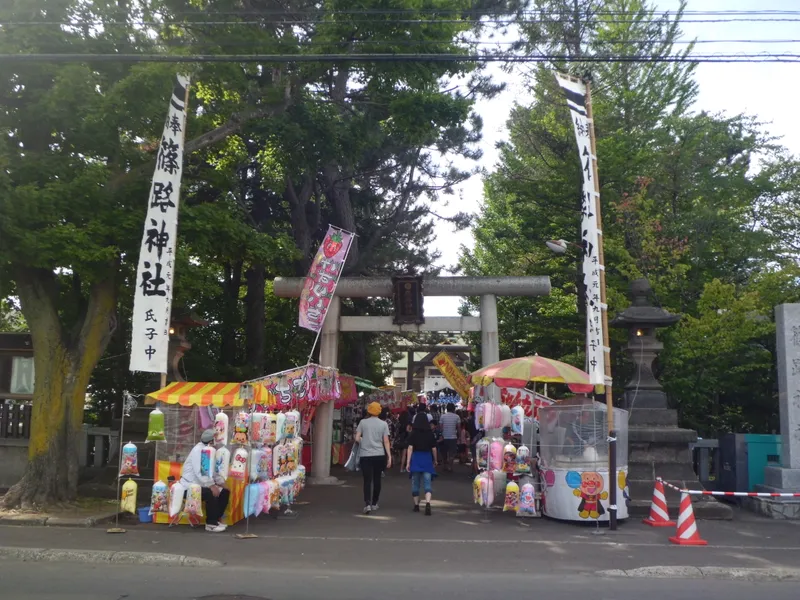 Shrine
Shinoro Jinja
Founded in 1855 as Wakamiya Hachiman under the Tokugawa shogunate’s resident-settler system, which makes it among the oldest shrines in Sapporo.
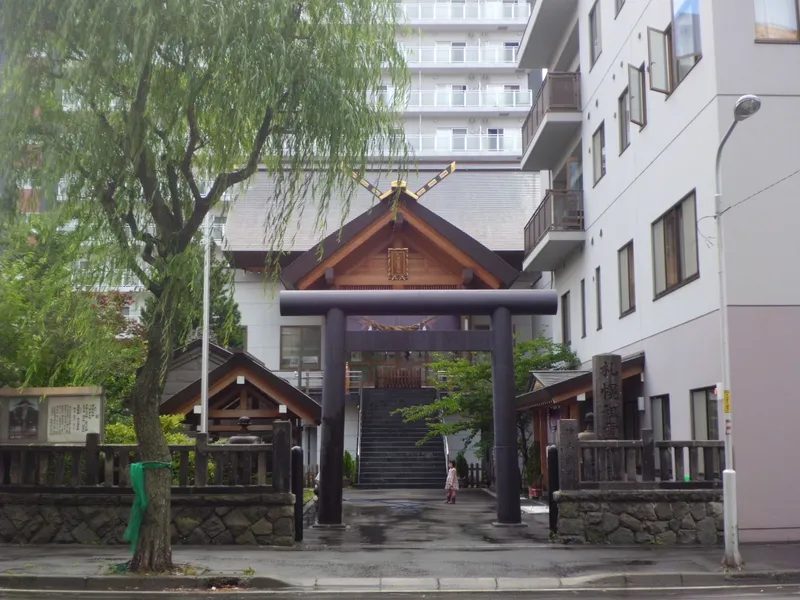 Shrine
Sapporo Sorei Jinja
Begins in 1871 with a spirit shrine built at the entrance to a communal burial ground.
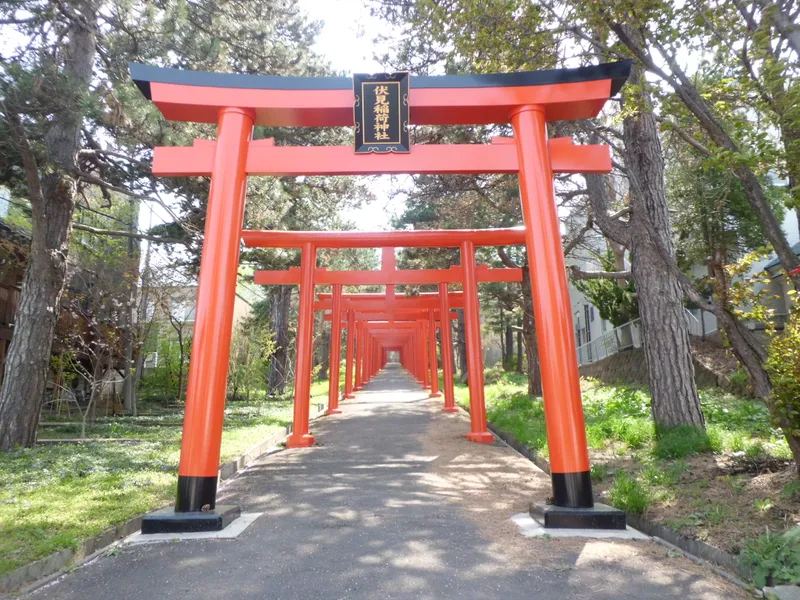 Shrine
Sapporo Fushimi Inari Jinja
- Career & Work
- Money & Prosperity
Begins in 1884 with a divided spirit brought from Fushimi Inari Taisha in Kyoto, and holds its deity to be the progenitor of food, clothing and shelter, and guardian of harvests, industry and trade.
 Shrine
Fukuzumi Itsukushima Jinja
Founded in 1884 by migrants from Hiroshima, and later given divided spirits from Itsukushima in Hiroshima, Fushimi Inari in Sapporo, and Kitano Tenmangu.
No places match your filters