Tenjin (天神, Sugawara no Michizane)
The deified Sugawara no Michizane, venerated as the deity of learning.
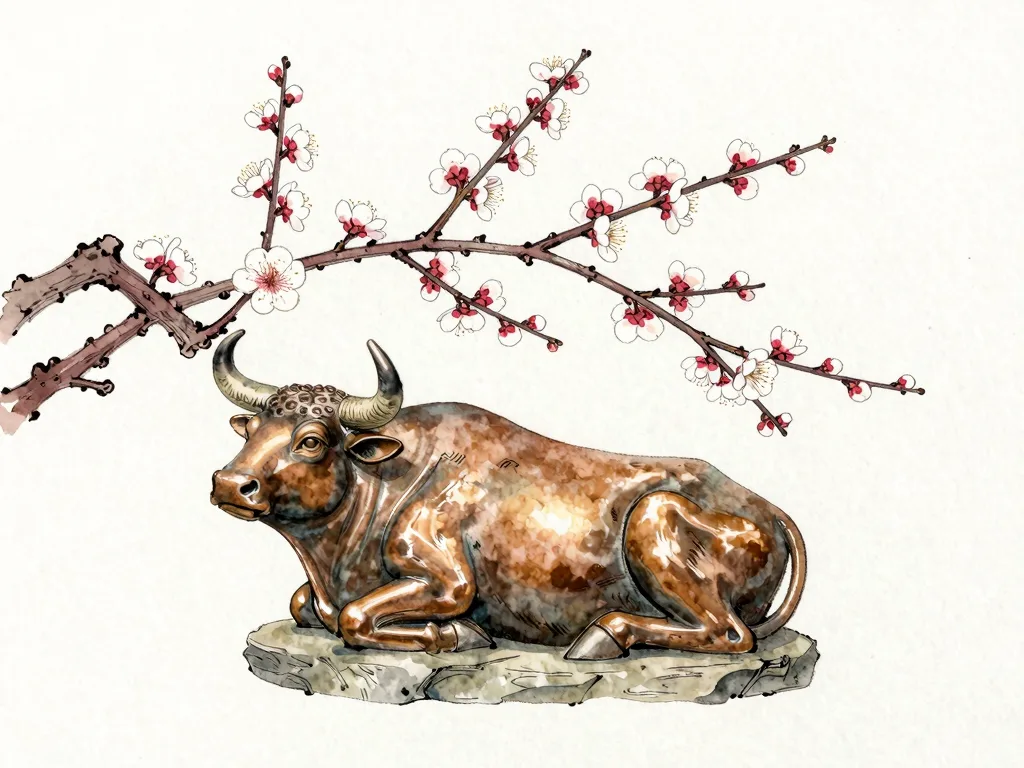
Tenjin is the deified spirit of Sugawara no Michizane (845–903), a Heian scholar and statesman who rose to Minister of the Right before being demoted to Dazaifu on a rival's slander, and who died there. Disasters in the capital afterwards were widely read as his anger, and he was placated as a thunder deity; farmers received him instead as the bringer of the rain their fields needed. In time his scholarship and character came to dominate, and he became the deity of letters, poetry, calligraphy and learning worshipped at Tenmangu shrines across Japan. Plum blossom is his emblem.
AI-assisted research. Check official sources before you travel.About
14 placesOpen in the full map
Places in this collection
 Shrine
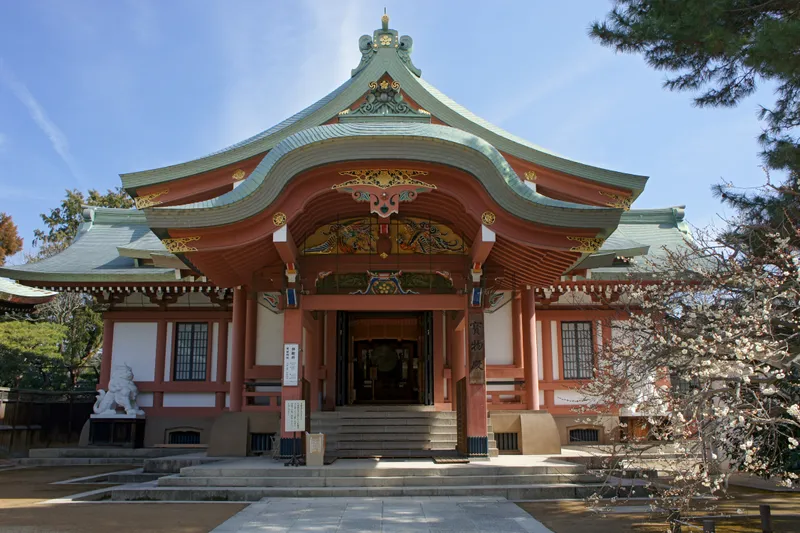
Kitano Tenmangu
- Exams & Study
- Protection & Safety
- Skill & Mastery
Head shrine of some twelve thousand Tenmangu shrines, widely venerated for success in entrance examinations and in study.
 Shrine
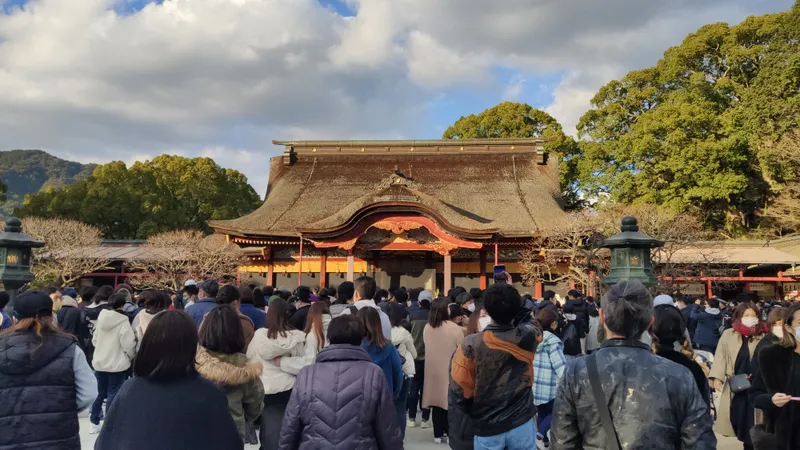
Dazaifu Tenmangu
- Career & Work
- Exams & Study
- Fertility & Children
The shrine stands over Sugawara no Michizane’s grave, on the spot where the ox drawing his funeral cart lay down and would not move; prayers here begin with passing an entrance examination.
 Shrine
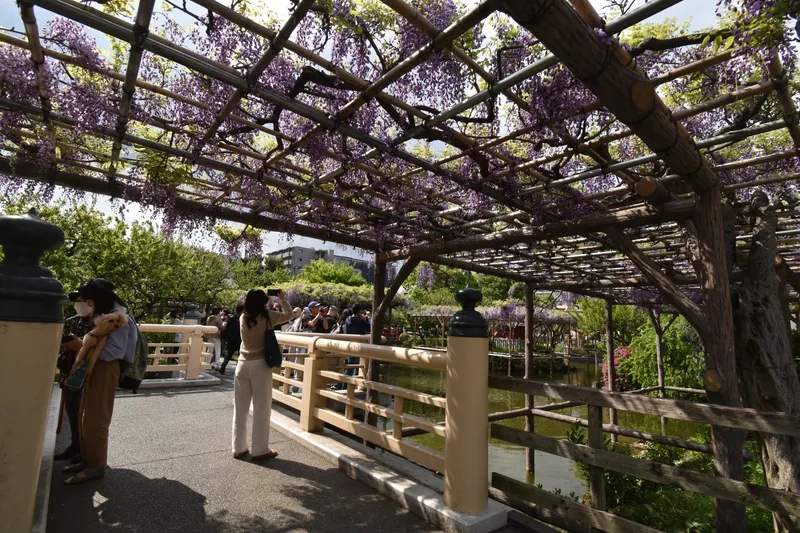
Kameido Tenjin Shrine
- Exams & Study
A Koto shrine laid out in 1662 on the model of Dazaifu Tenmangu, head of Tenjin devotion in eastern Japan, and the best place in Tokyo to see wisteria.
 Shrine
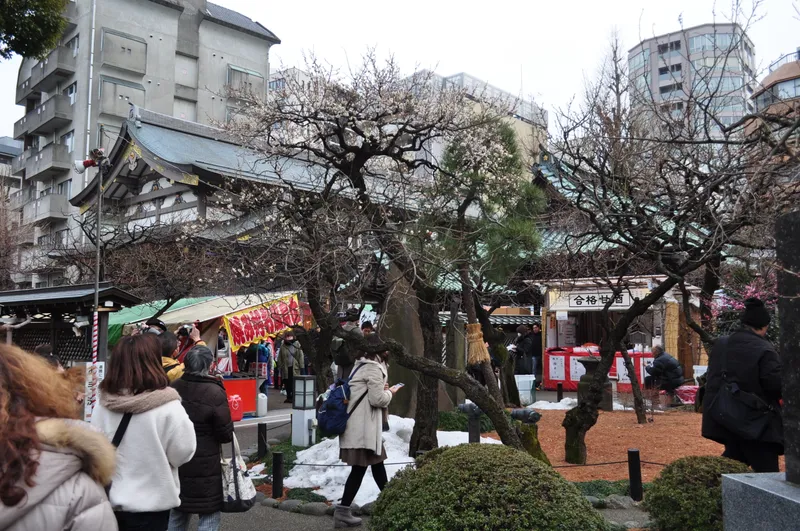
Yushima Tenmangu
- Exams & Study
A Bunkyo shrine enshrining Sugawara no Michizane, where Tokyo students come to pray before examinations, and whose plum garden opens each February.
 Shrine
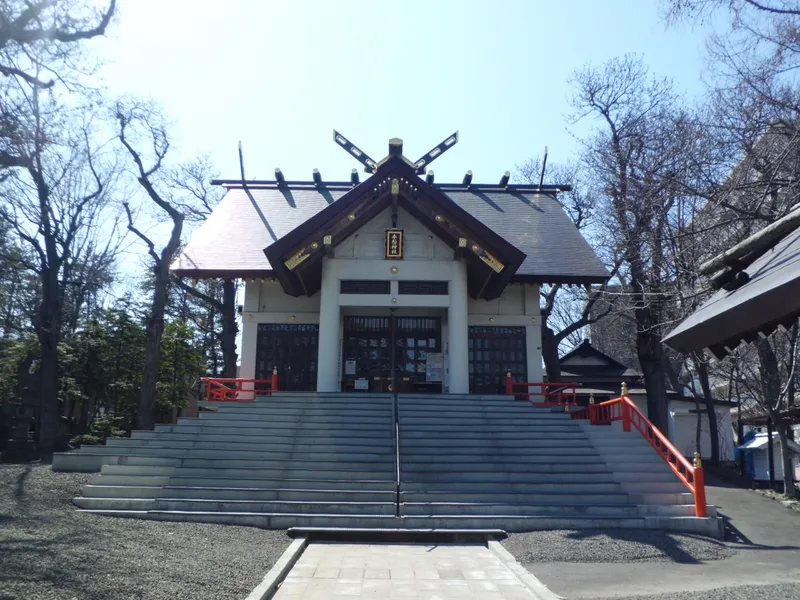
Teine Jinja
Began when 250 households, unable to reach Sapporo Jinja in winter or at harvest, petitioned for a place to worship it from a distance — and later became a shrine itself.
 Shrine
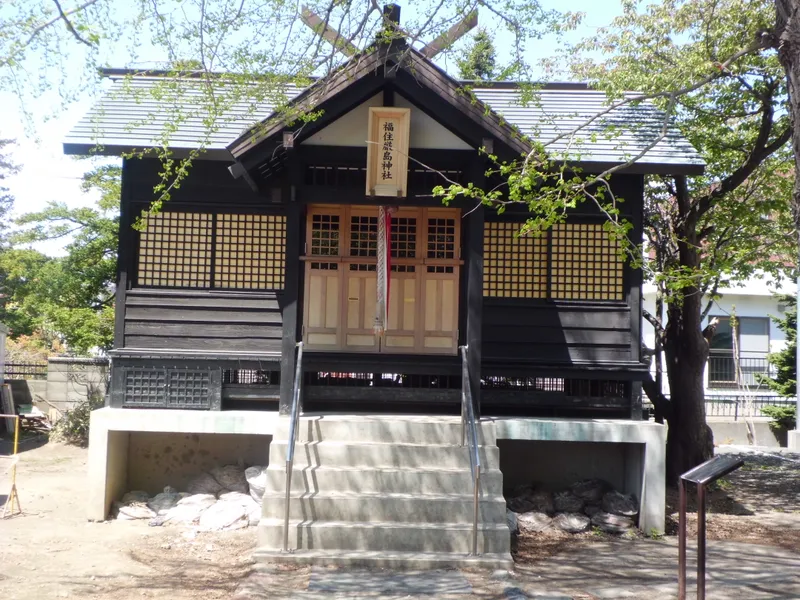
Fukuzumi Itsukushima Jinja
Founded in 1884 by migrants from Hiroshima, and later given divided spirits from Itsukushima in Hiroshima, Fushimi Inari in Sapporo, and Kitano Tenmangu.
 Shrine
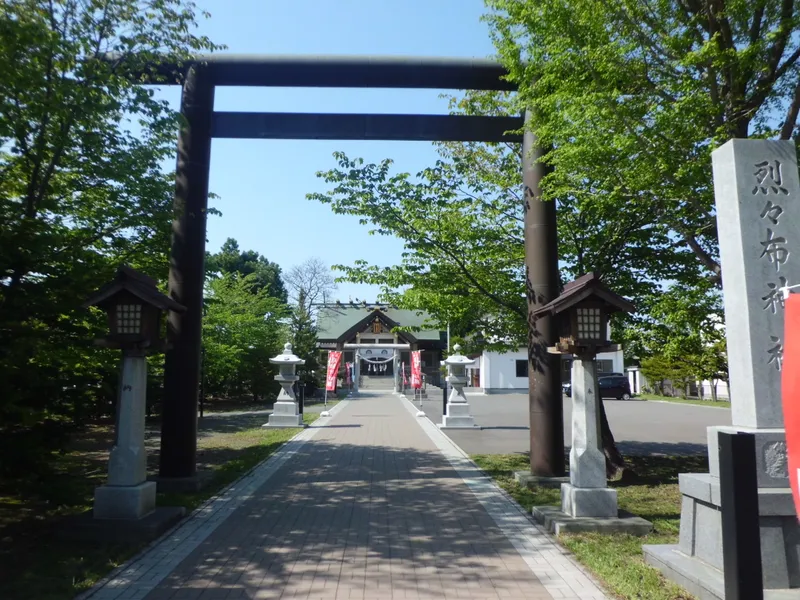
Reppupu Jinja
Named after its village, and in 1893 given three divided deities from Miyoshi Jinja in Sapporo.
 Shrine
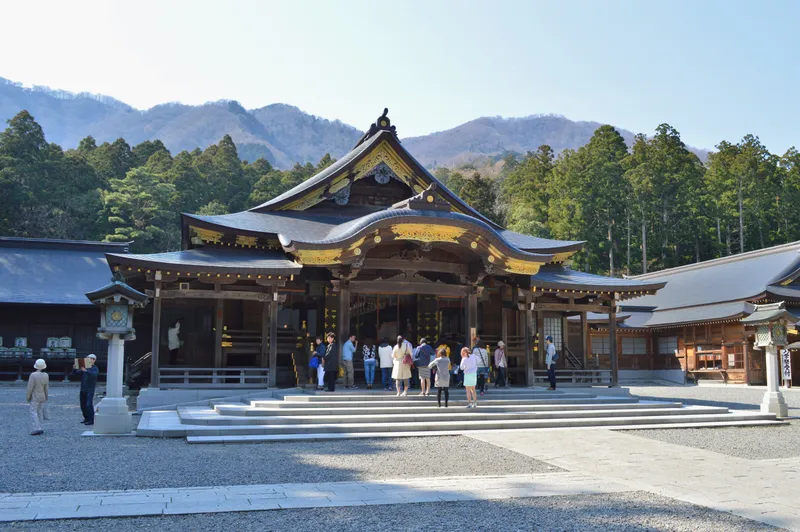
Iyahiko Jinja
A shrine with two parents: a divided spirit of Echigo’s first shrine, Yahiko, enshrined in 1912, and another received from Dazaifu Tenmangu in 1970.
 Shrine
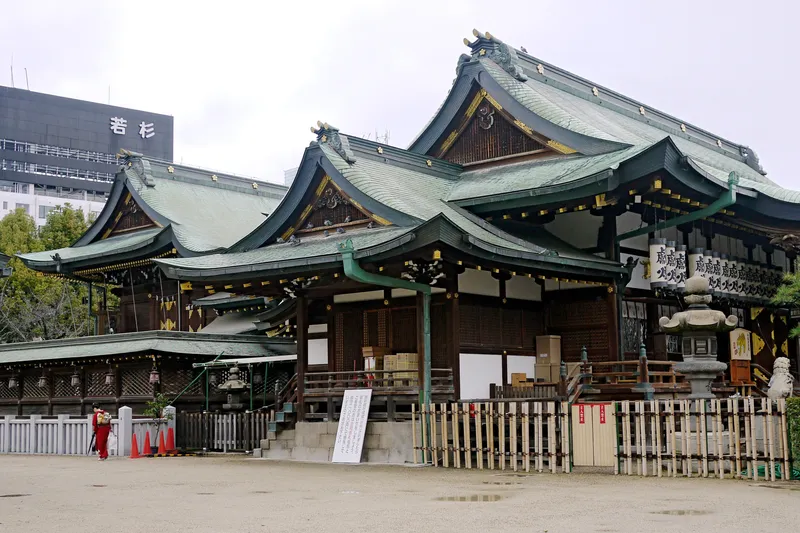
Osaka Tenmangu
- Exams & Study
- Money & Prosperity
- Protection & Safety
Built by imperial order on the spot where Sugawara no Michizane prayed for a safe journey to Dazaifu, after seven pines grew there overnight and shone each night.
 Shrine
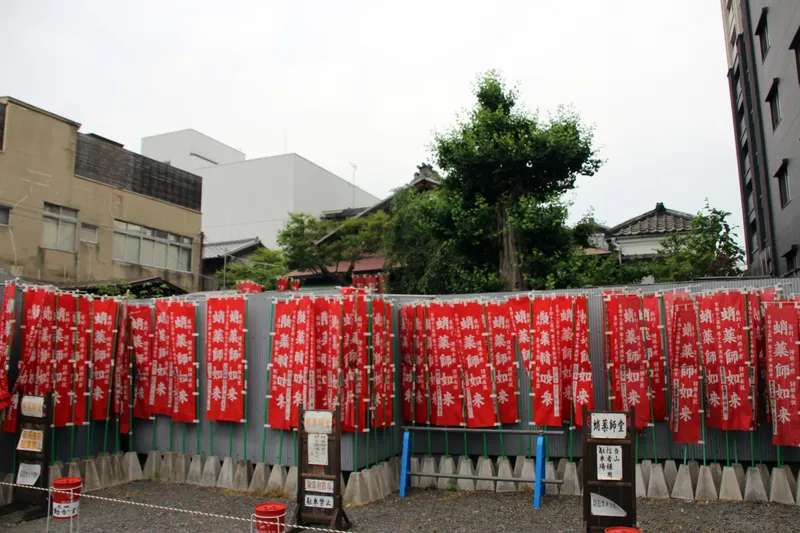
Nishiki Tenmangu
- Exams & Study
A shrine to Sugawara no Michizane, known as the deity of learning, standing in the middle of an arcade facing the Nishiki food market.
 Shrine
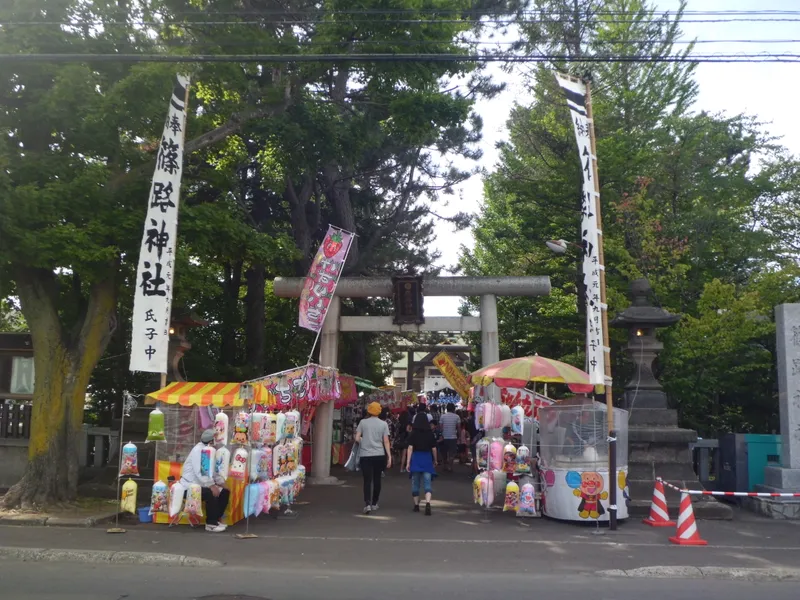
Shinoro Jinja
Founded in 1855 as Wakamiya Hachiman under the Tokugawa shogunate’s resident-settler system, which makes it among the oldest shrines in Sapporo.
 Shrine
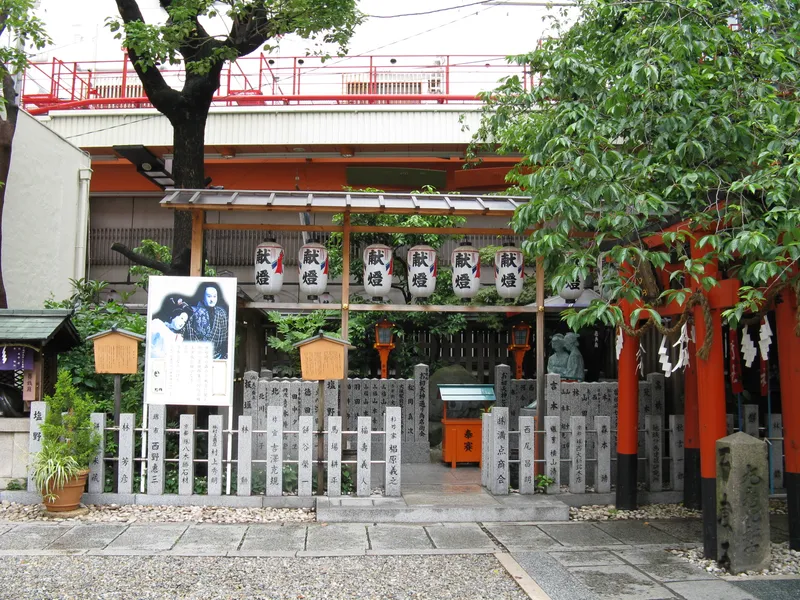
Tsuyu no Tenjinsha
- Exams & Study
- Health & Healing
- Love & Romance
An old shrine of thirteen centuries whose grove was the scene of the double suicide behind Chikamatsu’s play, and where people now come to ask for love to come true.
 Shrine
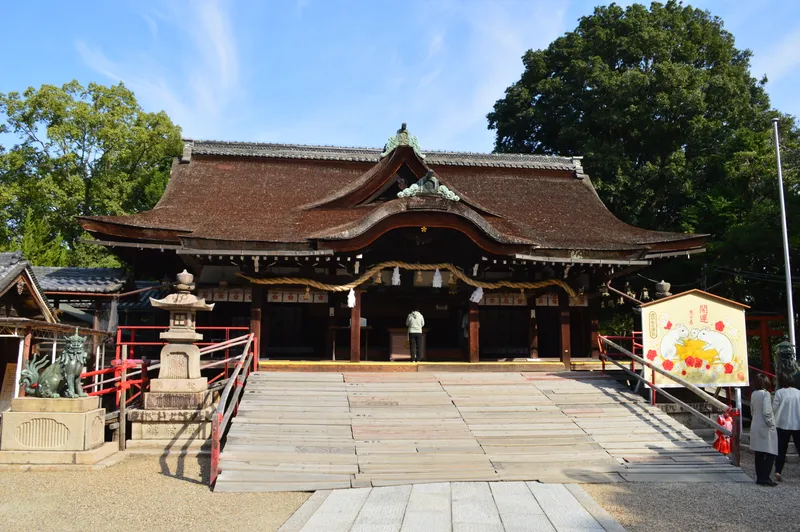
Domyoji Tenmangu
- Exams & Study
It began when Nomi no Sukune, rewarded for inventing haniwa to replace the burial of the living, enshrined his distant ancestor here — and it now enshrines Sugawara no Michizane and his aunt.
 Shrine
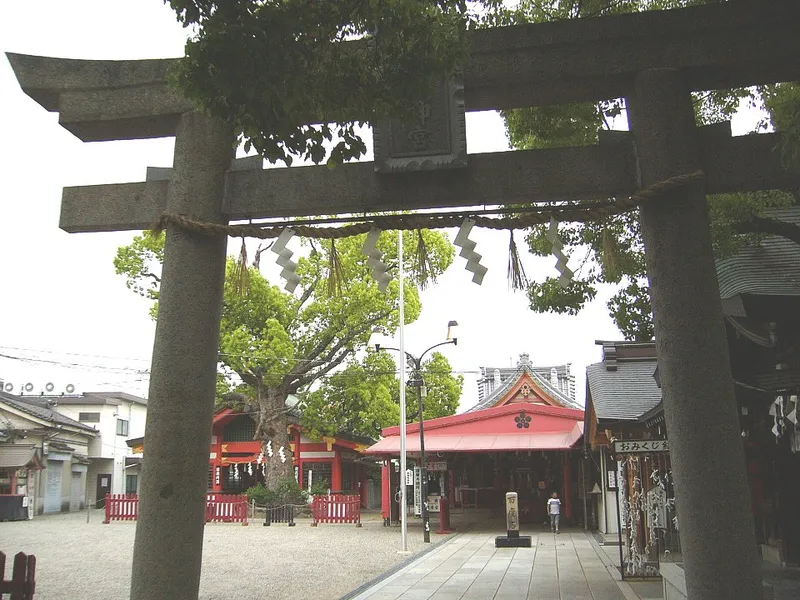
Hattori Tenjingu
- Health & Healing
Where Sugawara no Michizane, unable to take a step for illness in his legs on the road to Dazaifu, prayed to be healed — and which is revered since as the deity of feet.