Hachiman (八幡神)
Identified with Emperor Ōjin, and among the most widely enshrined deities in Japan.
Hachiman is identified with Emperor Ōjin, and shrines to him number among the most numerous in Japan, spreading from Usa in Kyushu and from Iwashimizu near Kyoto. He became strongly associated with warrior houses, the Minamoto above all, which is why so many Hachiman shrines were founded on the way to or in thanks for a campaign. Imado Shrine in Tokyo, founded in that way in 1063, makes a point of qualifying the martial reading: it says Hachiman devotion is generally taken to concern fortune in war, but that the underlying vow is the great love of a mother holding and raising her child.
AI-assisted research. Check official sources before you travel.About
22 placesOpen in the full map
Places in this collection
 Shrine
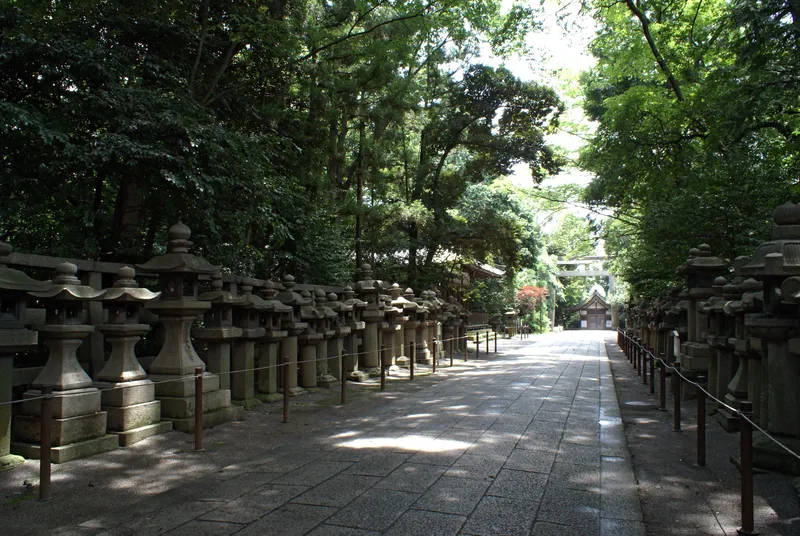
Iwashimizu Hachimangu
- Protection & Safety
Founded in 859 on an oracle in which the deity said: I shall move to the peak of Otokoyama near the capital and protect the realm.
 Shrine
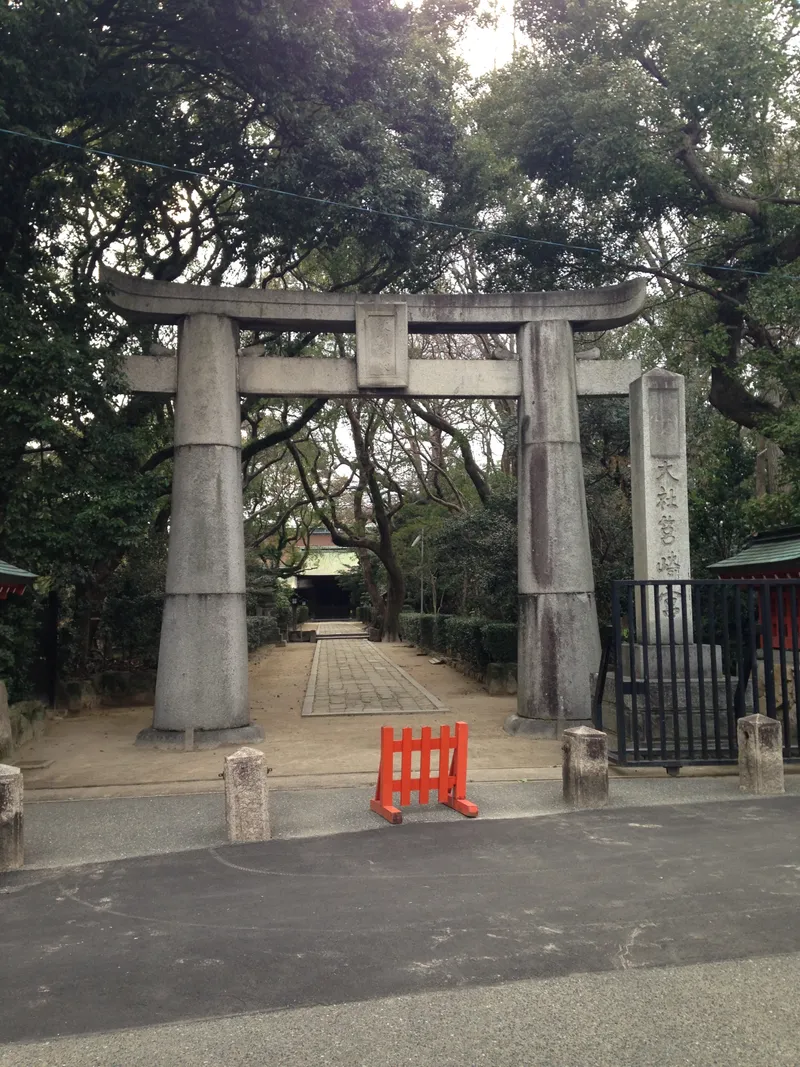
Hakozakigu
- Exams & Study
- Fertility & Children
- Money & Prosperity
A Hachiman shrine built in 921 after Emperor Daigo, by divine instruction, handed down a piece of imperial calligraphy that the shrine still keeps as its first treasure.
 Shrine
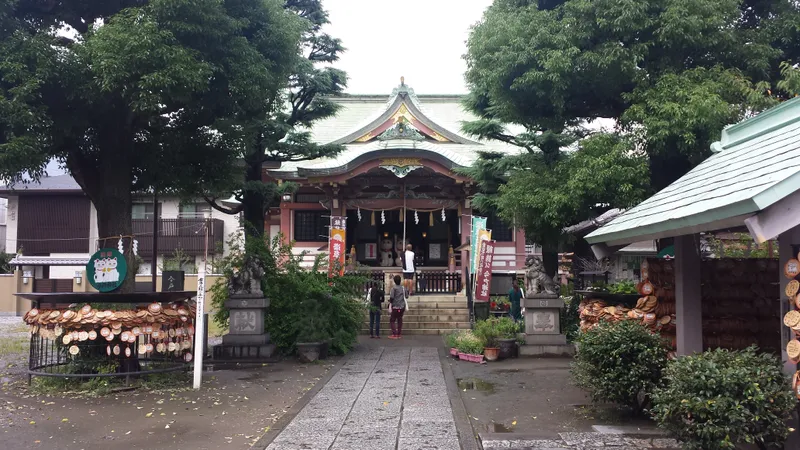
Imado Shrine
- Love & Romance
- Bonds & Matchmaking
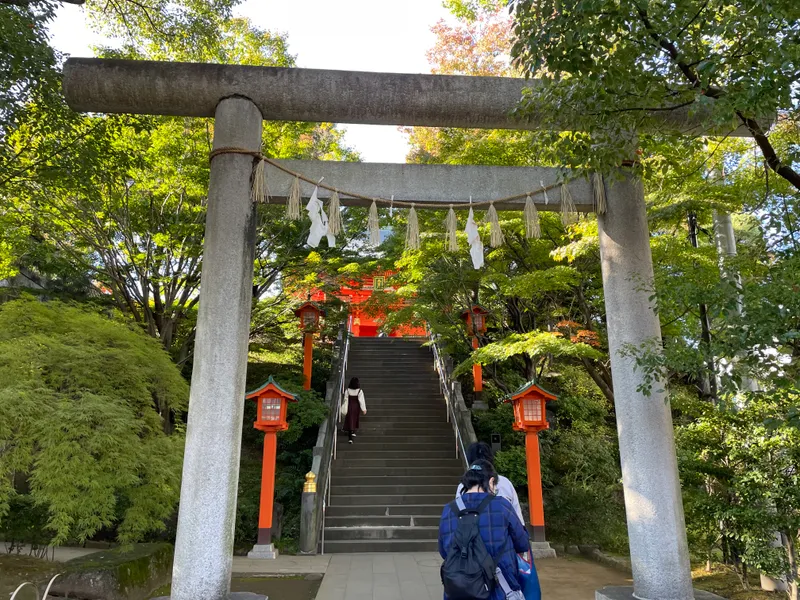
An Asakusa shrine founded in 1063 that calls itself a shrine of bond-tying, and which has run its own matchmaking gatherings since 2008.
 Shrine
Ana Hachimangu
- Fertility & Children
- Money & Prosperity
- Skill & Mastery
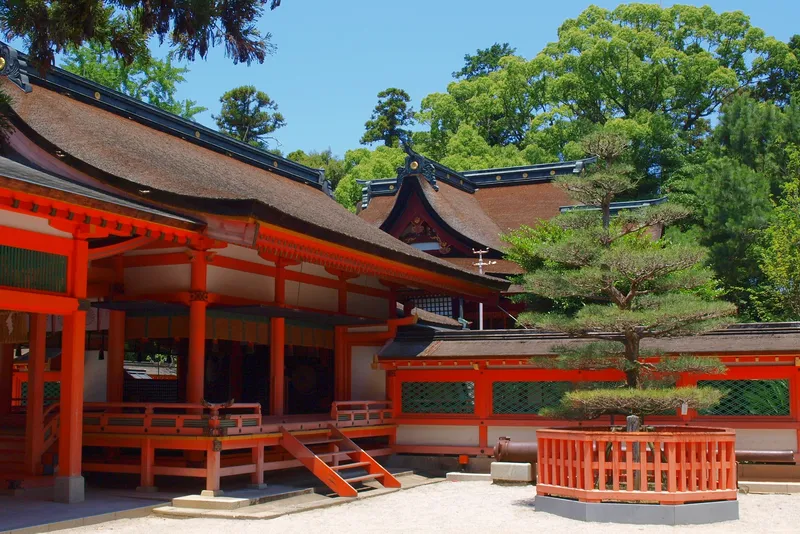
A Waseda shrine named for a cave found in its hillside in 1641, which gives out an amulet for the circulation of money for six weeks each winter and nothing the rest of the year.
 Shrine
Kashiigu
- Family & Home
- Fertility & Children
- Protection & Safety
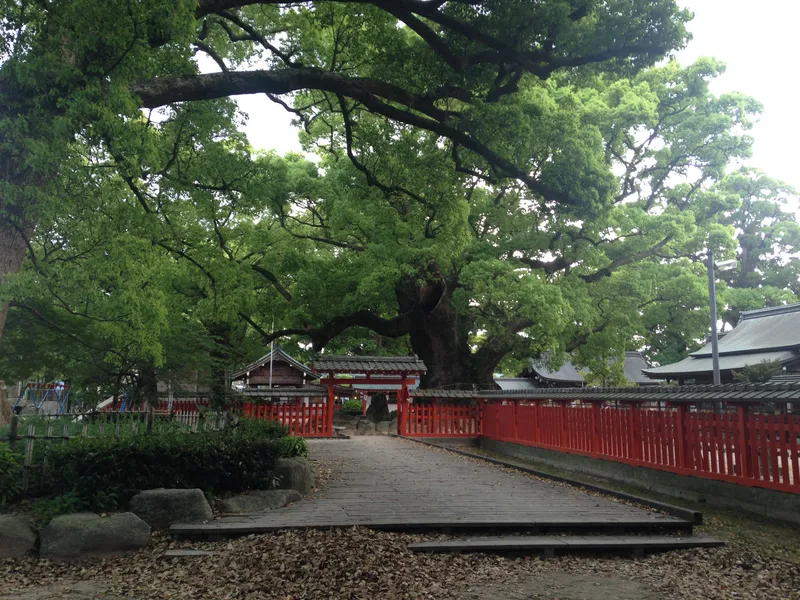
It began when Empress Jingu built a shrine with her own hands for the spirit of her husband Emperor Chuai, and a second hall for the empress herself was later added on her own oracle.
 Shrine
Umi Hachimangu
- Family & Home
- Fertility & Children
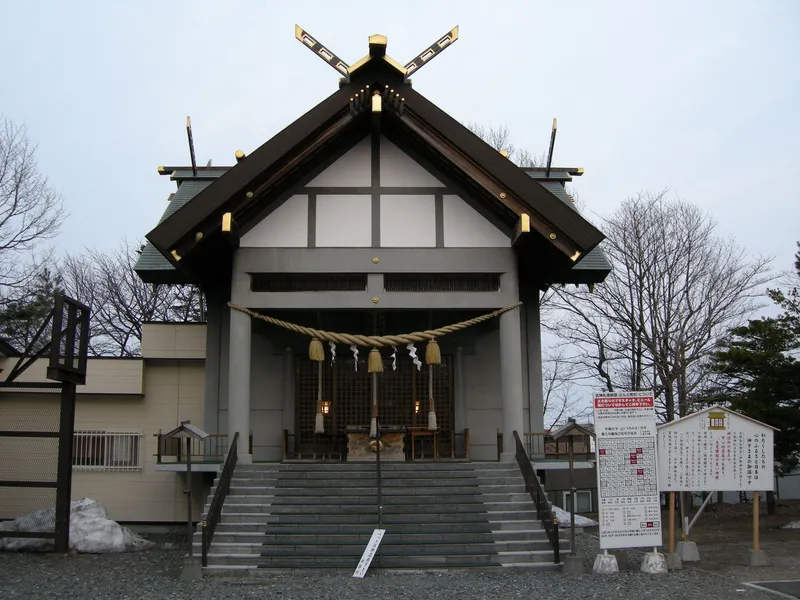
Empress Jingu gave birth to Emperor Ojin here, holding on to the branch of a pagoda tree, and the town’s name comes from that delivery.
 Shrine
Nishioka Hachimangu
Begins in 1890 when Mori Kinzō, a settler from Kōjiro village in Mihara district, Hyōgo, raised a small shrine on unnumbered land at Yakiyama and enshrined a divided spirit of his home village’s Hachiman shrine.
 Shrine
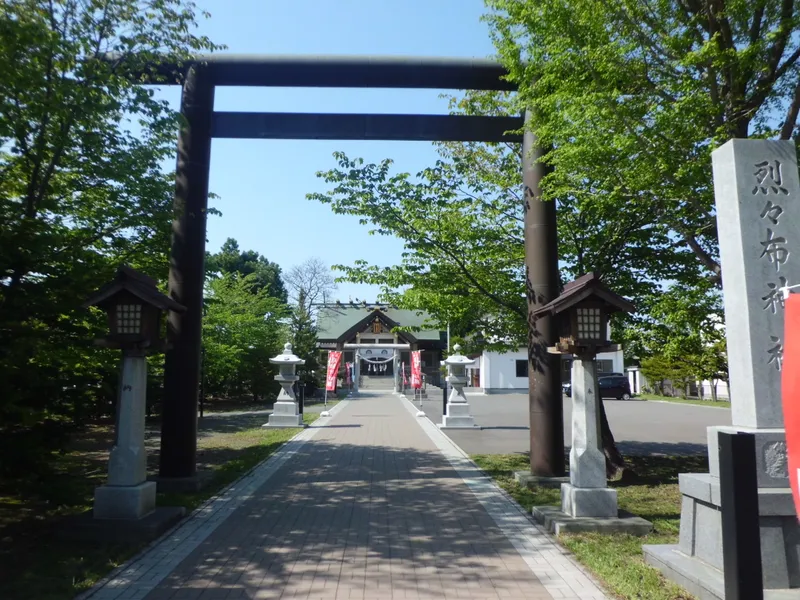
Reppupu Jinja
Named after its village, and in 1893 given three divided deities from Miyoshi Jinja in Sapporo.
 Shrine
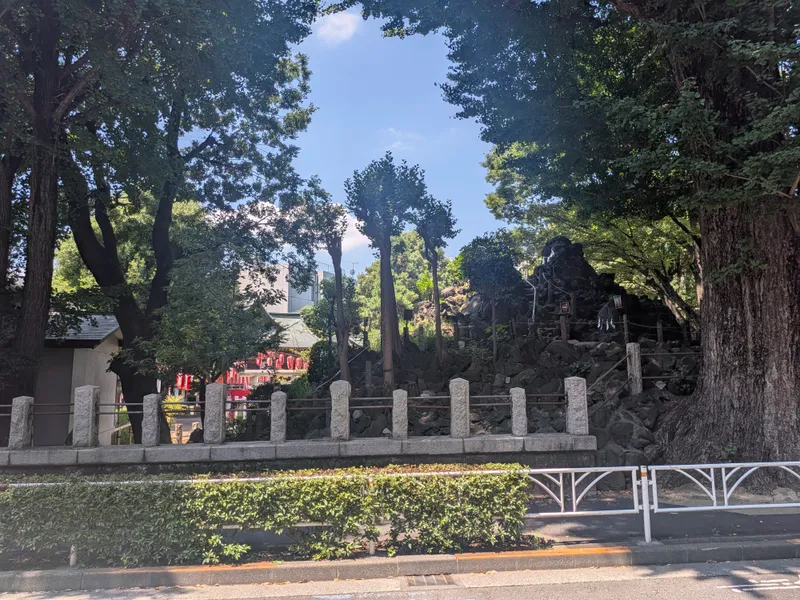
Hatonomori Hachiman Shrine
- Skill & Mastery
A Sendagaya shrine named after a flight of white doves, holding a Fuji mound raised in 1789 and a small hexagonal hall built with the Japan Shogi Association.
 Shrine
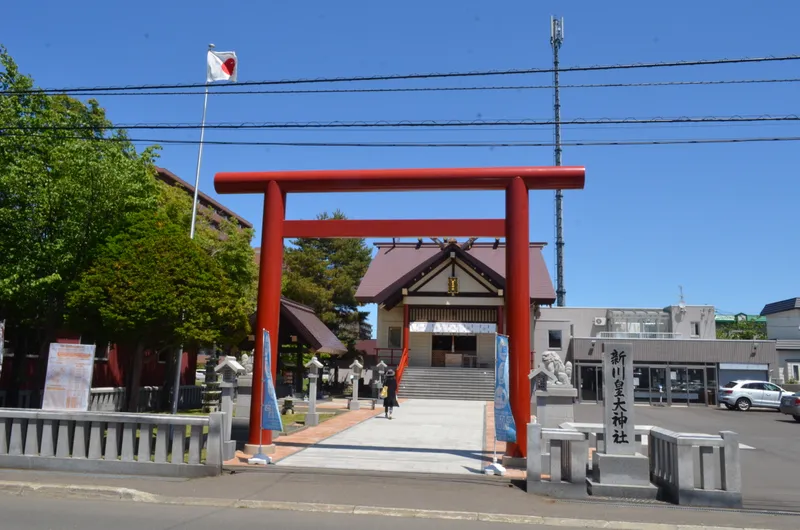
Shinkawa Kotai Jinja
A shrine whose history records that seven promoters and thirty-seven parishioners served at its enshrinement rite in 1908.
 Shrine
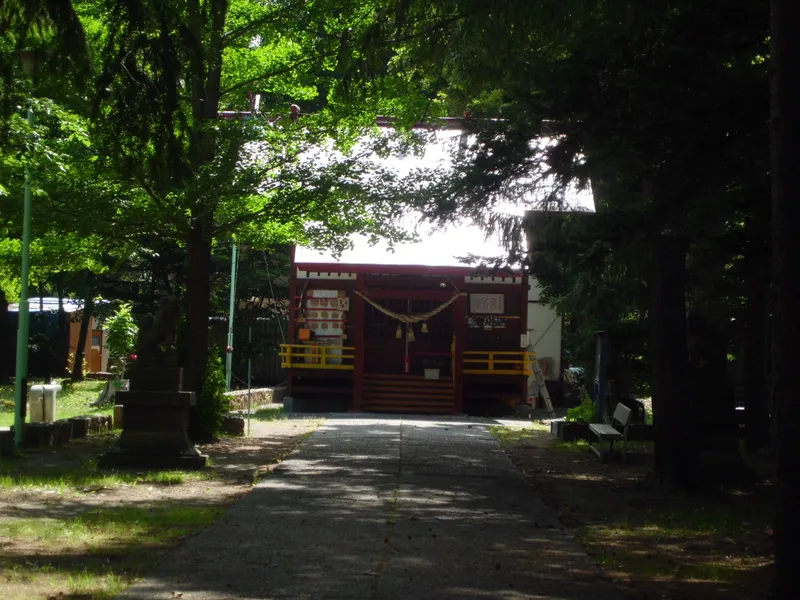
Hanaoka Jinja
A shrine whose own record of its founding is written as a guess — “probably”, “it seems”.
 Shrine
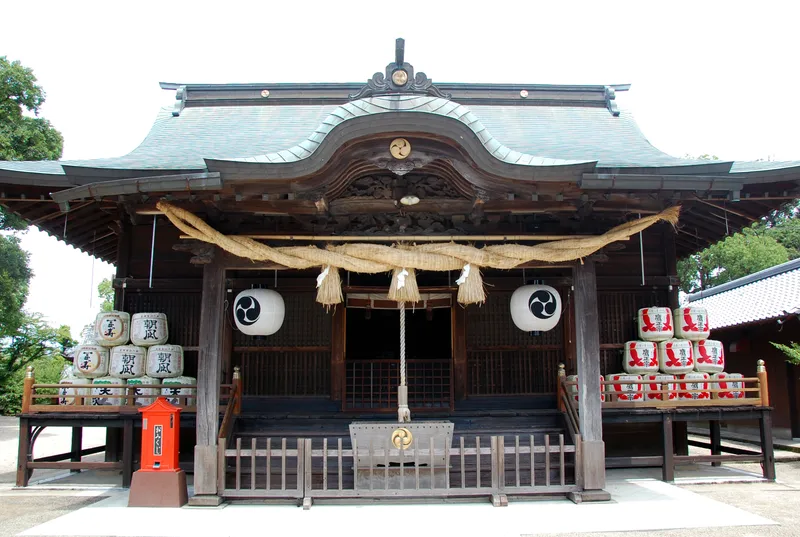
Daizenji Tamataregu
A shrine to Tamatare, Hachiman and Sumiyoshi transmitted as founded some nineteen hundred years ago; in the Meiji suppression the temple half was abolished and only the shrine remained.
 Shrine
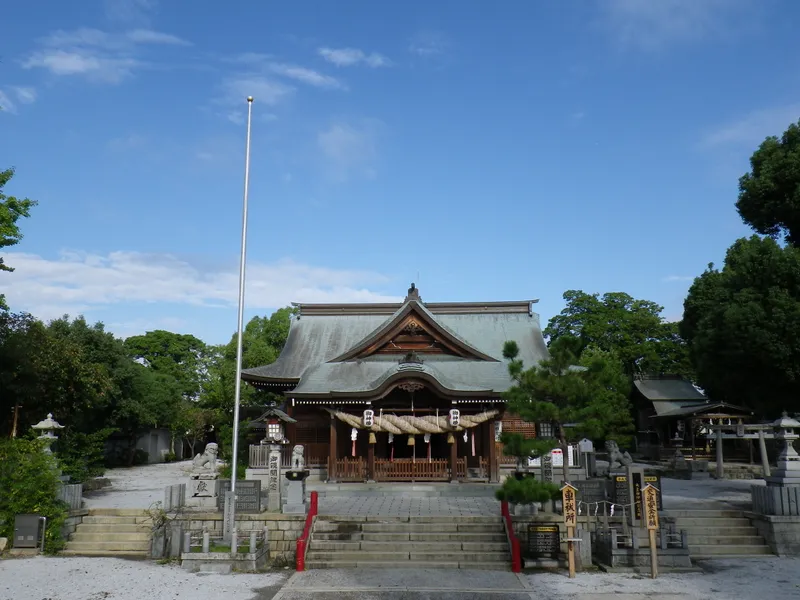
Fuuji Hachimangu
- Money & Prosperity
- Protection & Safety
From Ita no Okami to Kaze no Miya to Ita Tenaga Taisha and at last Fuuji Hachimangu — a name two lords each added a character to.
 Shrine
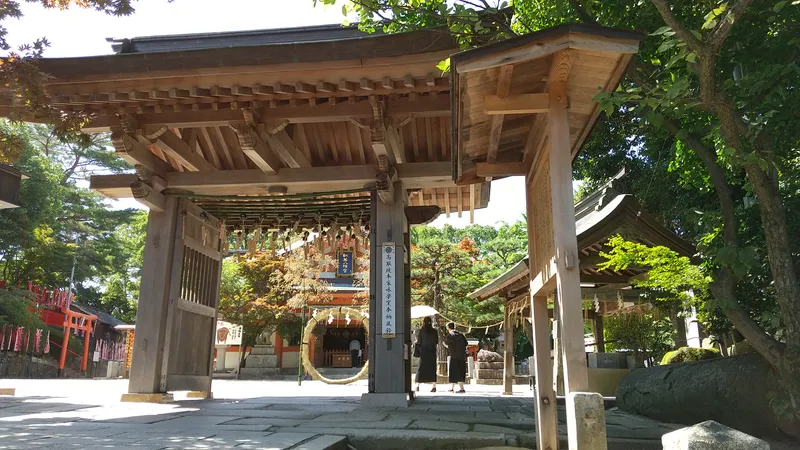
Momiji Hachimangu
- Career & Work
- Fertility & Children
- Love & Romance
Twelve deities are enshrined here, among them Empress Jingu, Emperor Ojin and Prince Uji no Wakiiratsuko, and the devotion runs to safe birth, the keeping of children, warding off misfortune, bonds and advancement.
 Shrine
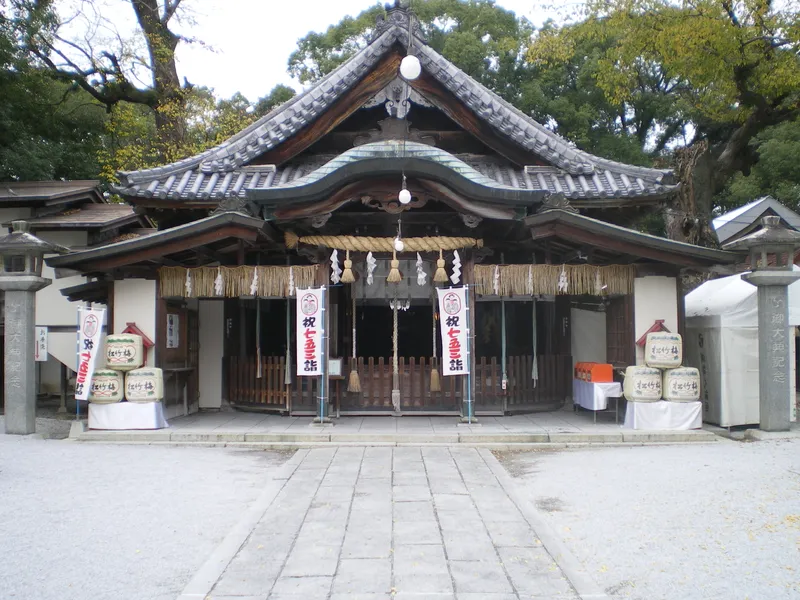
Nouso Hachimangu
- Exams & Study
- Family & Home
- Money & Prosperity
It began when Empress Jingu, on her way back from the campaign in the three Han, chose the grove of Nouso as sacred ground; the word people spoke at the parting gave the town of Iizuka its name.
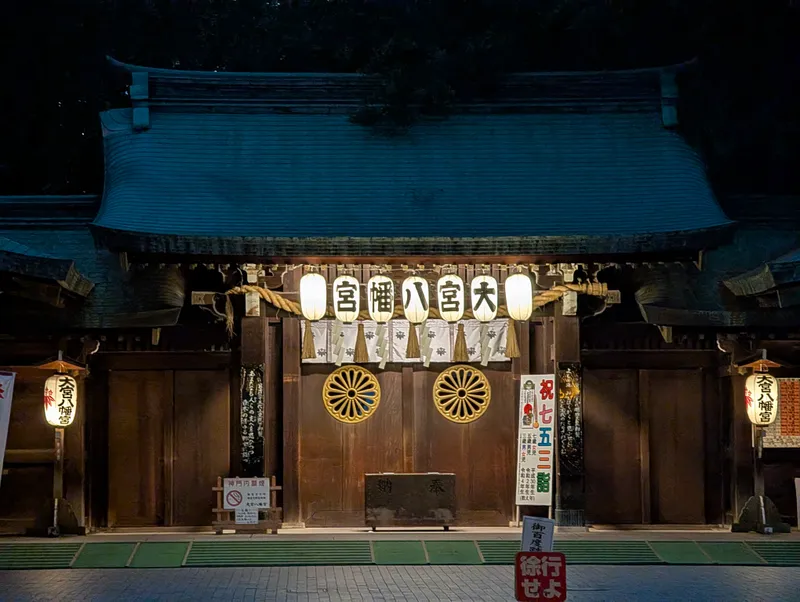 Shrine
Omiya Hachimangu
- Fertility & Children
- Protection & Safety
- Bonds & Matchmaking
A large wooded shrine in Suginami, founded in 1063 by Minamoto no Yoriyoshi after he read a bank of white cloud as the banners of his own clan, and known for child-rearing and warding.
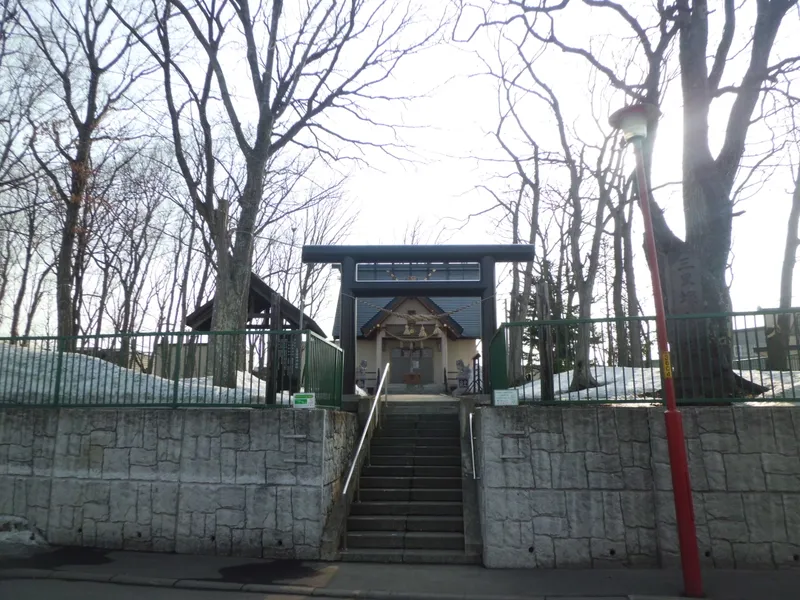 Shrine
Sanrizuka Jinja
A shrine whose annual festival has been held every year since 15 August 1897.
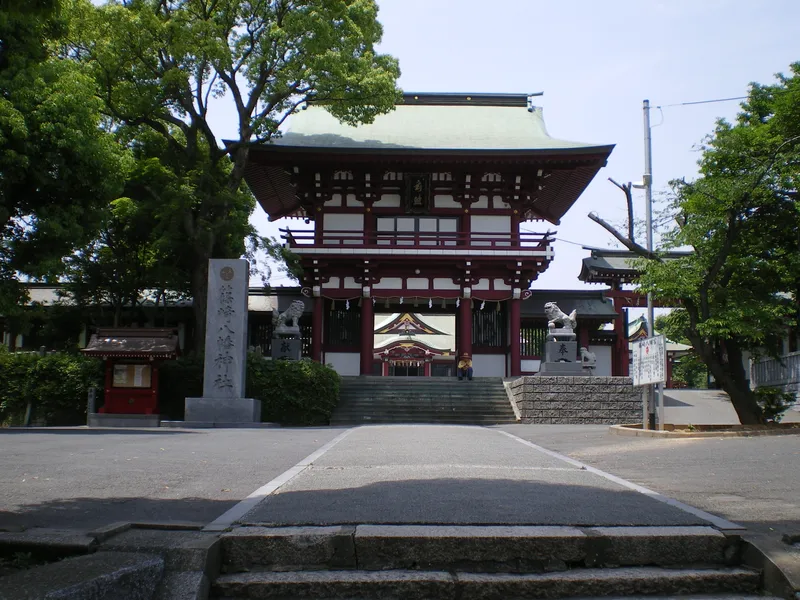 Shrine
Shinozaki Hachiman Shrine
- Career & Work
- Fertility & Children
- Love & Romance
It begins with Empress Jingu giving birth to Emperor Ojin at Umi, and a division of the deity was brought from Usa Hachimangu in 730; two stones in the precinct carry different prayers.
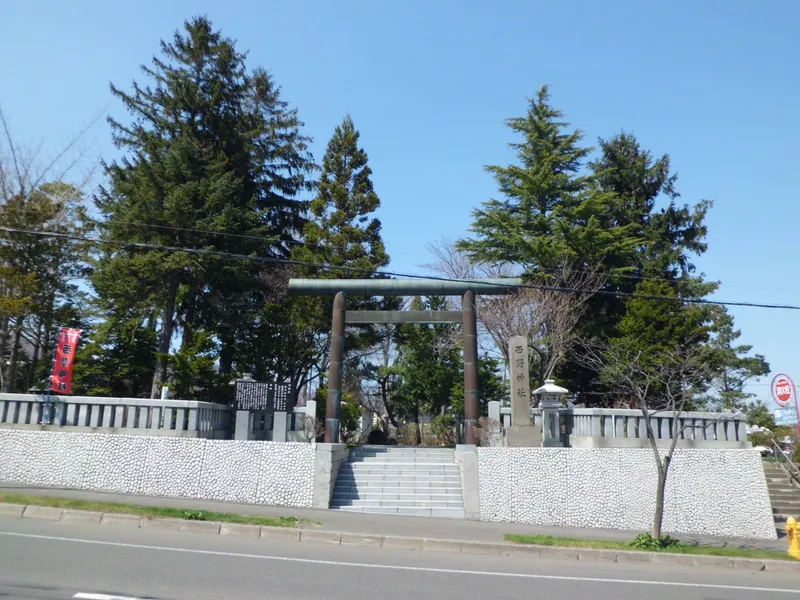 Shrine
Nishino Jinja
- Fertility & Children
- Health & Healing
- Love & Romance
Begins with five settler households who crossed to Hokkaido in 1885 holding the guardian deity of the place they had left, and states safe childbirth, good matches, warding off misfortune and rising fortune as its benefits.
 Shrine
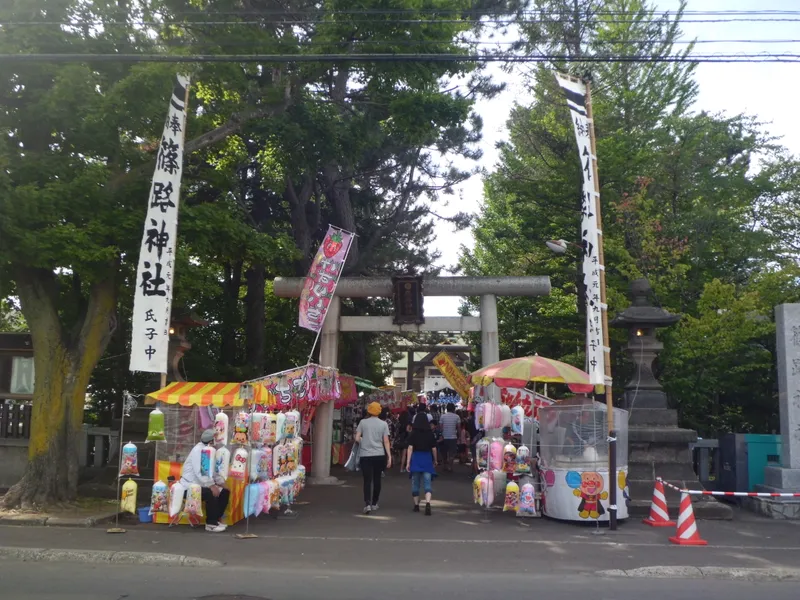
Shinoro Jinja
Founded in 1855 as Wakamiya Hachiman under the Tokugawa shogunate’s resident-settler system, which makes it among the oldest shrines in Sapporo.
 Shrine
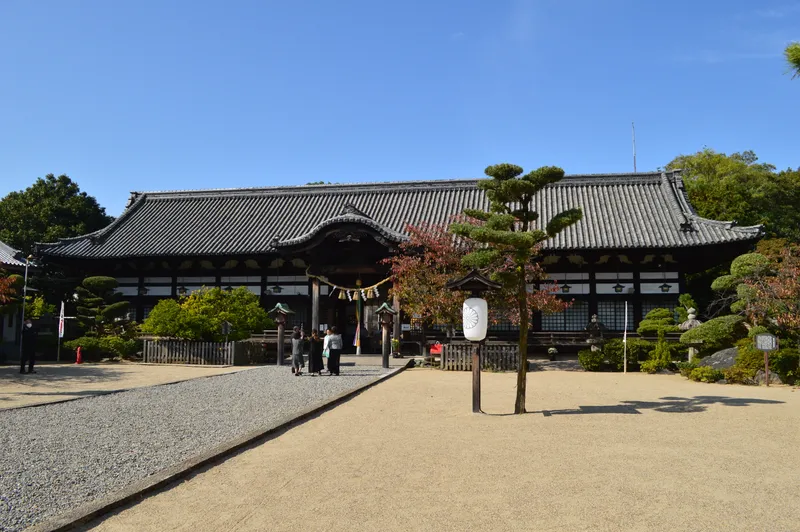
Konda Hachimangu
- Fertility & Children
- Protection & Safety
It sits on the round rear mound of Emperor Ojin’s tomb, and its history began from the devotion of guarding and serving that tomb.
 Shrine
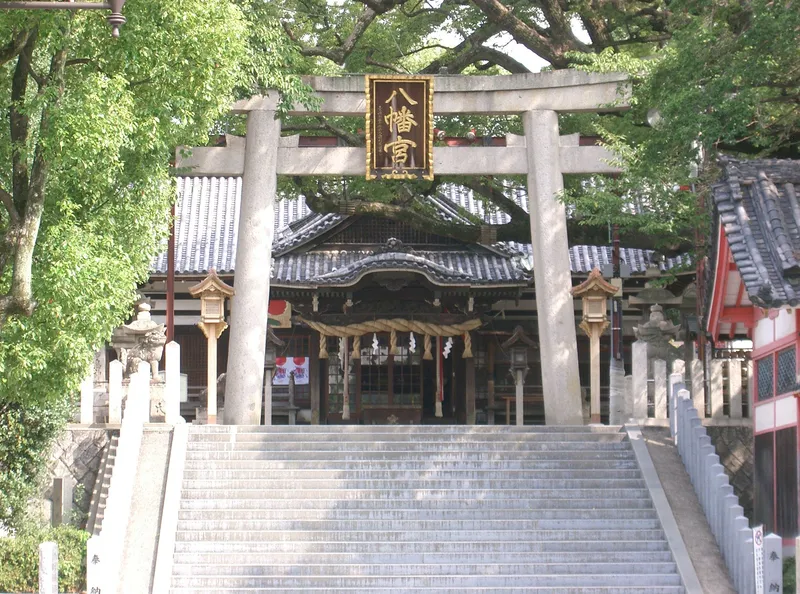
Mozu Hachimangu
- Protection & Safety
Founded after an utterance of Hachiman named this ground Mozu in the reign of Emperor Kinmei, with a vow to keep the realm at peace and guard all the people.