Hanaoka Jinja
Hachiman Jinja
Researched and translated with AI assistance. Every claim is linked to its source, but errors get through, so check the official site for opening times, fees and closures.About
In short
A shrine whose own record of its founding is written as a guess — “probably”, “it seems”.
Quick facts
- Address
- 2-5-3-1 Misumai, Minami-ku, Sapporo, Hokkaido
- Spiritual entities
- Hachiman (八幡神) · Ōkuninushi (大国主命)
About this place
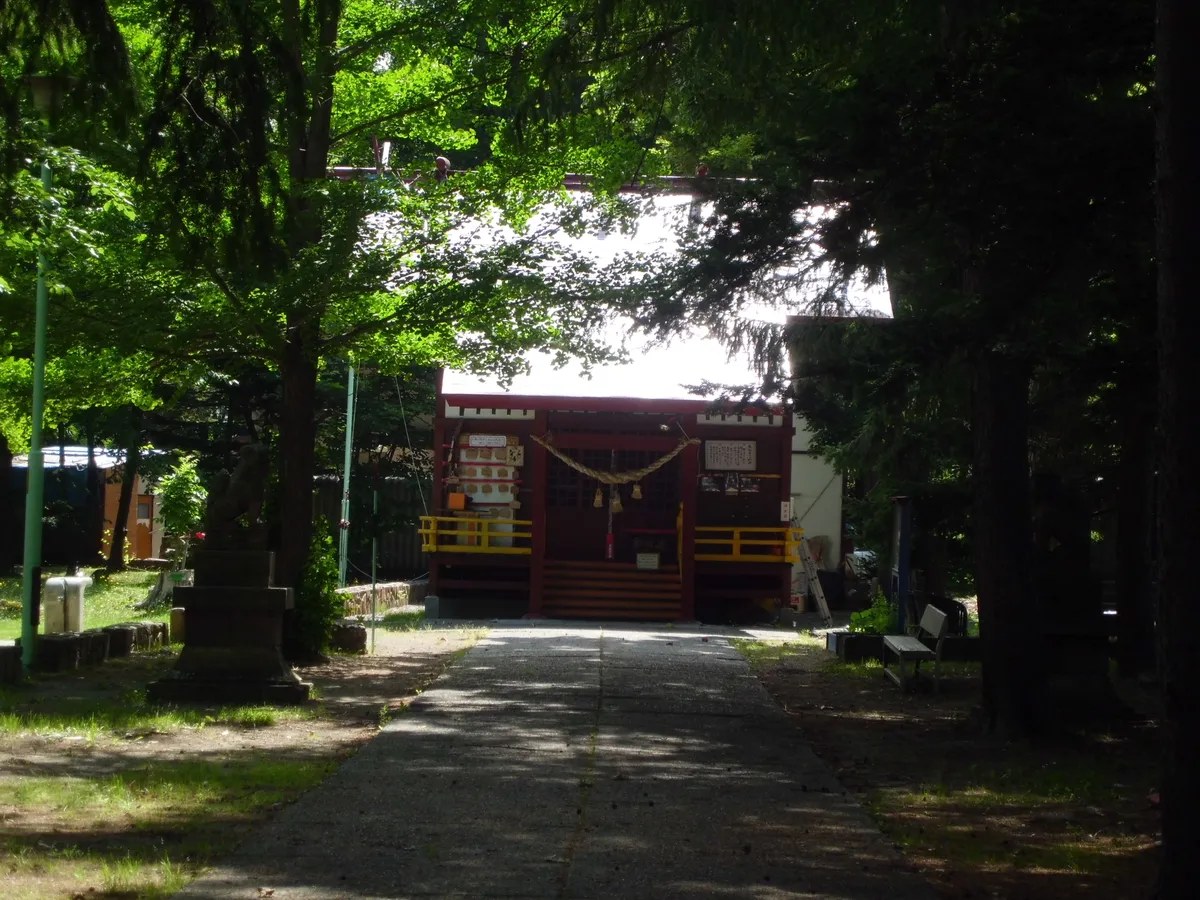
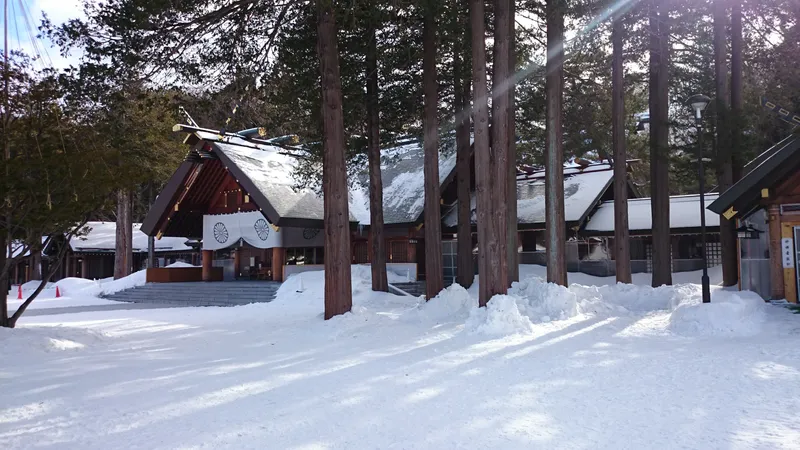
Hanaoka Jinja stands in Misumai, Minami-ku, Sapporo. Its deities are Onamuchi, Emperor Ojin and Oyamatsumi. Founding is given as September 1882. The residents of the Misumai district were devout toward the gods and their forebears from the time of settlement, and it seems there were small shrines in each of the little hamlets, the shrine writes. According to a report by Sakurai Tsuguhisa, a former vice-chair of the Misumai federated neighbourhood association, a Hachiman Jinja was built on 15 September 1882. At that time the Kuroiwa Seigoro household was the only one living in Misumai, and they probably received a guardian deity from their home province of Fukuoka, built a small shrine and made it their protector — so the shrine writes. The section on the young men’s association in the local history Misumai Enkakushi-ko reads, “In the 1890s the young men looked after the shrine, collected the festival expenses from each house and held the festival,” from which, the shrine says, it may be taken that the shrine was already being worshipped alongside the settlement. It was granted rank by permission of the Home Minister dated 15 March 1915, and received the approval of the Association of Shinto Shrines on 1 August 1946. The present hall was built in 1968. The annual festival is 15 September. No benefit that may be prayed for is stated.
Origin and history
Founding is given as September 1882. The residents of the Misumai district were devout toward the gods and their forebears from the time of settlement, and it seems there were small shrines in each of the little hamlets, the shrine writes.
According to a report by Sakurai Tsuguhisa, a former vice-chair of the Misumai federated neighbourhood association, a Hachiman Jinja was built on 15 September 1882. At that time the Kuroiwa Seigoro household was the only one living in Misumai, and they probably received a guardian deity from their home province of Fukuoka, built a small shrine and made it their protector — so the shrine writes.
The section on the young men’s association in the local history Misumai Enkakushi-ko reads, “In the 1890s the young men looked after the shrine, collected the festival expenses from each house and held the festival,” from which, the shrine says, it may be taken that the shrine was already being worshipped alongside the settlement.
It was granted rank by permission of the Home Minister dated 15 March 1915, and received the approval of the Association of Shinto Shrines on 1 August 1946. The present hall was built in 1968.
What it is locally associated with
A record written as inference
It seems there were small shrines; they probably received a guardian deity and made it their protector — the shrine sets down its own beginning in the language of a guess.
documented historyA single household in Misumai
At the founding, the record says, the Kuroiwa Seigoro household was the only one living in Misumai.
documented historyThe young men’s festival
Misumai Enkakushi-ko records, “In the 1890s the young men looked after the shrine, collected the festival expenses from each house and held the festival.”
documented history
This shrine’s record does not assert its own beginning. It seems there were small shrines, it writes; they probably received a guardian deity and made it their protector. Most entries on this list state a founding year and a source shrine outright. This one uses the language of inference twice.
What it offers instead is citation. The date and the old name are credited to a report by Sakurai Tsuguhisa, a former vice-chair of the Misumai federated neighbourhood association; for the young men’s festivals it quotes the local history Misumai Enkakushi-ko directly — “In the 1890s the young men looked after the shrine, collected the festival expenses from each house and held the festival.” Where the account came from is set down beside the account.
At the founding, the record says, the Kuroiwa Seigoro household was the only one living in Misumai. A shrine raised on the ground of a single house. Ashiribetsu Jinja in the same city began from one man’s morning and evening worship; for smallness it stands beside the shrine of less than one tsubo at Mizuho Jinja.
The god’s origin is written down too: probably from their home province of Fukuoka — the region this site also covers. Shrines in Sapporo that begin with a carried god are common; ones that name the province it was carried from are not.
The name changed as well. First Hachiman Jinja, now Hanaoka Jinja. The year of the change is not recorded.
Claims and evidence levels 2
- Founding is given as September 1882, with the date 15 September 1882 credited to a report by Sakurai Tsuguhisa. documented history
- The shrine was granted rank by permission of the Home Minister dated 15 March 1915, and approved by the Association of Shinto Shrines on 1 August 1946. documented history
Related guides
- How to visit a shrine or temple in JapanThe country-wide basics: purifying at the water basin, the two-bows-two-claps-one-bow form at shrines, and what temples do instead.
- What a "power spot" actually isA modern Japanese coinage, not a traditional religious category. Where the word came from, what it does and does not claim, and why this site uses it anyway.
- Shrine or temple?A shrine is Shinto and a temple is Buddhist, and you can usually tell at the gate. Why the line is cleaner on paper than on the ground, and what a government order in 1868 has to do with it.
- Omamori, ema, omikuji and goshuinThe four things you are most likely to receive, write, draw or be given at a shrine or temple, what each is actually for, and the one of them people most often get wrong.
Sources
- 花岡神社 — 北海道神社庁札幌支部 (accessed 2026-08-16)
Last updated:
Similar places
8 places
 Shrine
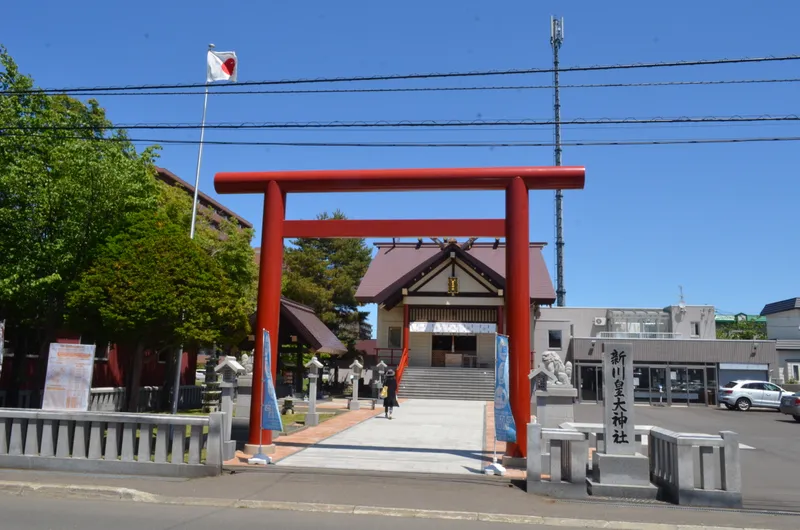
Shinkawa Kotai Jinja
A shrine whose history records that seven promoters and thirty-seven parishioners served at its enshrinement rite in 1908.
 Shrine
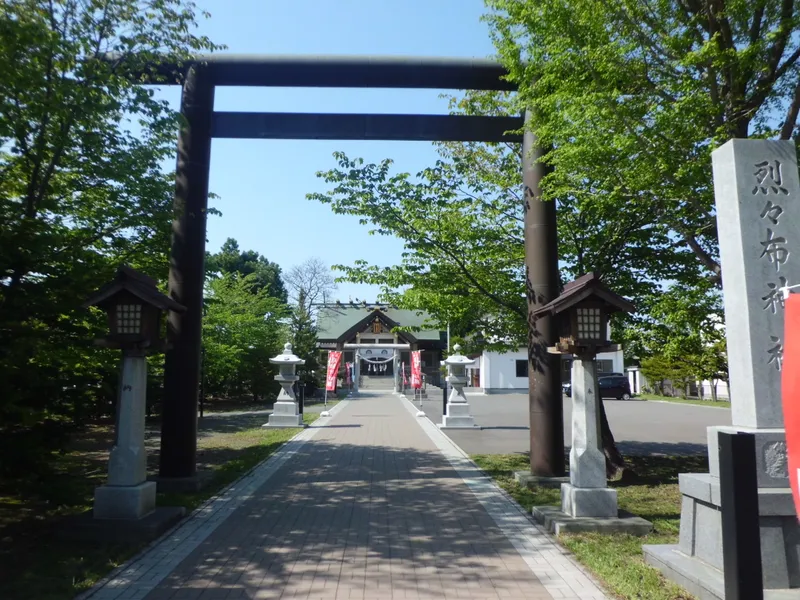
Reppupu Jinja
Named after its village, and in 1893 given three divided deities from Miyoshi Jinja in Sapporo.
 Shrine
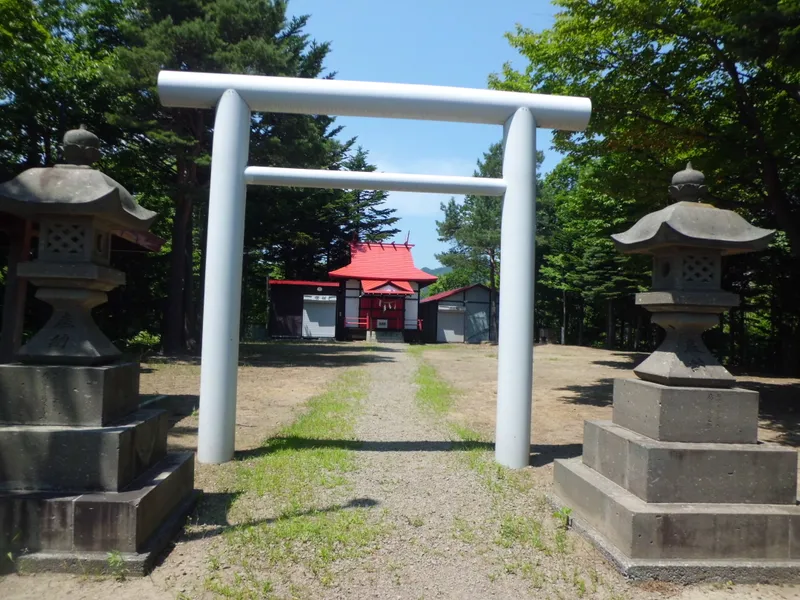
Sapporo Fujino Jinja
Begins in September 1961 when the people of the Nonozawa district raised a wooden marker post; a hall followed eleven years later.
 Shrine
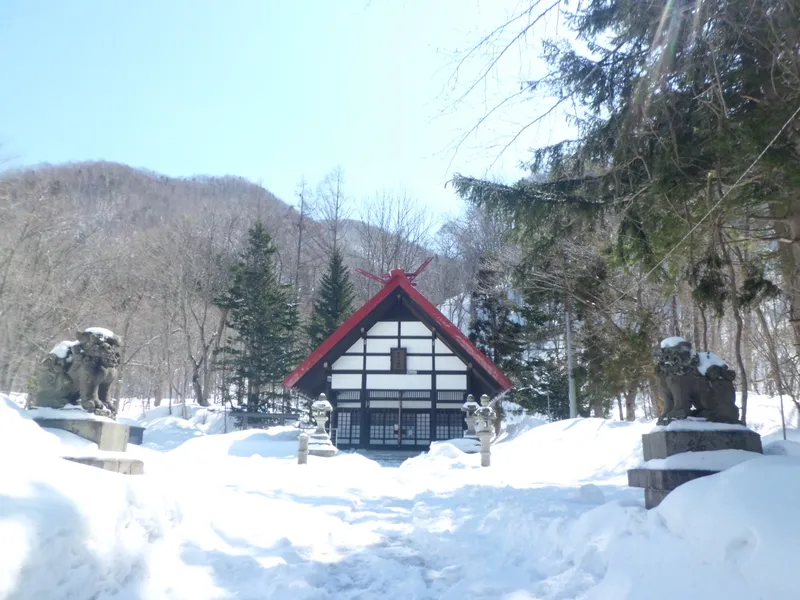
Jozankei Jinja
Enshrines Bisen Jozan — the man who found the hot spring and gave this valley its name — as the deity Bisen Jozan no Mikoto.
 Shrine
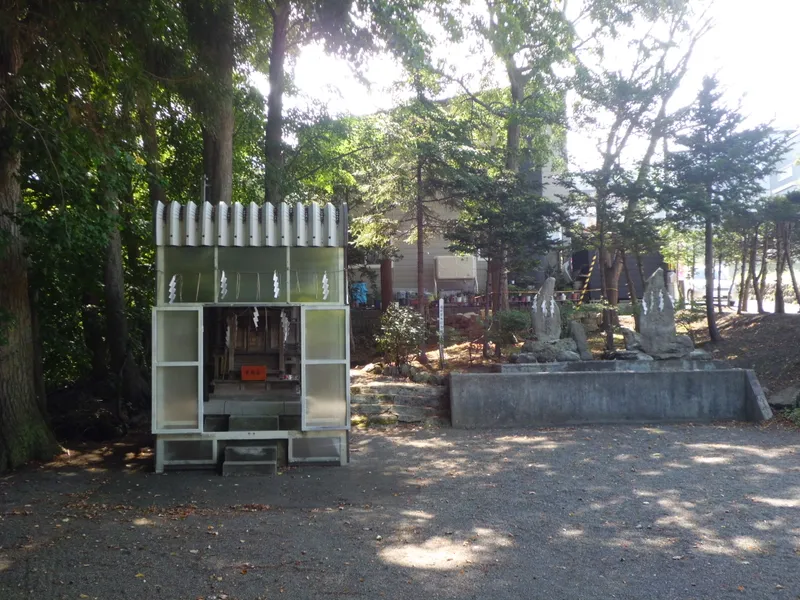
Maruyama-nishimachi Jinja
Its hall is the shrine that once stood on the roof of the Hokkaido Takushoku Bank’s head office, handed over in 1951.
 Shrine
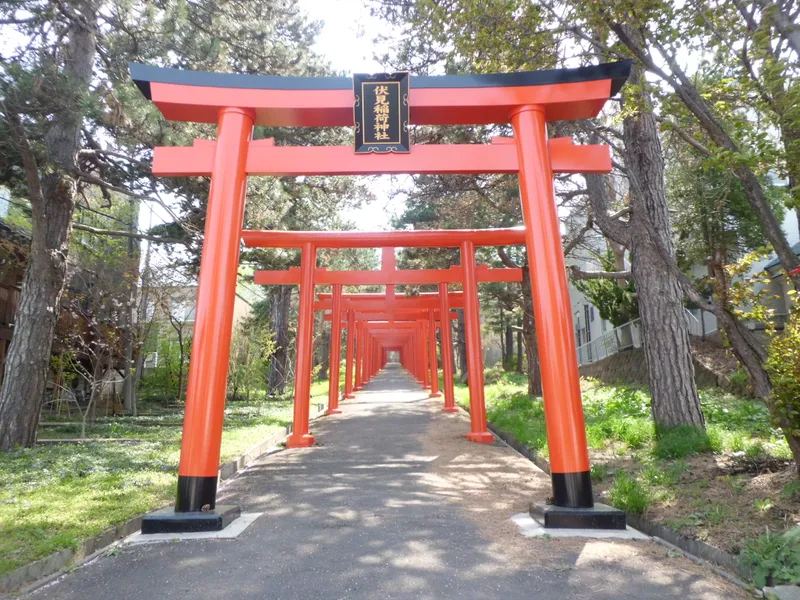
Sapporo Fushimi Inari Jinja
- Career & Work
- Money & Prosperity
Begins in 1884 with a divided spirit brought from Fushimi Inari Taisha in Kyoto, and holds its deity to be the progenitor of food, clothing and shelter, and guardian of harvests, industry and trade.
 Shrine
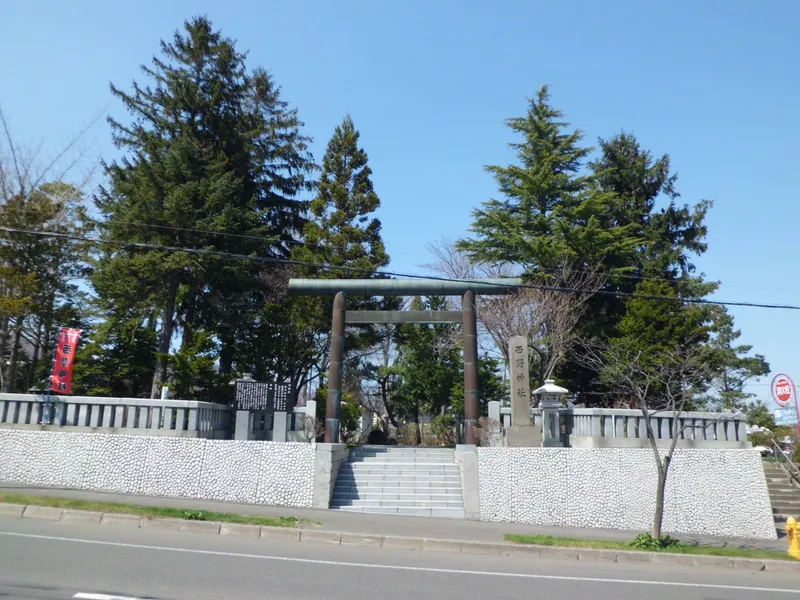
Nishino Jinja
- Fertility & Children
- Health & Healing
- Love & Romance
Begins with five settler households who crossed to Hokkaido in 1885 holding the guardian deity of the place they had left, and states safe childbirth, good matches, warding off misfortune and rising fortune as its benefits.
 Shrine
Hokkaido Jingu
A shrine that begins with three deities enshrined in Tokyo in 1869, shipped to Hakodate, and carried the rest of the way to Sapporo on the back of the colonisation magistrate Shima Yoshitake.
No places match your filters