Ashiribetsu Jinja
Atsubetsu Jinja
Researched and translated with AI assistance. Every claim is linked to its source, but errors get through, so check the official site for opening times, fees and closures.About
In short
Begins in 1874 when Nagaoka Shigeharu made a small shrine in a corner of the land he had cleared and worshipped there morning and evening.
Quick facts
- Address
- 2-1-3-1 Hiraoka 2-jo, Kiyota-ku, Sapporo, Hokkaido
- Spiritual entities
- Amaterasu Ōmikami (天照大御神) · Inari (稲荷大神)
About this place
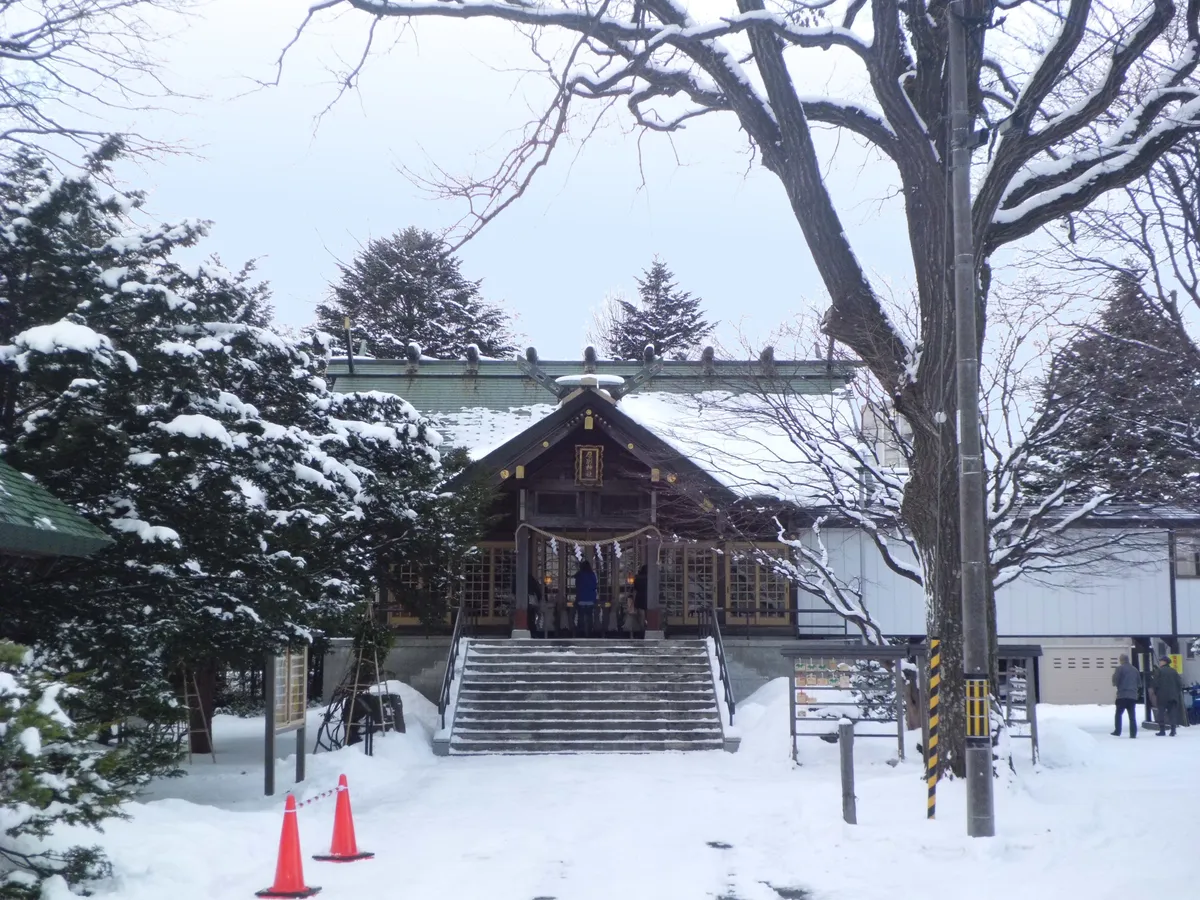
Ashiribetsu Jinja stands in Kiyota-ku, Sapporo; its name is read Ashiribetsu. Its deities are Amaterasu, Oyamatsumi and Ukanomitama. In 1874 Nagaoka Shigeharu made a small shrine in a corner of the land he had cleared, and worshipped there morning and evening. In September 1885 a shrine in the steep gasshō style was built on the east side of the Atsubetsu river, and prayer was offered for abundant harvests and the safety of the district’s people. In April 1917 the main hall was moved to the present site, and in September 1930 the shrine received official recognition. A religious corporation was established in August 1946, and a new hall was built and completed on 5 September 1970. The annual festival is 12 September, with the eve festival on 11 September. No benefit that may be prayed for is stated.
Origin and history
In 1874 Nagaoka Shigeharu made a small shrine in a corner of the land he had cleared, and worshipped there morning and evening.
In September 1885 a shrine in the steep gasshō style was built on the east side of the Atsubetsu river, and prayer was offered for abundant harvests and the safety of the district’s people. In April 1917 the main hall was moved to the present site.
It received official recognition in September 1930, a religious corporation was established in August 1946, and a new hall was completed on 5 September 1970.
What it is locally associated with
A small shrine in a corner of cleared land
In 1874 Nagaoka Shigeharu made a small shrine in a corner of the land he had cleared, and worshipped there morning and evening.
documented historyA gasshō-style shrine and its prayer
In September 1885 a shrine in the steep gasshō style was built east of the Atsubetsu river, with prayer for abundant harvests and the safety of the district’s people.
documented historyMoved in 1917
In April 1917 the main hall was moved to the present site, and official recognition followed in September 1930.
documented history
This shrine begins with one man’s daily round. In 1874 Nagaoka Shigeharu made a small shrine in a corner of the land he had cleared and worshipped there morning and evening — a corner of his own ground, and a habit kept twice a day. Sapporo’s shrines begin with the state, with an army company, with 240 households or five, with a confraternity. This is the only one that begins with a private routine.
The name is read Ashiribetsu. The modern ward written with the same characters is read Atsubetsu, but the shrine keeps the older reading, and uses it of itself.
Where it stands no longer matches what it is called. It bears the name Atsubetsu and its address is Hiraoka in Kiyota-ku, the result of the main hall being moved in April 1917 — the same shape as Kamiteine Jinja, which stands in Nishino. Two shrines in this region carry a name that has outlived its geography.
The shrine built in 1885 was in the steep gasshō style, and what was prayed for there was abundant harvests and the safety of the district’s people. The page names no benefit, so this page carries no tag for what may be prayed for.
Claims and evidence levels 2
- Nagaoka Shigeharu made a small shrine in a corner of his cleared land in 1874 and worshipped there morning and evening. documented history
- A gasshō-style shrine was built east of the Atsubetsu river in 1885, and the main hall was moved to the present site in 1917. documented history
Related guides
- How to visit a shrine or temple in JapanThe country-wide basics: purifying at the water basin, the two-bows-two-claps-one-bow form at shrines, and what temples do instead.
- What a "power spot" actually isA modern Japanese coinage, not a traditional religious category. Where the word came from, what it does and does not claim, and why this site uses it anyway.
- Shrine or temple?A shrine is Shinto and a temple is Buddhist, and you can usually tell at the gate. Why the line is cleaner on paper than on the ground, and what a government order in 1868 has to do with it.
- Omamori, ema, omikuji and goshuinThe four things you are most likely to receive, write, draw or be given at a shrine or temple, what each is actually for, and the one of them people most often get wrong.
Sources
- 厚別神社 — 北海道神社庁札幌支部 (accessed 2026-08-16)
Last updated:
Similar places
8 places
 Shrine
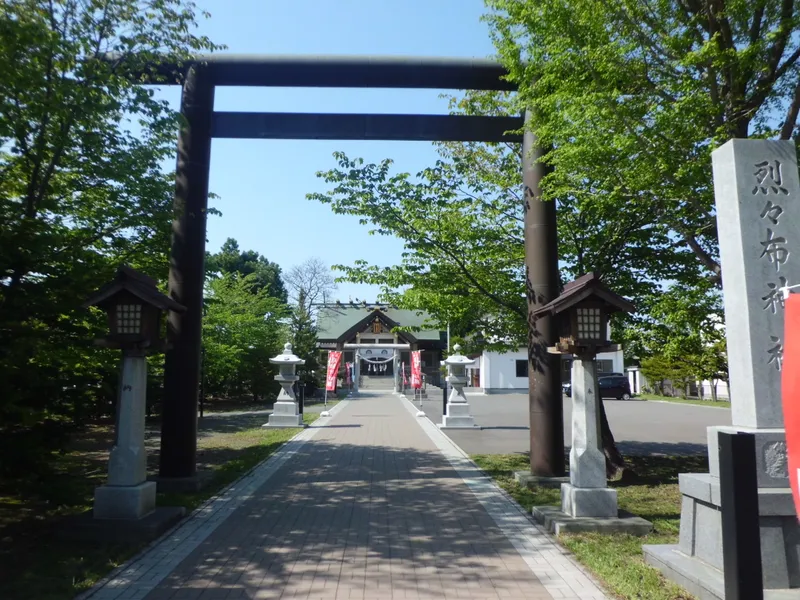
Reppupu Jinja
Named after its village, and in 1893 given three divided deities from Miyoshi Jinja in Sapporo.
 Shrine
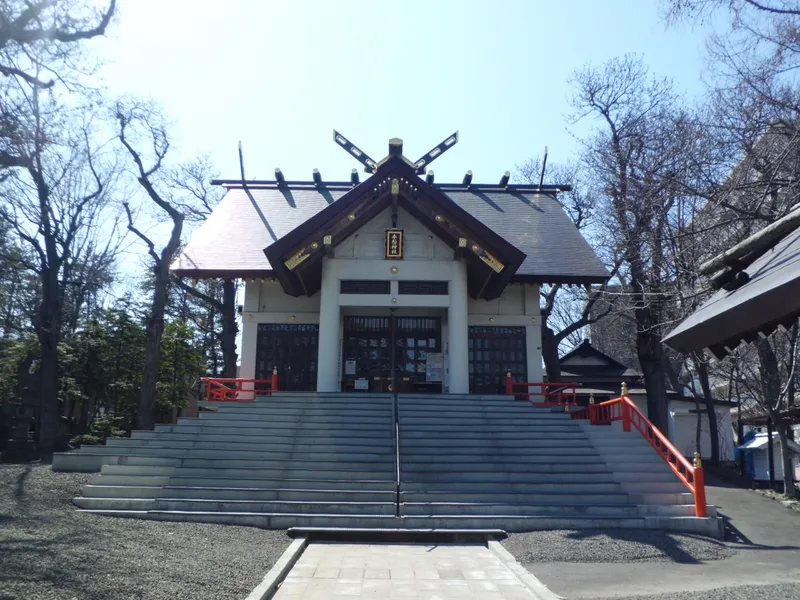
Teine Jinja
Began when 250 households, unable to reach Sapporo Jinja in winter or at harvest, petitioned for a place to worship it from a distance — and later became a shrine itself.
 Shrine
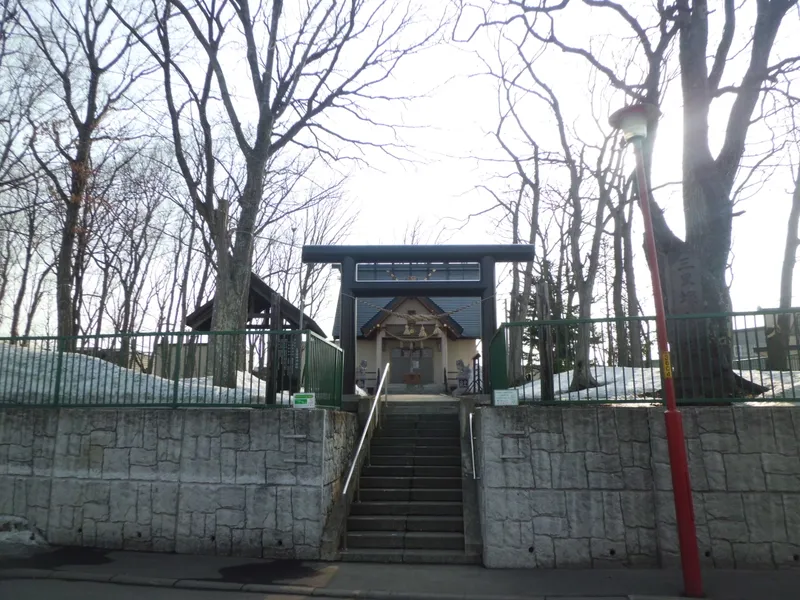
Sanrizuka Jinja
A shrine whose annual festival has been held every year since 15 August 1897.
 Shrine
Fukuzumi Itsukushima Jinja
Founded in 1884 by migrants from Hiroshima, and later given divided spirits from Itsukushima in Hiroshima, Fushimi Inari in Sapporo, and Kitano Tenmangu.
 Shrine
Tsukisamu Jinja
Permitted to be founded as Nishiyama Jinja, it reached its present site through one renaming and two relocations, each recorded with the date of petition and permit.
 Shrine
Toyohira Jinja
Founded when a district settled largely by migrants from Tōhoku enshrined the guardian deity of the home they had left, Kamitsukeno no Tamichi.
 Shrine
Sapporo Sorei Jinja
Begins in 1871 with a spirit shrine built at the entrance to a communal burial ground.
 Shrine
Ishiyama Jinja
Begins with quarrymen and stone-cutters who settled in this soft-stone district and worshipped the gods of their home provinces at stone tablets raised in each quarter.
No places match your filters