Sapporo Gokoku Jinja
Sapporo Shokonsha · Sapporo Shotoku Jinja
Researched and translated with AI assistance. Every claim is linked to its source, but errors get through, so check the official site for opening times, fees and closures.About
In short
Begins with rites for the colonial militia who died in the fighting or of illness in the campaign of 1877, and enshrines 25,548 spirits.
Quick facts
- Address
- 15-5-1-1 Minami-jo-nishi, Chuo-ku, Sapporo, Hokkaido
About this place
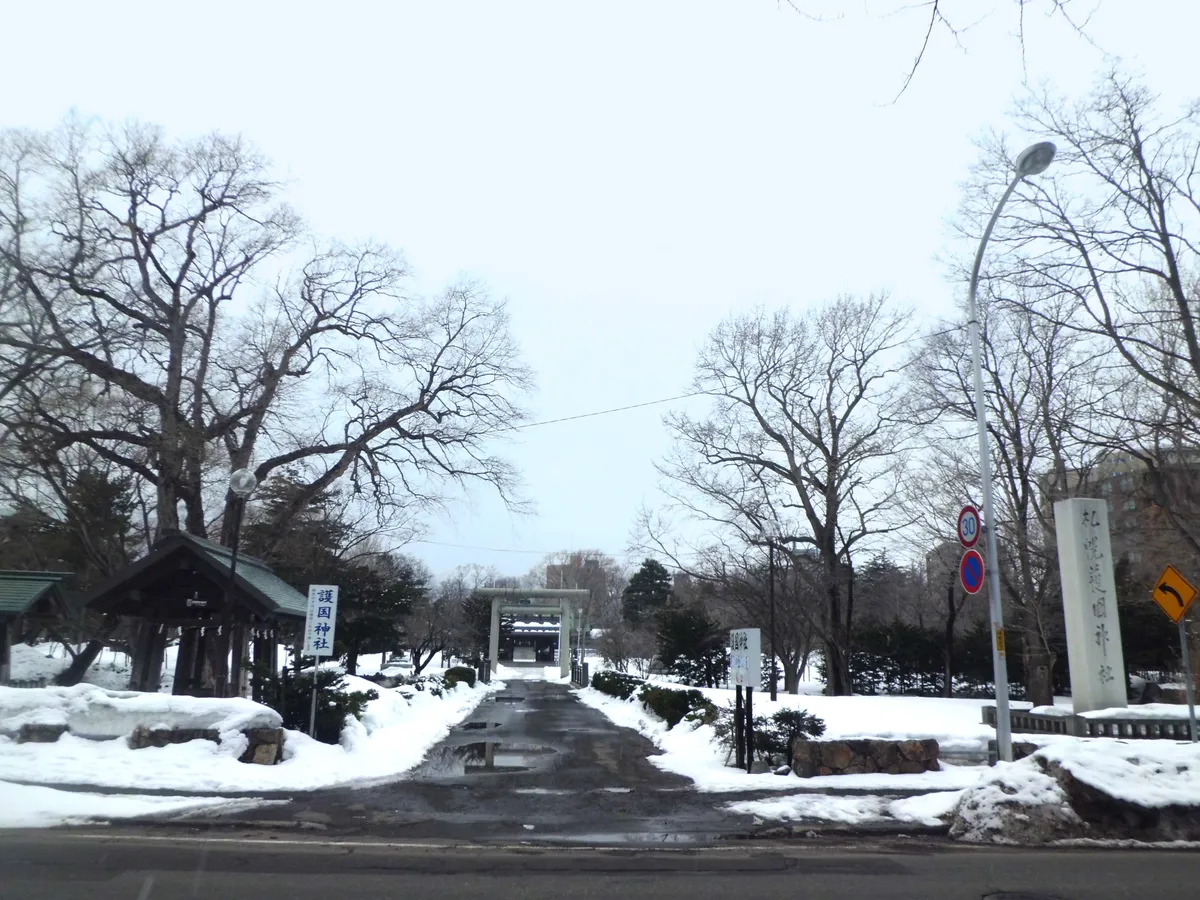
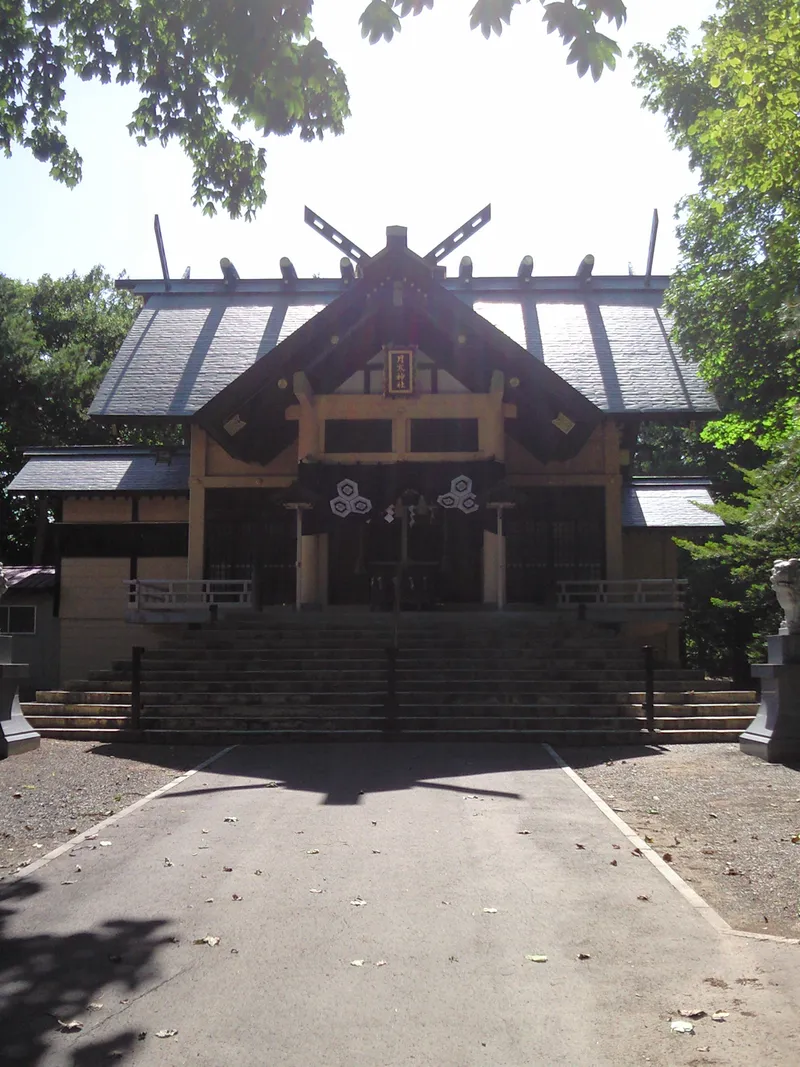
Sapporo Gokoku Jinja stands in Chuo-ku, Sapporo. Its enshrined deities are given as the spirits of the defence of the country, 25,548 of them. It begins with rites for the spirits of the colonial militia who died in the fighting or of illness in the Satsuma campaign of 1877. Prince Arisugawa Taruhito gave the monument the title Colonial Militia Spirit-Summoning Monument, and rites were performed at the Colonial Militia Headquarters on 2 August 1879. In February 1907 it moved to Nakajima Park, where those who died in the fighting or of illness in the war with Qing China of 1894–95 were enshrined alongside; a loyal-spirit monument was raised for the enshrinement of those who died in the war with Russia of 1904–05, and General Nogi inscribed it. On 17 November 1933 Sapporo Shokonsha was built on the present site, and the spirits that had been enshrined at Sapporo Jinja, a shrine of imperial rank, were returned here. In 1936, on the occasion of the Showa Emperor’s progress through Hokkaido, an offering for the rites was granted. On 1 April 1939 it became a Gokoku shrine designated by the Home Ministry. With the end of the war it came under the Association of Shinto Shrines on 30 April 1946, and on 12 December of that year was renamed Sapporo Shotoku Jinja. On 23 October 1951 the enshrinement of Taga-den, a shrine within the precinct, was approved by the Association of Shinto Shrines. On 3 February 1972 the Showa Emperor and Empress worshipped here in person. The centenary rite was held on 6 July 1979, and special rites with imperial offerings were performed on 15 August in 1995, 2005 and 2015. The annual festival is 6 July from ten o’clock, the eve festival 5 July from six in the evening, and the following-day festival 7 July from ten. No benefit that may be prayed for is stated.
Origin and history
It begins with rites for the spirits of the colonial militia who died in the fighting or of illness in the Satsuma campaign of 1877. Prince Arisugawa Taruhito gave the monument the title Colonial Militia Spirit-Summoning Monument, and rites were performed at the Colonial Militia Headquarters on 2 August 1879.
In February 1907 it moved to Nakajima Park, where those who died in the fighting or of illness in the war with Qing China of 1894–95 were enshrined alongside; a loyal-spirit monument was raised for the enshrinement of those who died in the war with Russia of 1904–05, and General Nogi inscribed it.
On 17 November 1933 Sapporo Shokonsha was built on the present site, and the spirits that had been enshrined at Sapporo Jinja, a shrine of imperial rank, were returned here. In 1936, on the occasion of the Showa Emperor’s progress through Hokkaido, an offering for the rites was granted. On 1 April 1939 it became a Gokoku shrine designated by the Home Ministry.
With the end of the war it came under the Association of Shinto Shrines on 30 April 1946, and on 12 December of that year was renamed Sapporo Shotoku Jinja. On 23 October 1951 the enshrinement of Taga-den within the precinct was approved. On 3 February 1972 the Showa Emperor and Empress worshipped here in person. The centenary rite was held on 6 July 1979, and special rites with imperial offerings were performed on 15 August in 1995, 2005 and 2015.
What it is locally associated with
A rite at the militia headquarters
Prince Arisugawa Taruhito titled the Colonial Militia Spirit-Summoning Monument, and rites were performed at the Colonial Militia Headquarters on 2 August 1879.
documented historySpirits returned from Sapporo Jinja
On 17 November 1933 Sapporo Shokonsha was built on the present site, and the spirits enshrined at Sapporo Jinja were returned here.
documented history25,548 spirits
The enshrined deities are given as the spirits of the defence of the country, 25,548 of them. The annual festival is 6 July, with an eve festival on 5 July and a following-day festival on 7 July.
documented history
Across this list, the colonial militia appear again and again as the people who build shrines. Kotoni Jinja and Shinkotoni Jinja are both shrines where militia settlers and their families set down a tutelary deity on arriving. Here the militia are on the other side of the rite. Rites for the spirits of the colonial militia who died in the fighting or of illness in the campaign of 1877: that is the first line of the record.
The first rite was not held at a shrine either. It was performed at the Colonial Militia Headquarters on 2 August 1879. The monument was titled by Prince Arisugawa Taruhito; the loyal-spirit monument later raised at Nakajima Park was inscribed, the record says, by General Nogi.
Its relation to Sapporo Jinja is the one link in this region that runs the other way. Every other shrine here received a divided spirit that left Sapporo Jinja for a new parish. On 17 November 1933 the record instead reads that the spirits enshrined at Sapporo Jinja were returned here. Not sent out — brought back.
What the shrine counts as its founding can be read off the dates. The centenary rite fell on 6 July 1979, which counts one hundred years from the rite of 1879, not from the deaths of 1877.
The record gives 12 December 1946 as the day the name became Sapporo Shotoku Jinja. The year it returned to its present name is not written anywhere in this account.
Claims and evidence levels 2
- Rites for the colonial militia who died in the campaign of 1877 were performed at the Colonial Militia Headquarters on 2 August 1879. documented history
- Sapporo Shokonsha was built on the present site on 17 November 1933, and the shrine was designated a Gokoku shrine by the Home Ministry on 1 April 1939. documented history
Related guides
- How to visit a shrine or temple in JapanThe country-wide basics: purifying at the water basin, the two-bows-two-claps-one-bow form at shrines, and what temples do instead.
- What a "power spot" actually isA modern Japanese coinage, not a traditional religious category. Where the word came from, what it does and does not claim, and why this site uses it anyway.
- Shrine or temple?A shrine is Shinto and a temple is Buddhist, and you can usually tell at the gate. Why the line is cleaner on paper than on the ground, and what a government order in 1868 has to do with it.
- Omamori, ema, omikuji and goshuinThe four things you are most likely to receive, write, draw or be given at a shrine or temple, what each is actually for, and the one of them people most often get wrong.
Sources
- 札幌護国神社 — 北海道神社庁札幌支部 (accessed 2026-08-16)
Last updated:
Similar places
8 places
 Shrine
Iyahiko Jinja
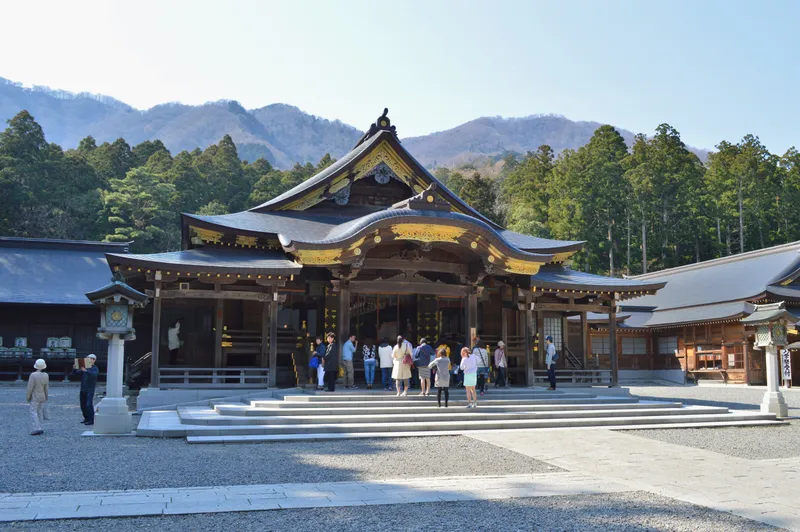
A shrine with two parents: a divided spirit of Echigo’s first shrine, Yahiko, enshrined in 1912, and another received from Dazaifu Tenmangu in 1970.
 Shrine
Sapporo Suitengu
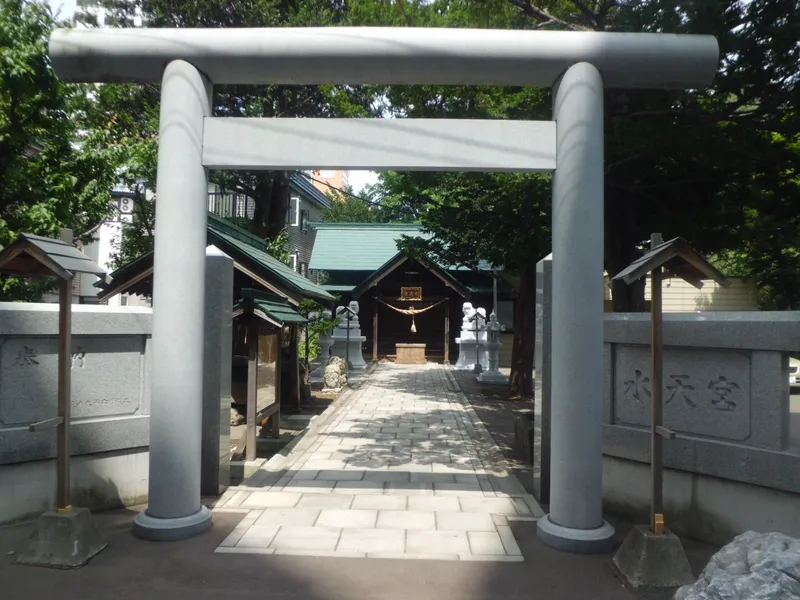
Begins in 1884 when Mizuno Genshirō, a former retainer of the Kurume domain, carried a divided spirit north from the head shrine of Suitengu at Kurume in Kyushu; it is Japan’s thirty-ninth branch shrine.
 Shrine
Sapporo Sorei Jinja
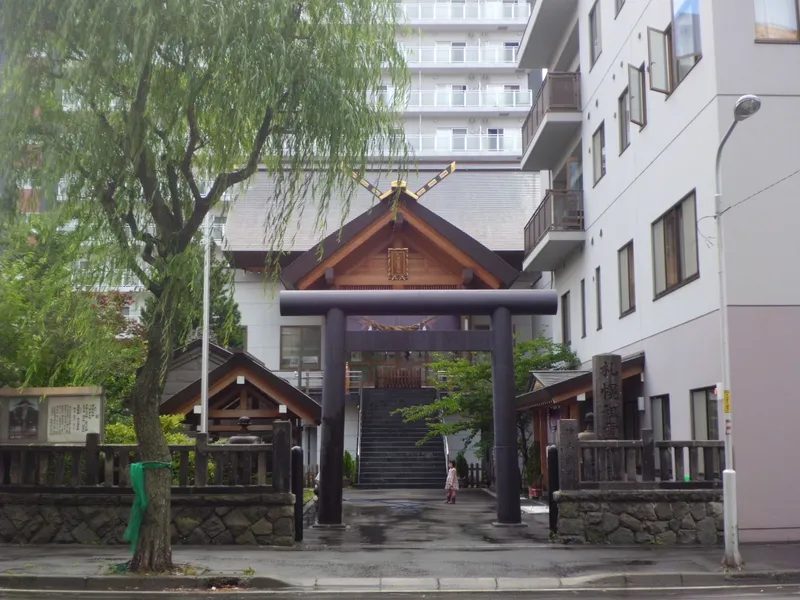
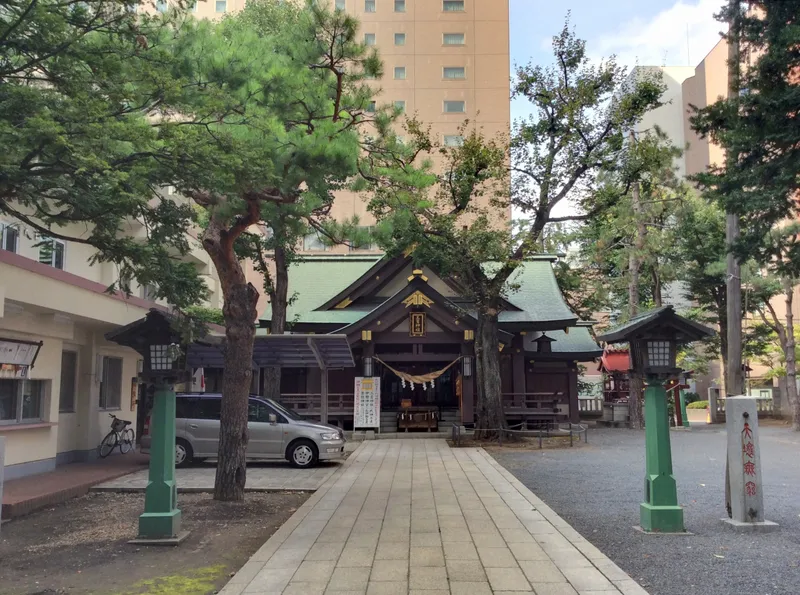
Begins in 1871 with a spirit shrine built at the entrance to a communal burial ground.
 Shrine
Sapporo Miyoshi Jinja
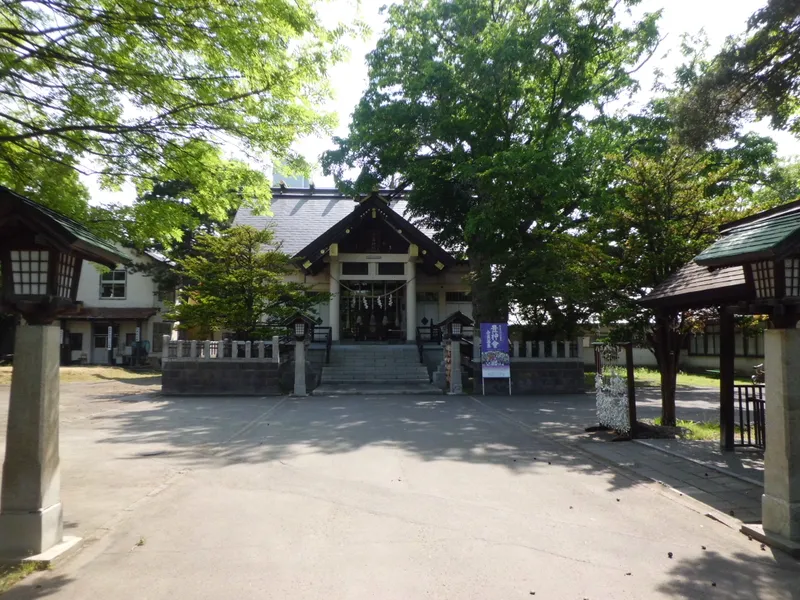
Begins in 1878 when Kimura Tōkichi, a man from Akita, enshrined a divided spirit of his home province’s Miyoshi Shrine on the east bank of the Toyohira river.
 Shrine
Toyohira Jinja
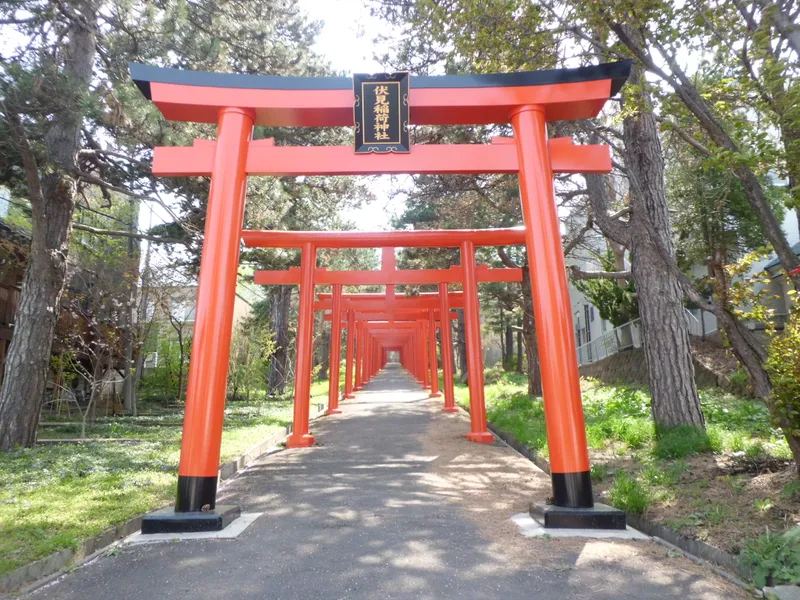
Founded when a district settled largely by migrants from Tōhoku enshrined the guardian deity of the home they had left, Kamitsukeno no Tamichi.
 Shrine
Sapporo Fushimi Inari Jinja
- Career & Work
- Money & Prosperity
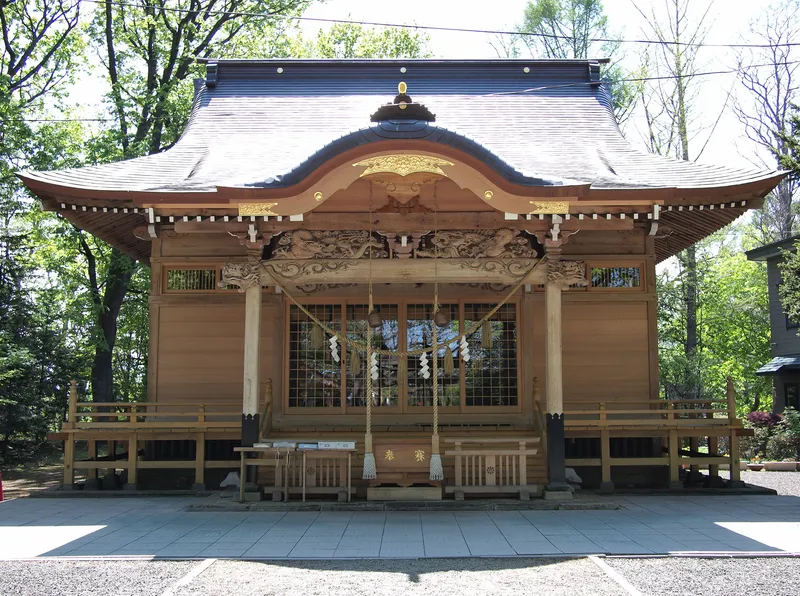
Begins in 1884 with a divided spirit brought from Fushimi Inari Taisha in Kyoto, and holds its deity to be the progenitor of food, clothing and shelter, and guardian of harvests, industry and trade.
 Shrine
Soma Jinja
Begins in 1871 when settlers, chiefly former retainers of Mizusawa in Iwate, performed rites here as a distant-worship site facing Sapporo Jinja; a divided spirit from Soma in Fukushima came later and gave the shrine its name.
 Shrine
Tsukisamu Jinja
Permitted to be founded as Nishiyama Jinja, it reached its present site through one renaming and two relocations, each recorded with the date of petition and permit.
No places match your filters