Inari (稲荷大神)
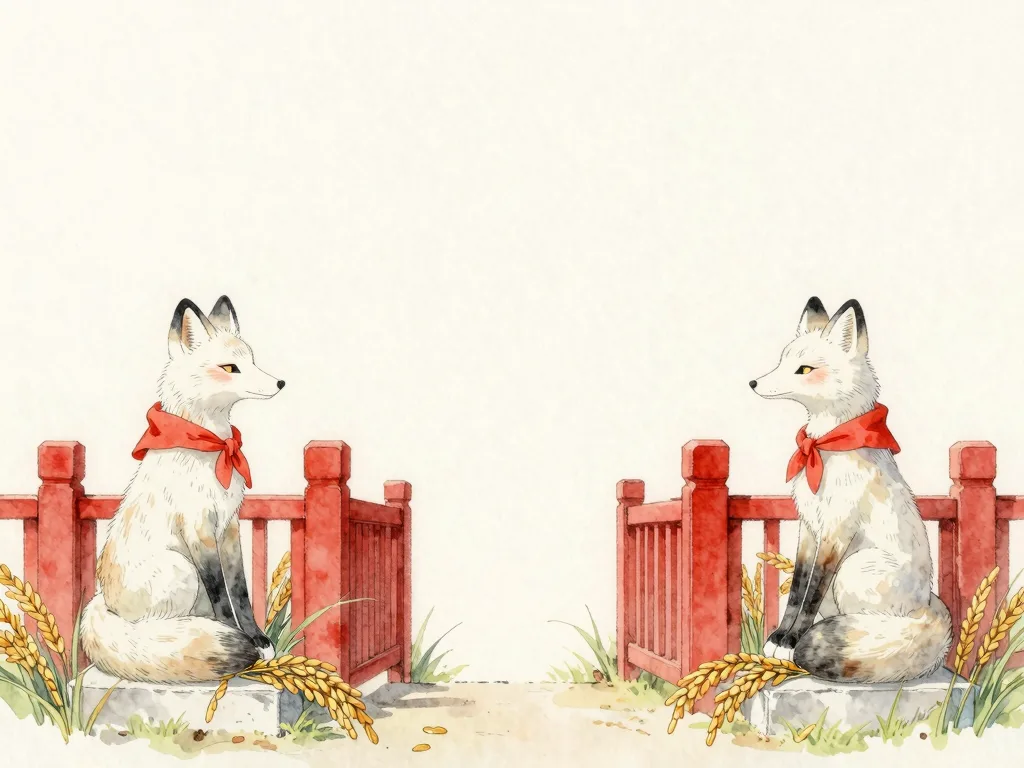
The deity of rice and of prosperity in trade, enshrined at more shrines in Japan than any other.
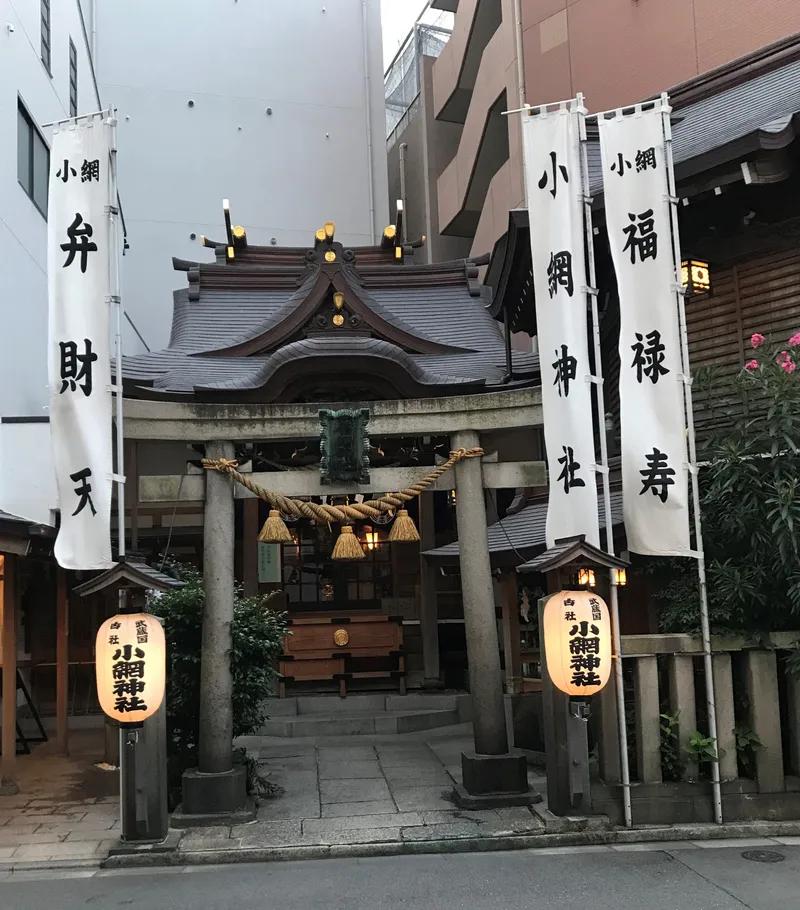
Inari Ōkami, whose formal name is Uganomitama, is the deity of rice and of the harvest, and by extension of prosperity in business. Inari shrines outnumber those of any other deity in Japan, from the head shrine at Fushimi in Kyoto down to small halls inside company grounds, and the fox is Inari's messenger rather than the deity itself. Koami Shrine in Nihonbashi records how one such shrine began: during an epidemic in 1466 an old fisherman arrived carrying ears of rice his net had brought up, and a dream instructed that he be revered as Inari Ōkami.
AI-assisted research. Check official sources before you travel.About
18 placesOpen in the full map
Places in this collection
 Shrine
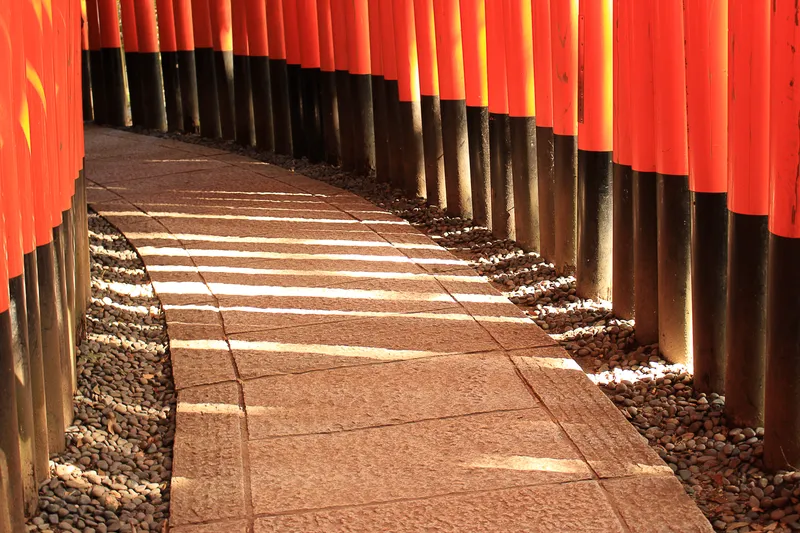
Fushimi Inari Taisha
- Money & Prosperity
The head shrine of the thirty thousand Inari shrines across Japan, whose deity is venerated for harvests and the prosperity of trade.
 Shrine
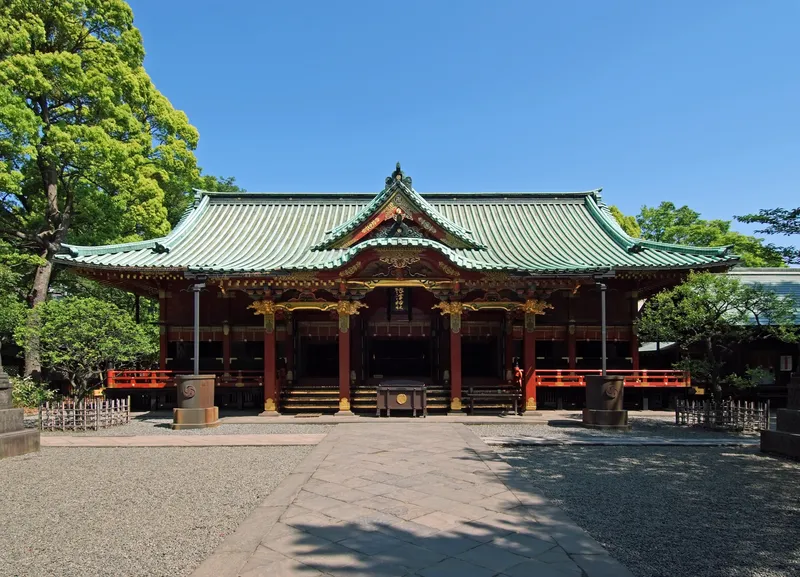
Nezu Shrine
- Career & Work
- Exams & Study
- Family & Home
A Bunkyo shrine whose entire 1706 complex survives intact as an Important Cultural Property, rare in Tokyo, with an azalea hill and a tunnel of small red torii (鳥居).
 Shrine
Koami Shrine
- Money & Prosperity
- Protection & Safety
A small Nihonbashi shrine known as a deity of strong luck and warding off misfortune, with a well where visitors wash money and the only pre-war wooden shrine building left in the district.
 Shrine
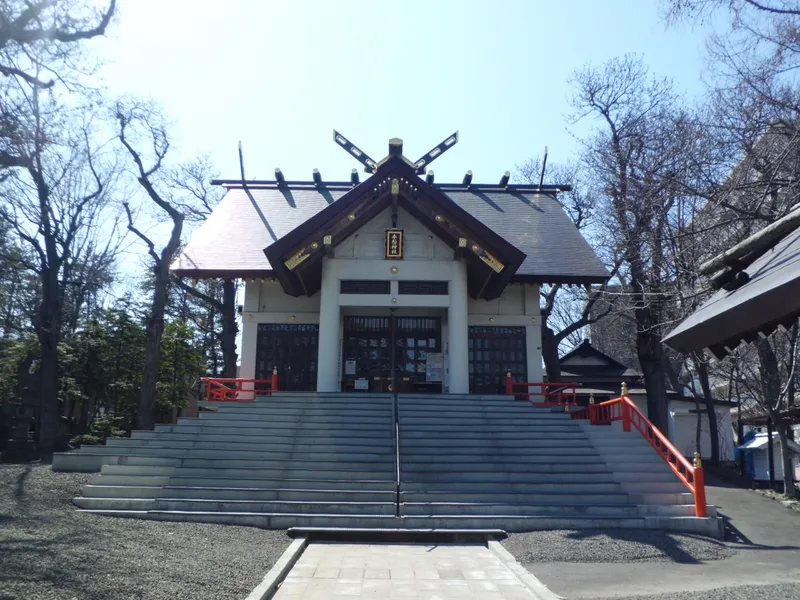
Teine Jinja
Began when 250 households, unable to reach Sapporo Jinja in winter or at harvest, petitioned for a place to worship it from a distance — and later became a shrine itself.
 Shrine
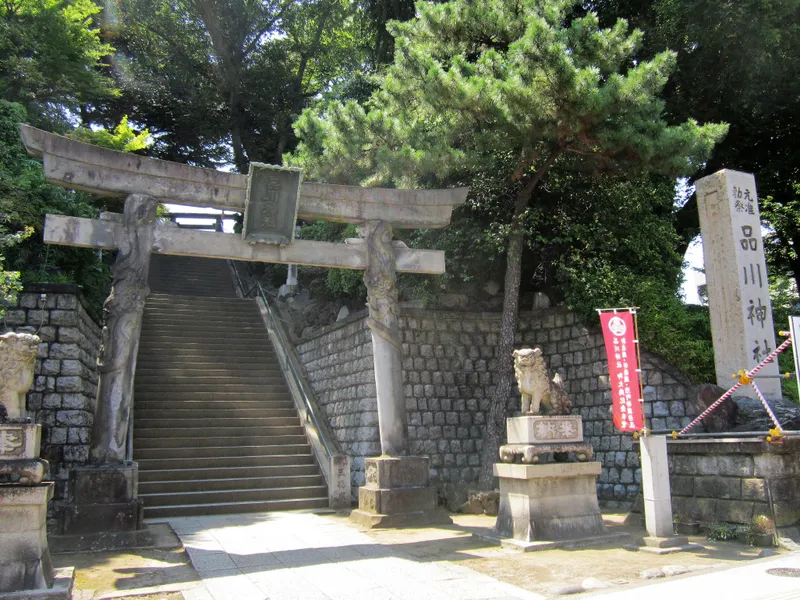
Shinagawa Shrine
- Money & Prosperity
- Protection & Safety
A shrine above Kita-Shinagawa founded in 1187 by Minamoto no Yoritomo, enshrining three deities added across three centuries, one for trade and one for warding.
 Shrine
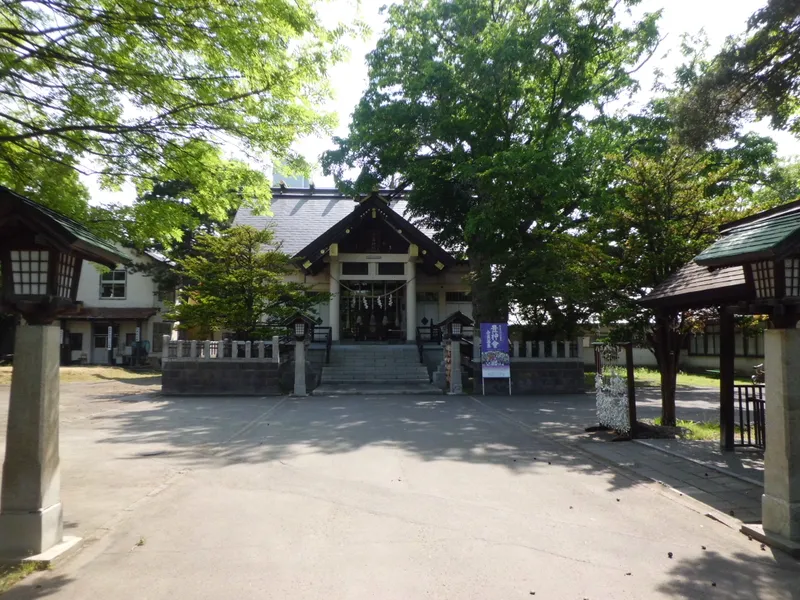
Toyohira Jinja
Founded when a district settled largely by migrants from Tōhoku enshrined the guardian deity of the home they had left, Kamitsukeno no Tamichi.
 Shrine
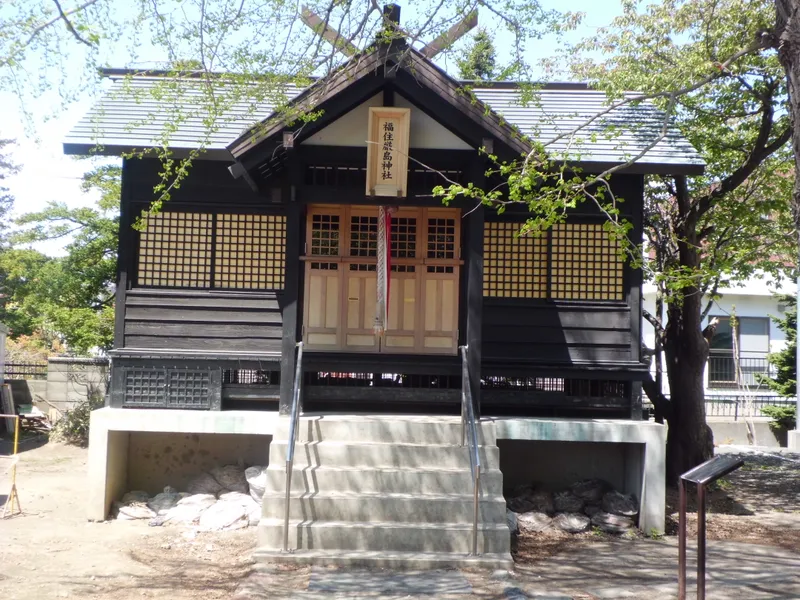
Fukuzumi Itsukushima Jinja
Founded in 1884 by migrants from Hiroshima, and later given divided spirits from Itsukushima in Hiroshima, Fushimi Inari in Sapporo, and Kitano Tenmangu.
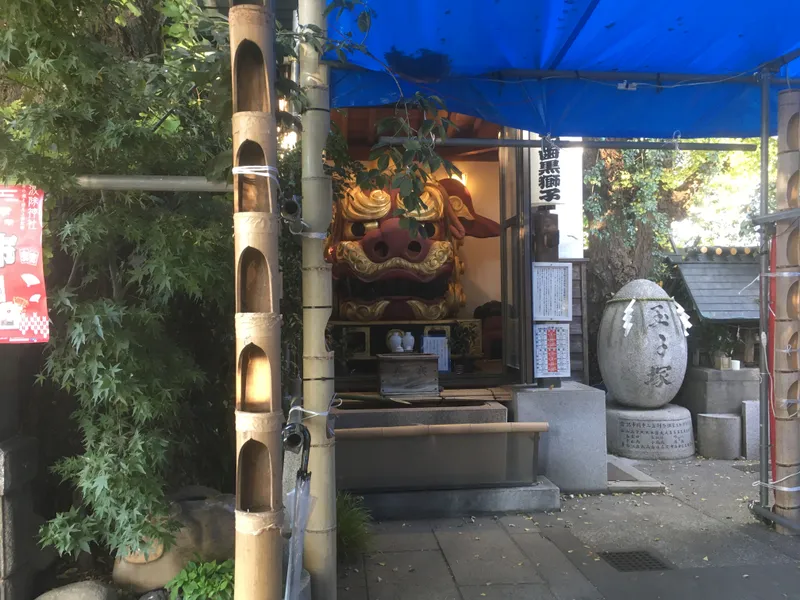 Shrine
Namiyoke Shrine
- Money & Prosperity
- Protection & Safety
A Tsukiji shrine whose name means wave-averting, founded in 1659 after an Inari image found floating in the sea was credited with calming the water enough to finish the reclamation.
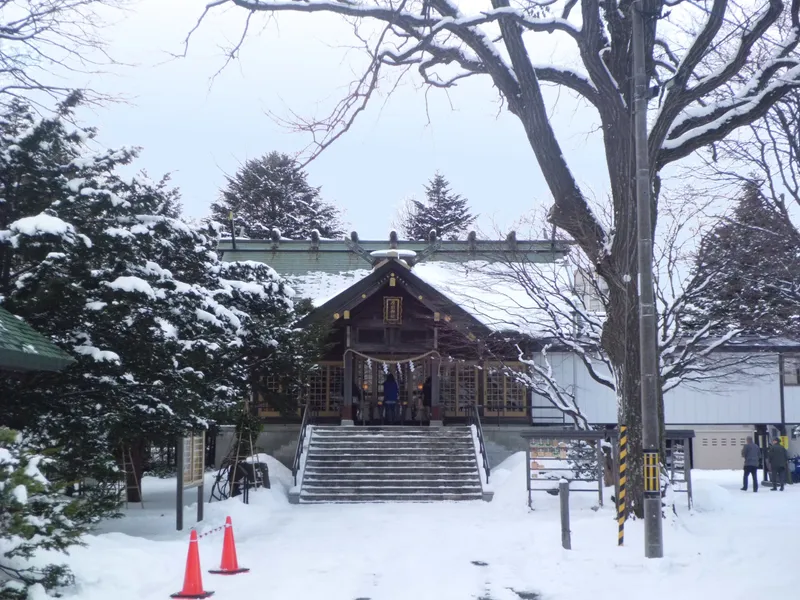 Shrine
Ashiribetsu Jinja
Begins in 1874 when Nagaoka Shigeharu made a small shrine in a corner of the land he had cleared and worshipped there morning and evening.
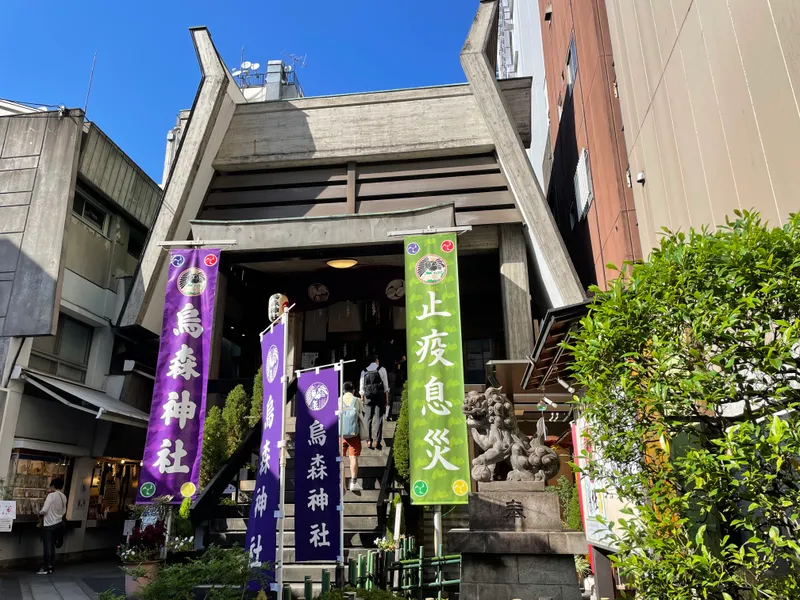 Shrine
Karasumori Shrine
- Career & Work
- Money & Prosperity
- Skill & Mastery
A Shimbashi shrine down an alley, founded in 940 by the general who defeated Taira no Masakado, and one of the few to enshrine the deity of the performing arts.
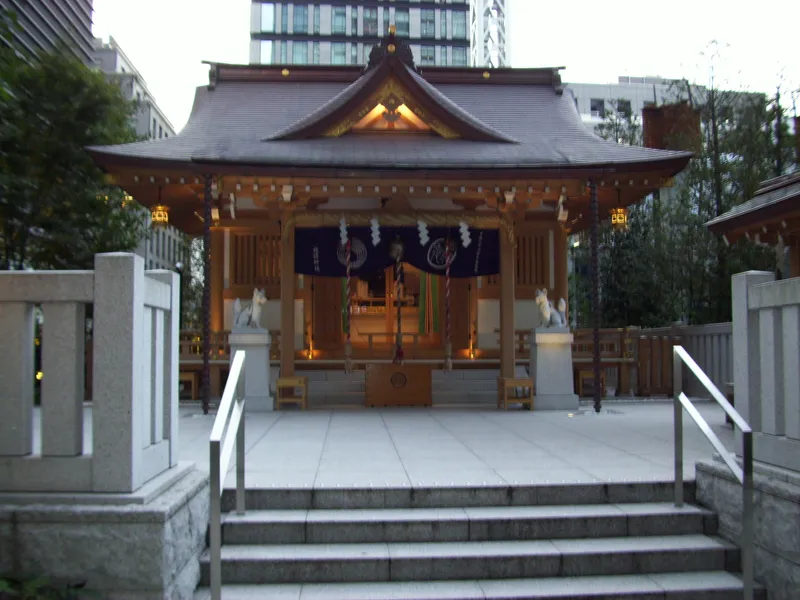 Shrine
Fukutoku Shrine
- Money & Prosperity
A small Nihonbashi shrine whose name means good fortune, which ran shogunate-licensed lotteries in the Edo period and still performs a prayer for winning one.
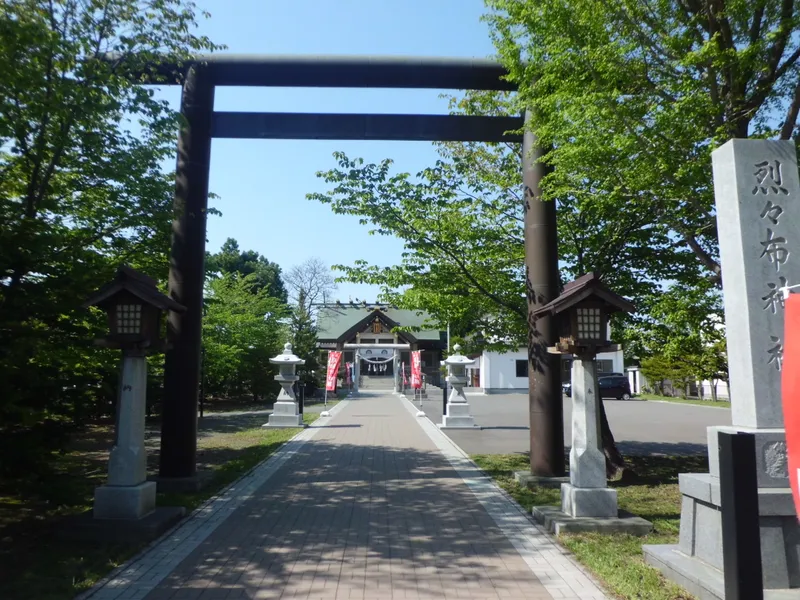 Shrine
Reppupu Jinja
Named after its village, and in 1893 given three divided deities from Miyoshi Jinja in Sapporo.
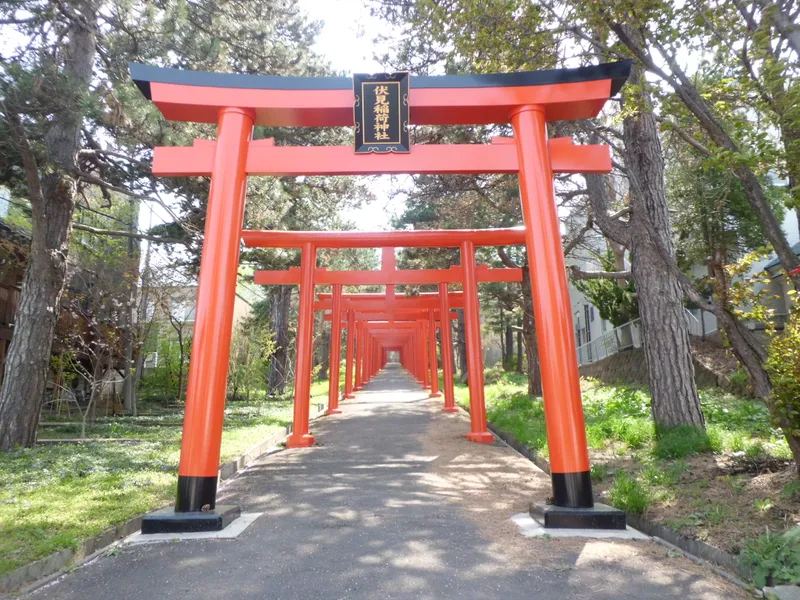 Shrine
Sapporo Fushimi Inari Jinja
- Career & Work
- Money & Prosperity
Begins in 1884 with a divided spirit brought from Fushimi Inari Taisha in Kyoto, and holds its deity to be the progenitor of food, clothing and shelter, and guardian of harvests, industry and trade.
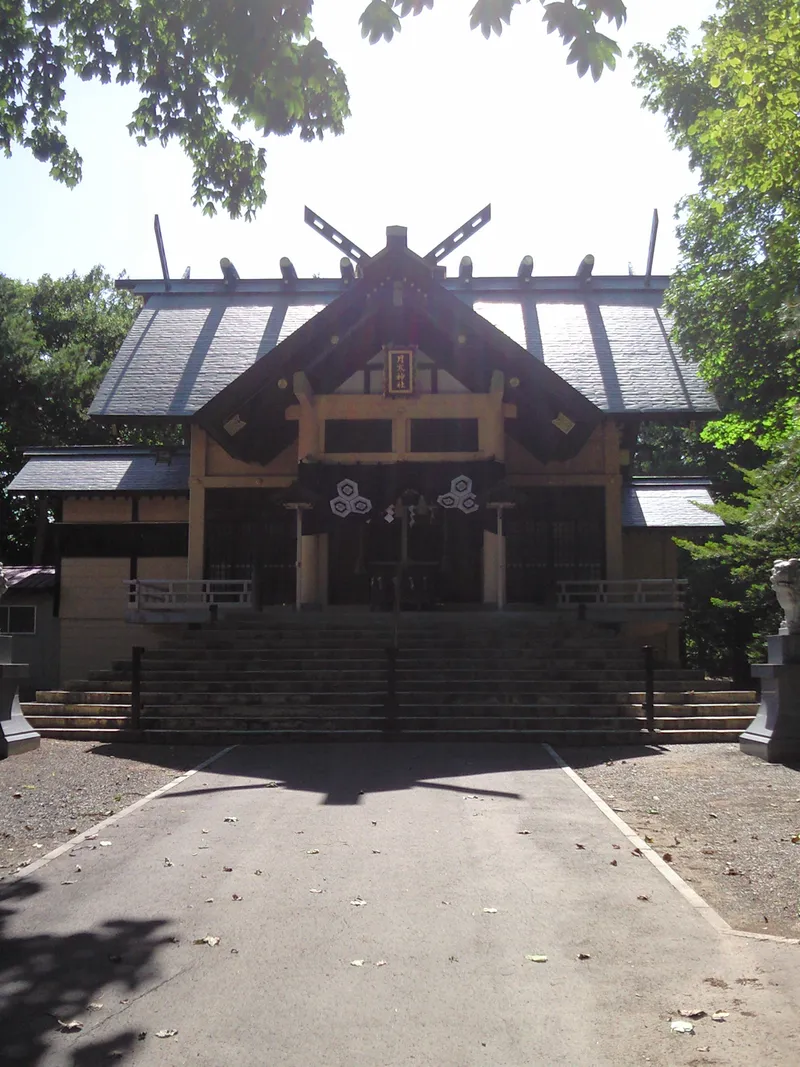 Shrine
Tsukisamu Jinja
Permitted to be founded as Nishiyama Jinja, it reached its present site through one renaming and two relocations, each recorded with the date of petition and permit.
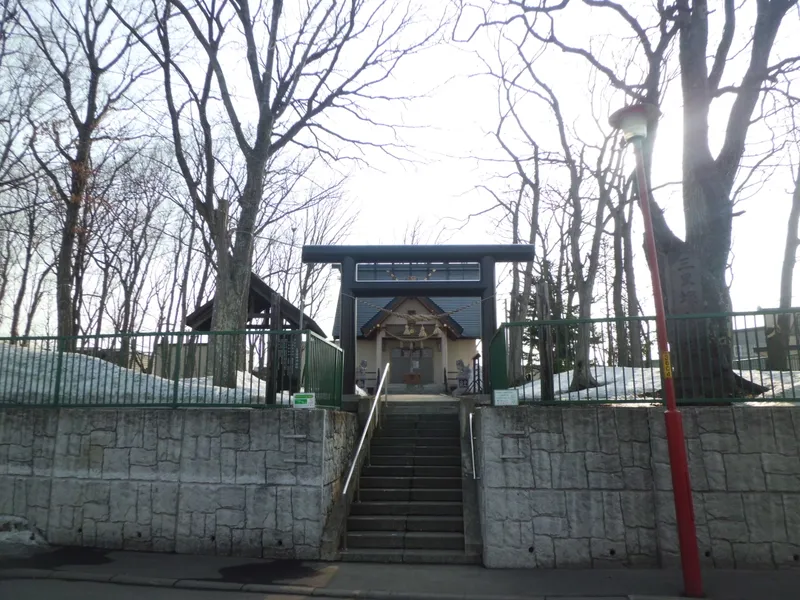 Shrine
Sanrizuka Jinja
A shrine whose annual festival has been held every year since 15 August 1897.
 Shrine
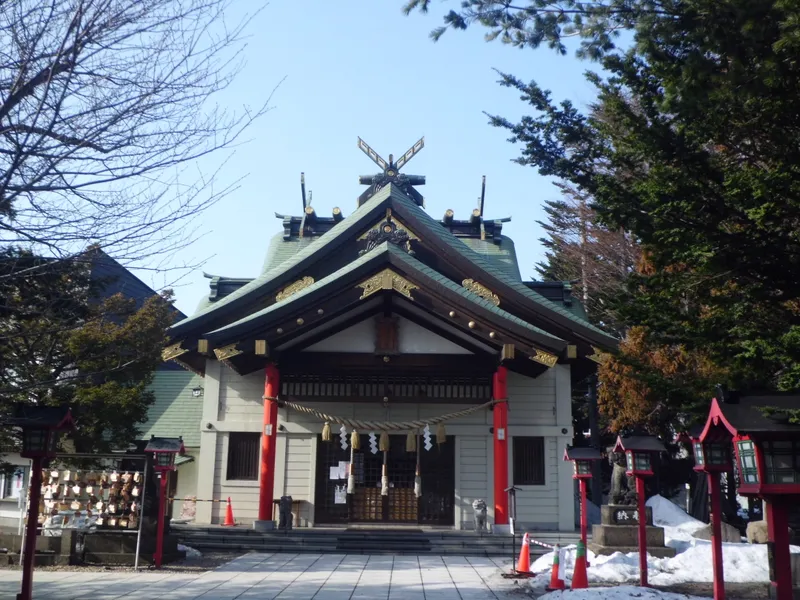
Hassamu Jinja
Begins in 1856 when Yamaoka Seijirō and sixteen others, sent under shogunal orders to develop Ezo, settled here and founded an Inari shrine.
 Shrine
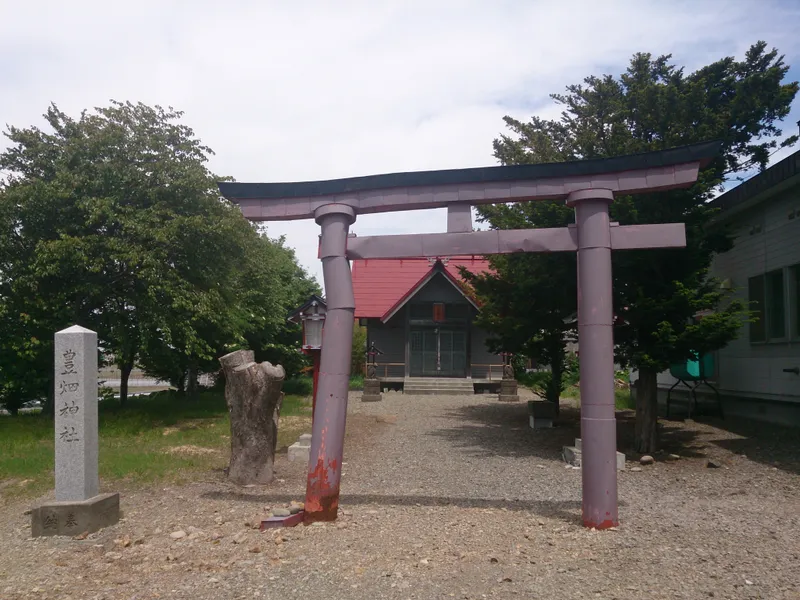
Toyohata Jinja
Begins with a squared timber, the god’s name cut into it, set upright and worshipped at.
 Shrine
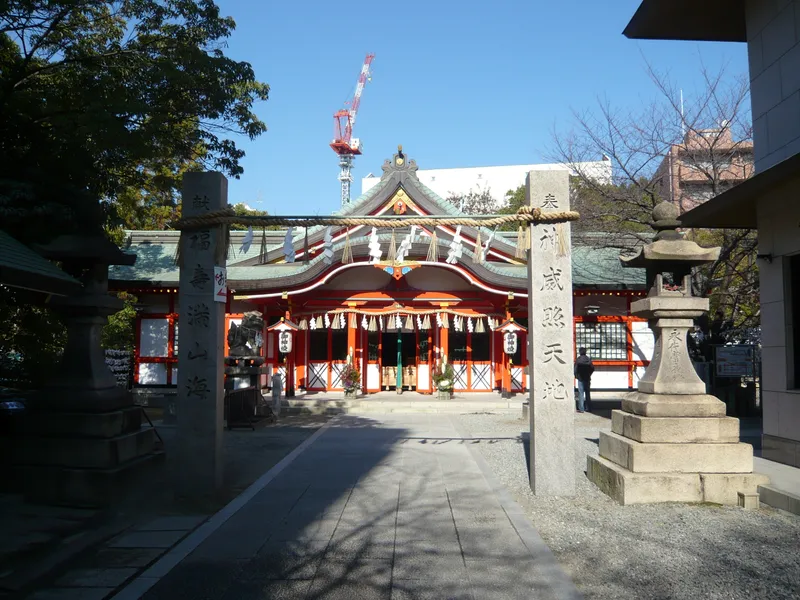
Tamatsukuri Inari Jinja
Transmitted as founded in 12 BC, revered through the Toyotomi and Tokugawa ages as the guardian deity of Osaka Castle, and the origin of the place-name Tamatsukuri.