Nishioka Hachimangu
Researched and translated with AI assistance. Every claim is linked to its source, but errors get through, so check the official site for opening times, fees and closures.About
In short
Begins in 1890 when Mori Kinzō, a settler from Kōjiro village in Mihara district, Hyōgo, raised a small shrine on unnumbered land at Yakiyama and enshrined a divided spirit of his home village’s Hachiman shrine.
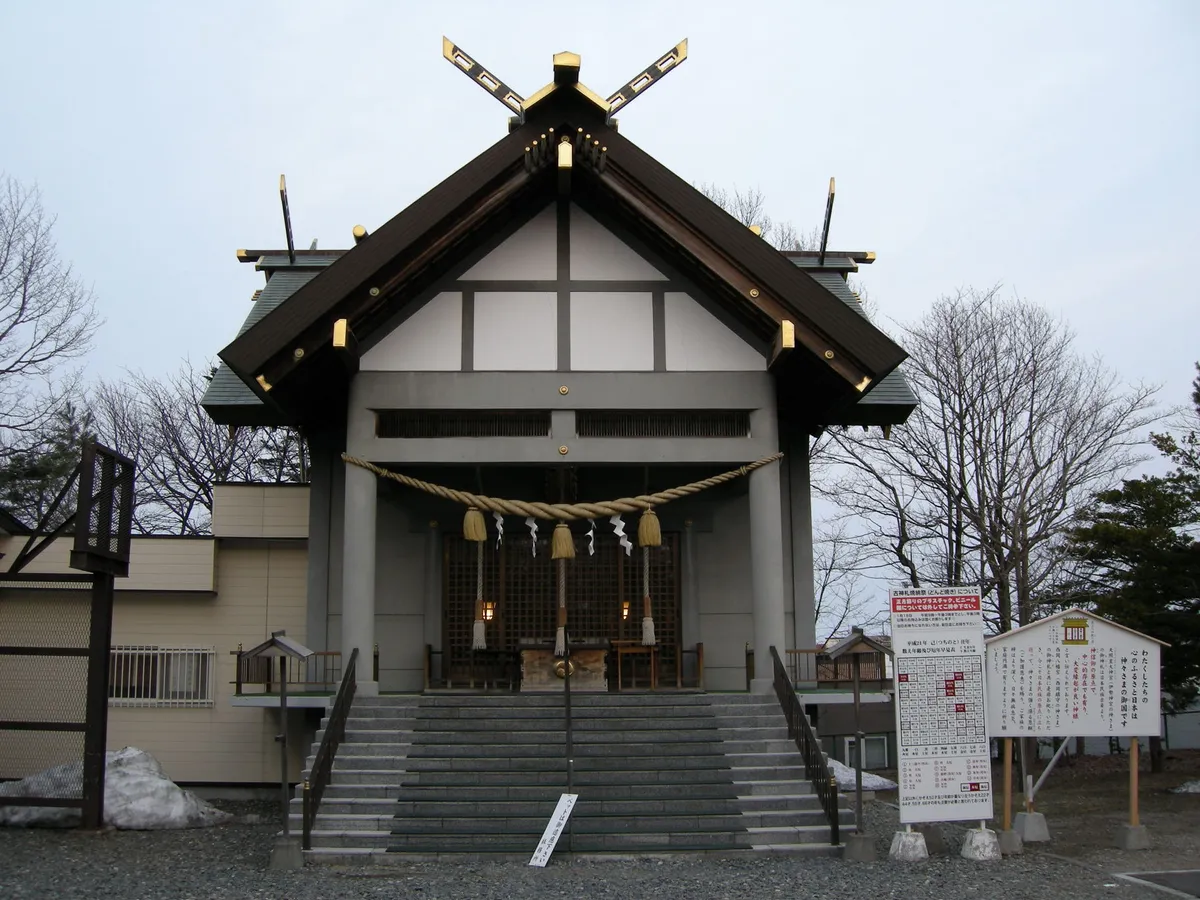
Quick facts
- Address
- 4-8-293 Nishioka, Toyohira-ku, Sapporo, Hokkaido
- Spiritual entities
- Hachiman (八幡神)
About this place
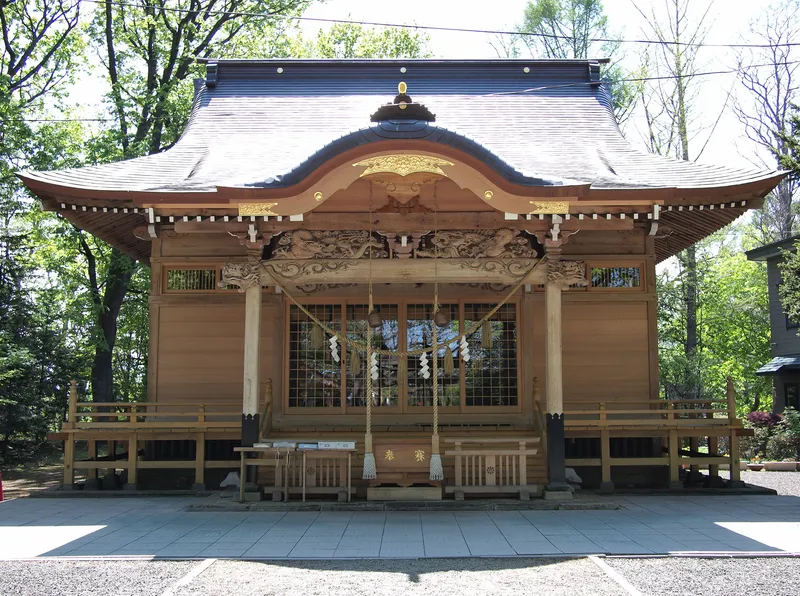
Nishioka Hachimangu stands in Toyohira-ku, Sapporo. Its deities are Emperor Ojin, Empress Jingu and Hime-no-Okami. In August 1890 Mori Kinzō, a settler who had come to Hokkaido from Kōjiro village in Mihara district, Hyōgo, raised a small shrine on unnumbered land at Yakiyama as guardian of the settlement and enshrined there a divided spirit of his home village’s Hachiman shrine. The first hall was built in 1906, and a monument to the settlement raised at the same time; since then the shrine has been maintained by the settlers’ own hands. A second hall was built in 1934, and after repeated repairs a hall was built in November 1991 to celebrate the hundredth year of enshrinement, with large-scale work on the precinct the following year. The annual festival is 14 September, with the eve festival on 13 September. No benefit that may be prayed for is stated.
Origin and history
In August 1890 Mori Kinzō, a settler who had come to Hokkaido from Kōjiro village in Mihara district, Hyōgo, raised a small shrine on unnumbered land at Yakiyama as guardian of the settlement and enshrined there a divided spirit of his home village’s Hachiman shrine.
The first hall was built in 1906, and a monument to the settlement raised at the same time; since then the shrine has been maintained by the settlers’ own hands. A second hall was built in 1934.
After repeated repairs, a hall was built in November 1991 to celebrate the hundredth year of enshrinement, with large-scale work on the precinct the following year.
What it is locally associated with
From Kōjiro village in Hyōgo
In August 1890 Mori Kinzō, a settler from Kōjiro village in Mihara district, Hyōgo, enshrined a divided spirit of his home village’s Hachiman shrine.
documented historyA shrine on unnumbered land
He raised a small shrine on unnumbered land at Yakiyama as guardian of the settlement and enshrined the divided spirit there.
documented historyKept by the settlers’ own hands
The first hall was built in 1906 with a monument to the settlement, and the shrine has been maintained by the settlers ever since.
documented history
This shrine names its home place down to the village. A settler from Kōjiro village in Mihara district, Hyōgo — prefecture, district and village, and the man’s full name besides. Few pages on this list record the origin of a carried god so precisely; Toyohira Jinja, which gives its parent shrine’s address at Sarukayama in Aomori, is the nearest match.
The places Sapporo’s gods came from now extend to Hyōgo. Miyagi, Akita, Aomori, Iwate, Fukushima, Nagano, Niigata, Kyoto, Okayama, Hiroshima, Yamaguchi, Toyama, Fukuoka and Hyōgo — the pedigree of this region’s deities is simply a map of where its settlers came from.
Even what the ground was called survives: unnumbered land at Yakiyama, that is, land without a lot number. Naebo Jinja in the same city records that the land settled there was called Kōgo Village No. 1. Several shrines here were built on ground that had no name yet, or no number.
It was the settlers who kept it. The first hall was built in 1906 with a monument to the settlement beside it, and since then the shrine has been maintained by the settlers’ own hands.
Claims and evidence levels 2
- Mori Kinzō, a settler from Kōjiro village in Hyōgo, enshrined a divided spirit of his home Hachiman shrine on unnumbered land at Yakiyama in 1890. documented history
- The first hall was built in 1906 and the shrine has since been maintained by the settlers themselves. documented history
Related guides
- How to visit a shrine or temple in JapanThe country-wide basics: purifying at the water basin, the two-bows-two-claps-one-bow form at shrines, and what temples do instead.
- What a "power spot" actually isA modern Japanese coinage, not a traditional religious category. Where the word came from, what it does and does not claim, and why this site uses it anyway.
- Shrine or temple?A shrine is Shinto and a temple is Buddhist, and you can usually tell at the gate. Why the line is cleaner on paper than on the ground, and what a government order in 1868 has to do with it.
- Omamori, ema, omikuji and goshuinThe four things you are most likely to receive, write, draw or be given at a shrine or temple, what each is actually for, and the one of them people most often get wrong.
Sources
- 西岡八幡宮 — 北海道神社庁札幌支部 (accessed 2026-08-16)
Last updated:
Similar places
8 places
 Shrine
Sanrizuka Jinja
A shrine whose annual festival has been held every year since 15 August 1897.
 Shrine
Hanaoka Jinja
A shrine whose own record of its founding is written as a guess — “probably”, “it seems”.
 Shrine
Nishino Jinja
- Fertility & Children
- Health & Healing
- Love & Romance
Begins with five settler households who crossed to Hokkaido in 1885 holding the guardian deity of the place they had left, and states safe childbirth, good matches, warding off misfortune and rising fortune as its benefits.
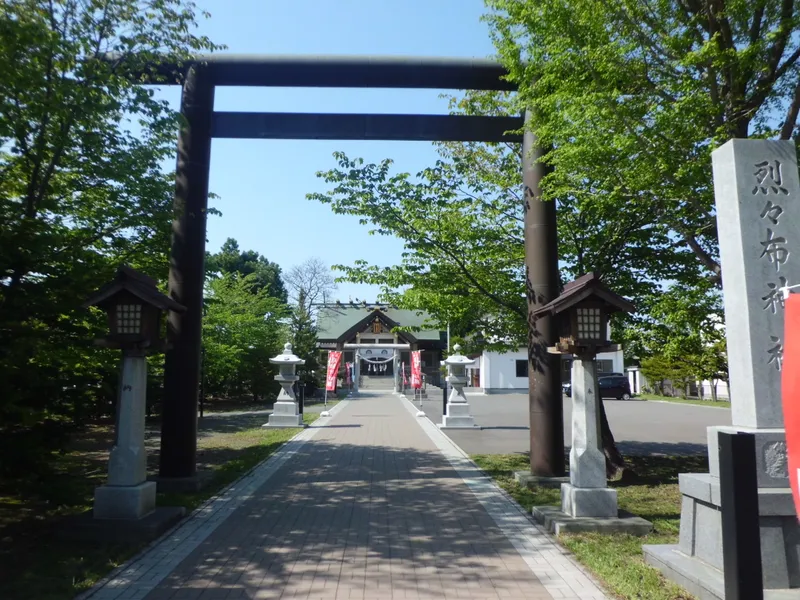 Shrine
Reppupu Jinja
Named after its village, and in 1893 given three divided deities from Miyoshi Jinja in Sapporo.
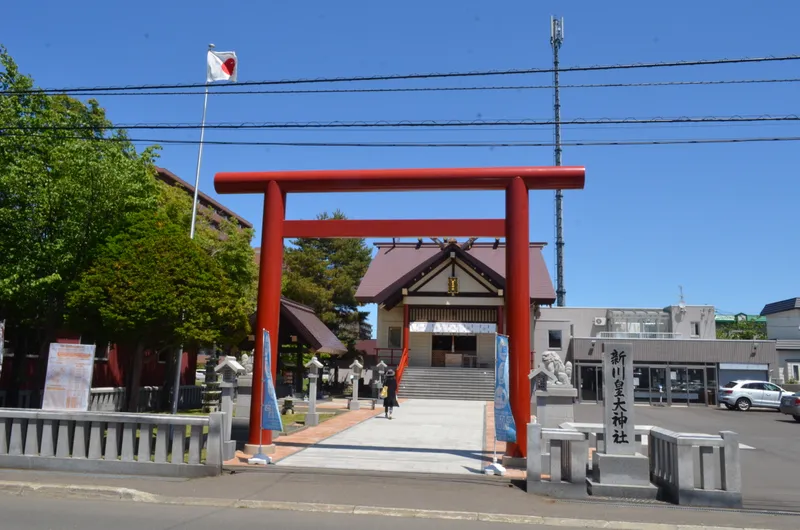 Shrine
Shinkawa Kotai Jinja
A shrine whose history records that seven promoters and thirty-seven parishioners served at its enshrinement rite in 1908.
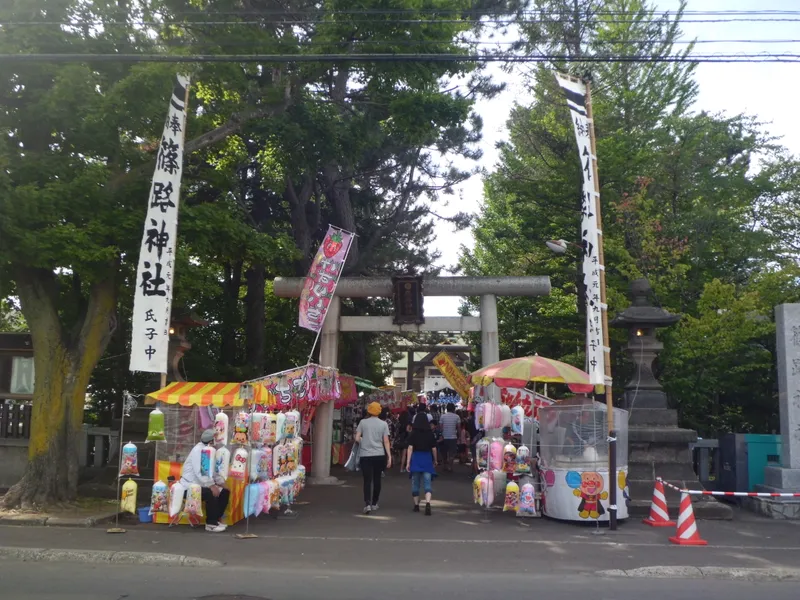 Shrine
Shinoro Jinja
Founded in 1855 as Wakamiya Hachiman under the Tokugawa shogunate’s resident-settler system, which makes it among the oldest shrines in Sapporo.
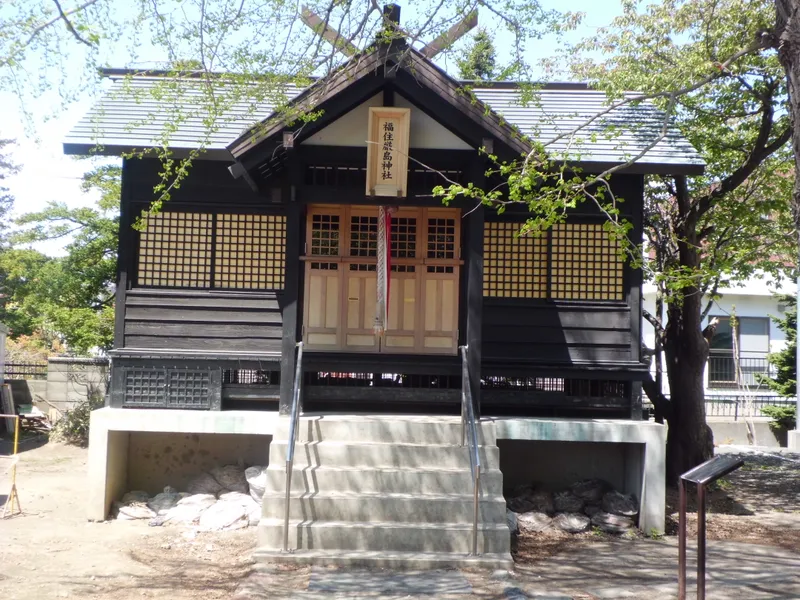 Shrine
Fukuzumi Itsukushima Jinja
Founded in 1884 by migrants from Hiroshima, and later given divided spirits from Itsukushima in Hiroshima, Fushimi Inari in Sapporo, and Kitano Tenmangu.
 Shrine
Soma Jinja
Begins in 1871 when settlers, chiefly former retainers of Mizusawa in Iwate, performed rites here as a distant-worship site facing Sapporo Jinja; a divided spirit from Soma in Fukushima came later and gave the shrine its name.
No places match your filters