Avalokiteśvara (Kannon · Gwaneum, 観音菩薩)
The bodhisattva of compassion, enshrined at Senso-ji and temples across Japan.
Kannon is the bodhisattva of compassion, known in Sanskrit as Avalokiteśvara and worshipped across East Asia under many forms. Senso-ji, which enshrines a hidden image of Kannon, describes the bodhisattva as one who perceives the voices of living beings, removes their suffering, and hears their prayers, and who, through perfected virtue and vow, extends a hand to anyone who comes, making no distinction as to where they have come from. Temples dedicated to Kannon are numerous enough to be organised into pilgrimage routes; Senso-ji is a station on two of them.
AI-assisted research. Check official sources before you travel.About
21 placesOpen in the full map
Places in this collection
 Temple
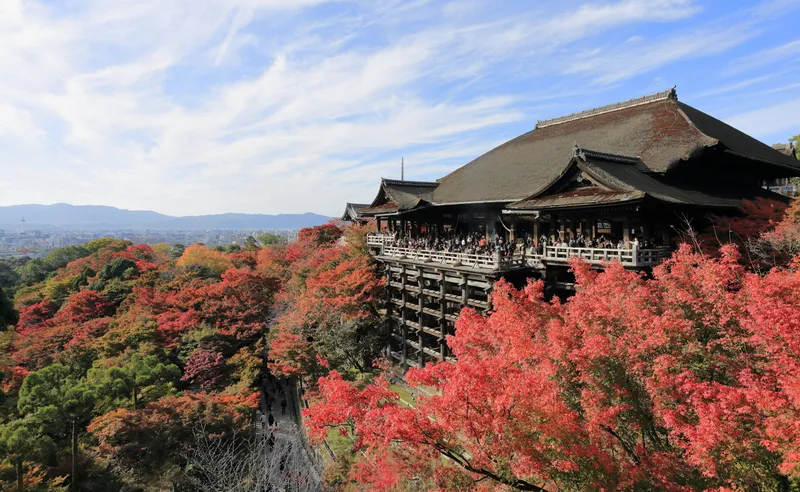
Kiyomizu-dera
- Career & Work
- Health & Healing
- Love & Romance
A Kannon temple begun in 778 beside the Otowa waterfall, venerated by those seeking health, advancement and a good match.
 Temple
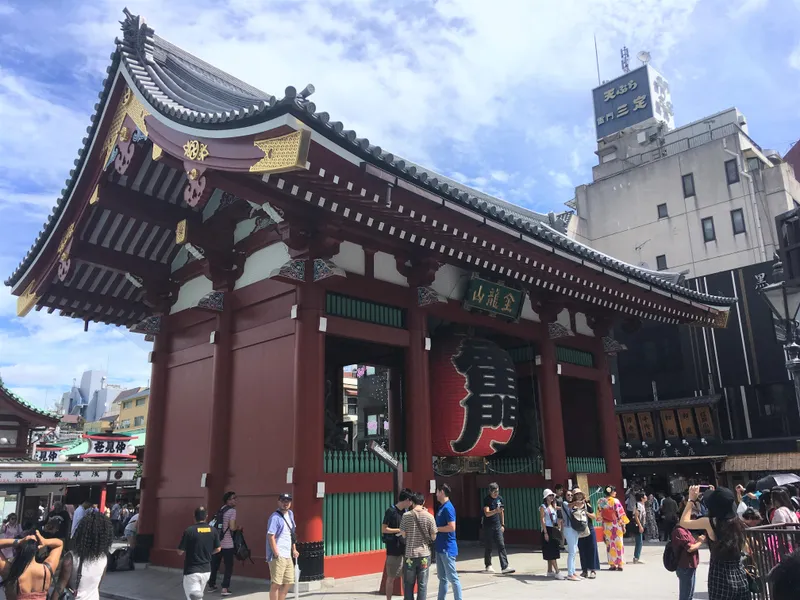
Senso-ji
- Money & Prosperity
- Protection & Safety
Tokyo's oldest temple, in Asakusa, built around a statue of Kannon that two fishermen brothers are said to have pulled from the river in 628, and visited today for prayers about money and protection.
 Temple
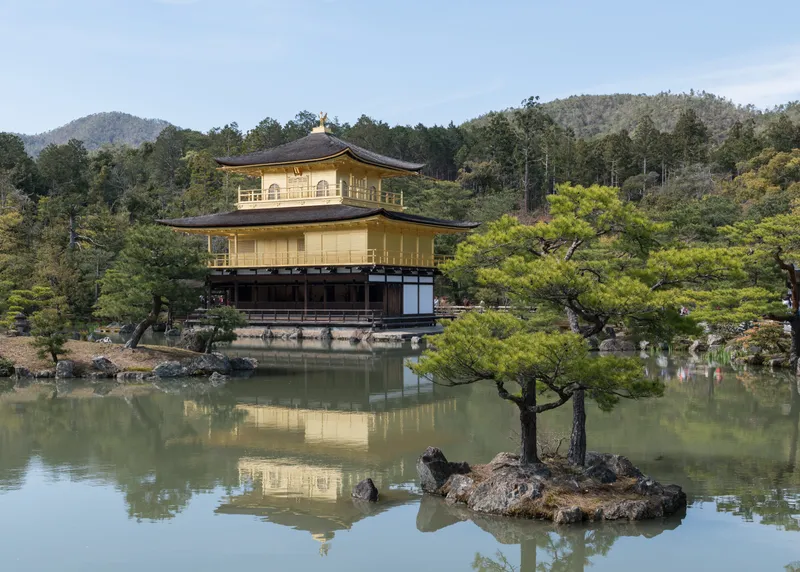
Kinkaku-ji
The mountain villa of Ashikaga Yoshimitsu, made a temple by his will — its pavilion holding a Shaka triad, a Kannon hall and the Buddha’s relics on three floors.
 Temple
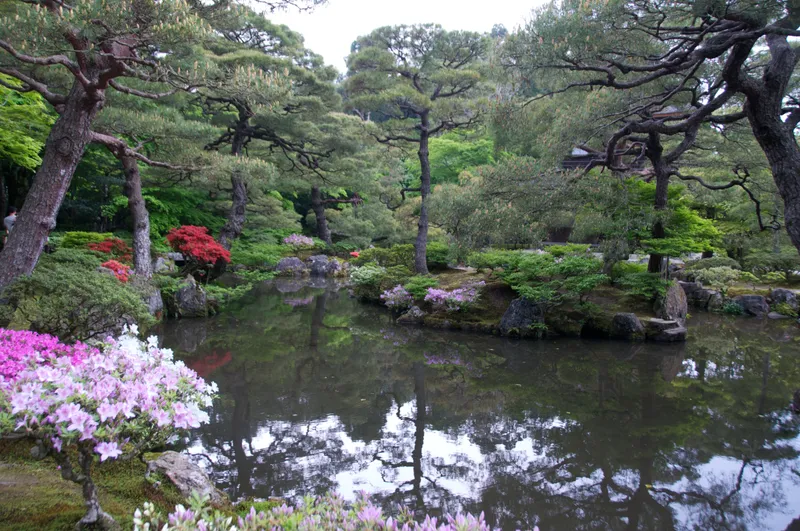
Ginkaku-ji
Ashikaga Yoshimasa’s mountain villa, later a temple — and he died without seeing the pavilion finished.
 Temple
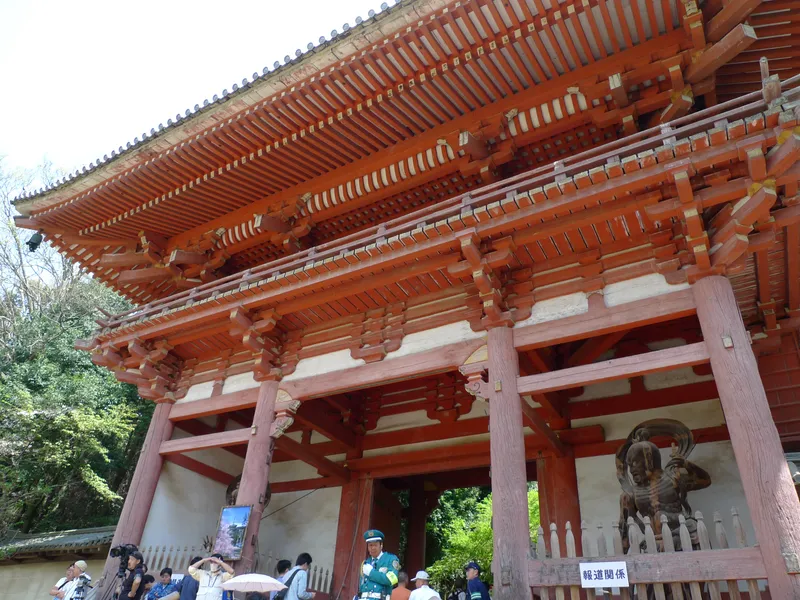
Daigo-ji
- Fertility & Children
Founded in 874, and the temple where Emperor Daigo obtained a son through prayer — then took the temple’s name as his own.
 Temple
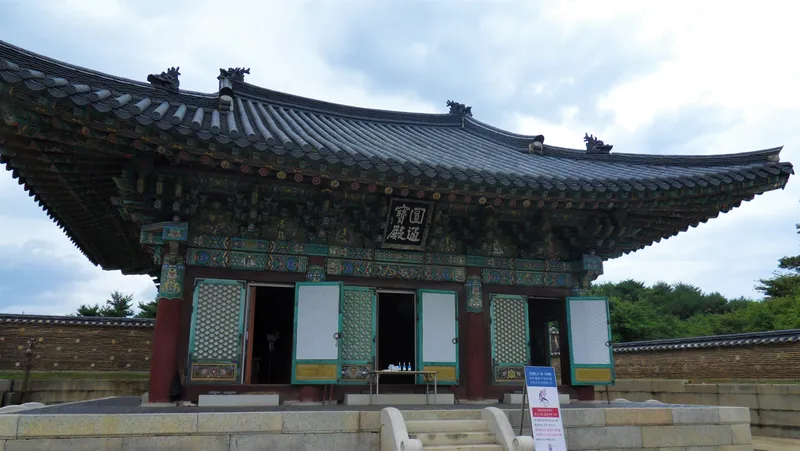
Naksansa
Burned four times and rebuilt each time; the 2005 wildfire took even its bronze bell, a Treasure whose designation was then revoked.
 Temple
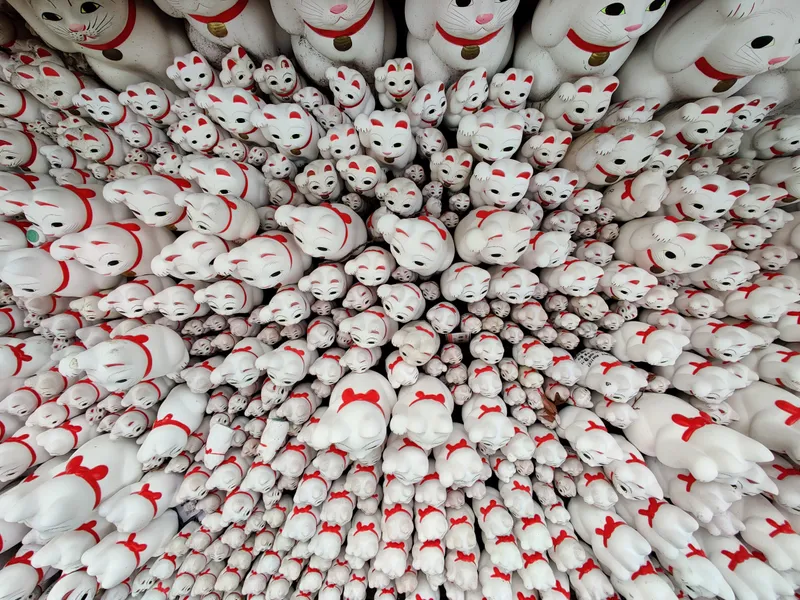
Gotoku-ji
- Money & Prosperity
- Bonds & Matchmaking
A Sōtō Zen temple in Setagaya where thousands of white beckoning-cat figurines are left by visitors, and where the temple is careful to say the cat brings connections, not fortune.
 Temple
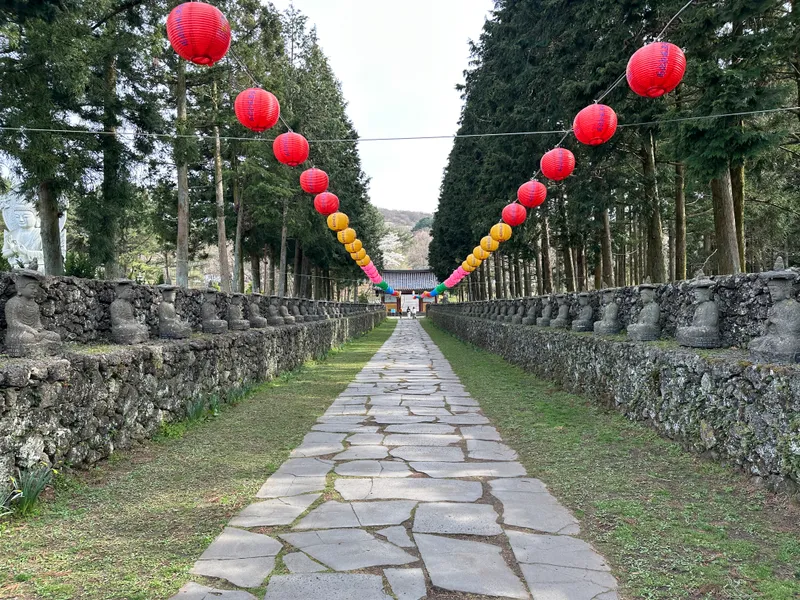
Gwaneumsa, Hallasan
- Protection & Safety
The head temple of the Jogye Order’s 23rd district, on the slope of Hallasan, founded in the spring of 1909 by the nun Bongnyeogwan.
 Temple
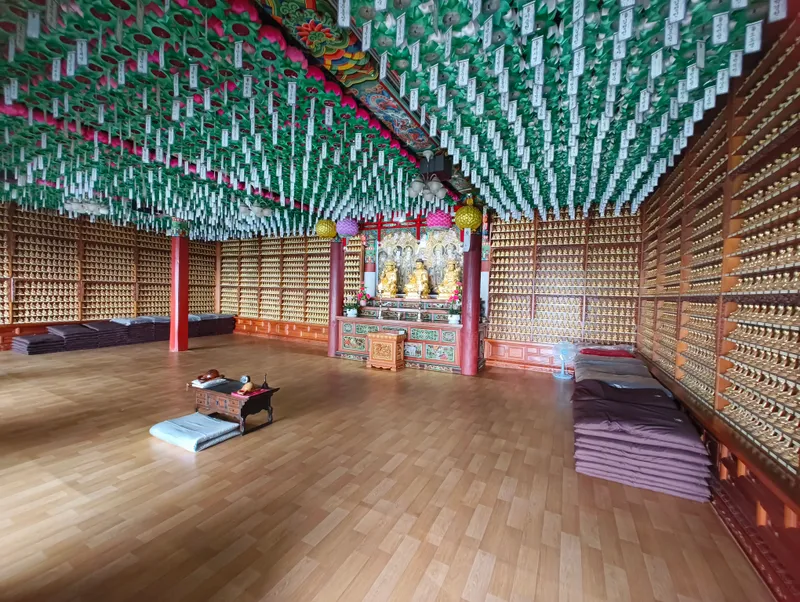
Boriam
- Wish Fulfillment
An Avalokiteśvara prayer site on the slope of Geumsan, counted with Hongryeonam and Bomunsa among Korea’s three great sites.
 Temple
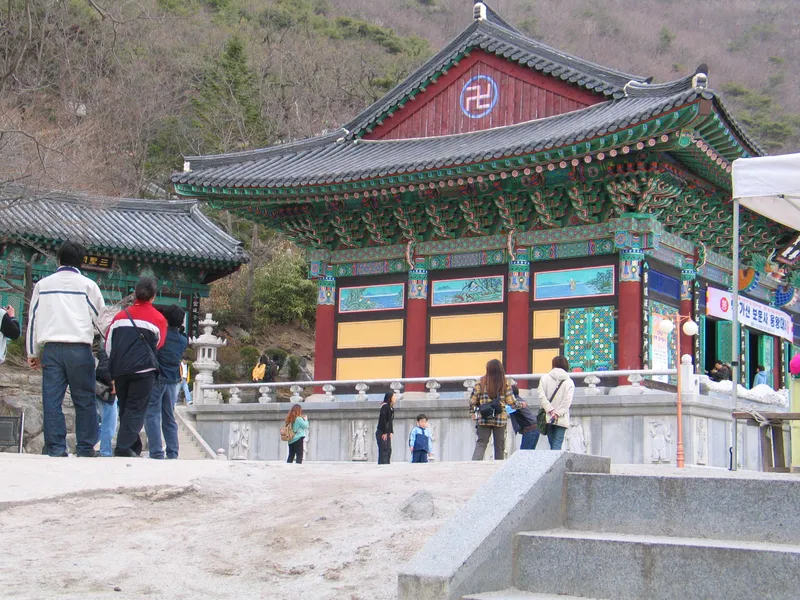
Bomunsa
- Wish Fulfillment
Counted with Boriam and Hongryeonam among Korea’s three great Avalokiteśvara sites, with a stone chamber holding figures said to have come up in a fisherman’s net.
 Temple
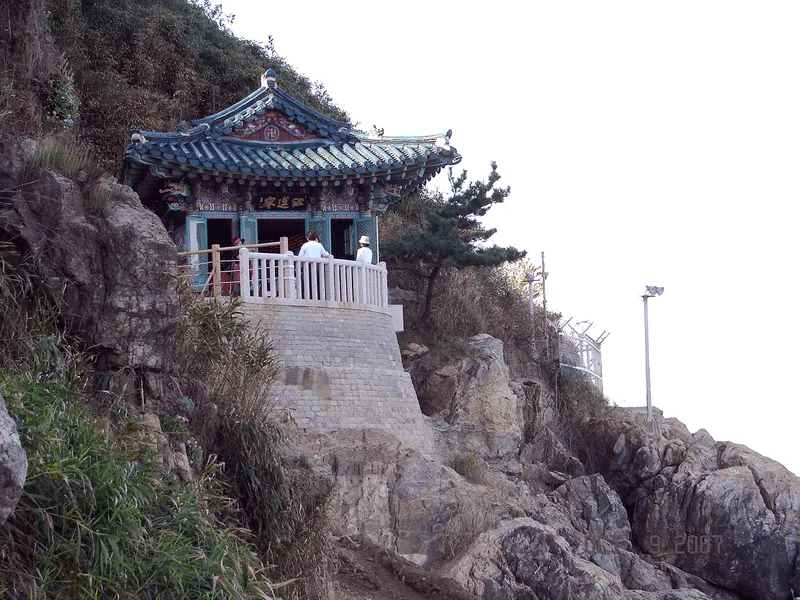
Hongryeonam
- Wish Fulfillment
A hermitage built where Uisang is said to have met Avalokiteśvara, its hall raised so the sea can be seen moving beneath the floor.
 Temple
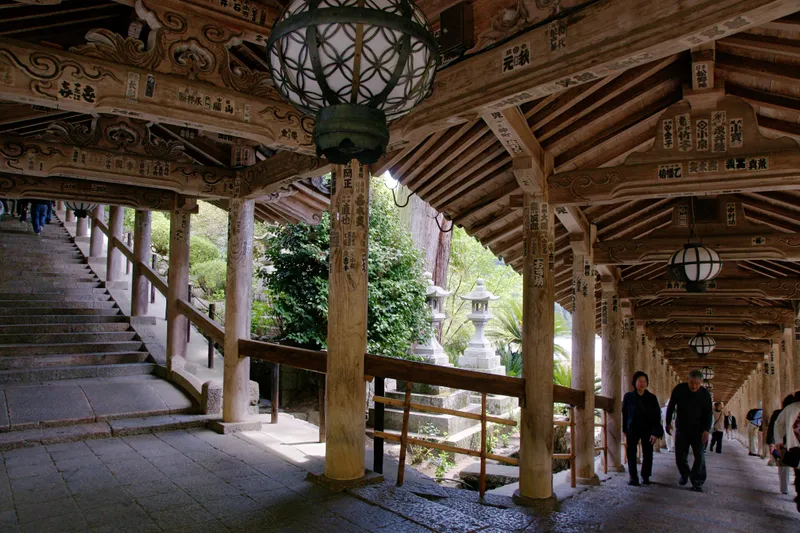
Hase-dera
Begun in 686 when Domyo installed a work on the west hill and in 727 when Tokudo carved an eleven-headed Kannon on the east hill, it is the founding site of the Saikoku circuit of thirty-three Kannon.
 Temple
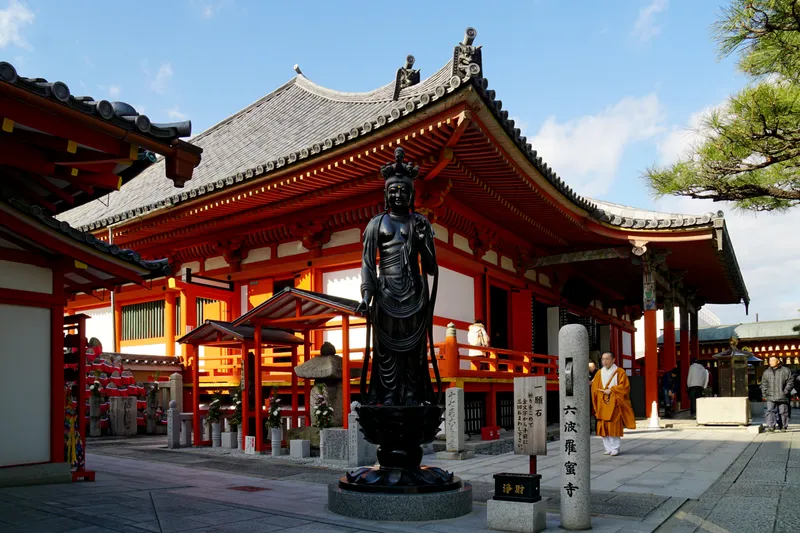
Rokuharamitsu-ji
- Health & Healing
Founded in 951, where Kuya hauled a Kannon he had carved through the streets against an epidemic — and the tea he gave the sick is still served.
 Temple
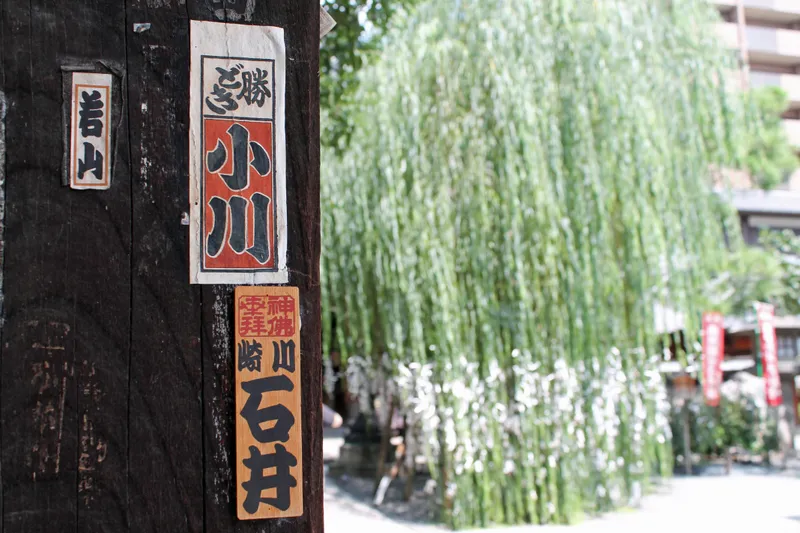
Rokkakudo
- Skill & Mastery
Said to be founded by Prince Shotoku, and the birthplace of ikebana — the head of the Ikenobo school serves as its abbot.
 Temple
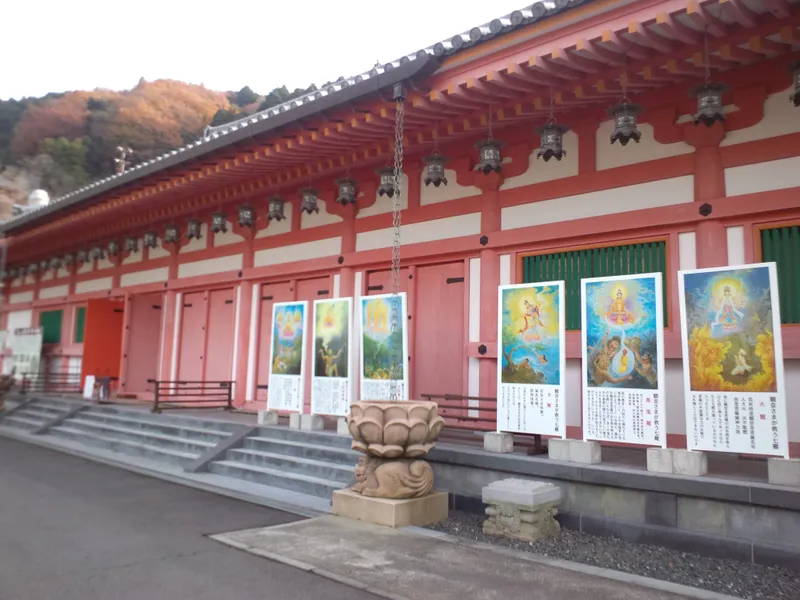
Tsubosaka-dera
- Health & Healing
The sixth station of the Saikoku pilgrimage, whose principal image is a Kannon of proven efficacy against eye disease; the temple is called the temple that seals off eye disease.
 Temple
Kurama-dera
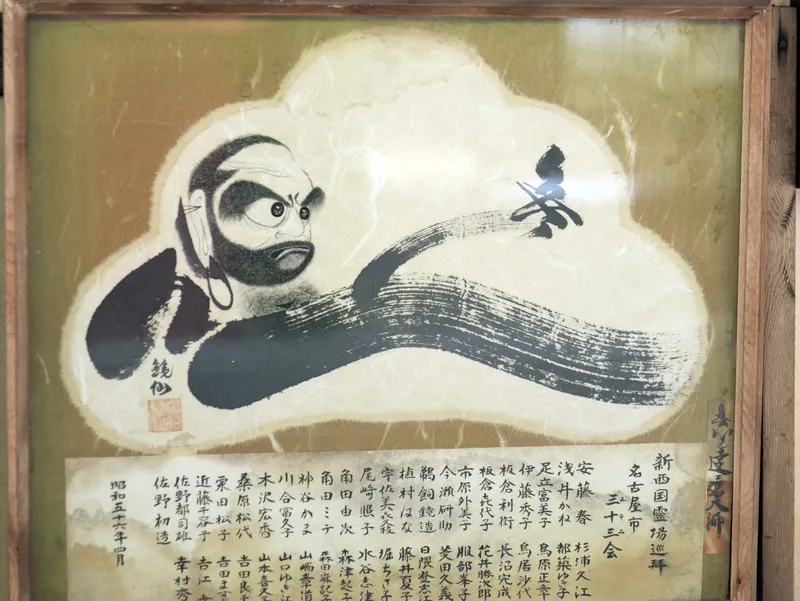
Founded in 770 on Mount Kurama, where the Kongosho stone floor before the main hall is described as a place of practice for uniting with cosmic energy.
 Temple
Matsuo-dera
- Protection & Safety
- Wish Fulfillment
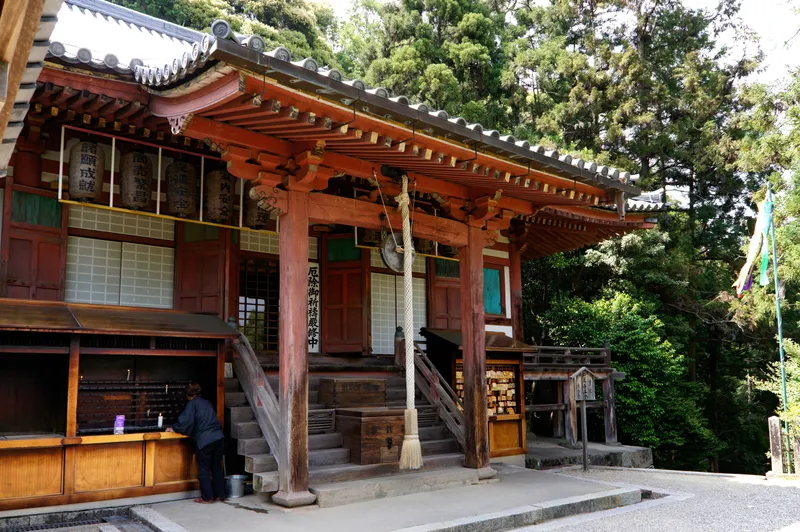
Built in 718 by Prince Toneri while he was compiling the Nihon Shoki, at forty-two and in his unlucky year, praying that the book be completed safely and misfortune warded off.
 Temple
Sanjusangendo
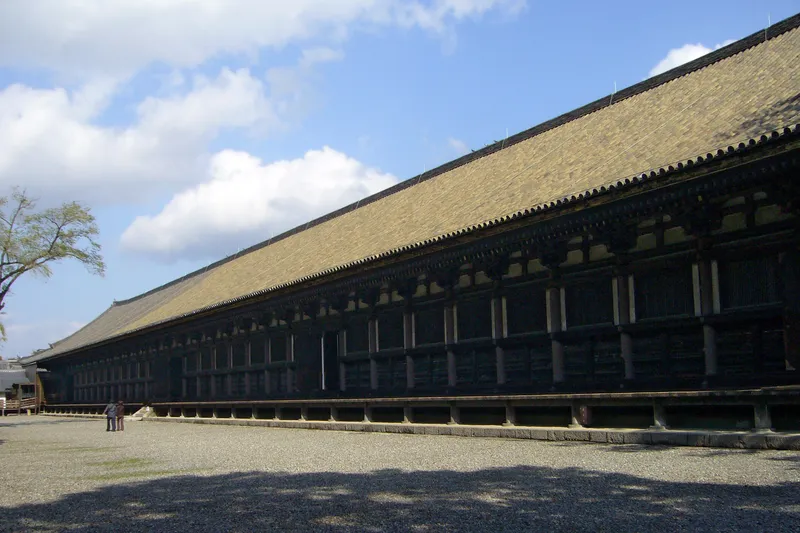
A hall founded inside the detached palace of the retired Emperor Go-Shirakawa, holding a thousand and one standing images of Kannon.
 Temple
Hoki-ji
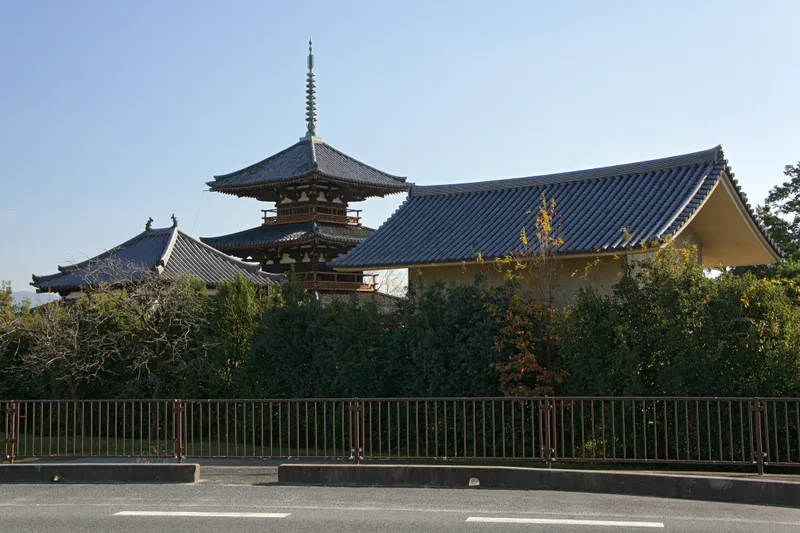
Begun when Prince Shotoku, on his deathbed, instructed his eldest son to turn the Okamoto palace into a temple; its three-storey pagoda is the oldest still standing.
 Temple
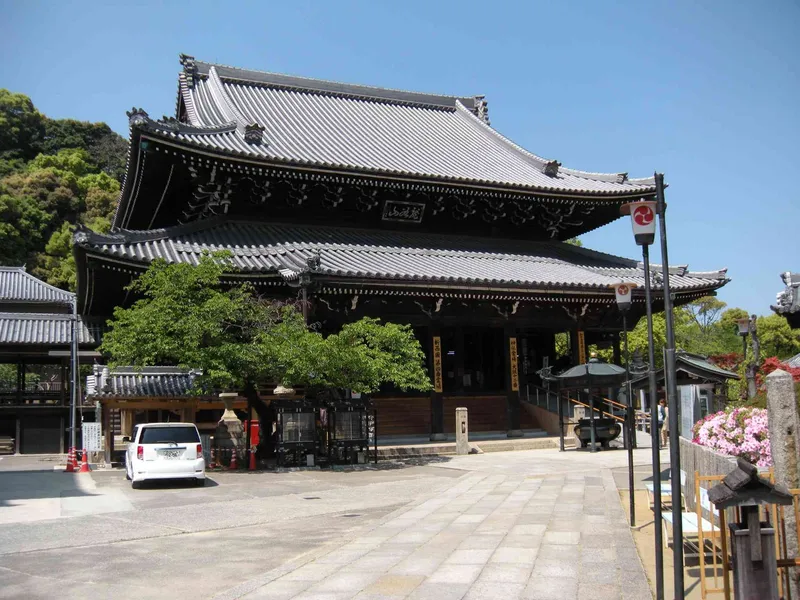
Mizuma-dera
- Protection & Safety
Founded in 744 by the priest Gyoki at the order of Emperor Shomu, and later revered by ordinary people as the Kannon who wards off misfortune.
 Temple
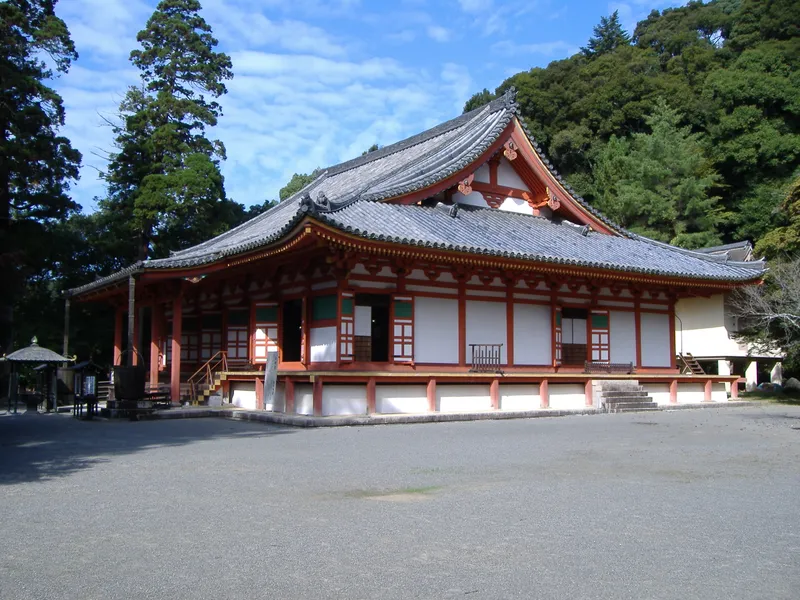
Kanshin-ji
Founded in 701 by En no Gyoja, with Nyoirin Kannon as its principal image and a pagoda in its grounds named for having been left unfinished.