Nara
Nara was the capital before Kyoto, and it is where temple Buddhism in Japan first took its full shape. The places here pair the great eighth-century temples with a shrine whose mountain forest has been left uncut for over a thousand years.
AI-assisted research. Check official sources before you travel.About
30 placesOpen in the full map
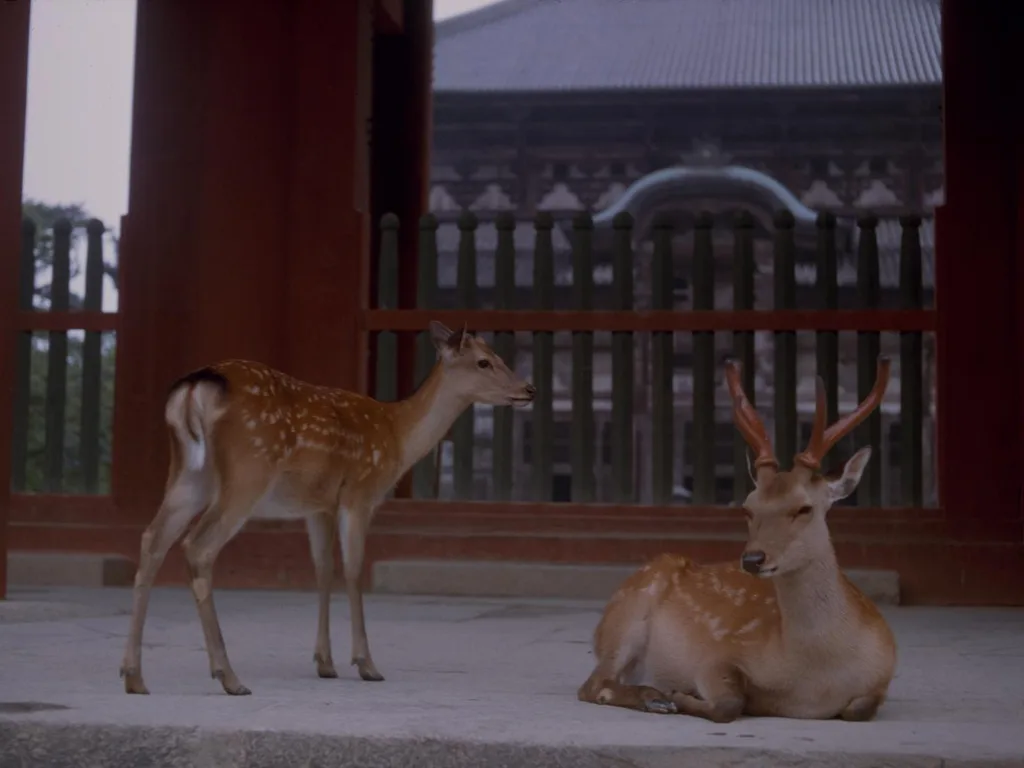
Places in this collection
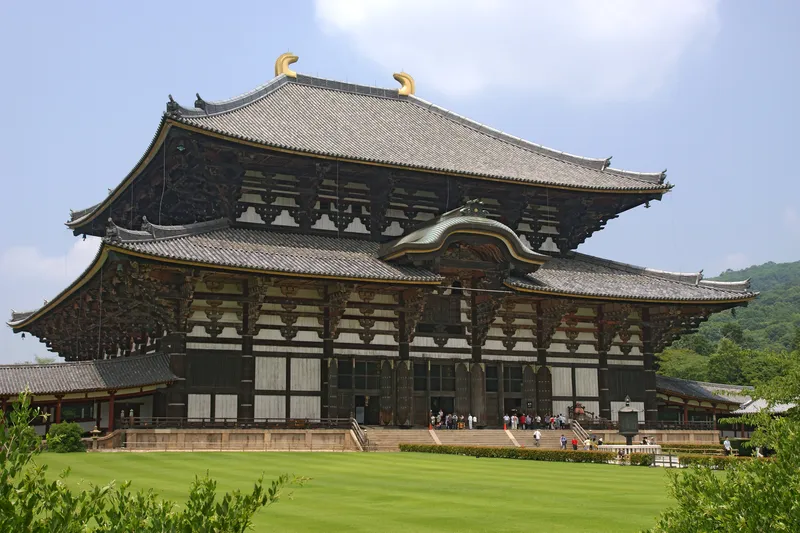 Temple
Todaiji
- Protection & Safety
The temple of the Great Buddha, begun in 743 under an edict praying that all things, animate and growing, may flourish.
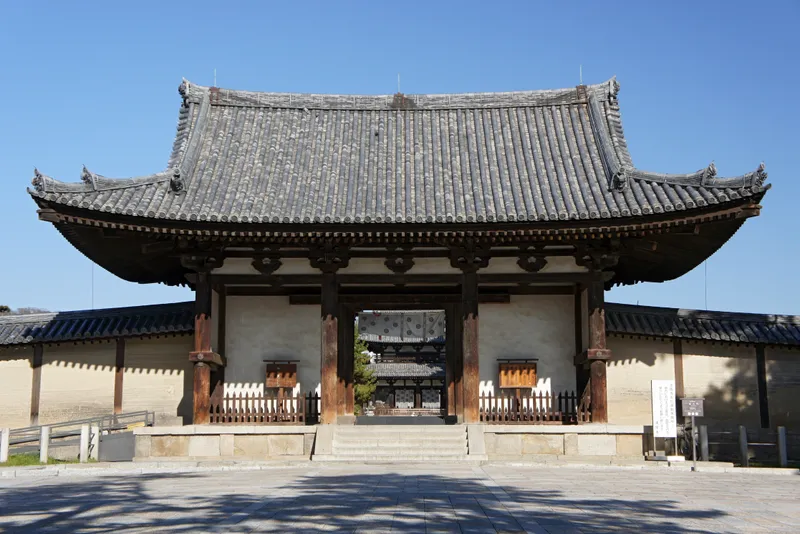 Temple
Horyu-ji
- Family & Home
Prince Shotoku vowed to build it for his late father Emperor Yomei; completed around 607, its western precinct is the oldest group of wooden buildings in the world.
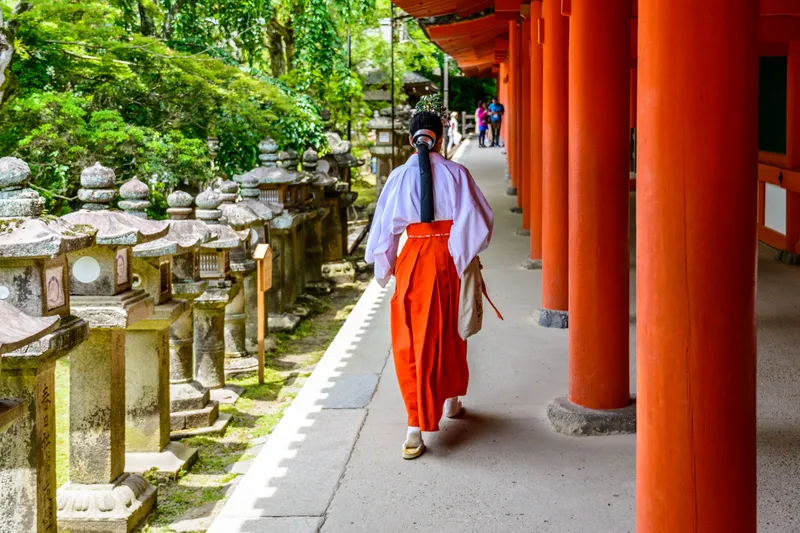 Shrine
Kasuga Taisha
Founded in 768 by decree of Empress Shotoku as the clan shrine of the Fujiwara, where the deer are the deity’s attendants because the deity arrived riding a white one.
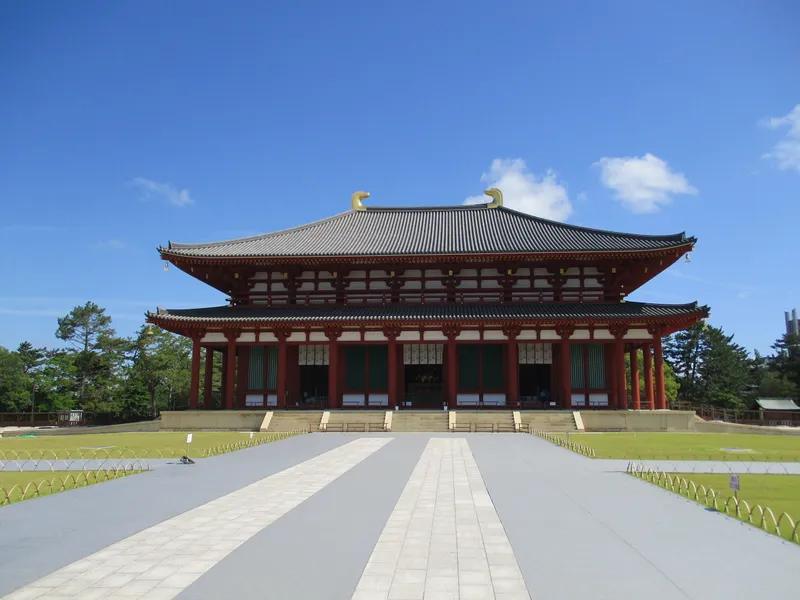 Temple
Kofuku-ji
It began in 669 as Yamashina-dera, built by Fujiwara no Kamatari’s wife Kagami no Okimi, and after two moves was installed in the new capital by Fujiwara no Fuhito in 710 under the name Kofuku-ji.
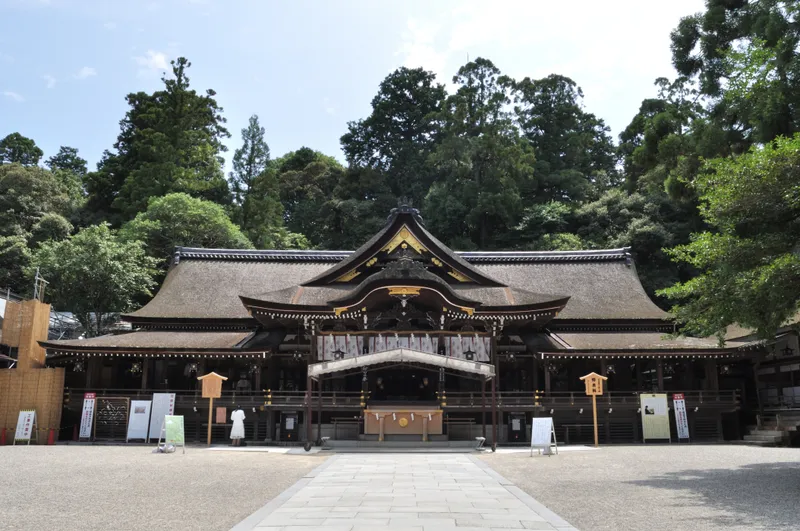 Shrine
Omiwa Jinja
- Protection & Safety
It has no main hall, because its deity dwells in Mount Miwa — prayer is offered to the mountain directly, in the form worship took before shrine buildings existed.
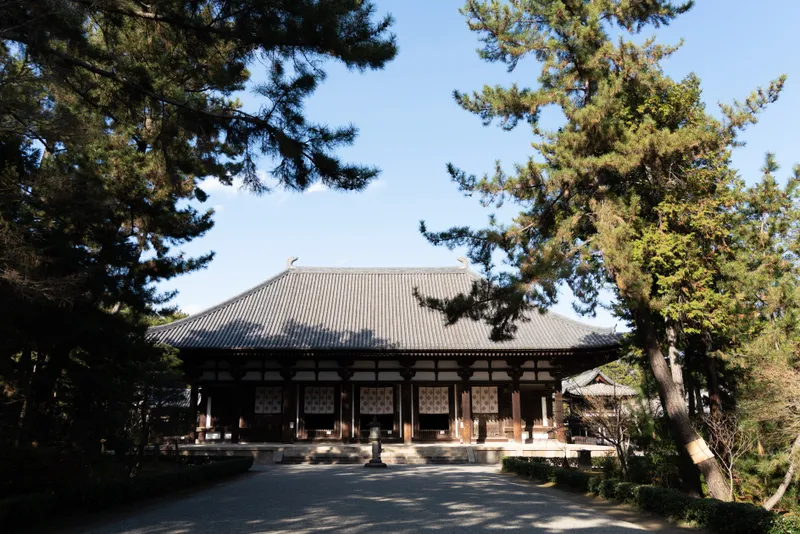 Temple
Toshodai-ji
The head temple of the Ritsu school, opened in 759 by Ganjin, who came from Tang China, as a place of practice for people studying the precepts.
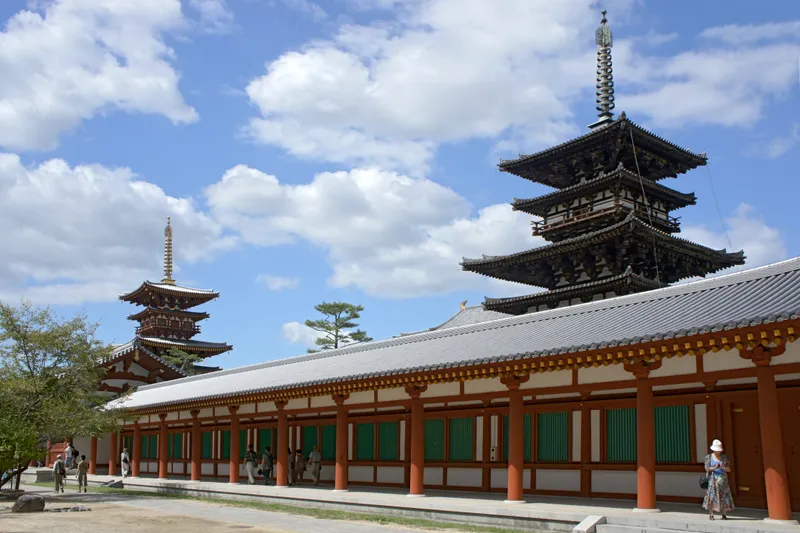 Temple
Yakushi-ji
- Health & Healing
Founded in 680 by Emperor Tenmu in prayer for the recovery of his empress from illness, and inscribed as World Heritage.
 Temple
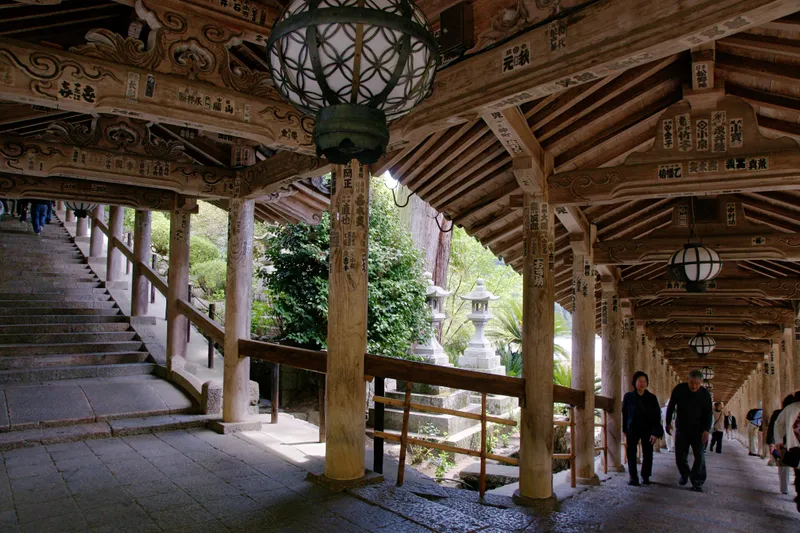
Hase-dera
Begun in 686 when Domyo installed a work on the west hill and in 727 when Tokudo carved an eleven-headed Kannon on the east hill, it is the founding site of the Saikoku circuit of thirty-three Kannon.
 Temple
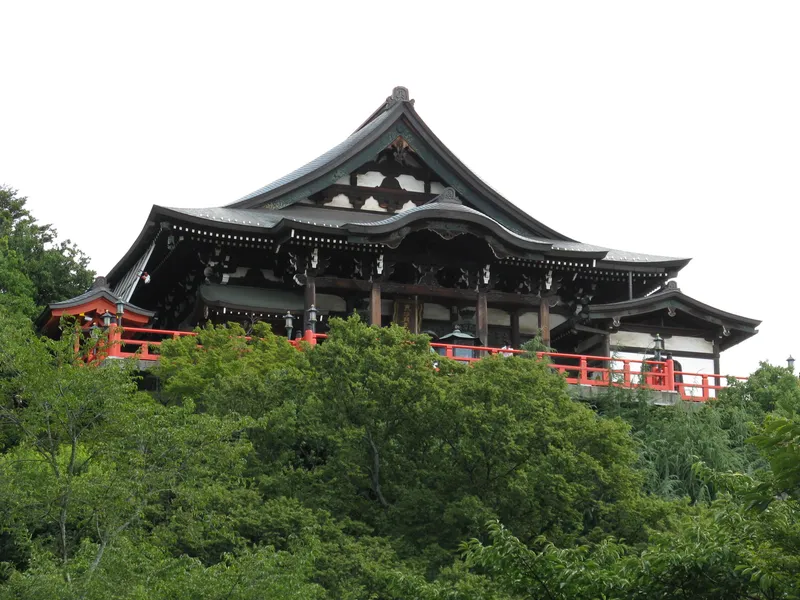
Chogosonshi-ji
- Family & Home
- Health & Healing
- Protection & Safety
Prince Shotoku is said to have perceived Bishamonten on this mountain at the tiger hour of the tiger day of the tiger year, and the temple received its name when Emperor Daigo recovered from grave illness.
 Temple
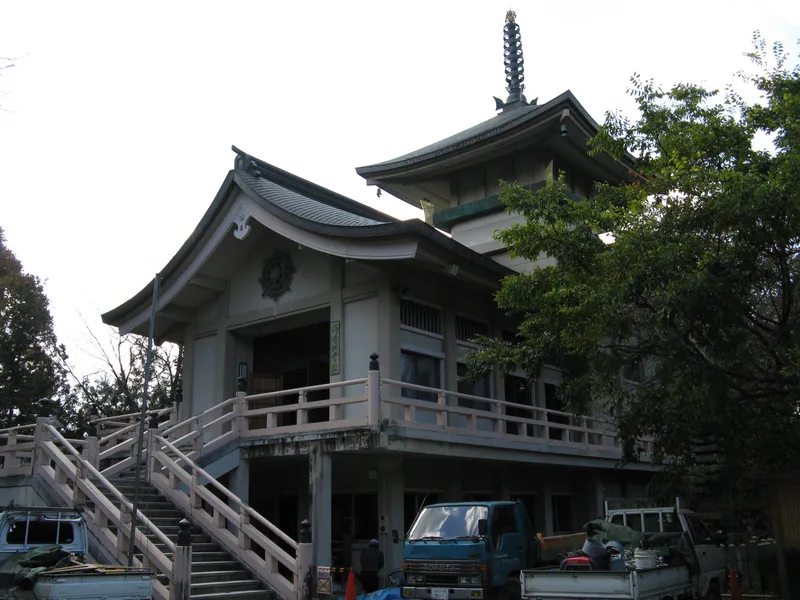
Kinpusen-ji
Founded when En no Gyoja, after a thousand days of retreat on Mount Sanjo, perceived Kongo Zao Daigongen and carved that form into a mountain cherry tree.
 Shrine
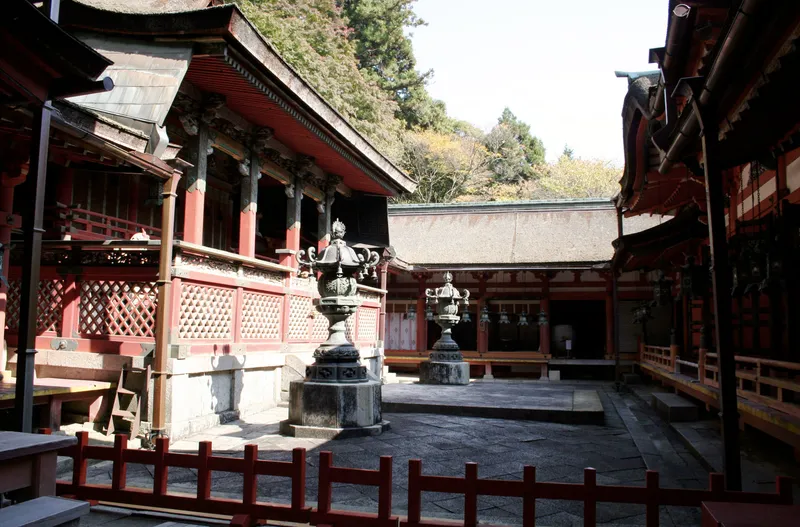
Tanzan Shrine
- Family & Home
- Health & Healing
- Money & Prosperity
A shrine to Fujiwara no Kamatari on the hill where he and Prince Naka no Oe held the secret conference that led to the Taika Reform.
 Temple
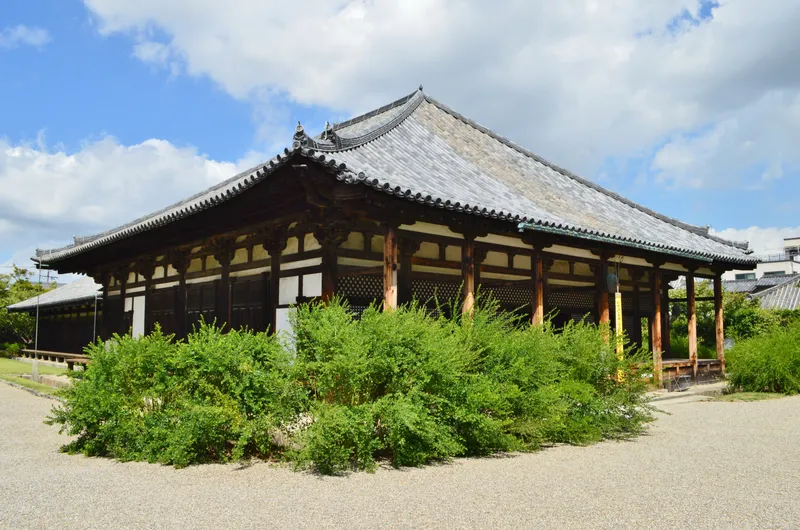
Gango-ji
The temple that had been Asuka-dera, Hoko-ji and Asuka Daiji, moved to the Nara capital; it takes Soga no Umako as its founding patron and, as Asuka Daiji, claims foundation by Prince Shotoku.
 Shrine
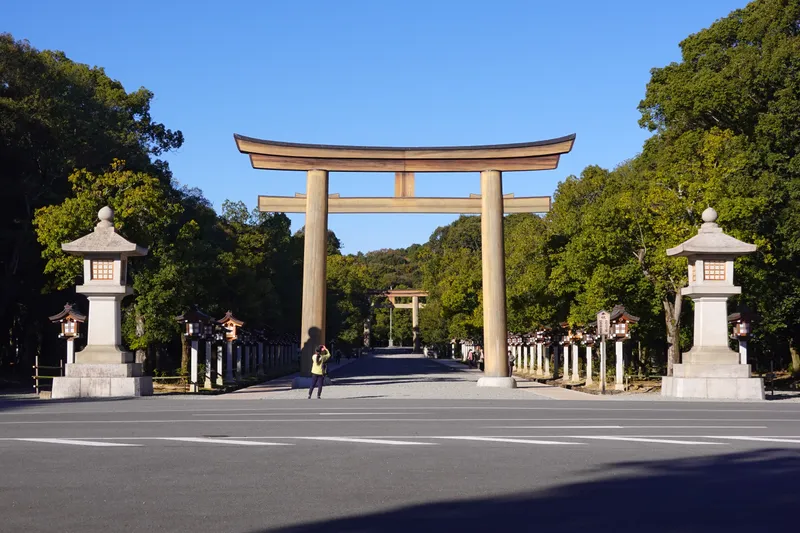
Kashihara Jingu
- Health & Healing
- Wish Fulfillment
A shrine to Emperor Jimmu, enshrined and founded on 2 April 1890, whose stated virtues are good fortune, long life and health, among others.
 Temple
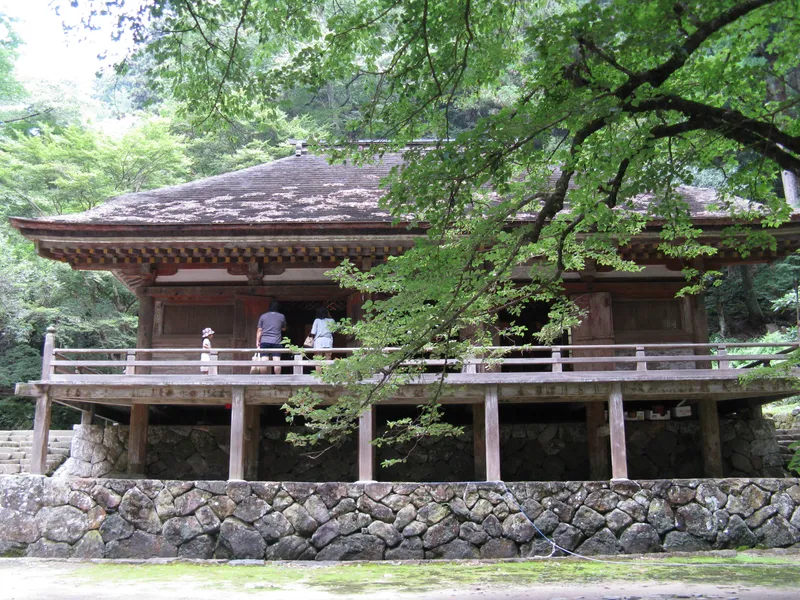
Muro-ji
Transmitted as first built on this site by En no Gyoja Ozunu on the vow of Emperor Tenmu, its halls and pagoda were raised around the founding of the Heian capital.
 Temple
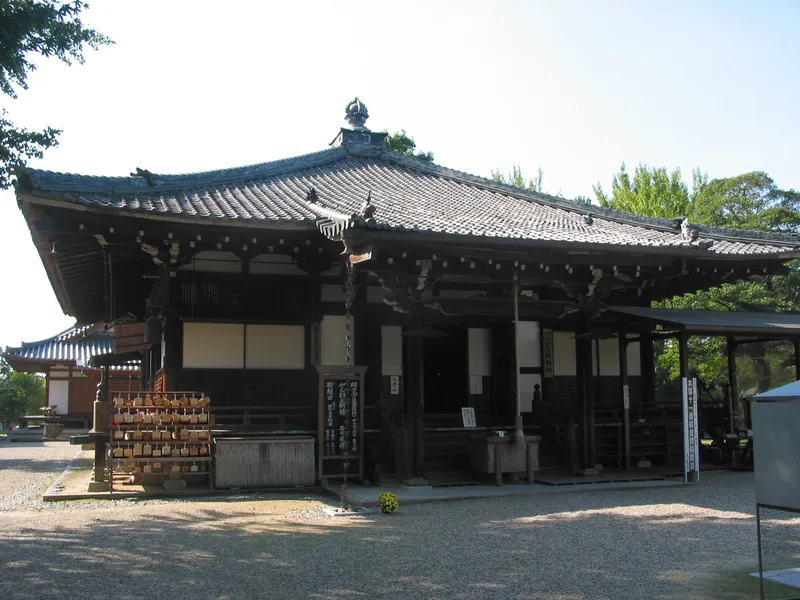
Daian-ji
- Health & Healing
Japan’s first state-founded temple, beginning with the Kumagori retreat that Prince Shotoku founded, and today a temple where people pray against cancer.
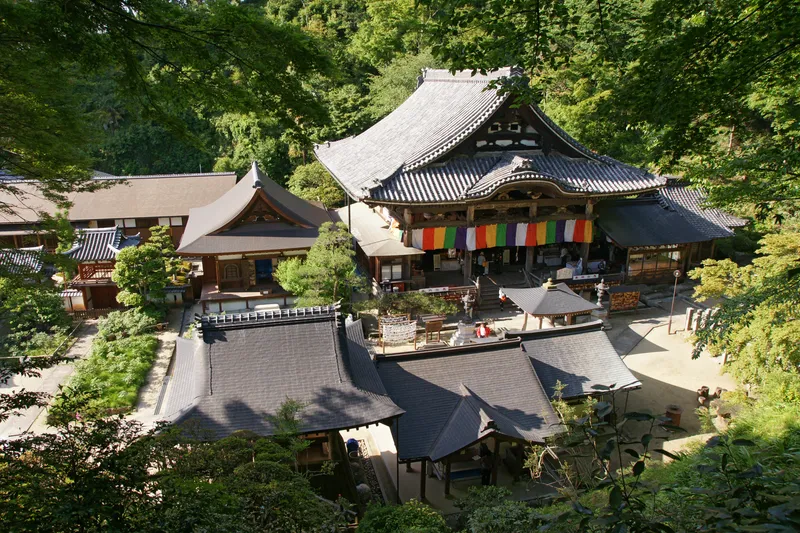 Temple
Oka-dera
- Exams & Study
- Fertility & Children
- Health & Healing
Founded by the priest Gien on the vow of Emperor Tenji, it calls itself the first site in Japan for warding off misfortune and is the seventh station of the Saikoku pilgrimage.
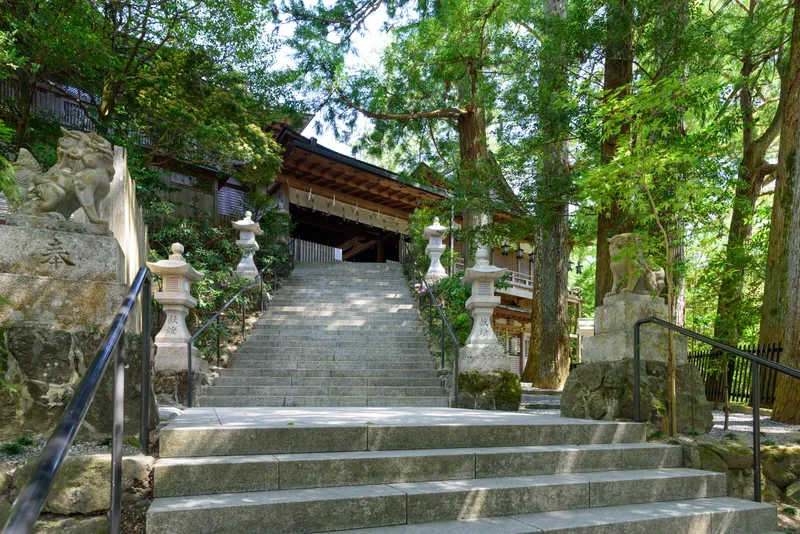 Shrine
Tenkawa Daibenzaiten
- Money & Prosperity
- Skill & Mastery
A shrine that began as the guardian of Mount Misen when En no Gyoja opened Omine, venerated as the great deity of music, art and performance, with a deep and surviving connection to Noh.
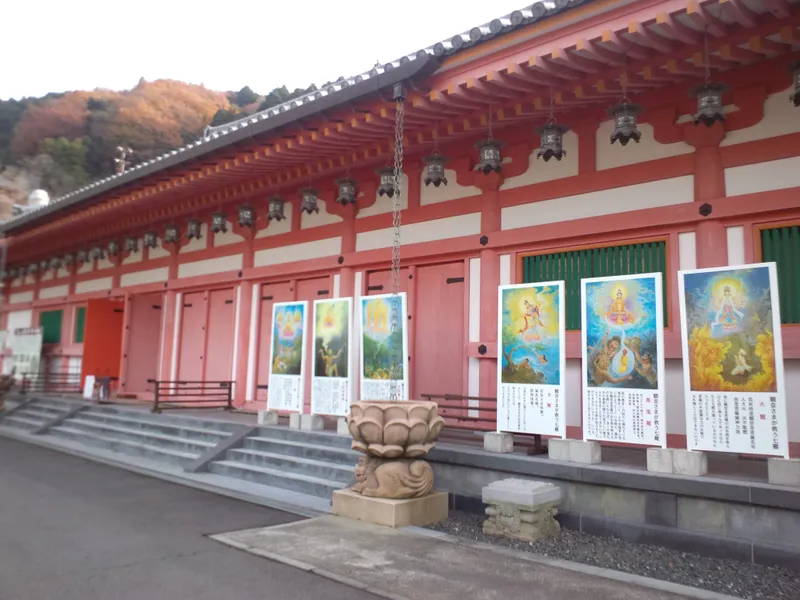 Temple
Tsubosaka-dera
- Health & Healing
The sixth station of the Saikoku pilgrimage, whose principal image is a Kannon of proven efficacy against eye disease; the temple is called the temple that seals off eye disease.
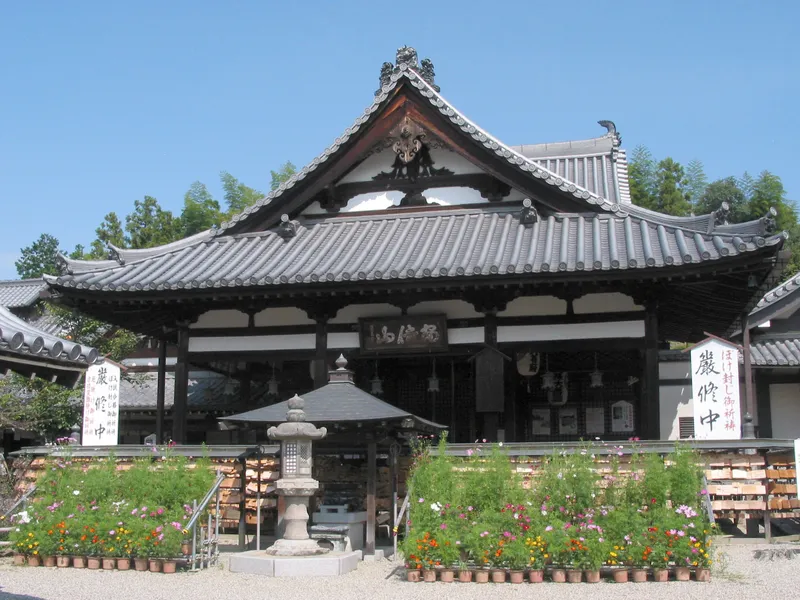 Temple
Abe Monju-in
- Exams & Study
- Fertility & Children
- Protection & Safety
Founded in 645 and one of the oldest temples in Japan, its principal image is the Monju of the proverb "three heads together make Monju’s wisdom", and prayers here begin with success in examinations.
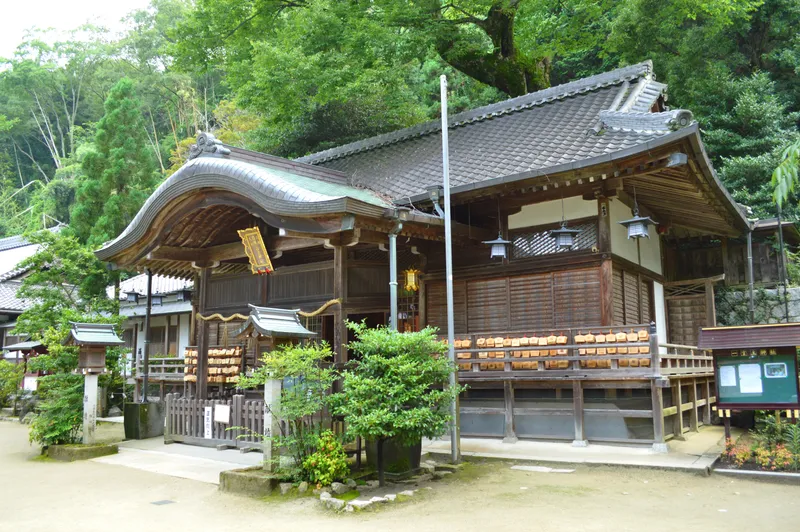 Shrine
Katsuragi Hitokotonushi Shrine
- Wish Fulfillment
A shrine to Hitokotonushi, revered as a deity who will hear any wish at all, so long as it is a single wish.
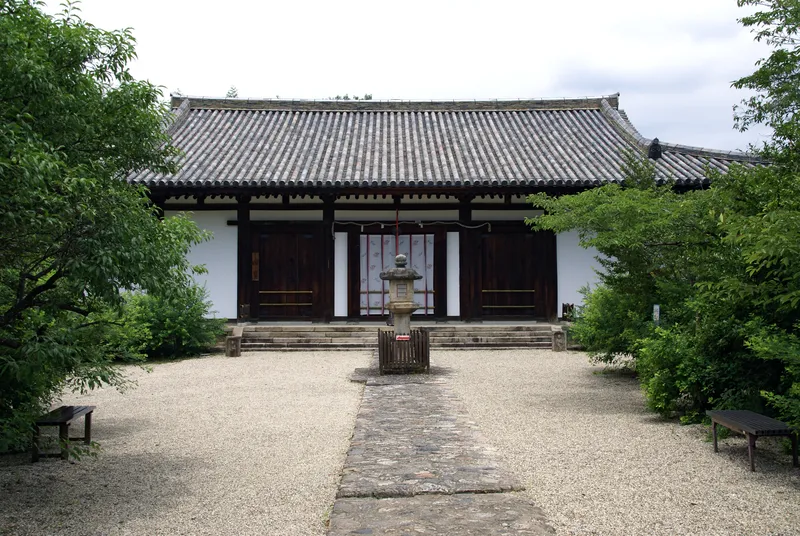 Temple
Shin-Yakushi-ji
- Health & Healing
Founded in the third month of 747 by Empress Komyo, in prayer for Emperor Shomu’s recovery from illness.
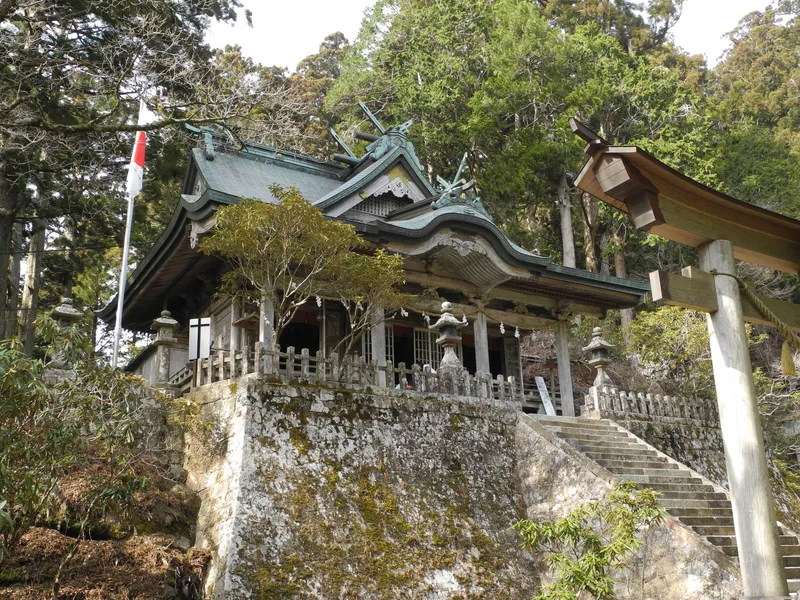 Shrine
Tamaki Shrine
- Protection & Safety
A shrine near the summit of Mount Tamaki, at 1,076 metres, transmitted as founded to enshrine Hayatama for the warding of fire from the palace and the driving off of evil.
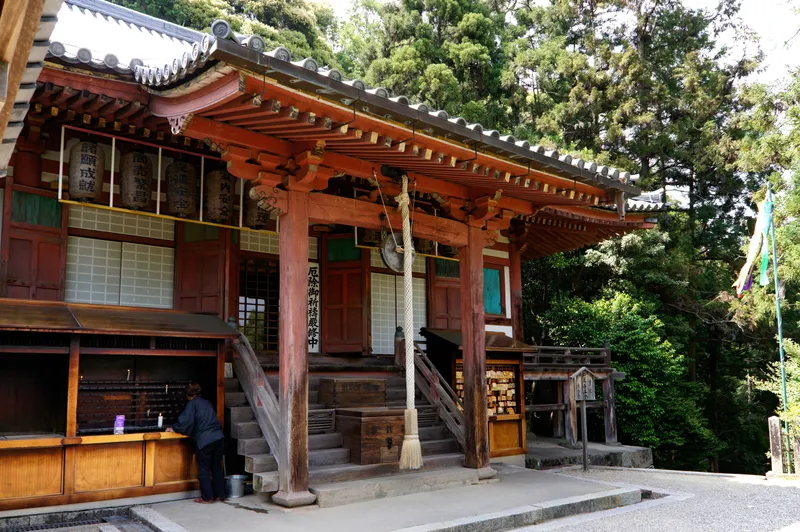 Temple
Matsuo-dera
- Protection & Safety
- Wish Fulfillment
Built in 718 by Prince Toneri while he was compiling the Nihon Shoki, at forty-two and in his unlucky year, praying that the book be completed safely and misfortune warded off.
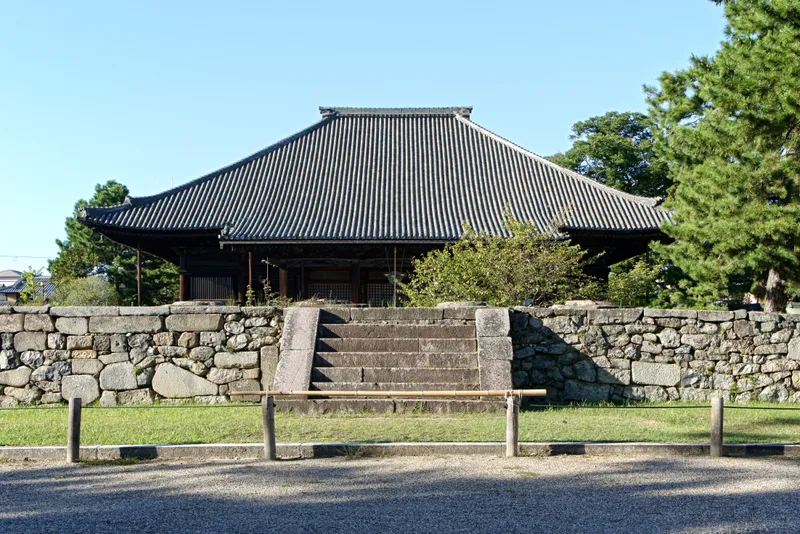 Temple
Saidai-ji
Founded in the Nara period on Empress Shotoku’s vow for the protection of the state, one of the seven great temples of the southern capital, and rebuilt in the Kamakura period by the priest Eison.
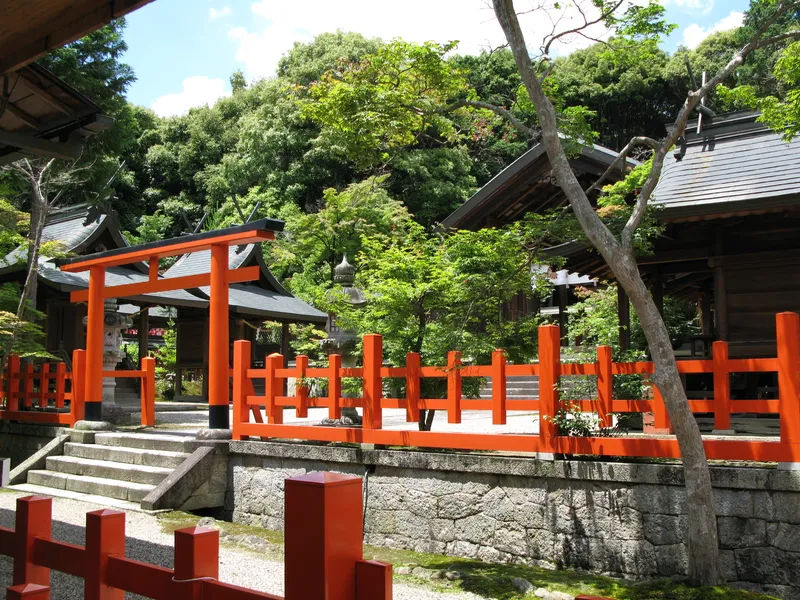 Shrine
Tatsuta Taisha
- Family & Home
- Protection & Safety
A shrine to the deity of wind, transmitted as built exactly as an oracle in an emperor’s dream directed — after which the crops were abundant and the plague withdrew.
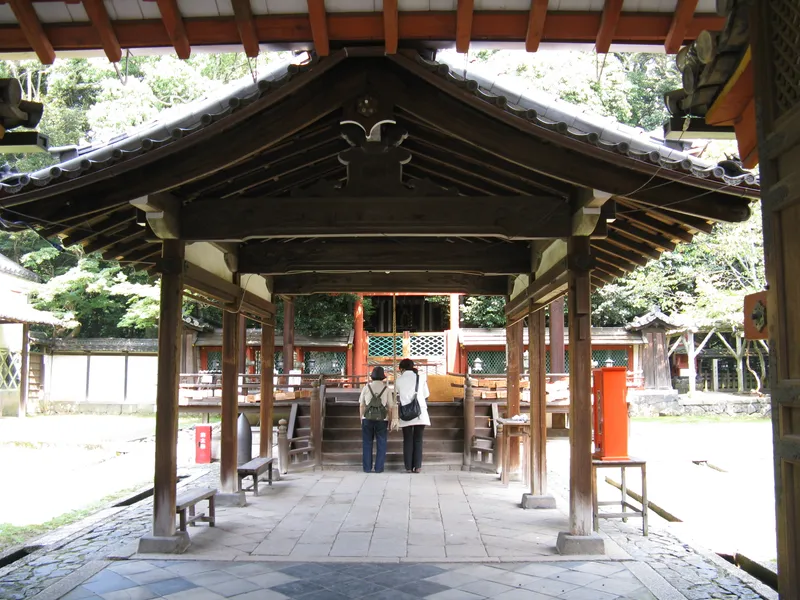 Shrine
Himuro Shrine
- Money & Prosperity
A shrine that began as the ice house supplying the Nara capital, where ice makers and sellers from across the country still gather to pray for the year’s trade.
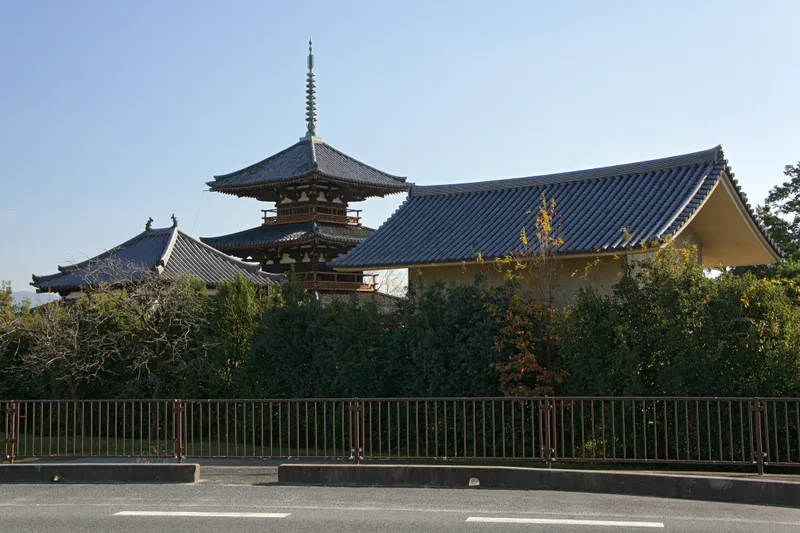 Temple
Hoki-ji
Begun when Prince Shotoku, on his deathbed, instructed his eldest son to turn the Okamoto palace into a temple; its three-storey pagoda is the oldest still standing.
 Shrine
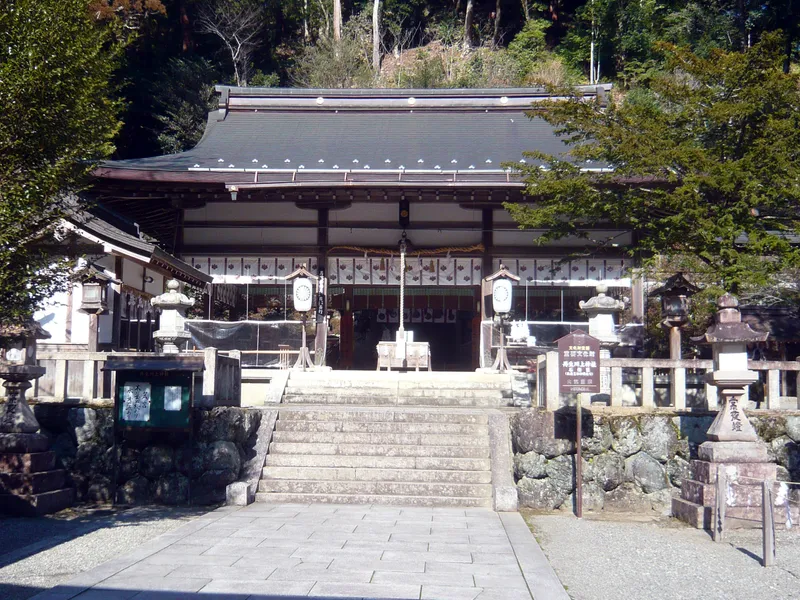
Niukawakami Shrine, Middle Shrine
Founded on an oracle — "if you raise my shrine pillars at Niukawakami and revere me, I shall send sweet rain for the realm and stop the long rains" — and dedicated to Mizuhanome, who governs water.
 Temple
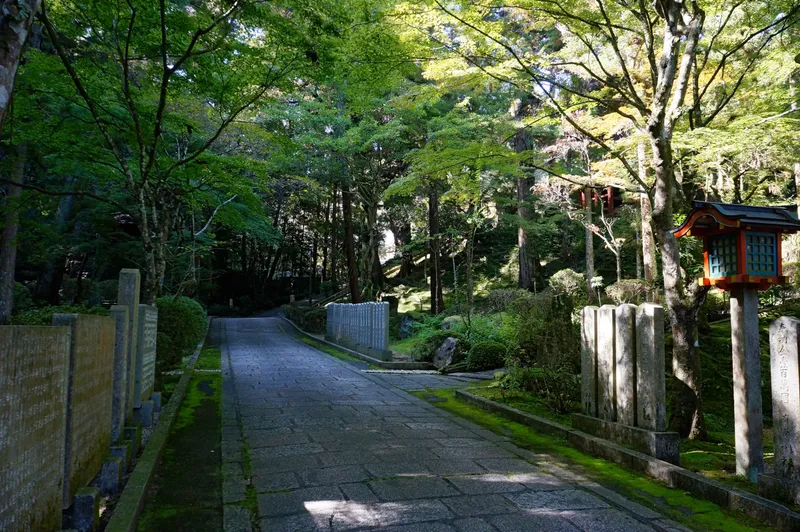
Ryosen-ji
- Health & Healing
Founded on a Yakushi Nyorai perceived at Kumano by Ono no Tomihito, and named Ryosen-ji when the Indian monk Bodhisena reported that the ground here looked just like Vulture Peak.
 Shrine
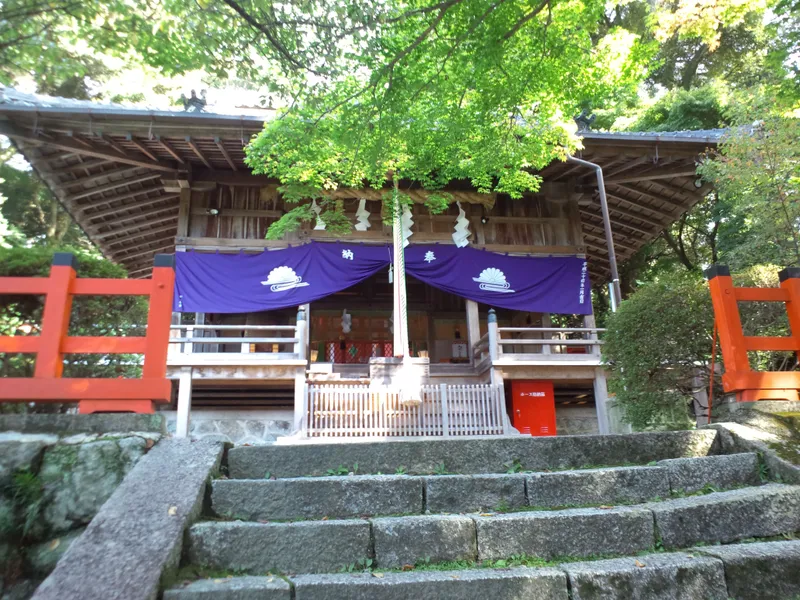
Takakamo Shrine
- Family & Home
- Health & Healing
- Purification
Held to be the parent shrine of all the Kamo shrines and one of the oldest shrines in Japan, with a deep devotion around recovery and renewal.