Himuro Shrine
Researched and translated with AI assistance. Every claim is linked to its source, but errors get through, so check the official site for opening times, fees and closures.About
In short
A shrine that began as the ice house supplying the Nara capital, where ice makers and sellers from across the country still gather to pray for the year’s trade.
Quick facts
- Address
- 1-4 Kasuganocho, Nara
About this place
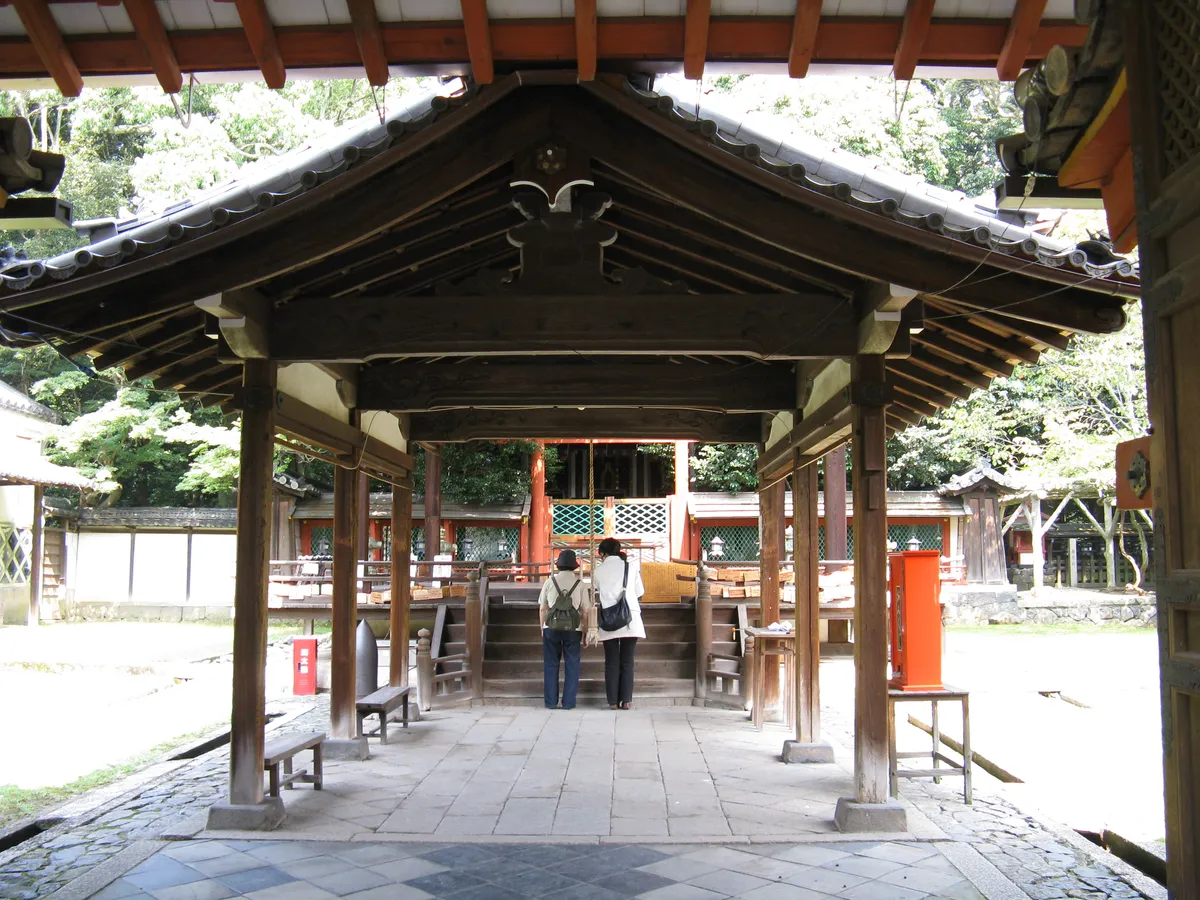
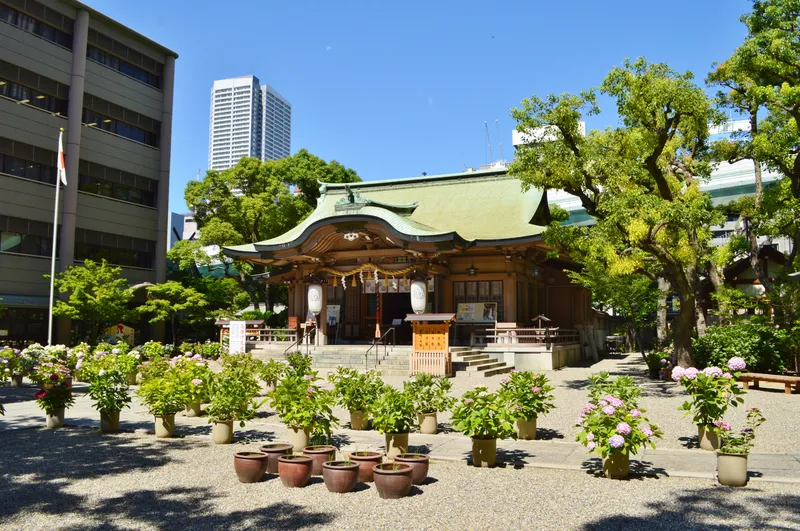
Himuro Shrine is in Nara. Its deities are Osasagi no Mikoto, Tsuge no Inagi Oyamanushi no Mikoto and Nukata no Onakatsuhiko no Mikoto. In the reign of Empress Genmei, in the third year of Wado, it was enshrined by imperial command on the imperial mountain of Mikasa at Kasuga, in the eastern half of the new Nara capital. The following year the imperial rite of offering ice was first held, and from then ice was presented to the capital each year from the first day of the fourth month to the thirtieth of the ninth. In the reign of Emperor Seiwa, in the second year of Jogan, it was moved to the present site, and two further deities were added to left and right, making three seats. The ice-offering festival has become a rite at which ice makers and sellers from all over the country attend and pray for the fulfilment of the year’s business, and it is held on 1 May, avoiding the trade’s busy month of June.
Origin and history
In the reign of Empress Genmei, in the third year of Wado, the shrine was enshrined by imperial command on the imperial mountain of Mikasa at Kasuga, in the eastern half of the new Nara capital.
The following year the imperial rite of offering ice was first held, and ice was presented to the capital each year from the first day of the fourth month to the thirtieth of the ninth.
In the reign of Emperor Seiwa, in the second year of Jogan, it was moved to the present site, and two further deities were added to left and right, making three seats.
What it is locally associated with
The ice trade’s own festival
Ice makers and sellers from across the country attend the ice-offering festival to pray for the year’s business; it is held on 1 May to avoid the trade’s busy June.
documented historyIt supplied the capital with ice
From the year after its founding, ice was presented to the Nara capital each year from the first day of the fourth month to the thirtieth of the ninth.
documented historyShaved ice before the deity
From 1 June to 1 September, shaved ice is offered before the deity and may afterwards be received and eaten.
local custom
This shrine was a working place first. Ice was presented to the capital each year from the first day of the fourth month to the thirtieth of the ninth — the job came first, and the devotion practised here now runs on from it.
At the ice-offering festival, ice makers and sellers from all over the country attend and pray for the fulfilment of the year’s business. A festival where one trade gathers for its own livelihood. Sukunahikona Shrine in Osaka, the shrine of the pharmacists’ street at Doshomachi, has the same shape.
The date shows the trade’s hand too. It is held on 1 May, avoiding the busy month of June — the rite moved to fit the working year of the people who come to it. On the day, two great ice pillars with a sea bream and a carp sealed inside them are offered along with flower ice, and shaved ice is handed out, with court music performed.
From 1 June to 1 September, shaved ice is offered before the deity and may afterwards be received and eaten.
Claims and evidence levels 2
- The shrine was enshrined by imperial command in the third year of Wado and from the following year supplied the Nara capital with ice each summer. documented history
- Its ice-offering festival is attended by ice makers and sellers from across the country praying for the year’s business, and is held on 1 May. documented history
Related guides
- How to visit a shrine or temple in JapanThe country-wide basics: purifying at the water basin, the two-bows-two-claps-one-bow form at shrines, and what temples do instead.
- What a "power spot" actually isA modern Japanese coinage, not a traditional religious category. Where the word came from, what it does and does not claim, and why this site uses it anyway.
- Shrine or temple?A shrine is Shinto and a temple is Buddhist, and you can usually tell at the gate. Why the line is cleaner on paper than on the ground, and what a government order in 1868 has to do with it.
- Omamori, ema, omikuji and goshuinThe four things you are most likely to receive, write, draw or be given at a shrine or temple, what each is actually for, and the one of them people most often get wrong.
Sources
- 氷室神社について — Himuro Shrine (accessed 2026-08-15)
Last updated:
Similar places
8 places
 Shrine
Tanzan Shrine
- Family & Home
- Health & Healing
- Money & Prosperity
A shrine to Fujiwara no Kamatari on the hill where he and Prince Naka no Oe held the secret conference that led to the Taika Reform.
 Temple
Shitenno-ji
- Health & Healing
- Money & Prosperity
Founded in 593 when Prince Shotoku made good on a battlefield vow — Japan’s first official state temple, still praying daily for recovery from illness and prosperity in business.
 Shrine
Kozu-gu
- Fertility & Children
- Money & Prosperity
Founded in 866, when an imperial order sent a search for the ruins of the old capital and the shrine was built where they were found.
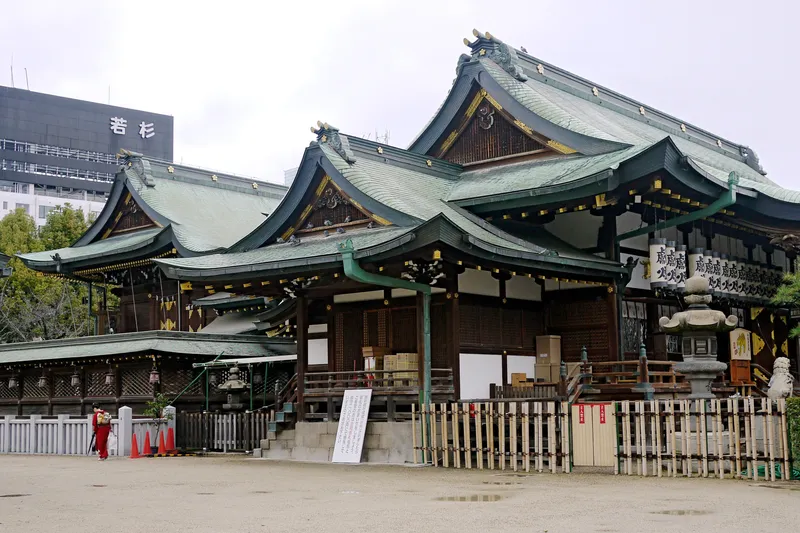 Shrine
Osaka Tenmangu
- Exams & Study
- Money & Prosperity
- Protection & Safety
Built by imperial order on the spot where Sugawara no Michizane prayed for a safe journey to Dazaifu, after seven pines grew there overnight and shone each night.
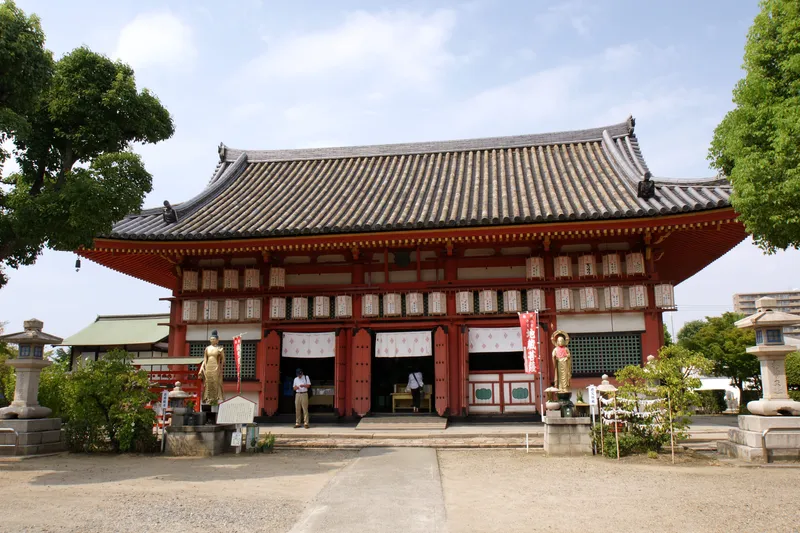 Temple
Shoman-in Aizendo
- Love & Romance
- Money & Prosperity
- Bonds & Matchmaking
Founded by Prince Shotoku in 593 on the site of his dispensary — called the birthplace of welfare work — and known for the binding of ties and harmony between husband and wife.
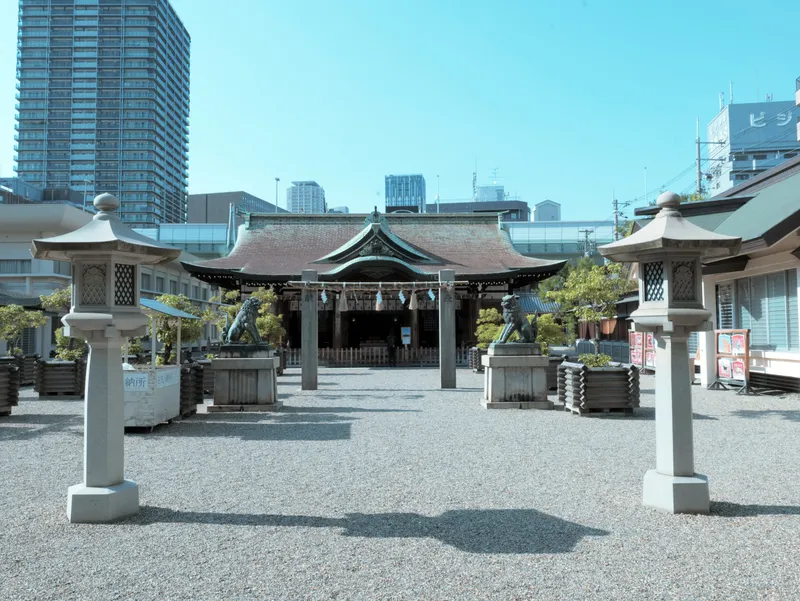 Shrine
Imamiya Ebisu Jinja
- Money & Prosperity
Founded in 600 as the guardian deity of a marketplace, and revered since as a protector of prosperous trade and full good fortune.
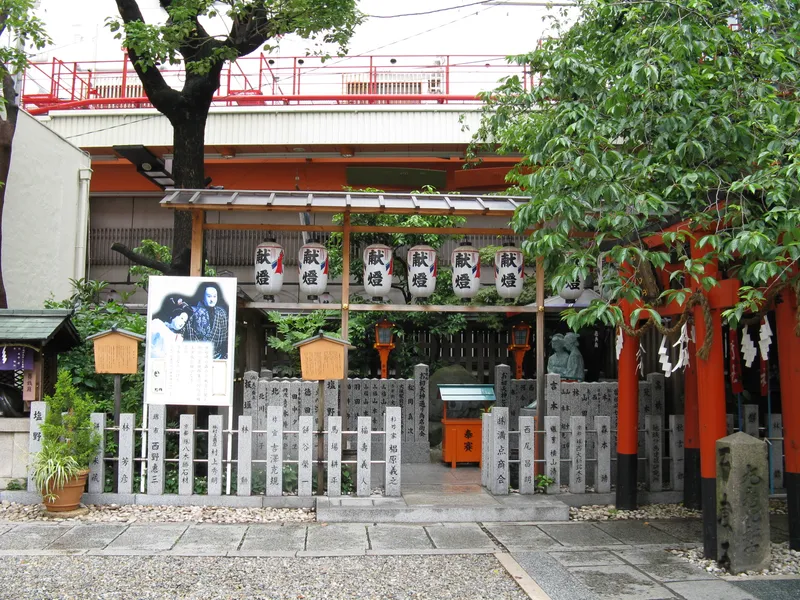 Shrine
Tsuyu no Tenjinsha
- Exams & Study
- Health & Healing
- Love & Romance
An old shrine of thirteen centuries whose grove was the scene of the double suicide behind Chikamatsu’s play, and where people now come to ask for love to come true.
 Shrine
Ikasuri Jinja
- Family & Home
- Fertility & Children
- Money & Prosperity
Because it is the deity of this ground, the shrine records, it governs safe childbirth, children’s safe growth and safety in trade.
No places match your filters