Gango-ji
Asuka-dera · Hoko-ji · Asuka Daiji
Researched and translated with AI assistance. Every claim is linked to its source, but errors get through, so check the official site for opening times, fees and closures.About
In short
The temple that had been Asuka-dera, Hoko-ji and Asuka Daiji, moved to the Nara capital; it takes Soga no Umako as its founding patron and, as Asuka Daiji, claims foundation by Prince Shotoku.
Quick facts
- Address
- 11 Chuincho, Nara
About this place
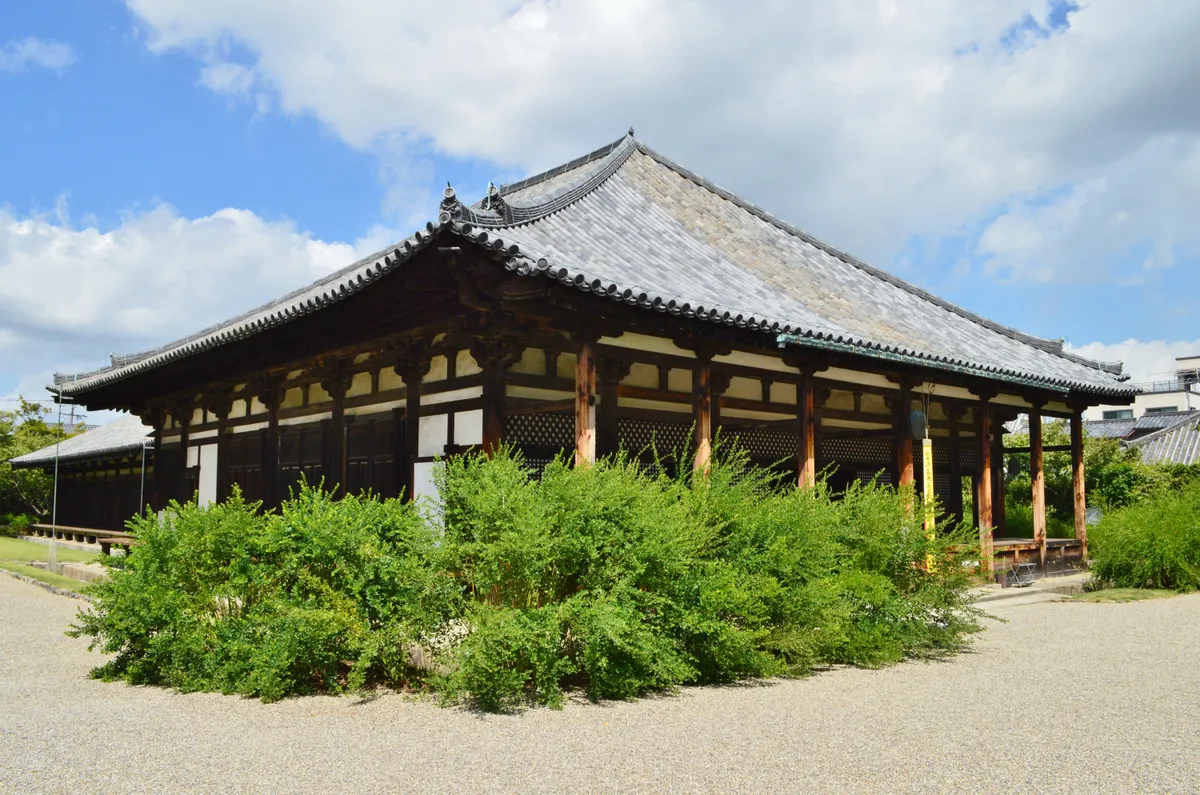
Gango-ji is in Nara. The temple writes that it has changed both name and character — Asuka-dera, then Hoko-ji, then Asuka Daiji, then Gango-ji. As the clan temple of the Soga it points to Soga no Iname, and takes Soga no Umako as its founding patron. As Asuka Daiji it claims imperial vow by Empress Suiko and foundation by Prince Shotoku, and for the move to the Nara capital it transmits imperial vows by Emperor Gensho and Emperor Shomu. The temple’s account states no benefit that may be prayed for.
Origin and history
This temple has changed both its name and its character: Asuka-dera, Hoko-ji, Asuka Daiji, Gango-ji.
As the clan temple of the Soga it points to Soga no Iname, and takes Soga no Umako as its founding patron. As Asuka Daiji it claims imperial vow by Empress Suiko and foundation by Prince Shotoku.
For the move to the Nara capital, it transmits imperial vows by Emperor Gensho and Emperor Shomu.
What it is locally associated with
Four names
The temple writes that it changed both name and character: Asuka-dera, Hoko-ji, Asuka Daiji, Gango-ji.
documented historySoga no Umako as founding patron
As the Soga clan temple it points to Soga no Iname, and takes Soga no Umako as its founding patron.
documented historyClaimed as a Shotoku foundation
As Asuka Daiji it claims imperial vow by Empress Suiko and foundation by Prince Shotoku; the move to Nara is transmitted as the vow of Emperor Gensho and Emperor Shomu.
folk tradition
This temple has four names. Asuka-dera, Hoko-ji, Asuka Daiji, Gango-ji — and it was not only the name that changed but the character of the place, as the temple puts it. Kofuku-ji on this same list ran through three names, Yamashina-dera and Umayasaka-dera before its present one, and Yakushi-ji was likewise moved into a new capital. When the capital moved, the temples moved, and what they were called changed each time.
Whose temple it is also depends on when you ask. As the Soga clan temple it points to Soga no Iname and takes Soga no Umako as its founding patron. As Asuka Daiji it claims Empress Suiko’s vow and Prince Shotoku’s foundation. For the move to Nara it transmits the vows of Emperor Gensho and Emperor Shomu. A clan’s temple and a state’s temple sit on top of one another here.
Prince Shotoku’s name turns up elsewhere on this list — Shitenno-ji, Horyu-ji, Rokkaku-do, Aizen-do Shomanin, Imamiya Ebisu, Horikoshi Shrine — scattered across Nara, Osaka and Kyoto, the same man given as the reason a place exists.
The temple’s account names no benefit, so this page carries no tag for what may be prayed for.
Claims and evidence levels 3
- The temple states that it changed name and character through Asuka-dera, Hoko-ji, Asuka Daiji and Gango-ji. documented history
- It takes Soga no Iname and Soga no Umako as its Soga-clan founders. documented history
- As Asuka Daiji the temple claims imperial vow by Empress Suiko and foundation by Prince Shotoku. folk tradition
Related guides
- How to visit a shrine or temple in JapanThe country-wide basics: purifying at the water basin, the two-bows-two-claps-one-bow form at shrines, and what temples do instead.
- What a "power spot" actually isA modern Japanese coinage, not a traditional religious category. Where the word came from, what it does and does not claim, and why this site uses it anyway.
- Shrine or temple?A shrine is Shinto and a temple is Buddhist, and you can usually tell at the gate. Why the line is cleaner on paper than on the ground, and what a government order in 1868 has to do with it.
- Omamori, ema, omikuji and goshuinThe four things you are most likely to receive, write, draw or be given at a shrine or temple, what each is actually for, and the one of them people most often get wrong.
Sources
- 元興寺のおこり — Gango-ji (accessed 2026-08-15)
Last updated:
Similar places
8 places
 Temple
Kofuku-ji
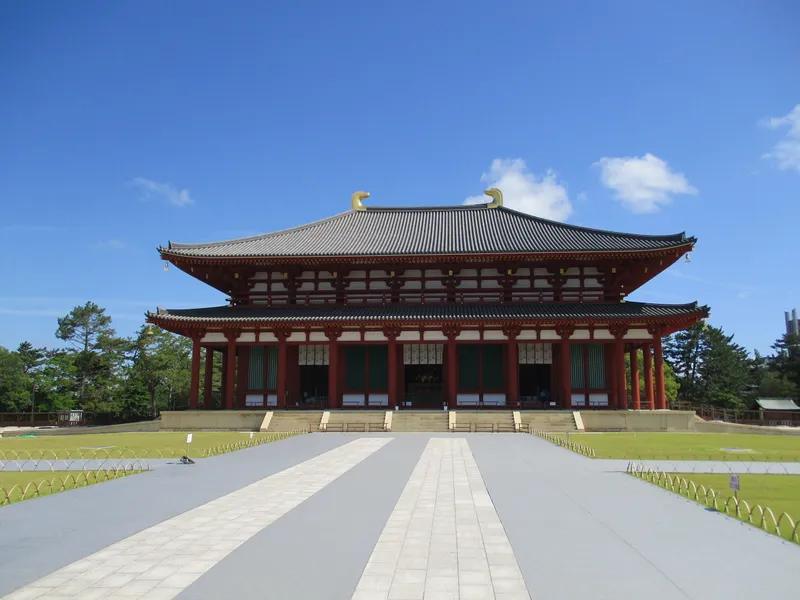
It began in 669 as Yamashina-dera, built by Fujiwara no Kamatari’s wife Kagami no Okimi, and after two moves was installed in the new capital by Fujiwara no Fuhito in 710 under the name Kofuku-ji.
 Shrine
Himuro Shrine
- Money & Prosperity
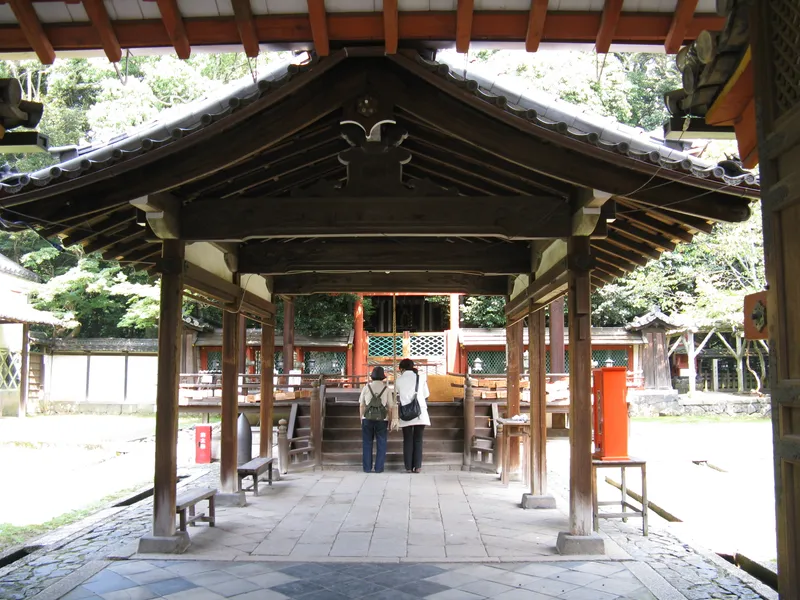
A shrine that began as the ice house supplying the Nara capital, where ice makers and sellers from across the country still gather to pray for the year’s trade.
 Temple
Shin-Yakushi-ji
- Health & Healing
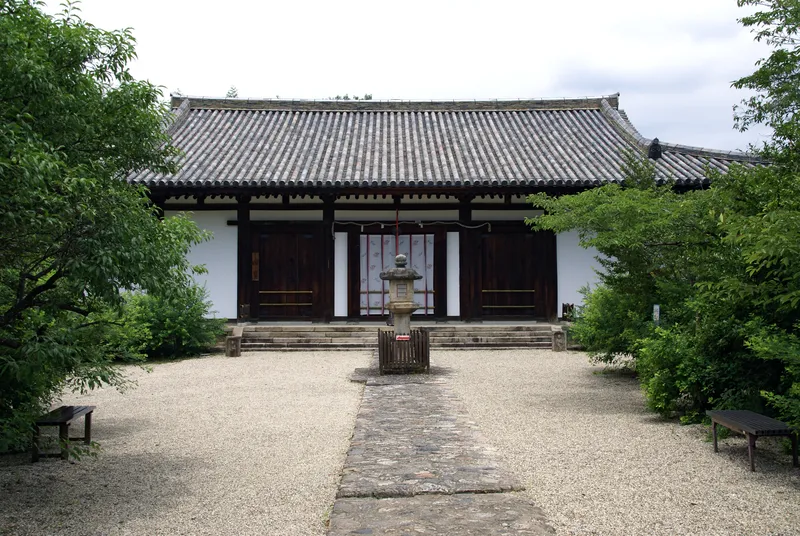
Founded in the third month of 747 by Empress Komyo, in prayer for Emperor Shomu’s recovery from illness.
 Temple
Todaiji
- Protection & Safety
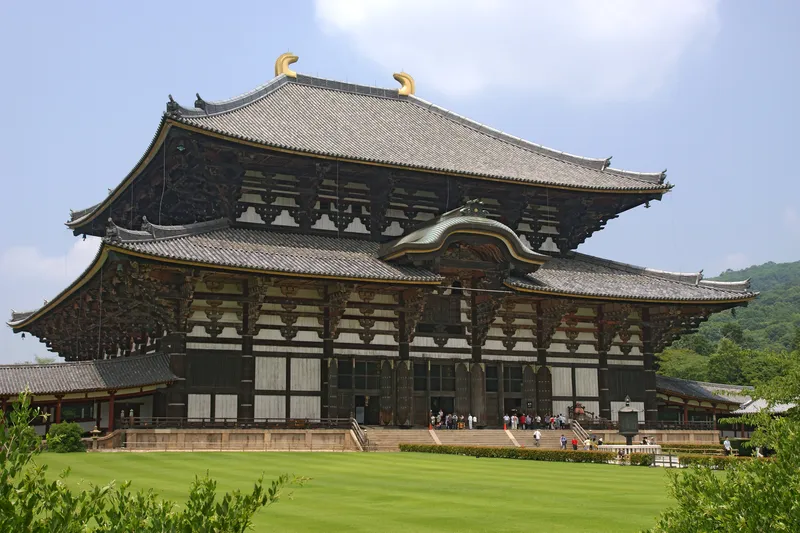
The temple of the Great Buddha, begun in 743 under an edict praying that all things, animate and growing, may flourish.
 Shrine
Kasuga Taisha
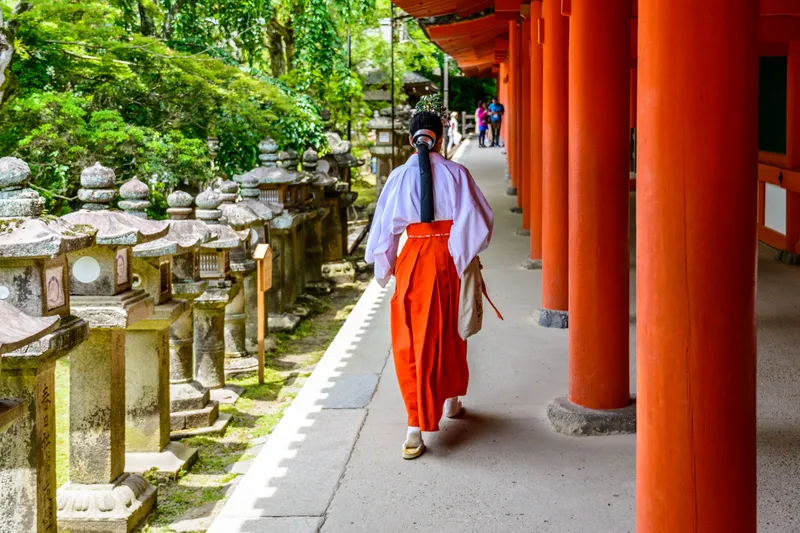
Founded in 768 by decree of Empress Shotoku as the clan shrine of the Fujiwara, where the deer are the deity’s attendants because the deity arrived riding a white one.
 Temple
Daian-ji
- Health & Healing
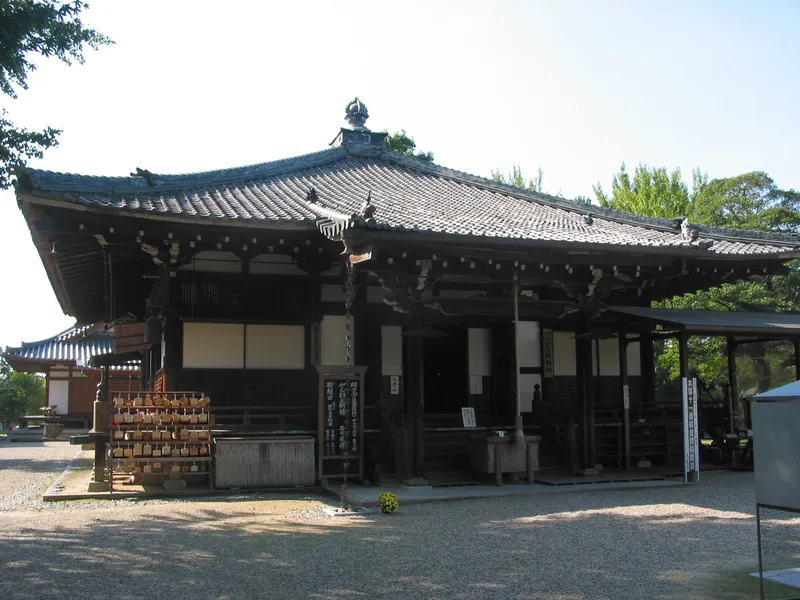
Japan’s first state-founded temple, beginning with the Kumagori retreat that Prince Shotoku founded, and today a temple where people pray against cancer.
 Temple
Toshodai-ji
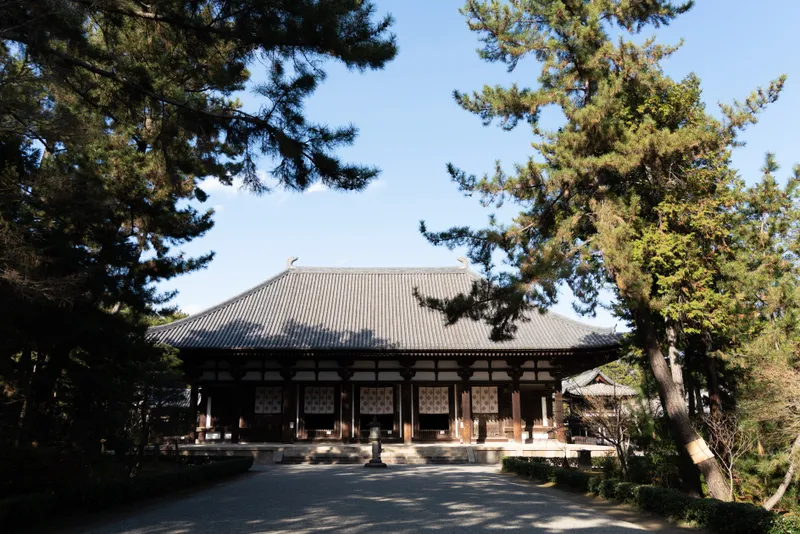
The head temple of the Ritsu school, opened in 759 by Ganjin, who came from Tang China, as a place of practice for people studying the precepts.
 Temple
Yakushi-ji
- Health & Healing
Founded in 680 by Emperor Tenmu in prayer for the recovery of his empress from illness, and inscribed as World Heritage.
No places match your filters