Katsuragi Hitokotonushi Shrine
Researched and translated with AI assistance. Every claim is linked to its source, but errors get through, so check the official site for opening times, fees and closures.About
In short
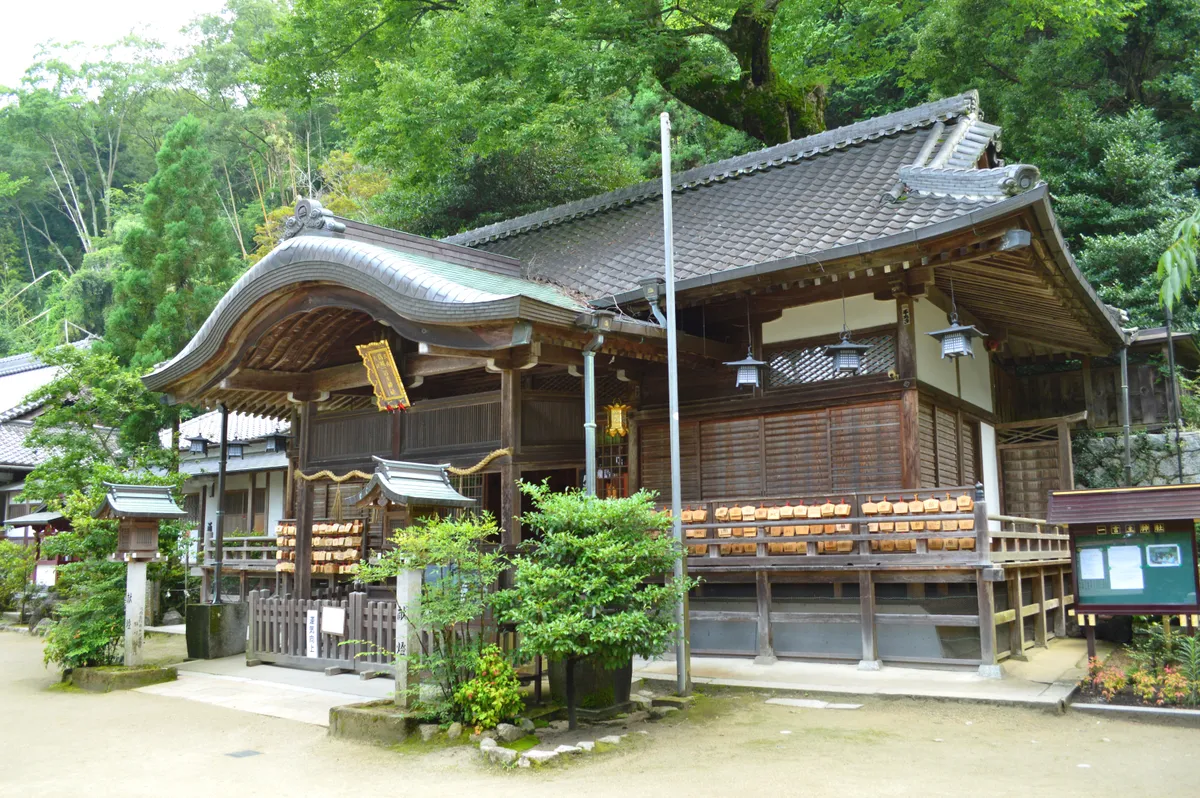
A shrine to Hitokotonushi, revered as a deity who will hear any wish at all, so long as it is a single wish.
Quick facts
- Address
- 432 Moriwaki, Gose, Nara
About this place
Katsuragi Hitokotonushi Shrine is in Gose, Nara, and its deity is Hitokotonushi no Okami. The deity appeared when the twenty-first sovereign, Emperor Yuryaku, was hunting on Mount Katsuragi, and in the Kojiki declares: "I am the deity who parts words, evil in one word and good in one word — Hitokotonushi the great deity of Katsuragi." The emperor offered his great sword and his bow and arrows, and the garments worn by the hundred officials. The Montoku Jitsuroku records the grant of senior third rank in 850, the Sandai Jitsuroku junior second rank in 859, and the Engishiki of 907 lists it among the great shrines of eminent deities. In 804 Saicho came to pray here, and Emperor Go-Kogon granted it senior first rank. It draws devotion from across the country as a deity who will hear any wish at all, so long as it is a single wish.
Origin and history
The deity appeared when the twenty-first sovereign, Emperor Yuryaku, was hunting on Mount Katsuragi. In the Kojiki the deity declares: "I am the deity who parts words, evil in one word and good in one word — Hitokotonushi the great deity of Katsuragi." The emperor offered his great sword and his bow and arrows, and the garments worn by the hundred officials.
The Montoku Jitsuroku records the grant of senior third rank in 850, the Sandai Jitsuroku junior second rank in 859, and the Engishiki of 907 lists it among the great shrines of eminent deities.
In 804 Saicho came to pray here, and Emperor Go-Kogon granted it senior first rank.
What it is locally associated with
Any wish, if it is only one
The deity is revered across the country as one who will hear any wish at all, so long as it is a single wish.
folk traditionThe deity names itself
In the Kojiki the deity declares: "I am the deity who parts words, evil in one word and good in one word — Hitokotonushi the great deity of Katsuragi."
documented historyAn appearance during a hunt
The deity appeared while Emperor Yuryaku was hunting on Mount Katsuragi, and the emperor offered his sword, his bow and arrows, and the officials’ garments.
folk tradition
There is one condition on how you ask here. The deity will hear any wish at all, so long as it is a single wish — the subject is unrestricted, the number is not. What sets this shrine apart is that the limit is on how many, not on what.
The deity introduces itself. A line from the Kojiki is quoted, spoken in the first person: the deity who parts words, evil in one word and good in one word, Hitokotonushi the great deity of Katsuragi. Not a description written by someone else, but a self-naming that survives as speech.
The appearance is specific too. Emperor Yuryaku was hunting on Mount Katsuragi when the deity appeared, and he offered his great sword and his bow and arrows, and the garments worn by the hundred officials. The meeting and the offering made on the spot both come down together.
The recorded ranks follow: senior third in 850, junior second in 859, listing among the great shrines of eminent deities in 907. Saicho prayed here in 804, and Emperor Go-Kogon granted senior first rank.
Claims and evidence levels 3
- The deity is revered as one who will hear any wish at all, so long as it is a single wish. folk tradition
- The Kojiki records the deity declaring itself the deity who parts words, evil in one word and good in one word. documented history
- The shrine was granted senior third rank in 850 and junior second rank in 859, and the Engishiki of 907 lists it among the great shrines of eminent deities. documented history
Related guides
- How to visit a shrine or temple in JapanThe country-wide basics: purifying at the water basin, the two-bows-two-claps-one-bow form at shrines, and what temples do instead.
- What a "power spot" actually isA modern Japanese coinage, not a traditional religious category. Where the word came from, what it does and does not claim, and why this site uses it anyway.
- Shrine or temple?A shrine is Shinto and a temple is Buddhist, and you can usually tell at the gate. Why the line is cleaner on paper than on the ground, and what a government order in 1868 has to do with it.
- Omamori, ema, omikuji and goshuinThe four things you are most likely to receive, write, draw or be given at a shrine or temple, what each is actually for, and the one of them people most often get wrong.
Sources
Last updated:
Similar places
8 places
 Shrine
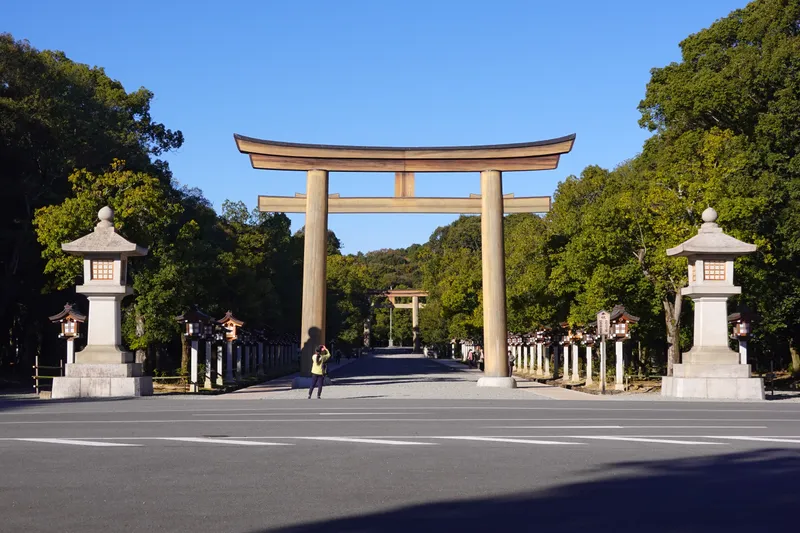
Kashihara Jingu
- Health & Healing
- Wish Fulfillment
A shrine to Emperor Jimmu, enshrined and founded on 2 April 1890, whose stated virtues are good fortune, long life and health, among others.
 Temple
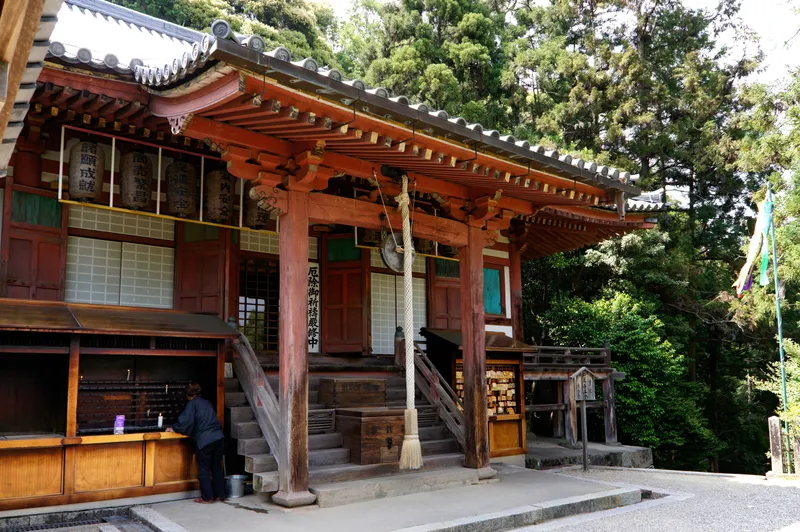
Matsuo-dera
- Protection & Safety
- Wish Fulfillment
Built in 718 by Prince Toneri while he was compiling the Nihon Shoki, at forty-two and in his unlucky year, praying that the book be completed safely and misfortune warded off.
 Shrine
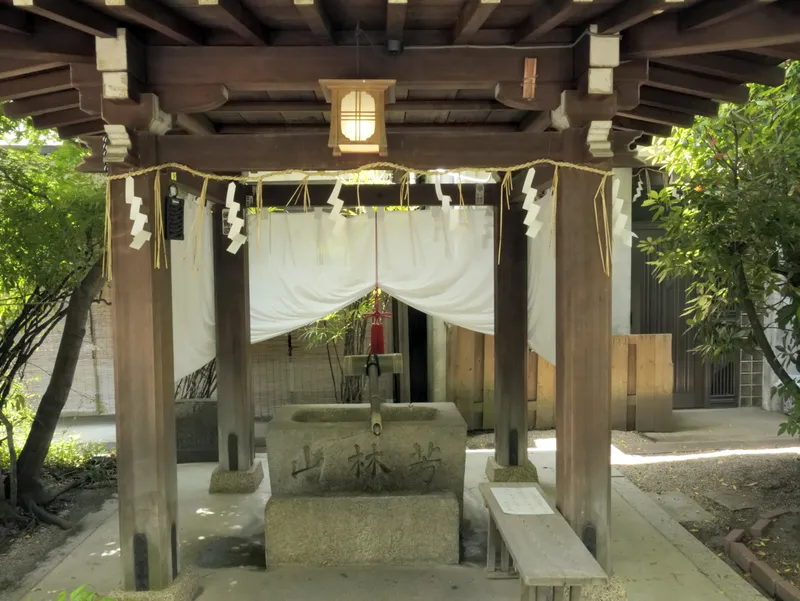
Horikoshi Jinja
- Wish Fulfillment
Founded by Prince Shotoku at the same time as Shitenno-ji in memory of his uncle Emperor Sushun, and said to grant one wish in a lifetime.
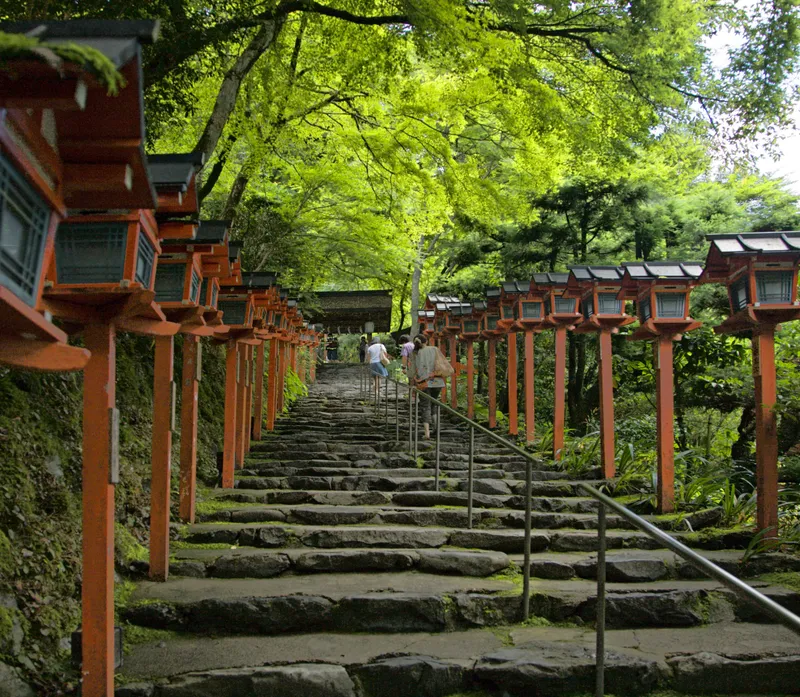 Shrine
Kifune Jinja
- Love & Romance
- Money & Prosperity
- Protection & Safety
A shrine to Kifune Okami, the deity governing the supply of water — and long famous as the shrine of love, with a subordinate shrine to a deity of matchmaking.
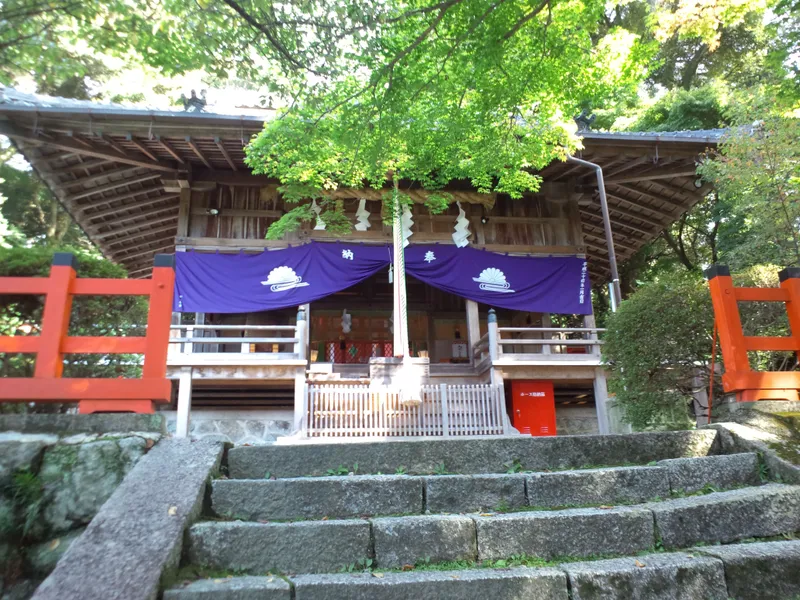 Shrine
Takakamo Shrine
- Family & Home
- Health & Healing
- Purification
Held to be the parent shrine of all the Kamo shrines and one of the oldest shrines in Japan, with a deep devotion around recovery and renewal.
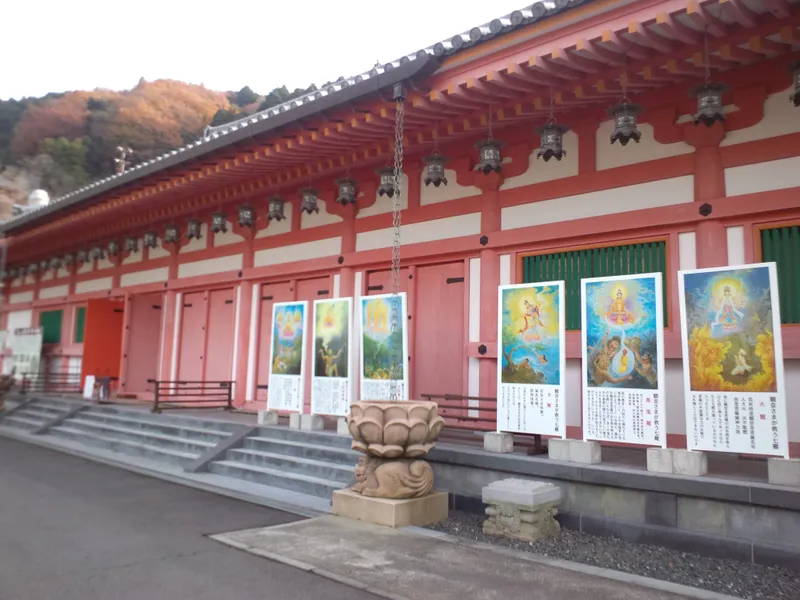 Temple
Tsubosaka-dera
- Health & Healing
The sixth station of the Saikoku pilgrimage, whose principal image is a Kannon of proven efficacy against eye disease; the temple is called the temple that seals off eye disease.
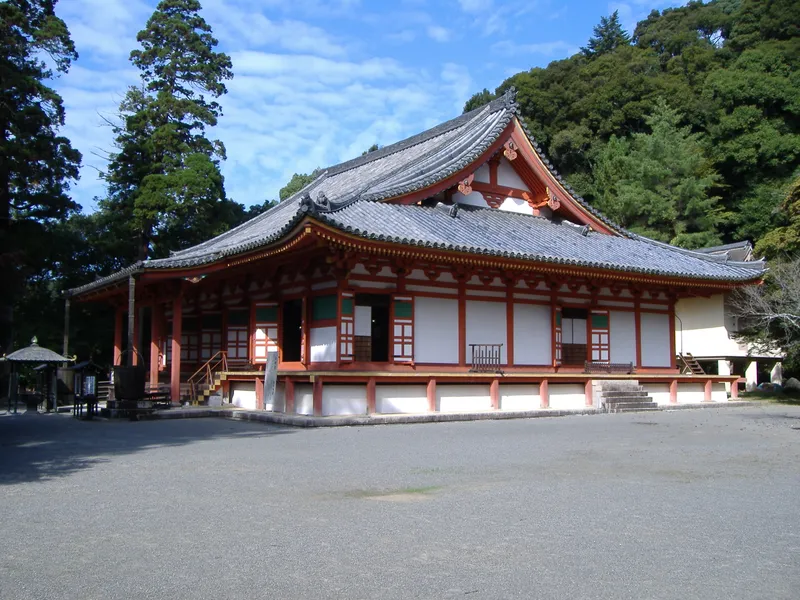 Temple
Kanshin-ji
Founded in 701 by En no Gyoja, with Nyoirin Kannon as its principal image and a pagoda in its grounds named for having been left unfinished.
 Temple
Oka-dera
- Exams & Study
- Fertility & Children
- Health & Healing
Founded by the priest Gien on the vow of Emperor Tenji, it calls itself the first site in Japan for warding off misfortune and is the seventh station of the Saikoku pilgrimage.
No places match your filters