Ryosen-ji
Researched and translated with AI assistance. Every claim is linked to its source, but errors get through, so check the official site for opening times, fees and closures.About
In short
Founded on a Yakushi Nyorai perceived at Kumano by Ono no Tomihito, and named Ryosen-ji when the Indian monk Bodhisena reported that the ground here looked just like Vulture Peak.
Quick facts
- Address
- 3879 Nakamachi, Nara
About this place
Ryosen-ji is in Nara and its principal image is Yakushi Nyorai. The minister of the right, Ono no Tomihito, resigned office in 672 and withdrew to Mount Tomi. From the fifth day of the fourth month of 684 he kept a retreat of twenty-one days at Kumano Hongu, and during it he perceived Yakushi Nyorai and healed the illnesses of many people. In 734 Emperor Shomu commanded the bodhisattva Gyoki to build the great hall. In the eighth month of 736 the Indian brahmin monk Bodhisena came to Japan and, because the lie of the land at Mount Tomi looked just like Vulture Peak, reported to the throne that the temple should be named Ryosen-ji. The Koshinuke Jizo in the precinct is held to be highly effective against pain in the lower back.
Origin and history
The minister of the right, Ono no Tomihito, resigned office in 672 and withdrew to Mount Tomi. From the fifth day of the fourth month of 684 he kept a retreat of twenty-one days at Kumano Hongu, and during it he perceived Yakushi Nyorai and healed the illnesses of many people.
In 734 Emperor Shomu commanded the bodhisattva Gyoki to build the great hall.
In the eighth month of 736 the Indian brahmin monk Bodhisena came to Japan and, because the lie of the land at Mount Tomi looked just like Vulture Peak, reported to the throne that the temple should be named Ryosen-ji.
What it is locally associated with
Perceived at Kumano, and many healed
Ono no Tomihito kept a twenty-one-day retreat at Kumano Hongu from the fifth day of the fourth month of 684, perceived Yakushi Nyorai and healed the illnesses of many people.
folk traditionAn Indian monk gave it the name
In the eighth month of 736 Bodhisena reported to the throne that the temple should be named Ryosen-ji, the ground at Mount Tomi looking just like Vulture Peak.
documented historyA Jizo for the lower back
The Koshinuke Jizo in the precinct is held to be highly effective against pain in the lower back.
local custom
This temple was named by someone from outside. Bodhisena, an Indian brahmin monk who arrived in the eighth month of 736, found that the lie of the land at Mount Tomi looked just like Vulture Peak, and reported to the throne that the temple should be called Ryosen-ji. A temple in Nara took its name from a resemblance to a mountain in India — and only a man who had seen both could have made the comparison.
The beginning is a retirement. The minister of the right, Ono no Tomihito, resigned office in 672 and withdrew to Mount Tomi. Afterwards he kept a twenty-one-day retreat at Kumano Hongu, and during it, the temple transmits, he perceived Yakushi Nyorai and healed the illnesses of many people. That one sentence about healing is where the devotion here starts, and the principal image is Yakushi Nyorai.
The great hall was built by the bodhisattva Gyoki, on Emperor Shomu’s command in 734. Gyoki’s name is transmitted at Mizuma-dera in Osaka and at Musashi Mitake Shrine and Takaosan Yakuo-in in Tokyo.
In the precinct stands the Koshinuke Jizo, held to be highly effective against pain in the lower back — one Jizo for one part of the body, in a temple that began with illness in general.
Claims and evidence levels 2
- Ono no Tomihito perceived Yakushi Nyorai during a twenty-one-day retreat at Kumano Hongu in 684 and healed the illnesses of many people. folk tradition
- Emperor Shomu commanded Gyoki to build the great hall in 734, and Bodhisena named the temple Ryosen-ji in 736 for its resemblance to Vulture Peak. documented history
Related guides
- How to visit a shrine or temple in JapanThe country-wide basics: purifying at the water basin, the two-bows-two-claps-one-bow form at shrines, and what temples do instead.
- What a "power spot" actually isA modern Japanese coinage, not a traditional religious category. Where the word came from, what it does and does not claim, and why this site uses it anyway.
- Shrine or temple?A shrine is Shinto and a temple is Buddhist, and you can usually tell at the gate. Why the line is cleaner on paper than on the ground, and what a government order in 1868 has to do with it.
- Omamori, ema, omikuji and goshuinThe four things you are most likely to receive, write, draw or be given at a shrine or temple, what each is actually for, and the one of them people most often get wrong.
Sources
- 縁起と沿革 — Ryosen-ji (accessed 2026-08-15)
Last updated:
Similar places
8 places
 Temple
Yakushi-ji
- Health & Healing
Founded in 680 by Emperor Tenmu in prayer for the recovery of his empress from illness, and inscribed as World Heritage.
 Temple
Daian-ji
- Health & Healing
Japan’s first state-founded temple, beginning with the Kumagori retreat that Prince Shotoku founded, and today a temple where people pray against cancer.
 Temple
Shin-Yakushi-ji
- Health & Healing
Founded in the third month of 747 by Empress Komyo, in prayer for Emperor Shomu’s recovery from illness.
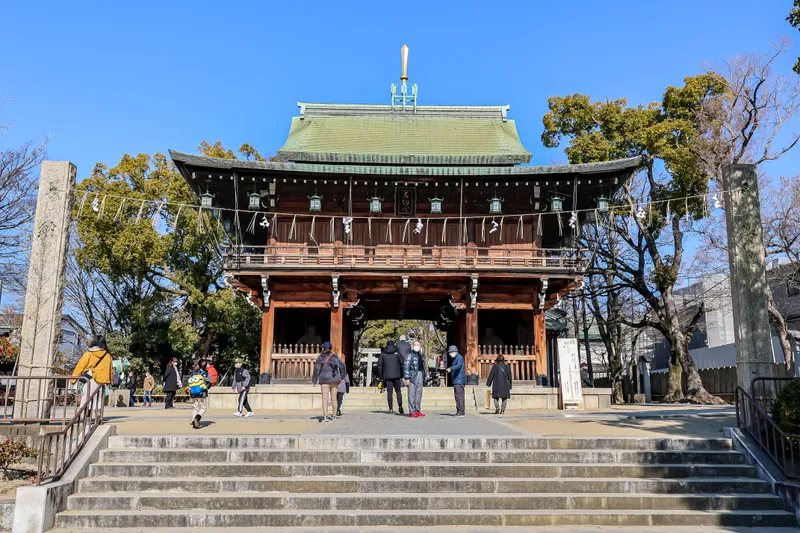 Shrine
Ishikiri Tsurugiya Jinja
- Health & Healing
- Skill & Mastery
Its name describes a divine power that cuts through solid rock, and it is known as the deity who heals growths and swellings.
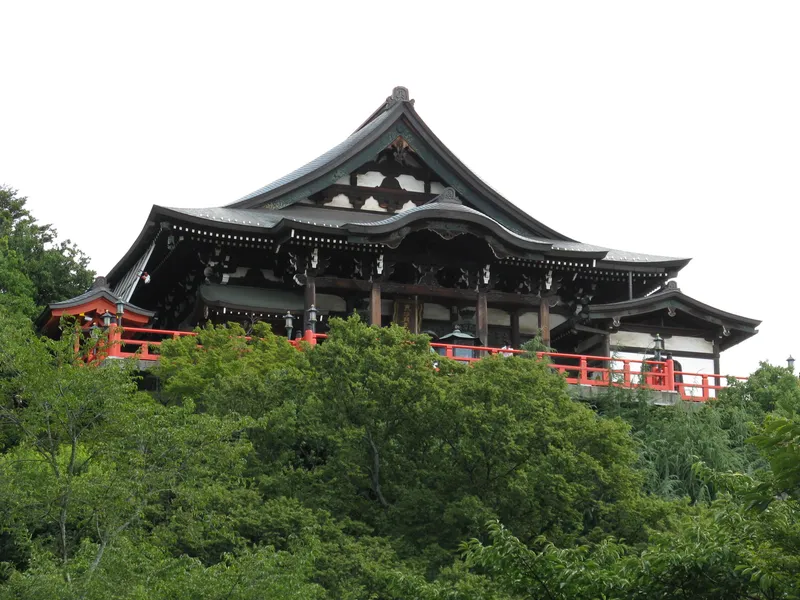 Temple
Chogosonshi-ji
- Family & Home
- Health & Healing
- Protection & Safety
Prince Shotoku is said to have perceived Bishamonten on this mountain at the tiger hour of the tiger day of the tiger year, and the temple received its name when Emperor Daigo recovered from grave illness.
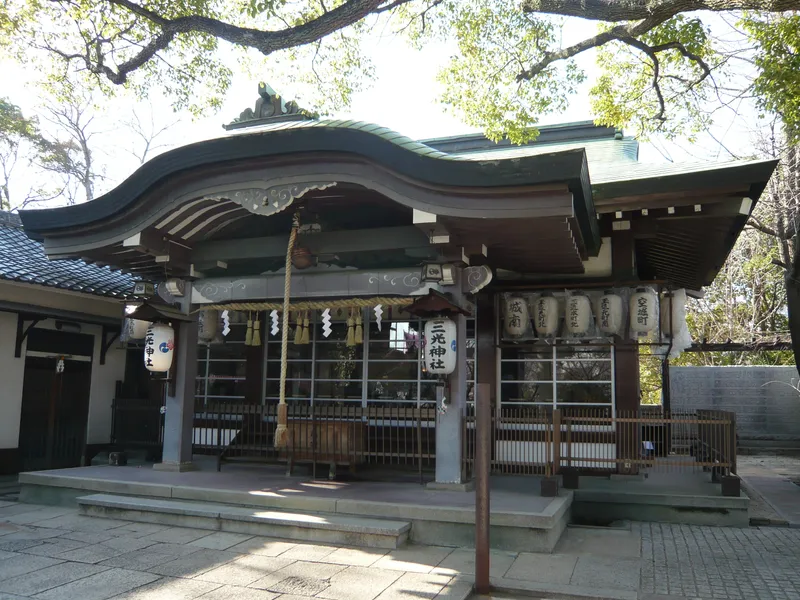 Shrine
Sanko Jinja
- Health & Healing
Known since antiquity as the only deity in all Japan for warding off palsy, with its rite held for seven days from 1 June each year.
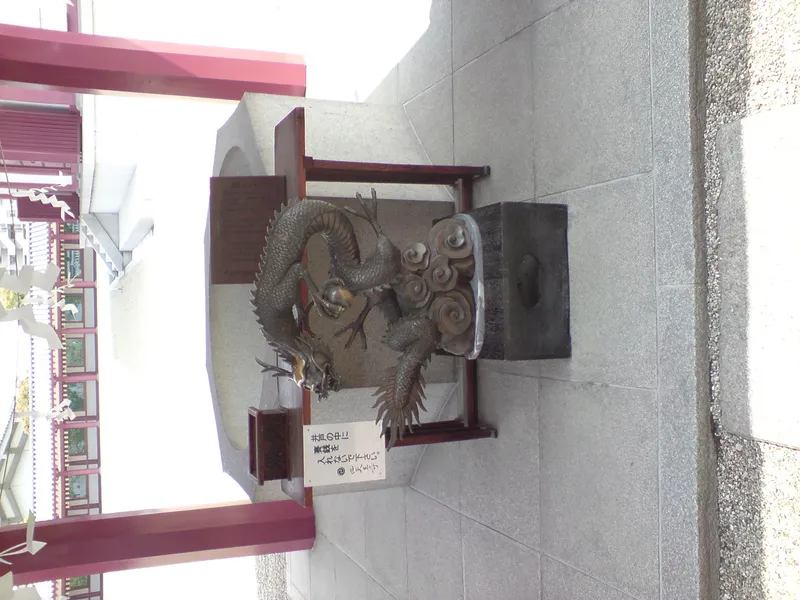 Temple
Shitenno-ji
- Health & Healing
- Money & Prosperity
Founded in 593 when Prince Shotoku made good on a battlefield vow — Japan’s first official state temple, still praying daily for recovery from illness and prosperity in business.
 Shrine
Kashihara Jingu
- Health & Healing
- Wish Fulfillment
A shrine to Emperor Jimmu, enshrined and founded on 2 April 1890, whose stated virtues are good fortune, long life and health, among others.
No places match your filters