Takakamo Shrine
Researched and translated with AI assistance. Every claim is linked to its source, but errors get through, so check the official site for opening times, fees and closures.About
In short
Held to be the parent shrine of all the Kamo shrines and one of the oldest shrines in Japan, with a deep devotion around recovery and renewal.
Quick facts
- Address
- 1110 Kamokami, Gose, Nara
About this place
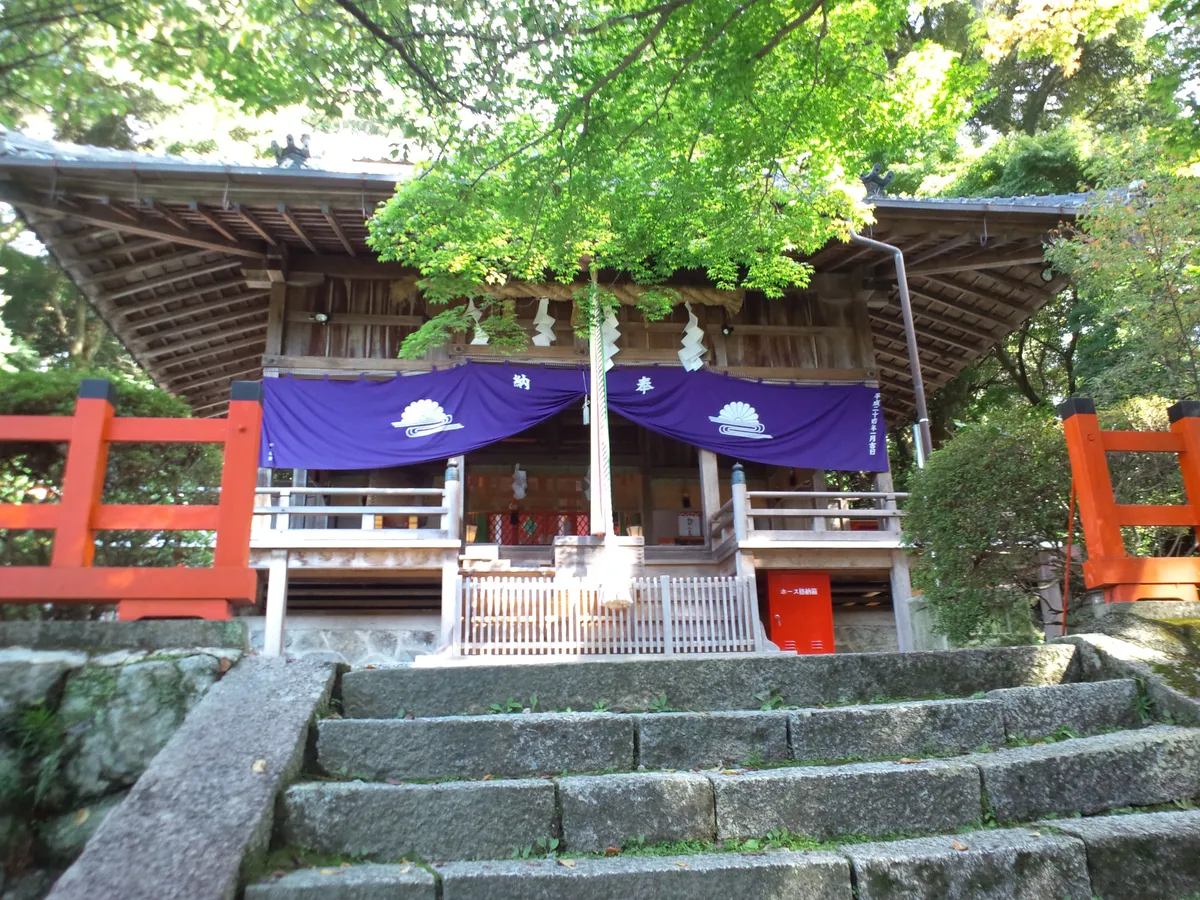
Takakamo Shrine is in Gose, Nara. Its deities are Ajishikitakahikone, also called Kamo no Omikami, together with Kotoshironushi, Ajisukihayao, Shitateruhime and Amewakahiko. It is held to be one of the oldest shrines in Japan, with rites performed since the middle Yayoi period, and the parent shrine of the Kamo shrines throughout the country. In the first month of 859, under Emperor Seiwa, its deities — who had stood at junior second rank alongside those of Omiwa Shrine and Oyamato Shrine, the eminent shrines of Yamato — were together raised to senior first rank. The main hall was rebuilt in 1543, in the Muromachi period, and is a nationally designated Important Cultural Property. Devotion here runs deep around renewal — recovery from illness, the first shrine visit, the great purification — and the deity is revered across the country as one who awakens people to the path they walk.
Origin and history
Takakamo Shrine is held to be one of the oldest shrines in Japan, with rites performed since the middle Yayoi period, and the parent shrine of the Kamo shrines throughout the country. Its deities are Ajishikitakahikone, also called Kamo no Omikami, together with Kotoshironushi, Ajisukihayao, Shitateruhime and Amewakahiko.
In the first month of 859, under Emperor Seiwa, its deities — who had stood at junior second rank alongside those of Omiwa Shrine and Oyamato Shrine, the eminent shrines of Yamato — were together raised to senior first rank.
The main hall was rebuilt in 1543, in the Muromachi period, and is a nationally designated Important Cultural Property.
What it is locally associated with
A devotion around renewal
Devotion here runs deep around renewal — recovery from illness, the first shrine visit, the great purification — and the deity is revered as one who awakens people to their path.
documented historyParent of the Kamo shrines
It is held to be one of the oldest shrines in Japan, with rites since the middle Yayoi period, and the parent shrine of the Kamo shrines throughout the country.
folk traditionA Muromachi main hall
The main hall was rebuilt in 1543 and is a nationally designated Important Cultural Property.
documented history
The devotion here is gathered under one word: renewal. Recovery from illness, the first shrine visit, the great purification — coming back from sickness, being born, and washing off defilement all stand together under it, and the deity is revered as one who awakens people to the path they walk. Three of those answer to tags on this site. Renewal itself, and the awakening to a path, have no tag that fits.
This shrine names another shrine on this list outright. In the first month of 859, its deities, standing at junior second rank alongside those of Omiwa Shrine and Oyamato Shrine, the eminent shrines of Yamato, were together raised to senior first rank. Omiwa Shrine in Nara is on this site too — and one page naming another by name is rare here.
The shrine describes itself as one of the oldest in Japan, with rites performed since the middle Yayoi period, and as the parent shrine of the Kamo shrines throughout the country.
The main hall dates from 1543, a Muromachi rebuilding, and is a nationally designated Important Cultural Property.
Claims and evidence levels 3
- The shrine holds that rites have been performed here since the middle Yayoi period and that it is the parent shrine of the Kamo shrines throughout the country. folk tradition
- In 859 its deities were raised to senior first rank together with those of Omiwa Shrine and Oyamato Shrine. documented history
- Devotion here centres on renewal: recovery from illness, the first shrine visit and the great purification. documented history
Related guides
- How to visit a shrine or temple in JapanThe country-wide basics: purifying at the water basin, the two-bows-two-claps-one-bow form at shrines, and what temples do instead.
- What a "power spot" actually isA modern Japanese coinage, not a traditional religious category. Where the word came from, what it does and does not claim, and why this site uses it anyway.
- Shrine or temple?A shrine is Shinto and a temple is Buddhist, and you can usually tell at the gate. Why the line is cleaner on paper than on the ground, and what a government order in 1868 has to do with it.
- Omamori, ema, omikuji and goshuinThe four things you are most likely to receive, write, draw or be given at a shrine or temple, what each is actually for, and the one of them people most often get wrong.
Sources
- 高鴨神社について — Takakamo Shrine (accessed 2026-08-15)
Last updated:
Similar places
8 places
 Shrine
Tanzan Shrine
- Family & Home
- Health & Healing
- Money & Prosperity
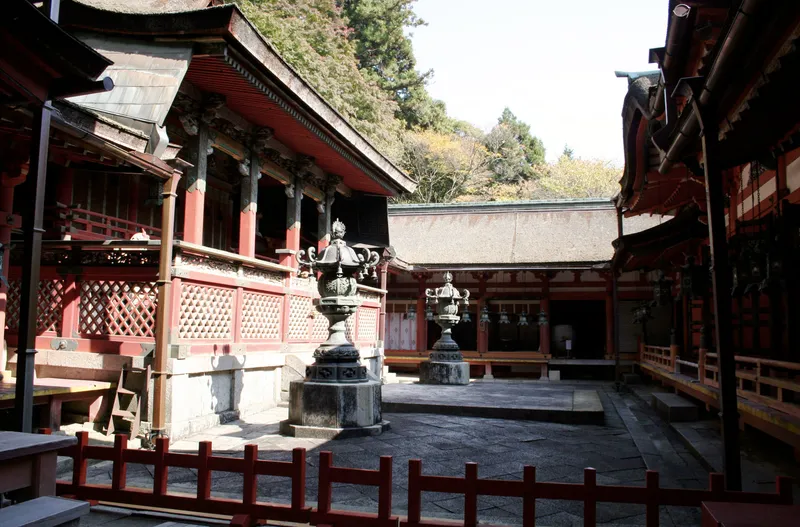
A shrine to Fujiwara no Kamatari on the hill where he and Prince Naka no Oe held the secret conference that led to the Taika Reform.
 Temple
Chogosonshi-ji
- Family & Home
- Health & Healing
- Protection & Safety
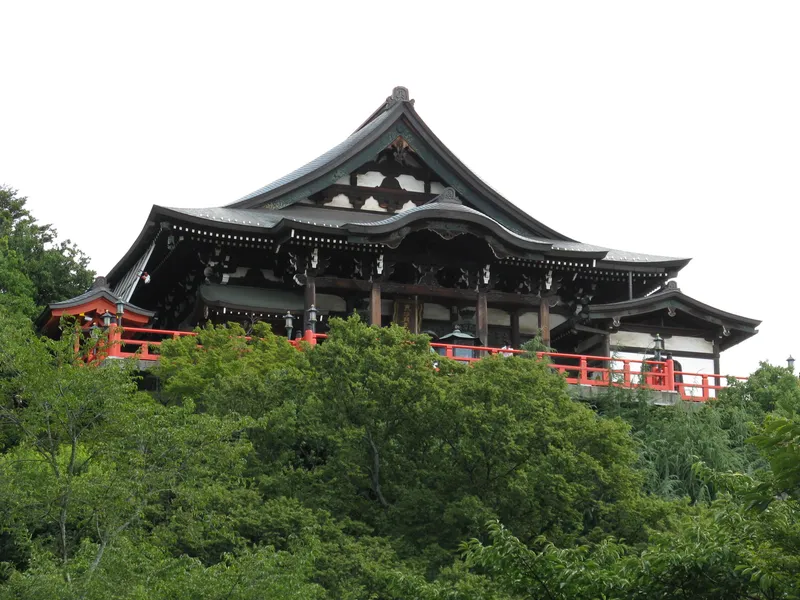
Prince Shotoku is said to have perceived Bishamonten on this mountain at the tiger hour of the tiger day of the tiger year, and the temple received its name when Emperor Daigo recovered from grave illness.
 Temple
Tsubosaka-dera
- Health & Healing
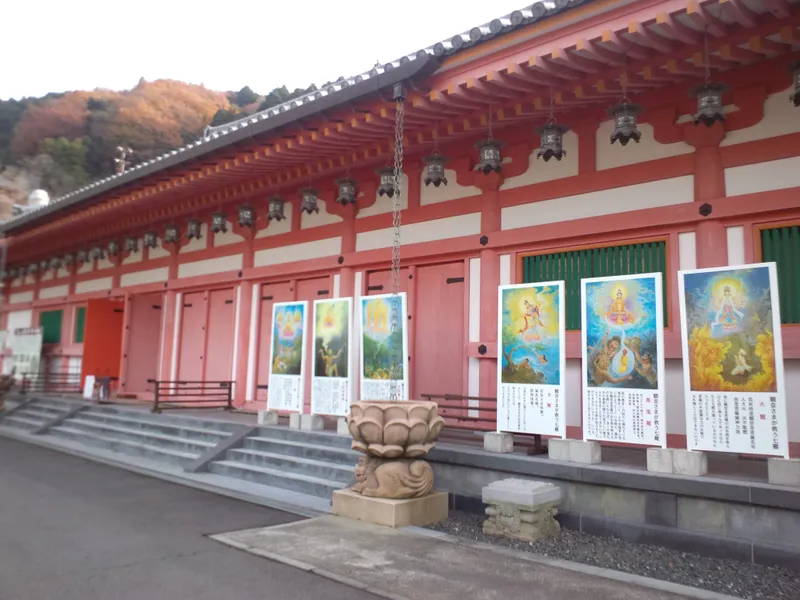
The sixth station of the Saikoku pilgrimage, whose principal image is a Kannon of proven efficacy against eye disease; the temple is called the temple that seals off eye disease.
 Shrine
Kashihara Jingu
- Health & Healing
- Wish Fulfillment
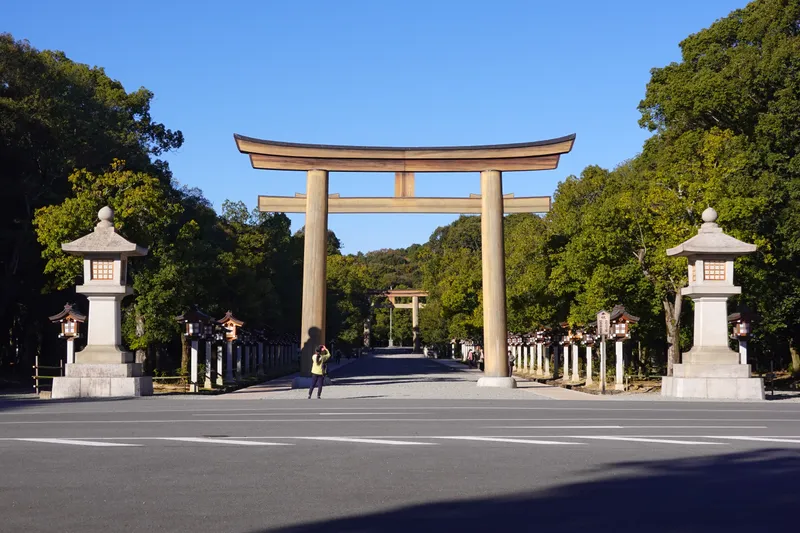
A shrine to Emperor Jimmu, enshrined and founded on 2 April 1890, whose stated virtues are good fortune, long life and health, among others.
 Temple
Oka-dera
- Exams & Study
- Fertility & Children
- Health & Healing
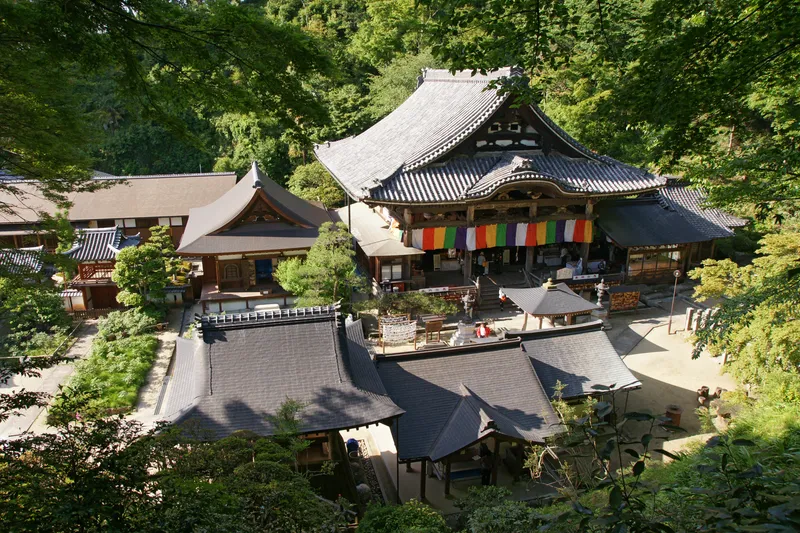
Founded by the priest Gien on the vow of Emperor Tenji, it calls itself the first site in Japan for warding off misfortune and is the seventh station of the Saikoku pilgrimage.
 Shrine
Tatsuta Taisha
- Family & Home
- Protection & Safety
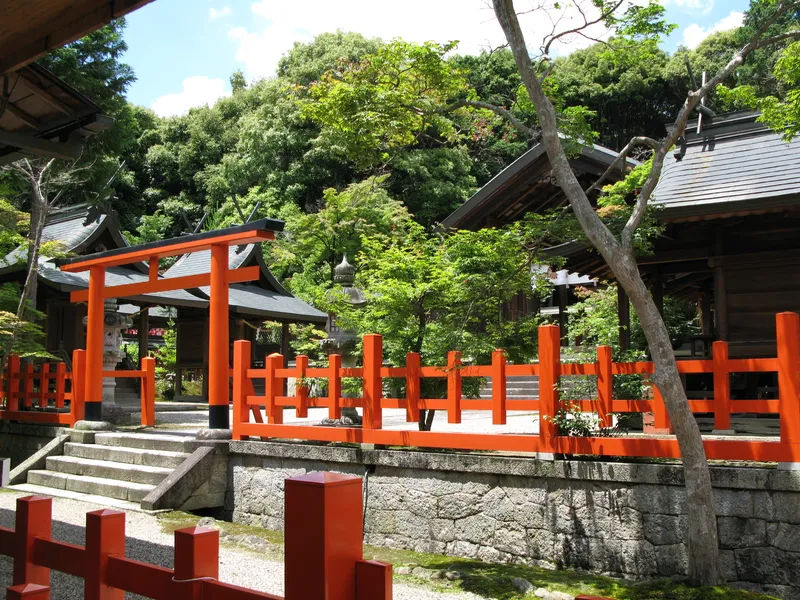
A shrine to the deity of wind, transmitted as built exactly as an oracle in an emperor’s dream directed — after which the crops were abundant and the plague withdrew.
 Temple
Horyu-ji
- Family & Home
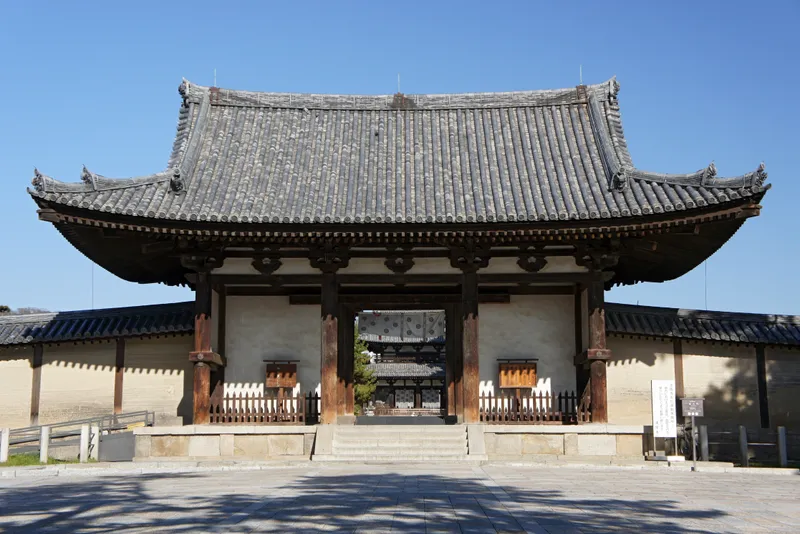
Prince Shotoku vowed to build it for his late father Emperor Yomei; completed around 607, its western precinct is the oldest group of wooden buildings in the world.
 Temple
Ryosen-ji
- Health & Healing
Founded on a Yakushi Nyorai perceived at Kumano by Ono no Tomihito, and named Ryosen-ji when the Indian monk Bodhisena reported that the ground here looked just like Vulture Peak.
No places match your filters