Muro-ji
Nyonin Koya
Researched and translated with AI assistance. Every claim is linked to its source, but errors get through, so check the official site for opening times, fees and closures.About
In short
Transmitted as first built on this site by En no Gyoja Ozunu on the vow of Emperor Tenmu, its halls and pagoda were raised around the founding of the Heian capital.
Quick facts
- Address
- 78 Muro, Uda, Nara
About this place
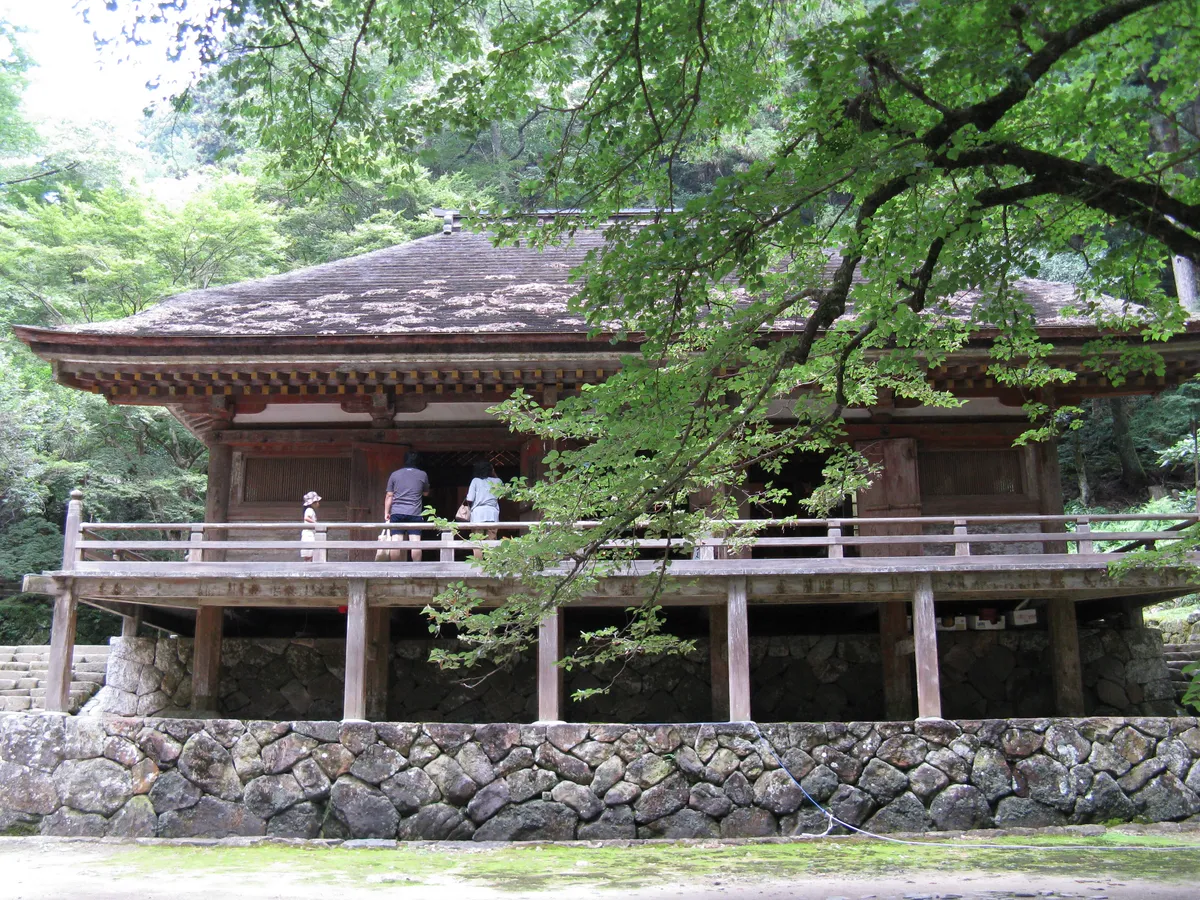
Muro-ji is in Uda, Nara. It is transmitted that En no Gyoja Ozunu, the founder of Shugendo, first built a temple on this site on the vow of Emperor Tenmu. At the end of the Nara period, on the occasion of prayers for the long life of Prince Yamabe, later Emperor Kanmu, the eminent Kofuku-ji priest Kenkyo received an imperial command, and shortly after the move to the Heian capital his disciple Shuen raised the halls and pagoda. Later Shintai, a disciple of Kukai and a friend of Shuen, entered the mountain bringing Shingon esoteric teaching, and the initiation hall and the founder’s hall were put in order. The temple is called Nyonin Koya, but its own guide gives no account of where that name comes from.
Origin and history
It is transmitted that En no Gyoja Ozunu, the founder of Shugendo, first built a temple on this site on the vow of Emperor Tenmu.
At the end of the Nara period, on the occasion of prayers for the long life of Prince Yamabe, later Emperor Kanmu, the eminent Kofuku-ji priest Kenkyo received an imperial command, and shortly after the move to the Heian capital his disciple Shuen raised the halls and pagoda.
Later Shintai, a disciple of Kukai and a friend of Shuen, entered the mountain bringing Shingon esoteric teaching, and the initiation hall and the founder’s hall were put in order.
What it is locally associated with
First built by En no Gyoja, by transmission
It is transmitted that En no Gyoja Ozunu, founder of Shugendo, first built a temple here on the vow of Emperor Tenmu.
folk traditionFrom prayers for a prince’s long life
Prayers for the long life of Prince Yamabe, later Emperor Kanmu, occasioned Kenkyo’s imperial command, and his disciple Shuen raised the halls and pagoda.
documented historyShingon comes up the mountain
Shintai, a disciple of Kukai and a friend of Shuen, brought Shingon esoteric teaching here, and the initiation hall and founder’s hall were put in order.
documented history
This temple is called Nyonin Koya. Its own guide, however, gives no account of where the name comes from, so this page records only that the name exists and does not explain it.
At the beginning stands En no Gyoja Ozunu. The founder of Shugendo is transmitted to have first built a temple here on the vow of Emperor Tenmu. On this list, Kinpusen-ji in Yoshino and Tenkawa Daibenzaiten both put the same man at their beginnings.
What brought the halls into being was one prince’s life. Prayers for the long life of Prince Yamabe, later Emperor Kanmu, were the occasion on which the Kofuku-ji priest Kenkyo received an imperial command — that is the sequence the temple transmits. Buildings raised over a royal body recur across this list: Yakushi-ji was founded in prayer for an empress’s recovery, Shin-Yakushi-ji in prayer for Emperor Shomu’s.
The esoteric teaching arrived afterwards. Shintai, a disciple of Kukai and a friend of Shuen, brought it up the mountain, and the initiation hall and founder’s hall were put in order.
The temple’s guide states no benefit, so this page carries no tag for what may be prayed for.
Claims and evidence levels 2
- Muro-ji transmits that En no Gyoja Ozunu first built a temple on this site on the vow of Emperor Tenmu. folk tradition
- Prayers for the long life of Prince Yamabe, later Emperor Kanmu, occasioned Kenkyo’s imperial command, and his disciple Shuen raised the halls and pagoda. documented history
Related guides
- How to visit a shrine or temple in JapanThe country-wide basics: purifying at the water basin, the two-bows-two-claps-one-bow form at shrines, and what temples do instead.
- What a "power spot" actually isA modern Japanese coinage, not a traditional religious category. Where the word came from, what it does and does not claim, and why this site uses it anyway.
- Shrine or temple?A shrine is Shinto and a temple is Buddhist, and you can usually tell at the gate. Why the line is cleaner on paper than on the ground, and what a government order in 1868 has to do with it.
- Omamori, ema, omikuji and goshuinThe four things you are most likely to receive, write, draw or be given at a shrine or temple, what each is actually for, and the one of them people most often get wrong.
Sources
Last updated:
Similar places
8 places
 Temple
Hase-dera
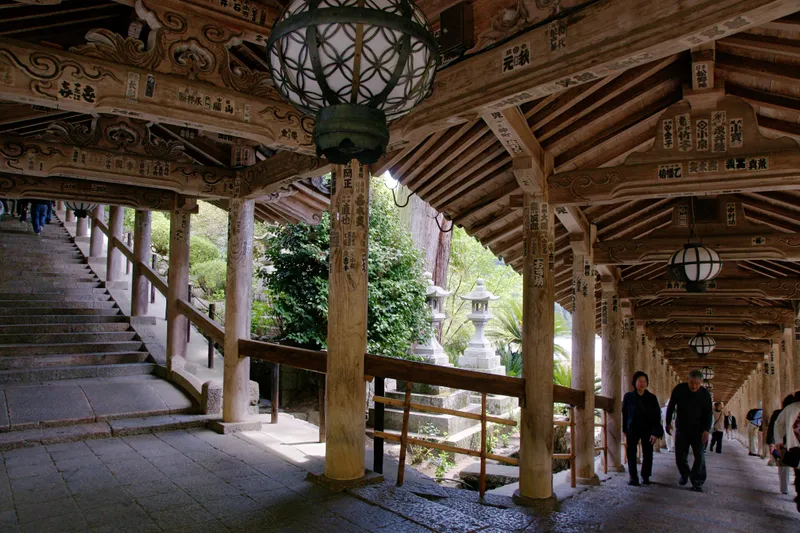
Begun in 686 when Domyo installed a work on the west hill and in 727 when Tokudo carved an eleven-headed Kannon on the east hill, it is the founding site of the Saikoku circuit of thirty-three Kannon.
 Shrine
Niukawakami Shrine, Middle Shrine
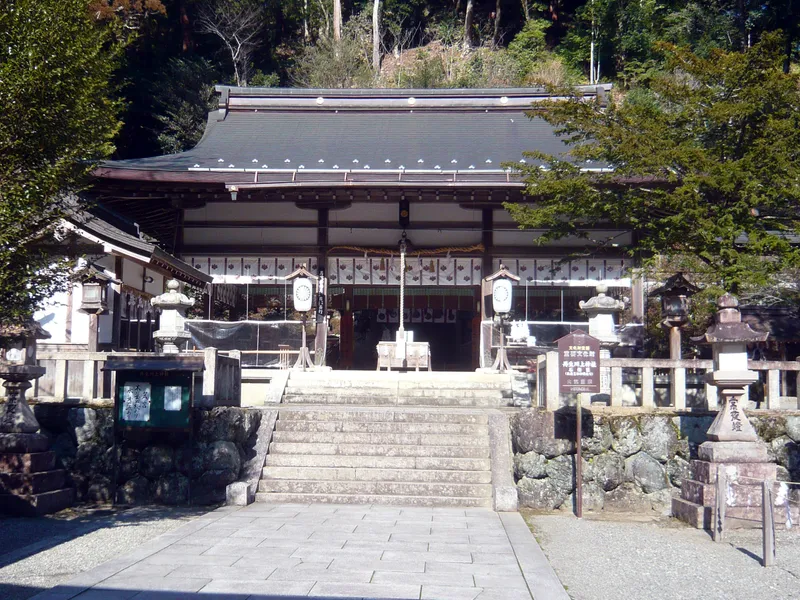
Founded on an oracle — "if you raise my shrine pillars at Niukawakami and revere me, I shall send sweet rain for the realm and stop the long rains" — and dedicated to Mizuhanome, who governs water.
 Shrine
Omiwa Jinja
- Protection & Safety
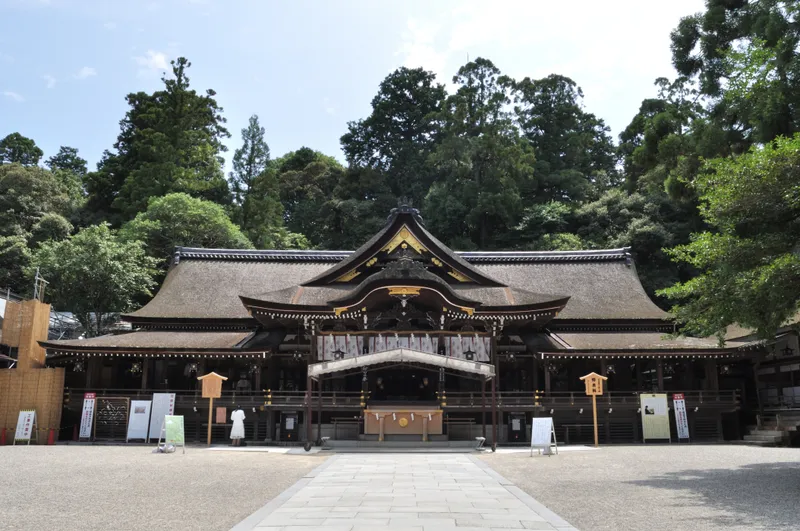
It has no main hall, because its deity dwells in Mount Miwa — prayer is offered to the mountain directly, in the form worship took before shrine buildings existed.
 Shrine
Tanzan Shrine
- Family & Home
- Health & Healing
- Money & Prosperity
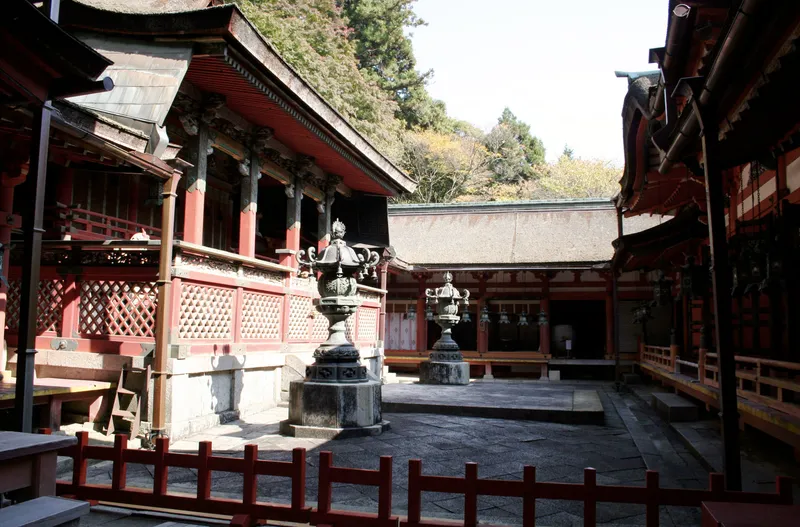
A shrine to Fujiwara no Kamatari on the hill where he and Prince Naka no Oe held the secret conference that led to the Taika Reform.
 Temple
Abe Monju-in
- Exams & Study
- Fertility & Children
- Protection & Safety
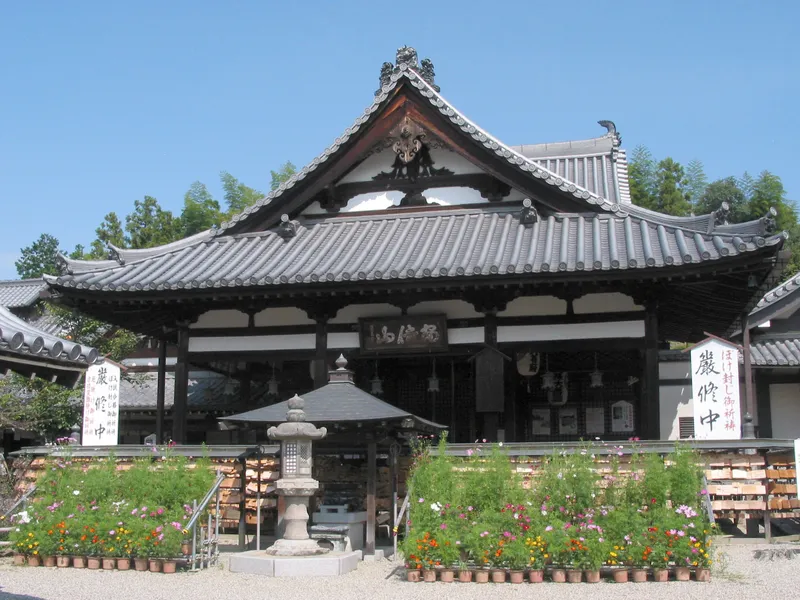
Founded in 645 and one of the oldest temples in Japan, its principal image is the Monju of the proverb "three heads together make Monju’s wisdom", and prayers here begin with success in examinations.
 Temple
Oka-dera
- Exams & Study
- Fertility & Children
- Health & Healing
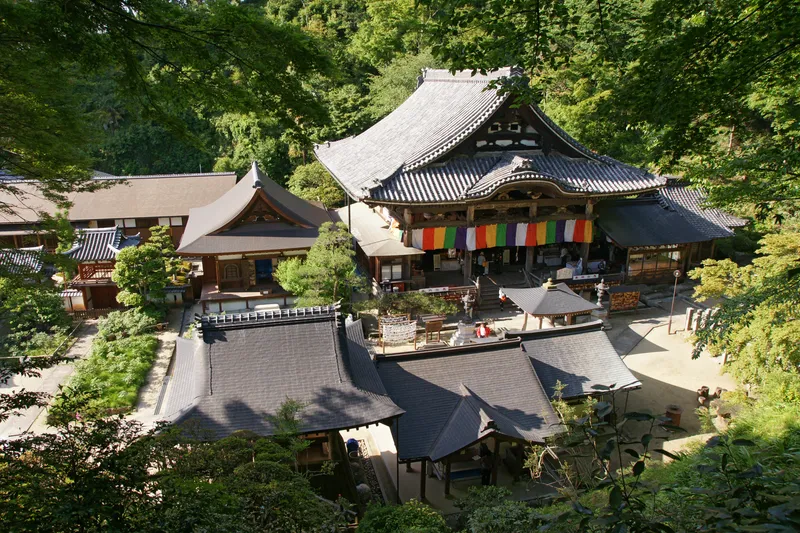
Founded by the priest Gien on the vow of Emperor Tenji, it calls itself the first site in Japan for warding off misfortune and is the seventh station of the Saikoku pilgrimage.
 Temple
Shin-Yakushi-ji
- Health & Healing
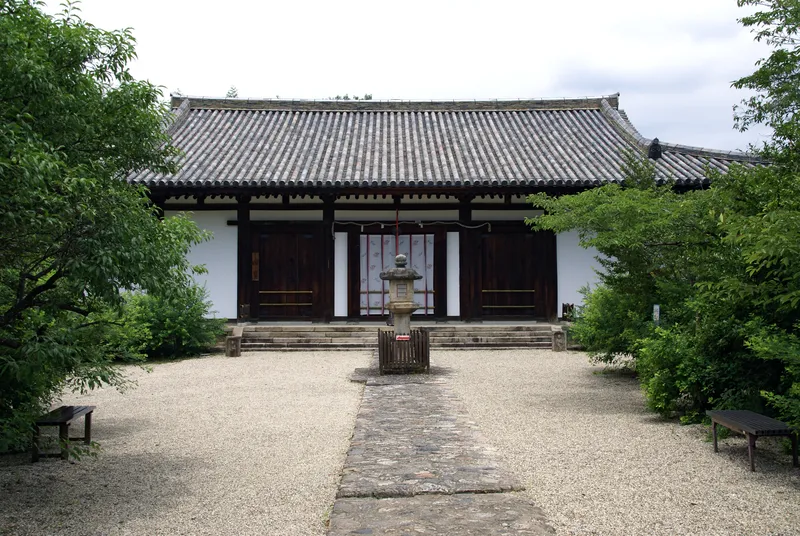
Founded in the third month of 747 by Empress Komyo, in prayer for Emperor Shomu’s recovery from illness.
 Shrine
Kasuga Taisha
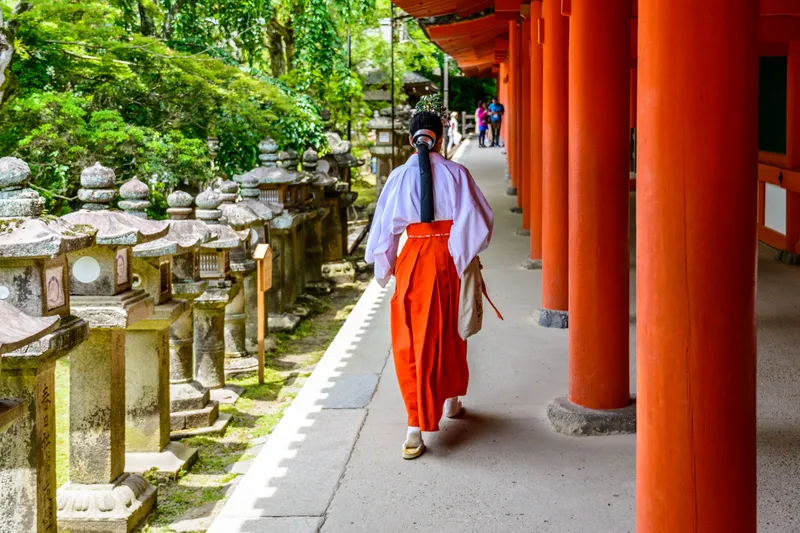
Founded in 768 by decree of Empress Shotoku as the clan shrine of the Fujiwara, where the deer are the deity’s attendants because the deity arrived riding a white one.
No places match your filters