Hase-dera
The Temple of Flowers
Researched and translated with AI assistance. Every claim is linked to its source, but errors get through, so check the official site for opening times, fees and closures.About
In short
Begun in 686 when Domyo installed a work on the west hill and in 727 when Tokudo carved an eleven-headed Kannon on the east hill, it is the founding site of the Saikoku circuit of thirty-three Kannon.
Quick facts
- Address
- 731-1 Hase, Sakurai, Nara
- Spiritual entities
- Avalokiteśvara (Kannon · Gwaneum, 観音菩薩)
About this place
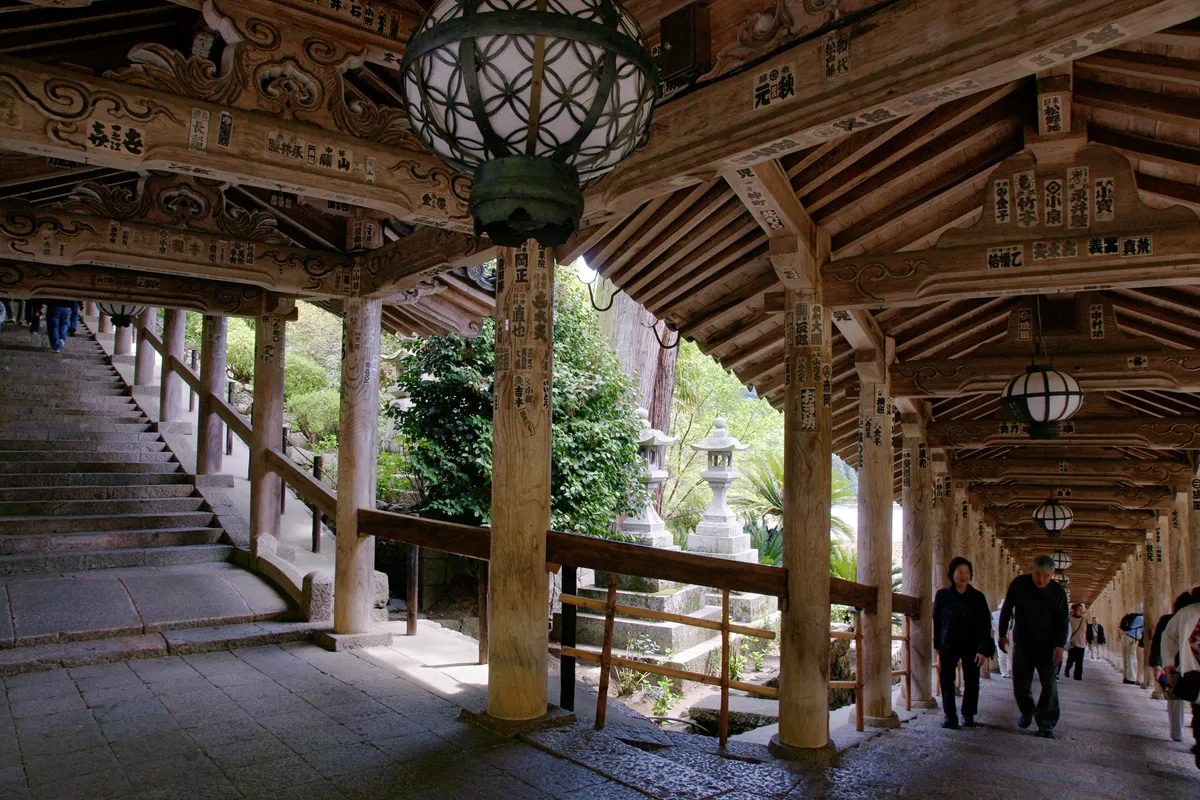
Hase-dera is in Sakurai, Nara. In 686 the priest Domyo installed Emperor Tenmu’s engraved bronze plaque of the Lotus assembly on the west hill. In 727 the priest Tokudo, on the order of Emperor Shomu, carved an eleven-headed Kannon for the sake of all beings on the east hill, using a sacred log that had drifted down from Takashima in Omi. The principal image is that eleven-headed Kannon. The temple is venerated as the Temple of Flowers and is the founding site of the Saikoku circuit of thirty-three Kannon. Its own short history states no benefit that may be prayed for.
Origin and history
In 686 the priest Domyo installed Emperor Tenmu’s engraved bronze plaque of the Lotus assembly on the west hill.
In 727 the priest Tokudo, on the order of Emperor Shomu, carved an eleven-headed Kannon for the sake of all beings on the east hill, using a sacred log that had drifted down from Takashima in Omi.
The temple is venerated as the Temple of Flowers and is the founding site of the Saikoku circuit of thirty-three Kannon.
What it is locally associated with
The west hill and the east hill
Domyo installed Emperor Tenmu’s bronze plaque on the west hill in 686; Tokudo carved the eleven-headed Kannon on the east hill in 727.
documented historyA log that drifted in
The eleven-headed Kannon was carved from a sacred log that had drifted down from Takashima in Omi.
documented historyFounding site of the Saikoku circuit
The temple is venerated as the Temple of Flowers and is the founding site of the Saikoku circuit of thirty-three Kannon.
documented history
This temple begins on two hills. Something was installed on the west hill in 686; the eleven-headed Kannon was carved on the east hill in 727. Two events about forty years apart stand side by side as one beginning.
The material of the principal image had travelled. A sacred log that had drifted down from Takashima in Omi, the short history says — something washed in from somewhere else, made into the image. Where the timber came from is part of the founding account.
The carving on the east hill was done on the order of Emperor Shomu. His name recurs across this list: Todai-ji, Gango-ji, and Mizuma-dera in Osaka, which was built after a dream oracle when he fell ill at forty-two.
This temple is also the founding site of the Saikoku circuit of thirty-three Kannon. Oka-dera, on this same list, is the seventh station of that circuit.
The short history states no benefit, so this page carries no tag for what may be prayed for.
Claims and evidence levels 3
- In 686 Domyo installed Emperor Tenmu’s engraved bronze plaque of the Lotus assembly on the west hill. documented history
- In 727 Tokudo, on Emperor Shomu’s order, carved an eleven-headed Kannon on the east hill from a sacred log that had drifted from Takashima in Omi. documented history
- The temple is the founding site of the Saikoku circuit of thirty-three Kannon. documented history
Related guides
- How to visit a shrine or temple in JapanThe country-wide basics: purifying at the water basin, the two-bows-two-claps-one-bow form at shrines, and what temples do instead.
- What a "power spot" actually isA modern Japanese coinage, not a traditional religious category. Where the word came from, what it does and does not claim, and why this site uses it anyway.
- Shrine or temple?A shrine is Shinto and a temple is Buddhist, and you can usually tell at the gate. Why the line is cleaner on paper than on the ground, and what a government order in 1868 has to do with it.
- Omamori, ema, omikuji and goshuinThe four things you are most likely to receive, write, draw or be given at a shrine or temple, what each is actually for, and the one of them people most often get wrong.
Sources
- 略縁起 — Hase-dera (accessed 2026-08-15)
Last updated:
Similar places
8 places
 Temple
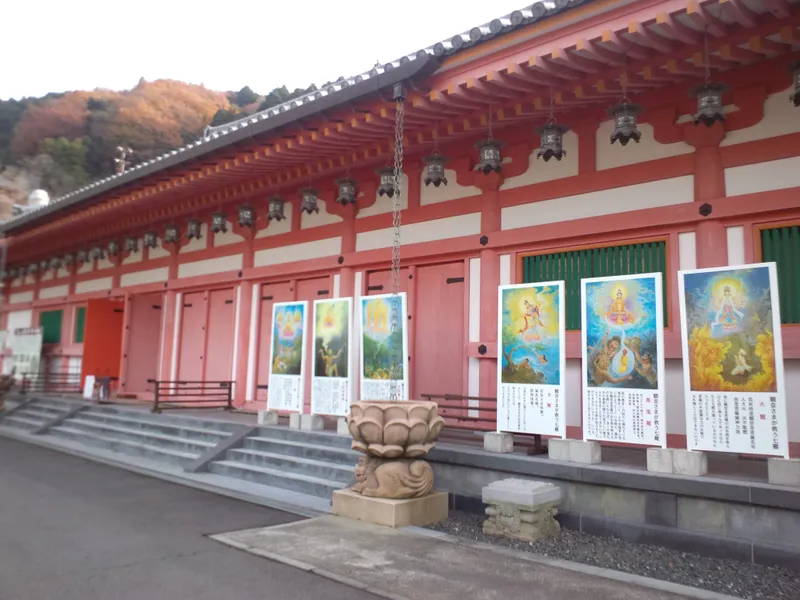
Tsubosaka-dera
- Health & Healing
The sixth station of the Saikoku pilgrimage, whose principal image is a Kannon of proven efficacy against eye disease; the temple is called the temple that seals off eye disease.
 Temple
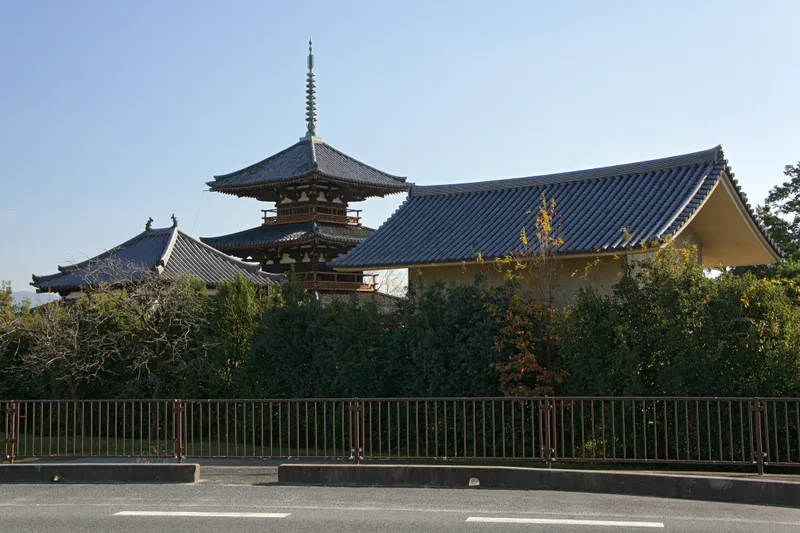
Hoki-ji
Begun when Prince Shotoku, on his deathbed, instructed his eldest son to turn the Okamoto palace into a temple; its three-storey pagoda is the oldest still standing.
 Temple
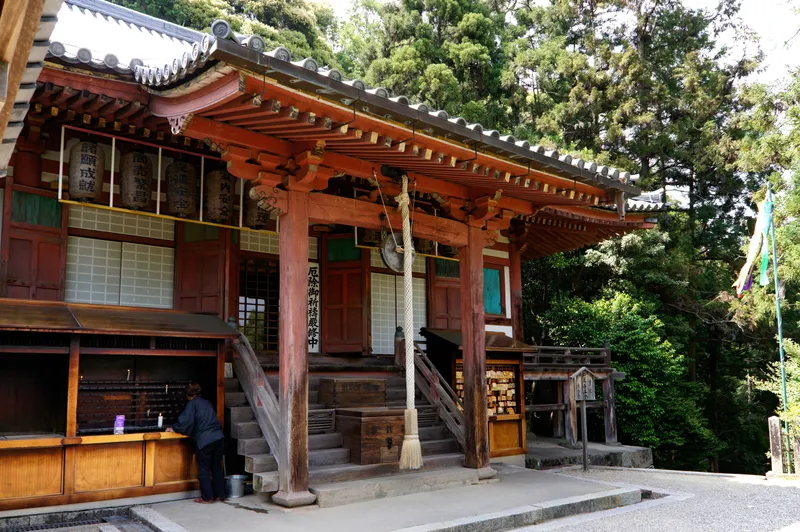
Matsuo-dera
- Protection & Safety
- Wish Fulfillment
Built in 718 by Prince Toneri while he was compiling the Nihon Shoki, at forty-two and in his unlucky year, praying that the book be completed safely and misfortune warded off.
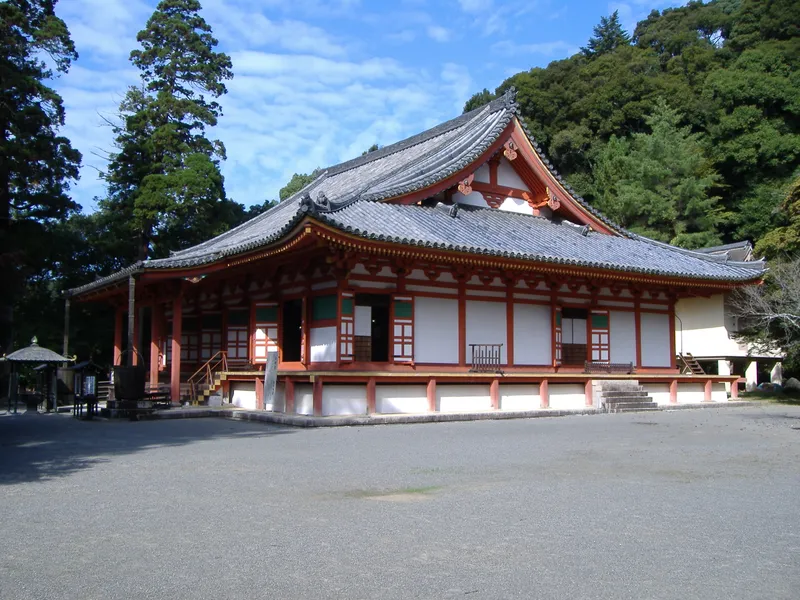 Temple
Kanshin-ji
Founded in 701 by En no Gyoja, with Nyoirin Kannon as its principal image and a pagoda in its grounds named for having been left unfinished.
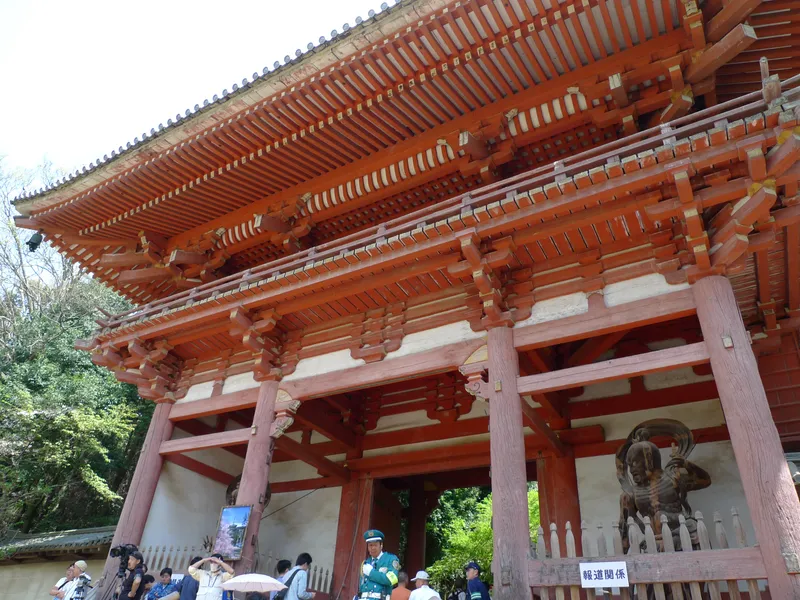 Temple
Daigo-ji
- Fertility & Children
Founded in 874, and the temple where Emperor Daigo obtained a son through prayer — then took the temple’s name as his own.
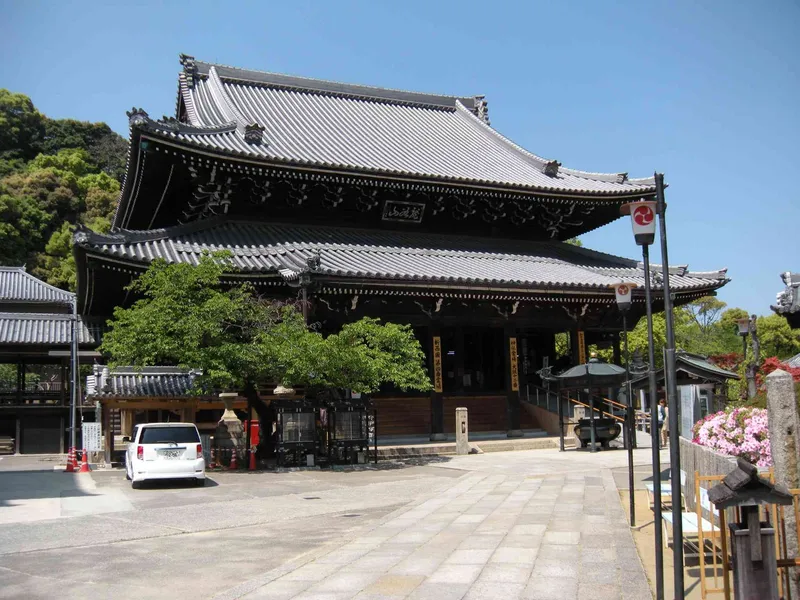 Temple
Mizuma-dera
- Protection & Safety
Founded in 744 by the priest Gyoki at the order of Emperor Shomu, and later revered by ordinary people as the Kannon who wards off misfortune.
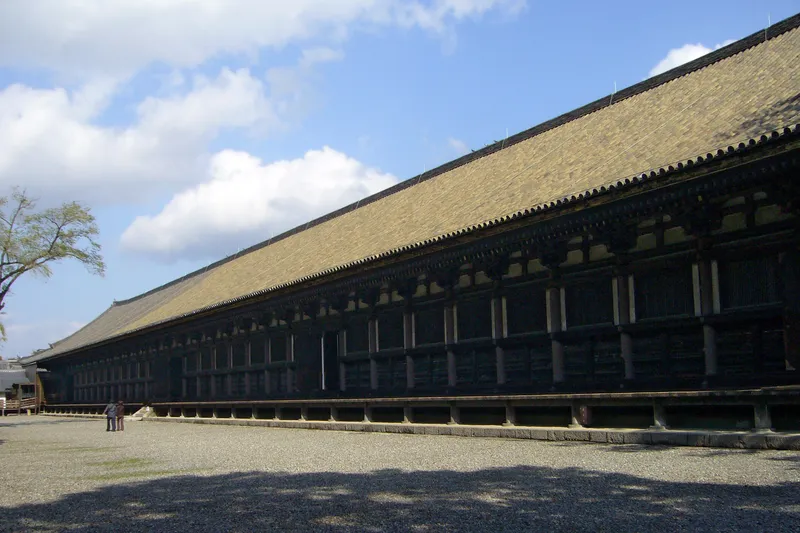 Temple
Sanjusangendo
A hall founded inside the detached palace of the retired Emperor Go-Shirakawa, holding a thousand and one standing images of Kannon.
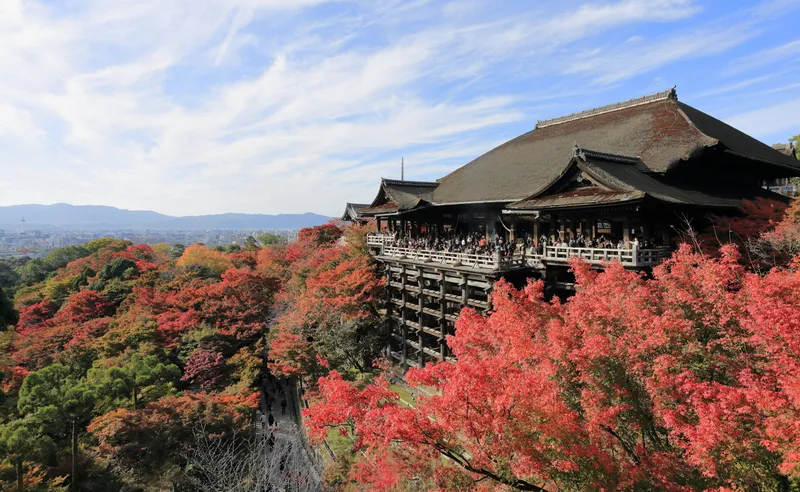 Temple
Kiyomizu-dera
- Career & Work
- Health & Healing
- Love & Romance
A Kannon temple begun in 778 beside the Otowa waterfall, venerated by those seeking health, advancement and a good match.
No places match your filters