Kashihara Jingu
Researched and translated with AI assistance. Every claim is linked to its source, but errors get through, so check the official site for opening times, fees and closures.About
In short
A shrine to Emperor Jimmu, enshrined and founded on 2 April 1890, whose stated virtues are good fortune, long life and health, among others.
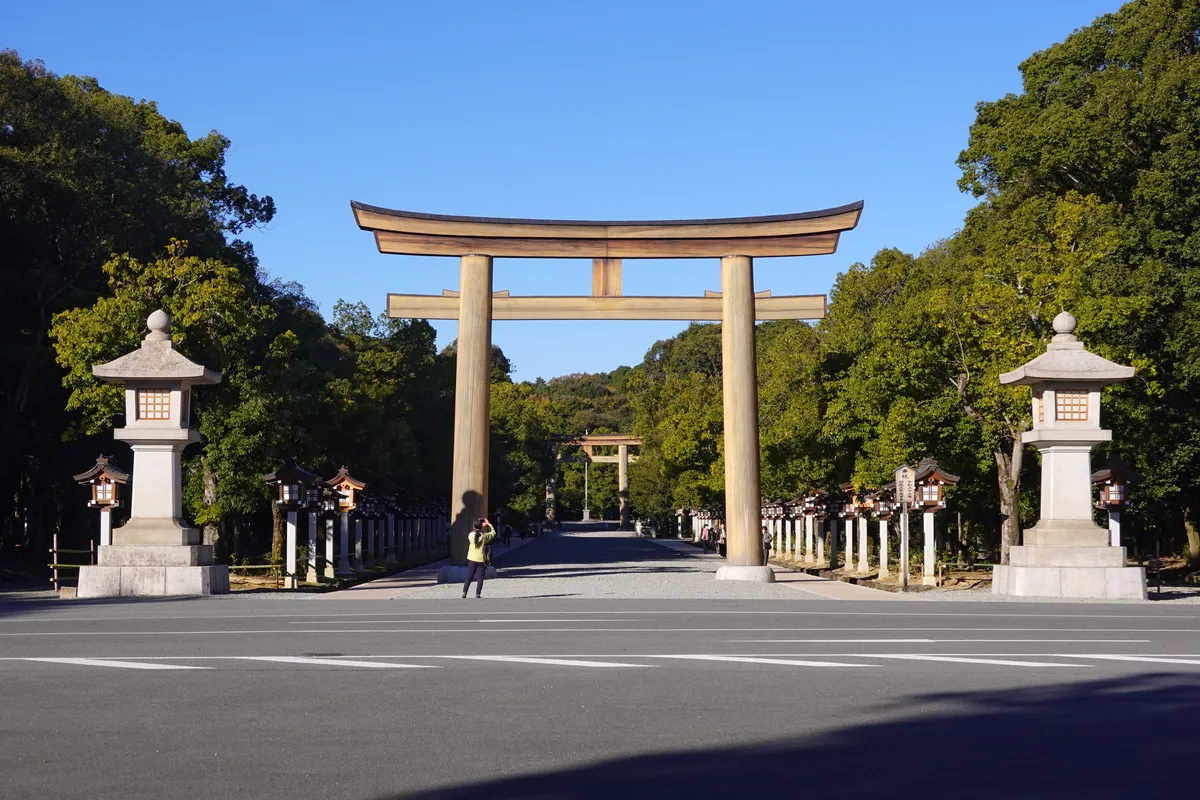
Quick facts
- Address
- 934 Kumecho, Kashihara, Nara
About this place
Kashihara Jingu is in Kashihara, Nara. Emperor Jimmu, fifth in descent from Amaterasu, set out eastward from Takachiho in Hyuga in Kyushu toward the centre of the land, to bring about a country in which people would not fight one another and would never fall into want. On 2 April 1890 Kashihara Jingu was enshrined as a shrine of the first imperial rank, and founded. Its stated virtues are good fortune and the drawing of blessing, health and long life, the broadening of the imperial work, and peace in the world.
Origin and history
Emperor Jimmu, fifth in descent from Amaterasu, set out eastward from Takachiho in Hyuga in Kyushu toward the centre of the land, to bring about a country in which people would not fight one another and would never fall into want.
On 2 April 1890 Kashihara Jingu was enshrined as a shrine of the first imperial rank, and founded.
Its stated virtues are good fortune and the drawing of blessing, health and long life, the broadening of the imperial work, and peace in the world.
What it is locally associated with
Enshrined on 2 April 1890
Kashihara Jingu was enshrined as a shrine of the first imperial rank on 2 April 1890, and founded.
documented historyGood fortune, health and long life
The stated virtues are good fortune and the drawing of blessing, health and long life, the broadening of the imperial work, and peace in the world.
documented historyEast from Takachiho
Emperor Jimmu set out east from Takachiho in Hyuga toward the centre of the land, to bring about a country without fighting or want.
folk tradition
On this list, this is one of the newer foundations. Where other places in Nara count their beginnings in the seventh and eighth centuries, this shrine was enshrined on 2 April 1890. The figure enshrined here is from the oldest end of the record, so the pairing is an ancient subject with a modern building. Meiji Jingu in Tokyo is the same kind of case.
What the shrine’s account describes is a journey. Emperor Jimmu, fifth in descent from Amaterasu, went east from Takachiho in Hyuga toward the centre of the land — the starting point and the purpose set down together, to bring about a country where people would not fight one another and would never fall into want.
Four virtues are named: good fortune and the drawing of blessing, health and long life, the broadening of the imperial work, and peace in the world. Matters of one person’s luck and body sit in the same list as matters of a country and a world. The tags on this page answer to the first two; for the last two there is no tag that fits.
Claims and evidence levels 2
- Kashihara Jingu was enshrined as a shrine of the first imperial rank on 2 April 1890. documented history
- Its stated virtues are good fortune and blessing, health and long life, the broadening of the imperial work, and peace in the world. documented history
Related guides
- How to visit a shrine or temple in JapanThe country-wide basics: purifying at the water basin, the two-bows-two-claps-one-bow form at shrines, and what temples do instead.
- What a "power spot" actually isA modern Japanese coinage, not a traditional religious category. Where the word came from, what it does and does not claim, and why this site uses it anyway.
- Shrine or temple?A shrine is Shinto and a temple is Buddhist, and you can usually tell at the gate. Why the line is cleaner on paper than on the ground, and what a government order in 1868 has to do with it.
- Omamori, ema, omikuji and goshuinThe four things you are most likely to receive, write, draw or be given at a shrine or temple, what each is actually for, and the one of them people most often get wrong.
Sources
- 橿原神宮について — Kashihara Jingu (accessed 2026-08-15)
Last updated:
Similar places
8 places
 Temple
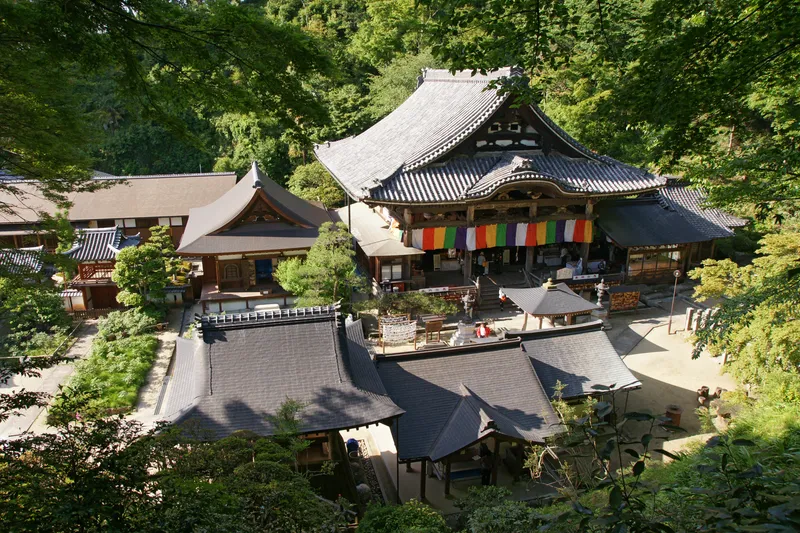
Oka-dera
- Exams & Study
- Fertility & Children
- Health & Healing
Founded by the priest Gien on the vow of Emperor Tenji, it calls itself the first site in Japan for warding off misfortune and is the seventh station of the Saikoku pilgrimage.
 Temple
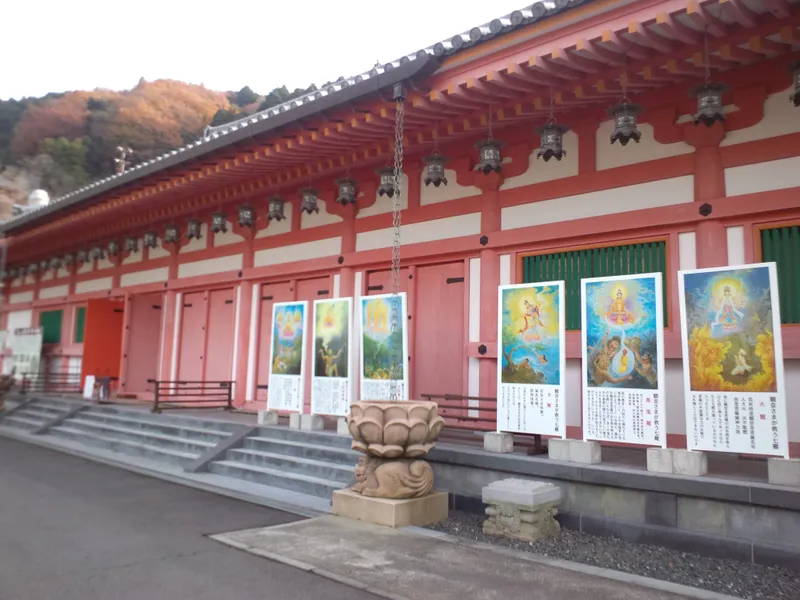
Tsubosaka-dera
- Health & Healing
The sixth station of the Saikoku pilgrimage, whose principal image is a Kannon of proven efficacy against eye disease; the temple is called the temple that seals off eye disease.
 Shrine
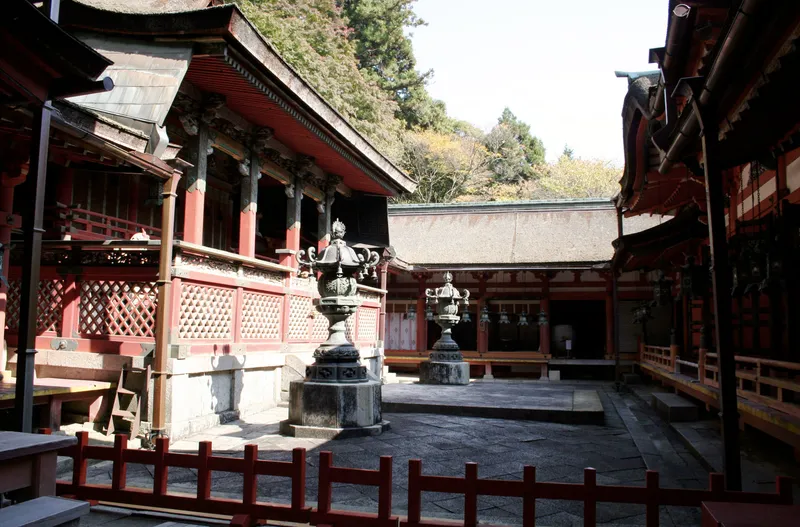
Tanzan Shrine
- Family & Home
- Health & Healing
- Money & Prosperity
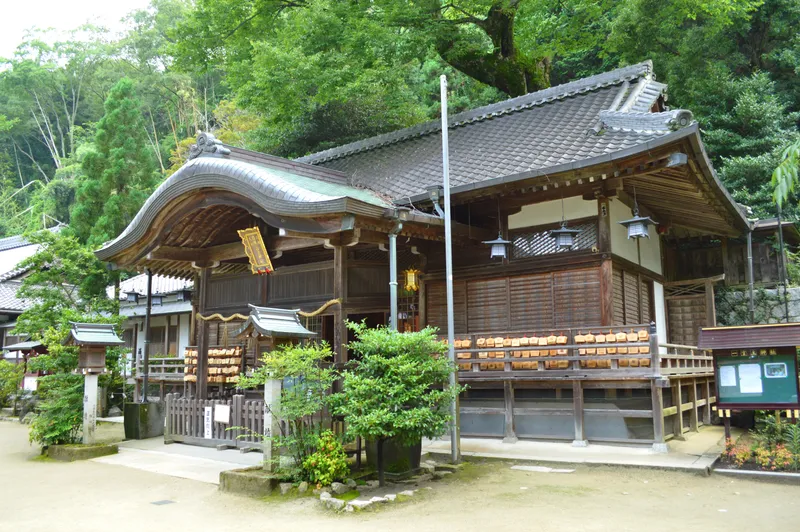
A shrine to Fujiwara no Kamatari on the hill where he and Prince Naka no Oe held the secret conference that led to the Taika Reform.
 Shrine
Katsuragi Hitokotonushi Shrine
- Wish Fulfillment
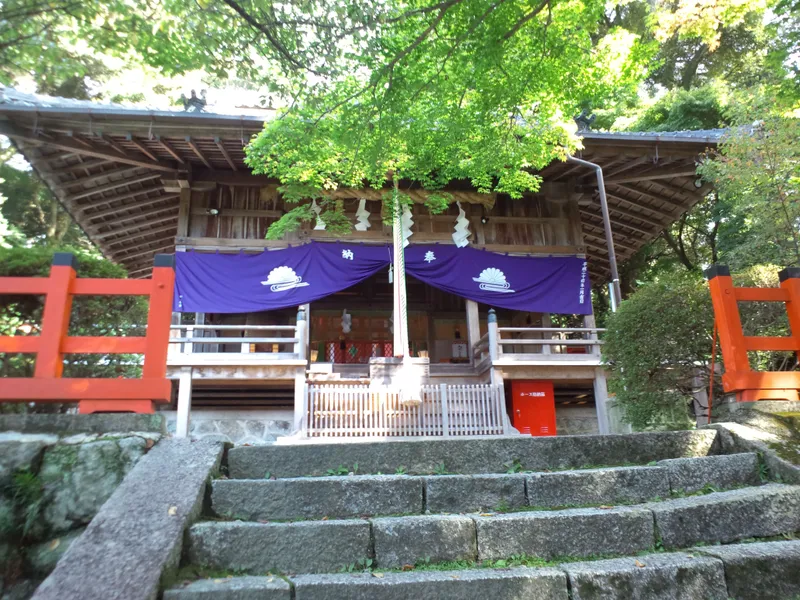
A shrine to Hitokotonushi, revered as a deity who will hear any wish at all, so long as it is a single wish.
 Shrine
Takakamo Shrine
- Family & Home
- Health & Healing
- Purification
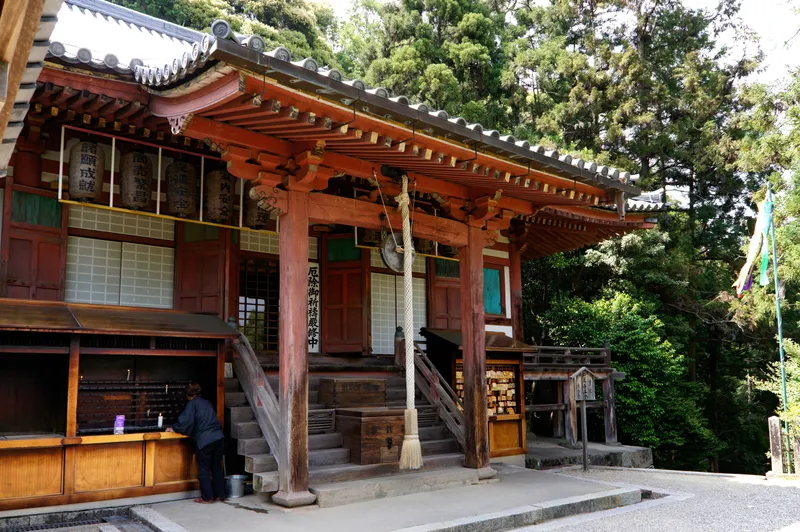
Held to be the parent shrine of all the Kamo shrines and one of the oldest shrines in Japan, with a deep devotion around recovery and renewal.
 Temple
Matsuo-dera
- Protection & Safety
- Wish Fulfillment
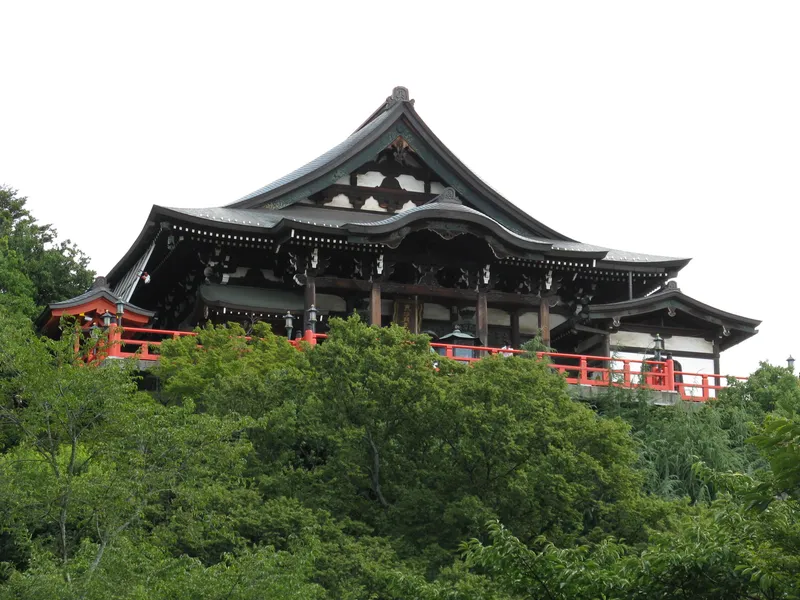
Built in 718 by Prince Toneri while he was compiling the Nihon Shoki, at forty-two and in his unlucky year, praying that the book be completed safely and misfortune warded off.
 Temple
Chogosonshi-ji
- Family & Home
- Health & Healing
- Protection & Safety
Prince Shotoku is said to have perceived Bishamonten on this mountain at the tiger hour of the tiger day of the tiger year, and the temple received its name when Emperor Daigo recovered from grave illness.
 Temple
Yakushi-ji
- Health & Healing
Founded in 680 by Emperor Tenmu in prayer for the recovery of his empress from illness, and inscribed as World Heritage.
No places match your filters