Kyoto
Kyoto was the capital for a thousand years, and its sacred places were kept by the court, the guilds and the pilgrims in turn. The places here run from shrines inside the city grid to temple grounds on the wooded hills at its edge.
AI-assisted research. Check official sources before you travel.About
30 placesOpen in the full map
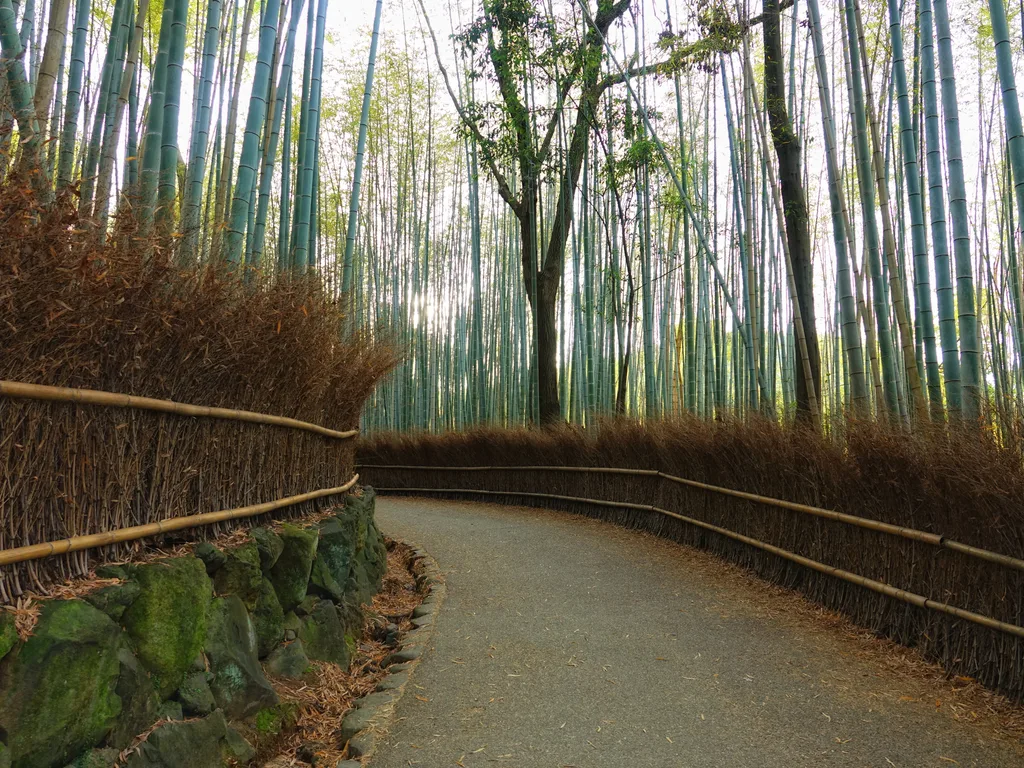
Places in this collection
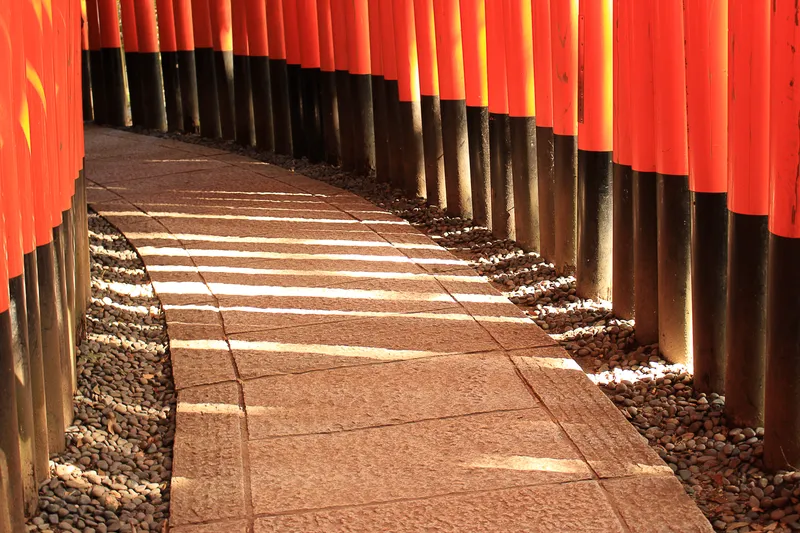 Shrine
Fushimi Inari Taisha
- Money & Prosperity
The head shrine of the thirty thousand Inari shrines across Japan, whose deity is venerated for harvests and the prosperity of trade.
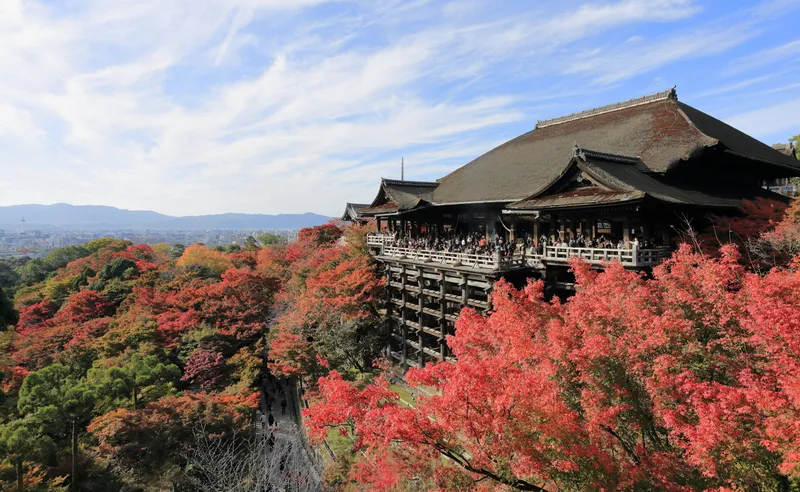 Temple
Kiyomizu-dera
- Career & Work
- Health & Healing
- Love & Romance
A Kannon temple begun in 778 beside the Otowa waterfall, venerated by those seeking health, advancement and a good match.
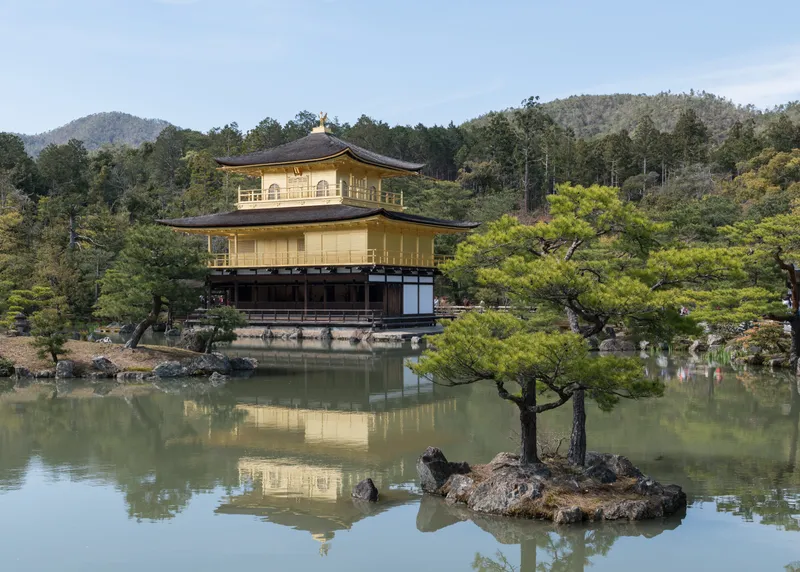 Temple
Kinkaku-ji
The mountain villa of Ashikaga Yoshimitsu, made a temple by his will — its pavilion holding a Shaka triad, a Kannon hall and the Buddha’s relics on three floors.
 Temple
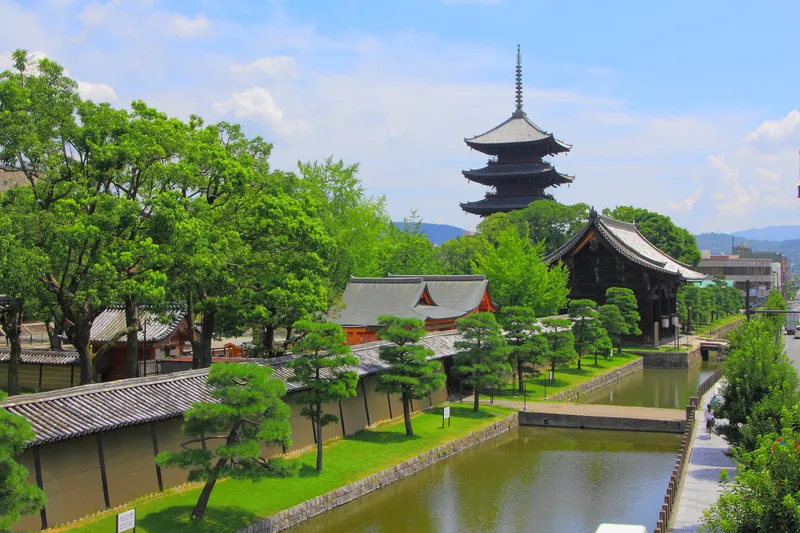
To-ji
A state temple raised with the capital itself, entrusted by Emperor Saga to Kukai — and Japan’s first esoteric Buddhist temple was born from it.
 Shrine
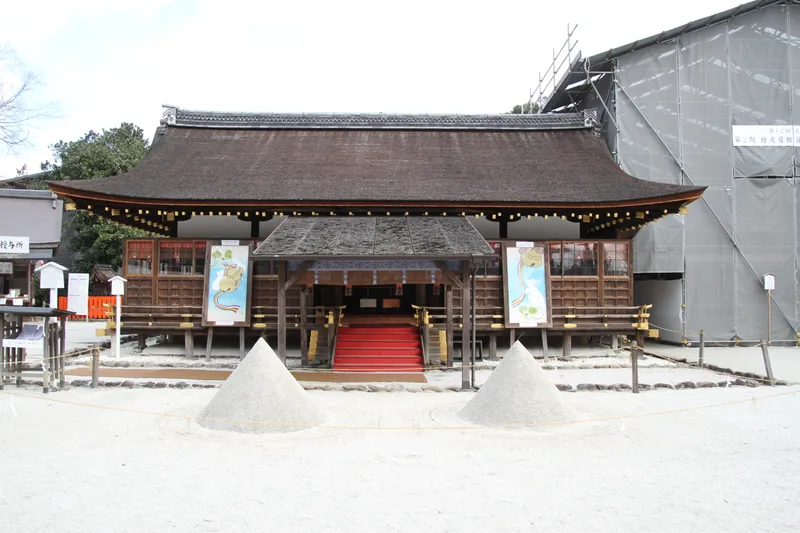
Kamigamo Jinja
- Protection & Safety
- Skill & Mastery
A shrine to Kamo Wakeikazuchi, whose listed benefits run from warding off lightning to guarding the electrical industry.
 Shrine
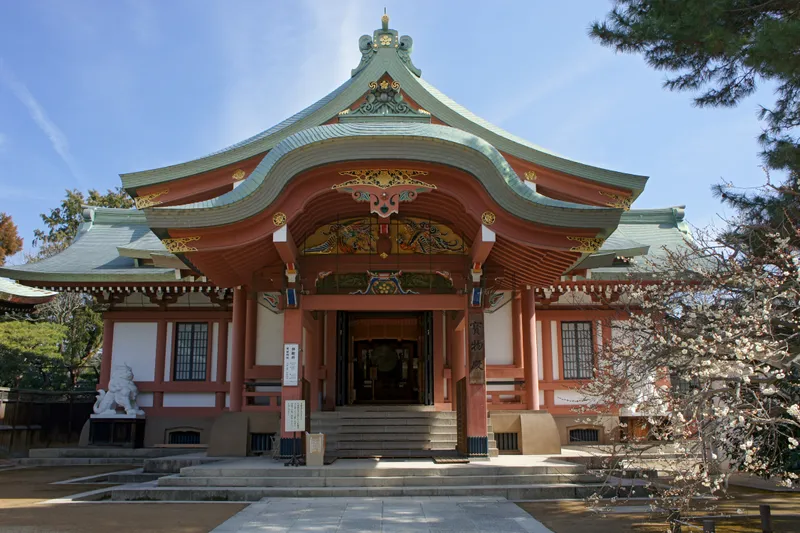
Kitano Tenmangu
- Exams & Study
- Protection & Safety
- Skill & Mastery
Head shrine of some twelve thousand Tenmangu shrines, widely venerated for success in entrance examinations and in study.
 Shrine
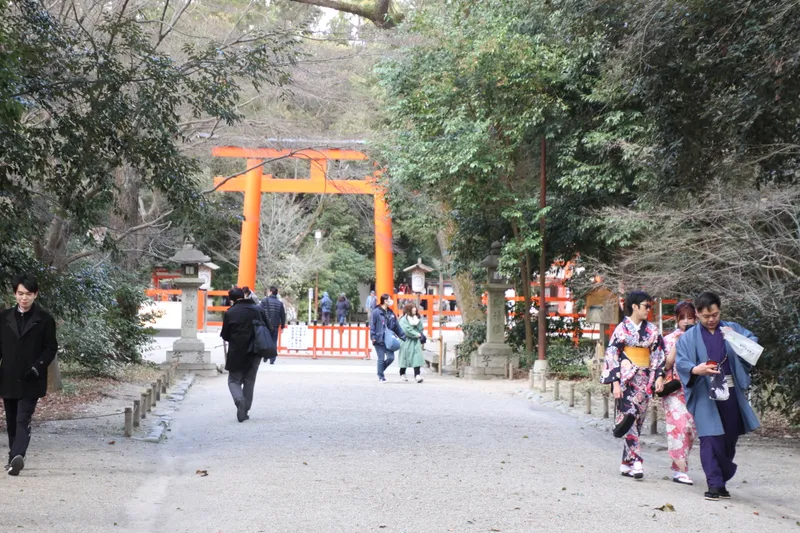
Shimogamo Jinja
- Family & Home
- Fertility & Children
- Love & Romance
A shrine where people pray for protection, marriage, children, safe birth, raising a family and safe travel, in a wood that predates the city.
 Temple
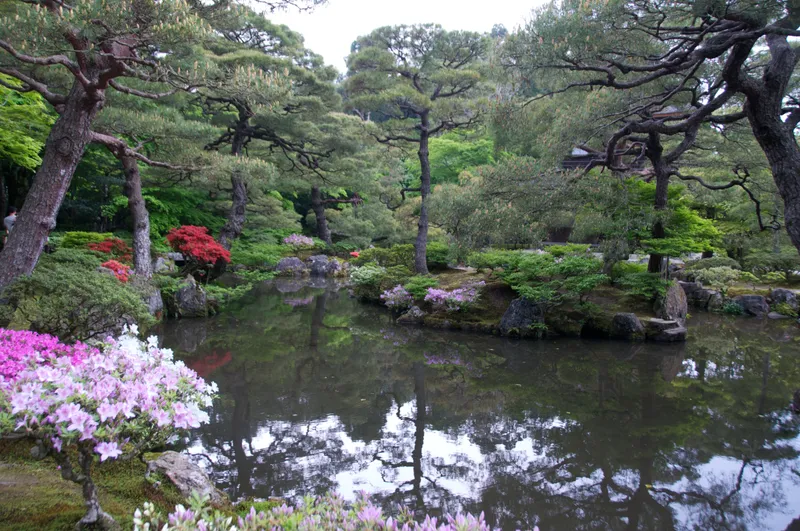
Ginkaku-ji
Ashikaga Yoshimasa’s mountain villa, later a temple — and he died without seeing the pavilion finished.
 Temple
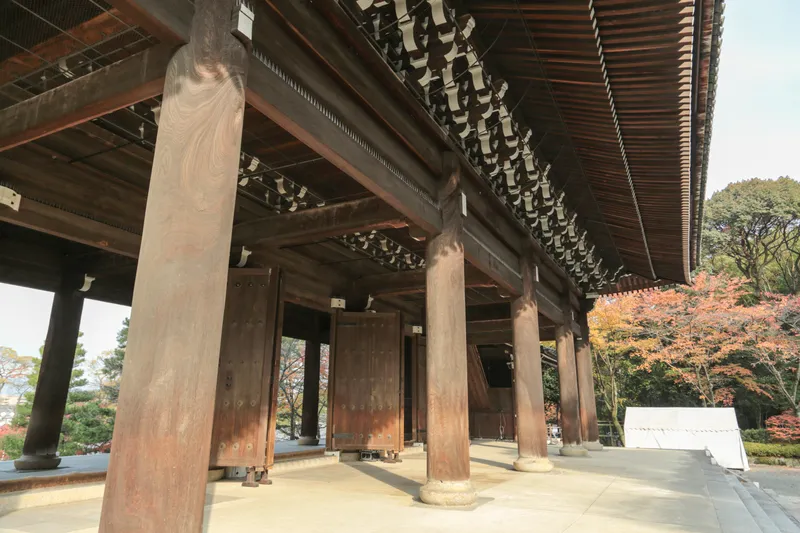
Chion-in
Head temple of the Pure Land school, carrying on the teaching Honen first preached in 1175.
 Temple
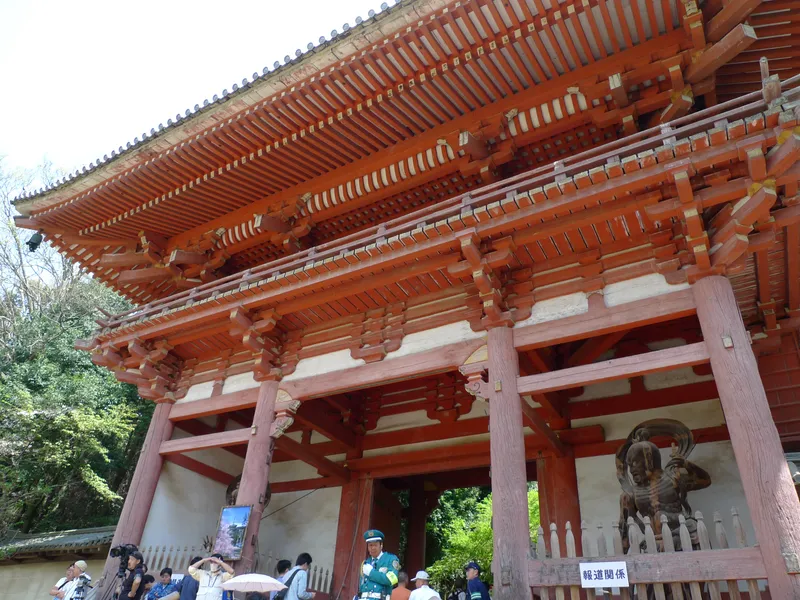
Daigo-ji
- Fertility & Children
Founded in 874, and the temple where Emperor Daigo obtained a son through prayer — then took the temple’s name as his own.
 Temple
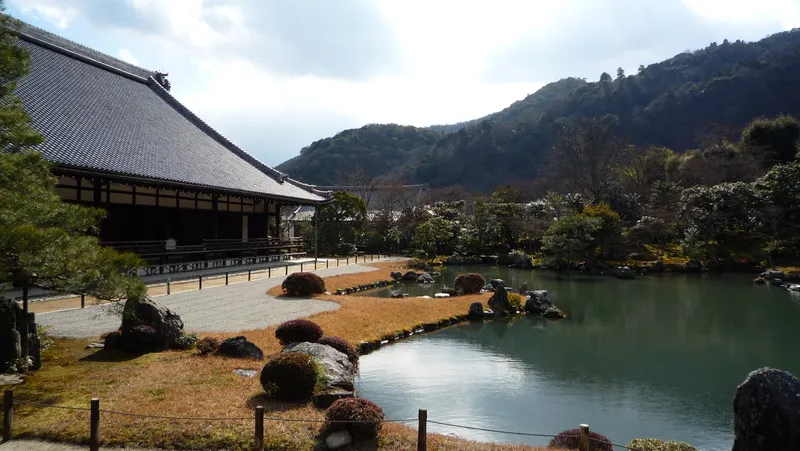
Tenryu-ji
Built in 1339 by Ashikaga Takauji, with Muso Soseki as founding abbot, to pray for the soul of Emperor Go-Daigo.
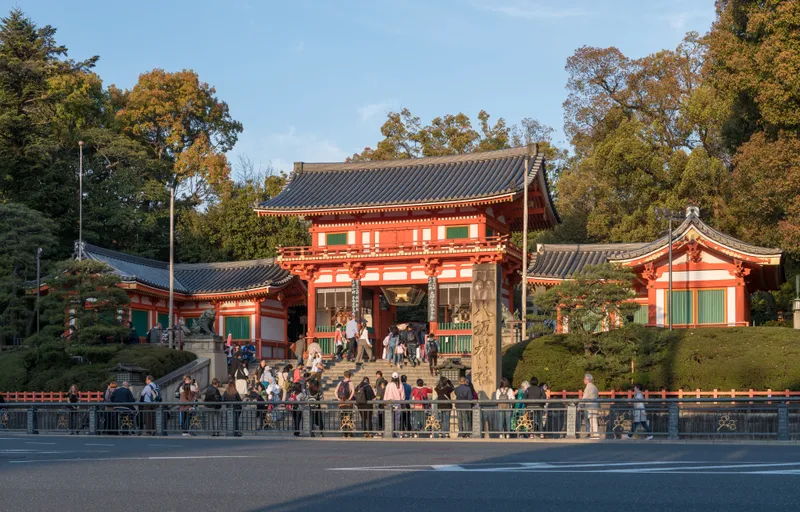 Shrine
Yasaka Jinja
- Health & Healing
The Gion shrine of Susanoo, which has kept up for some eleven hundred and fifty years a festival begun as a prayer that an epidemic be quelled.
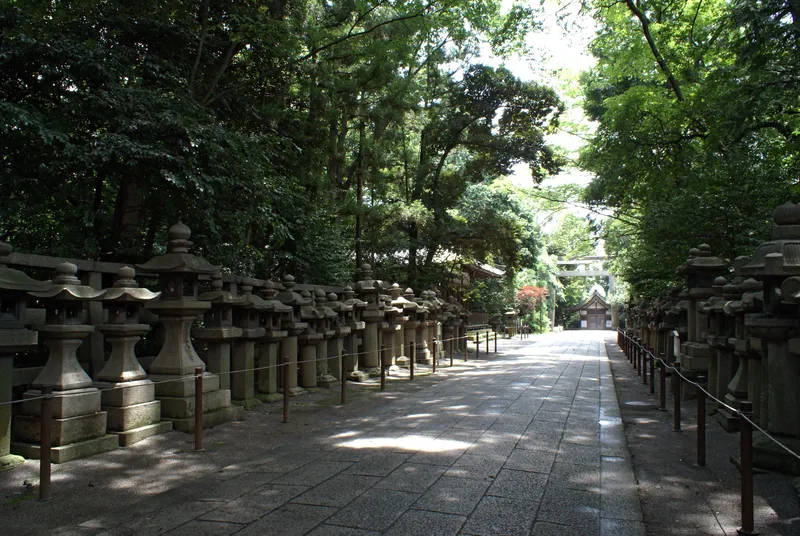 Shrine
Iwashimizu Hachimangu
- Protection & Safety
Founded in 859 on an oracle in which the deity said: I shall move to the peak of Otokoyama near the capital and protect the realm.
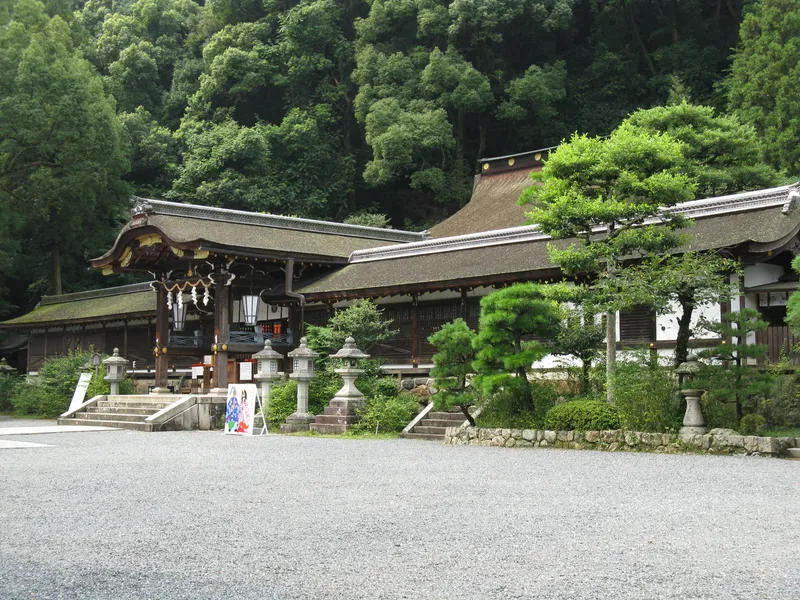 Shrine
Matsunoo Taisha
- Skill & Mastery
Revered since the late Muromachi period as Japan’s foremost deity of sake brewing — because the clan that founded it were brewers.
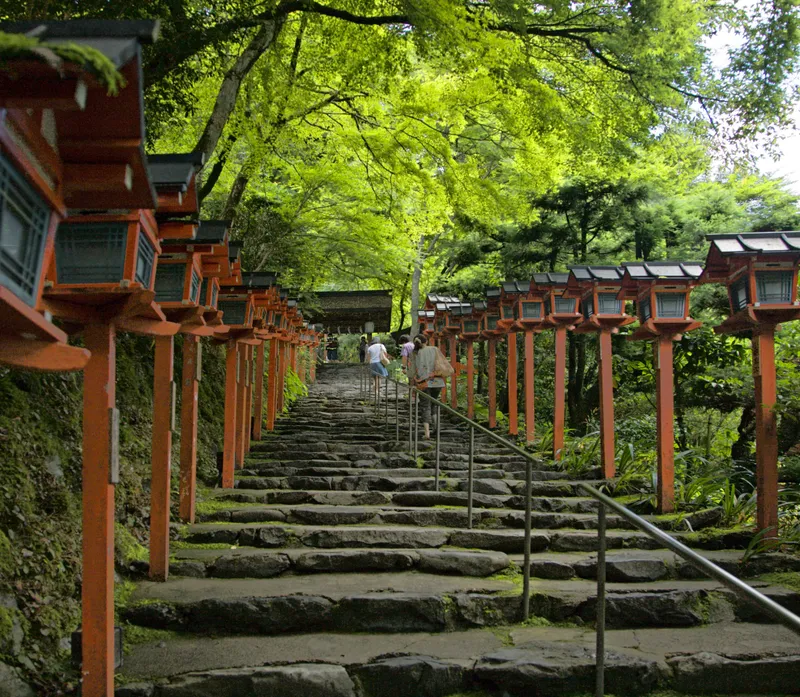 Shrine
Kifune Jinja
- Love & Romance
- Money & Prosperity
- Protection & Safety
A shrine to Kifune Okami, the deity governing the supply of water — and long famous as the shrine of love, with a subordinate shrine to a deity of matchmaking.
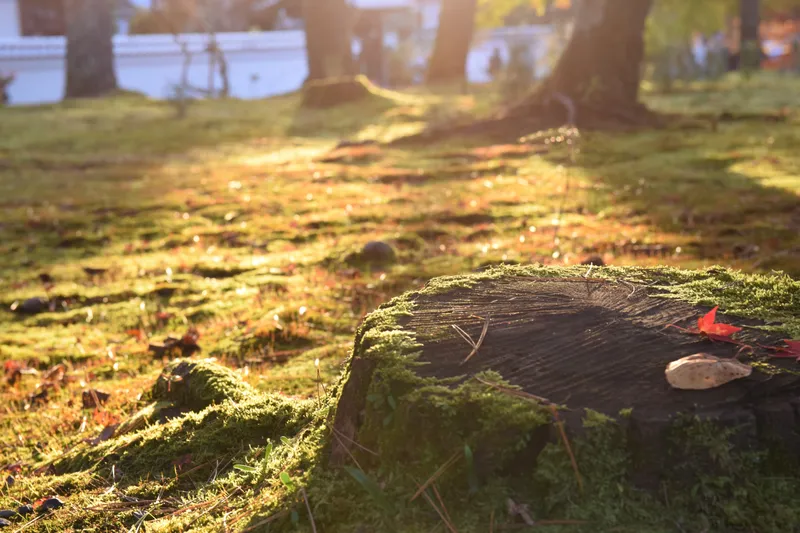 Temple
Nanzen-ji
Founded in 1291, where the disturbances at a retired emperor’s palace ended, the temple says, because a Zen master simply sat, swept and kept the offices.
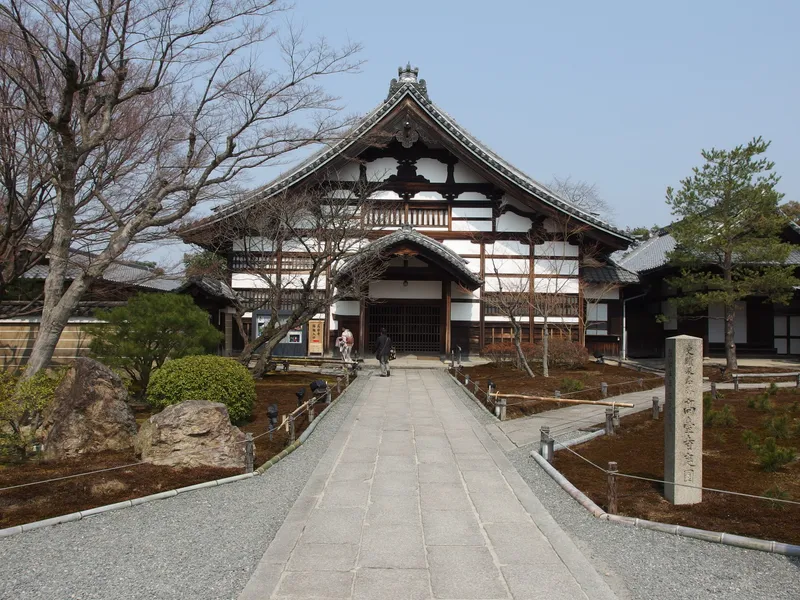 Temple
Kodai-ji
- Family & Home
Founded in 1606 by Kita-no-Mandokoro, Toyotomi Hideyoshi’s widow, to pray for the repose of her husband.
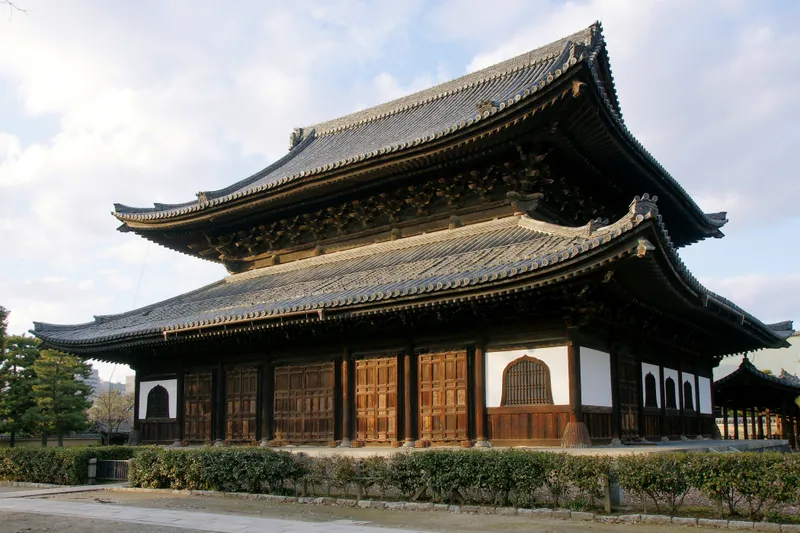 Temple
Kennin-ji
Kyoto’s first Zen temple, founded in 1202 when the shogun Minamoto no Yoriie gave the land and Eisai became founding abbot.
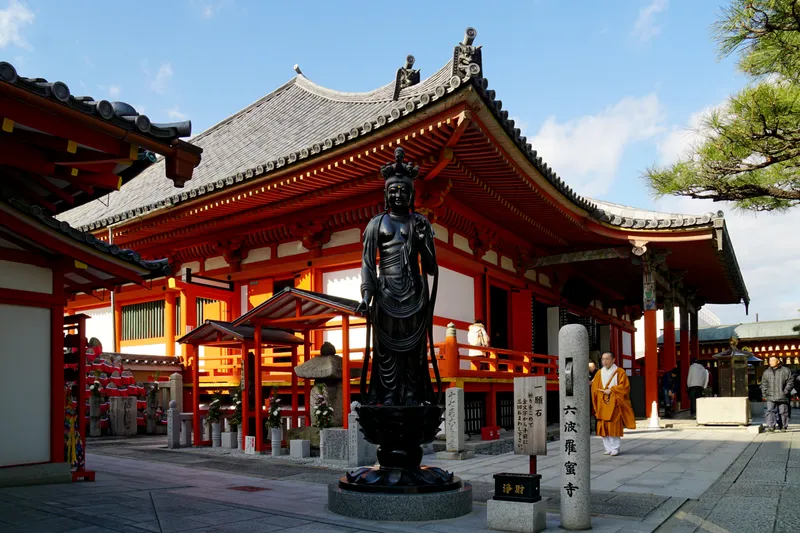 Temple
Rokuharamitsu-ji
- Health & Healing
Founded in 951, where Kuya hauled a Kannon he had carved through the streets against an epidemic — and the tea he gave the sick is still served.
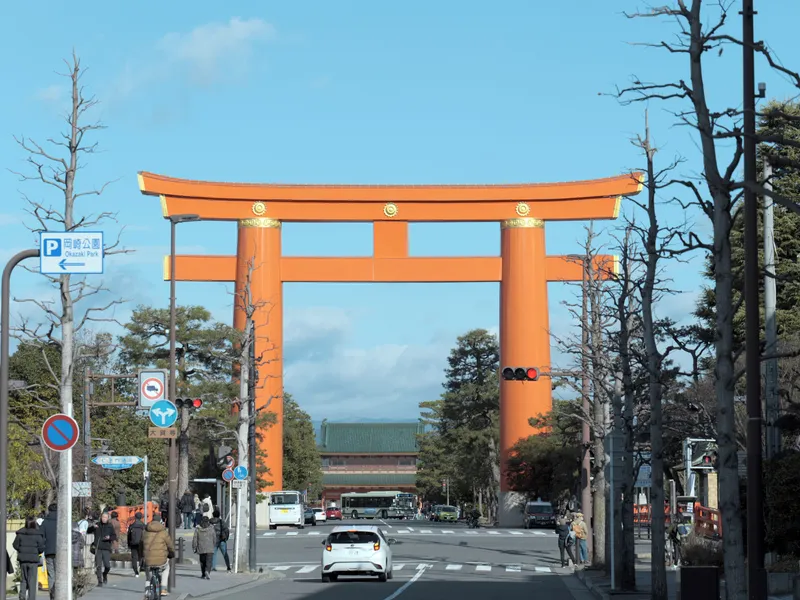 Shrine
Heian Jingu
Founded in 1895 for the 1100th anniversary of the Heian capital, enshrining its first emperor and its last.
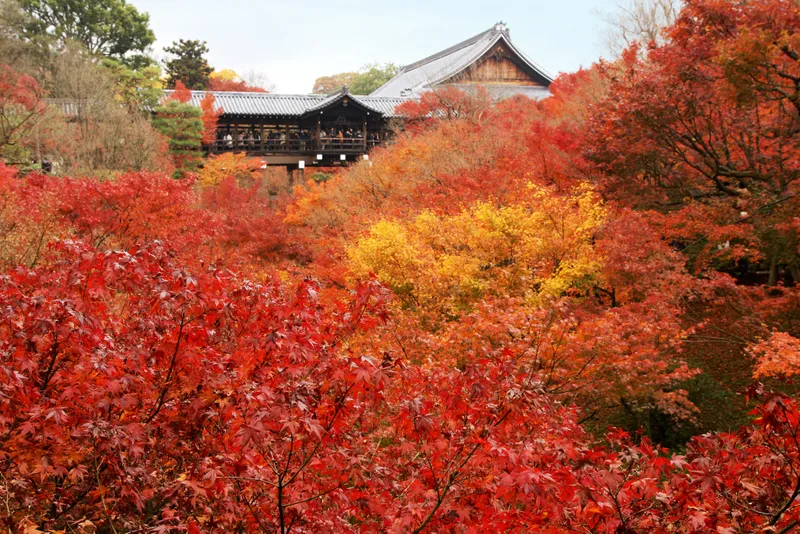 Temple
Tofuku-ji
Named with one character each from Nara’s Todai-ji and Kofuku-ji, and built over nineteen years from 1236.
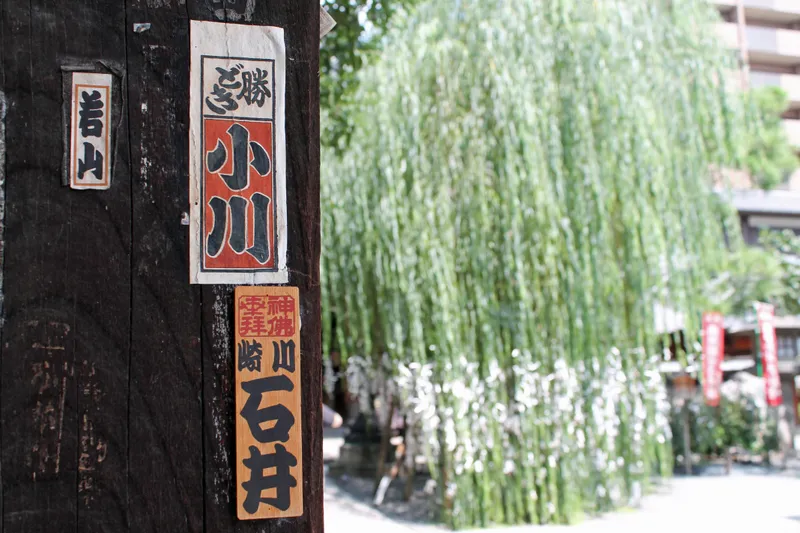 Temple
Rokkakudo
- Skill & Mastery
Said to be founded by Prince Shotoku, and the birthplace of ikebana — the head of the Ikenobo school serves as its abbot.
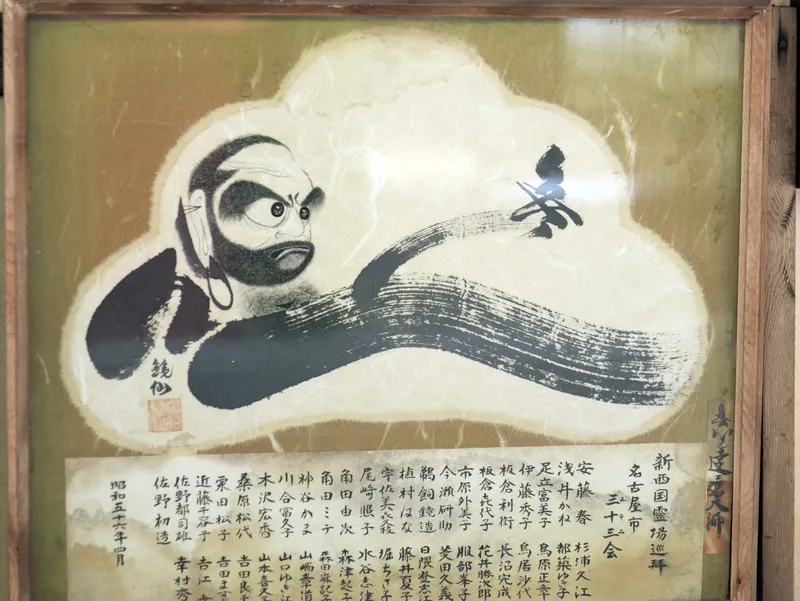 Temple
Kurama-dera
Founded in 770 on Mount Kurama, where the Kongosho stone floor before the main hall is described as a place of practice for uniting with cosmic energy.
 Temple
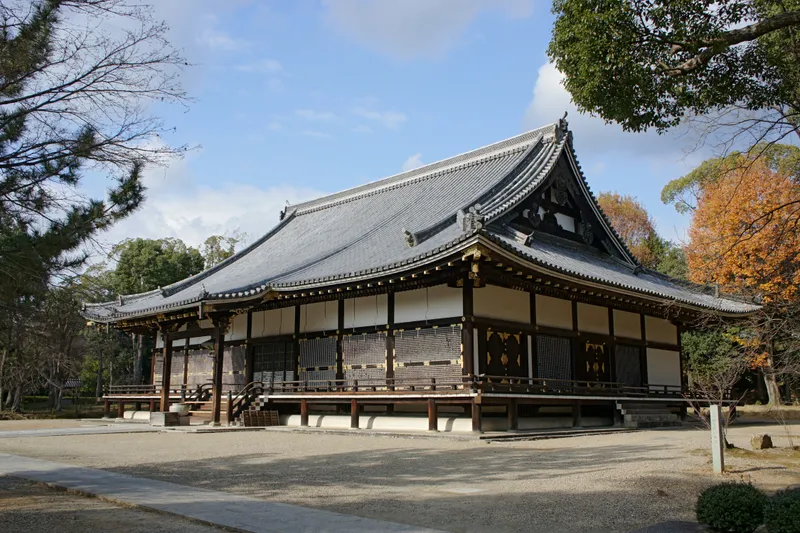
Ninna-ji
Head temple of the Omuro school of Shingon, standing since its founding in 888 — and named after the era it was finished in.
 Temple
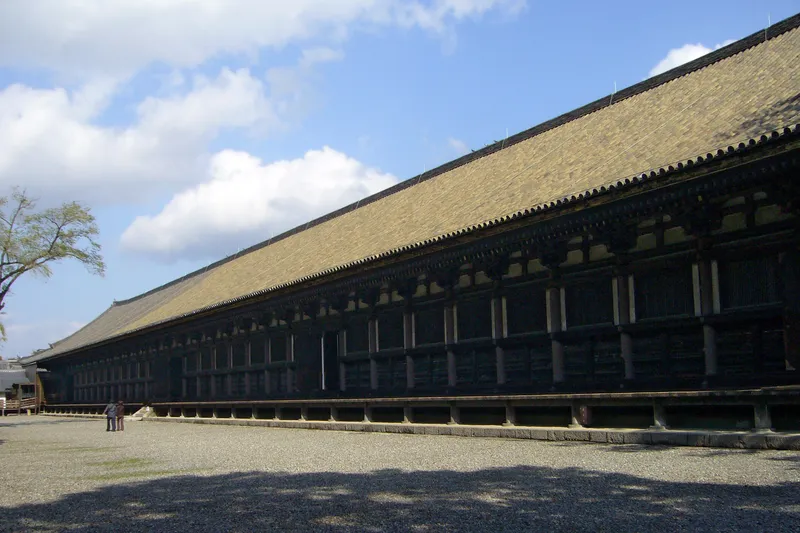
Sanjusangendo
A hall founded inside the detached palace of the retired Emperor Go-Shirakawa, holding a thousand and one standing images of Kannon.
 Shrine
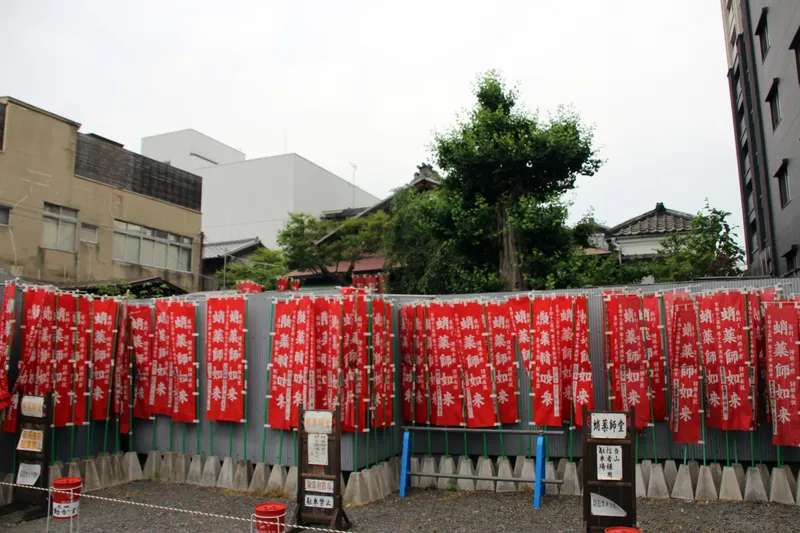
Nishiki Tenmangu
- Exams & Study
A shrine to Sugawara no Michizane, known as the deity of learning, standing in the middle of an arcade facing the Nishiki food market.
 Shrine
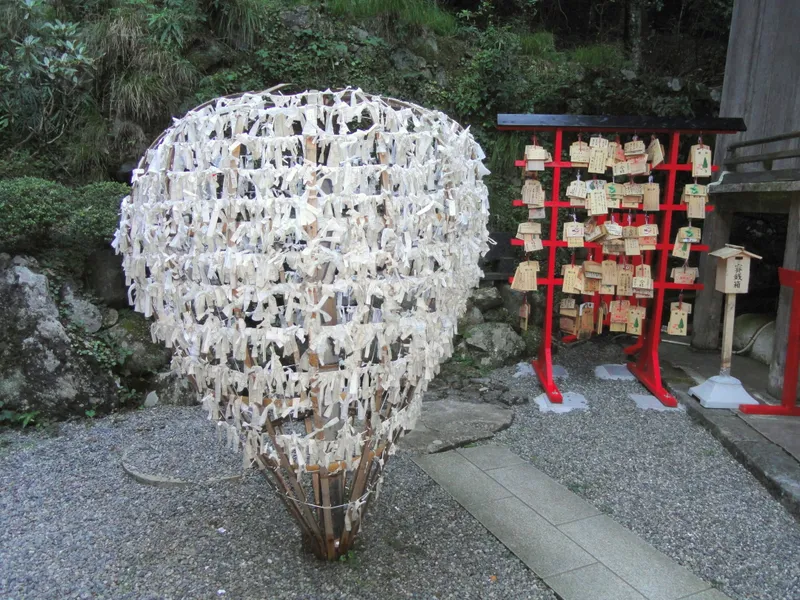
Yuki Jinja
- Fertility & Children
- Love & Romance
- Money & Prosperity
Once kept inside the imperial palace as a guardian of the court, and the shrine whose fire festival re-enacts the night its deity was moved to Kurama.
 Shrine
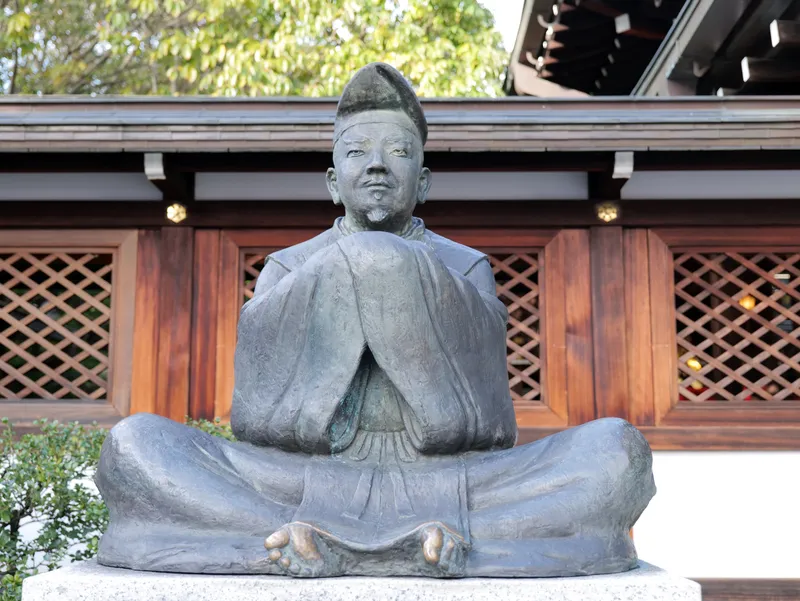
Seimei Jinja
- Health & Healing
- Protection & Safety
A shrine to Abe no Seimei, whose crest — the five-pointed star — the shrine describes as one of the onmyodo talismans he devised.
 Temple
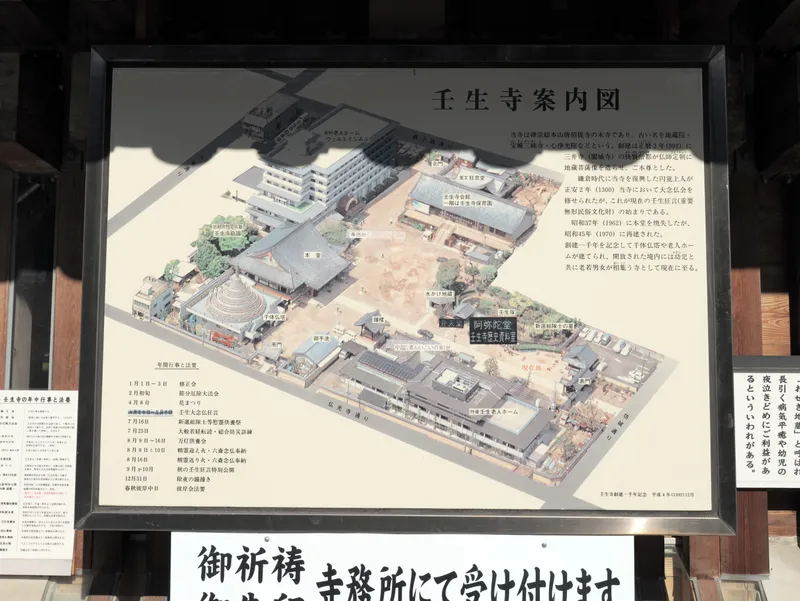
Mibu-dera
- Protection & Safety
Founded in 991 as a temple for warding off misfortune, whose February setsubun rite has about nine hundred years of history.
 Shrine
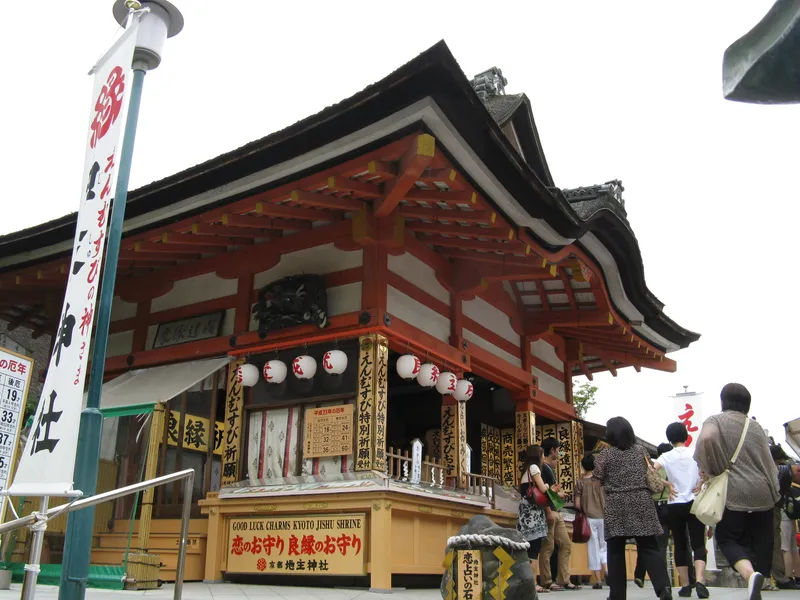
Jishu Jinja
- Love & Romance
A shrine to Okuninushi, the deity of matchmaking — currently closed for restoration of its buildings and grounds.