Yasaka Jinja
Gion-san · Yasaka Shrine
Researched and translated with AI assistance. Every claim is linked to its source, but errors get through, so check the official site for opening times, fees and closures.About
In short
The Gion shrine of Susanoo, which has kept up for some eleven hundred and fifty years a festival begun as a prayer that an epidemic be quelled.
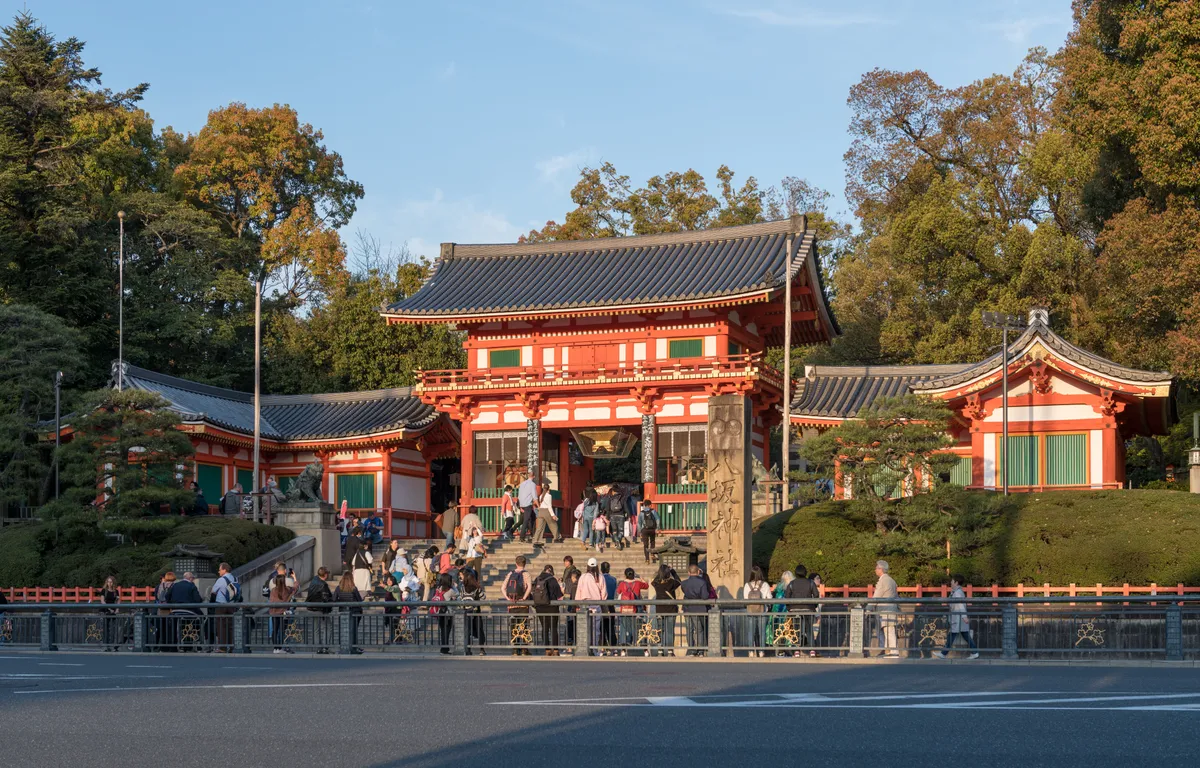
Quick facts
- Address
- 625 Gionmachi Kitagawa, Higashiyama-ku, Kyoto
- Spiritual entities
- Susanoo no Mikoto (素盞嗚尊)
About this place
Yasaka Jinja stands in Gion, Higashiyama, Kyoto, and enshrines Susanoo. The shrine records that its founding reaches back before the capital was moved to Heian-kyo. About eleven hundred and fifty years ago, in the Heian period, the Gion festival began as a prayer that an epidemic be quelled. The shrine records that it has been venerated as a shrine for the dispelling of epidemic disease.
Origin and history
Yasaka Jinja enshrines Susanoo, and the shrine records that its founding reaches back before the move of the capital to Heian-kyo.
The Gion festival began about eleven hundred and fifty years ago, in the Heian period, from a prayer that an epidemic be quelled.
What it is locally associated with
That the epidemic be quelled
The Gion festival began about eleven hundred and fifty years ago from a prayer that an epidemic be quelled.
documented historyA shrine for dispelling epidemic
The shrine records that it has been venerated for the dispelling of epidemic disease.
documented historyOlder than the capital
The shrine records its founding as reaching back before the move to Heian-kyo, and gives no year.
documented history
The devotion here is the festival itself. Gion Matsuri did not begin as a spectacle; it began as a prayer that an epidemic be quelled, some eleven hundred and fifty years ago.
Each July the floats go through the streets. Underneath the procession is one wish: that the sickness recede. However large the festival grew and however many came to watch, the reason it started is still there in the shrine’s own words.
On the year of its founding the shrine gives no date, only that it reaches back before the capital moved. This page goes no further either.
Claims and evidence levels 3
- Yasaka Jinja enshrines Susanoo, and the shrine records its founding as reaching back before the capital moved to Heian-kyo. documented history
- The Gion festival began about eleven hundred and fifty years ago, in the Heian period, from a prayer that an epidemic be quelled. documented history
- The shrine records that it has been venerated for the dispelling of epidemic disease. documented history
Related guides
- How to visit a shrine or temple in JapanThe country-wide basics: purifying at the water basin, the two-bows-two-claps-one-bow form at shrines, and what temples do instead.
- What a "power spot" actually isA modern Japanese coinage, not a traditional religious category. Where the word came from, what it does and does not claim, and why this site uses it anyway.
- Shrine or temple?A shrine is Shinto and a temple is Buddhist, and you can usually tell at the gate. Why the line is cleaner on paper than on the ground, and what a government order in 1868 has to do with it.
- Omamori, ema, omikuji and goshuinThe four things you are most likely to receive, write, draw or be given at a shrine or temple, what each is actually for, and the one of them people most often get wrong.
Sources
- 八坂神社について — 八坂神社 — Yasaka Jinja (accessed 2026-08-13)
Last updated:
Similar places
8 places
 Shrine
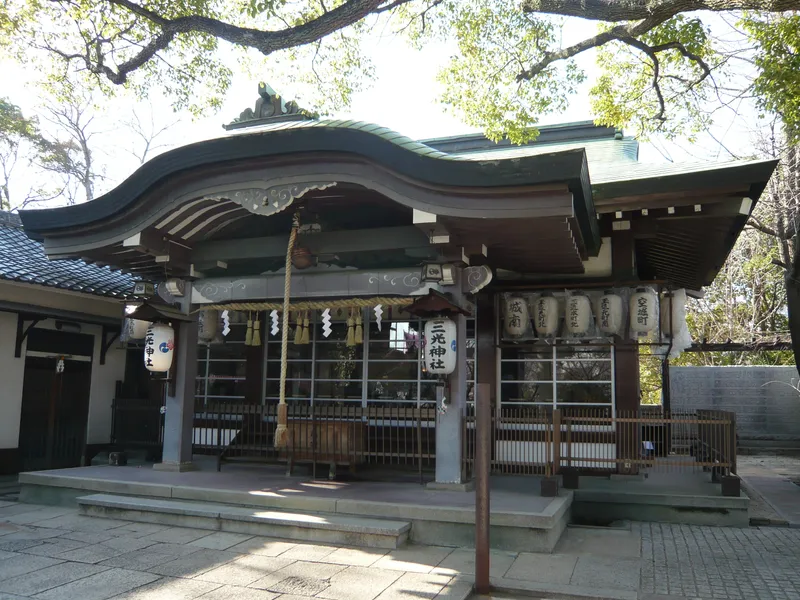
Sanko Jinja
- Health & Healing
Known since antiquity as the only deity in all Japan for warding off palsy, with its rite held for seven days from 1 June each year.
 Temple
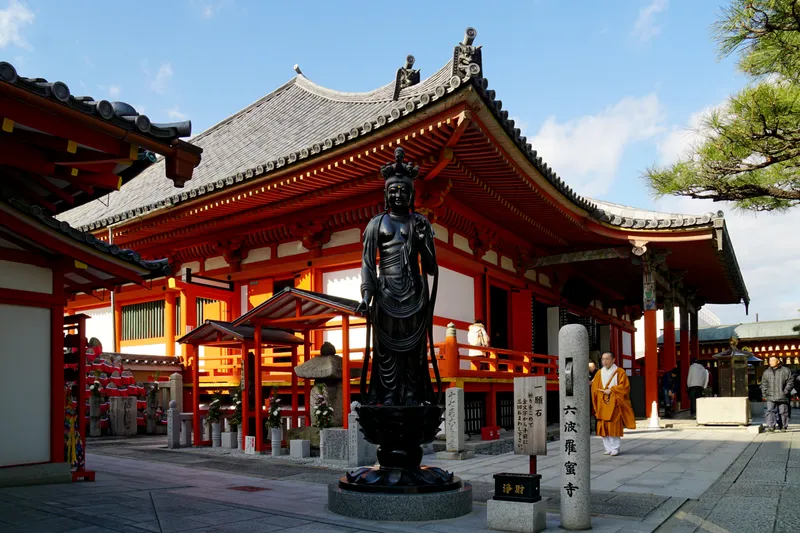
Rokuharamitsu-ji
- Health & Healing
Founded in 951, where Kuya hauled a Kannon he had carved through the streets against an epidemic — and the tea he gave the sick is still served.
 Temple
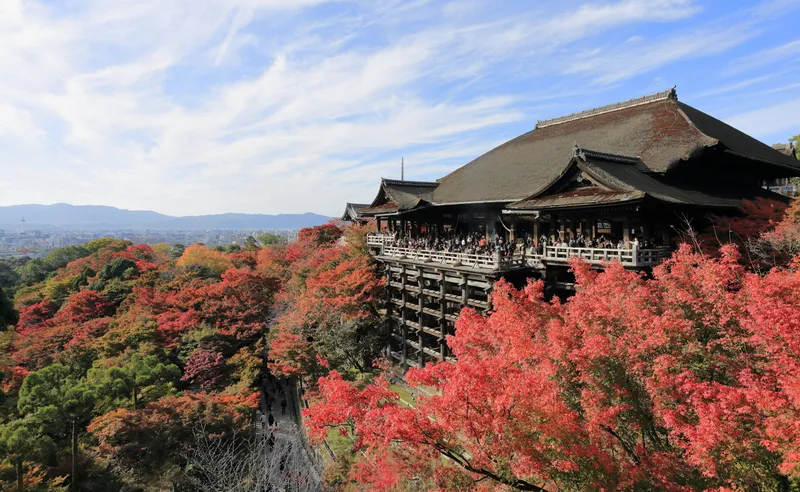
Kiyomizu-dera
- Career & Work
- Health & Healing
- Love & Romance
A Kannon temple begun in 778 beside the Otowa waterfall, venerated by those seeking health, advancement and a good match.
 Shrine
Seimei Jinja
- Health & Healing
- Protection & Safety
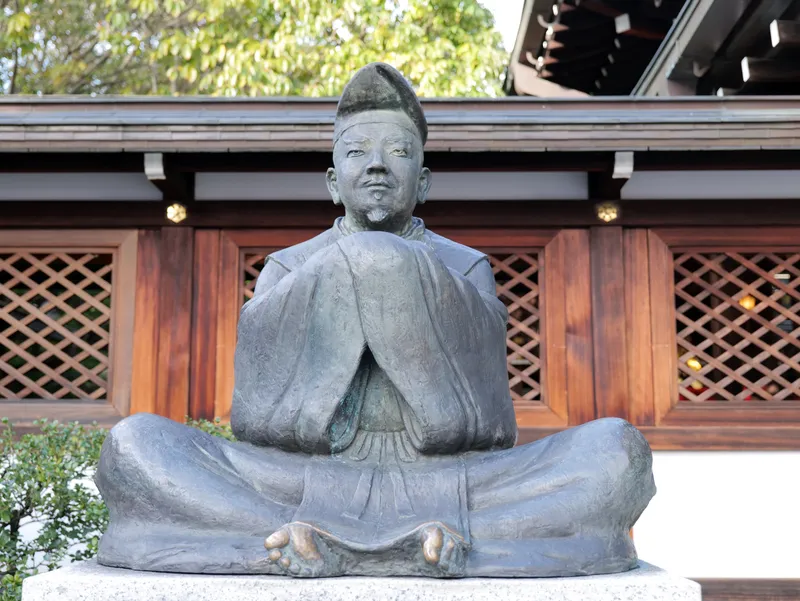
A shrine to Abe no Seimei, whose crest — the five-pointed star — the shrine describes as one of the onmyodo talismans he devised.
 Temple
Katsuo-ji
- Exams & Study
- Health & Healing
- Protection & Safety
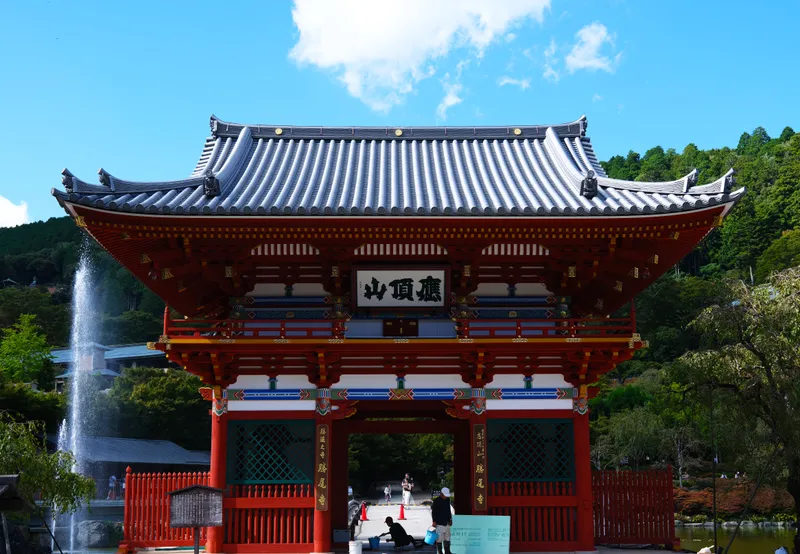
Begun in 727 when twin brothers built a hermitage on the mountain, and a temple of winning that defines winning as overcoming your own weak heart.
 Temple
Ryosen-ji
- Health & Healing
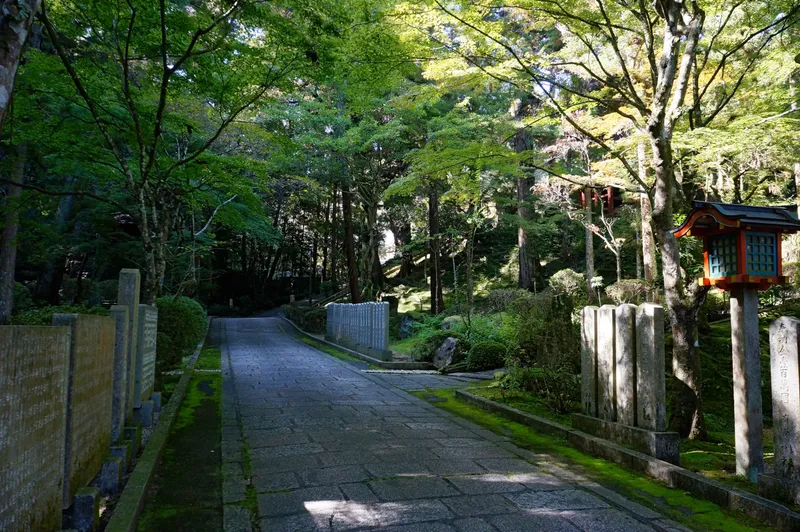
Founded on a Yakushi Nyorai perceived at Kumano by Ono no Tomihito, and named Ryosen-ji when the Indian monk Bodhisena reported that the ground here looked just like Vulture Peak.
 Temple
Shin-Yakushi-ji
- Health & Healing
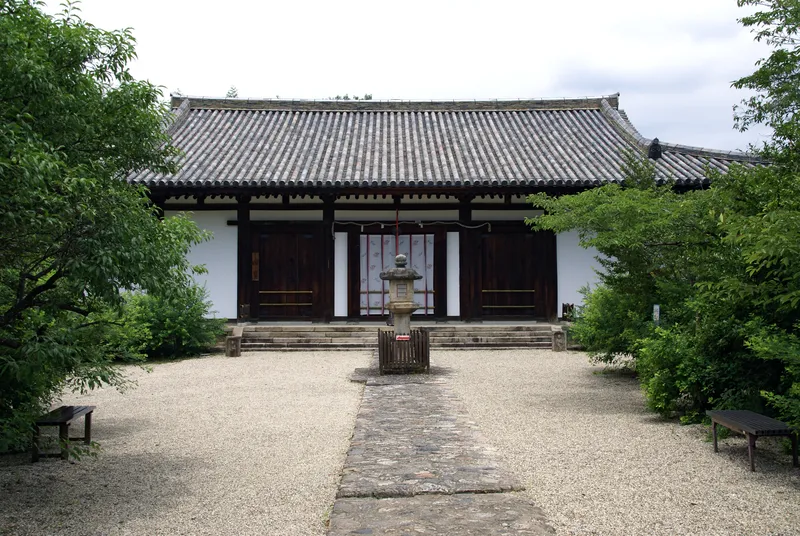
Founded in the third month of 747 by Empress Komyo, in prayer for Emperor Shomu’s recovery from illness.
 Temple
Yakushi-ji
- Health & Healing
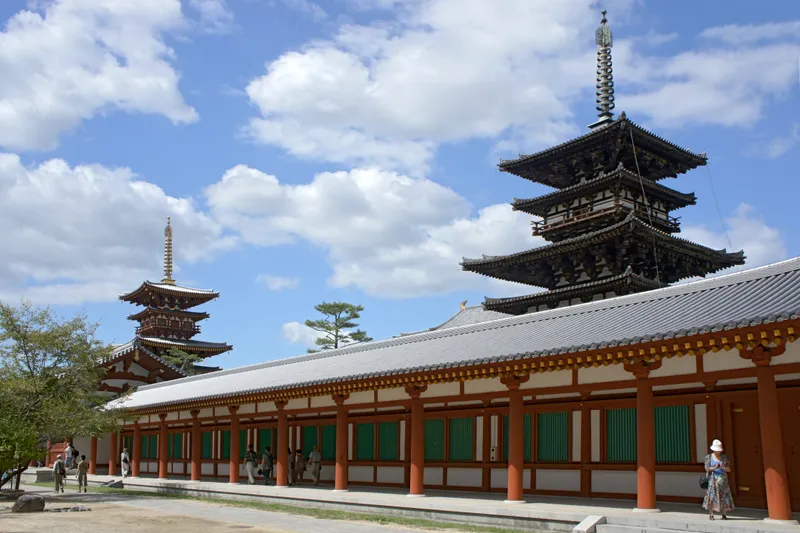
Founded in 680 by Emperor Tenmu in prayer for the recovery of his empress from illness, and inscribed as World Heritage.
No places match your filters