Tofuku-ji
Enichizan Tofuku-ji
Researched and translated with AI assistance. Every claim is linked to its source, but errors get through, so check the official site for opening times, fees and closures.About
In short
Named with one character each from Nara’s Todai-ji and Kofuku-ji, and built over nineteen years from 1236.
Quick facts
- Address
- 15-778 Honmachi, Higashiyama-ku, Kyoto
About this place
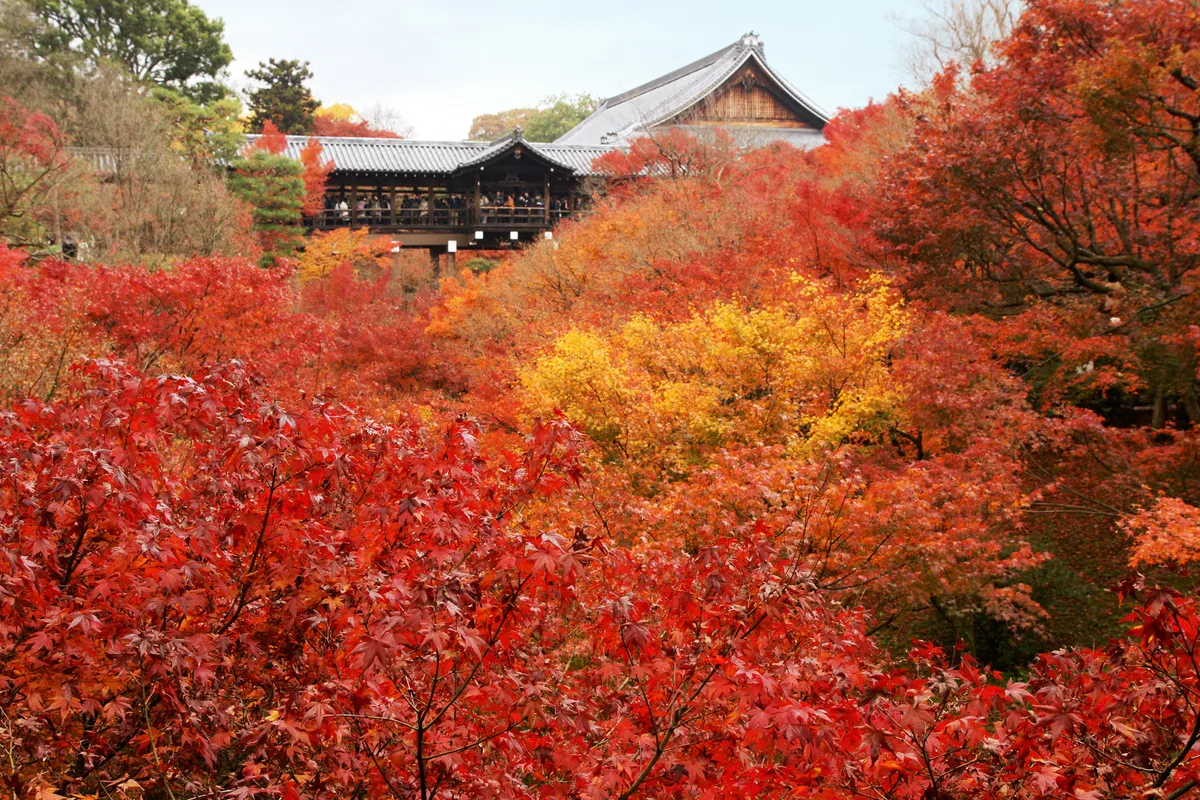
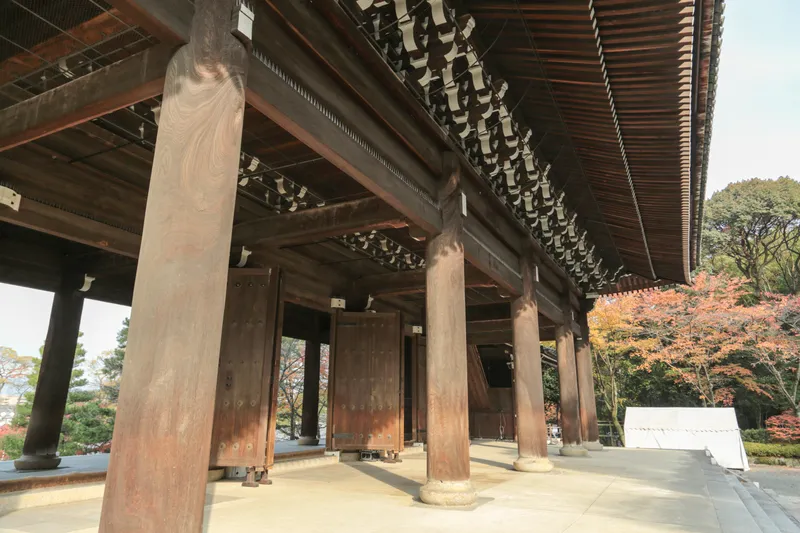
Tofuku-ji stands in Higashiyama, Kyoto. The regent Kujo Michiie, wishing for something to compare with Todai-ji, Nara’s largest temple, and to rival Kofuku-ji, the grandest there, took the character To from one and Fuku from the other and raised a great temple complex in Kyoto. It was built from 1236 to 1255 — nineteen years in all. In 1243 Shoichi Kokushi, the monk Enni Ben’en, was received as founding abbot.
Origin and history
Tofuku-ji was raised by the regent Kujo Michiie, who wished for something to compare with Todai-ji, the largest temple in Nara, and to rival Kofuku-ji, the grandest there, and so took the character To from one and Fuku from the other for a great complex in Kyoto.
It was built from 1236 to 1255 — nineteen years in all.
In 1243 Shoichi Kokushi, the monk Enni Ben’en, was received as founding abbot.
What it is locally associated with
A character from each great temple
Wishing to compare with Todai-ji and rival Kofuku-ji, Michiie took To from one and Fuku from the other.
documented historyNineteen years of building
Construction ran from 1236 to 1255 — nineteen years in all.
documented historyA founding abbot in 1243
Shoichi Kokushi, the monk Enni Ben’en, was received as founding abbot in 1243.
documented history
This temple’s name is its ambition, written out. Todai-ji, the largest temple in Nara; Kofuku-ji, the grandest. Kujo Michiie wanted something in the capital to stand beside them, and took one character from each.
It did not stop at the name. Building ran from 1236 to 1255 — nineteen years, spent making the name true.
The founding abbot arrived partway through, in 1243. No category of prayer is attached to this page: what the temple records is the building of it.
Claims and evidence levels 3
- Tofuku-ji was raised by the regent Kujo Michiie, who took one character each from Nara’s Todai-ji and Kofuku-ji for its name. documented history
- It was built from 1236 to 1255, nineteen years in all. documented history
- In 1243 Shoichi Kokushi, the monk Enni Ben’en, was received as founding abbot. documented history
Related guides
- How to visit a shrine or temple in JapanThe country-wide basics: purifying at the water basin, the two-bows-two-claps-one-bow form at shrines, and what temples do instead.
- What a "power spot" actually isA modern Japanese coinage, not a traditional religious category. Where the word came from, what it does and does not claim, and why this site uses it anyway.
- Shrine or temple?A shrine is Shinto and a temple is Buddhist, and you can usually tell at the gate. Why the line is cleaner on paper than on the ground, and what a government order in 1868 has to do with it.
- Omamori, ema, omikuji and goshuinThe four things you are most likely to receive, write, draw or be given at a shrine or temple, what each is actually for, and the one of them people most often get wrong.
Sources
- 東福寺の歴史 — 東福寺 — Tofuku-ji (accessed 2026-08-13)
Last updated:
Similar places
8 places
 Temple
Sanjusangendo
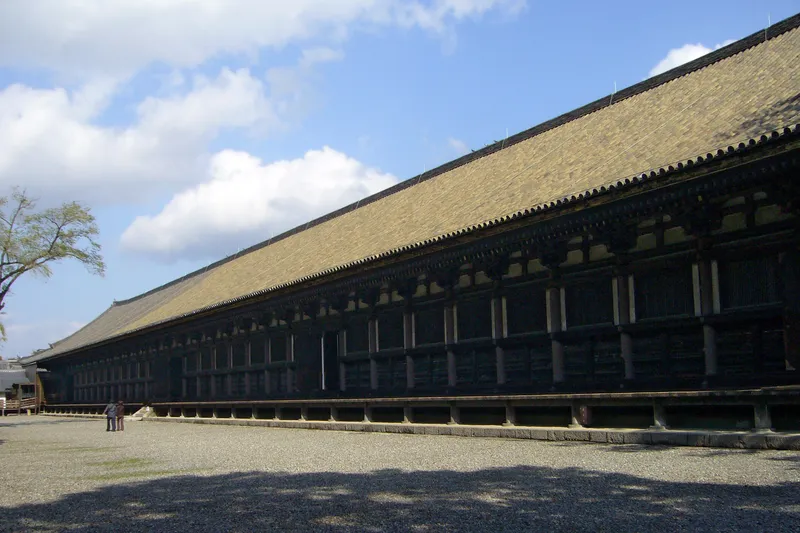
A hall founded inside the detached palace of the retired Emperor Go-Shirakawa, holding a thousand and one standing images of Kannon.
 Temple
Kiyomizu-dera
- Career & Work
- Health & Healing
- Love & Romance
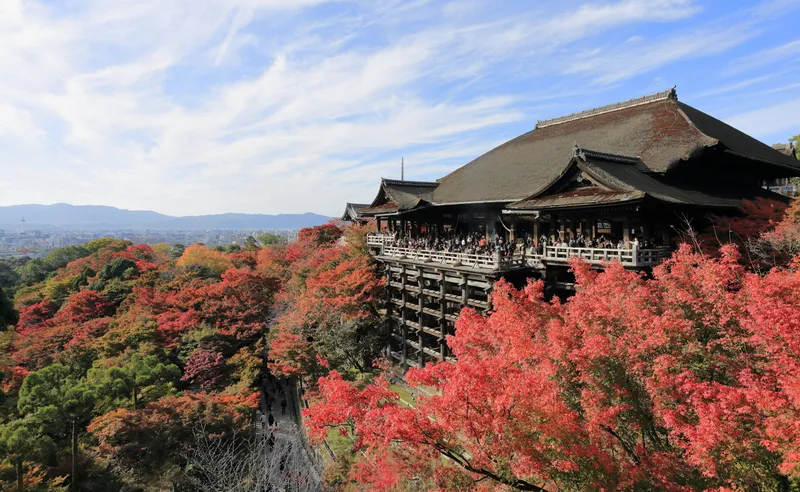
A Kannon temple begun in 778 beside the Otowa waterfall, venerated by those seeking health, advancement and a good match.
 Temple
Rokuharamitsu-ji
- Health & Healing
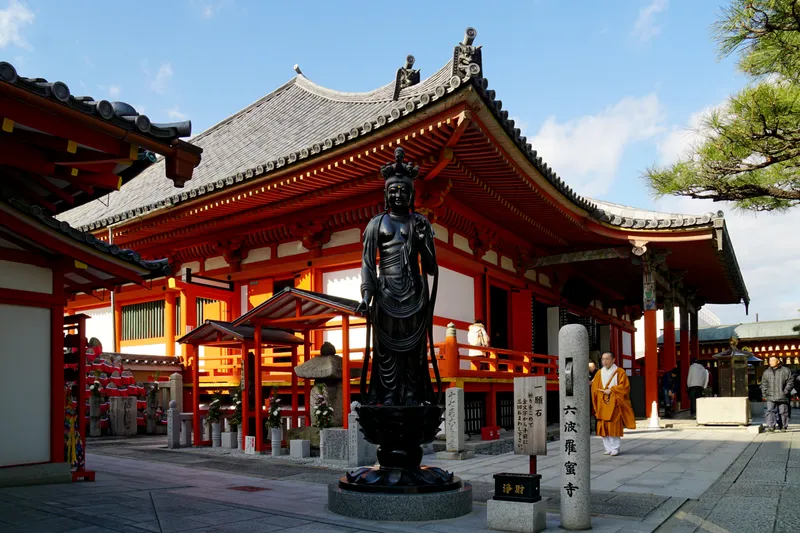
Founded in 951, where Kuya hauled a Kannon he had carved through the streets against an epidemic — and the tea he gave the sick is still served.
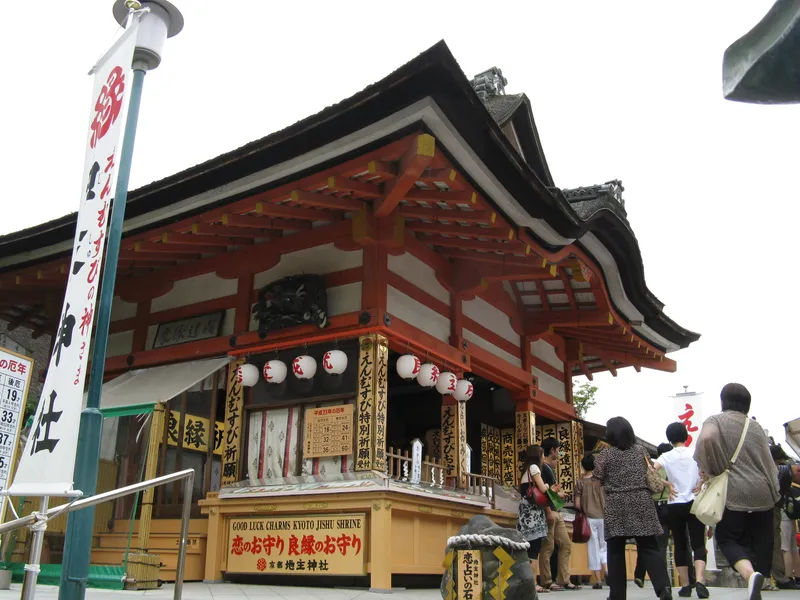 Shrine
Jishu Jinja
- Love & Romance
A shrine to Okuninushi, the deity of matchmaking — currently closed for restoration of its buildings and grounds.
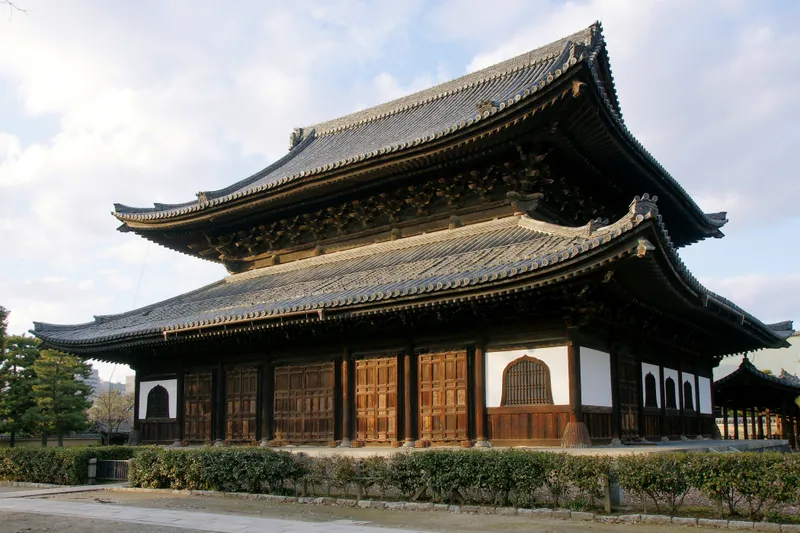 Temple
Kennin-ji
Kyoto’s first Zen temple, founded in 1202 when the shogun Minamoto no Yoriie gave the land and Eisai became founding abbot.
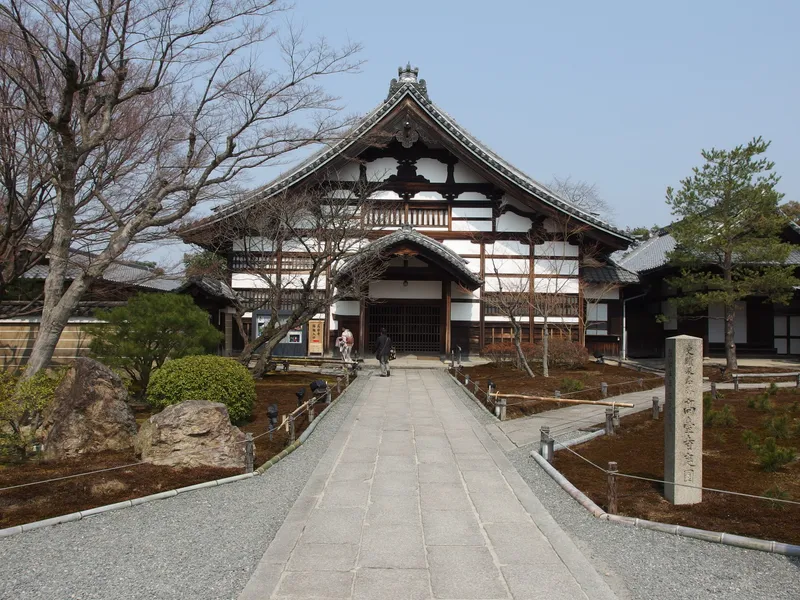 Temple
Kodai-ji
- Family & Home
Founded in 1606 by Kita-no-Mandokoro, Toyotomi Hideyoshi’s widow, to pray for the repose of her husband.
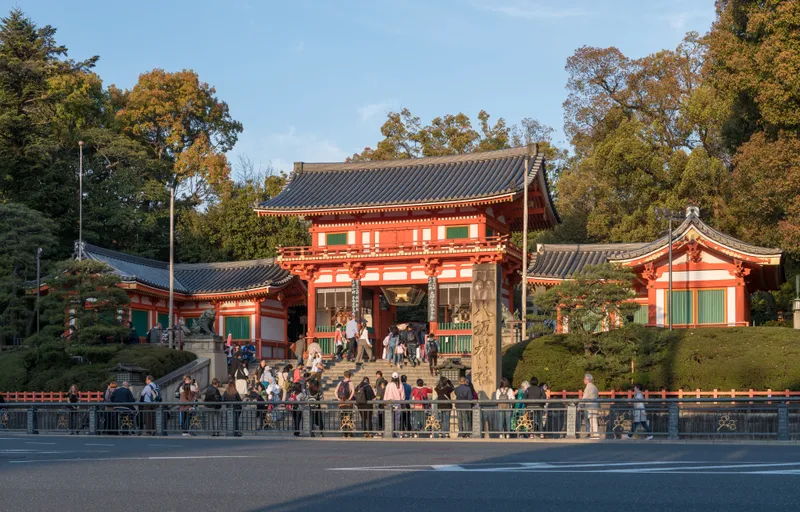 Shrine
Yasaka Jinja
- Health & Healing
The Gion shrine of Susanoo, which has kept up for some eleven hundred and fifty years a festival begun as a prayer that an epidemic be quelled.
 Temple
Chion-in
Head temple of the Pure Land school, carrying on the teaching Honen first preached in 1175.
No places match your filters