Rokuharamitsu-ji
Fudarakusan Rokuharamitsu-ji
Researched and translated with AI assistance. Every claim is linked to its source, but errors get through, so check the official site for opening times, fees and closures.About
In short
Founded in 951, where Kuya hauled a Kannon he had carved through the streets against an epidemic — and the tea he gave the sick is still served.
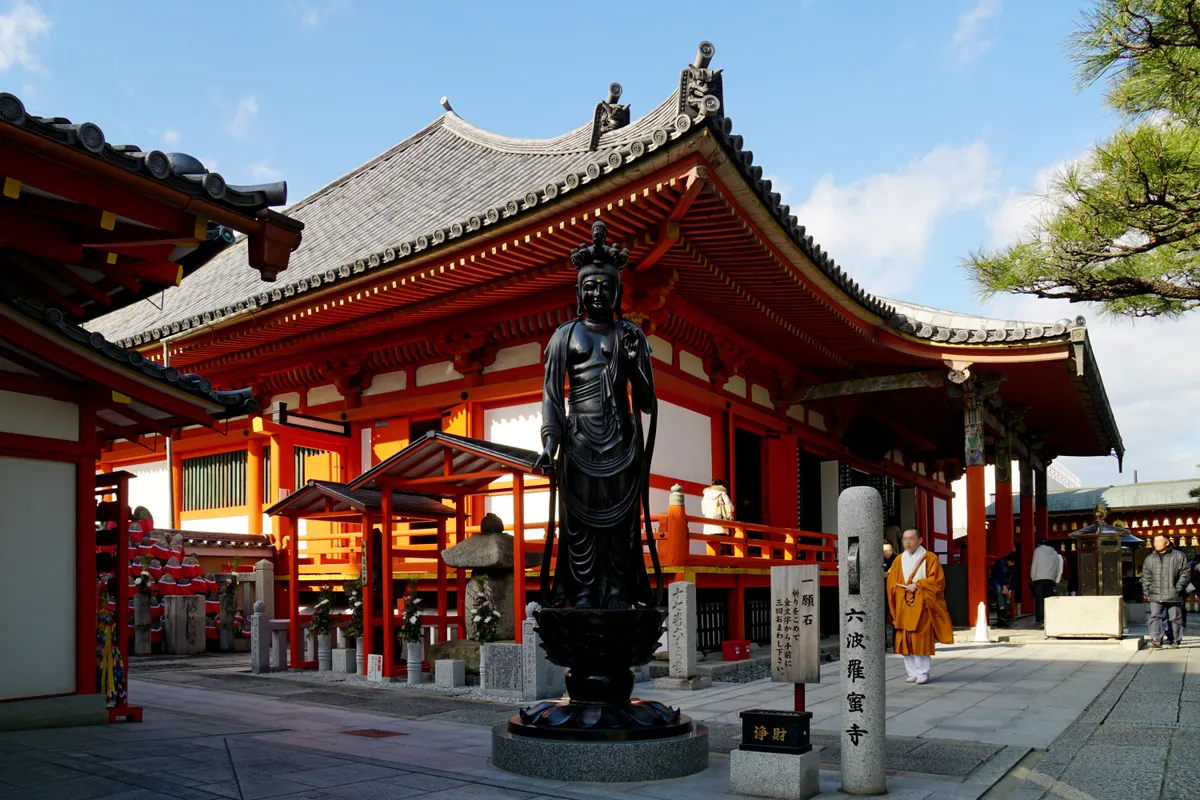
Quick facts
- Address
- 81-1 Rokurocho, Higashiyama-ku, Kyoto
- Spiritual entities
- Avalokiteśvara (Kannon · Gwaneum, 観音菩薩)
About this place
Rokuharamitsu-ji stands in Higashiyama, Kyoto, founded in 951 by Kuya, the second son of Emperor Daigo. To drive out the epidemic then spreading through Kyoto, he carved an eleven-headed Kannon himself, set the image on a cart, hauled it through the streets and gave tea to the sick. That tea — green bamboo split like the eight petals of a lotus, with a small pickled plum and knotted kelp inside, offered before the Buddha — is still served as obukucha over the first three days of the new year.
Origin and history
Rokuharamitsu-ji was founded in 951 by Kuya, the second son of Emperor Daigo.
To drive out the epidemic then spreading in Kyoto, he carved an eleven-headed Kannon himself, set the image on a cart, hauled it through the streets and gave tea to the sick.
That tea — whisked in green bamboo split like the eight petals of a lotus, with a small pickled plum and knotted kelp inside, and offered before the Buddha — is still handed out as obukucha over the first three days of the new year.
What it is locally associated with
A Kannon hauled against the epidemic
To drive out the epidemic in Kyoto, Kuya carved an eleven-headed Kannon and hauled it through the streets on a cart.
documented historyObukucha, still served
The tea — whisked in split green bamboo with a pickled plum and knotted kelp — is still handed out over the first three days of the year.
documented historyFounded in 951 by Kuya
Founded in 951 by Kuya, the second son of Emperor Daigo.
documented history
The devotion here survives as an action rather than a phrase. In 951, when an epidemic was running through Kyoto, Kuya carved an eleven-headed Kannon, put it on a cart, pulled it through the streets, and gave tea to those who were ill.
What distinguishes this temple is that the tea is still here. Green bamboo split like lotus petals, a small pickled plum, knotted kelp, offered before the Buddha. It is called obukucha and is served over the first three days of the year.
One other place in this city answered the same century’s sickness: Yasaka Shrine, with the Gion festival. One kept a festival going; the other kept a cup of tea.
Claims and evidence levels 3
- Rokuharamitsu-ji was founded in 951 by Kuya, second son of Emperor Daigo. documented history
- To drive out an epidemic in Kyoto, Kuya carved an eleven-headed Kannon himself, set it on a cart, hauled it through the streets and gave tea to the sick. documented history
- That tea is still handed out as obukucha over the first three days of the new year. documented history
Related guides
- How to visit a shrine or temple in JapanThe country-wide basics: purifying at the water basin, the two-bows-two-claps-one-bow form at shrines, and what temples do instead.
- What a "power spot" actually isA modern Japanese coinage, not a traditional religious category. Where the word came from, what it does and does not claim, and why this site uses it anyway.
- Shrine or temple?A shrine is Shinto and a temple is Buddhist, and you can usually tell at the gate. Why the line is cleaner on paper than on the ground, and what a government order in 1868 has to do with it.
- Omamori, ema, omikuji and goshuinThe four things you are most likely to receive, write, draw or be given at a shrine or temple, what each is actually for, and the one of them people most often get wrong.
Sources
- 歴史 — 六波羅蜜寺 — Rokuharamitsu-ji (accessed 2026-08-13)
Last updated:
Similar places
8 places
 Temple
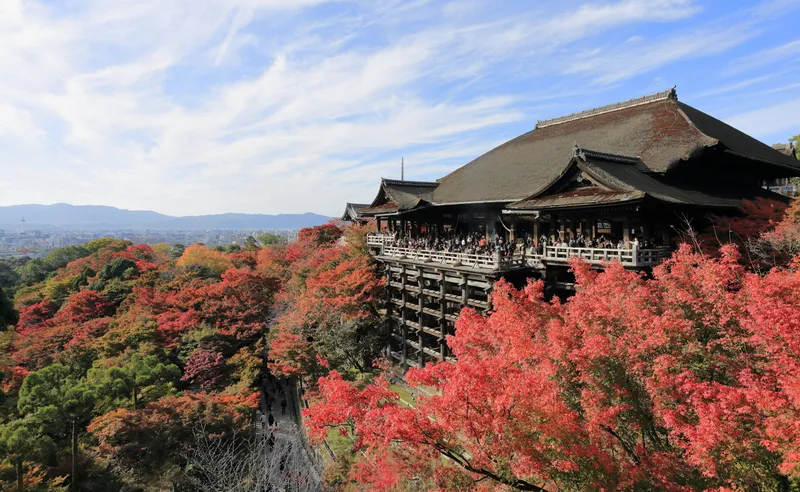
Kiyomizu-dera
- Career & Work
- Health & Healing
- Love & Romance
A Kannon temple begun in 778 beside the Otowa waterfall, venerated by those seeking health, advancement and a good match.
 Temple
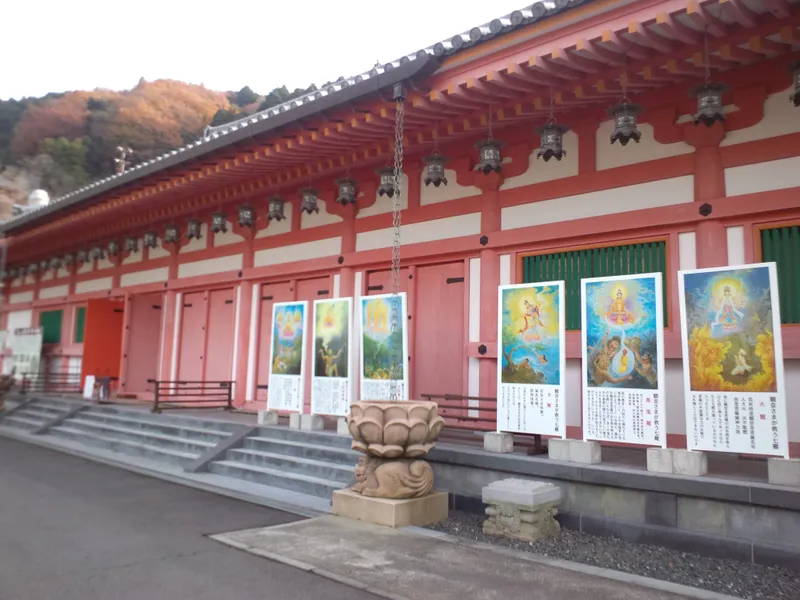
Tsubosaka-dera
- Health & Healing
The sixth station of the Saikoku pilgrimage, whose principal image is a Kannon of proven efficacy against eye disease; the temple is called the temple that seals off eye disease.
 Shrine
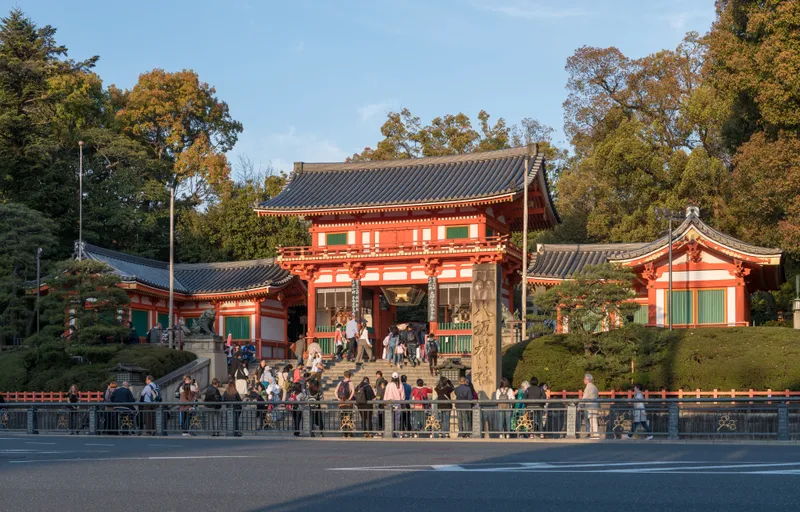
Yasaka Jinja
- Health & Healing
The Gion shrine of Susanoo, which has kept up for some eleven hundred and fifty years a festival begun as a prayer that an epidemic be quelled.
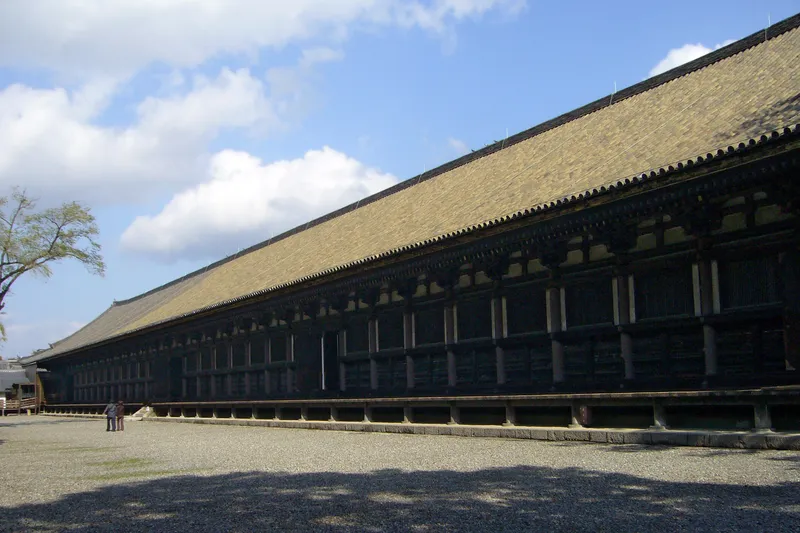 Temple
Sanjusangendo
A hall founded inside the detached palace of the retired Emperor Go-Shirakawa, holding a thousand and one standing images of Kannon.
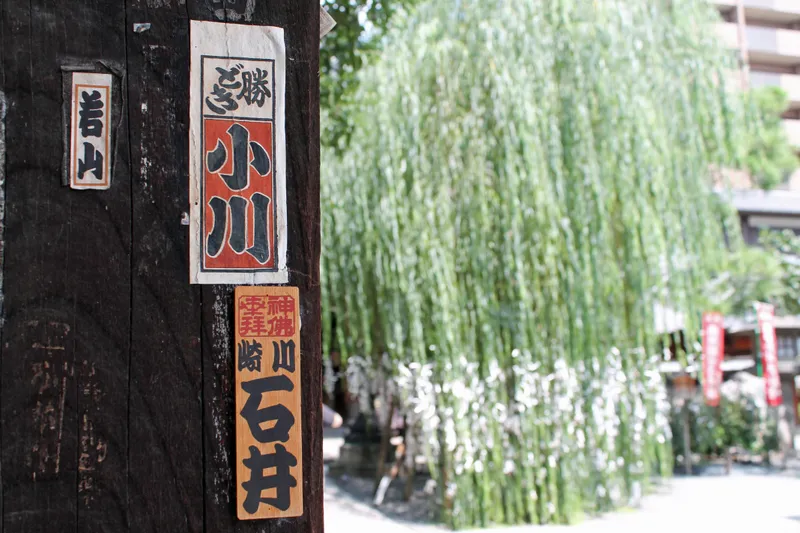 Temple
Rokkakudo
- Skill & Mastery
Said to be founded by Prince Shotoku, and the birthplace of ikebana — the head of the Ikenobo school serves as its abbot.
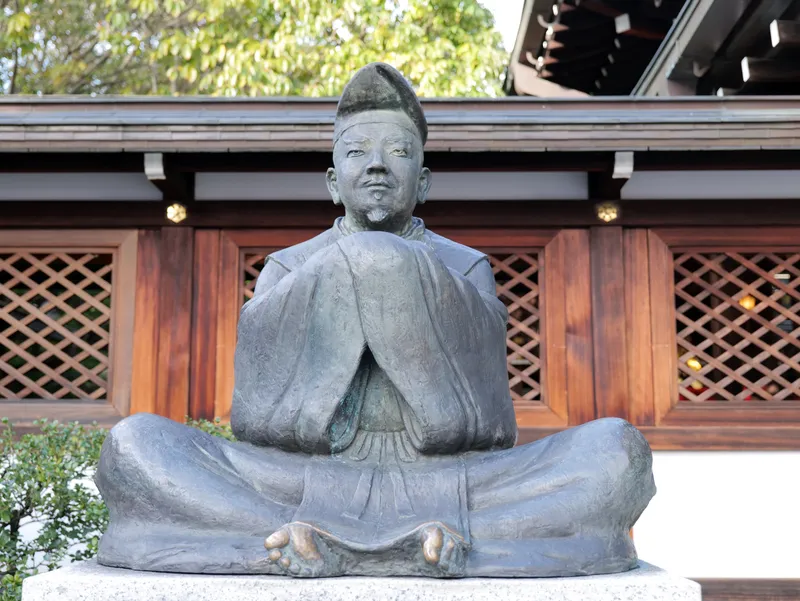 Shrine
Seimei Jinja
- Health & Healing
- Protection & Safety
A shrine to Abe no Seimei, whose crest — the five-pointed star — the shrine describes as one of the onmyodo talismans he devised.
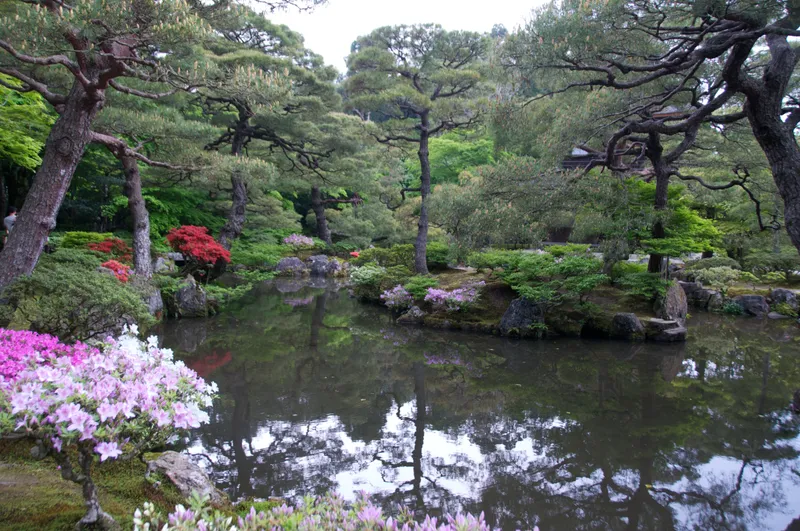 Temple
Ginkaku-ji
Ashikaga Yoshimasa’s mountain villa, later a temple — and he died without seeing the pavilion finished.
 Temple
Kinkaku-ji
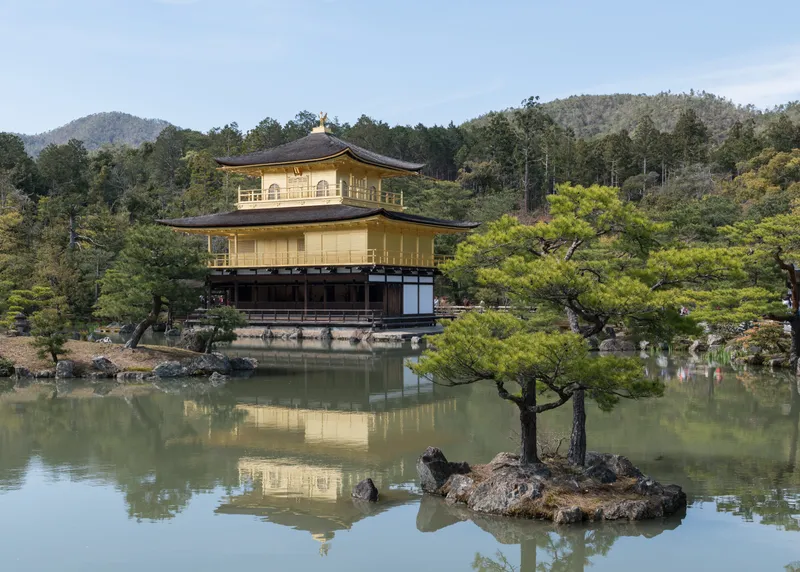
The mountain villa of Ashikaga Yoshimitsu, made a temple by his will — its pavilion holding a Shaka triad, a Kannon hall and the Buddha’s relics on three floors.
No places match your filters