Nanzen-ji
Zuiryuzan Nanzen-ji
Researched and translated with AI assistance. Every claim is linked to its source, but errors get through, so check the official site for opening times, fees and closures.About
In short
Founded in 1291, where the disturbances at a retired emperor’s palace ended, the temple says, because a Zen master simply sat, swept and kept the offices.
Quick facts
- Address
- 86 Nanzenji Fukuchicho, Sakyo-ku, Kyoto
About this place
Nanzen-ji stands in Sakyo, Kyoto. It was founded rather more than seven hundred and ten years ago, in 1291, when the retired Emperor Kameyama received the Zen master Mukan Fumon as founding abbot. In 1289 the retired emperor had taken the tonsure at his detached palace Zenrinji-dono. Strange happenings soon troubled the palace; Mukan stayed there with his monks and did nothing but sit in meditation, sweep and keep the daily offices — living exactly as in a meditation hall — and the disturbances came to an end.
Origin and history
Nanzen-ji was founded rather more than seven hundred and ten years ago, in 1291, when the retired Emperor Kameyama received the Zen master Mukan Fumon as founding abbot.
In 1289, the national crisis past, the retired emperor took the tonsure at his detached palace Zenrinji-dono.
Strange happenings soon troubled the palace. Mukan stayed there with his trainee monks and did nothing but sit in meditation, sweep and keep the daily offices — living exactly as in a meditation hall — and the strange happenings came to an end.
What it is locally associated with
Only sitting, sweeping and the offices
The temple records that the palace’s strange happenings ended when Mukan and his monks lived there exactly as in a meditation hall.
documented historyFounded in 1291
The retired Emperor Kameyama received Mukan Fumon as founding abbot in 1291.
documented historyTaking the tonsure at the palace
In 1289 the retired emperor took the tonsure at his detached palace Zenrinji-dono.
documented history
This temple’s founding story is an odd one. When the retired emperor’s palace was troubled, what the invited master did was neither prayer nor exorcism. He lived there with his monks, sat, swept, and kept the offices — the life of a meditation hall, moved indoors. And that, the temple records, was the end of it.
Nothing was chanted away. An ordinary daily routine was brought in and the trouble stopped. The temple offers no explanation; it sets it down as what happened.
No category of prayer is attached to this page. This is a founding anecdote about one palace, not something offered to people who come.
Claims and evidence levels 3
- Nanzen-ji was founded in 1291 when the retired Emperor Kameyama received the Zen master Mukan Fumon as founding abbot. documented history
- In 1289 the retired emperor took the tonsure at his detached palace Zenrinji-dono. documented history
- The temple records that strange happenings at the palace ended after Mukan and his monks stayed there living exactly as in a meditation hall — sitting, sweeping and keeping the daily offices. documented history
Related guides
- How to visit a shrine or temple in JapanThe country-wide basics: purifying at the water basin, the two-bows-two-claps-one-bow form at shrines, and what temples do instead.
- What a "power spot" actually isA modern Japanese coinage, not a traditional religious category. Where the word came from, what it does and does not claim, and why this site uses it anyway.
- Shrine or temple?A shrine is Shinto and a temple is Buddhist, and you can usually tell at the gate. Why the line is cleaner on paper than on the ground, and what a government order in 1868 has to do with it.
- Omamori, ema, omikuji and goshuinThe four things you are most likely to receive, write, draw or be given at a shrine or temple, what each is actually for, and the one of them people most often get wrong.
Sources
- 南禅寺の歴史 — 南禅寺 — Nanzen-ji (accessed 2026-08-13)
Last updated:
Similar places
8 places
 Shrine
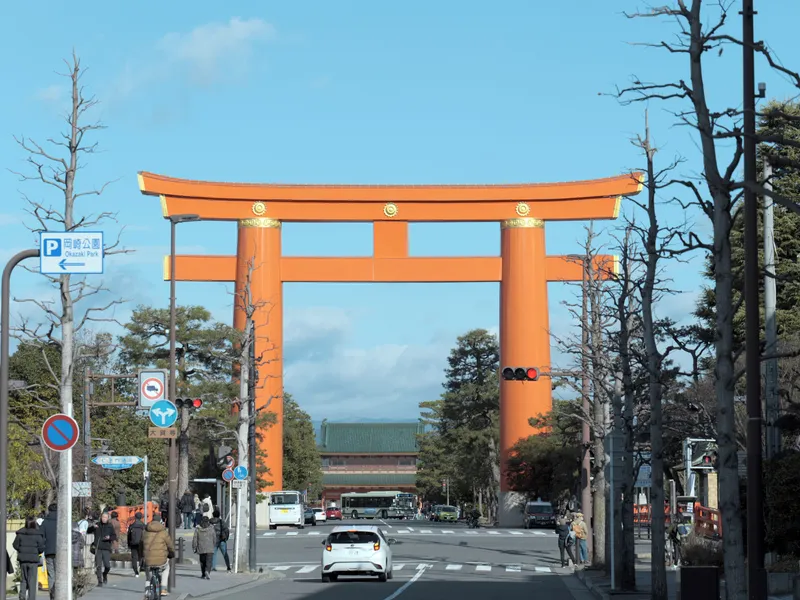
Heian Jingu
Founded in 1895 for the 1100th anniversary of the Heian capital, enshrining its first emperor and its last.
 Temple
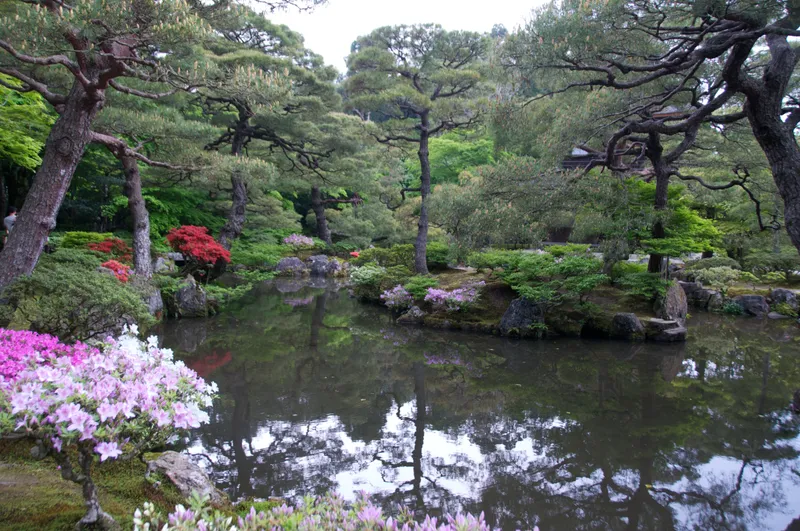
Ginkaku-ji
Ashikaga Yoshimasa’s mountain villa, later a temple — and he died without seeing the pavilion finished.
 Shrine
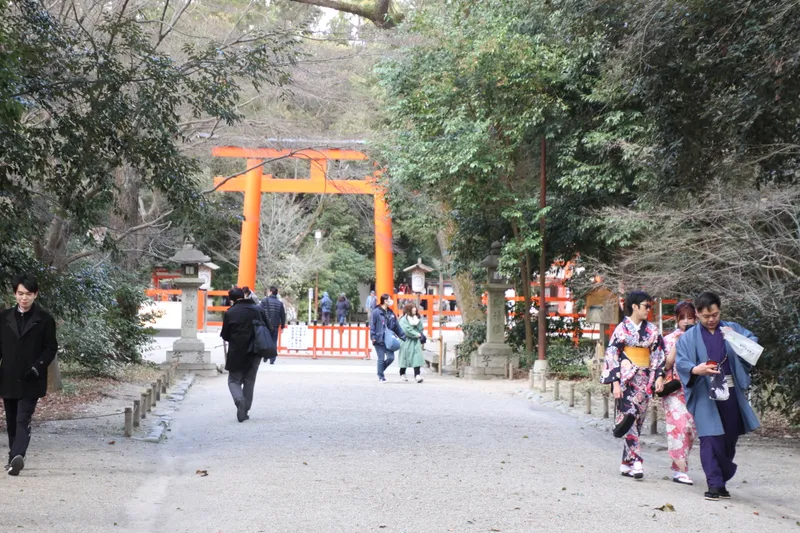
Shimogamo Jinja
- Family & Home
- Fertility & Children
- Love & Romance
A shrine where people pray for protection, marriage, children, safe birth, raising a family and safe travel, in a wood that predates the city.
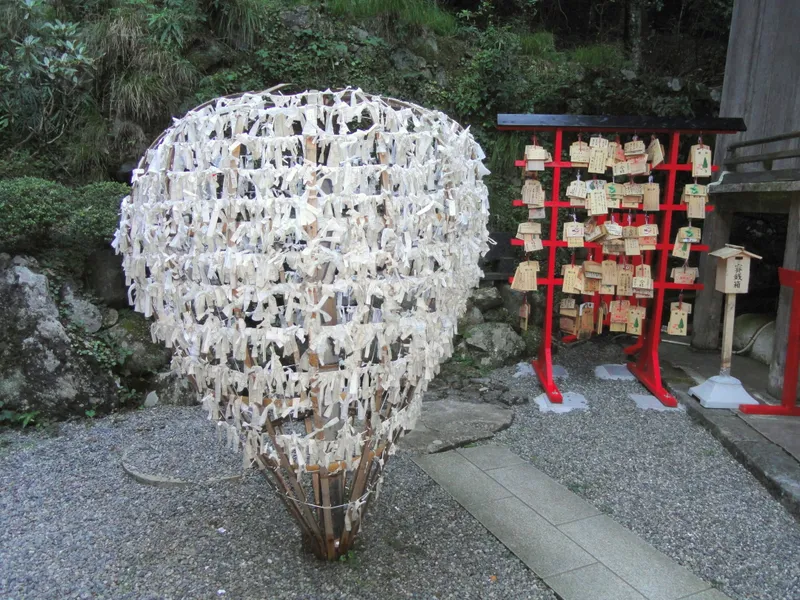 Shrine
Yuki Jinja
- Fertility & Children
- Love & Romance
- Money & Prosperity
Once kept inside the imperial palace as a guardian of the court, and the shrine whose fire festival re-enacts the night its deity was moved to Kurama.
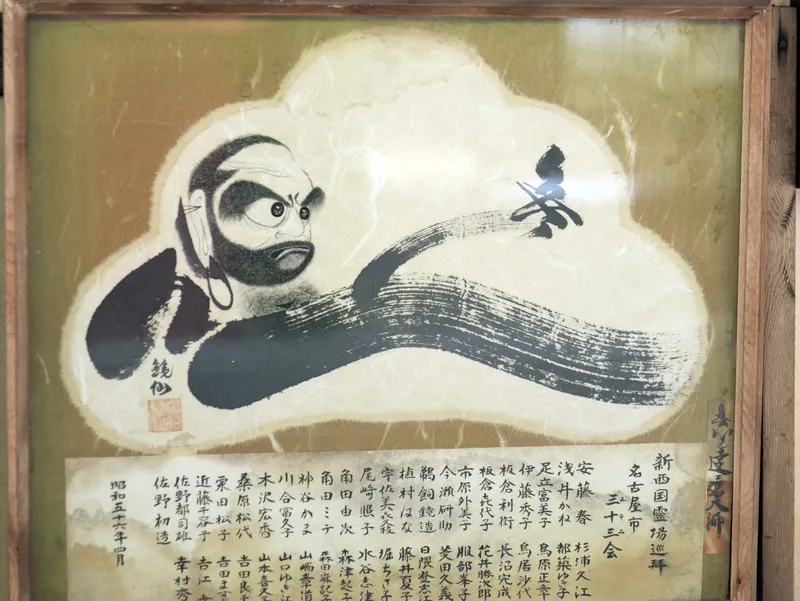 Temple
Kurama-dera
Founded in 770 on Mount Kurama, where the Kongosho stone floor before the main hall is described as a place of practice for uniting with cosmic energy.
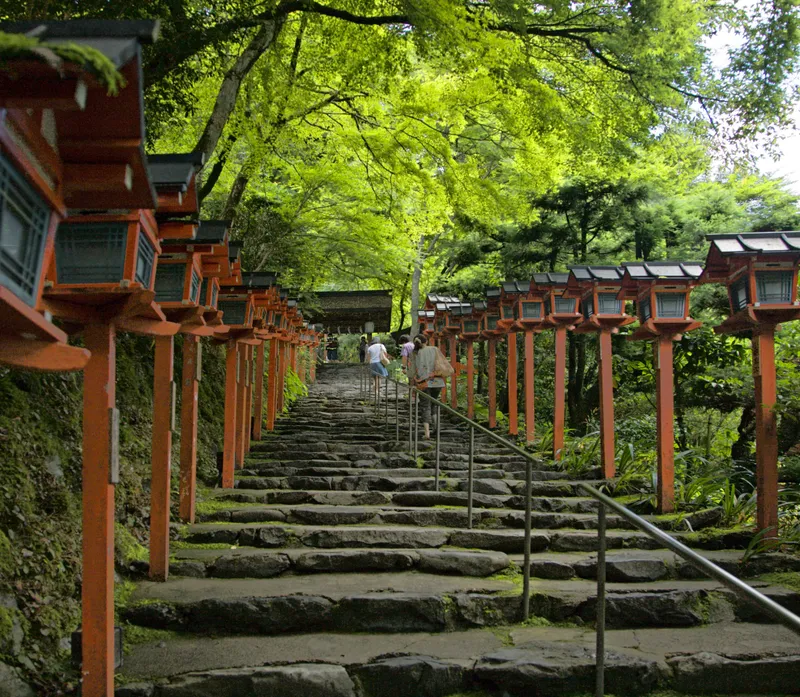 Shrine
Kifune Jinja
- Love & Romance
- Money & Prosperity
- Protection & Safety
A shrine to Kifune Okami, the deity governing the supply of water — and long famous as the shrine of love, with a subordinate shrine to a deity of matchmaking.
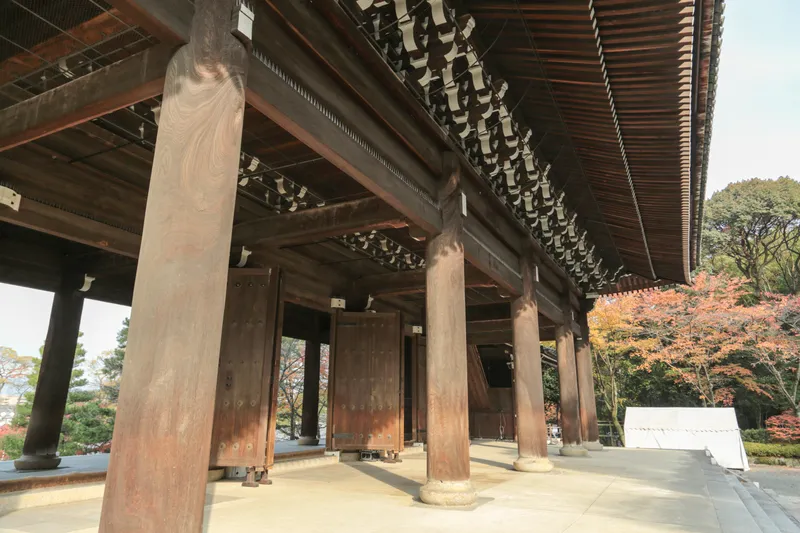 Temple
Chion-in
Head temple of the Pure Land school, carrying on the teaching Honen first preached in 1175.
 Temple
Kodai-ji
- Family & Home
Founded in 1606 by Kita-no-Mandokoro, Toyotomi Hideyoshi’s widow, to pray for the repose of her husband.
No places match your filters