Jishu Jinja
Researched and translated with AI assistance. Every claim is linked to its source, but errors get through, so check the official site for opening times, fees and closures.About
In short
A shrine to Okuninushi, the deity of matchmaking — currently closed for restoration of its buildings and grounds.
Quick facts
- Address
- 1-317 Kiyomizu, Higashiyama-ku, Kyoto
- Spiritual entities
- Ōkuninushi (大国主命)
About this place
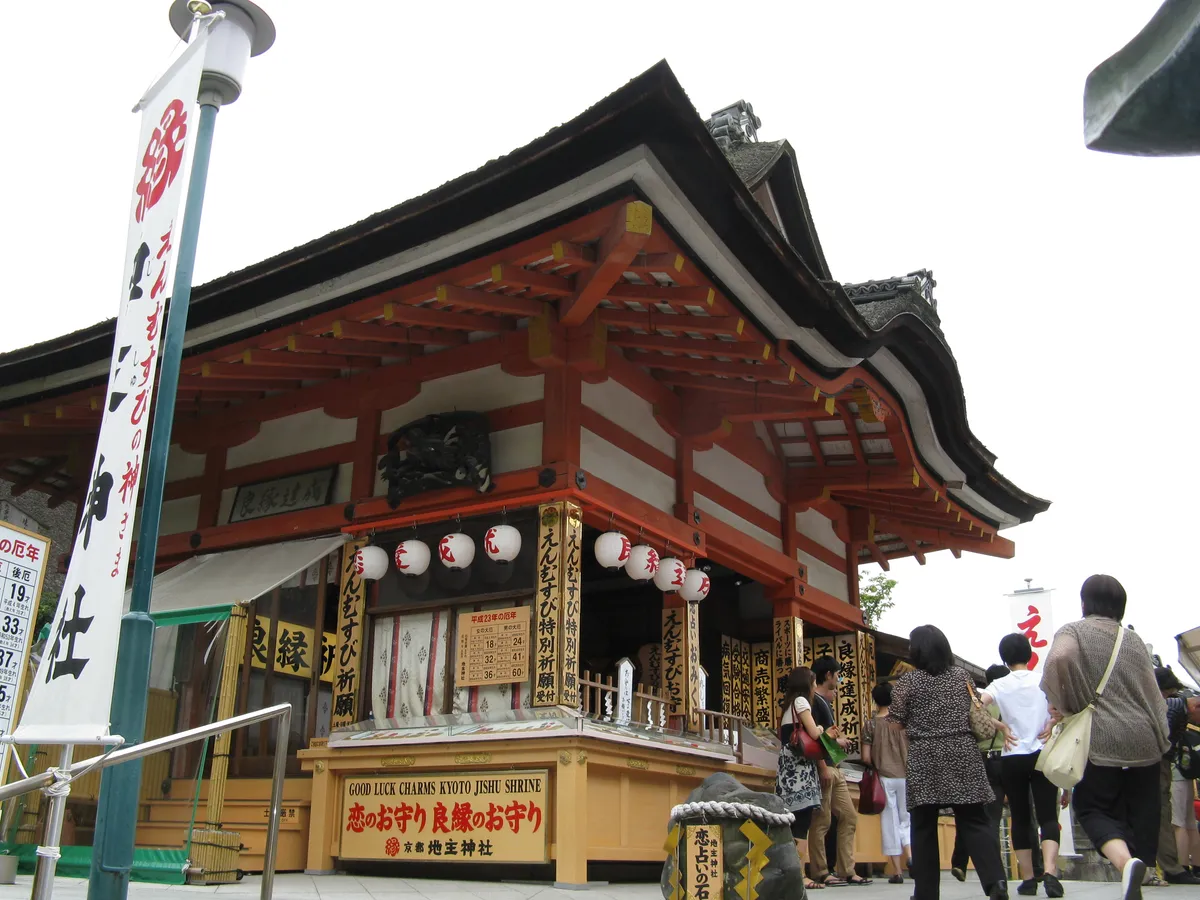
Jishu Jinja stands within the grounds of Kiyomizu-dera in Higashiyama, Kyoto. Its principal deity is Okuninushi, the deity of matchmaking, and the main sanctuary also enshrines his parents and the parents of Kushinadahime. The pair of "love fortune stones" in the precinct are wishing stones: walk from one to the other with your eyes closed and reach it, and the wish in love is said to come true. The main sanctuary, worship hall, main gate and the grounds are Important Cultural Properties and are inscribed as World Heritage. The shrine is currently closed for restoration work on its buildings and grounds.
Origin and history
Jishu Jinja has as its principal deity Okuninushi, the deity of matchmaking, and enshrines in its main sanctuary his parents and the parents of Kushinadahime.
The main sanctuary, worship hall, main gate and grounds are designated Important Cultural Properties and are inscribed as World Heritage.
The shrine is currently closed for restoration work on its buildings and grounds.
What it is locally associated with
The deity of matchmaking
Its principal deity is Okuninushi, the deity of matchmaking; his parents and the parents of Kushinadahime are also enshrined.
documented historyThe love fortune stones
Walk from one stone to the other with your eyes closed and reach it, and the wish in love is said to come true.
folk traditionCurrently closed
The shrine states that it is closed for restoration of its buildings and grounds, with no schedule or reopening date given.
documented history
The matchmaking here comes with a procedure. Two "love fortune stones" stand in the precinct. Walk from one with your eyes closed, and if you reach the other, the wish in love is said to come true. Not only asking, but walking it — that is the shape of it.
The principal deity is Okuninushi, whom the shrine calls the deity of matchmaking; his parents and the parents of Kushinadahime are enshrined in the main sanctuary as well.
But it cannot be visited now. The shrine states that it is closed for restoration work on its buildings and grounds, and gives neither a schedule nor a reopening date. You can climb the slope at Kiyomizu-dera and the gate will still be shut.
Claims and evidence levels 3
- Jishu Jinja has as its principal deity Okuninushi, the deity of matchmaking, and enshrines his parents and the parents of Kushinadahime in the main sanctuary. documented history
- The precinct holds two love fortune stones: walking from one to the other with the eyes closed and reaching it is said to make the wish in love come true. folk tradition
- The main sanctuary, worship hall, main gate and grounds are Important Cultural Properties and inscribed as World Heritage; the shrine is currently closed for restoration. documented history
Related guides
- How to visit a shrine or temple in JapanThe country-wide basics: purifying at the water basin, the two-bows-two-claps-one-bow form at shrines, and what temples do instead.
- What a "power spot" actually isA modern Japanese coinage, not a traditional religious category. Where the word came from, what it does and does not claim, and why this site uses it anyway.
- Shrine or temple?A shrine is Shinto and a temple is Buddhist, and you can usually tell at the gate. Why the line is cleaner on paper than on the ground, and what a government order in 1868 has to do with it.
- Omamori, ema, omikuji and goshuinThe four things you are most likely to receive, write, draw or be given at a shrine or temple, what each is actually for, and the one of them people most often get wrong.
Sources
- 地主神社 — Jishu Jinja (accessed 2026-08-13)
Last updated:
Similar places
8 places
 Shrine
Tsuyu no Tenjinsha
- Exams & Study
- Health & Healing
- Love & Romance
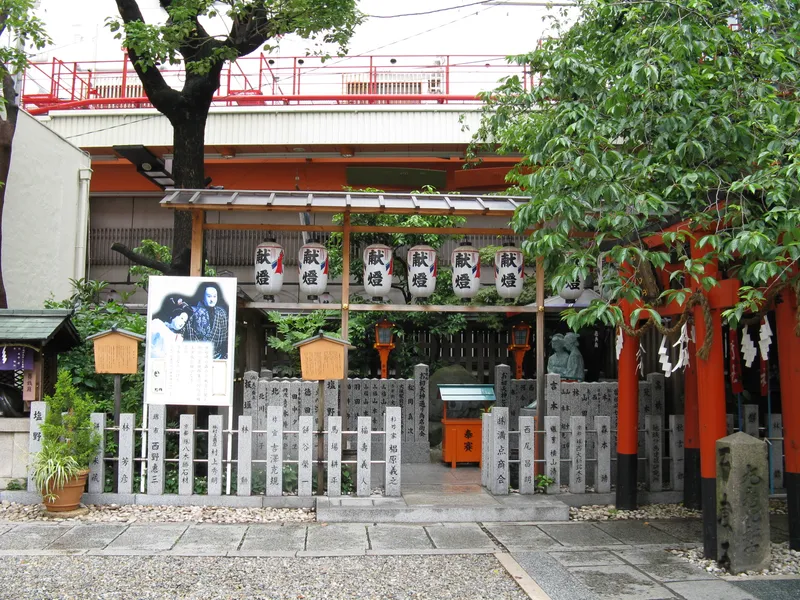
An old shrine of thirteen centuries whose grove was the scene of the double suicide behind Chikamatsu’s play, and where people now come to ask for love to come true.
 Temple
Kiyomizu-dera
- Career & Work
- Health & Healing
- Love & Romance
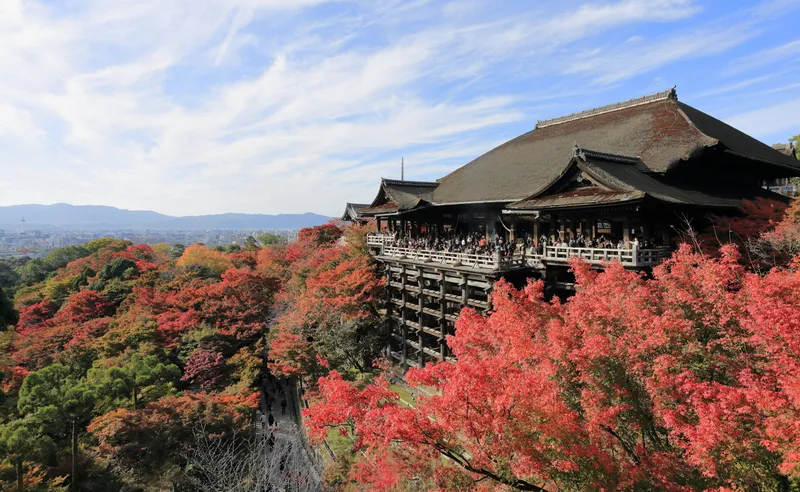
A Kannon temple begun in 778 beside the Otowa waterfall, venerated by those seeking health, advancement and a good match.
 Shrine
Shimogamo Jinja
- Family & Home
- Fertility & Children
- Love & Romance
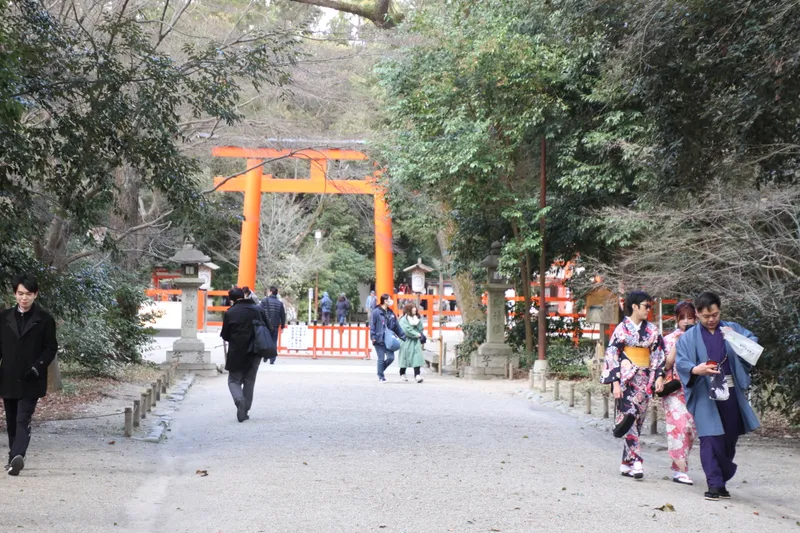
A shrine where people pray for protection, marriage, children, safe birth, raising a family and safe travel, in a wood that predates the city.
 Shrine
Yuki Jinja
- Fertility & Children
- Love & Romance
- Money & Prosperity
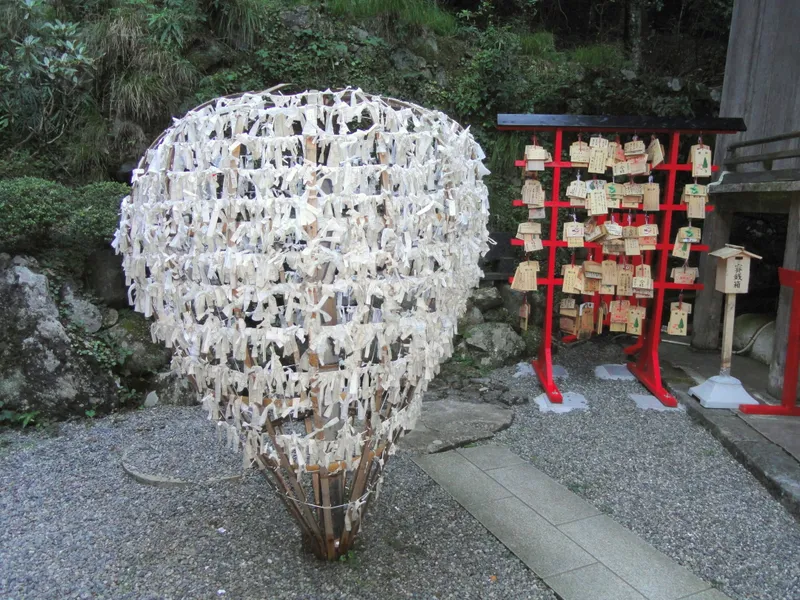
Once kept inside the imperial palace as a guardian of the court, and the shrine whose fire festival re-enacts the night its deity was moved to Kurama.
 Shrine
Kifune Jinja
- Love & Romance
- Money & Prosperity
- Protection & Safety
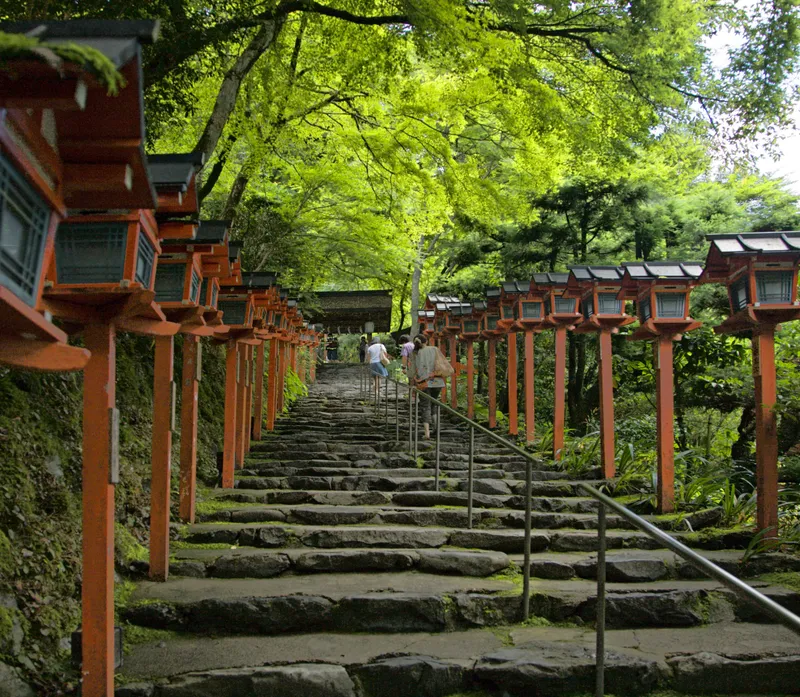
A shrine to Kifune Okami, the deity governing the supply of water — and long famous as the shrine of love, with a subordinate shrine to a deity of matchmaking.
 Temple
Shoman-in Aizendo
- Love & Romance
- Money & Prosperity
- Bonds & Matchmaking
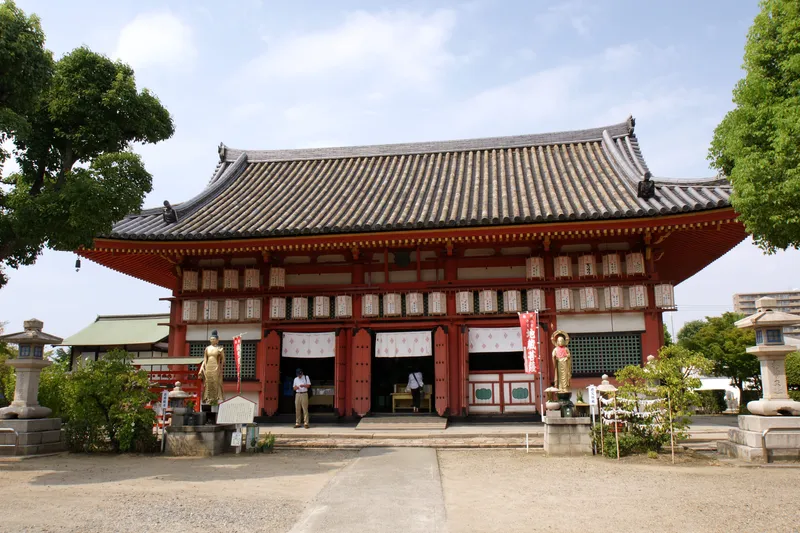
Founded by Prince Shotoku in 593 on the site of his dispensary — called the birthplace of welfare work — and known for the binding of ties and harmony between husband and wife.
 Shrine
Omiwa Jinja
- Protection & Safety
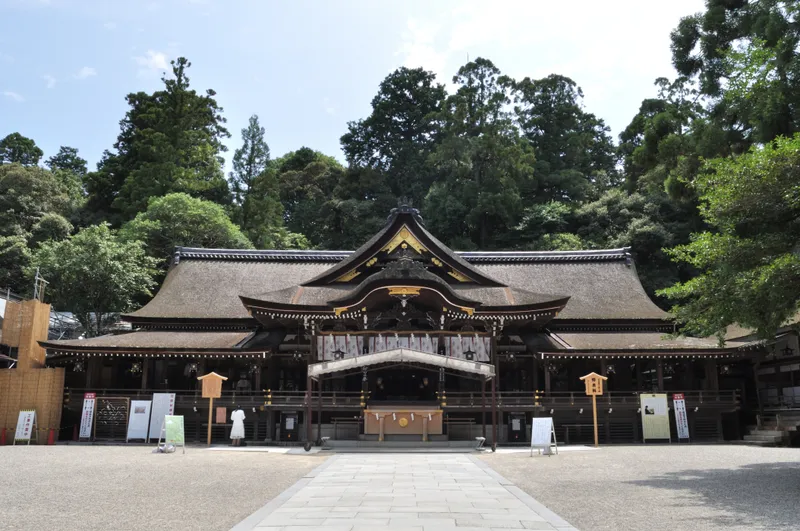
It has no main hall, because its deity dwells in Mount Miwa — prayer is offered to the mountain directly, in the form worship took before shrine buildings existed.
 Temple
Kodai-ji
- Family & Home
Founded in 1606 by Kita-no-Mandokoro, Toyotomi Hideyoshi’s widow, to pray for the repose of her husband.
No places match your filters