Ninna-ji
Omuro Gosho
Researched and translated with AI assistance. Every claim is linked to its source, but errors get through, so check the official site for opening times, fees and closures.About
In short
Head temple of the Omuro school of Shingon, standing since its founding in 888 — and named after the era it was finished in.
Quick facts
- Address
- 33 Omuroouchi, Ukyo-ku, Kyoto
About this place
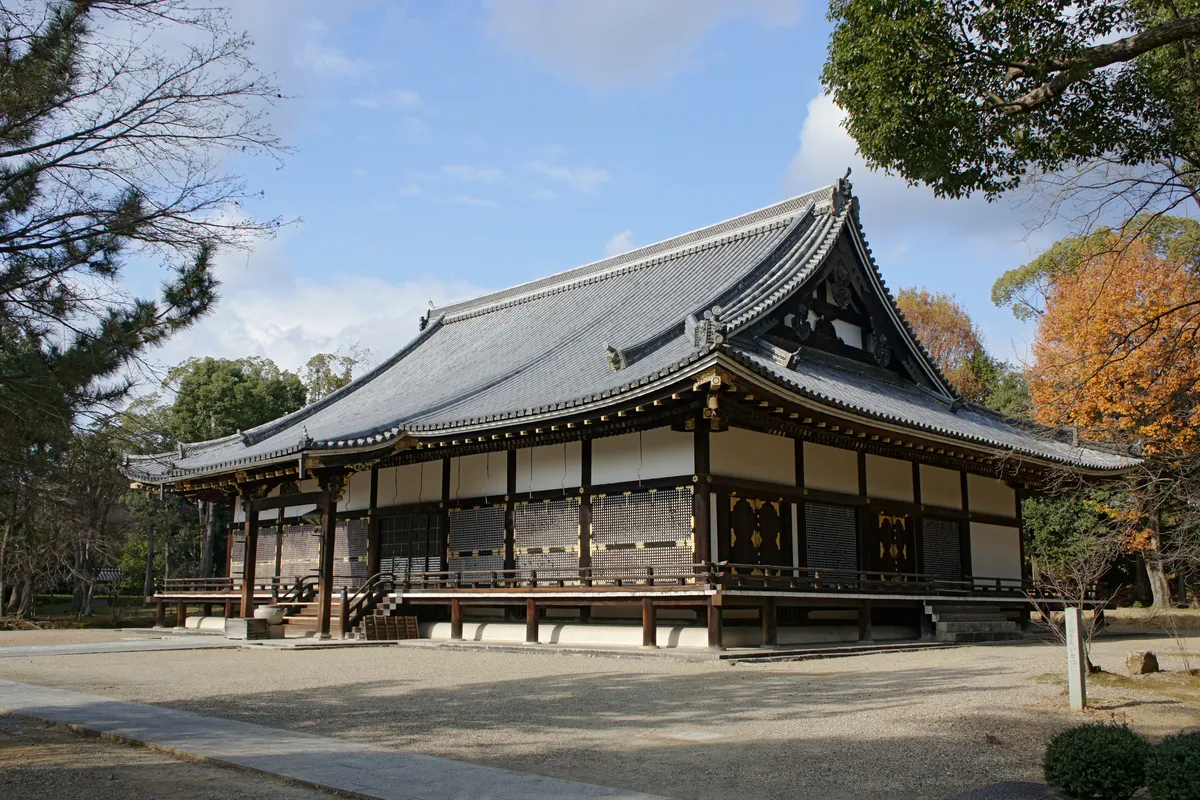
Ninna-ji is in Ukyo, Kyoto, and is head temple of the Omuro school of Shingon Buddhism. It has stood since its founding in the fourth year of Ninna, 888, and is inscribed as World Heritage. Its name comes from that era name, Ninna.
Origin and history
Ninna-ji has stood since its founding in the fourth year of Ninna, 888, and is head temple of the Omuro school of Shingon Buddhism.
It is inscribed as World Heritage.
What it is locally associated with
Named after an era
Founded in the fourth year of Ninna, 888, the temple takes its name from that era name.
documented historyHead temple of the Omuro school
Ninna-ji is head temple of the Omuro school of Shingon Buddhism and is inscribed as World Heritage.
documented history
Three things the temple states about itself with certainty: it was founded in the fourth year of Ninna, it is head temple of the Omuro school of Shingon, and it is World Heritage.
The name is inside the first of those. Built in the fourth year of Ninna, so: Ninna-ji. The era name became the temple’s name. Few temples in the capital can put their origin that briefly.
This page stops there. The circumstances of the founding and the line of abbots go beyond what the temple’s own account gives. No category of prayer is attached either.
Claims and evidence levels 2
- Ninna-ji has stood since its founding in the fourth year of Ninna, 888, and takes its name from that era name. documented history
- It is head temple of the Omuro school of Shingon Buddhism and is inscribed as World Heritage. documented history
Related guides
- How to visit a shrine or temple in JapanThe country-wide basics: purifying at the water basin, the two-bows-two-claps-one-bow form at shrines, and what temples do instead.
- What a "power spot" actually isA modern Japanese coinage, not a traditional religious category. Where the word came from, what it does and does not claim, and why this site uses it anyway.
- Shrine or temple?A shrine is Shinto and a temple is Buddhist, and you can usually tell at the gate. Why the line is cleaner on paper than on the ground, and what a government order in 1868 has to do with it.
- Omamori, ema, omikuji and goshuinThe four things you are most likely to receive, write, draw or be given at a shrine or temple, what each is actually for, and the one of them people most often get wrong.
Sources
- 仁和寺について — 総本山 仁和寺 — Ninna-ji (accessed 2026-08-13)
Last updated:
Similar places
8 places
 Temple
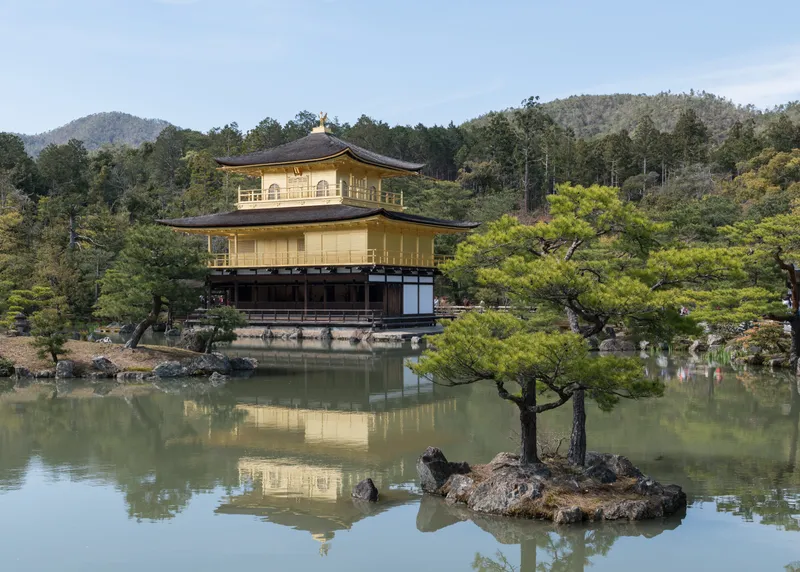
Kinkaku-ji
The mountain villa of Ashikaga Yoshimitsu, made a temple by his will — its pavilion holding a Shaka triad, a Kannon hall and the Buddha’s relics on three floors.
 Shrine
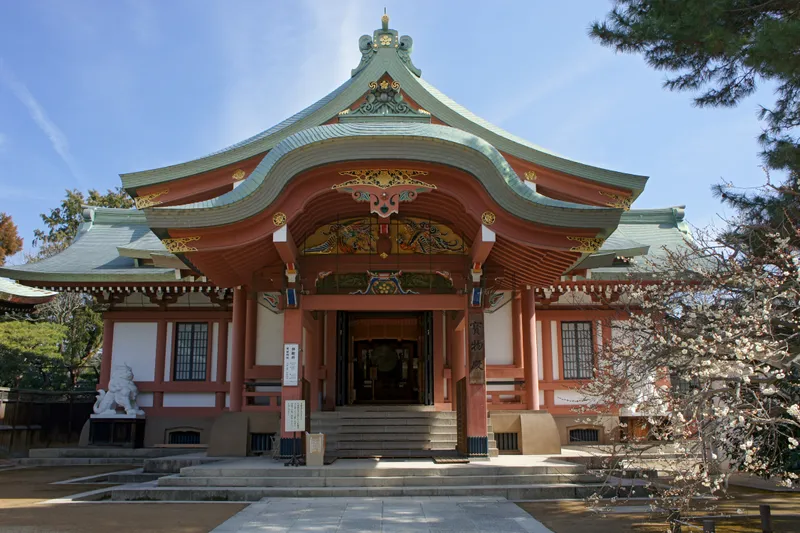
Kitano Tenmangu
- Exams & Study
- Protection & Safety
- Skill & Mastery
Head shrine of some twelve thousand Tenmangu shrines, widely venerated for success in entrance examinations and in study.
 Shrine
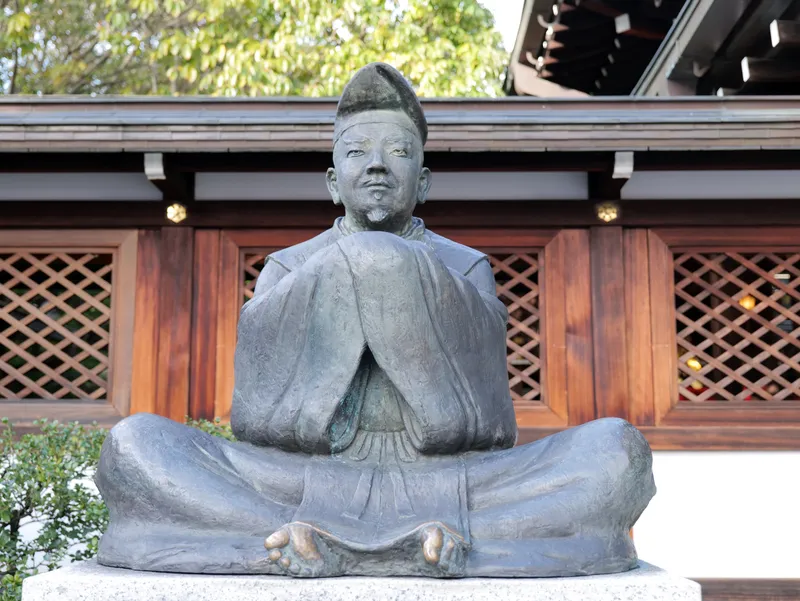
Seimei Jinja
- Health & Healing
- Protection & Safety
A shrine to Abe no Seimei, whose crest — the five-pointed star — the shrine describes as one of the onmyodo talismans he devised.
 Temple
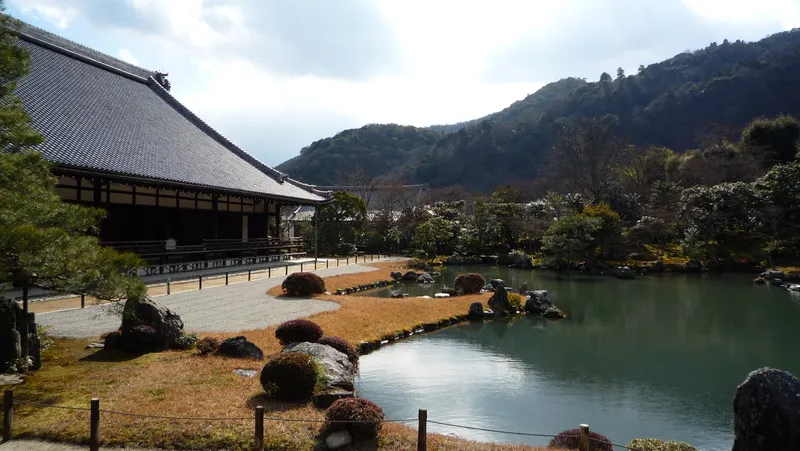
Tenryu-ji
Built in 1339 by Ashikaga Takauji, with Muso Soseki as founding abbot, to pray for the soul of Emperor Go-Daigo.
 Temple
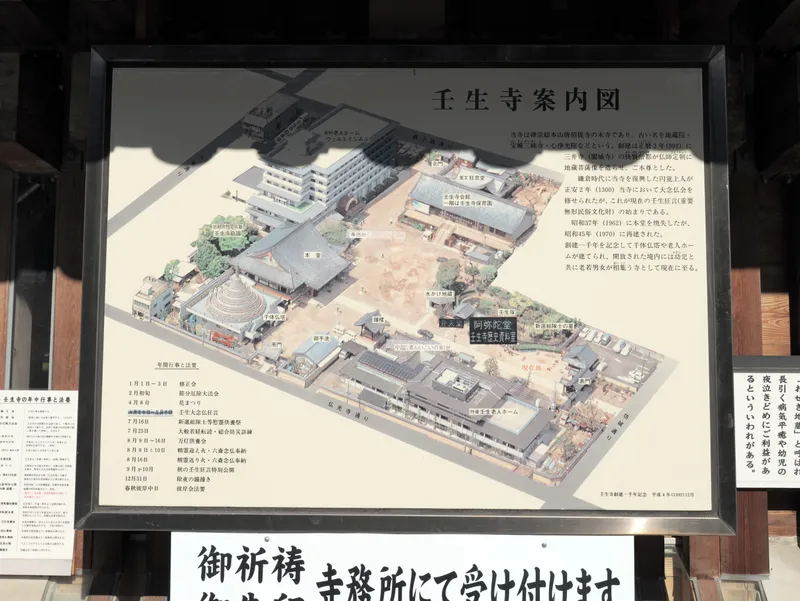
Mibu-dera
- Protection & Safety
Founded in 991 as a temple for warding off misfortune, whose February setsubun rite has about nine hundred years of history.
 Shrine
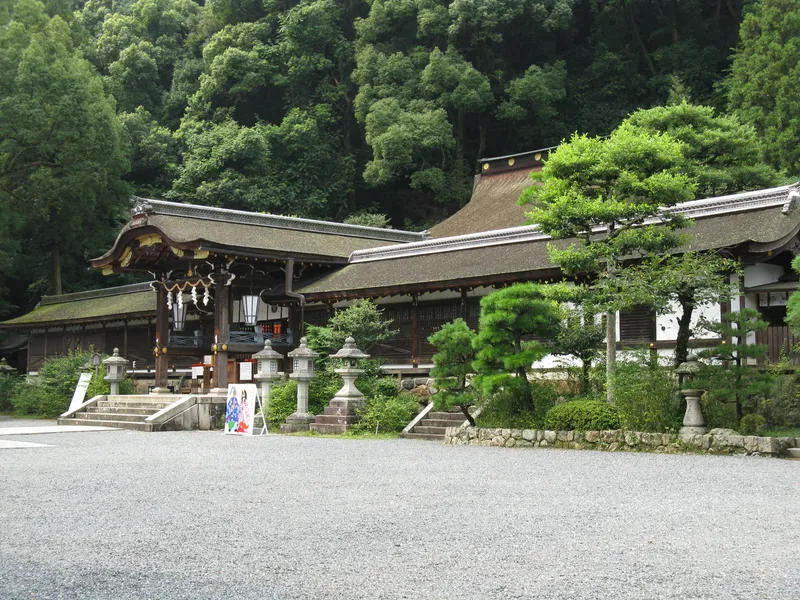
Matsunoo Taisha
- Skill & Mastery
Revered since the late Muromachi period as Japan’s foremost deity of sake brewing — because the clan that founded it were brewers.
 Shrine
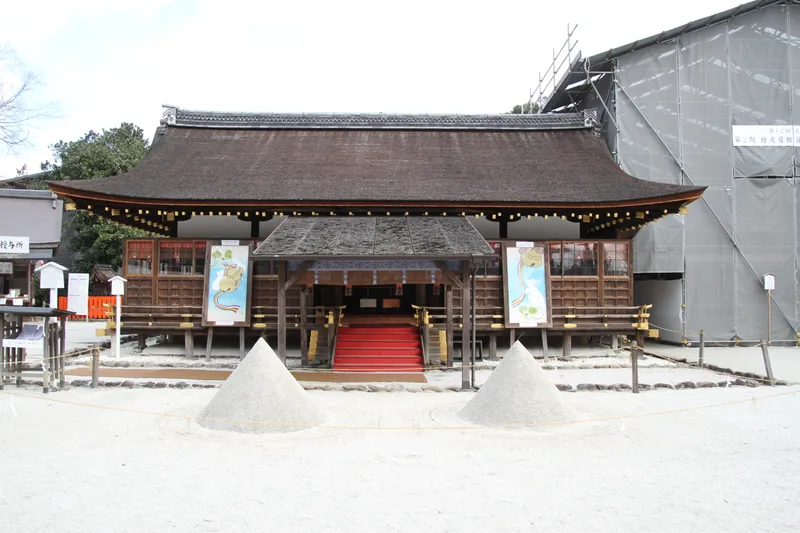
Kamigamo Jinja
- Protection & Safety
- Skill & Mastery
A shrine to Kamo Wakeikazuchi, whose listed benefits run from warding off lightning to guarding the electrical industry.
 Temple
Rokkakudo
- Skill & Mastery
Said to be founded by Prince Shotoku, and the birthplace of ikebana — the head of the Ikenobo school serves as its abbot.
No places match your filters