Fushimi Inari Taisha
Fushimi Inari Shrine · Oinari-san
Researched and translated with AI assistance. Every claim is linked to its source, but errors get through, so check the official site for opening times, fees and closures.About
In short
The head shrine of the thirty thousand Inari shrines across Japan, whose deity is venerated for harvests and the prosperity of trade.
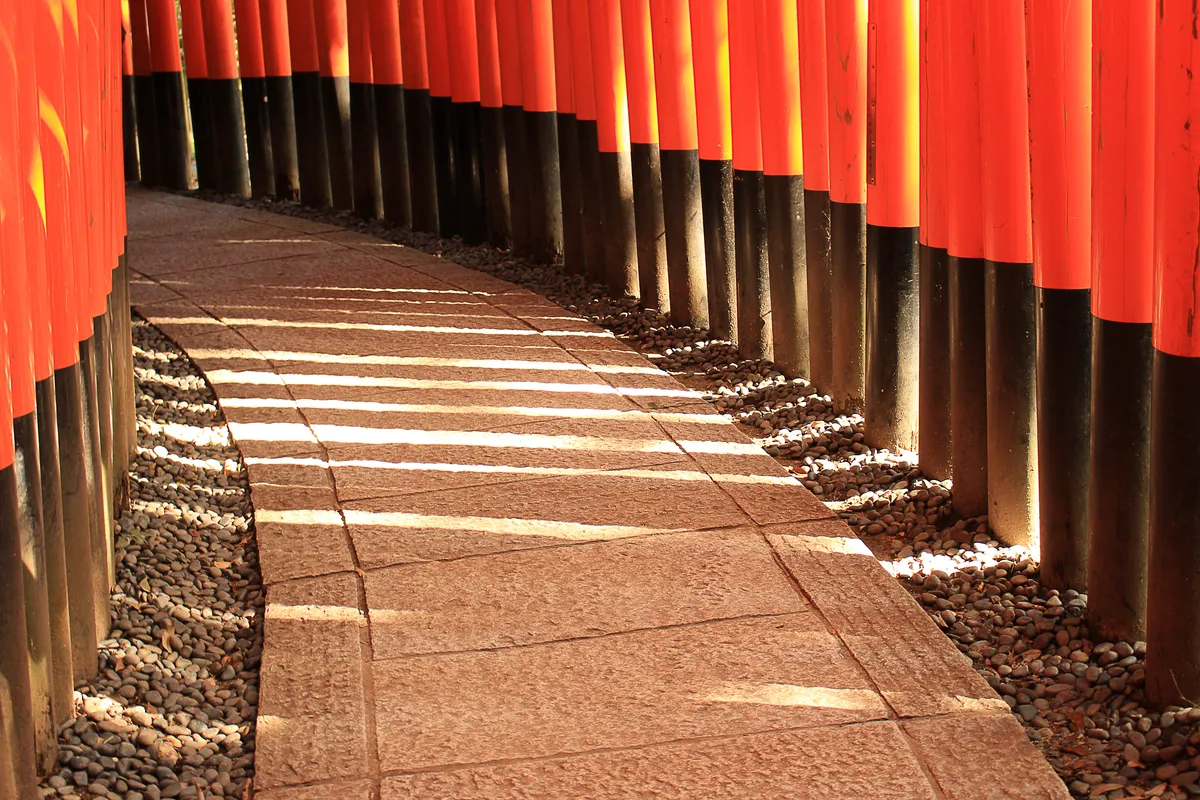
Quick facts
- Address
- 68 Fukakusa Yabunouchicho, Fushimi-ku, Kyoto
- Spiritual entities
- Inari (稲荷大神)
About this place
Fushimi Inari Taisha stands at the foot of Inariyama in Fushimi, Kyoto, and is the head shrine of the Inari shrines of Japan, said to number thirty thousand. By the shrine’s account, the deity Inari Okami took up residence on this mountain on the first Horse day of the second month of 711, in the Nara period. The shrine describes Inari Okami as the deity of abundant harvests, prosperous trade, the safety of the household, and the granting of prayers.
Origin and history
Fushimi Inari Taisha records that Inari Okami came to dwell on this mountain on the first Horse day of the second month of 711, the fourth year of Wadō, in the Nara period.
The shrine has been the centre of Inari devotion ever since, and stands as head shrine to the Inari shrines across the country, said to number thirty thousand.
What it is locally associated with
The deity of prosperous trade
The shrine describes Inari Okami as the deity of abundant harvests, prosperous trade, household safety, and prayers fulfilled.
documented historyHead shrine of thirty thousand
Inari shrines across Japan are said to number thirty thousand, and this shrine stands at their head.
documented history711, on the first Horse day
By the shrine’s account, Inari Okami took up residence on this mountain on the first Horse day of the second month of 711.
documented history
What is believed here, the shrine states itself, in four phrases: abundant harvests, prosperous trade, safety of the household, prayers fulfilled. A deity first asked for the rice crop came, as the towns grew, to be asked about trade — and that whole widening is preserved in the four phrases.
The other fact is the number. Inari shrines are said to number thirty thousand across Japan, and this is the head of them all. One mountain’s deity came to have that many branches.
Because the enshrinement fell on the first Horse day of the second month, Hatsuuma — the first Horse day — remains the Inari festival day.
Claims and evidence levels 3
- Fushimi Inari Taisha records that Inari Okami took up residence on Inariyama on the first Horse day of the second month of 711. documented history
- The shrine describes Inari Okami as the deity of abundant harvests, prosperous trade, household safety and the granting of prayers. documented history
- It is the head shrine of the Inari shrines across Japan, said to number thirty thousand. documented history
Related guides
- How to visit a shrine or temple in JapanThe country-wide basics: purifying at the water basin, the two-bows-two-claps-one-bow form at shrines, and what temples do instead.
- What a "power spot" actually isA modern Japanese coinage, not a traditional religious category. Where the word came from, what it does and does not claim, and why this site uses it anyway.
- Shrine or temple?A shrine is Shinto and a temple is Buddhist, and you can usually tell at the gate. Why the line is cleaner on paper than on the ground, and what a government order in 1868 has to do with it.
- Omamori, ema, omikuji and goshuinThe four things you are most likely to receive, write, draw or be given at a shrine or temple, what each is actually for, and the one of them people most often get wrong.
Sources
- 伏見稲荷大社について — 伏見稲荷大社 — Fushimi Inari Taisha (accessed 2026-08-13)
Last updated:
Similar places
8 places
 Shrine
Yuki Jinja
- Fertility & Children
- Love & Romance
- Money & Prosperity
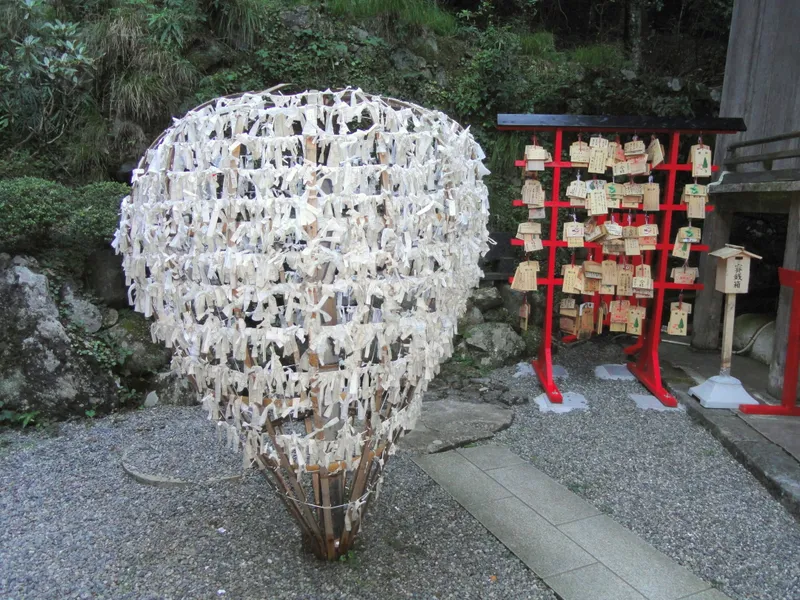
Once kept inside the imperial palace as a guardian of the court, and the shrine whose fire festival re-enacts the night its deity was moved to Kurama.
 Shrine
Kifune Jinja
- Love & Romance
- Money & Prosperity
- Protection & Safety
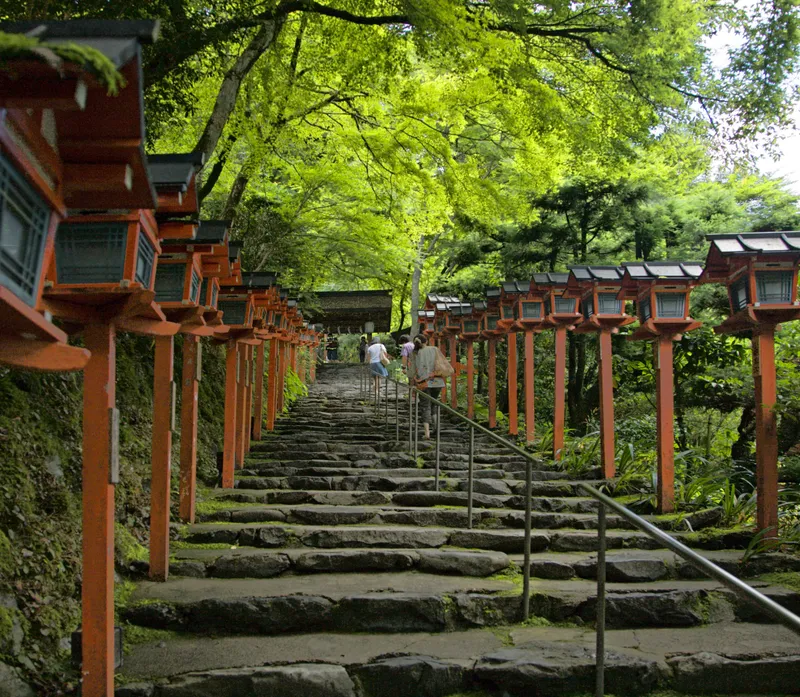
A shrine to Kifune Okami, the deity governing the supply of water — and long famous as the shrine of love, with a subordinate shrine to a deity of matchmaking.
 Shrine
Himuro Shrine
- Money & Prosperity
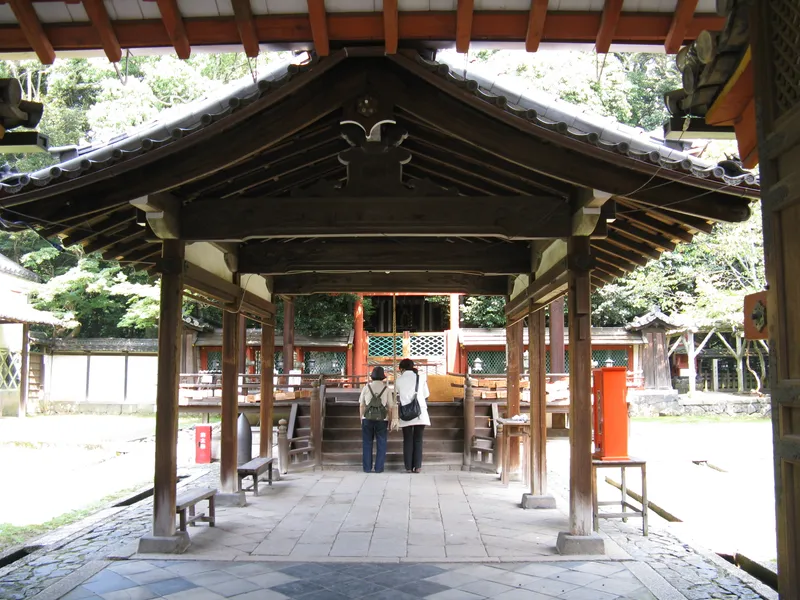
A shrine that began as the ice house supplying the Nara capital, where ice makers and sellers from across the country still gather to pray for the year’s trade.
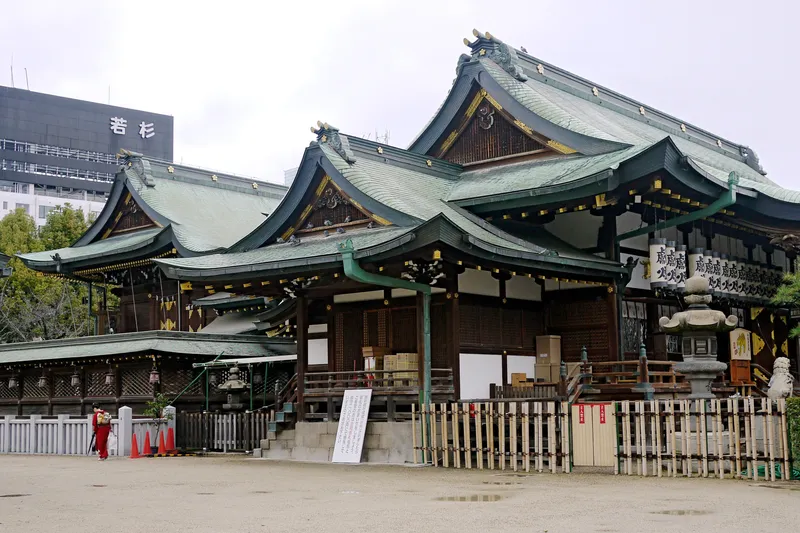 Shrine
Osaka Tenmangu
- Exams & Study
- Money & Prosperity
- Protection & Safety
Built by imperial order on the spot where Sugawara no Michizane prayed for a safe journey to Dazaifu, after seven pines grew there overnight and shone each night.
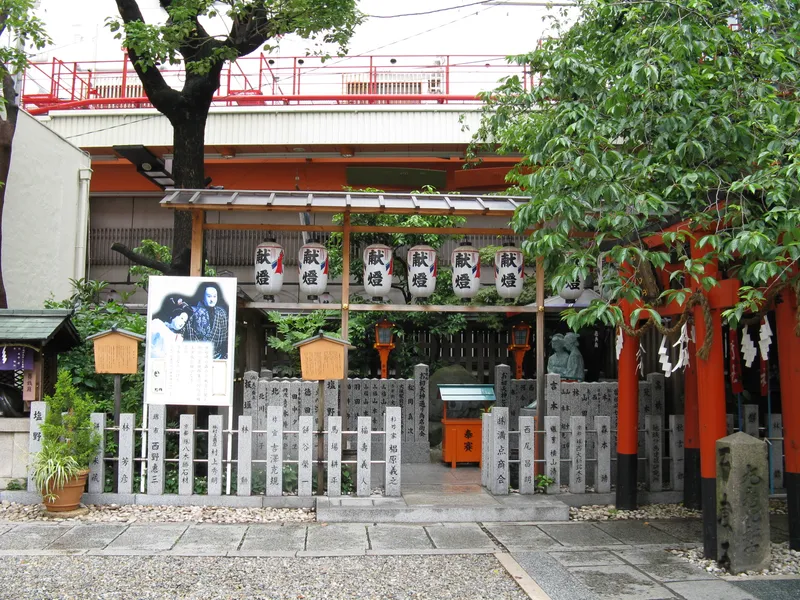 Shrine
Tsuyu no Tenjinsha
- Exams & Study
- Health & Healing
- Love & Romance
An old shrine of thirteen centuries whose grove was the scene of the double suicide behind Chikamatsu’s play, and where people now come to ask for love to come true.
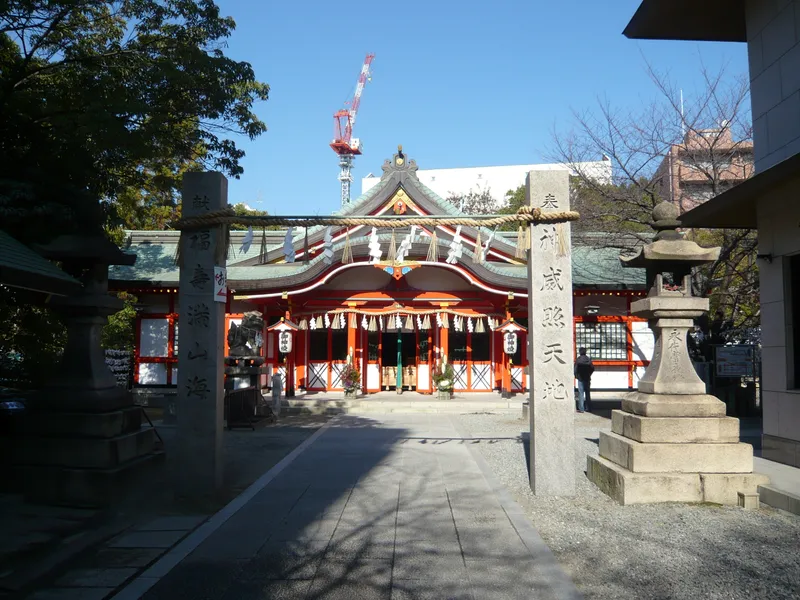 Shrine
Tamatsukuri Inari Jinja
Transmitted as founded in 12 BC, revered through the Toyotomi and Tokugawa ages as the guardian deity of Osaka Castle, and the origin of the place-name Tamatsukuri.
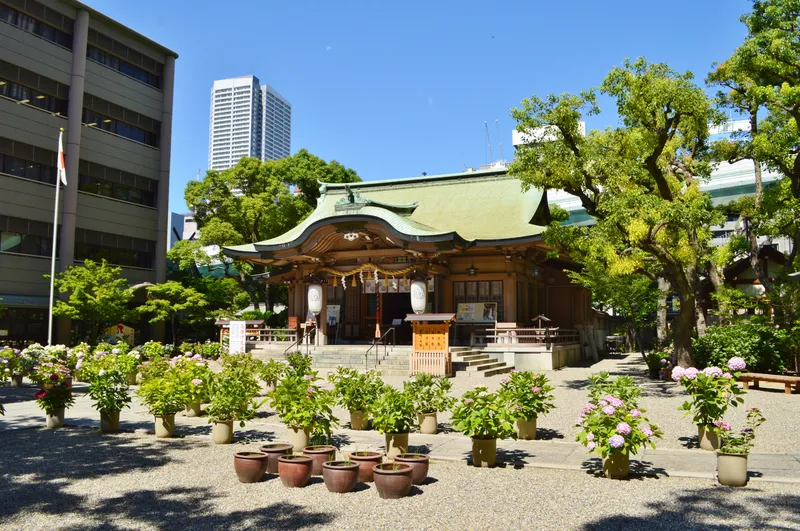 Shrine
Ikasuri Jinja
- Family & Home
- Fertility & Children
- Money & Prosperity
Because it is the deity of this ground, the shrine records, it governs safe childbirth, children’s safe growth and safety in trade.
 Shrine
Kozu-gu
- Fertility & Children
- Money & Prosperity
Founded in 866, when an imperial order sent a search for the ruins of the old capital and the shrine was built where they were found.
No places match your filters