Kodai-ji
Jubuzan Kodai-ji
Researched and translated with AI assistance. Every claim is linked to its source, but errors get through, so check the official site for opening times, fees and closures.About
In short
Founded in 1606 by Kita-no-Mandokoro, Toyotomi Hideyoshi’s widow, to pray for the repose of her husband.
Quick facts
- Address
- 526 Shimokawaracho, Higashiyama-ku, Kyoto
About this place
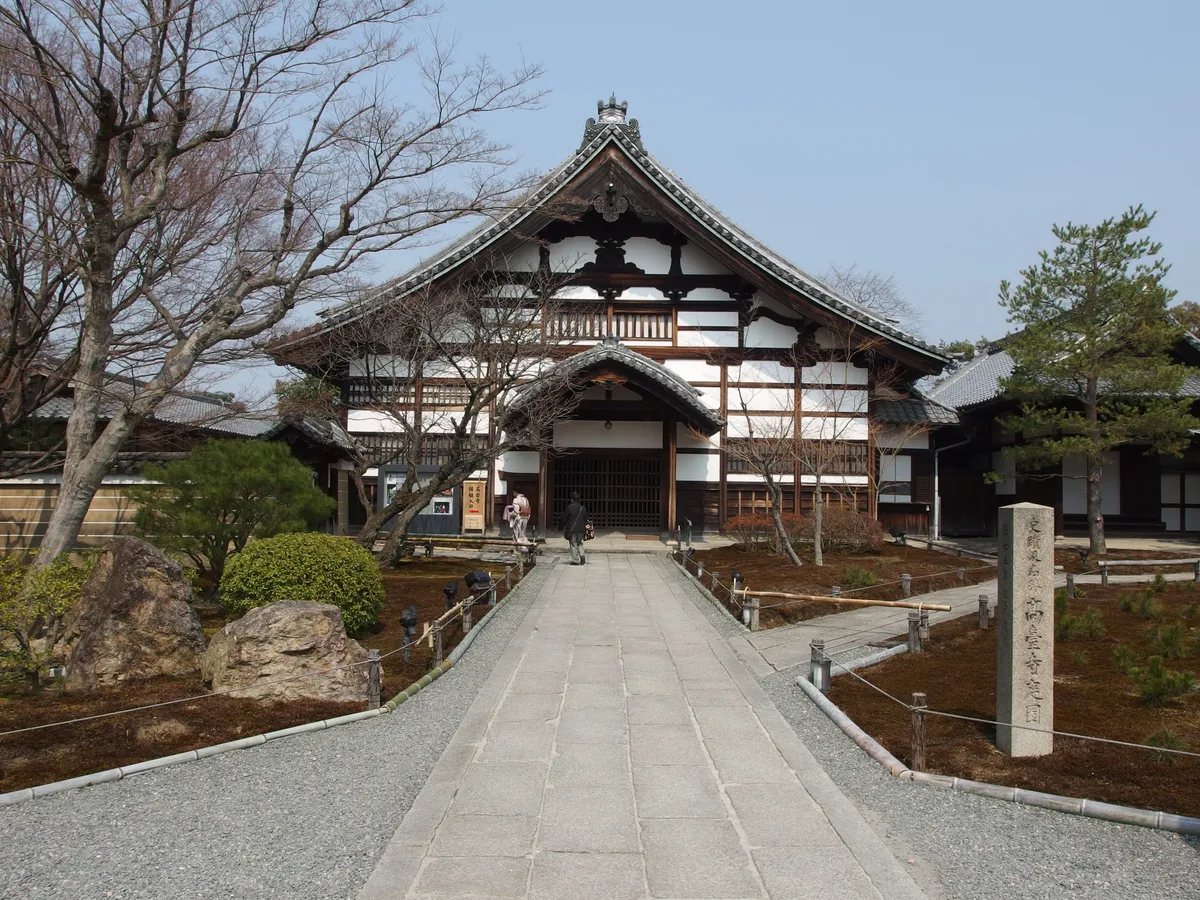
Kodai-ji stands in Higashiyama, Kyoto. After Toyotomi Hideyoshi’s death, his wife Kita-no-Mandokoro — known as Nene, and as Kodaiin Kogetsuni after taking orders — founded it in 1606 to pray for his repose. In building it, Tokugawa Ieyasu gave large financial support out of the political calculation of the time, and the temple is said to have been magnificent as a result. In the seventh month of 1624, the priest Sanko of Kennin-ji was received as founding abbot and the temple took the name Kodai-ji.
Origin and history
Kodai-ji was founded in 1606 by Kita-no-Mandokoro — Nene, who took the religious name Kodaiin Kogetsuni — to pray for the repose of her husband Toyotomi Hideyoshi after his death.
In the building of it, Tokugawa Ieyasu gave large financial support out of the political calculation of the day, and the temple’s appearance is said to have been magnificent as a result.
In the seventh month of 1624, the priest Sanko of Kennin-ji was received as founding abbot, and the temple took the name Kodai-ji.
What it is locally associated with
To pray for a husband’s repose
After Hideyoshi’s death his wife Nene founded the temple in 1606 to pray for his repose.
documented historyIeyasu’s financial support
Tokugawa Ieyasu gave large financial support to the building, out of the political calculation of the time.
documented historyA founding abbot in 1624
In the seventh month of 1624 the priest Sanko of Kennin-ji was received as founding abbot and the temple took its name.
documented history
Why this temple exists takes one line. A wife built it to pray for her husband’s repose — Nene founded it in 1606, after Hideyoshi died.
The temple sets one more line beside that. Most of the building cost came from Tokugawa Ieyasu, and the temple gives the reason as the political calculation of the day. A temple for Hideyoshi’s soul, funded by the man whose house would destroy Hideyoshi’s. The temple writes that and no more. Neither does this page.
The founding abbot arrived eighteen years after the building began, in 1624.
Claims and evidence levels 3
- After Toyotomi Hideyoshi’s death, his wife Kita-no-Mandokoro founded Kodai-ji in 1606 to pray for his repose. documented history
- Tokugawa Ieyasu gave large financial support to the building out of the political calculation of the time. documented history
- In the seventh month of 1624 the priest Sanko of Kennin-ji was received as founding abbot and the temple took the name Kodai-ji. documented history
Related guides
- How to visit a shrine or temple in JapanThe country-wide basics: purifying at the water basin, the two-bows-two-claps-one-bow form at shrines, and what temples do instead.
- What a "power spot" actually isA modern Japanese coinage, not a traditional religious category. Where the word came from, what it does and does not claim, and why this site uses it anyway.
- Shrine or temple?A shrine is Shinto and a temple is Buddhist, and you can usually tell at the gate. Why the line is cleaner on paper than on the ground, and what a government order in 1868 has to do with it.
- Omamori, ema, omikuji and goshuinThe four things you are most likely to receive, write, draw or be given at a shrine or temple, what each is actually for, and the one of them people most often get wrong.
Sources
- 高台寺の歴史 — 高台寺 — Kodai-ji (accessed 2026-08-13)
Last updated:
Similar places
8 places
 Shrine
Shimogamo Jinja
- Family & Home
- Fertility & Children
- Love & Romance
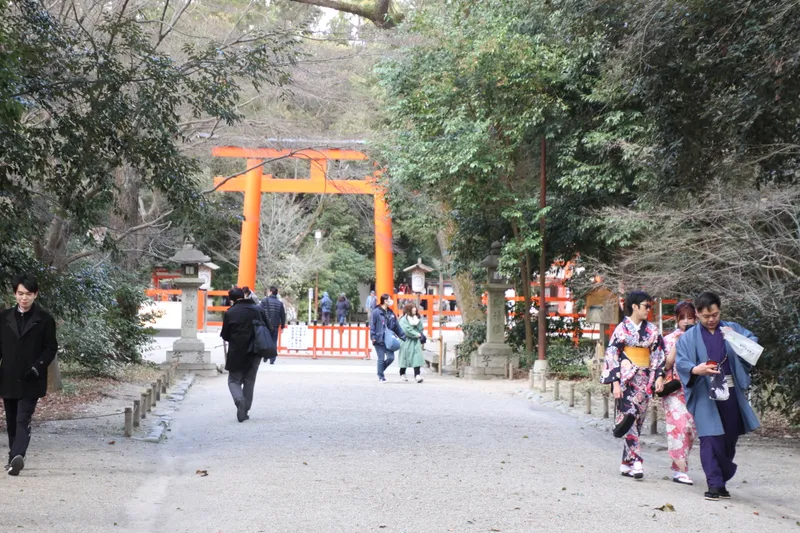
A shrine where people pray for protection, marriage, children, safe birth, raising a family and safe travel, in a wood that predates the city.
 Temple
Horyu-ji
- Family & Home
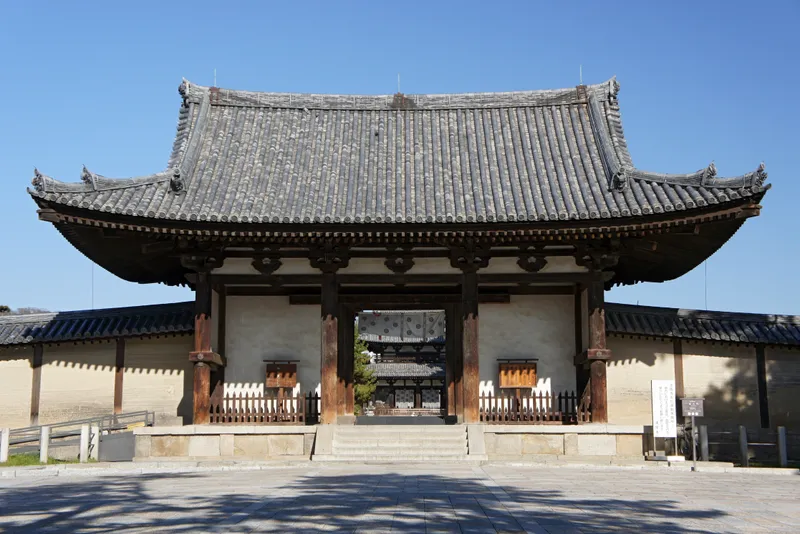
Prince Shotoku vowed to build it for his late father Emperor Yomei; completed around 607, its western precinct is the oldest group of wooden buildings in the world.
 Shrine
Ikasuri Jinja
- Family & Home
- Fertility & Children
- Money & Prosperity
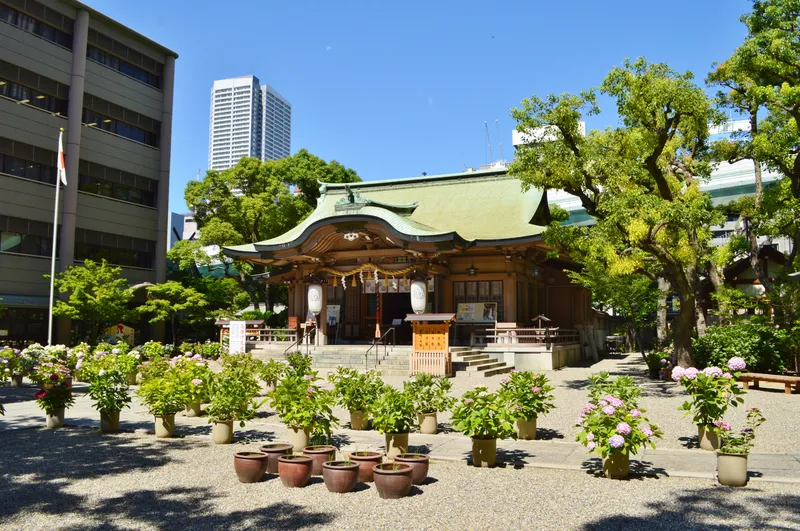
Because it is the deity of this ground, the shrine records, it governs safe childbirth, children’s safe growth and safety in trade.
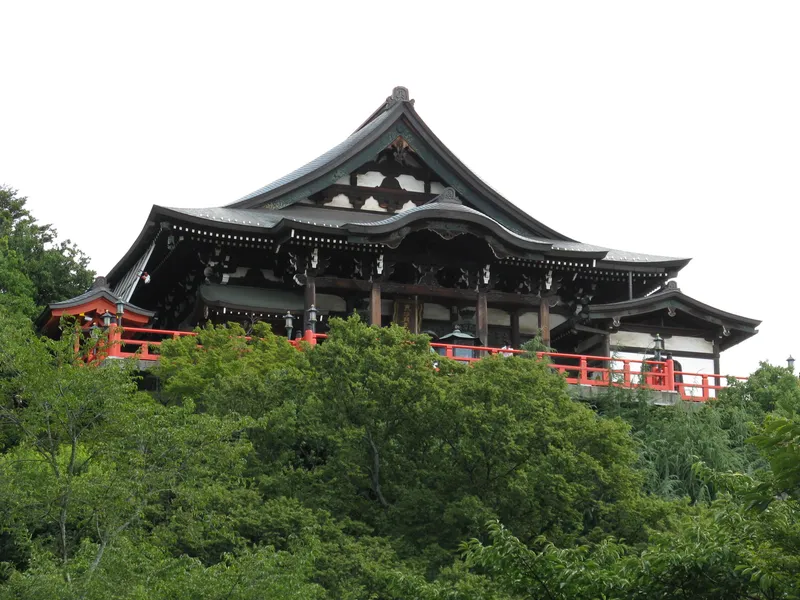 Temple
Chogosonshi-ji
- Family & Home
- Health & Healing
- Protection & Safety
Prince Shotoku is said to have perceived Bishamonten on this mountain at the tiger hour of the tiger day of the tiger year, and the temple received its name when Emperor Daigo recovered from grave illness.
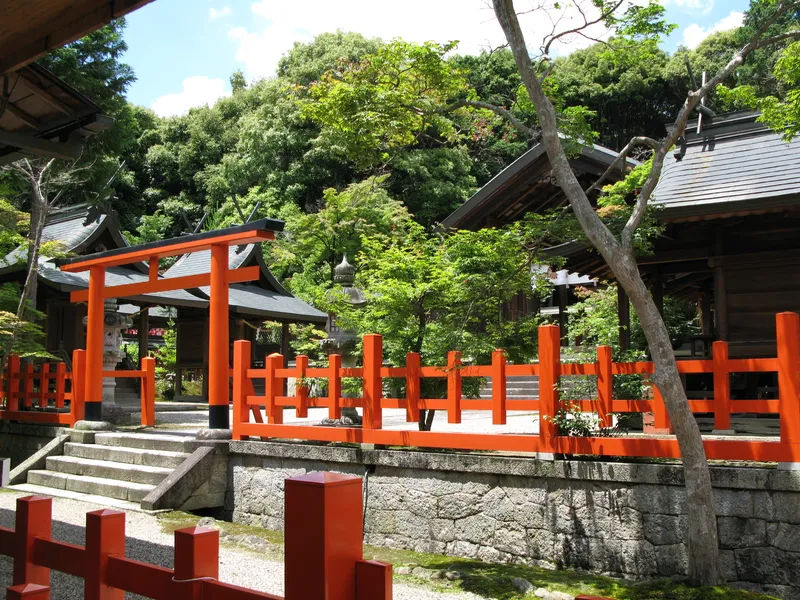 Shrine
Tatsuta Taisha
- Family & Home
- Protection & Safety
A shrine to the deity of wind, transmitted as built exactly as an oracle in an emperor’s dream directed — after which the crops were abundant and the plague withdrew.
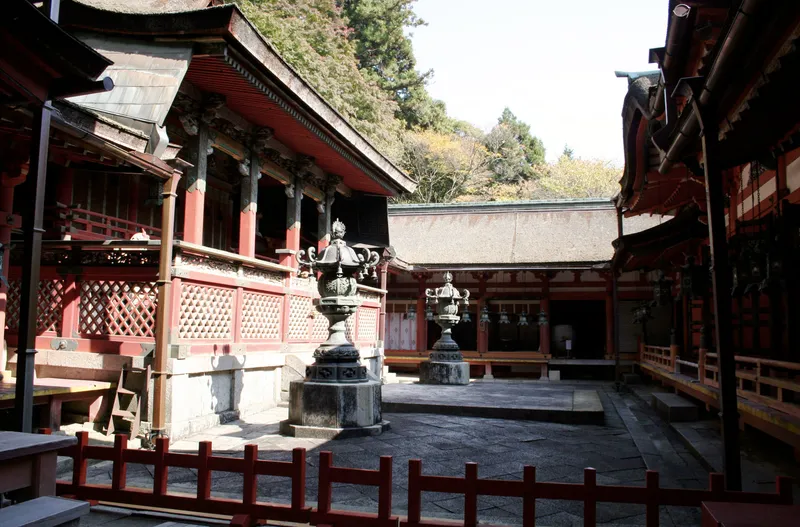 Shrine
Tanzan Shrine
- Family & Home
- Health & Healing
- Money & Prosperity
A shrine to Fujiwara no Kamatari on the hill where he and Prince Naka no Oe held the secret conference that led to the Taika Reform.
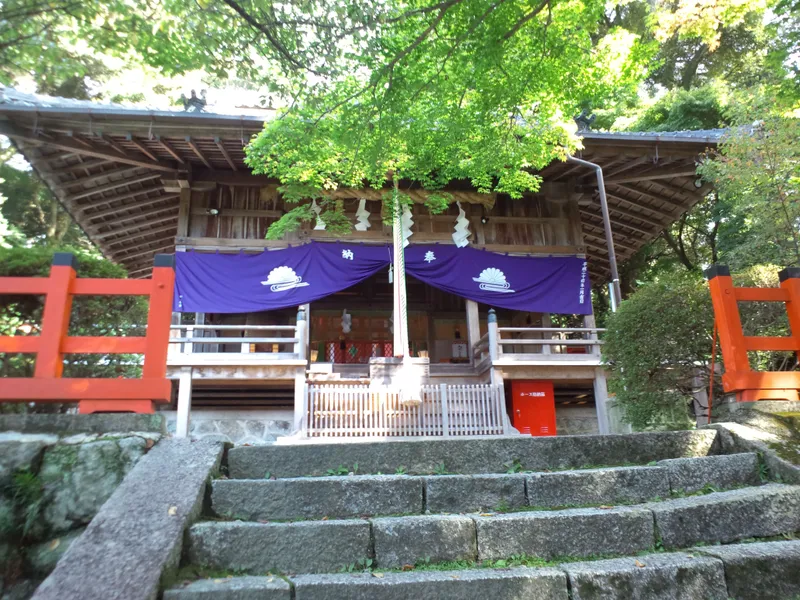 Shrine
Takakamo Shrine
- Family & Home
- Health & Healing
- Purification
Held to be the parent shrine of all the Kamo shrines and one of the oldest shrines in Japan, with a deep devotion around recovery and renewal.
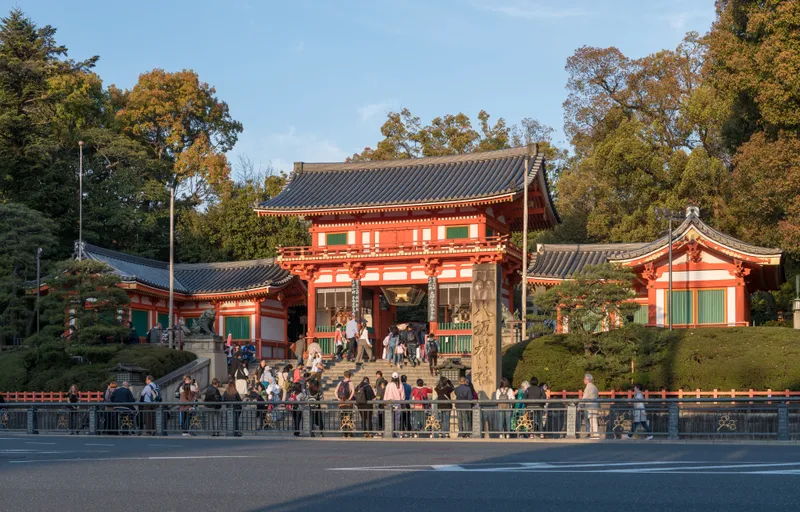 Shrine
Yasaka Jinja
- Health & Healing
The Gion shrine of Susanoo, which has kept up for some eleven hundred and fifty years a festival begun as a prayer that an epidemic be quelled.
No places match your filters