Shiba Daijingu
芝大神宮 · Shiba Shinmei-gu · Iikura Shinmei-gu
Researched and translated with AI assistance. Every claim is linked to its source, but errors get through, so check the official site for opening times, fees and closures.About
In short
A Minato shrine founded in 1005 that enshrines the two deities of Ise, known in the Edo period as the Ise of the Kanto and today for a box charm sold nowhere else.
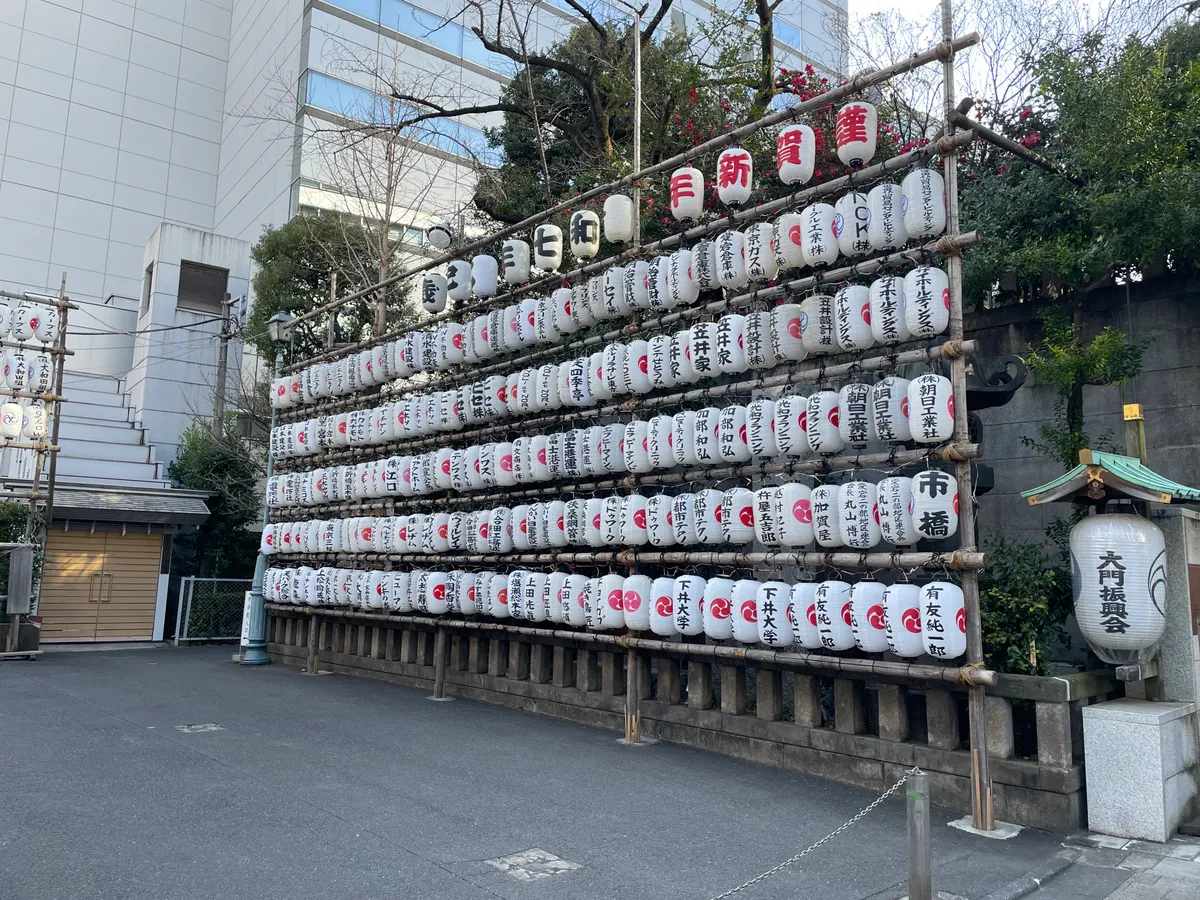
Quick facts
- Address
- 1-12-7 Shibadaimon, Minato-ku, Tokyo 105-0012
- Access
- Daimon on the Toei Asakusa and Oedo lines is one minute from exit A6. Hamamatsucho on the JR Yamanote and Keihin-Tohoku lines is five minutes from the north exit, and Onarimon on the Toei Mita line is five minutes from exit A2.
- Hours
- The shrine publishes no gate times. Its prayer office takes bookings from 9:00 to 16:30, which is the only published figure, so treat the rest as unofficial.
- Best time
- The Daradara Festival, 11 to 21 September, which the shrine describes as the longest festival in Japan. The annual rite falls on 16 September, in the middle of it. Ginger is sold along the approach, which is why it is also called the ginger festival.
- Spiritual entities
- Amaterasu Ōmikami (天照大御神)
- Official site
- www.shibadaijingu.com
About this place
Shiba Daijingu stands a minute from Daimon station among office towers, and enshrines Amaterasu and Toyouke, the deities of the inner and outer shrines of Ise. It reached its thousandth year in 2005. Its autumn festival runs for eleven days, which the shrine says makes it the longest in Japan, and it sells a box charm called the chigibako that is made nowhere else.
Origin and history
The shrine was founded in 1005, in the reign of Emperor Ichijō, and enshrines Amaterasu and Toyouke, the deities of the inner and outer shrines of Ise. It was formerly called Iikura Shinmei-gu and then Shiba Shinmei-gu.
In the Kamakura period it received land from Minamoto no Yoritomo. Under the Tokugawa it was protected and busy, serving as a great tutelary shrine of Edo and drawing popular devotion from across the Kanto region under the name the Ise of the Kanto. Hiroshige's prints record the crowds.
It came through the Meiji, Taishō and early Shōwa periods, the Great Kanto Earthquake and the Pacific War, and reached its thousandth anniversary on 16 September 2005.
What it is locally associated with
The chigibako, made nowhere else
A woven box charm the shrine says is unique to it. Chigi puns on a thousand garments, so women kept one in a clothes chest; the shrine notes the good-match reading is recent.
folk traditionThe Ise of the Kanto
Ise pilgrimage boomed in the Keichō era but the journey was far and costly, so Edo people came here to the same deities instead.
documented historyEleven days of festival, and ginger
The autumn festival runs 11 to 21 September, said to be the longest in Japan. It grew that long because the shrine kept extending it to take more pilgrims.
documented history
What this shrine is petitioned for begins with what it is: a place to reach the deities of Ise without going to Ise. Its own account of the autumn festival explains the mechanism. Pilgrimage to Ise became hugely popular in the Keichō era, but Ise was far away and the journey expensive, so Edo people came to Shiba Shinmei instead, to the same two deities. Farmers arrived around the autumn harvest, and the shrine kept lengthening the festival to take in as many as possible until it ran eleven days, which is how it earned the nickname the daradara, the long-drawn-out, festival.
The association most visitors arrive with today comes from an object rather than a deity. The chigibako is a small woven box, and the shrine says it is found nowhere else. The name works as a pun: chigi, the crossed beams on a shrine roof the box is said to be made from, sounds like a thousand garments, so there was a custom of women keeping one in a clothes chest and praying for their wardrobe to grow. The shrine is precise about what happened next, and this page follows it: only recently has the chigibako come to be known as a good-luck item for a good match and a happy marriage. That is why the relationship and love tags here are carried as a modern association rather than an old one.
Ginger runs through the rest. The shrine records that its surroundings were ginger fields when it was founded, that the new season's ginger was offered before the deities and then sold along the approach, and that the festival was known as the ginger festival for it. The reasoning it gives is worth quoting in substance: ginger drives out impurity and connects one to the deity, and being long valued as a medicine against poison it was held to remove sickness and sweep away misfortune, which made it an auspicious thing for long life.
One piece of Edo history attaches to the grounds. The kabuki play about the Megumi brawl dramatises a real fight that happened here.
Claims and evidence levels 6
- The shrine was founded in 1005, in the reign of Emperor Ichijō, and enshrines Amaterasu and Toyouke, the deities of the inner and outer shrines of Ise. It reached its thousandth anniversary on 16 September 2005. documented history
- It received land from Minamoto no Yoritomo in the Kamakura period and was protected under the Tokugawa, drawing devotion from across the Kanto region under the name the Ise of the Kanto. documented history
- The shrine relates that Ise pilgrimage became widely popular in the Keichō era but was too distant and costly for most, so Edo people worshipped the same deities here instead; the festival was lengthened repeatedly to accommodate them until it ran eleven days, from 11 to 21 September. documented history
- The chigibako, a woven box charm the shrine says is unique to it, puns on a thousand garments, and there was a custom of women keeping one in a clothes chest and praying for their clothes to increase. folk tradition
- The shrine states that only recently has the chigibako come to be known as an auspicious item for a good match and a happy marriage. popular modern
- The shrine records that ginger was grown around it at its founding and offered before the deities at the autumn festival, and gives the reasoning that ginger drives out impurity and connects one to the deity, removing sickness and sweeping away misfortune. folk tradition
Visiting tips
The general form is in the visiting guide below. Specific to Shiba Daijingu:
The chigibako has historically been available only at the September festival. The shrine records that it began giving it out as a regular charm after 1945, so it is no longer festival-only, but the festival remains when it belongs.
Prayers are by reservation, taken between 9:00 and 16:30, from ¥10,000 for an individual. The shrine notes that requests from technology and construction companies in the surrounding district are now a large part of what it performs.
No gate times are published anywhere, so treat the grounds as open and the office as keeping the hours above. The site is small and sits directly among office buildings, so it takes minutes rather than an afternoon.
Related guides
- How to visit a shrine or temple in JapanThe country-wide basics: purifying at the water basin, the two-bows-two-claps-one-bow form at shrines, and what temples do instead.
- What a "power spot" actually isA modern Japanese coinage, not a traditional religious category. Where the word came from, what it does and does not claim, and why this site uses it anyway.
- Shrine or temple?A shrine is Shinto and a temple is Buddhist, and you can usually tell at the gate. Why the line is cleaner on paper than on the ground, and what a government order in 1868 has to do with it.
- Omamori, ema, omikuji and goshuinThe four things you are most likely to receive, write, draw or be given at a shrine or temple, what each is actually for, and the one of them people most often get wrong.
Sources
- History of the shrine (御由緒) — Shiba Daijingu (accessed 2026-08-02)
- The Daradara Festival (太良太良まつり) — Shiba Daijingu (accessed 2026-08-02)
- Prayers (諸祈祷) — Shiba Daijingu (accessed 2026-08-02)
- Access (交通案内) — Shiba Daijingu (accessed 2026-08-02)
- Shiba Daijingū (Q11614619) coordinate location — Wikidata (accessed 2026-08-02)
Last updated:
Similar places
8 places
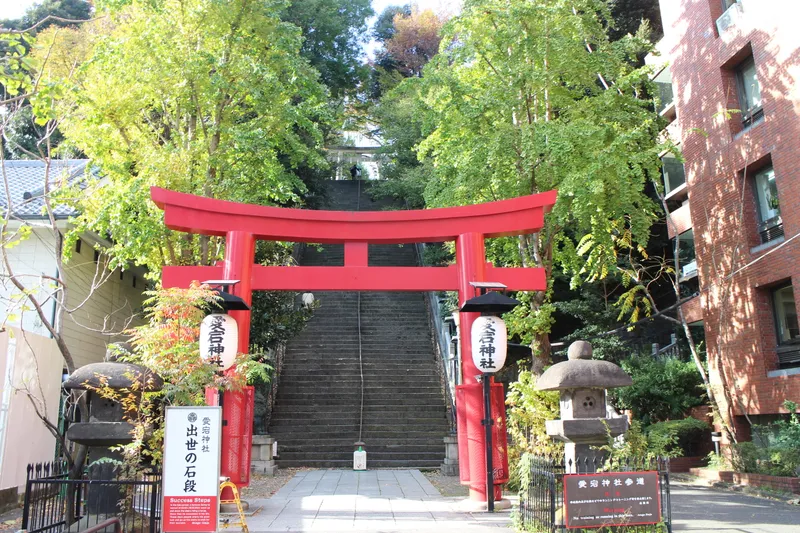 Shrine
Atago Shrine
- Career & Work
- Love & Romance
- Money & Prosperity
A shrine on a steep hill in Minato, founded in 1603 on Tokugawa Ieyasu's order as a deity against fire, and known for the stone staircase named after a rider who is said to have galloped up it.
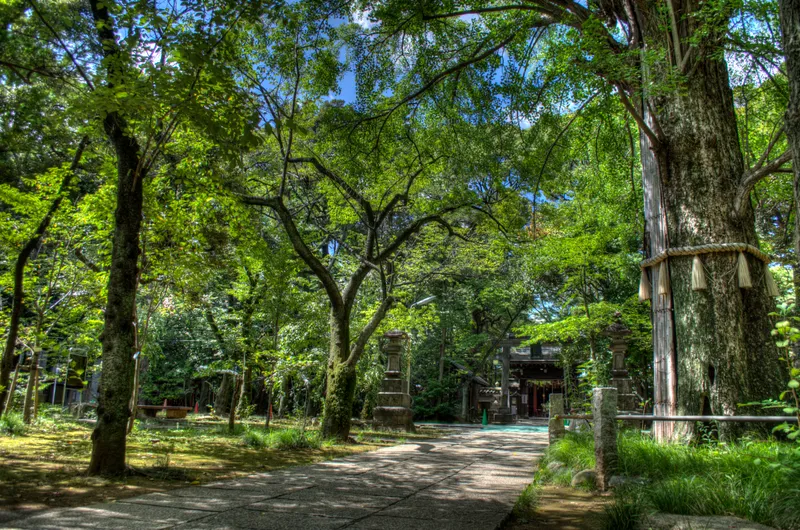 Shrine
Akasaka Hikawa Shrine
- Family & Home
- Love & Romance
- Money & Prosperity
A Minato shrine founded in 951 whose Edo-period buildings survived both the earthquake and the war, known for warding off misfortune and for the tying of bonds, and the shrine explains why it is known for each.
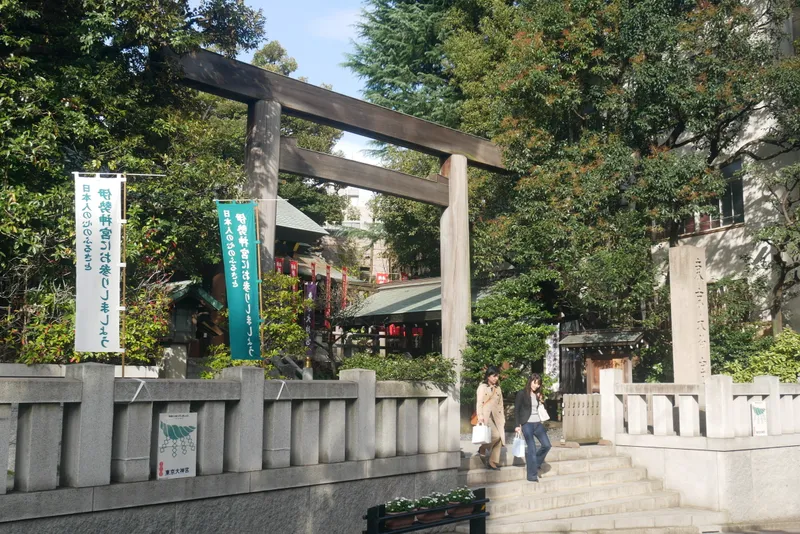 Shrine
Tokyo Daijingu
- Family & Home
- Love & Romance
- Money & Prosperity
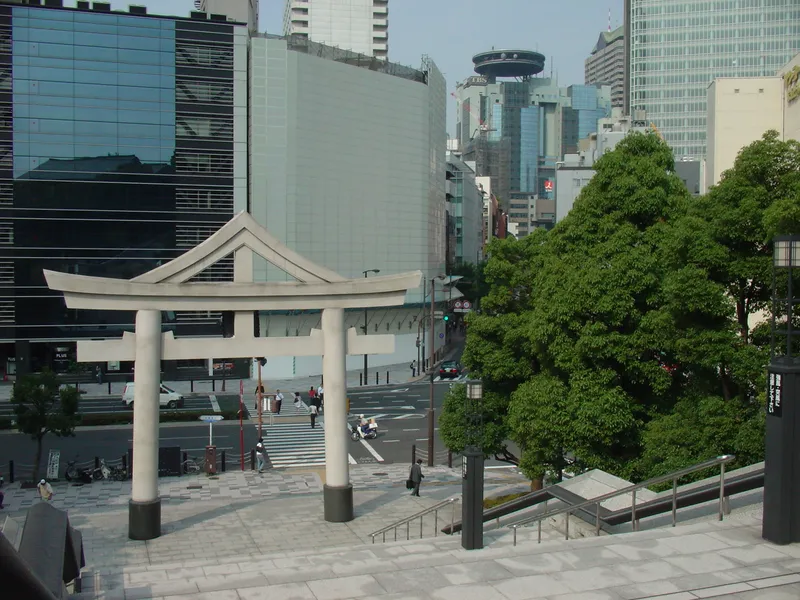
A Chiyoda shrine founded in 1880 as a Tokyo branch of Ise, known as "Tokyo's O-Ise-sama" and visited above all for prayers about relationships, an association the shrine itself explains through the three deities of creation enshrined here.
 Shrine
Hie Shrine
- Career & Work
- Fertility & Children
- Money & Prosperity
A shrine on a wooded rise in Nagatacho, once the guardian of Edo Castle, whose messenger is the monkey, a pun the shrine explains itself, connecting it to warding off evil, to winning, and to the tying of bonds.
 Shrine
Kanda Myojin
- Career & Work
- Family & Home
- Money & Prosperity
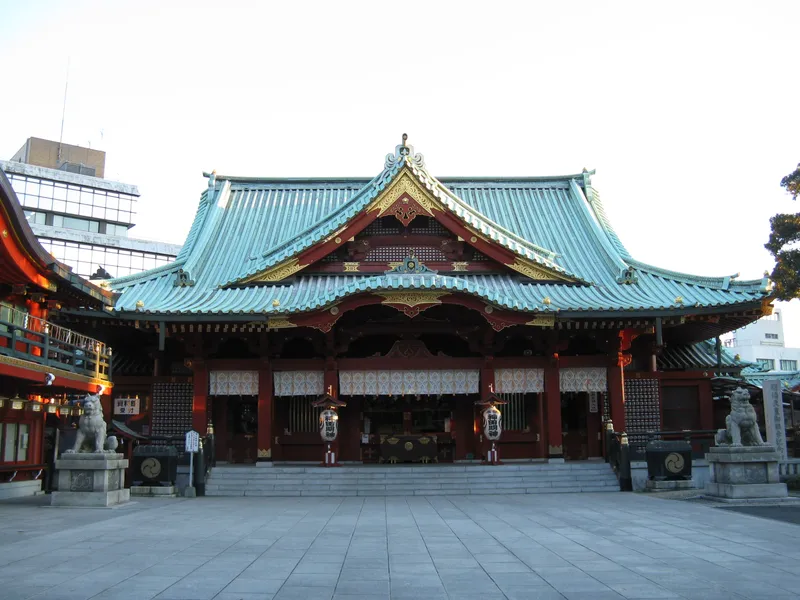
A Chiyoda shrine that served as the guardian shrine of all Edo, enshrining three deities between them associated with business prosperity, good matches and warding off misfortune, and these days selling a charm for information security.
 Shrine
Nezu Shrine
- Career & Work
- Exams & Study
- Family & Home
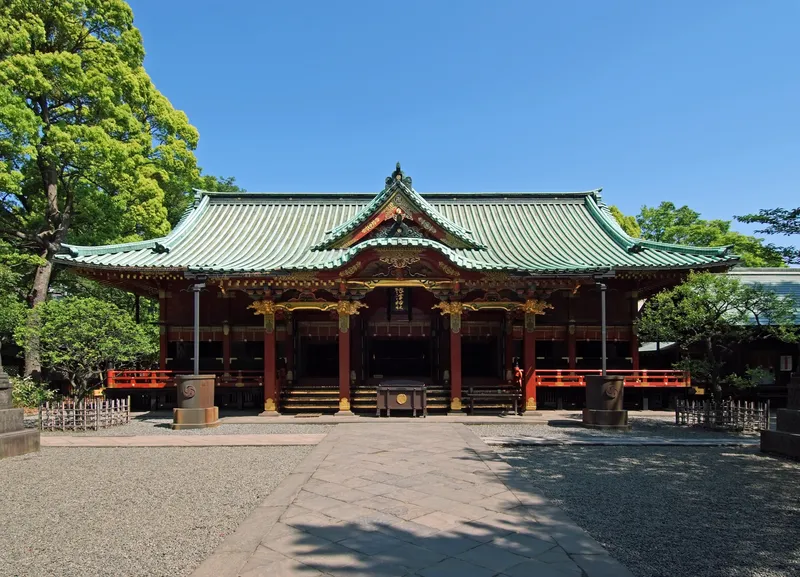
A Bunkyo shrine whose entire 1706 complex survives intact as an Important Cultural Property, rare in Tokyo, with an azalea hill and a tunnel of small red torii (鳥居).
 Shrine
Okunitama Shrine
- Money & Prosperity
- Protection & Safety
- Bonds & Matchmaking
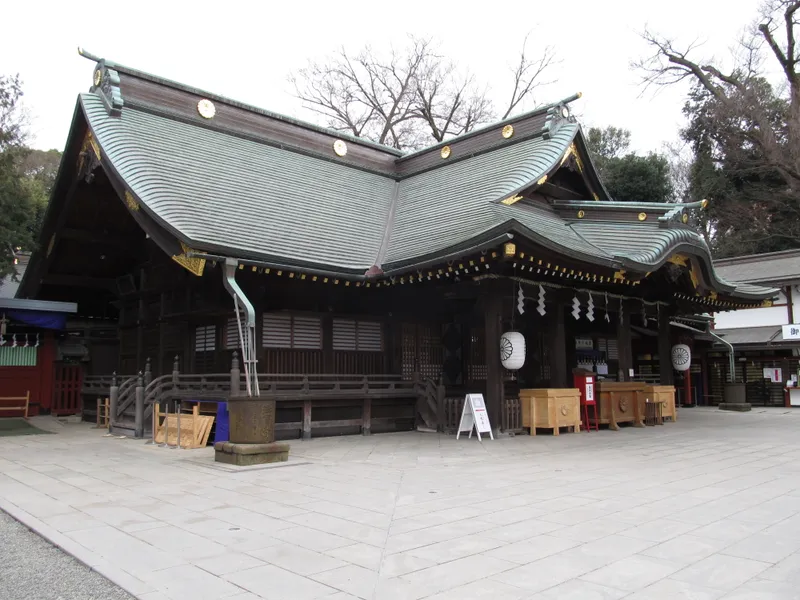
The provincial shrine of old Musashi, in Fuchu, which dates its founding to 111 and enshrines a deity it identifies with Ōkuninushi of Izumo.
 Temple
Zojo-ji
- Career & Work
- Family & Home
- Money & Prosperity
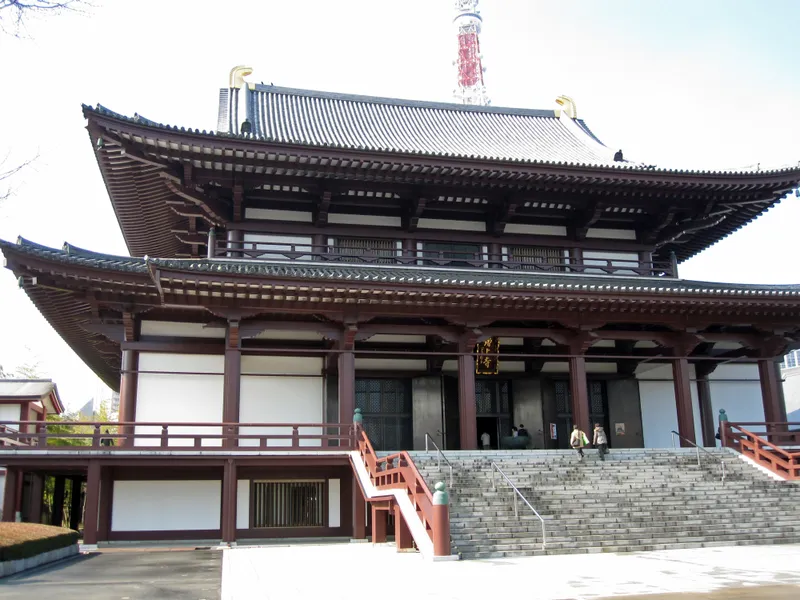
A Pure Land temple in Shiba, founded in 1393 and chosen by the Tokugawa as their family temple, whose hidden principal image is known as the Black Honzon of victory.
No places match your filters