Atago Shrine
愛宕神社 · Atago Jinja
Researched and translated with AI assistance. Every claim is linked to its source, but errors get through, so check the official site for opening times, fees and closures.About
In short
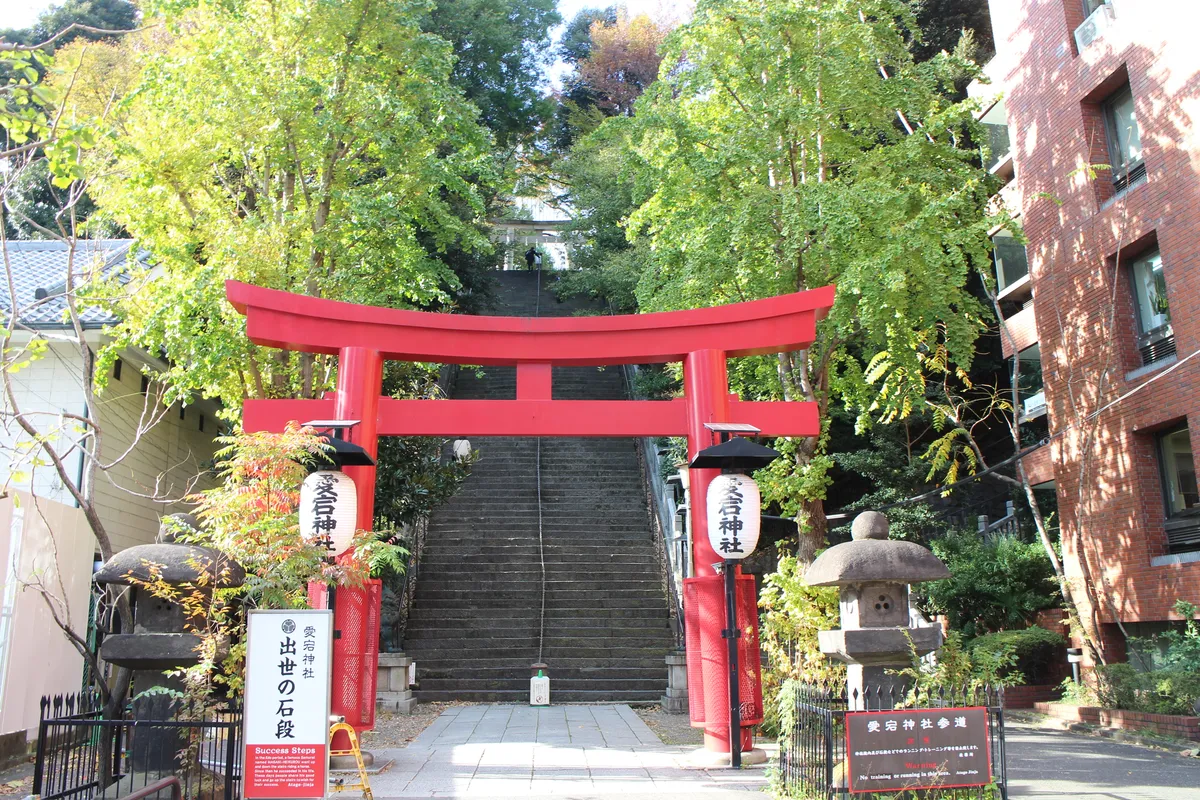
A shrine on a steep hill in Minato, founded in 1603 on Tokugawa Ieyasu's order as a deity against fire, and known for the stone staircase named after a rider who is said to have galloped up it.
Quick facts
- Address
- 1-5-3 Atago, Minato-ku, Tokyo 105-0002
- Access
- Kamiyacho and Toranomon Hills on the Hibiya line are both five minutes on foot, Toranomon on the Ginza line is eight, and Onarimon on the Toei Mita line is eight. Shimbashi on the JR lines is about twenty minutes.
- Hours
- No opening or closing times are published by the shrine. The grounds are on an open hill and are reachable at any hour by the steps or the lift — unofficial, and the office keeps daytime hours.
- Best time
- The Sennichi-mairi in summer is the shrine's own headline rite. Otherwise early morning, when the steps are empty enough to climb without queueing behind anyone.
- Spiritual entities
- Homusubi no Mikoto (火産霊命)
- Official site
- www.atago-jinja.com
About this place
Atago Shrine sits at the top of a short, very steep flight of stone steps in an otherwise flat district of offices. It was founded in 1603, the year the Tokugawa shogunate was established in Edo, and its deity is a fire deity: enshrined, in the shrine's words, as a deity against fire. The steps are the reason most people come: they are called the Stone Steps of Success, after a story about a horseman.
Origin and history
The shrine was founded in 1603, in the eighth year of Keichō, by order of Tokugawa Ieyasu as he established his government in Edo, and was enshrined as a deity of fire prevention. Its principal deity is Homusubi no Mikoto, the deity of fire, with deities of water, mountains and martial virtue enshrined alongside, together with Jizō and bodhisattva figures.
What it is locally associated with
The Stone Steps of Success
The steep staircase at the front, named after the story of Magaki Heikurō. The gentler flight to the right as you face the shrine is the women's slope.
folk traditionA deity against fire, 1603
Founded the year the shogunate was established in Edo, on Ieyasu's order, enshrining the fire deity Homusubi as protection against fire.
documented history
The shrine names four things it is associated with, and they are an unusual set. First, anything to do with fire (fire prevention and disaster prevention), which follows directly from why it was founded and from the deity enshrined here. Second, and more surprisingly, printing and computing. Third, prosperity in trade. Fourth, love, marriage and the tying of bonds. That last is easy to miss and is stated as plainly as the rest.
The association most visitors arrive with, though, is success in one's career, and it comes from the staircase rather than from the deity. The steep flight at the front is called the Stone Steps of Success, named for the story of Magaki Heikurō. The gentler stair to the right as you face the shrine is the women's slope. Worth being exact here: the shrine says the steps are named after the story, and describes them as steep. It does not say that climbing them produces advancement, and the step count and gradient that circulate online are not on any official page.
Because the hill is small and the surrounding district is flat and modern, the climb is abrupt in a way photographs do not convey, which is much of the appeal.
Claims and evidence levels 4
- The shrine was founded in 1603 by order of Tokugawa Ieyasu, as he established his government in Edo, and enshrined as a deity against fire. documented history
- The principal deity is Homusubi no Mikoto, a deity of fire, with deities of water, mountains and martial virtue enshrined alongside. documented history
- The shrine names fire and disaster prevention, printing and computing, prosperity in trade, and love, marriage and the tying of bonds among what it is associated with. documented history
- The steep front staircase is called the Stone Steps of Success, named after the story of Magaki Heikurō; the gentler stair to the right is the women's slope. folk tradition
Visiting tips
The general form is in the visiting guide below. What is specific here is the approach.
There are two ways up. The front staircase is the steep one (the Stone Steps of Success), and the gentler flight on the right as you face the shrine is the women's slope. There is no obligation to take the steep one, and taking the gentler route is not a lesser visit.
The steps are steep and the treads are stone, so they are slick in rain and hard on the knees coming down. Anyone unsure of their footing should use the other approach.
No opening or closing times are published, so treat the hill as open and the office as keeping daytime hours.
Related guides
- How to visit a shrine or temple in JapanThe country-wide basics: purifying at the water basin, the two-bows-two-claps-one-bow form at shrines, and what temples do instead.
- What a "power spot" actually isA modern Japanese coinage, not a traditional religious category. Where the word came from, what it does and does not claim, and why this site uses it anyway.
- Shrine or temple?A shrine is Shinto and a temple is Buddhist, and you can usually tell at the gate. Why the line is cleaner on paper than on the ground, and what a government order in 1868 has to do with it.
- Omamori, ema, omikuji and goshuinThe four things you are most likely to receive, write, draw or be given at a shrine or temple, what each is actually for, and the one of them people most often get wrong.
Sources
- About Atago Shrine (愛宕神社について) — Atago Shrine (accessed 2026-08-02)
- Guide to the grounds (境内のご案内) — Atago Shrine (accessed 2026-08-02)
- Access (交通のご案内) — Atago Shrine (accessed 2026-08-02)
- Atago Shrine (Q2868748) — coordinate location — Wikidata (accessed 2026-08-02)
Last updated:
Similar places
8 places
 Shrine
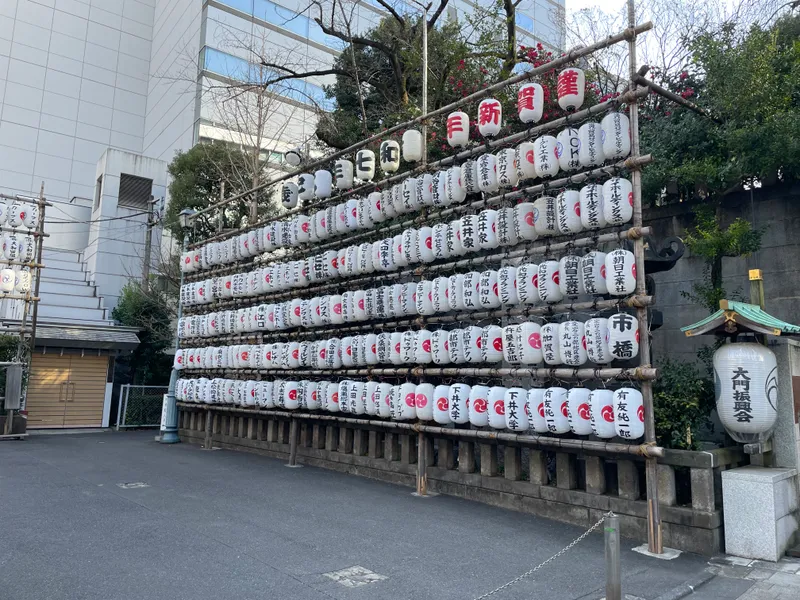
Shiba Daijingu
- Love & Romance
- Money & Prosperity
- Protection & Safety
A Minato shrine founded in 1005 that enshrines the two deities of Ise, known in the Edo period as the Ise of the Kanto and today for a box charm sold nowhere else.
 Shrine
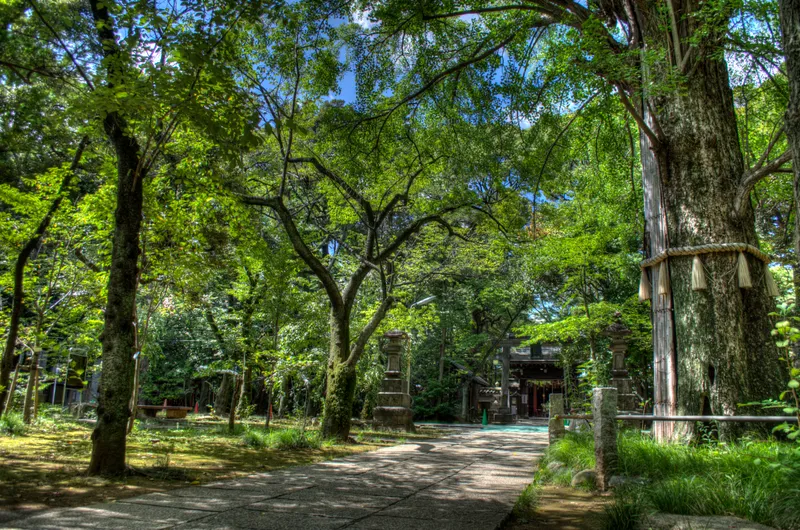
Akasaka Hikawa Shrine
- Family & Home
- Love & Romance
- Money & Prosperity
A Minato shrine founded in 951 whose Edo-period buildings survived both the earthquake and the war, known for warding off misfortune and for the tying of bonds, and the shrine explains why it is known for each.
 Shrine
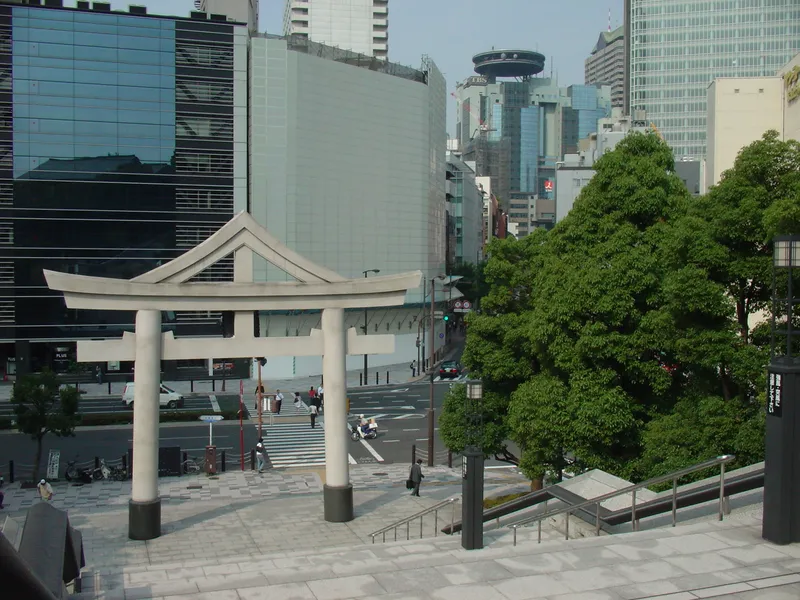
Hie Shrine
- Career & Work
- Fertility & Children
- Money & Prosperity
A shrine on a wooded rise in Nagatacho, once the guardian of Edo Castle, whose messenger is the monkey, a pun the shrine explains itself, connecting it to warding off evil, to winning, and to the tying of bonds.
 Shrine
Kanda Myojin
- Career & Work
- Family & Home
- Money & Prosperity
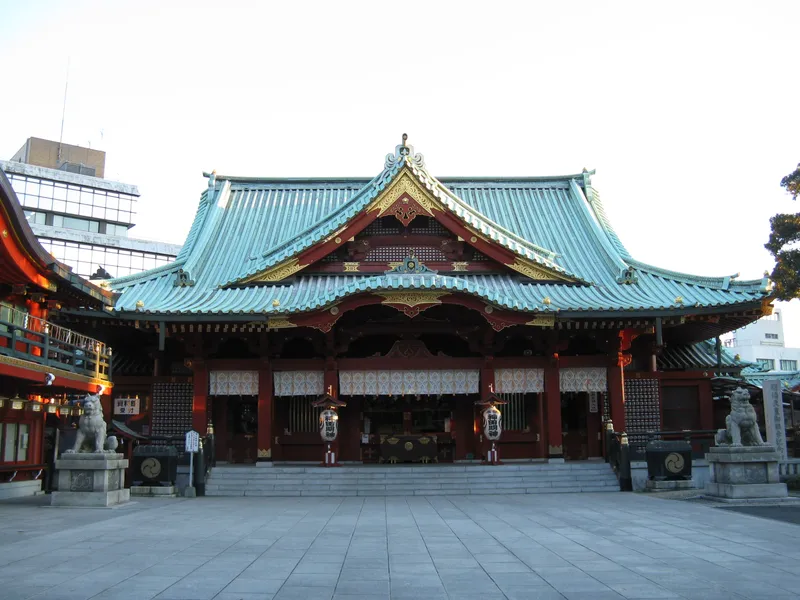
A Chiyoda shrine that served as the guardian shrine of all Edo, enshrining three deities between them associated with business prosperity, good matches and warding off misfortune, and these days selling a charm for information security.
 Shrine
Nezu Shrine
- Career & Work
- Exams & Study
- Family & Home
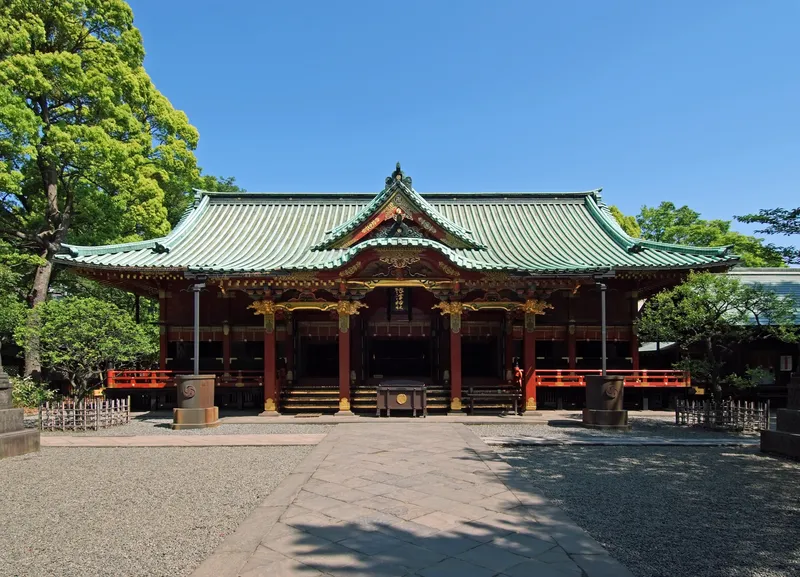
A Bunkyo shrine whose entire 1706 complex survives intact as an Important Cultural Property, rare in Tokyo, with an azalea hill and a tunnel of small red torii (鳥居).
 Temple
Zojo-ji
- Career & Work
- Family & Home
- Money & Prosperity
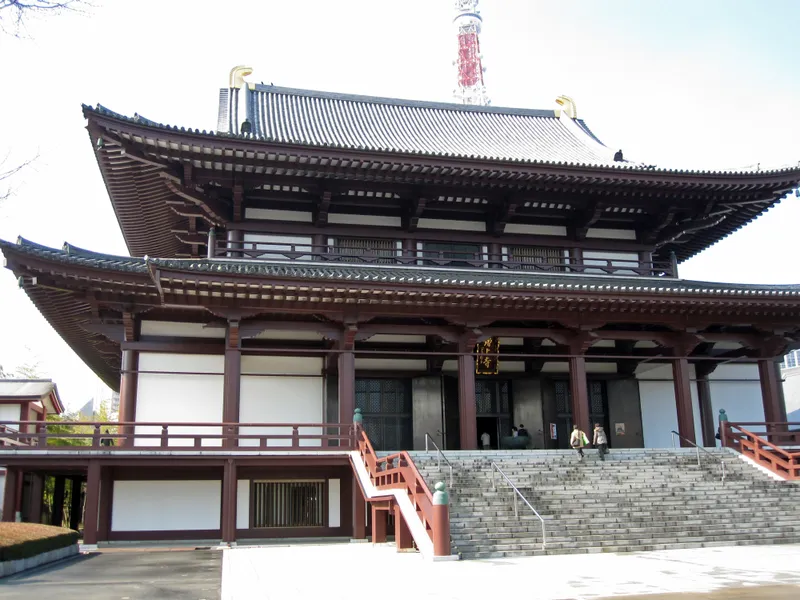
A Pure Land temple in Shiba, founded in 1393 and chosen by the Tokugawa as their family temple, whose hidden principal image is known as the Black Honzon of victory.
 Shrine
Tokyo Daijingu
- Family & Home
- Love & Romance
- Money & Prosperity
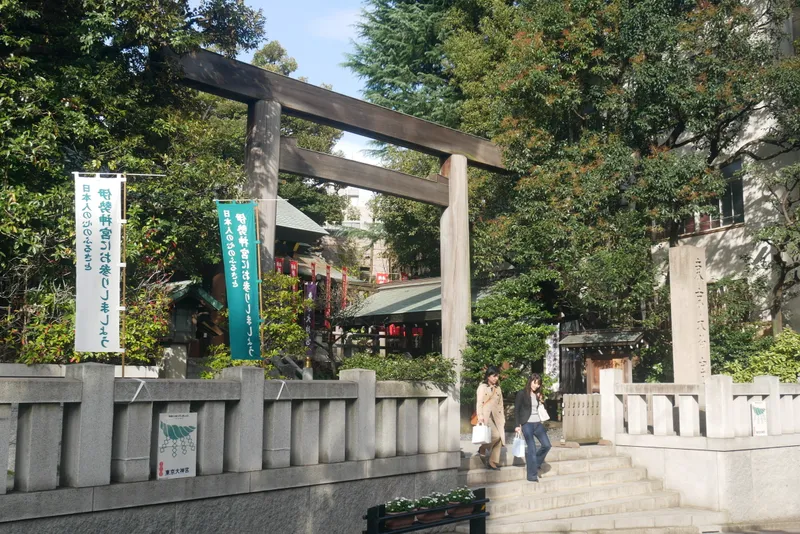
A Chiyoda shrine founded in 1880 as a Tokyo branch of Ise, known as "Tokyo's O-Ise-sama" and visited above all for prayers about relationships, an association the shrine itself explains through the three deities of creation enshrined here.
 Shrine
Okunitama Shrine
- Money & Prosperity
- Protection & Safety
- Bonds & Matchmaking
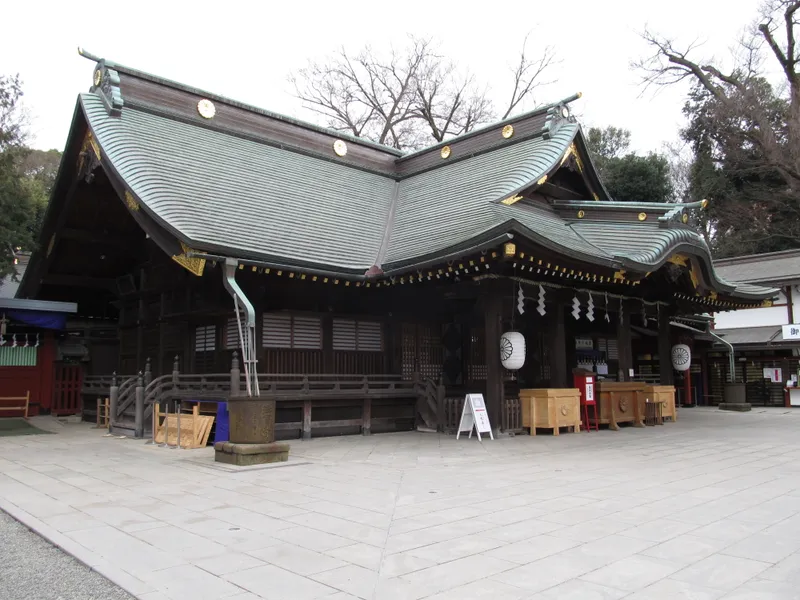
The provincial shrine of old Musashi, in Fuchu, which dates its founding to 111 and enshrines a deity it identifies with Ōkuninushi of Izumo.
No places match your filters