What a "power spot" actually is
A modern Japanese coinage, not a traditional religious category. Where the word came from, what it does and does not claim, and why this site uses it anyway.
Researched and translated with AI assistance. Every claim is linked to its source, but errors get through, so check the official site for opening times, fees and closures.About
The short version
"Power spot" (パワースポット) is a modern Japanese word for a place said to be filled with spiritual power. It is not a traditional religious category, and no shrine or temple was founded as one.
The word is roughly as old as the 1990s. What it names is often much older, and the two things are worth keeping apart: a shrine can be a thousand years old and its description as a power spot thirty.
This site uses the term because it is the word people actually search with. It is a label applied to places, not a property those places claim about themselves.
Where the word comes from
Japanese dictionaries treat パワースポット as recent vocabulary. デジタル大辞泉 defines it as a place said to be filled with spiritual power, and dates its use to around the 1990s, alongside a growing popular interest in the occult and the supernatural.
Researchers place the idea slightly earlier and somewhere else. Writing in the journal Religions, Mia Tillonen describes a power spot as a location where one can feel a strong, invisible spiritual power, energy or ki, and traces the idea to the global New Age movement of the mid-1980s. On that account the concept arrived in Japan from outside rather than emerging from Japanese religious tradition.
Those two dates do not contradict each other. A dictionary records when a word is in circulation; a study records when it became common currency. Tillonen puts the term's entry into mainstream Japanese vocabulary later still, in the 2010s, carried by media coverage including women's magazines.
Beyond that, the specific origin is not settled. A particular individual is often named as the coiner in Japanese media and on Wikipedia. That story may be right, but no dictionary, university or peer-reviewed source we could find states it, so this page does not repeat it as fact.
How existing places became power spots
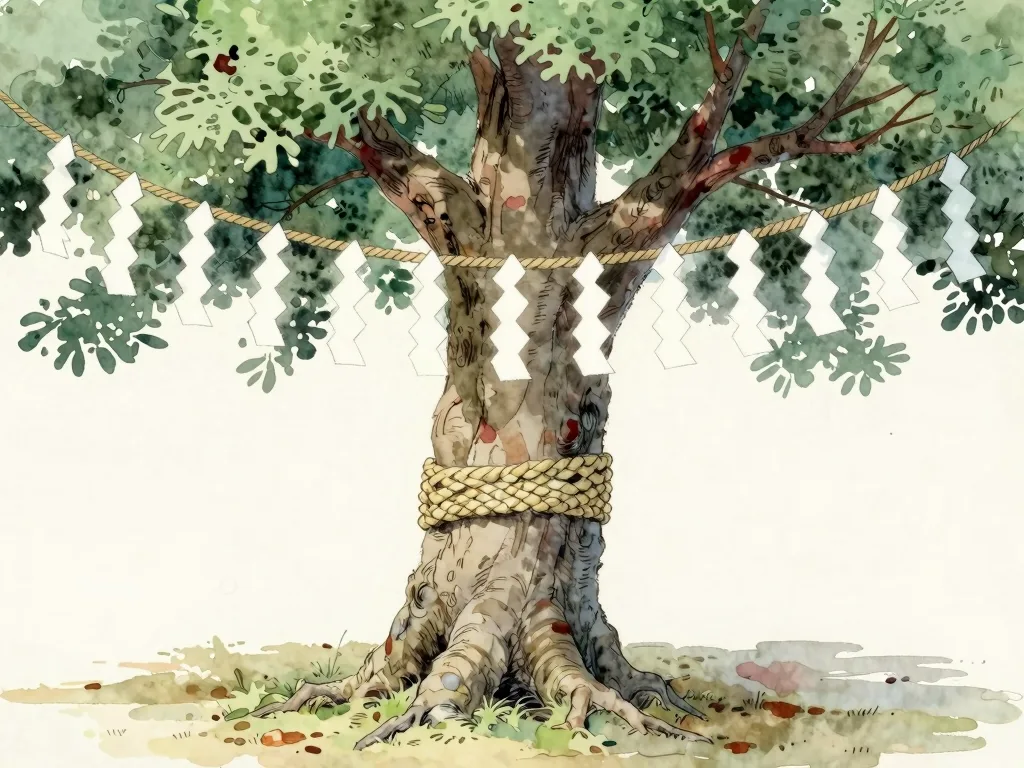
The interesting part is not the word but what happened to the places.
Tillonen's account is that many pre-existing religious sites, Shinto shrines among them, were reframed as power spots by the mass media. The shrine was already there. The category was applied to it afterwards, from outside.
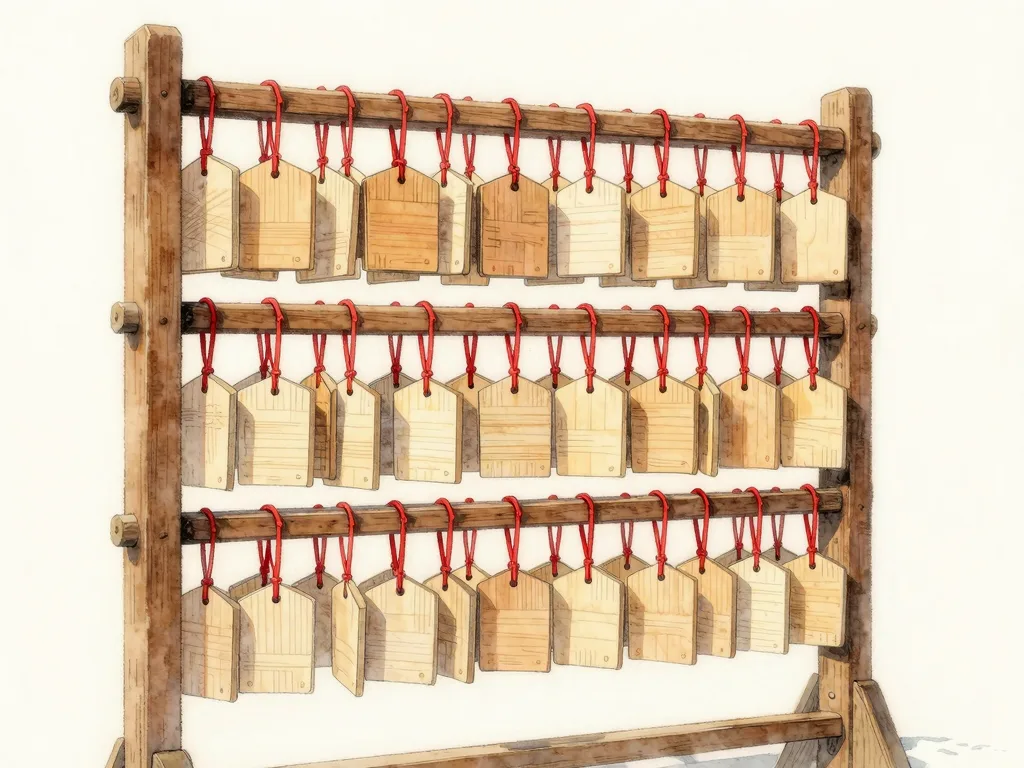
Norichika Horie, a professor at the University of Tokyo, traces the same movement in his book ポップ・スピリチュアリティ. The University's own summary describes it as the transition from New Age spirituality to Shinto-based spirituality, running through a sequence of successive booms: power spots, then sacred sites, then shrines, and eventually ema (絵馬). It also places the peak of the wider spiritual boom around 2007.
Individual figures mattered. Tillonen attributes much of the change to the celebrity spiritual counsellor Hiroyuki Ehara, who published a series of books introducing Japanese shrines as power spots.
Institutions did not simply have this done to them. At Seimei Shrine in Kyoto, Tillonen found a sacred tree that had been growing on the grounds long before the visitors arrived, and which the boom turned into a popular attraction. She notes the tree was reframed as a power spot by the mass media and by the shrine both.
What the term does not tell you
It carries no information about age. A place described as a power spot may have a documented thousand-year history or a reputation dating to a magazine feature.
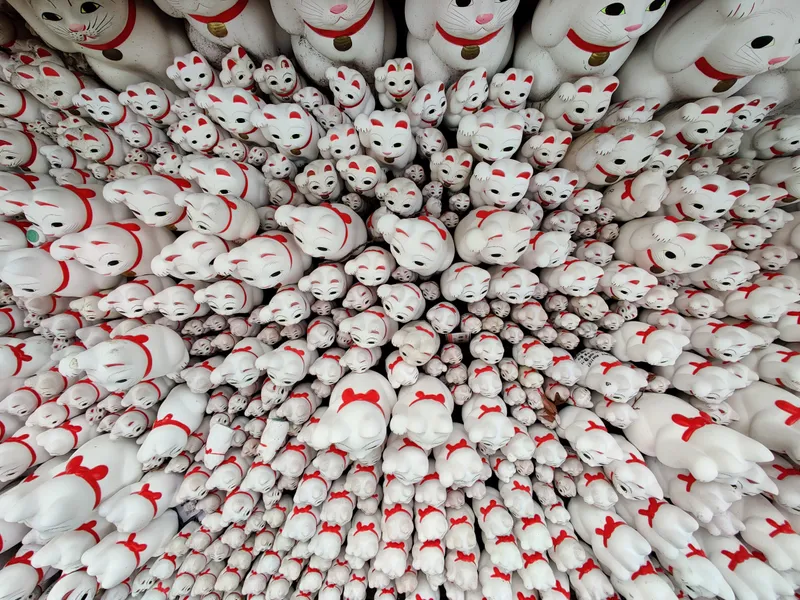
It carries no information about the institution's own view. Some places lean into the description and sell to it. Others are quietly indifferent. A few actively correct the popular version of what they are: Gotoku-ji, the temple whose beckoning cat is famous everywhere, states that the cat brings people and connections and does not itself give fortune.
It carries no promise. Nothing on this site claims that visiting a place produces an outcome, and no source cited here makes that claim either.
And practices attached to power spots are not automatically welcome. Tillonen notes that touching a sacred tree is common at places described this way, but is not permitted everywhere and is explicitly prohibited at some shrines, Ise among them. The label travels faster than the local rules do, which is why each place page here carries its own.
Why this site uses the word anyway
Because it is the question people ask. Someone planning a trip searches for power spots, not for "sites of documented local association with prosperity", and a site that refused the word would be harder to find and no more honest.
What we do instead is keep the two layers apart. Every page says what a place is locally associated with, who says so, and how well documented it is, using an evidence level on each claim. A modern popular association is labelled as one, and is not dressed up as ancient tradition.
So when a page here says a place is associated with money or with matchmaking, that is a statement about what the institution publishes or what is documented about it. It is not a statement that the place contains an energy, and it is not a recommendation to believe anything.
Related places
 Shrine
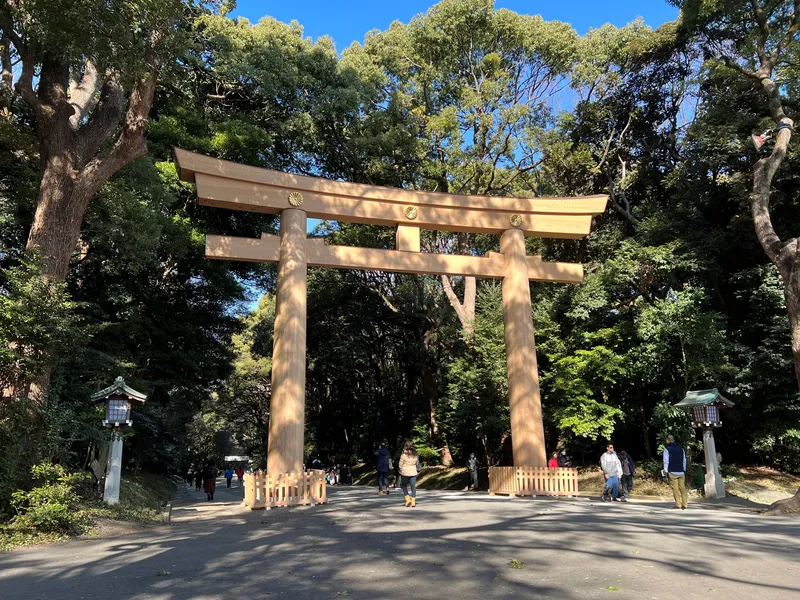
Meiji Jingu
- Health & Healing
- Protection & Safety
- Bonds & Matchmaking
A 1920 Shinto shrine in central Tokyo enshrining Emperor Meiji and Empress Shōken, set in a 70-hectare forest that was planted from scratch and is visited today for prayers about bonds, protection and health.
 Temple
Gotoku-ji
- Money & Prosperity
- Bonds & Matchmaking
A Sōtō Zen temple in Setagaya where thousands of white beckoning-cat figurines are left by visitors, and where the temple is careful to say the cat brings connections, not fortune.
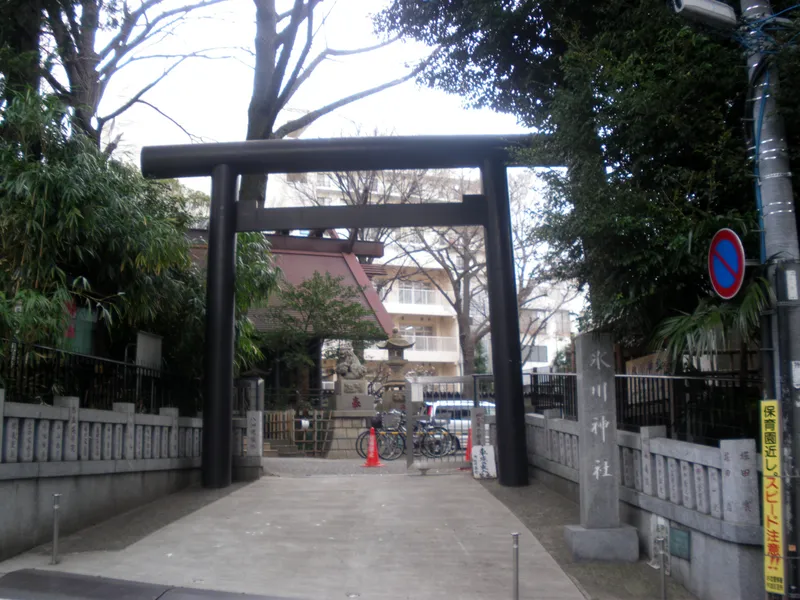 Shrine
Koenji Hikawa Shrine
- Miscellaneous
A Suginami shrine whose grounds hold a shrine to the weather, built inside an army meteorological unit in 1944 and left standing after the war by an oversight.
Sources
- パワースポット (definition and note on usage from the 1990s) — デジタル大辞泉, via Kotobank (accessed 2026-08-02)
- Constructing and Contesting the Shrine: Tourist Performances at Seimei Shrine, Kyoto (Religions 12(1): 19) — Mia Tillonen, 2021 (accessed 2026-08-02)
- ポップ・スピリチュアリティ (book summary; Horie Norichika, Iwanami Shoten, 2019) — UTokyo BiblioPlaza, University of Tokyo (accessed 2026-08-02)
- Norichika Horie: faculty profile — Graduate School of Humanities and Sociology, University of Tokyo (accessed 2026-08-02)