How to visit a shrine or temple in Japan
The country-wide basics: purifying at the water basin, the two-bows-two-claps-one-bow form at shrines, and what temples do instead.
Researched and translated with AI assistance. Every claim is linked to its source, but errors get through, so check the official site for opening times, fees and closures.About
The short version
Rinse your hands at the water basin near the entrance. At a shrine, bow twice, clap twice, bow once more. At a temple, do not clap: put your palms together quietly and bow.
That is most of it. The rest of this page is the detail behind those three lines, and the places where the detail genuinely varies.
Two things worth saying first. Nobody expects a visitor to perform this perfectly, and no shrine or temple in this guide asks them to. And these are manners rather than tests: the point of each step is respect and a moment of quiet, not a sequence executed correctly.
At the water basin
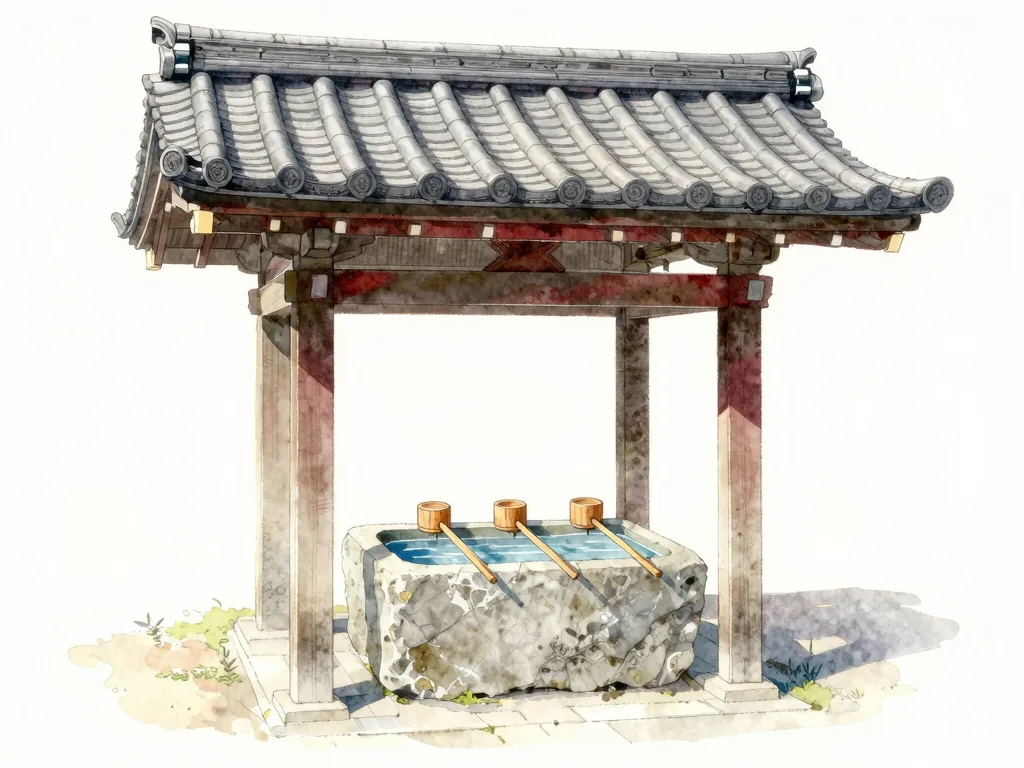
Near the entrance you will find a basin of running water with ladles laid across it. This is the temizu (手水), and washing here is the first thing you do.
Jinja Honcho, the national association of Shinto shrines, gives three steps: take the ladle in your right hand and wash your left hand; move the ladle to your left hand and wash your right; then move it back to your right hand and rinse your mouth.
Senso-ji in Asakusa publishes the same sequence for its own water pavilion with two additions worth knowing: do not put the ladle to your mouth (pour the water into your left hand and rinse from there), and when you are finished, stand the ladle upright so the remaining water runs down the handle, cleaning it for the next person.
One ladleful is meant to cover all of it, which is why each step uses so little water. Kiyomizu-dera explains the point of the washing directly: the hand is also called the seat of the heart, so cleaning the hands carries the meaning of cleaning the mind.
At a shrine: two bows, two claps, one bow
Jinja Honcho gives the standard form for worship at a shrine as ni-hai ni-hakushu ip-pai (two bows, two claps, one bow), and describes it step by step.
Step to the front, straighten your posture and bow deeply, from the waist, twice. Then raise your hands together at chest height and clap twice, with the fingers of the right hand held slightly lower than the left, opening your hands about shoulder-width apart as you clap. Straighten up and bow deeply once more.
Any offering goes into the box in front of you before the bows begin. There is no fixed or expected amount.
Jinja Honcho notes that some shrines have their own particular practices, so this is the general form rather than a universal one. Where a shrine does something different, it will usually say so on a sign at the hall. Izumo Taisha's four claps are the best-known example. Follow the sign over this page.
At a temple: palms together, and no clapping
Temples are Buddhist, shrines are Shinto, and although the two sit side by side throughout Japan (sometimes on the same grounds), the gesture in front of the hall is not the same.
The clapping belongs to shrine worship. None of the temple guidance cited on this page includes it. What the temples describe instead is gassho (合掌): putting the palms together in front of you and praying quietly.
Naritasan Shinshoji sets out the sequence plainly: bow once at the outer gate as you enter the grounds, purify at the water basin, then at the hall put in your offering, put your palms together and pray, and afterwards give a light bow. Kiyomizu-dera describes the same quiet palms-together moment at the hall.
The gate bow is a nice habit to pick up. At Naritasan the reasoning given is simply that everything past the gate is the deity's garden.
The incense burner
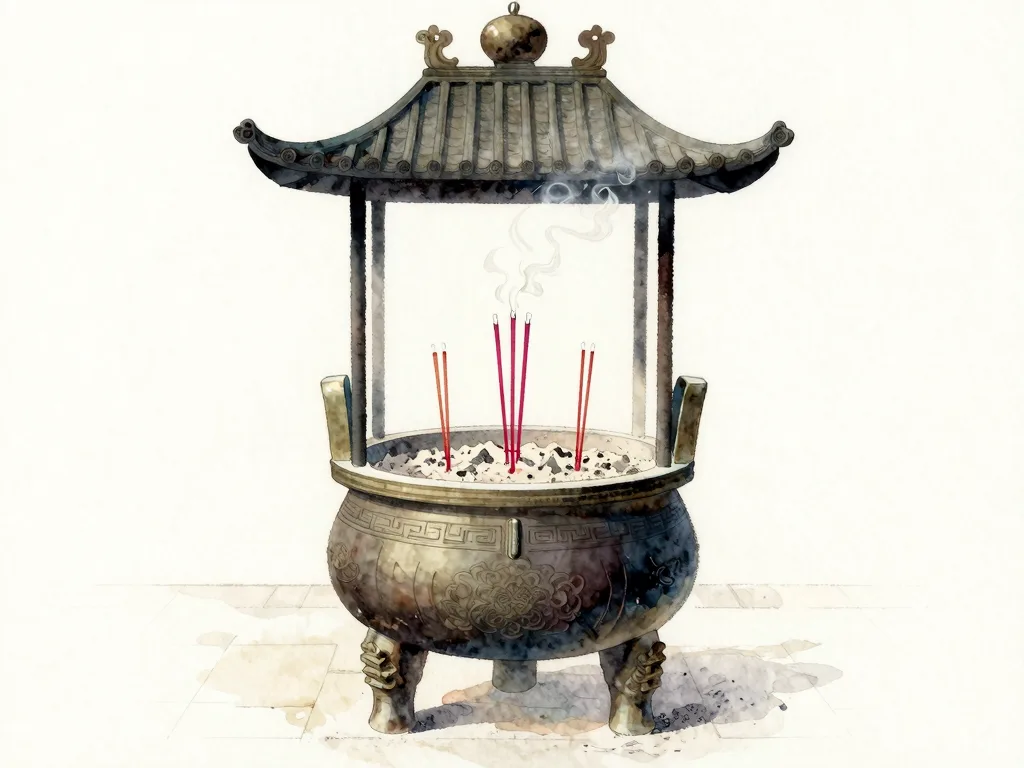
Many temples have a large bronze cauldron of incense standing in front of the main hall, usually with a crowd around it.
Kiyomizu-dera describes the mechanics: take a stick of incense in your right hand, light it from the candle, and stand it in the burner as an offering.
The other thing you will see people doing is pulling the smoke towards themselves with their hands. Naritasan explains this one: the smoke is drawn onto the body to purify the mind, and it is held to be good to draw it onto a part of the body that hurts or is unwell.
Light your own stick from the candle rather than from someone else's incense, and there is no need to blow a flame out with your breath: wave it out.
What this page does not cover
Individual places have their own rules, and those are on the place's own page on this site rather than here: photography restrictions, what may and may not be brought onto the grounds, whether a particular hall may be entered, and the local customs that exist at one place and nowhere else.
Where a place's practice contradicts anything on this page, the place is right and this page is the generalisation.
Related places
 Shrine
Meiji Jingu
- Health & Healing
- Protection & Safety
- Bonds & Matchmaking
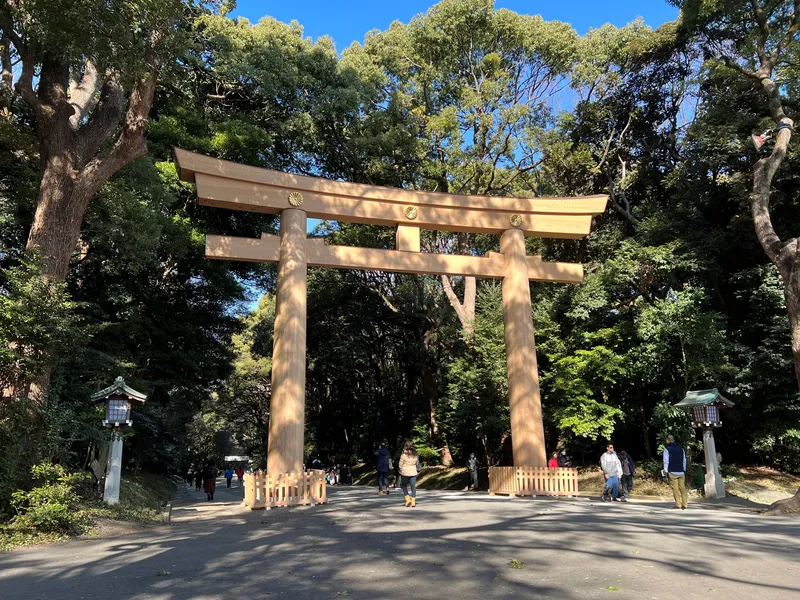
A 1920 Shinto shrine in central Tokyo enshrining Emperor Meiji and Empress Shōken, set in a 70-hectare forest that was planted from scratch and is visited today for prayers about bonds, protection and health.
 Temple
Senso-ji
- Money & Prosperity
- Protection & Safety
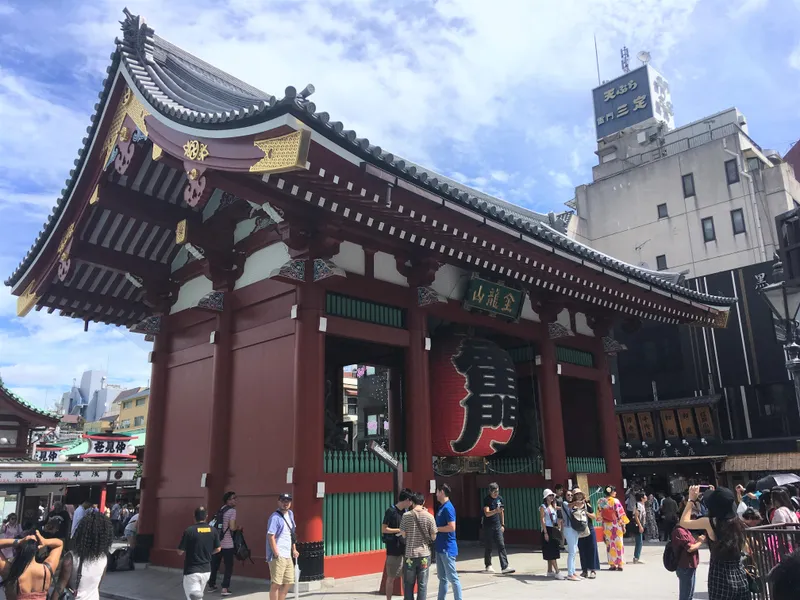
Tokyo's oldest temple, in Asakusa, built around a statue of Kannon that two fishermen brothers are said to have pulled from the river in 628, and visited today for prayers about money and protection.
 Temple
Fukagawa Fudo-do
- Protection & Safety
- Purification
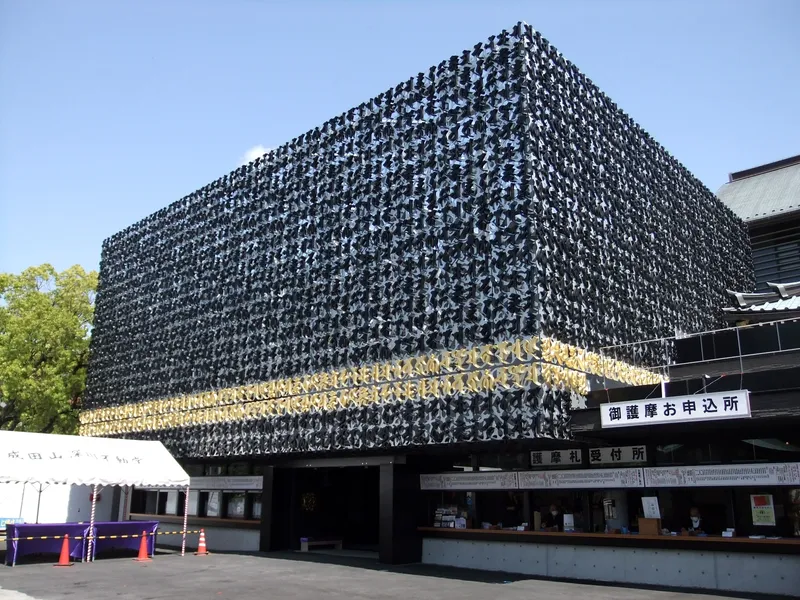
The Tokyo branch of Naritasan Shinshoji, in Monzen-nakacho, where a goma fire rite is performed before Fudo Myoo several times a day.
 Temple
Meguro Fudoson (Ryusen-ji)
- Protection & Safety
- Purification
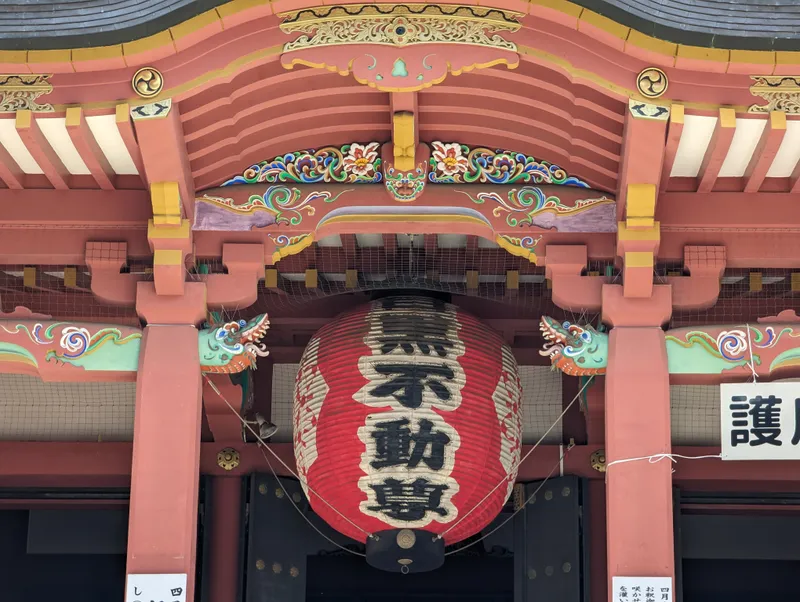
The oldest Fudo site in the Kanto, founded in 808 after a fifteen-year-old monk dreamed of a blue-black figure with a sword and a rope, and one of the Five-Colour Fudo that guarded Edo.
Sources
- How to worship — Jinja Honcho (Association of Shinto Shrines) (accessed 2026-08-01)
- Etiquette at the water pavilion — Senso-ji (accessed 2026-08-01)
- How to worship, step by step (お参りの作法と手順) — Kiyomizu-dera (accessed 2026-08-01)
- How to visit — Naritasan Shinshoji (accessed 2026-08-01)
- Visiting the shrine — hours and etiquette (参拝案内) — Meiji Jingu (accessed 2026-08-01)