Hatonomori Hachiman Shrine
鳩森八幡神社 · Hatonomori Hachiman Jinja · Hatonomori Shrine
Researched and translated with AI assistance. Every claim is linked to its source, but errors get through, so check the official site for opening times, fees and closures.About
In short
A Sendagaya shrine named after a flight of white doves, holding a Fuji mound raised in 1789 and a small hexagonal hall built with the Japan Shogi Association.
Quick facts
- Address
- 1-1-24 Sendagaya, Shibuya-ku, Tokyo 151-0051
- Access
- Sendagaya on the JR Chuo-Sobu line, Kokuritsu-Kyogijo on the Toei Oedo line and Kita-Sando on the Tokyo Metro Fukutoshin line are each about five minutes away on foot.
- Hours
- The office receives visitors from 9:00 to 17:00 every day of the year, and prayers are performed between 9:00 and 16:00. The Fuji mound can be climbed at any time except during rites and maintenance.
- Best time
- The shogi rite on 5 January, and 3 June, when priests and worshippers climb the Fuji mound together after the Sengen rite. The main festival falls in September.
- Spiritual entities
- Empress Jingu (神功皇后) · Hachiman (八幡神)
- Official site
- www.hatonomori-shrine.or.jp
About this place
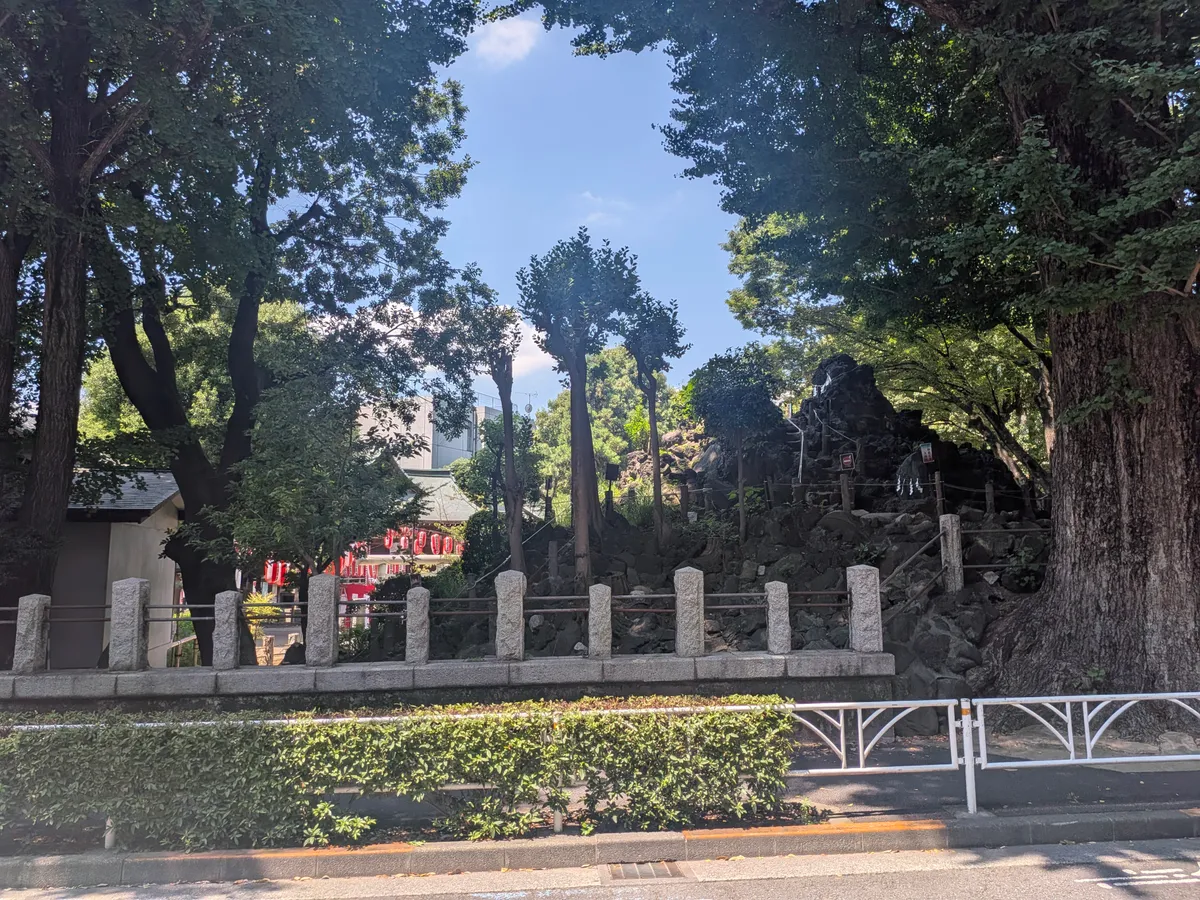
Hatonomori Hachiman stands in Sendagaya, five minutes from three different stations and from the national stadium. Its name means dove wood, after the birds in its founding story. Two things in the grounds are unusual enough to be worth the trip on their own: a miniature Fuji raised in 1789 that you can still climb, and a hexagonal hall holding a large wooden shogi piece, built by the shrine together with the Japan Shogi Association.
Origin and history
The shrine tells its beginning as weather. Long ago, auspicious cloud kept appearing deep in the wood that stood here. One day cloud came down out of a clear sky, and villagers who went in to see what it was found a great many white doves, which rose and flew off together to the west. They built a small shrine on the spot and called the place Hatonomori, the dove wood.
In 860 the monk Ennin, known as Jikaku Daishi, passed through on a teaching circuit of the eastern provinces. At the villagers' insistence he made images of Empress Jingu, Emperor Ojin and the Kasuga deity to set here, and from then the place was revered as a Hachiman shrine. The two deities enshrined today are Ojin and his mother Jingu.
The rest of the grounds arrived over the centuries and mostly from somewhere else. The Fuji mound was raised in 1789. The Koga Inari, revered by the Koga unit in the Edo period, stood at Gondawara in Aoyama until 1885, when the army built its parade ground there and the shrine was moved to this precinct; it burned in the war and was rebuilt in zelkova in 1970. The Shinmei-sha, enshrined in the early Edo period against epidemics in the east, was brought in as a subsidiary shrine in November 1908. The Shogi Hall is the newest of them, from 1986.
What it is locally associated with
The doves the place is named for
Villagers went into the wood to see why cloud had come down out of a clear sky, and a great many white doves flew up and away to the west. They built a shrine where it happened.
folk traditionA Fuji you can climb in a few minutes
The mound was raised in 1789 with lava from the mountain set near its summit, and designated a tangible folk cultural property by the metropolis in 1981. It is open to climb in daylight.
documented historyA hall built with the Japan Shogi Association
It holds a zelkova shogi piece over a metre tall, dedicated in 1986 by Yasuharu Oyama, then the association's president. Players come to dedicate tablets asking to get better.
documented historyA shrine the army displaced
The Koga Inari stood in Aoyama until 1885, when the parade ground went up on its site and it was moved here. It burned in the war and was rebuilt in 1970.
documented history
One tag on this page, skill, and this shrine is a large part of why the category exists on this site.
The shrine performs the usual range of prayers, from warding to safe travel to passing an examination, and that list is a service menu rather than a statement about what this particular place is for. It gets no tags here. What does is the Shogi Hall.
The hall is a small hexagonal building the shrine put up jointly with the Japan Shogi Association. Inside it stands a zelkova shogi piece a metre and twenty centimetres tall, dedicated in 1986 by Yasuharu Oyama, fifteenth lifetime Meijin, who was then the association's president. It sits on a granite board with Hachiman enshrined behind it. Every January the shrine holds a rite in front of the hall, which is otherwise closed, and the association's president and professional players attend; the shrine says the prayer is for the development of the shogi world and for players to get stronger. Visitors dedicate tablets asking the same thing. In the shrine's own words the hall is a guardian for people trying to improve at shogi and a symbol of prayer for the game's prosperity.
That is the skill tag: mastery of a discipline, asked for at the place that guards it. For the professionals who come in January the game is also the career, but the shrine is talking about the game.
The other reason to come is the Fuji mound, and it is a different kind of thing entirely. Edo had a fashion for building miniature Fujis so that people who could not make the pilgrimage could climb one anyway. This one was raised in 1789: earth heaped into a round mound with lava carried from the mountain set near the top, round stones placed along the way, the Sengen shrine's inner hall at the summit and its lower hall at the foot. At the seventh station there is a cave holding an image of Jikigyo Miroku, the ascetic whose death on the mountain in 1733 shaped the Fuji confraternities. The metropolis designated it a tangible folk cultural property in 1981. On 3 June, after the Sengen rite, the priests and the congregation climb it together chanting for purification of the six senses.
Claims and evidence levels 9
- The shrine relates that auspicious cloud appeared repeatedly over the wood here, and that villagers who entered after a cloud descended saw many white doves fly away to the west, which is why the place was named Hatonomori, the dove wood. folk tradition
- The shrine dates its founding as a Hachiman shrine to 860, when Ennin, known as Jikaku Daishi, made images of Empress Jingu, Emperor Ojin and the Kasuga deity at the villagers' request while travelling in the eastern provinces. folk tradition
- The deities enshrined are Emperor Ojin and Empress Jingu. documented history
- The Fuji mound in the grounds is said to have been built in 1789, with lava from Mount Fuji placed near its summit, and was designated a tangible folk cultural property by the Tokyo metropolis on 12 March 1981. documented history
- The mound carries the inner hall of the Sengen shrine at its summit and the lower hall at its foot, with round stones set along the slope and a cave at the seventh station holding an image of Jikigyo Miroku. documented history
- The Shogi Hall was built jointly by the shrine and the Japan Shogi Association and holds a zelkova shogi piece 1.2 metres tall, dedicated in 1986 by Yasuharu Oyama, fifteenth lifetime Meijin and then president of the association; a rite is held before it each January, attended by the association's president and professional players. documented history
- The shrine describes the Shogi Hall as a guardian for those seeking to improve at shogi and a symbol of prayer for the prosperity of the shogi world, and says many dedicate tablets asking to become stronger players. documented history
- The Koga Inari, enshrining Uka-no-Mitama and revered by the Koga unit in the Edo period, stood at Gondawara in Aoyama until it was moved into this precinct in 1885 for the building of the Aoyama parade ground; it burned in the war and was rebuilt in zelkova in 1970. documented history
- After the Sengen shrine rite on 3 June, the priests and those attending climb the Fuji mound together chanting for purification of the six senses. local custom
Visiting tips
The general form is in the visiting guide below. Specific to Hatonomori:
Bare feet are not allowed in the hall where prayers are performed. The shrine states this plainly and asks for socks or stockings.
Prayers are performed for one party at a time and never combined with another group, so without a booking you may not get the hour you want.
The Fuji mound is open to climb whenever the grounds are, but it closes during rites and maintenance, and the shrine asks people to come in daylight because the path is dark and unsafe after dusk. It is a real if short climb on uneven stone.
The Shogi Hall is normally shut, and opens for the January rite.
Related guides
- How to visit a shrine or temple in JapanThe country-wide basics: purifying at the water basin, the two-bows-two-claps-one-bow form at shrines, and what temples do instead.
- What a "power spot" actually isA modern Japanese coinage, not a traditional religious category. Where the word came from, what it does and does not claim, and why this site uses it anyway.
- Shrine or temple?A shrine is Shinto and a temple is Buddhist, and you can usually tell at the gate. Why the line is cleaner on paper than on the ground, and what a government order in 1868 has to do with it.
- Omamori, ema, omikuji and goshuinThe four things you are most likely to receive, write, draw or be given at a shrine or temple, what each is actually for, and the one of them people most often get wrong.
Sources
- History and main hall (由緒・御社殿) — Hatonomori Hachiman Shrine (accessed 2026-08-02)
- The Fuji mound (冨士塚) — Hatonomori Hachiman Shrine (accessed 2026-08-02)
- The Shogi Hall (将棋堂) — Hatonomori Hachiman Shrine (accessed 2026-08-02)
- Subsidiary shrines (末社) — Hatonomori Hachiman Shrine (accessed 2026-08-02)
- Prayers for individuals (ご祈祷個人) — Hatonomori Hachiman Shrine (accessed 2026-08-02)
Last updated:
Similar places
8 places
 Shrine
Ana Hachimangu
- Fertility & Children
- Money & Prosperity
- Skill & Mastery
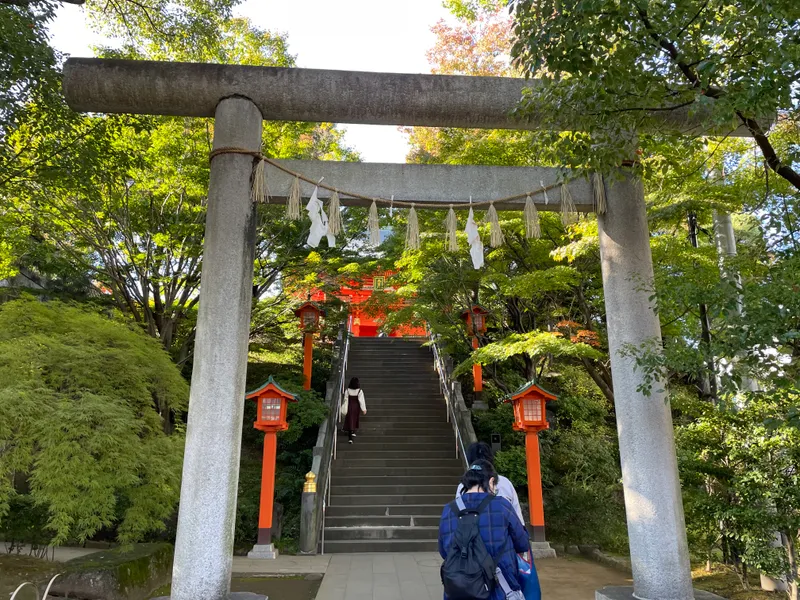
A Waseda shrine named for a cave found in its hillside in 1641, which gives out an amulet for the circulation of money for six weeks each winter and nothing the rest of the year.
 Shrine
Omiya Hachimangu
- Fertility & Children
- Protection & Safety
- Bonds & Matchmaking
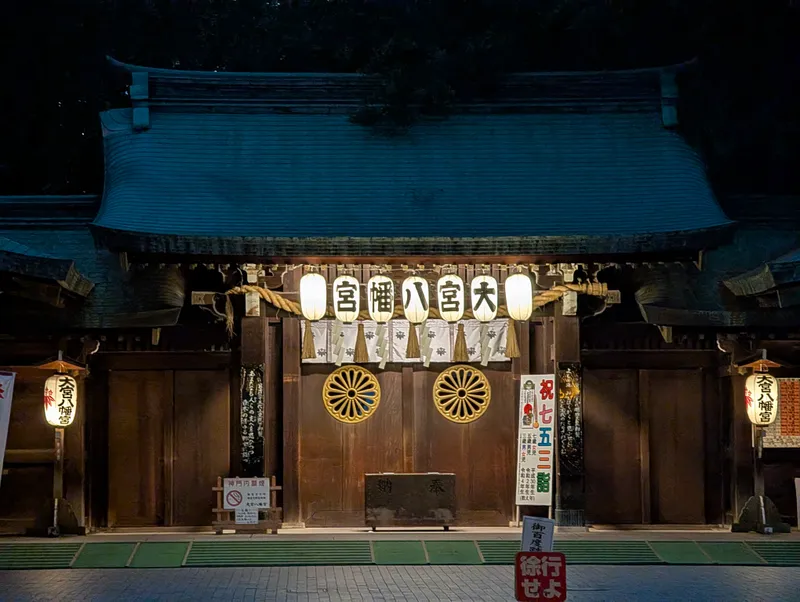
A large wooded shrine in Suginami, founded in 1063 by Minamoto no Yoriyoshi after he read a bank of white cloud as the banners of his own clan, and known for child-rearing and warding.
 Shrine
Karasumori Shrine
- Career & Work
- Money & Prosperity
- Skill & Mastery
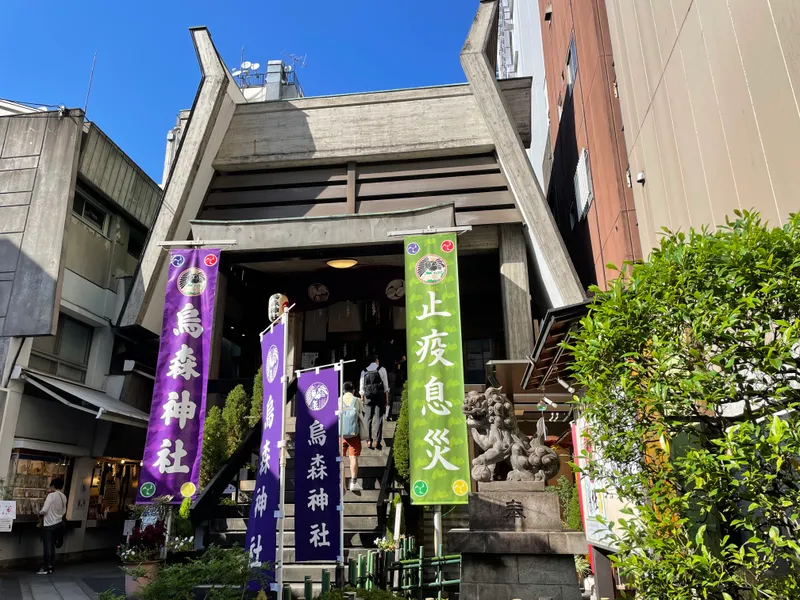
A Shimbashi shrine down an alley, founded in 940 by the general who defeated Taira no Masakado, and one of the few to enshrine the deity of the performing arts.
 Shrine
Imado Shrine
- Love & Romance
- Bonds & Matchmaking
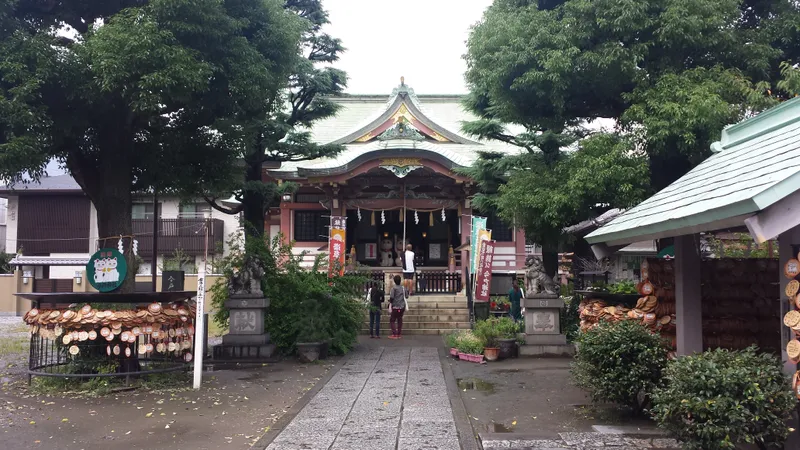
An Asakusa shrine founded in 1063 that calls itself a shrine of bond-tying, and which has run its own matchmaking gatherings since 2008.
 Shrine
Meiji Jingu
- Health & Healing
- Protection & Safety
- Bonds & Matchmaking
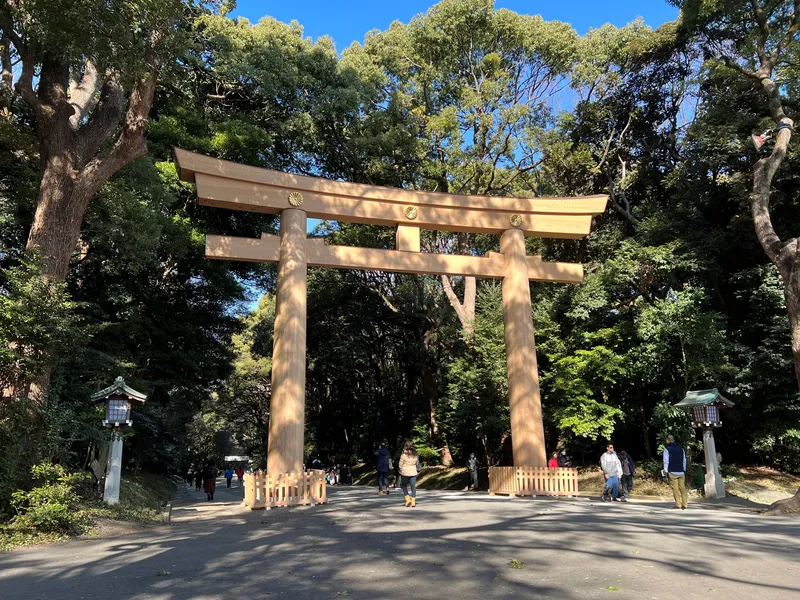
A 1920 Shinto shrine in central Tokyo enshrining Emperor Meiji and Empress Shōken, set in a 70-hectare forest that was planted from scratch and is visited today for prayers about bonds, protection and health.
 Shrine
Akasaka Hikawa Shrine
- Family & Home
- Love & Romance
- Money & Prosperity
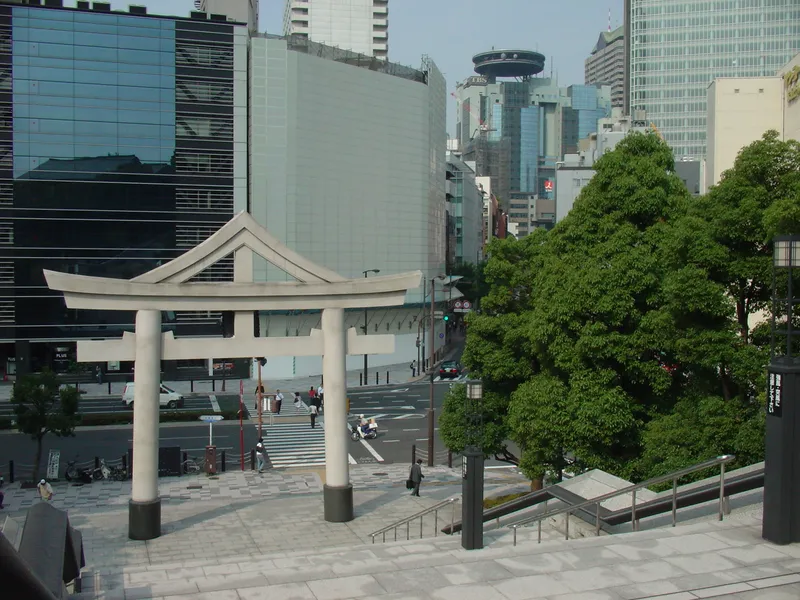
A Minato shrine founded in 951 whose Edo-period buildings survived both the earthquake and the war, known for warding off misfortune and for the tying of bonds, and the shrine explains why it is known for each.
 Shrine
Hie Shrine
- Career & Work
- Fertility & Children
- Money & Prosperity
A shrine on a wooded rise in Nagatacho, once the guardian of Edo Castle, whose messenger is the monkey, a pun the shrine explains itself, connecting it to warding off evil, to winning, and to the tying of bonds.
 Shrine
Atago Shrine
- Career & Work
- Love & Romance
- Money & Prosperity
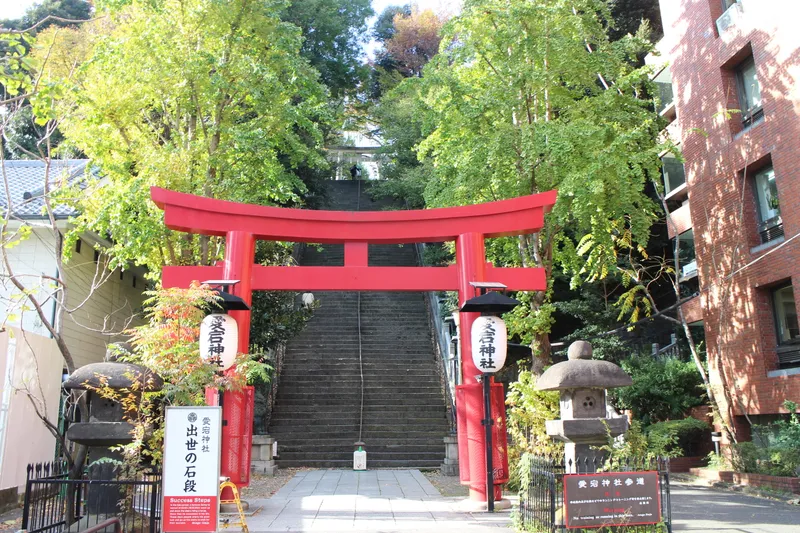
A shrine on a steep hill in Minato, founded in 1603 on Tokugawa Ieyasu's order as a deity against fire, and known for the stone staircase named after a rider who is said to have galloped up it.
No places match your filters