Fukagawa Fudo-do
深川不動堂 · Naritasan Tokyo Betsuin · Fukagawa Fudoson
Researched and translated with AI assistance. Every claim is linked to its source, but errors get through, so check the official site for opening times, fees and closures.About
In short
The Tokyo branch of Naritasan Shinshoji, in Monzen-nakacho, where a goma fire rite is performed before Fudo Myoo several times a day.
Quick facts
- Address
- 1-17-13 Tomioka, Koto-ku, Tokyo 135-0047
- Access
- Monzen-nakacho station is about two minutes on foot, served by the Tokyo Metro Tozai line and the Toei Oedo line. The temple sits at the end of a covered shopping street running north from the station, next to Tomioka Hachimangu.
- Hours
- The temple performs the goma (護摩) fire rite several times a day and its reception runs from 8:00 to 17:00. Individual rite times vary by day and by season, so check the official site before travelling for a specific one.
- Best time
- Any day a goma rite is running, which is what distinguishes a visit here from a walk around the grounds. The Fudo festival days on the 1st, 15th and 28th of each month are the busiest, and the Inari sub-shrine keeps its own festivals on 15 February and 15 September.
- Spiritual entities
- Fudō Myōō (不動明王)
- Official site
- fukagawafudou.gr.jp
About this place
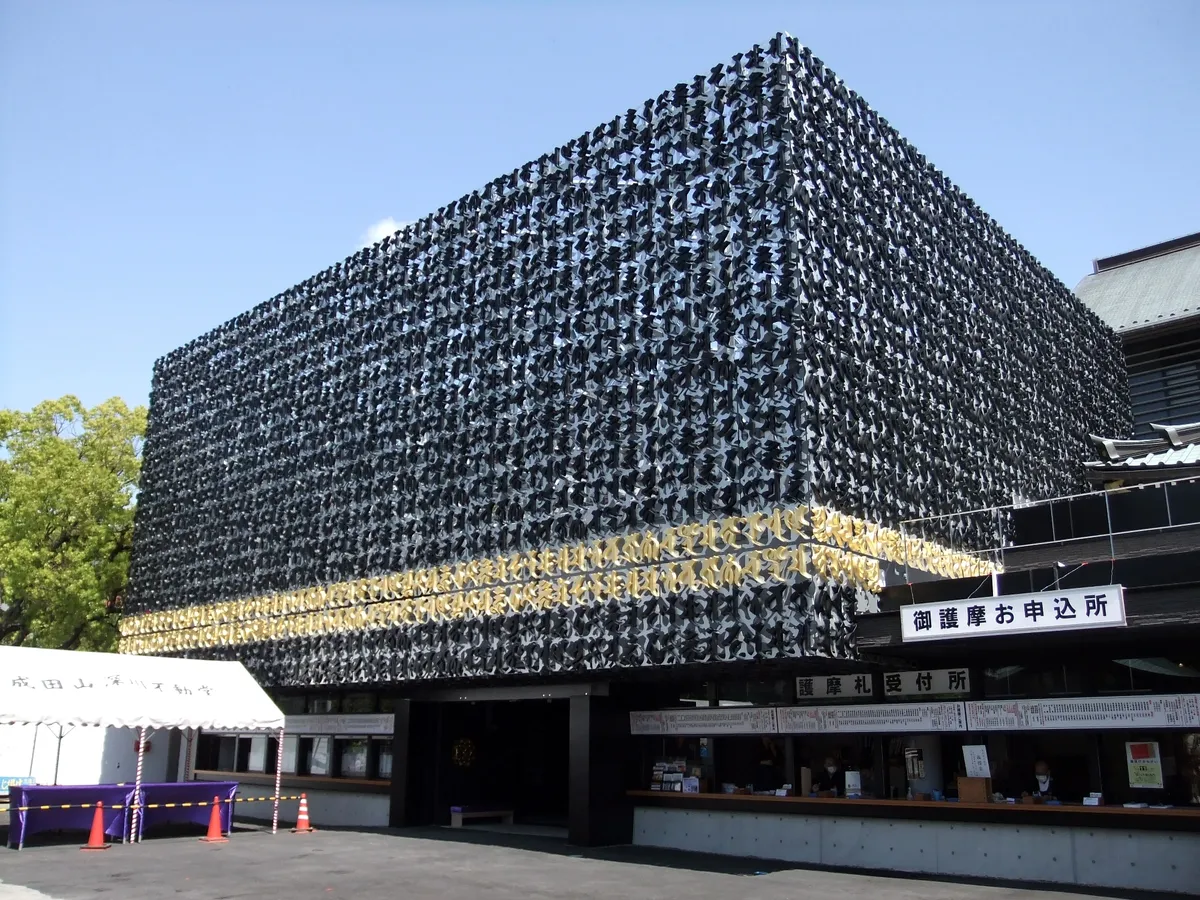
Fukagawa Fudo-do is the Tokyo branch temple of Naritasan Shinshoji in Chiba, and has been known locally as the Fudo of Fukagawa for centuries. It is a working ritual site rather than a quiet one: the goma fire rite runs several times daily, and the newest main hall is wrapped on the outside in Fudo Myoo's mantra written in Sanskrit characters. The old hall behind it is the oldest wooden building in Koto ward.
Origin and history
The temple traces its beginning to 1703, when Naritasan's principal image was carried to Edo and shown publicly for the first time. That image is a Fudo Myoo which Naritasan says was carved and consecrated by Kūkai at the command of Emperor Saga, and which was kept for a long period at Jingo-ji in Kyoto.
What brought it east was the rebellion of Taira no Masakado. In 939 the court ordered the Shingon monk Kanchō to subdue the rebellion by ritual means, and he carried the image to what is now Narita and performed a goma rite there. The temple's account is that when he tried to take it back to Kyoto it would not move, and the deity said it wished to remain and guard the eastern provinces. Emperor Suzaku then granted the temple its name.
Naritasan became popular in Edo in the mid-period, helped by the actor Ichikawa Danjūrō: the temple records that the first Danjūrō, childless, prayed to its Fudo and received the second, after which the family took Naritaya as its stage name. The first public showing in Edo was held in 1703 at Eitai-ji, the administrative temple of Tomioka Hachimangu, and the shogun Tsunayoshi's mother Keishōin came to it.
After the 1868 separation of Buddhism from Shinto, the lay associations pressed for a permanent Fukagawa site, and the buildings were finished under the name Fukagawa Fudo-do in 1881. They burned in the Great Kanto Earthquake of 1923 and again in the air raids of 1945; the image was carried out both times. The hall that replaced them was not built but moved: the Jizo hall of Ryūfuku-ji in Chiba was dismantled and re-erected here in 1951. The present main hall dates from 2012.
What it is locally associated with
The goma fire rite, several times a day
Offerings and goma sticks standing for earthly desires are burned before Fudo Myoo. The temple describes the flames as the deity's wisdom itself, raising those desires into pure wishes.
documented historyBrought east against Masakado, 939
The court sent the monk Kanchō with this image to perform a subjugation rite. The temple says it then refused to return to Kyoto, choosing to guard the eastern provinces.
folk traditionThe substitution charm
Naritasan's best-known amulet, the migawari-mamori, is meant to take harm in the bearer's place. The temple describes its charms as divisions of Fudo Myoo himself.
documented historyKoto's oldest wooden building
The old main hall was moved here from Ryūfuku-ji in Chiba in 1951, after fire took its predecessors twice. It is now a ward-designated cultural property.
documented history
What this temple is petitioned for follows from the fire and from Fudo Myoo. Its published list separates four kinds of warding, against calamity, against misfortune, against unlucky directions and against all eight directions, and the amulet it is best known for through Naritasan is the migawari-mamori, the substitution charm meant to take harm in the bearer's place. That is where the protection tag on this page comes from.
The purification tag comes from what the temple says the fire does. The goma rite descends from the ancient Indian homa and is described as a secret rite of Shingon esoteric Buddhism: offerings and goma sticks standing for our earthly desires are burned on the altar before the image, and the flames are Fudo Myoo's wisdom itself, raising those desires into pure wishes. That is a stated mechanism rather than an atmosphere, which is why it is tagged.
Several parts of the grounds carry associations of their own. The Kaiun Shusse Inari, just inside on the right, is a branch of Naritasan's own Inari shrine and is associated with fortune and advancement; it keeps festivals on 15 February and 15 September. The Fukagawa Ryujin on the left honours a dragon deity of water, and the practice there is specific: float a dragon prayer slip on the water basin and it dissolves, which is said to carry the wish. Inside, the corridor running beneath the principal image holds about ten thousand crystal five-ring pagodas, and the fourth floor of the inner hall shows a ceiling painting of Dainichi Nyorai among lotuses that the temple describes as among the largest in Japan.
Claims and evidence levels 7
- Fukagawa Fudo-do is the Tokyo branch temple of Naritasan Shinshoji in Narita, Chiba, and enshrines a division of that temple's Fudo Myoo image. documented history
- The temple relates that in 939 the monk Kanchō carried Naritasan's Fudo Myoo image east to perform a subjugation rite during the rebellion of Taira no Masakado, and that the image afterwards refused to return to Kyoto, choosing to remain as guardian of the eastern provinces. folk tradition
- The first public showing of the image in Edo was held in 1703 at Eitai-ji, the administrative temple of Tomioka Hachimangu; the temple records that Keishōin, mother of the shogun Tsunayoshi, attended. documented history
- The temple records that the first Ichikawa Danjūrō, who had no children, prayed to Naritasan's Fudo and received a son who became the second Danjūrō, after which the family took Naritaya as its stage name. folk tradition
- The buildings were completed under the name Fukagawa Fudo-do in 1881, destroyed in the Great Kanto Earthquake of 1923 and again in the air raids of 1945, and replaced in 1951 by the Jizo hall of Ryūfuku-ji in Chiba, which was dismantled and re-erected here. documented history
- The temple describes the goma rite as a secret rite of Shingon esoteric Buddhism descending from the ancient Indian homa, in which goma sticks standing for earthly desires are burned before the image and the flames, being Fudo Myoo's wisdom, raise those desires into pure wishes. documented history
- The old main hall is a designated cultural property of Koto ward and is described as the oldest wooden building in the ward. documented history
Visiting tips
The general form for a temple is in the visiting guide below: hands together, and no clapping. Specific to Fukagawa Fudo-do:
The goma rite is the reason to come, and it is a service rather than a spectacle. Visitors sit in the hall while it is performed. If you arrive between rites you will see the building and not the thing it is for, so check the day's times first.
Charms and prayer plaques here are treated as divisions of Fudo Myoo rather than as souvenirs, and the temple asks that a plaque be kept somewhere clean and above eye level. Old charms are returned to the designated spot in the grounds rather than taken home indefinitely.
The temple runs a car blessing hall for road safety, which is a normal sight and not a curiosity.
Related guides
- How to visit a shrine or temple in JapanThe country-wide basics: purifying at the water basin, the two-bows-two-claps-one-bow form at shrines, and what temples do instead.
- What a "power spot" actually isA modern Japanese coinage, not a traditional religious category. Where the word came from, what it does and does not claim, and why this site uses it anyway.
- Shrine or temple?A shrine is Shinto and a temple is Buddhist, and you can usually tell at the gate. Why the line is cleaner on paper than on the ground, and what a government order in 1868 has to do with it.
- Omamori, ema, omikuji and goshuinThe four things you are most likely to receive, write, draw or be given at a shrine or temple, what each is actually for, and the one of them people most often get wrong.
Sources
- History of Fukagawa Fudo-do (沿革) — Naritasan Tokyo Betsuin Fukagawa Fudo-do (accessed 2026-08-02)
- Prayers and the goma rite (祈祷) — Naritasan Tokyo Betsuin Fukagawa Fudo-do (accessed 2026-08-02)
- Guide to the grounds (参拝案内) — Naritasan Tokyo Betsuin Fukagawa Fudo-do (accessed 2026-08-02)
- Fukagawa Fudōson (Q11495650) coordinate location — Wikidata (accessed 2026-08-02)
Last updated:
Similar places
8 places
 Temple
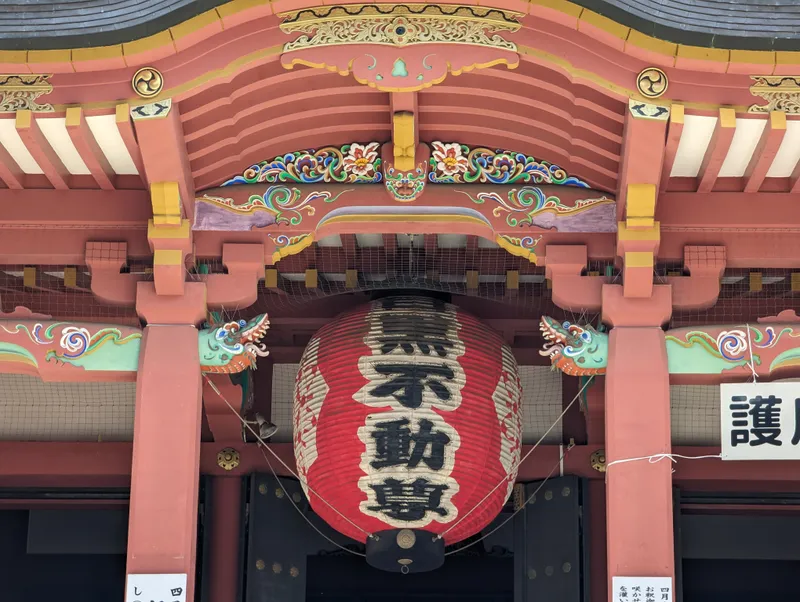
Meguro Fudoson (Ryusen-ji)
- Protection & Safety
- Purification
The oldest Fudo site in the Kanto, founded in 808 after a fifteen-year-old monk dreamed of a blue-black figure with a sword and a rope, and one of the Five-Colour Fudo that guarded Edo.
 Temple
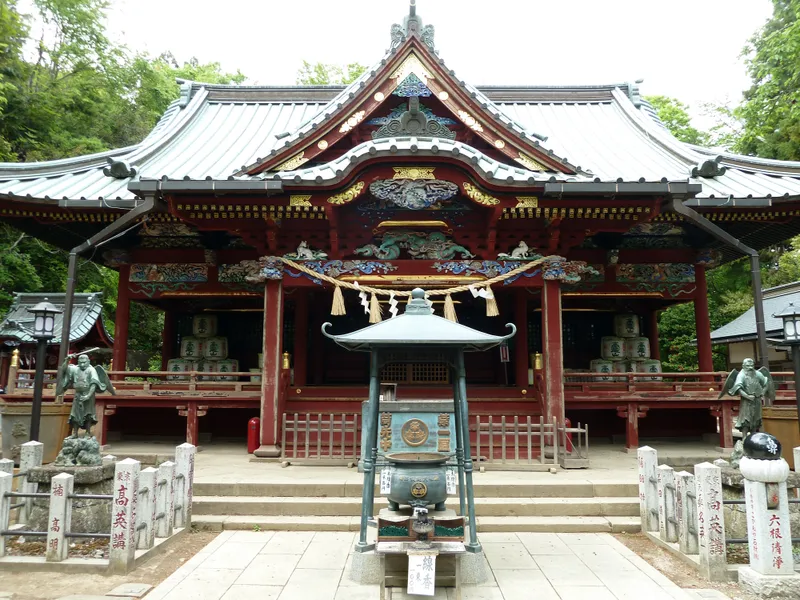
Takaosan Yakuo-in
- Protection & Safety
- Purification
A mountain temple founded in 744 on Mount Takao, west of Tokyo, whose principal image is Izuna Daigongen and whose tengu are held to ward off calamity, still an active centre of Shugendo mountain asceticism.
 Shrine
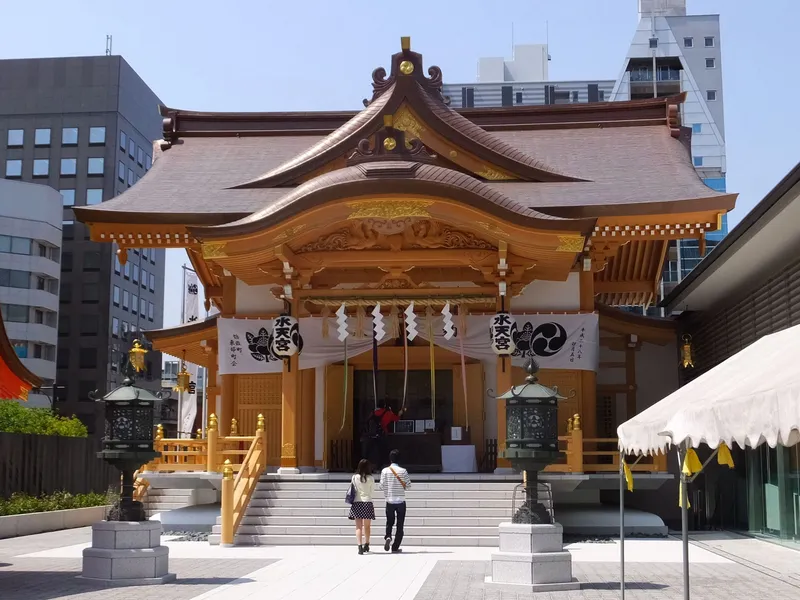
Suitengu
- Family & Home
- Fertility & Children
- Protection & Safety
A Nihonbashi shrine long known for safe childbirth and for praying to conceive, whose safe-birth charm is a length of cotton worn as a belly band.
 Shrine
Koami Shrine
- Money & Prosperity
- Protection & Safety
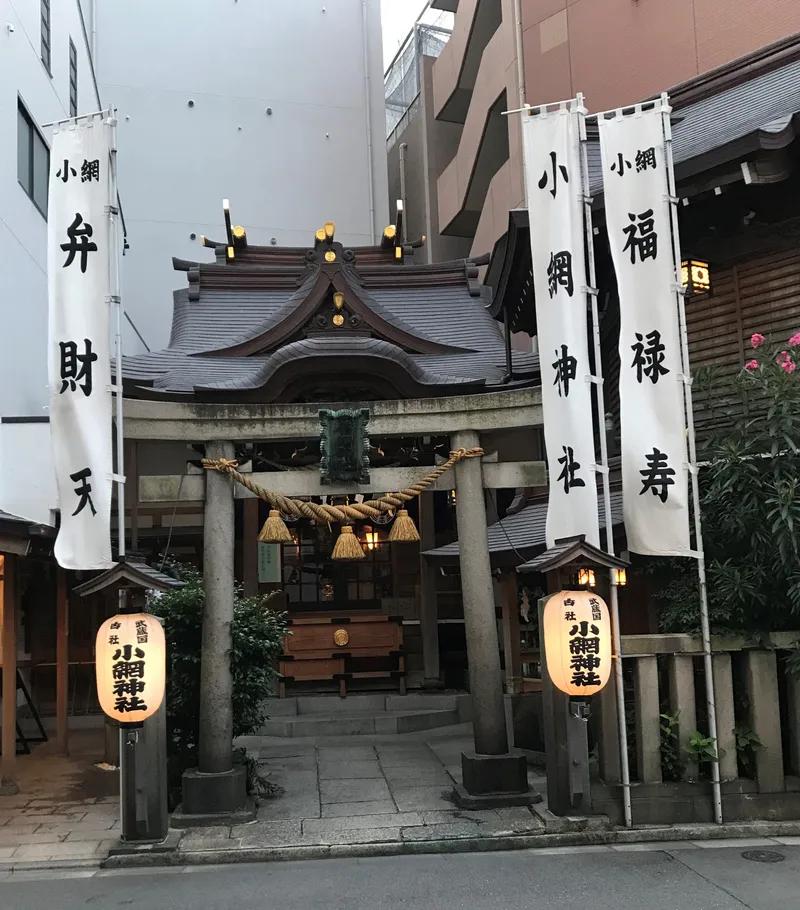
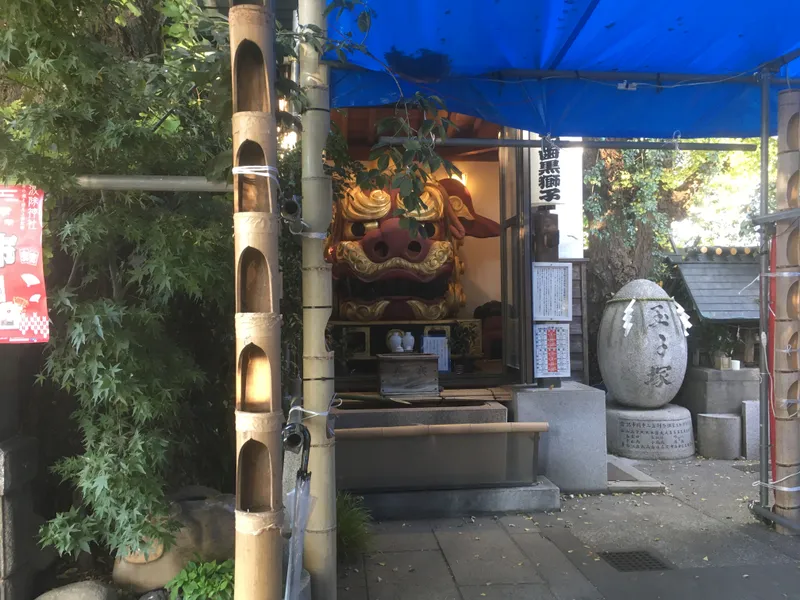
A small Nihonbashi shrine known as a deity of strong luck and warding off misfortune, with a well where visitors wash money and the only pre-war wooden shrine building left in the district.
 Shrine
Namiyoke Shrine
- Money & Prosperity
- Protection & Safety
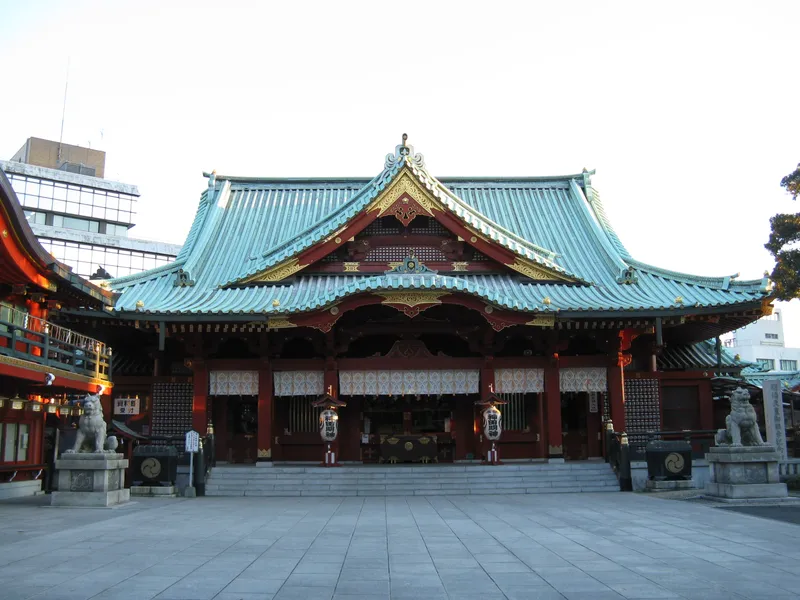
A Tsukiji shrine whose name means wave-averting, founded in 1659 after an Inari image found floating in the sea was credited with calming the water enough to finish the reclamation.
 Shrine
Kanda Myojin
- Career & Work
- Family & Home
- Money & Prosperity
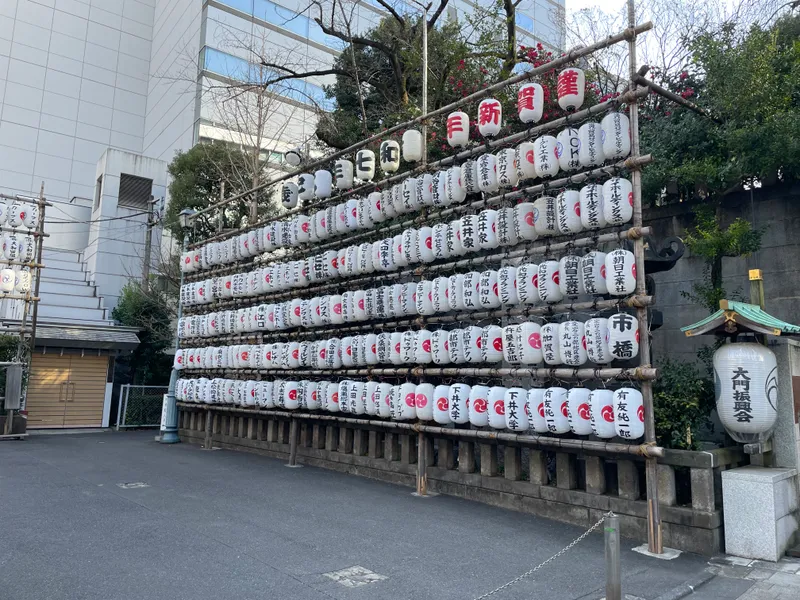
A Chiyoda shrine that served as the guardian shrine of all Edo, enshrining three deities between them associated with business prosperity, good matches and warding off misfortune, and these days selling a charm for information security.
 Shrine
Shiba Daijingu
- Love & Romance
- Money & Prosperity
- Protection & Safety
A Minato shrine founded in 1005 that enshrines the two deities of Ise, known in the Edo period as the Ise of the Kanto and today for a box charm sold nowhere else.
 Shrine
Atago Shrine
- Career & Work
- Love & Romance
- Money & Prosperity
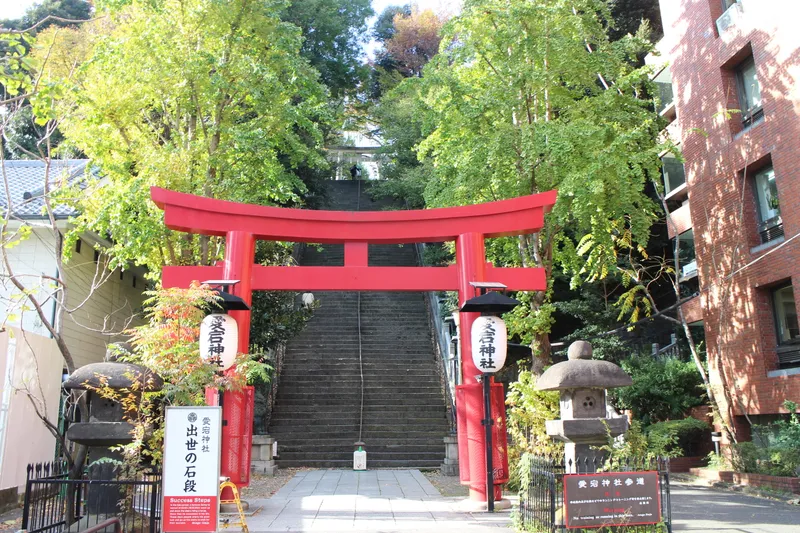
A shrine on a steep hill in Minato, founded in 1603 on Tokugawa Ieyasu's order as a deity against fire, and known for the stone staircase named after a rider who is said to have galloped up it.
No places match your filters