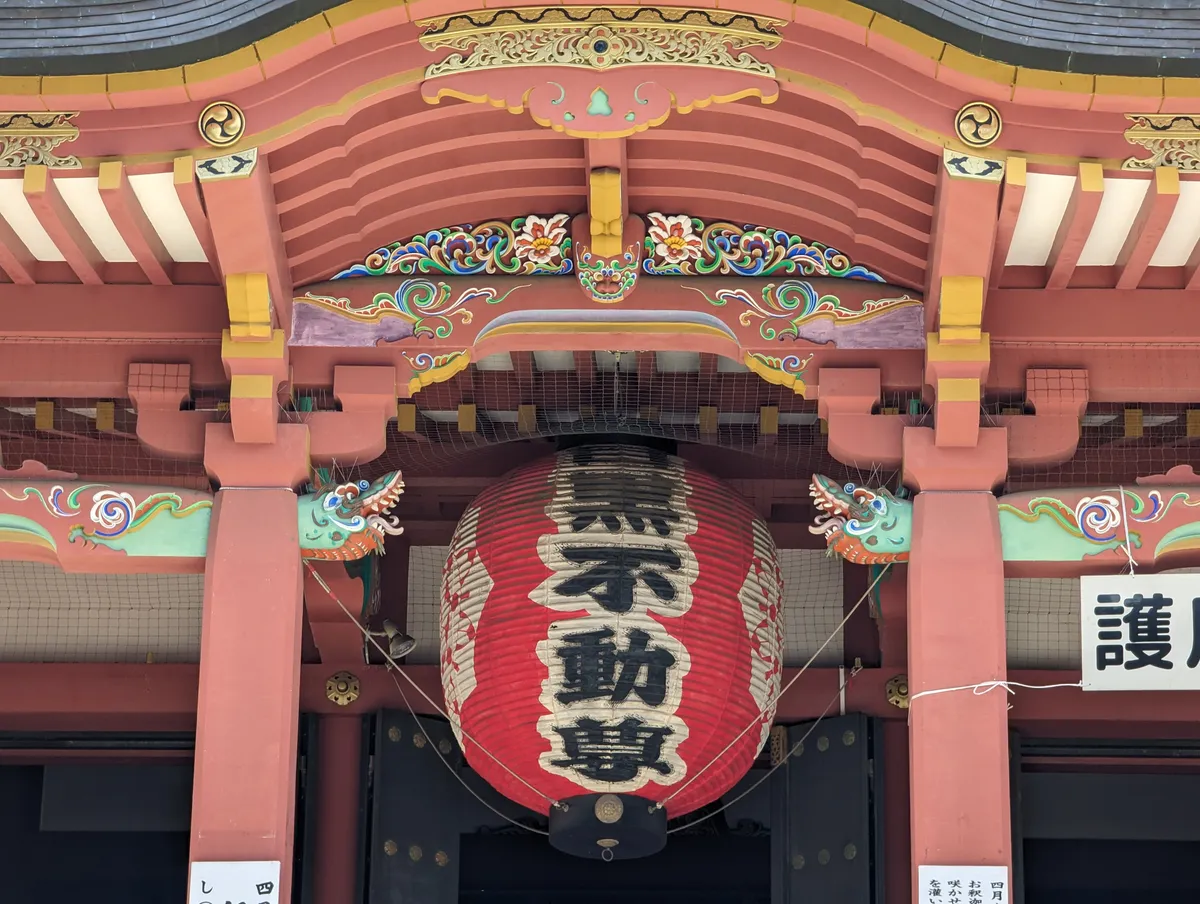
Meguro Fudoson (Ryusen-ji)
目黒不動尊 · 瀧泉寺 · Ryusen-ji · Taieizan Gokokuin Ryusen-ji
Researched and translated with AI assistance. Every claim is linked to its source, but errors get through, so check the official site for opening times, fees and closures.About
In short
The oldest Fudo site in the Kanto, founded in 808 after a fifteen-year-old monk dreamed of a blue-black figure with a sword and a rope, and one of the Five-Colour Fudo that guarded Edo.
Quick facts
- Address
- 3-20-26 Shimo-Meguro, Meguro-ku, Tokyo 153-0064
- Access
- Fudomae on the Tokyu Meguro line is about fifteen minutes on foot and Meguro station about twenty. Tokyu buses from Gotanda west exit stop at Meguro Fudoson Keidai.
- Hours
- The halls are open from 9:00 to 16:30. Goma (護摩) rites run on Sundays and on the 8th and 18th at 15:00, and five times on the 28th; apply at the desk to the right of the main hall at least thirty minutes before. There is no car park.
- Best time
- The twenty-eighth of the month, when the fair is held. The principal image is shown once every twelve years, in the year of the rooster.
- Spiritual entities
- Fudō Myōō (不動明王)
- Official site
- megurofudo.jp
About this place
Ryusen-ji, known to everyone as Meguro Fudoson, sits on a slope in Shimo-Meguro with a long flight of steps up to the main hall and a spring running at the bottom of them. It is the oldest Fudo site in eastern Japan and the reason the district is called Meguro. Its principal image is hidden, shown once every twelve years. The spring has never run dry.
Origin and history
The temple dates itself to 808. Ennin, later the third head of the Tendai school and known as Jikaku Daishi, was fifteen and travelling with his teacher Kochi Ajari from his home province of Shimotsuke to Mount Hiei to study under Saicho. He stopped at Meguro on the way. That night a figure appeared standing over his pillow: blue-black in the face, a demon-quelling sword in the right hand and a binding rope in the left, terrible to look at. It said that it would leave its traces in this land, subdue demons and pacify the country, and that it would grant every wish of those who came and longed for it. When Ennin woke he held the face in his mind and carved it himself.
Years later, in Chang'an, he worshipped the Fudo Myoo of Qinglong-si and understood that this was the figure from the dream. He came home and built the halls. The ridge tag he wrote ended with the words for the lasting spring, and the temple took its name, Ryusen-ji, from them. The mountain name Taieizan came later, granted by an imperial tablet in the reign of Emperor Seiwa.
When he was choosing the ground for the halls he threw the ritual implement he carried, and a spring came up where it landed. It is called the Tokko waterfall after the implement, and the temple says that after weeks of drought and blazing heat it has still never dried.
What it is locally associated with
A figure at the pillow of a fifteen-year-old
Blue-black in the face, a sword in one hand and a rope in the other. Ennin carved what he had seen when he woke, and that image is still the temple's.
folk traditionA spring that has never failed
The Tokko waterfall rose where Ennin threw his ritual implement. Practitioners have stood under it to wash the heart and cleanse the spirit ever since.
folk traditionOne of the Five-Colour Fudo of Edo
Black eye, white eye, red, yellow and blue. The five were set to guard the castle, to turn away misfortune from its five quarters, and to watch the five highways out.
documented historyThe hawk that came back
Iemitsu lost his favourite hawk while hunting here, prayed before the Fudo, and it flew straight back to the pine by the hall. He rebuilt the whole complex.
folk tradition
Fudo Myoo is not a gentle figure and this temple does not soften him. The words the temple puts in his mouth in the founding dream are about subduing demons and pacifying the country, and everything the place has been used for since follows from that.
The clearest form of it is the Five-Colour Fudo. Edo had five, named for eye colours: black at Meguro, white at Mejiro, red, yellow and blue elsewhere. The temple states what they were for. They guarded Edo castle, they turned away misfortune coming from each of its five quarters, and they watched over the five highways running out of the city. That is the warding tag on this page, and it is warding in a specifically directional sense, which is still how the temple's own goma rite for an unlucky year is framed.
The waterfall is the other tag and the other half of the practice. Ennin threw the implement he carried, a spring rose where it fell, and the temple calls it a place where Fudo practitioners wash the heart and cleanse the spirit. Standing under cold water is the oldest form of purification in Japan and this is one of the few places in central Tokyo where the water for it has been running continuously for twelve hundred years.
What the temple does not claim is healing, and this page does not either. The two tags here are the two things it states.
The Tokugawa connection is a story about a bird. Iemitsu was hawking in Meguro when his favourite hawk went missing. He got down before the Fudo himself and prayed, and the hawk flew back at once to the pine in front of the main hall, which is still called the hawk-perch pine. He took that as a demonstration and paid for a rebuilding that ran to fifty-three buildings, so lavish that people called it the Meguro Palace. Hiroshige drew it. Later, Saigo Takamori and Admiral Togo came here.
Two smaller things are worth knowing. On 3 January the temple opens the image of Ganzan Daishi, the tenth-century abbot whose demon-quelling portrait is pasted on doors all over Japan and who is enshrined as the principal image at Jindai-ji, also on this site. And the grave in the grounds belongs to Aoki Konyo, the scholar who spread sweet potato cultivation in the Kanto and probably kept a great many people alive; he wrote his own gravestone, the temple keeps his memorial rite on 28 October, and the grave is a National Historic Site.
Claims and evidence levels 9
- The temple dates its founding to 808, when the fifteen-year-old Ennin, later Jikaku Daishi, stopped at Meguro on his way to Mount Hiei and dreamed of a figure blue-black in the face holding a demon-quelling sword and a binding rope, which told him it would subdue demons, pacify the country and grant the wishes of those who came to it; he carved the image on waking. folk tradition
- The temple relates that Ennin later worshipped the Fudo Myoo of Qinglong-si in Chang'an, recognised it as the figure of his dream, and returned to build the halls; the name Ryusen-ji comes from the words for the lasting spring on the ridge tag he wrote, and the mountain name Taieizan was granted by imperial tablet in the reign of Emperor Seiwa. folk tradition
- The principal image is a hidden image, shown once every twelve years in the year of the rooster. documented history
- The Tokko waterfall in the grounds is said to have risen where Ennin threw the ritual implement he carried while choosing ground for the halls, and the temple states that it has never dried even after weeks of drought and that it remains a place where Fudo practitioners wash the heart and cleanse the spirit. folk tradition
- The temple is the oldest Fudo site in the Kanto and is counted with Kihara Fudo in Kumamoto and Narita Fudo in Chiba as one of the three great Fudo of Japan. documented history
- The temple relates that the third shogun, Tokugawa Iemitsu, lost his favourite hawk while hunting here, prayed before the Fudo, and saw it return at once to the pine before the main hall; he then paid for a rebuilding that ran to fifty-three buildings and was called the Meguro Palace. folk tradition
- As one of the Five-Colour Fudo of Edo, black eye, white eye, red, yellow and blue, the temple was assigned to guard Edo castle, to ward off misfortune from its five quarters and to guard the five highways out of the city, and became one of the foremost sights of Edo. documented history
- The grave of Aoki Konyo, who spread sweet potato cultivation and wrote his own gravestone, stands in the grounds and is a National Historic Site; the temple keeps his memorial rite on 28 October. documented history
- The hillside behind the grounds is the Meguro Fudo archaeological site, where Jomon and Yayoi dwelling remains and pottery have been found. documented history
Visiting tips
The general form is in the visiting guide below. Specific to Meguro Fudoson:
The temple publishes an unusually long list of things not to do in the grounds, and the reason it gives is worth repeating: this is a religious site, not a park. No photography inside the halls, no drones, no ball games, no eating on a spread sheet, no unpermitted filming, no interviews without asking.
Goma rites are held on Sundays and on the 8th and 18th at 15:00, and five times through the day on the 28th. Apply at the desk to the right of the main hall at least thirty minutes before the one you want; it runs thirty to forty-five minutes. A first visit after birth, the seven-five-three and a vehicle blessing all need a telephone booking instead. The temple also takes applications by registered post all year.
There is no car park at all, and the temple will not recommend one.
The halls are open 9:00 to 16:30. Seals are written into your own book only on days with an eight in them and on Sundays and holidays; otherwise you are given a sheet written in advance.
The steps up to the main hall are long and steep, and the ground behind is an archaeological site.
Related guides
- How to visit a shrine or temple in JapanThe country-wide basics: purifying at the water basin, the two-bows-two-claps-one-bow form at shrines, and what temples do instead.
- What a "power spot" actually isA modern Japanese coinage, not a traditional religious category. Where the word came from, what it does and does not claim, and why this site uses it anyway.
- Shrine or temple?A shrine is Shinto and a temple is Buddhist, and you can usually tell at the gate. Why the line is cleaner on paper than on the ground, and what a government order in 1868 has to do with it.
- Omamori, ema, omikuji and goshuinThe four things you are most likely to receive, write, draw or be given at a shrine or temple, what each is actually for, and the one of them people most often get wrong.
Sources
- Origins (縁起) — Meguro Fudoson Ryusen-ji (accessed 2026-08-02)
- Annual observances (年中行事) — Meguro Fudoson Ryusen-ji (accessed 2026-08-02)
- How to apply for a goma rite (護摩祈願 申込み方法) — Meguro Fudoson Ryusen-ji (accessed 2026-08-02)
- Frequently asked questions — Meguro Fudoson Ryusen-ji (accessed 2026-08-02)
- Notes for the precinct (境内注意事項) — Meguro Fudoson Ryusen-ji (accessed 2026-08-02)
Last updated:
Similar places
8 places
 Temple
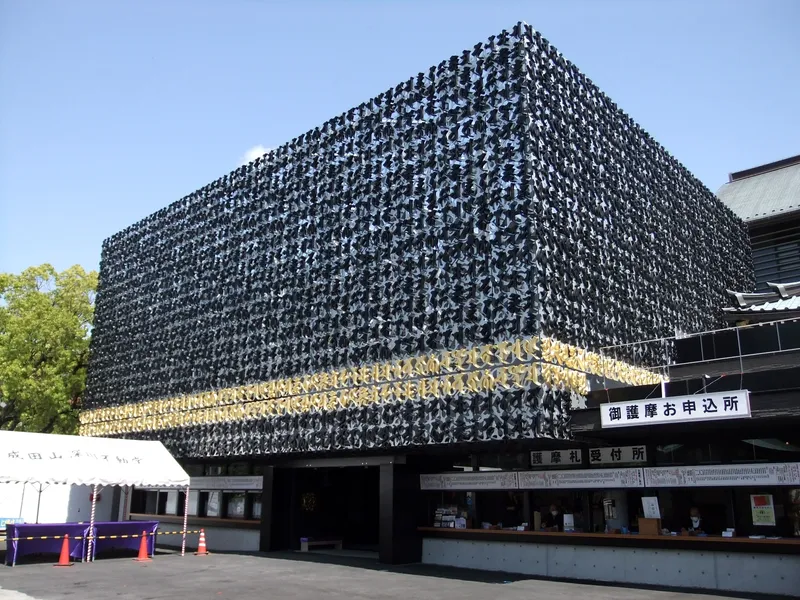
Fukagawa Fudo-do
- Protection & Safety
- Purification
The Tokyo branch of Naritasan Shinshoji, in Monzen-nakacho, where a goma fire rite is performed before Fudo Myoo several times a day.
 Temple
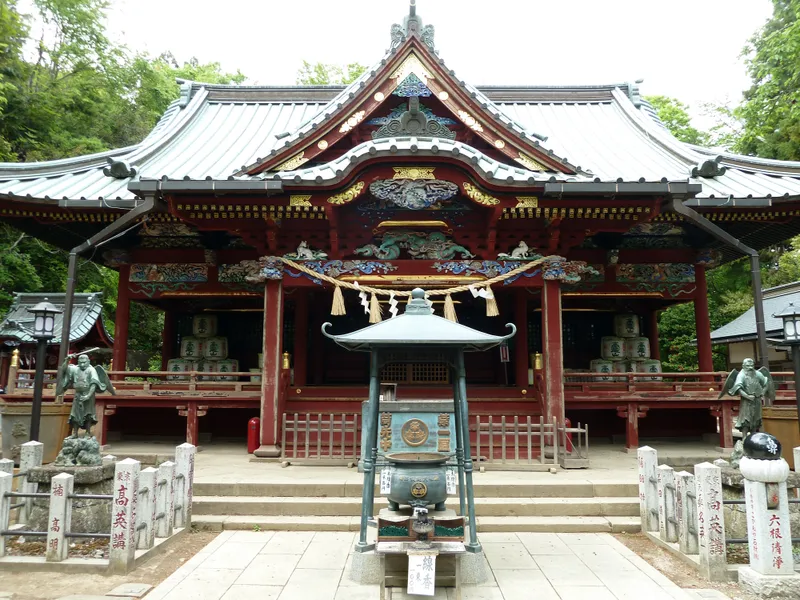
Takaosan Yakuo-in
- Protection & Safety
- Purification
A mountain temple founded in 744 on Mount Takao, west of Tokyo, whose principal image is Izuna Daigongen and whose tengu are held to ward off calamity, still an active centre of Shugendo mountain asceticism.
 Shrine
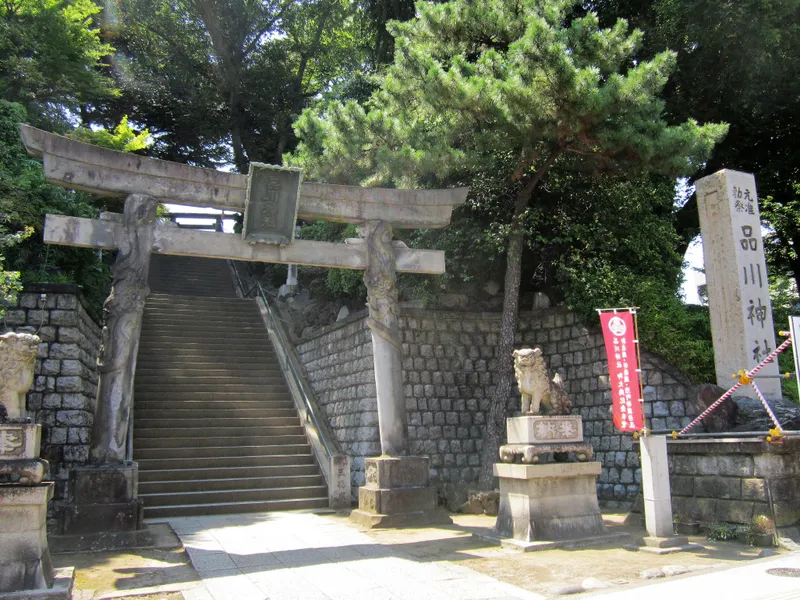
Shinagawa Shrine
- Money & Prosperity
- Protection & Safety
A shrine above Kita-Shinagawa founded in 1187 by Minamoto no Yoritomo, enshrining three deities added across three centuries, one for trade and one for warding.
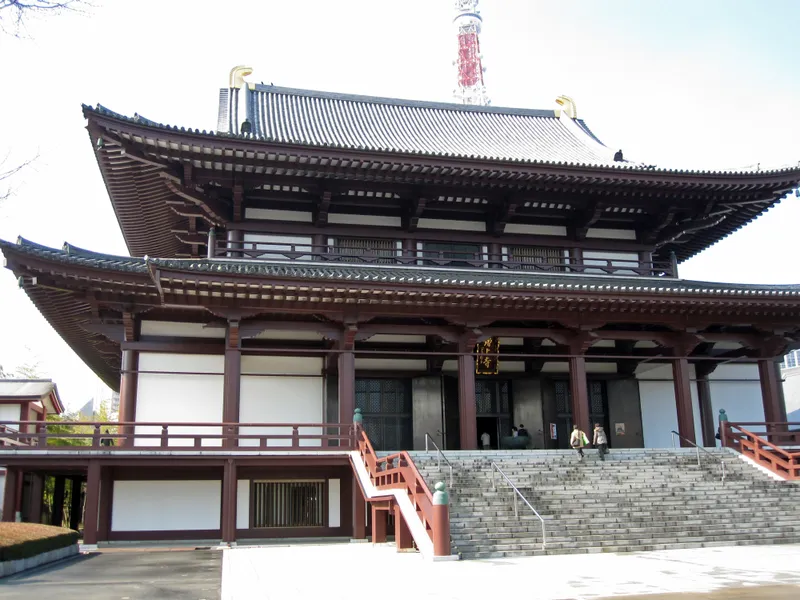 Temple
Zojo-ji
- Career & Work
- Family & Home
- Money & Prosperity
A Pure Land temple in Shiba, founded in 1393 and chosen by the Tokugawa as their family temple, whose hidden principal image is known as the Black Honzon of victory.
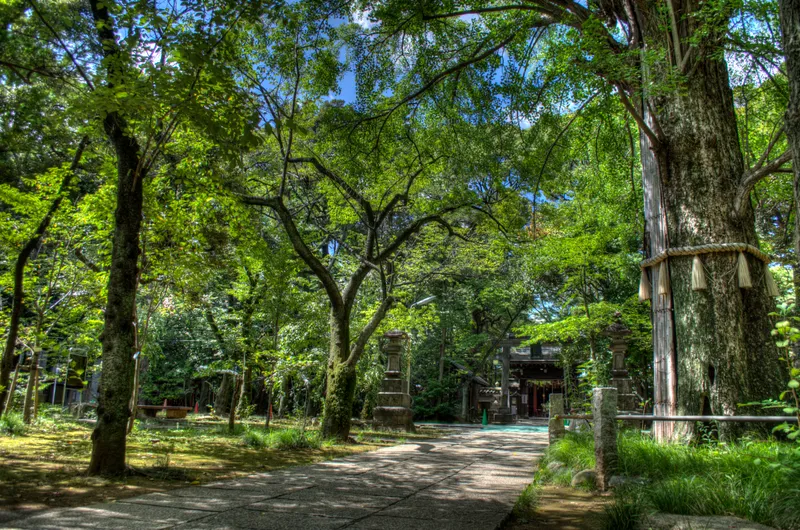 Shrine
Akasaka Hikawa Shrine
- Family & Home
- Love & Romance
- Money & Prosperity
A Minato shrine founded in 951 whose Edo-period buildings survived both the earthquake and the war, known for warding off misfortune and for the tying of bonds, and the shrine explains why it is known for each.
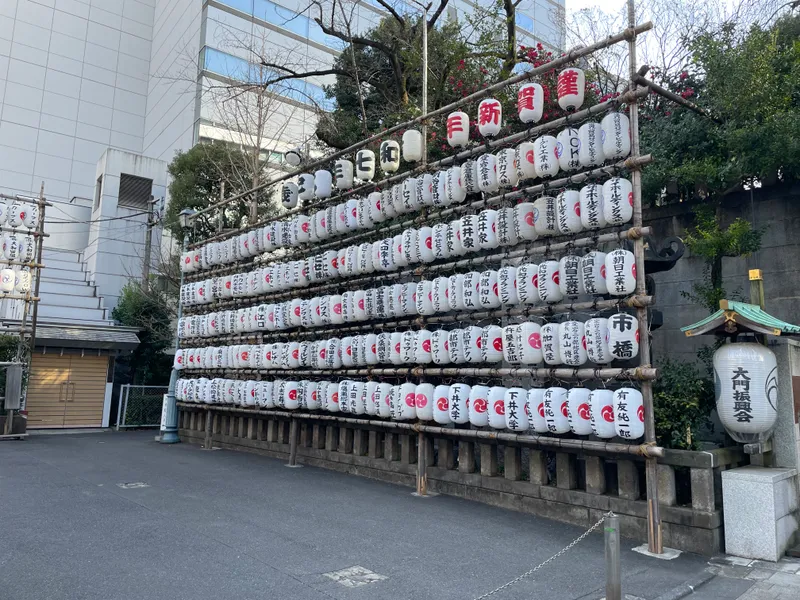 Shrine
Shiba Daijingu
- Love & Romance
- Money & Prosperity
- Protection & Safety
A Minato shrine founded in 1005 that enshrines the two deities of Ise, known in the Edo period as the Ise of the Kanto and today for a box charm sold nowhere else.
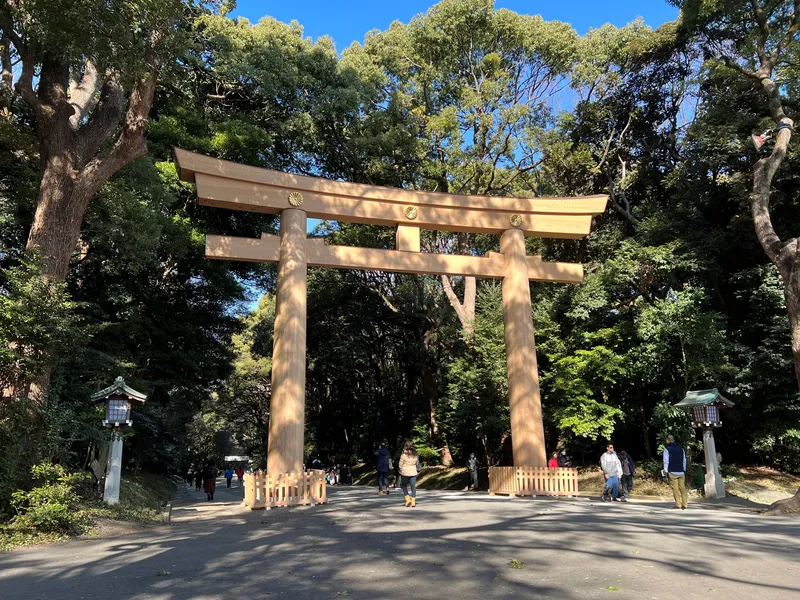 Shrine
Meiji Jingu
- Health & Healing
- Protection & Safety
- Bonds & Matchmaking
A 1920 Shinto shrine in central Tokyo enshrining Emperor Meiji and Empress Shōken, set in a 70-hectare forest that was planted from scratch and is visited today for prayers about bonds, protection and health.
 Shrine
Atago Shrine
- Career & Work
- Love & Romance
- Money & Prosperity
A shrine on a steep hill in Minato, founded in 1603 on Tokugawa Ieyasu's order as a deity against fire, and known for the stone staircase named after a rider who is said to have galloped up it.
No places match your filters