Fudō Myōō (不動明王)
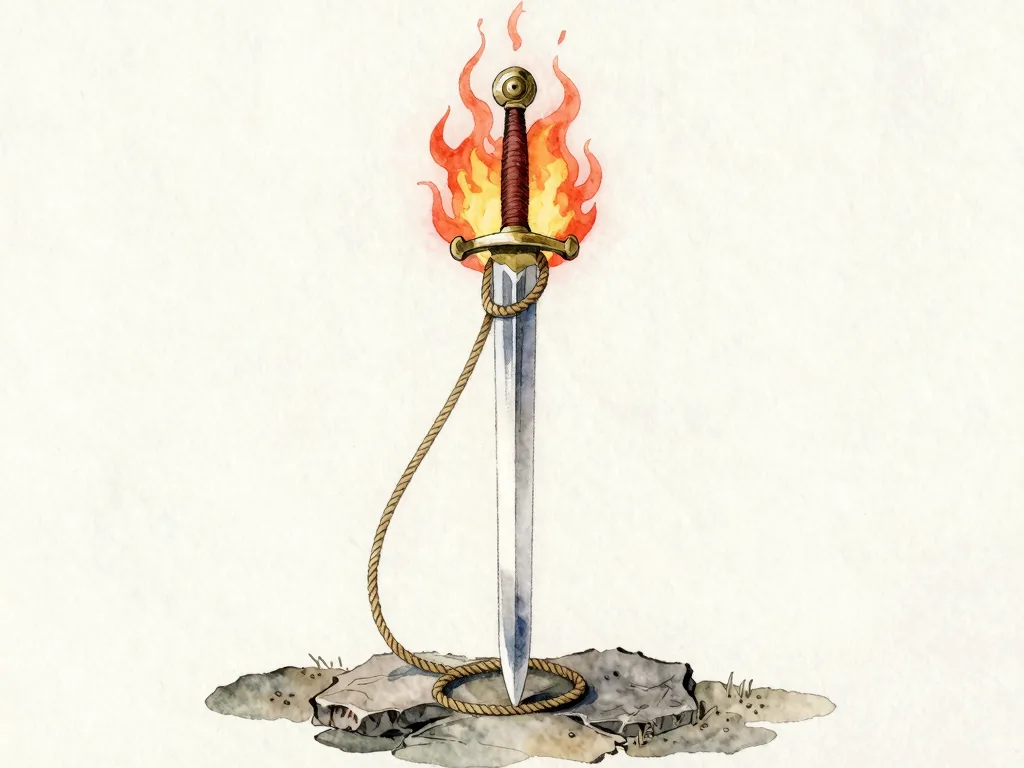
The immovable wisdom king, wreathed in flame, invoked against calamity and in the goma fire rite.
Fudō Myōō, Acala in Sanskrit, is the immovable one: the wisdom king who stands wreathed in flame with a sword in one hand and a rope in the other, fierce in appearance and understood as unmoving resolve rather than anger. He is central to Shingon esoteric practice, and the goma fire rite is performed before him. Fukagawa Fudo-do in Tokyo, the branch temple of Naritasan Shinshoji, describes the flames of that rite as the deity's wisdom itself, burning the offerings and the sticks that stand for our earthly desires and raising them into pure wishes. Naritasan's own image is said to have been carved by Kūkai, and its best-known amulet is a substitution charm meant to take harm in the bearer's place.
AI-assisted research. Check official sources before you travel.About
6 placesOpen in the full map
Places in this collection
 Temple
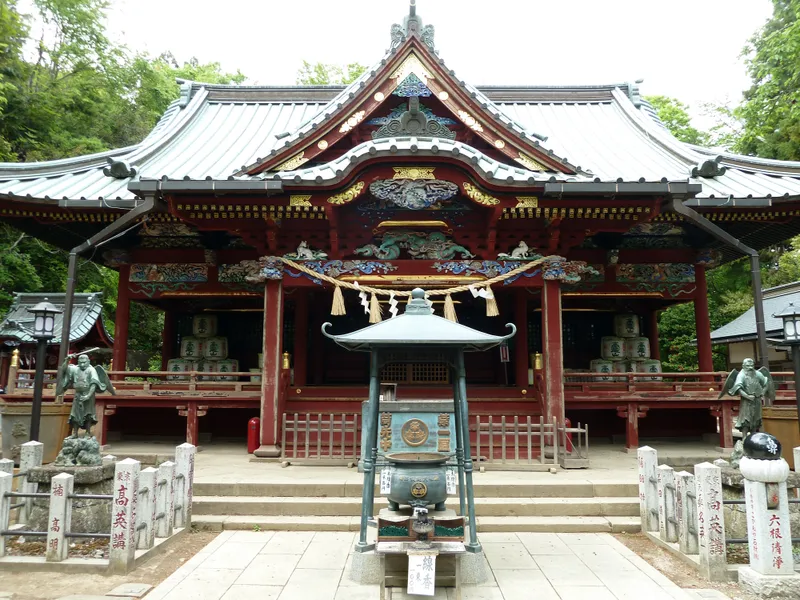
Takaosan Yakuo-in
- Protection & Safety
- Purification
A mountain temple founded in 744 on Mount Takao, west of Tokyo, whose principal image is Izuna Daigongen and whose tengu are held to ward off calamity, still an active centre of Shugendo mountain asceticism.
 Temple
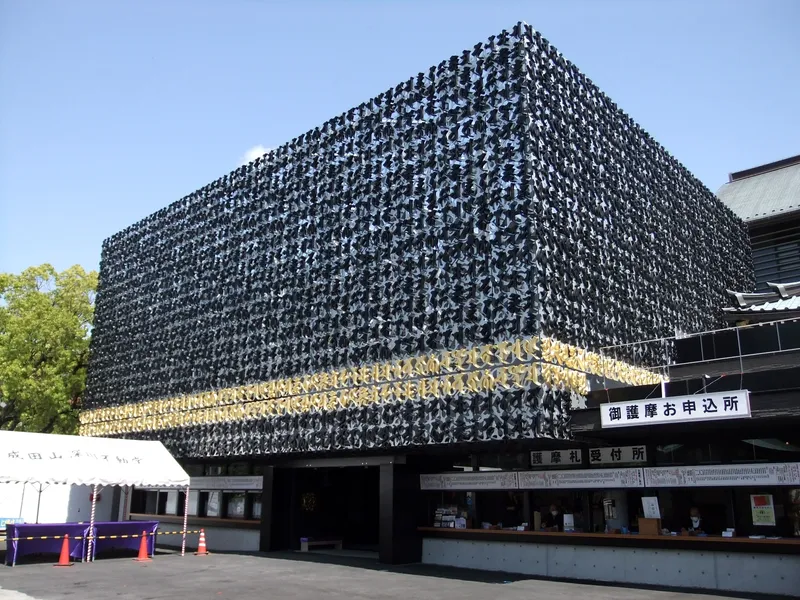
Fukagawa Fudo-do
- Protection & Safety
- Purification
The Tokyo branch of Naritasan Shinshoji, in Monzen-nakacho, where a goma fire rite is performed before Fudo Myoo several times a day.
 Temple
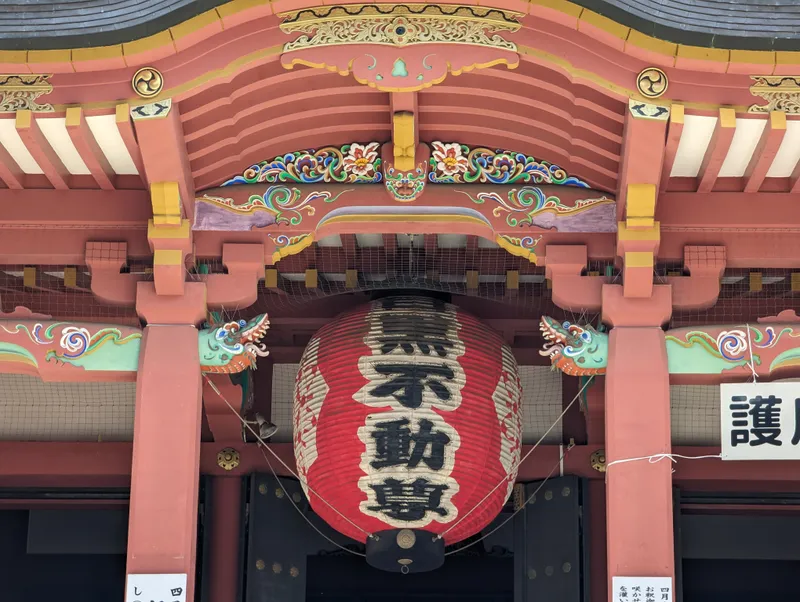
Meguro Fudoson (Ryusen-ji)
- Protection & Safety
- Purification
The oldest Fudo site in the Kanto, founded in 808 after a fifteen-year-old monk dreamed of a blue-black figure with a sword and a rope, and one of the Five-Colour Fudo that guarded Edo.
 Temple
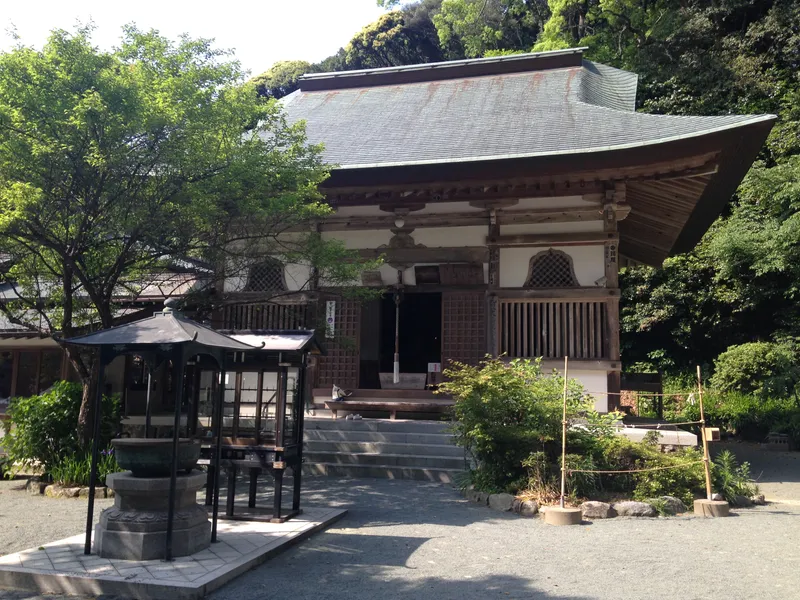
Chinkoku-ji
Kobo Daishi met a great storm on his crossing to Tang China and was saved when Fudo Myoo appeared among the waves; after returning he opened this temple on Mount Byobu.
 Temple
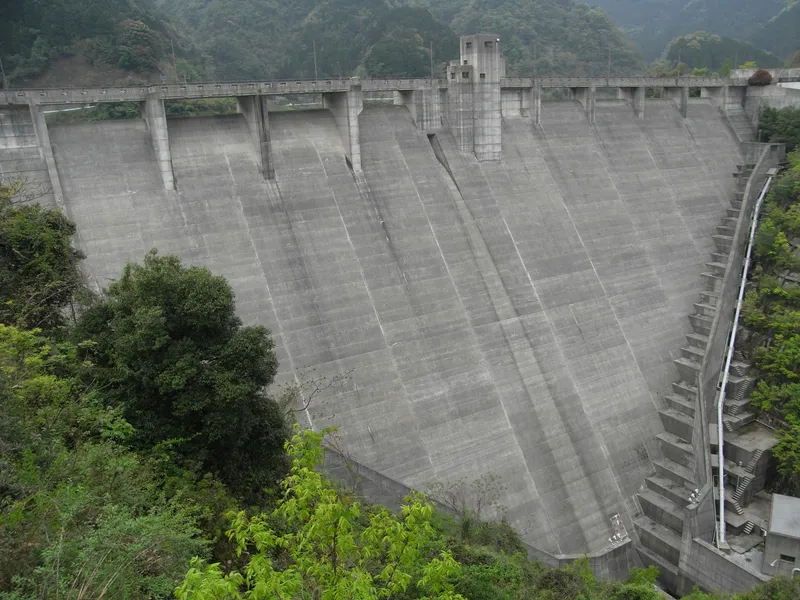
Inunakisan Shippo Ryuji
- Protection & Safety
Founded in 661 by En no Gyoja at the age of twenty-eight, on a mountain an emperor renamed for a dog that died saving its master.
 Natural Site
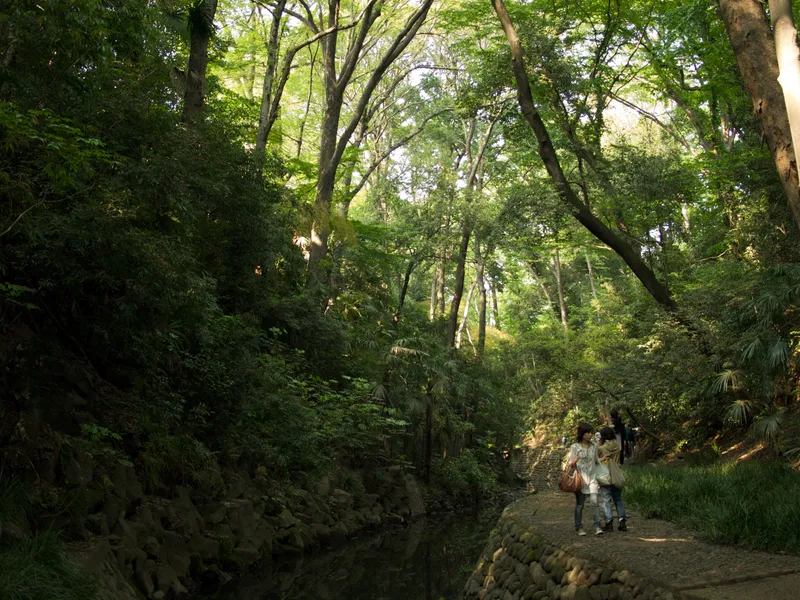
Todoroki Valley
A wooded ravine cut by the Yazawa River in suburban Setagaya, designated a place of scenic beauty by Tokyo in 1999, with a spring-fed waterfall and a Shingon Fudo hall above it. The ward reopened the path on 24 March 2026 after a long closure for unsafe trees.