Osaka
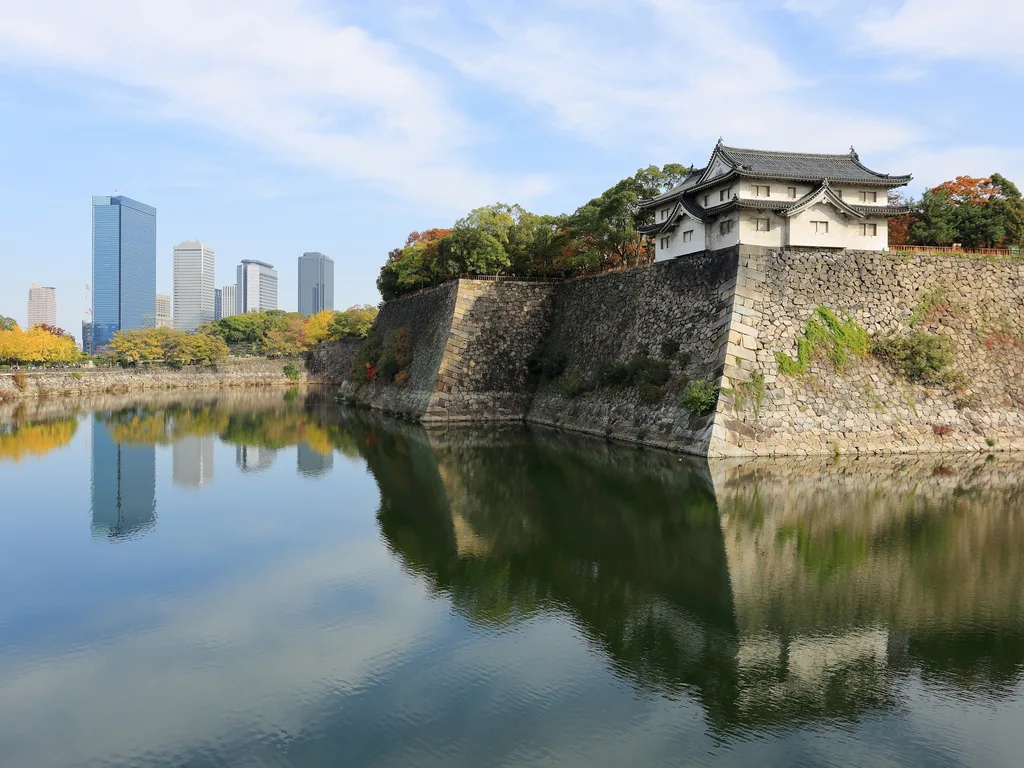
Osaka grew up as a merchant city, and its shrines grew up with the trade and with the sea it depended on. The places here run from the harbour shrine at Sumiyoshi to the Ebisu shrines of the market streets.
AI-assisted research. Check official sources before you travel.About
30 placesOpen in the full map
Places in this collection
 Shrine
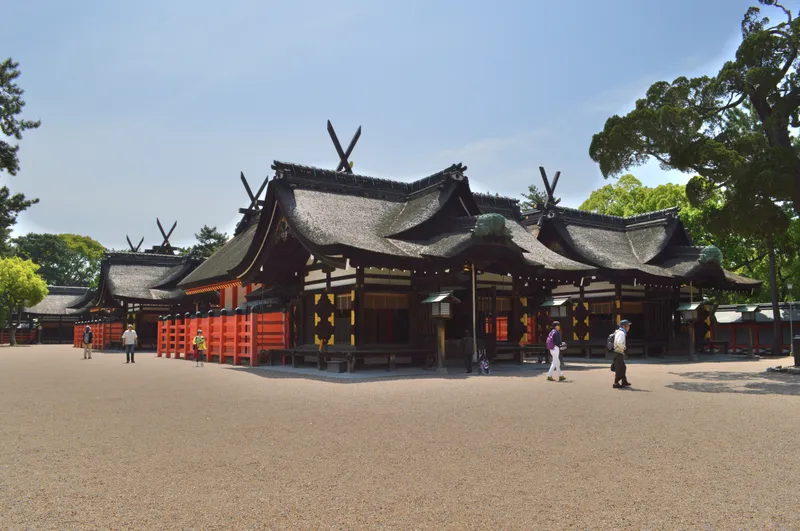
Sumiyoshi Taisha
- Protection & Safety
- Purification
Head shrine of Japan’s twenty-three hundred Sumiyoshi shrines, guardian of voyages since the envoys to Sui and Tang, and ancestral deity of purification.
 Temple
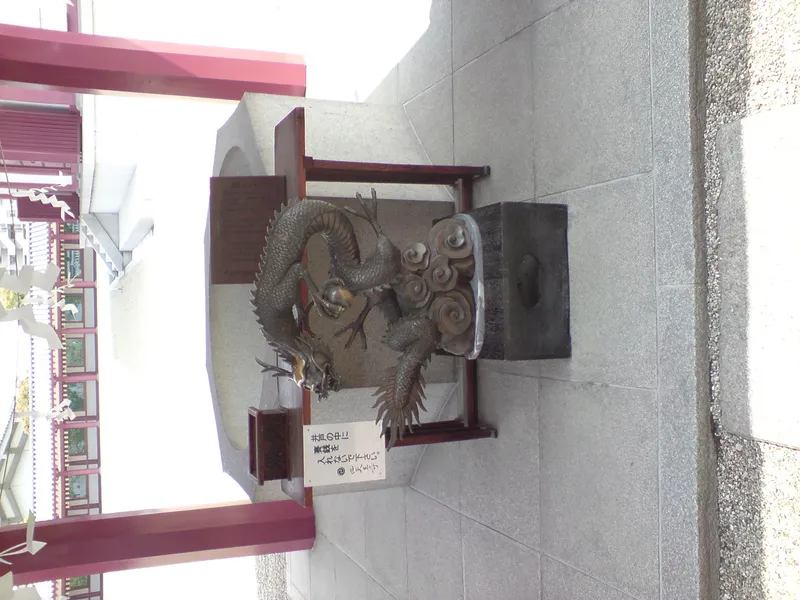
Shitenno-ji
- Health & Healing
- Money & Prosperity
Founded in 593 when Prince Shotoku made good on a battlefield vow — Japan’s first official state temple, still praying daily for recovery from illness and prosperity in business.
 Shrine
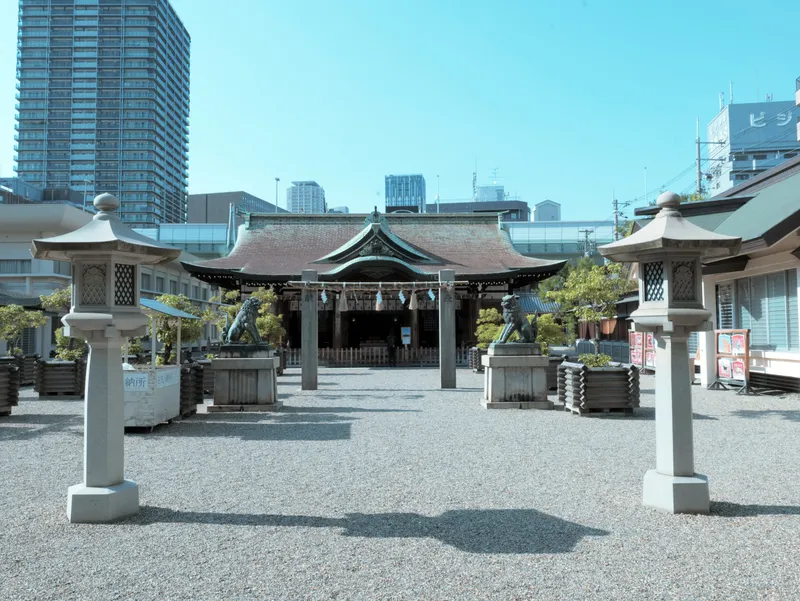
Imamiya Ebisu Jinja
- Money & Prosperity
Founded in 600 as the guardian deity of a marketplace, and revered since as a protector of prosperous trade and full good fortune.
 Shrine
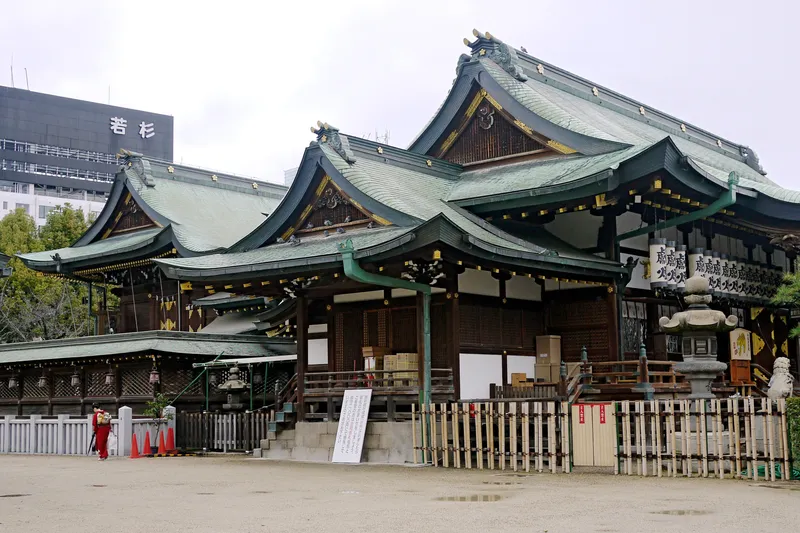
Osaka Tenmangu
- Exams & Study
- Money & Prosperity
- Protection & Safety
Built by imperial order on the spot where Sugawara no Michizane prayed for a safe journey to Dazaifu, after seven pines grew there overnight and shone each night.
 Temple
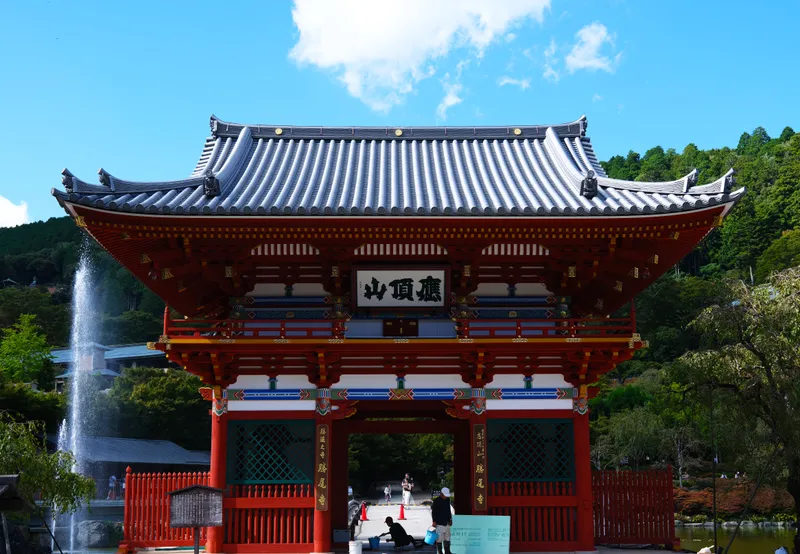
Katsuo-ji
- Exams & Study
- Health & Healing
- Protection & Safety
Begun in 727 when twin brothers built a hermitage on the mountain, and a temple of winning that defines winning as overcoming your own weak heart.
 Shrine
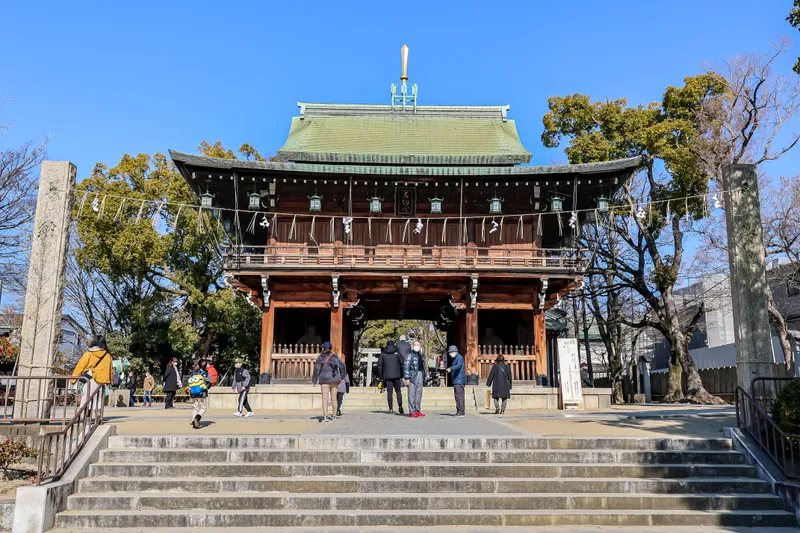
Ishikiri Tsurugiya Jinja
- Health & Healing
- Skill & Mastery
Its name describes a divine power that cuts through solid rock, and it is known as the deity who heals growths and swellings.
 Temple
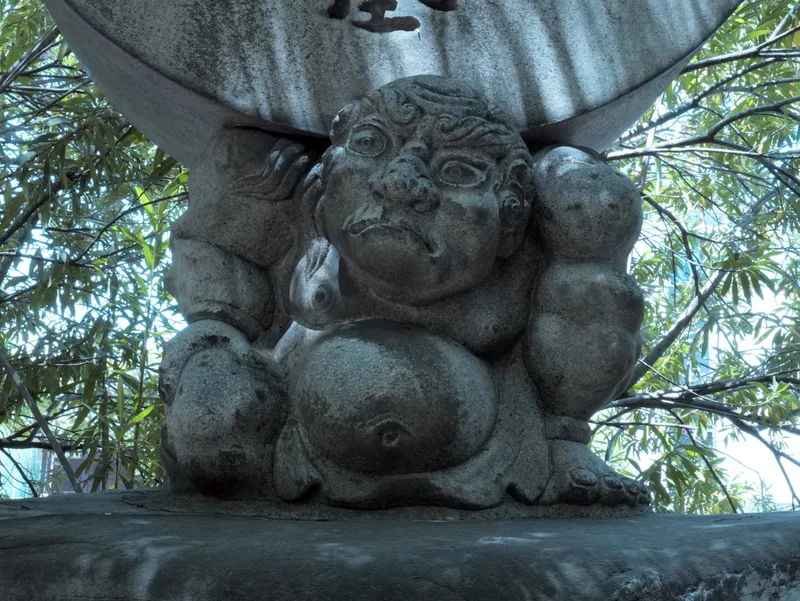
Isshin-ji
Begun in 1185 from Honen’s hermitage, and known since 1887 for its bone buddhas — images of Amida cast from human ashes.
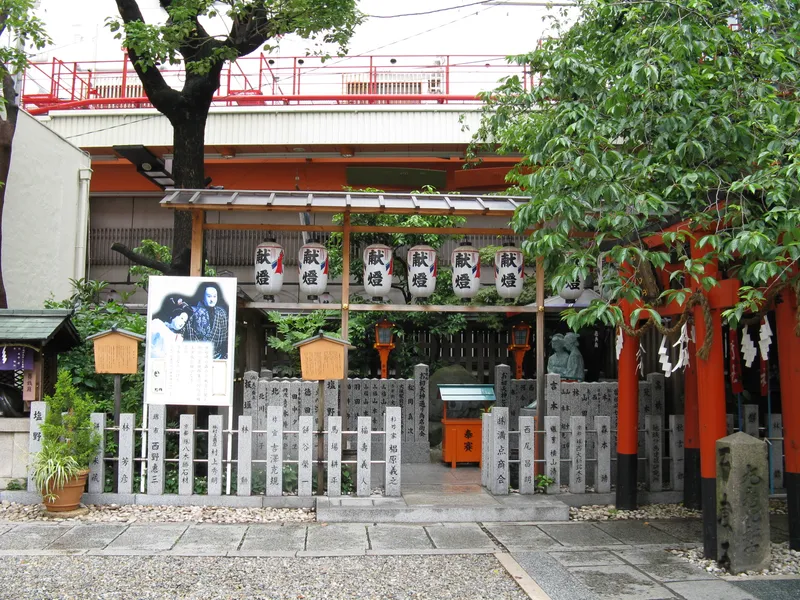 Shrine
Tsuyu no Tenjinsha
- Exams & Study
- Health & Healing
- Love & Romance
An old shrine of thirteen centuries whose grove was the scene of the double suicide behind Chikamatsu’s play, and where people now come to ask for love to come true.
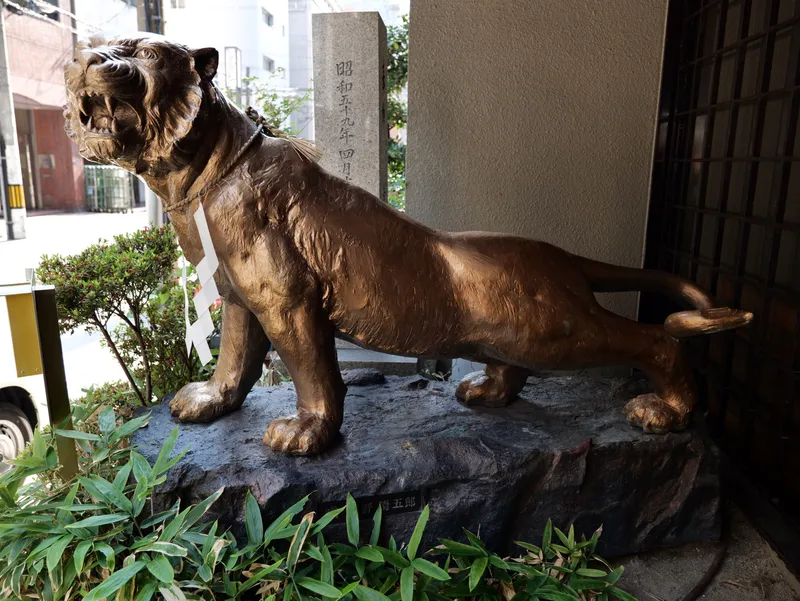 Shrine
Sukunahikona Jinja
- Health & Healing
Founded in 1780 when the drug merchants of Doshomachi invited Sukunahikona into their guild meeting hall to sit beside Shennong.
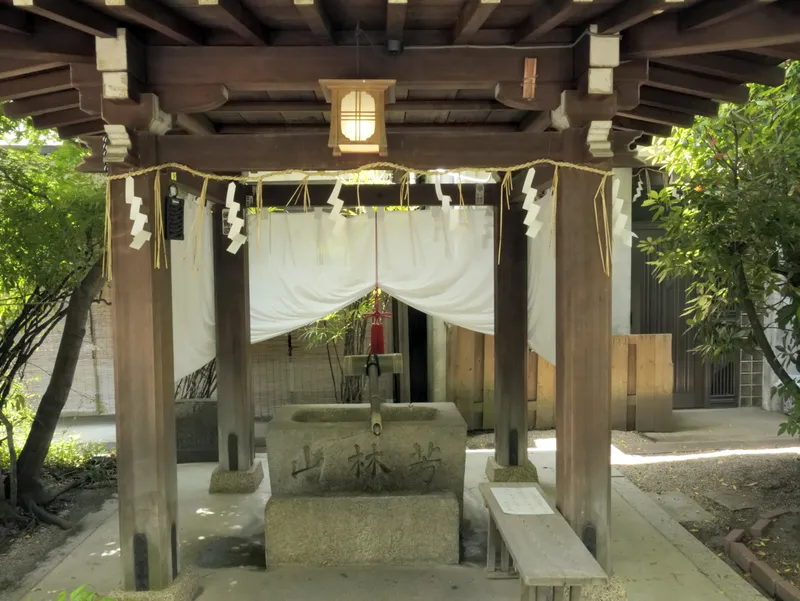 Shrine
Horikoshi Jinja
- Wish Fulfillment
Founded by Prince Shotoku at the same time as Shitenno-ji in memory of his uncle Emperor Sushun, and said to grant one wish in a lifetime.
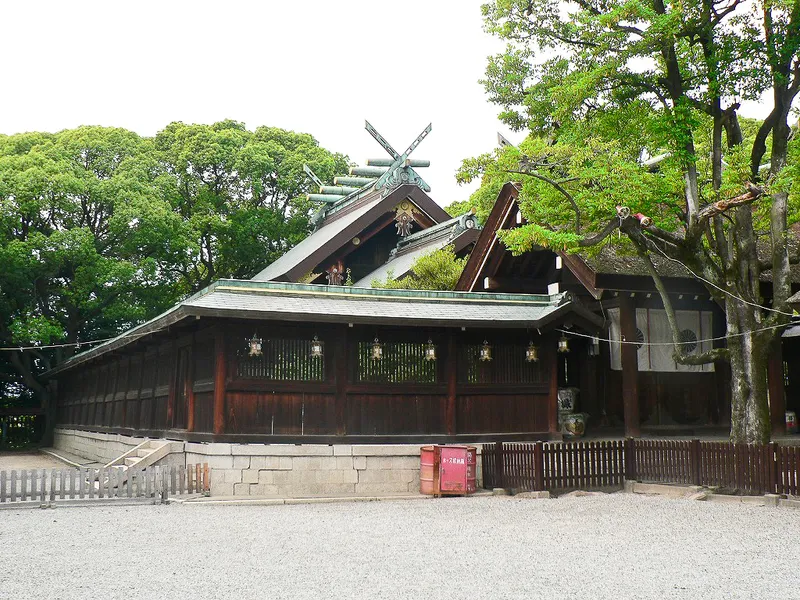 Shrine
Otori Taisha
- Protection & Safety
Founded where the spirit of Yamato Takeru, having become a white bird, came down for the third time — worshipped for fortune in winning, warding off misfortune and safe travel.
 Temple
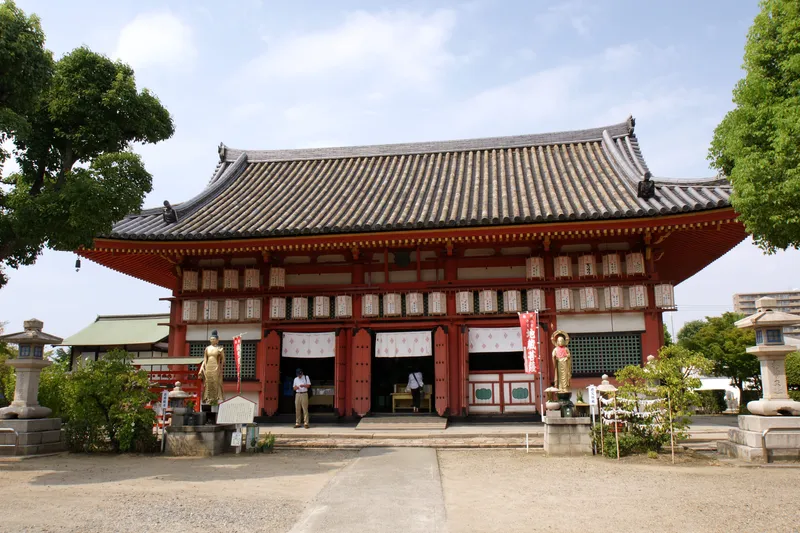
Shoman-in Aizendo
- Love & Romance
- Money & Prosperity
- Bonds & Matchmaking
Founded by Prince Shotoku in 593 on the site of his dispensary — called the birthplace of welfare work — and known for the binding of ties and harmony between husband and wife.
 Shrine
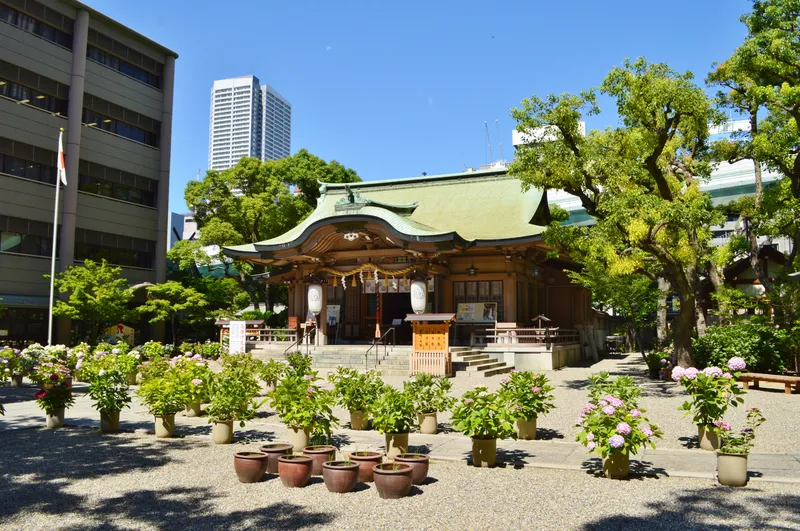
Ikasuri Jinja
- Family & Home
- Fertility & Children
- Money & Prosperity
Because it is the deity of this ground, the shrine records, it governs safe childbirth, children’s safe growth and safety in trade.
 Temple
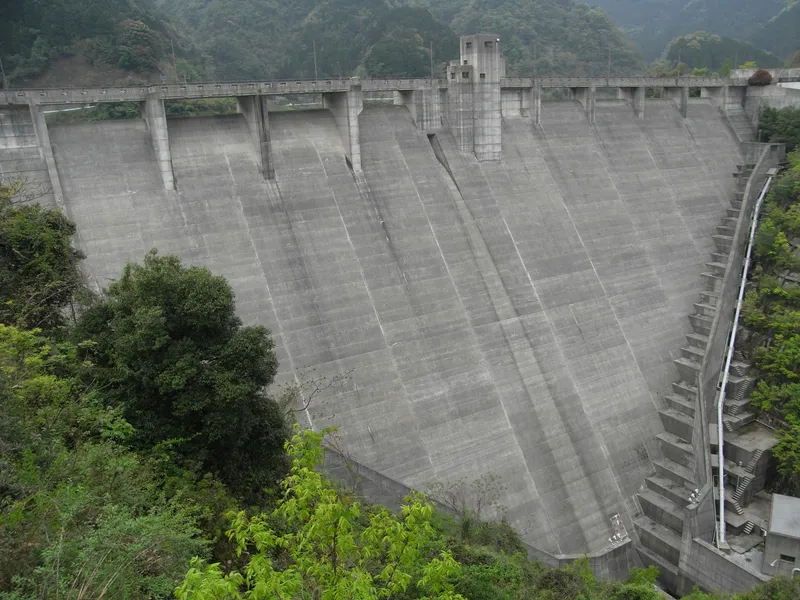
Inunakisan Shippo Ryuji
- Protection & Safety
Founded in 661 by En no Gyoja at the age of twenty-eight, on a mountain an emperor renamed for a dog that died saving its master.
 Shrine
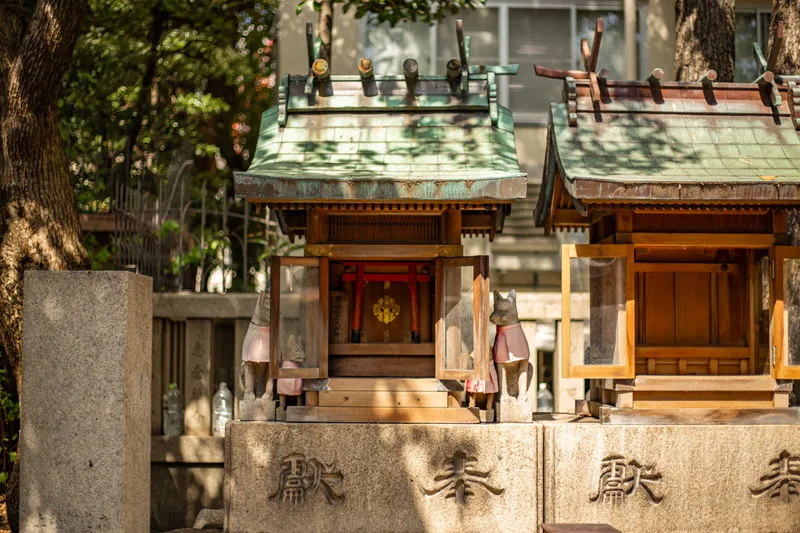
Namba Yasaka Jinja
- Protection & Safety
Its deity Susanoo is described as having put down the great serpent and removed the hardship of the people; it was long the tutelary deity of the whole Namba district.
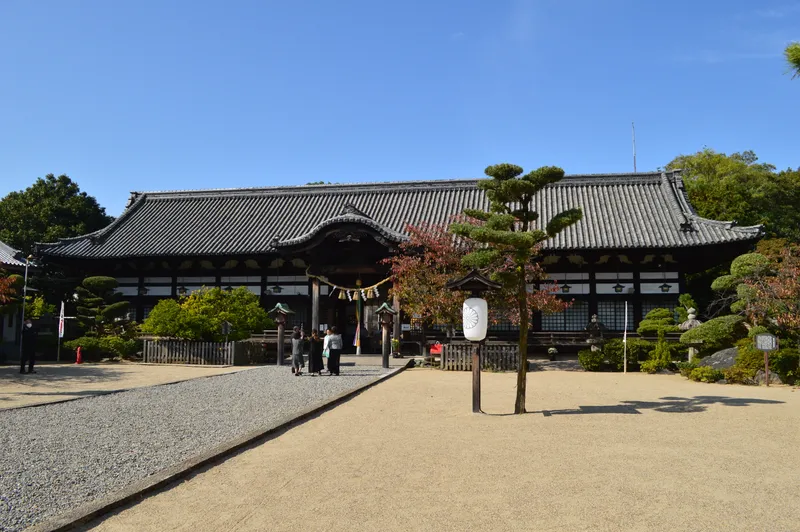 Shrine
Konda Hachimangu
- Fertility & Children
- Protection & Safety
It sits on the round rear mound of Emperor Ojin’s tomb, and its history began from the devotion of guarding and serving that tomb.
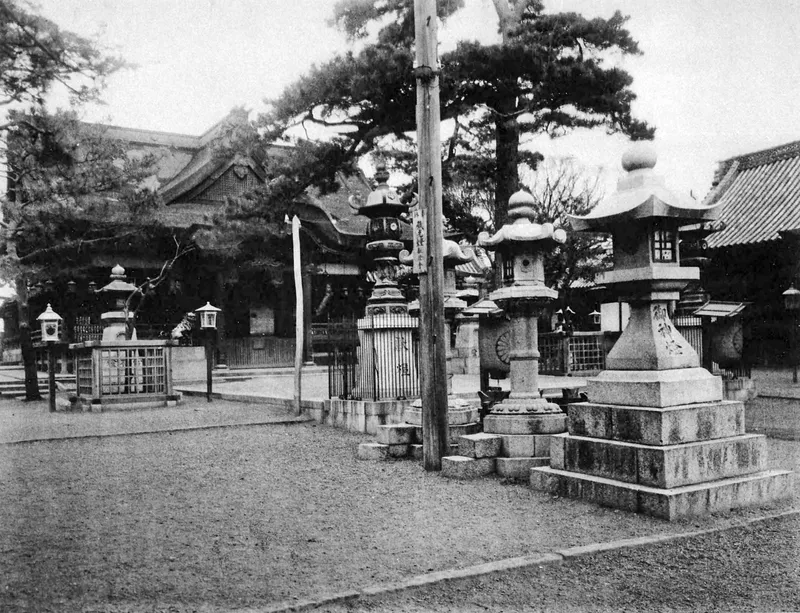 Shrine
Kozu-gu
- Fertility & Children
- Money & Prosperity
Founded in 866, when an imperial order sent a search for the ruins of the old capital and the shrine was built where they were found.
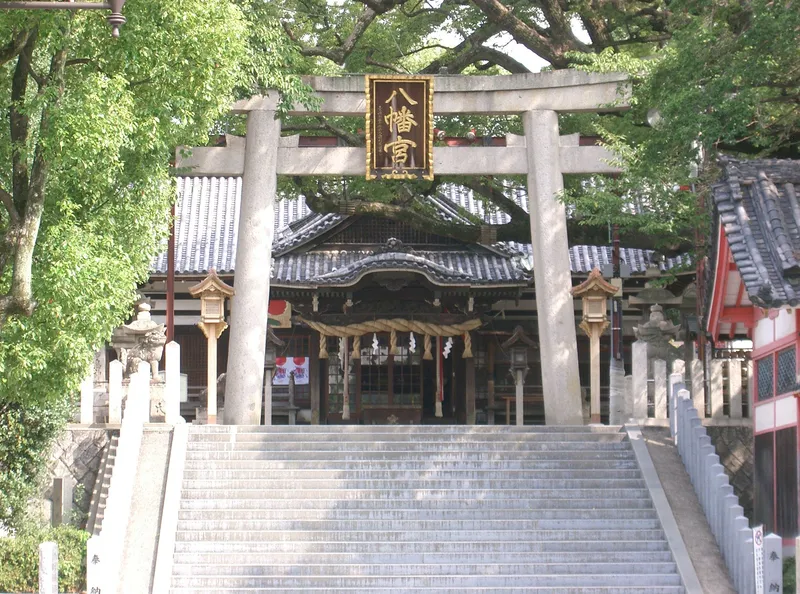 Shrine
Mozu Hachimangu
- Protection & Safety
Founded after an utterance of Hachiman named this ground Mozu in the reign of Emperor Kinmei, with a vow to keep the realm at peace and guard all the people.
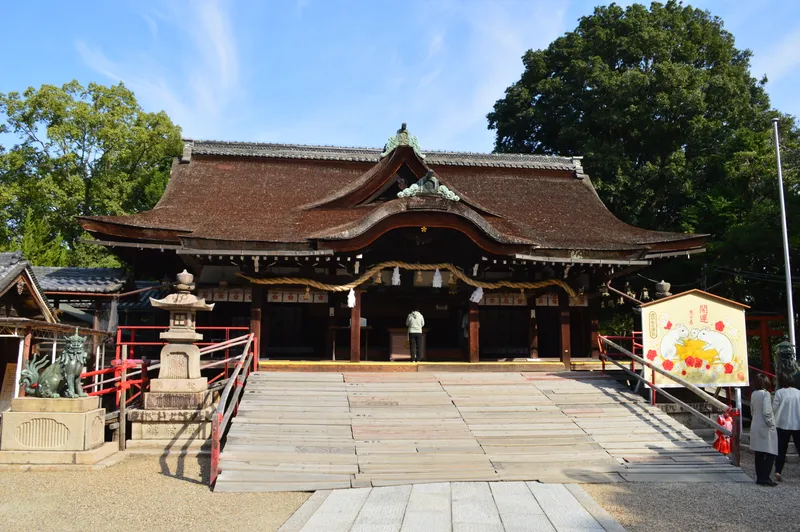 Shrine
Domyoji Tenmangu
- Exams & Study
It began when Nomi no Sukune, rewarded for inventing haniwa to replace the burial of the living, enshrined his distant ancestor here — and it now enshrines Sugawara no Michizane and his aunt.
 Shrine
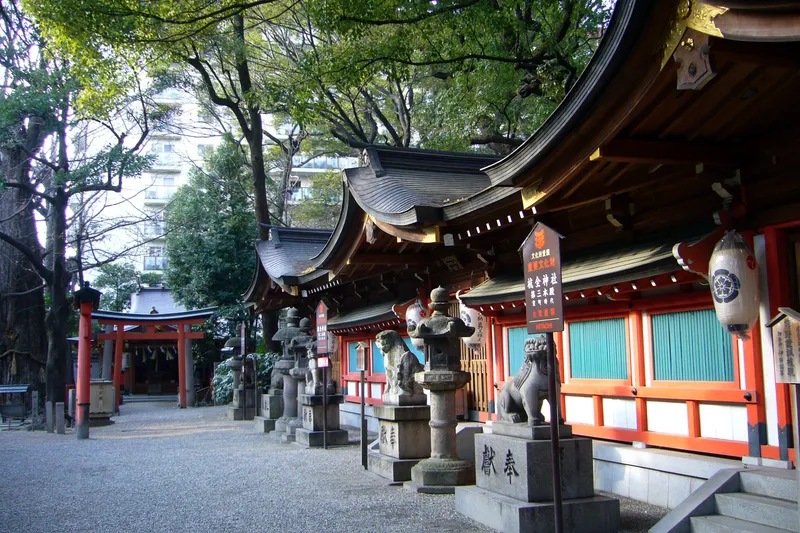
Kumata Jinja
- Protection & Safety
Founded in 862 with an oracle in the deity’s own voice: I am the guardian of this land, and if I am worshipped hereafter I shall make the realm at peace and the people prosperous.
 Temple
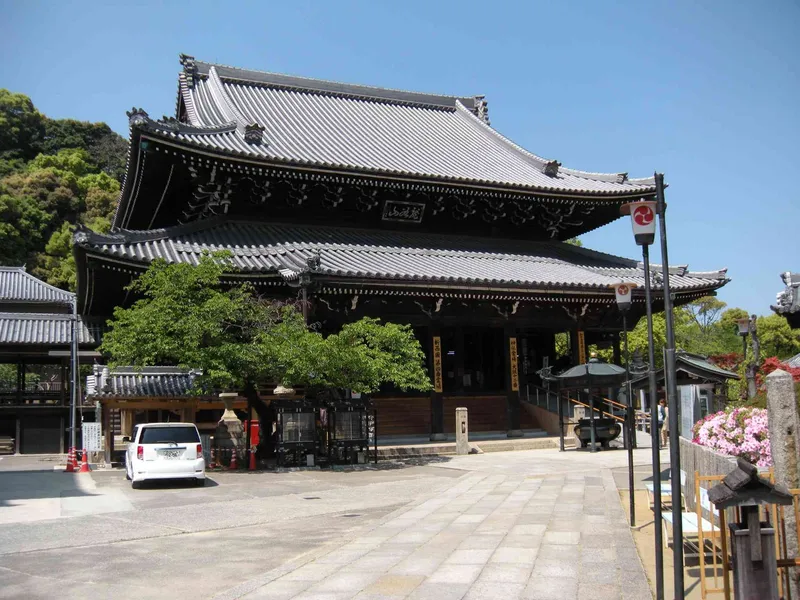
Mizuma-dera
- Protection & Safety
Founded in 744 by the priest Gyoki at the order of Emperor Shomu, and later revered by ordinary people as the Kannon who wards off misfortune.
 Shrine
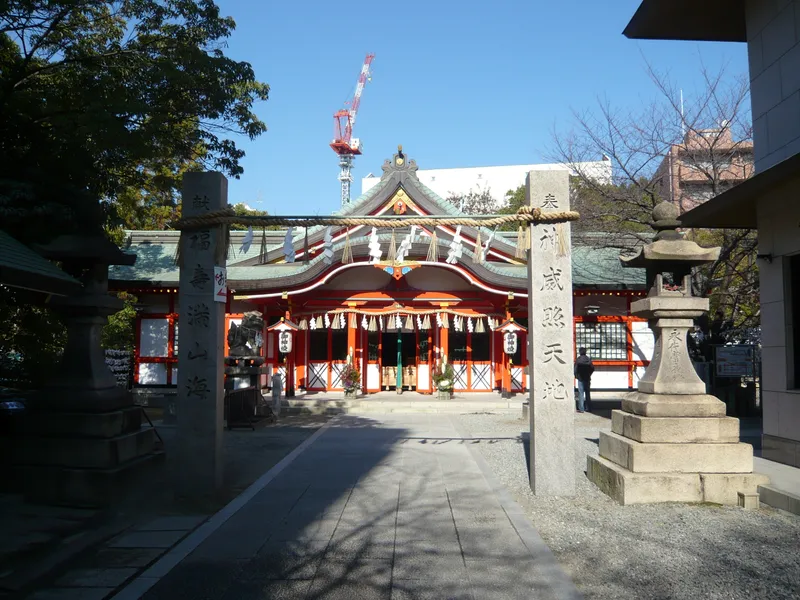
Tamatsukuri Inari Jinja
Transmitted as founded in 12 BC, revered through the Toyotomi and Tokugawa ages as the guardian deity of Osaka Castle, and the origin of the place-name Tamatsukuri.
 Shrine
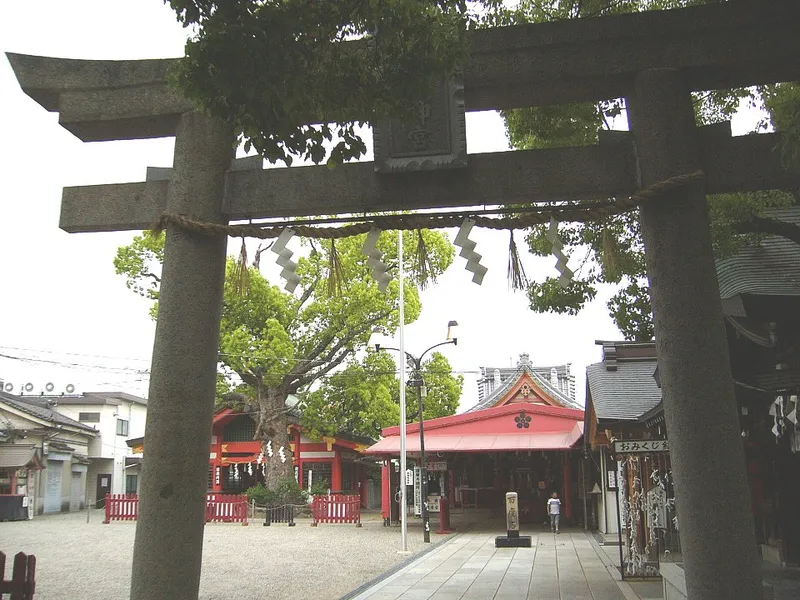
Hattori Tenjingu
- Health & Healing
Where Sugawara no Michizane, unable to take a step for illness in his legs on the road to Dazaifu, prayed to be healed — and which is revered since as the deity of feet.
 Shrine
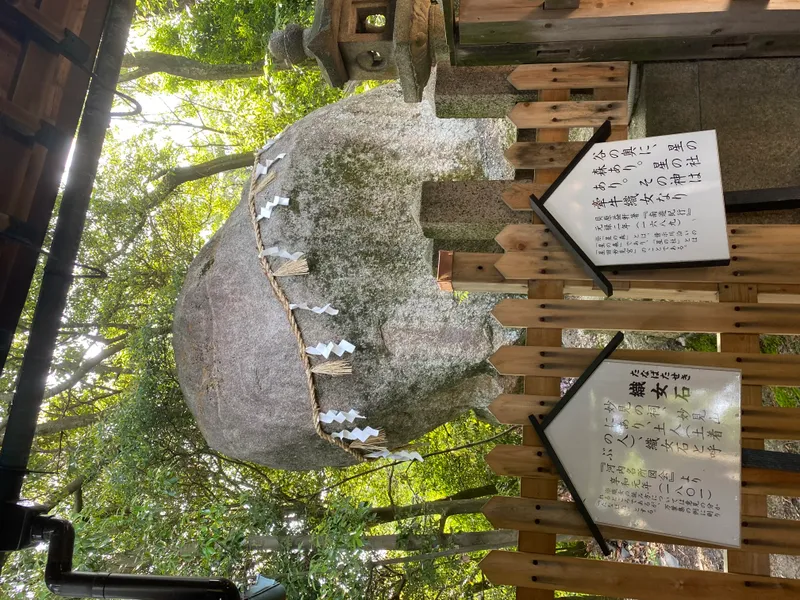
Hoshida Myokengu
The seven stars that fell from heaven in answer to Kobo Daishi’s rite came down in three places, and one of them is this shrine’s object of worship.
 Temple
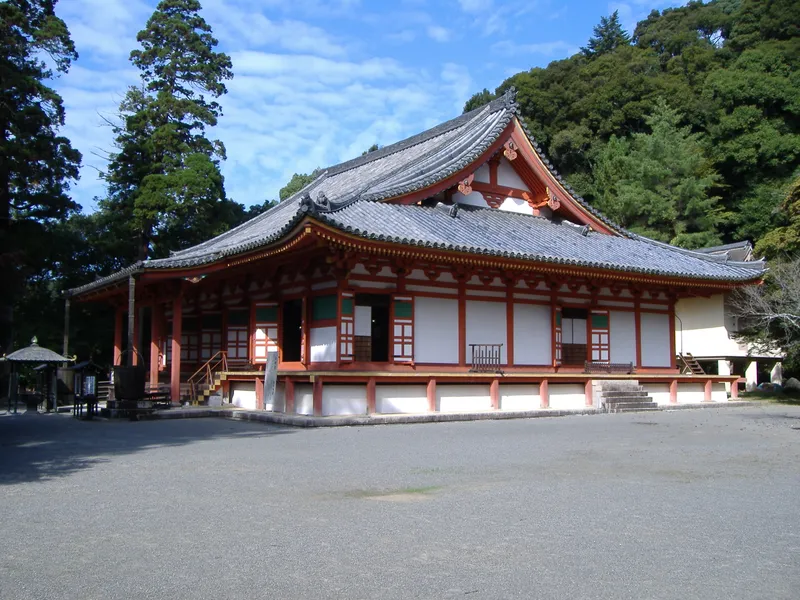
Kanshin-ji
Founded in 701 by En no Gyoja, with Nyoirin Kannon as its principal image and a pagoda in its grounds named for having been left unfinished.
 Temple
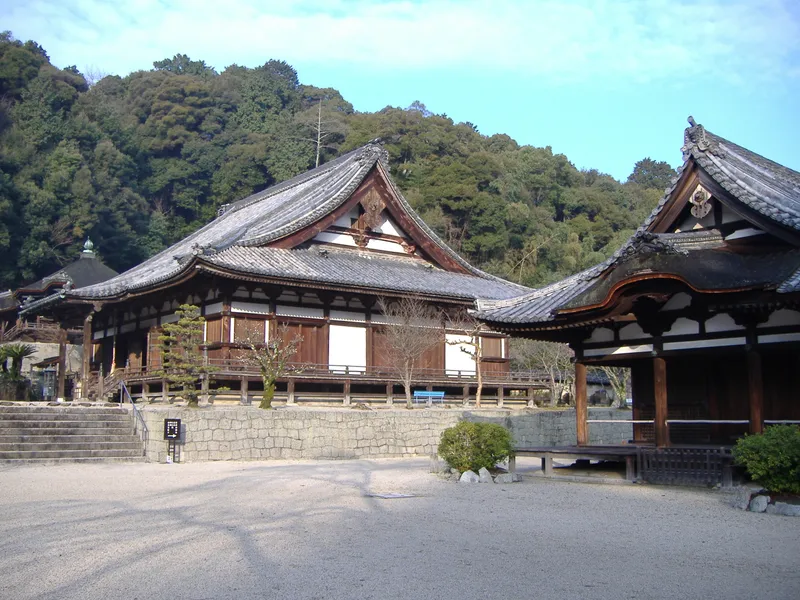
Amanosan Kongo-ji
Known as the Koya of women, and the temple where Emperor Go-Murakami conducted the business of government from the refectory for about five years.
 Shrine
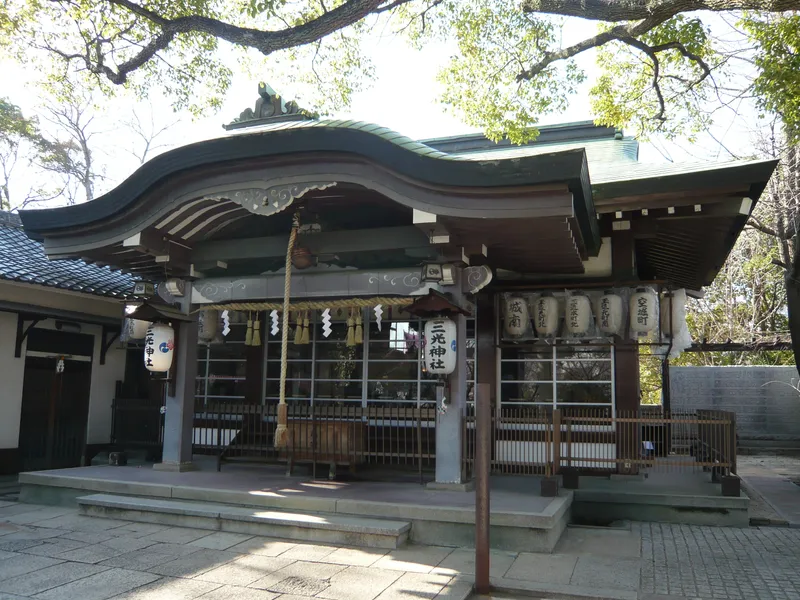
Sanko Jinja
- Health & Healing
Known since antiquity as the only deity in all Japan for warding off palsy, with its rite held for seven days from 1 June each year.
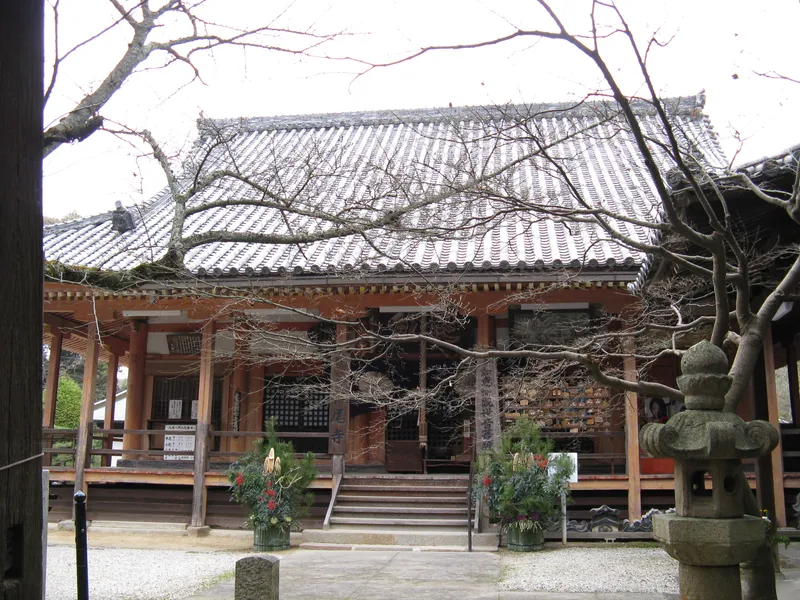 Temple
Matsuo-dera
- Protection & Safety
The temple describes itself as Japan’s oldest sacred site for warding off misfortune, and the only temple of prayer of yakujo.
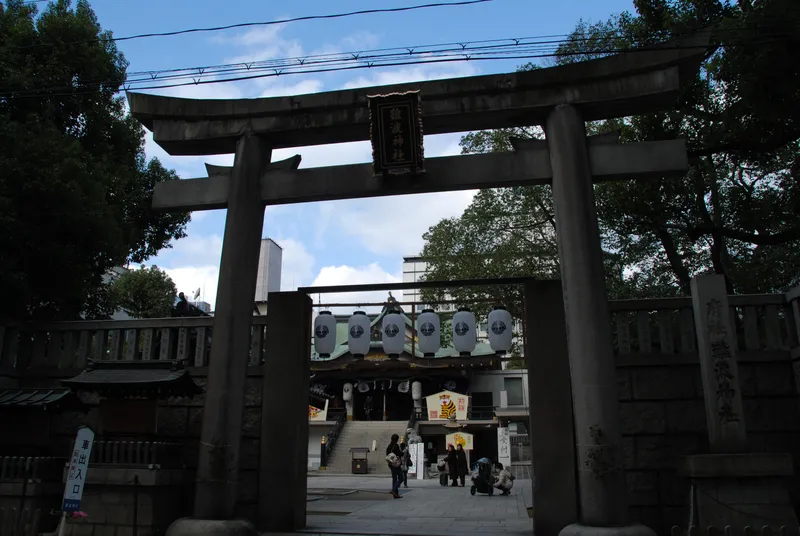 Shrine
Namba Jinja
Transmitted as founded when Emperor Hanzei opened his palace at Shibagaki and enshrined his father, Emperor Nintoku.
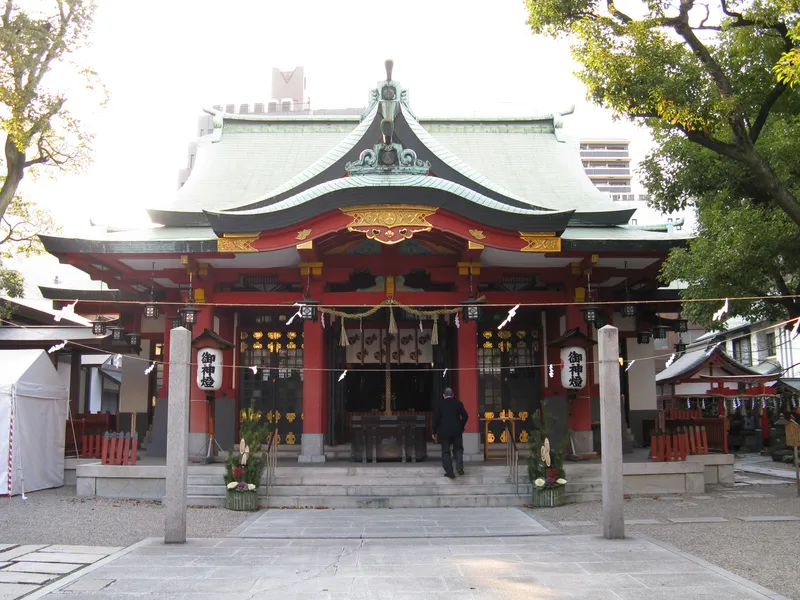 Shrine
Goryo Jinja
Its founding begins with the Enshinshi shrine, named in the Montoku Jitsuroku as the site of the Yasoshima rite in 850 — over a thousand years of history.