Ishikiri Tsurugiya Jinja
Denbo no Kamisan
Researched and translated with AI assistance. Every claim is linked to its source, but errors get through, so check the official site for opening times, fees and closures.About
In short
Its name describes a divine power that cuts through solid rock, and it is known as the deity who heals growths and swellings.
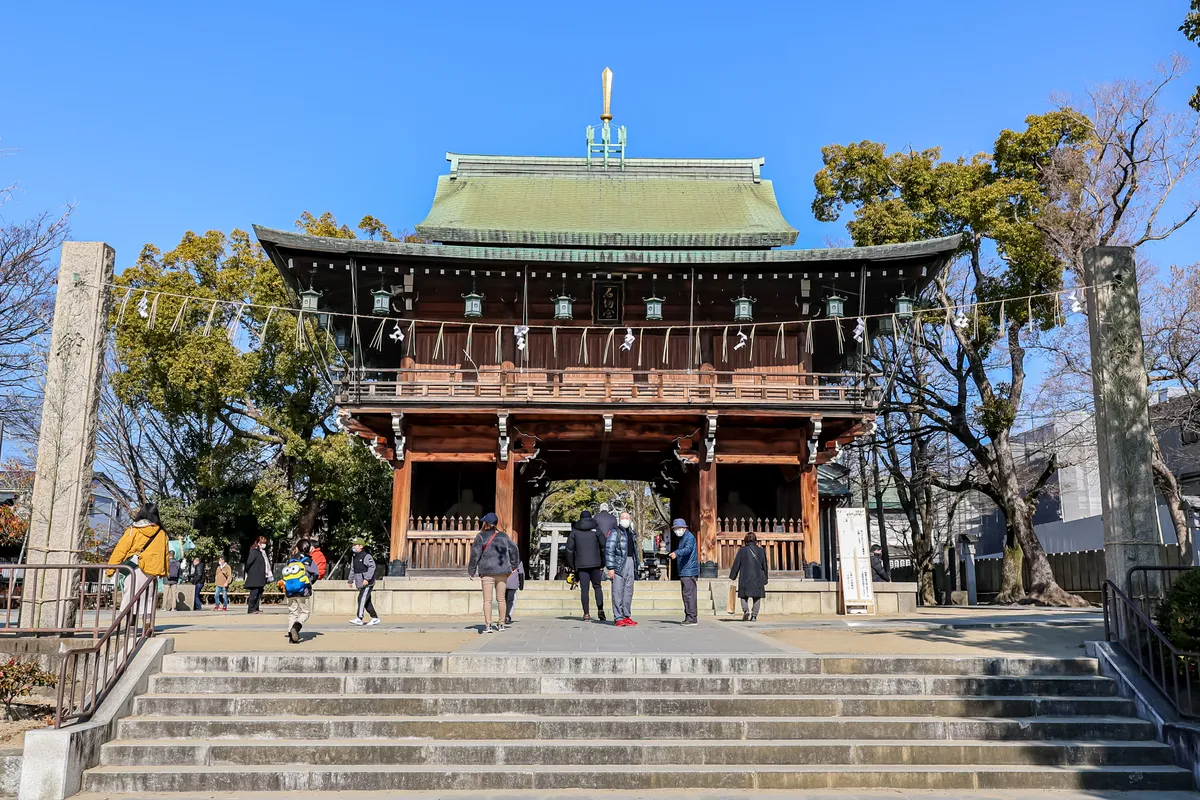
Quick facts
- Address
- 1-1-1 Higashiishikiricho, Higashiosaka, Osaka
About this place
Ishikiri Tsurugiya Jinja is in Higashiosaka. It enshrines two deities, father and son: Nigihayahi, a grandson of Amaterasu, and his child Umashimade. The shrine name — "stone-cutting sword and arrow" — expresses how great the enshrined deities’ power is, great enough to split and pierce even solid rock. The ten sacred treasures are transmitted to have healed illness and even restored lives that had been lost, and the shrine is known as the deity who cures growths and swellings. As descendants of the Mononobe, its deities also govern making, on the principle that a spirit dwells in things made. The kaji prayers and the hundred-times pilgrimage are especially well known, drawing people from across Kansai and from all over the country.
Origin and history
This shrine enshrines two deities, father and son: Nigihayahi, a grandson of Amaterasu, and his child Umashimade.
In the year after the enthronement of Emperor Jimmu, Umashimade, setting out to pacify the Izumo region, enshrined Nigihayahi at Miyayama where he had been born and raised. This is transmitted as the origin of Ishikiri Tsurugiya Jinja.
The shrine name, "stone-cutting sword and arrow", expresses how great the enshrined deities’ power is — great enough to split and pierce even solid rock.
What it is locally associated with
The deity for growths
The ten sacred treasures are transmitted to have healed illness and restored lost lives, and the shrine is known as the deity who cures growths and swellings.
folk traditionDeity of making
As descendants of the Mononobe, the deities govern the making of things, on the principle that a spirit dwells in what is made.
documented historyKaji prayers and the hundred-times pilgrimage
The kaji prayers and the hundred-times pilgrimage are especially well known, drawing people from across Kansai and the whole country.
documented historyFather and son at Miyayama
In the year after Emperor Jimmu’s enthronement, Umashimade enshrined Nigihayahi at Miyayama, where he had been born and raised.
folk tradition
This shrine explains its own name. Stone-cutting sword and arrow: the name, it records, expresses a divine power great enough to split and pierce even solid rock. The name is a description of what the deity does.
From there to healing is one continuous line. The ten sacred treasures are transmitted to have healed illness and even restored lives that had been lost, and the shrine is known as the deity who cures growths and swellings. What cuts through rock cuts through what grows on a body.
Its other face is making. As descendants of the Mononobe, the deities govern the making of things, on the principle that a spirit dwells in what is made.
Even the way of visiting has a name. The kaji prayers and the hundred-times pilgrimage are especially well known, and people come for them from across Kansai and beyond.
Claims and evidence levels 3
- Ishikiri Tsurugiya Jinja enshrines Nigihayahi and his son Umashimade, and explains its name as expressing a power that splits and pierces solid rock. documented history
- The ten sacred treasures are transmitted to have healed illness and restored lost lives; the shrine is known as the deity who cures growths and swellings. folk tradition
- As descendants of the Mononobe its deities govern making, and its kaji prayers and hundred-times pilgrimage draw visitors nationwide. documented history
Related guides
- How to visit a shrine or temple in JapanThe country-wide basics: purifying at the water basin, the two-bows-two-claps-one-bow form at shrines, and what temples do instead.
- What a "power spot" actually isA modern Japanese coinage, not a traditional religious category. Where the word came from, what it does and does not claim, and why this site uses it anyway.
- Shrine or temple?A shrine is Shinto and a temple is Buddhist, and you can usually tell at the gate. Why the line is cleaner on paper than on the ground, and what a government order in 1868 has to do with it.
- Omamori, ema, omikuji and goshuinThe four things you are most likely to receive, write, draw or be given at a shrine or temple, what each is actually for, and the one of them people most often get wrong.
Sources
Last updated:
Similar places
8 places
 Temple
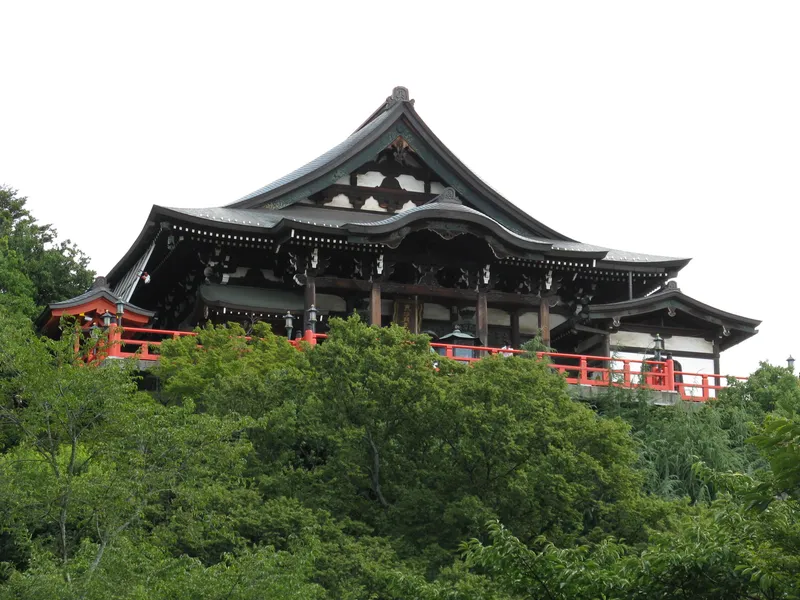
Chogosonshi-ji
- Family & Home
- Health & Healing
- Protection & Safety
Prince Shotoku is said to have perceived Bishamonten on this mountain at the tiger hour of the tiger day of the tiger year, and the temple received its name when Emperor Daigo recovered from grave illness.
 Temple
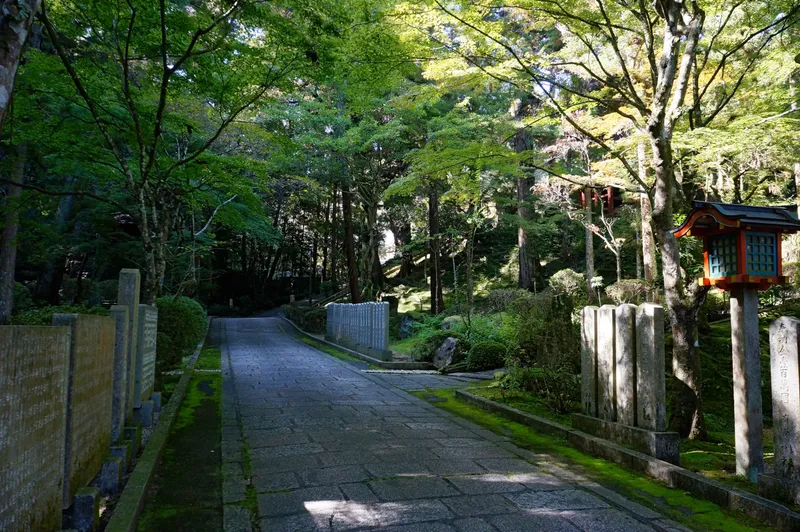
Ryosen-ji
- Health & Healing
Founded on a Yakushi Nyorai perceived at Kumano by Ono no Tomihito, and named Ryosen-ji when the Indian monk Bodhisena reported that the ground here looked just like Vulture Peak.
 Shrine
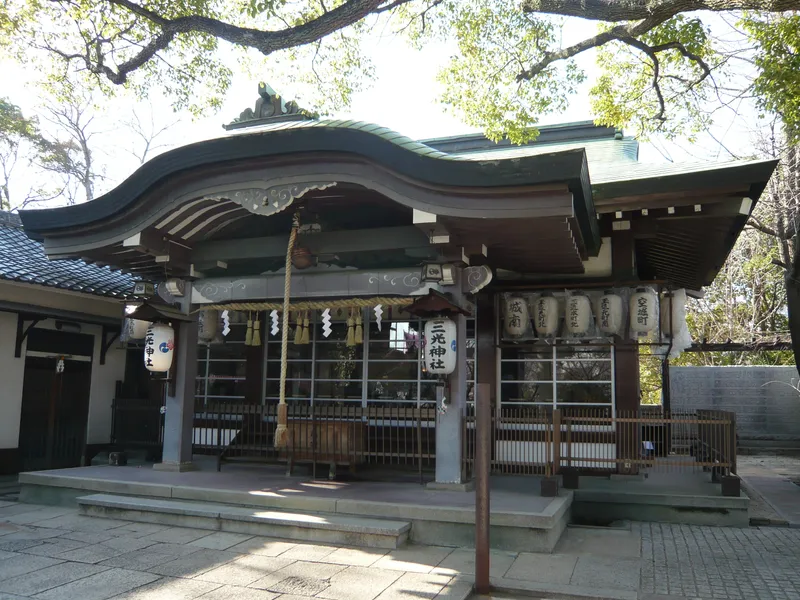
Sanko Jinja
- Health & Healing
Known since antiquity as the only deity in all Japan for warding off palsy, with its rite held for seven days from 1 June each year.
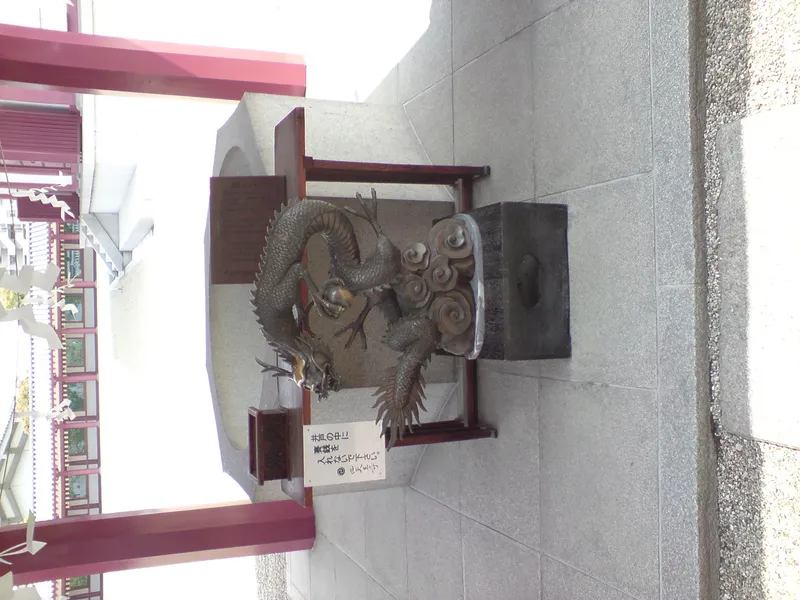 Temple
Shitenno-ji
- Health & Healing
- Money & Prosperity
Founded in 593 when Prince Shotoku made good on a battlefield vow — Japan’s first official state temple, still praying daily for recovery from illness and prosperity in business.
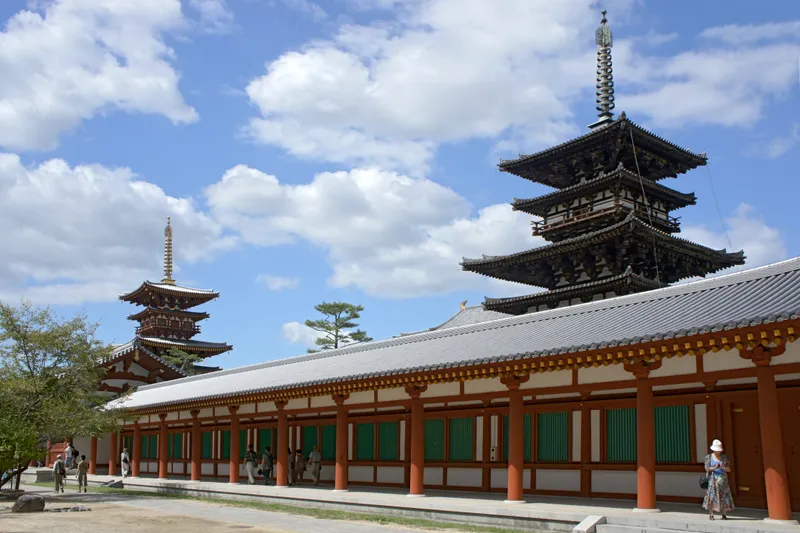 Temple
Yakushi-ji
- Health & Healing
Founded in 680 by Emperor Tenmu in prayer for the recovery of his empress from illness, and inscribed as World Heritage.
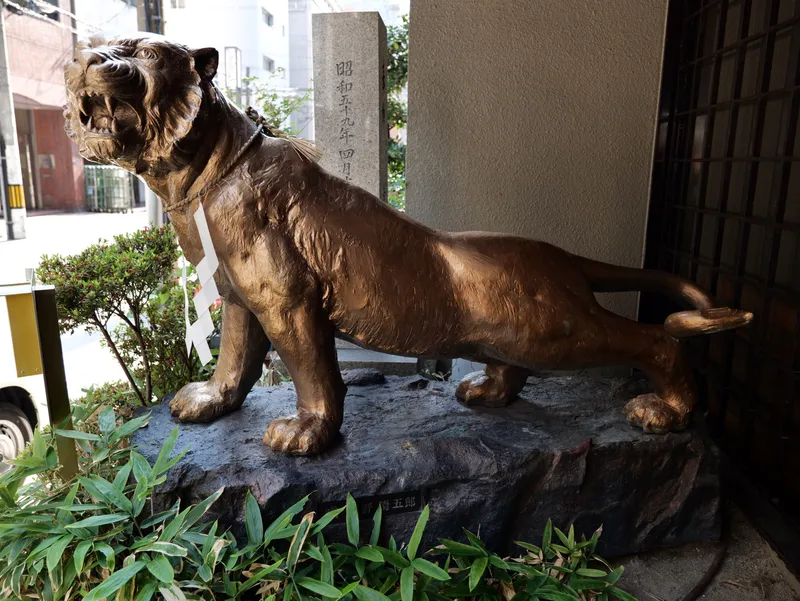 Shrine
Sukunahikona Jinja
- Health & Healing
Founded in 1780 when the drug merchants of Doshomachi invited Sukunahikona into their guild meeting hall to sit beside Shennong.
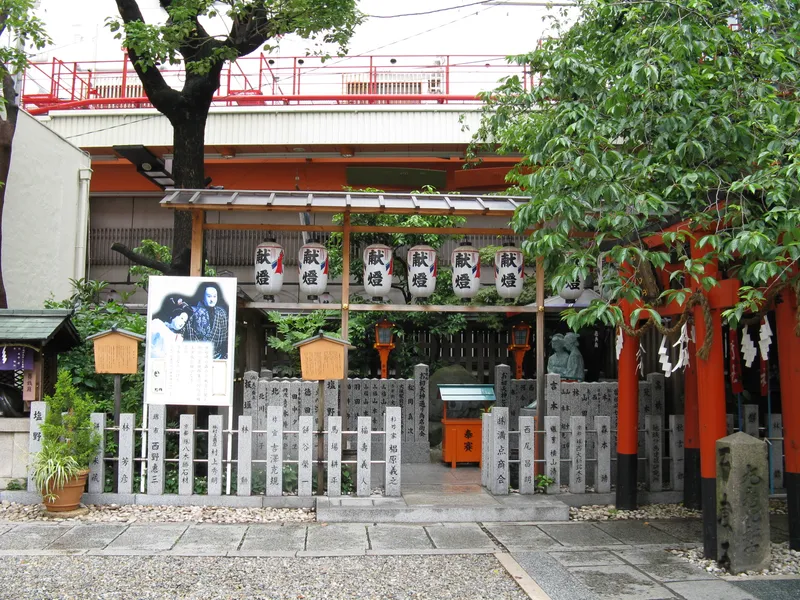 Shrine
Tsuyu no Tenjinsha
- Exams & Study
- Health & Healing
- Love & Romance
An old shrine of thirteen centuries whose grove was the scene of the double suicide behind Chikamatsu’s play, and where people now come to ask for love to come true.
 Temple
Daian-ji
- Health & Healing
Japan’s first state-founded temple, beginning with the Kumagori retreat that Prince Shotoku founded, and today a temple where people pray against cancer.
No places match your filters